



India is having a moment. Clear but undeniable, shaped by craft, color, and a long-standing influence on the way the world gets dressed. Across the Spring/Summer 2026 menswear runways, designers are drawing from Indian design codes with a certain degree of poetry. While global fashion has long flirted with the subcontinent, what we’re seeing now feels different.
RELATED: Louis Vuitton Men’s S/S26 Embraces India’s Rise in Luxury
Runway Reverberations
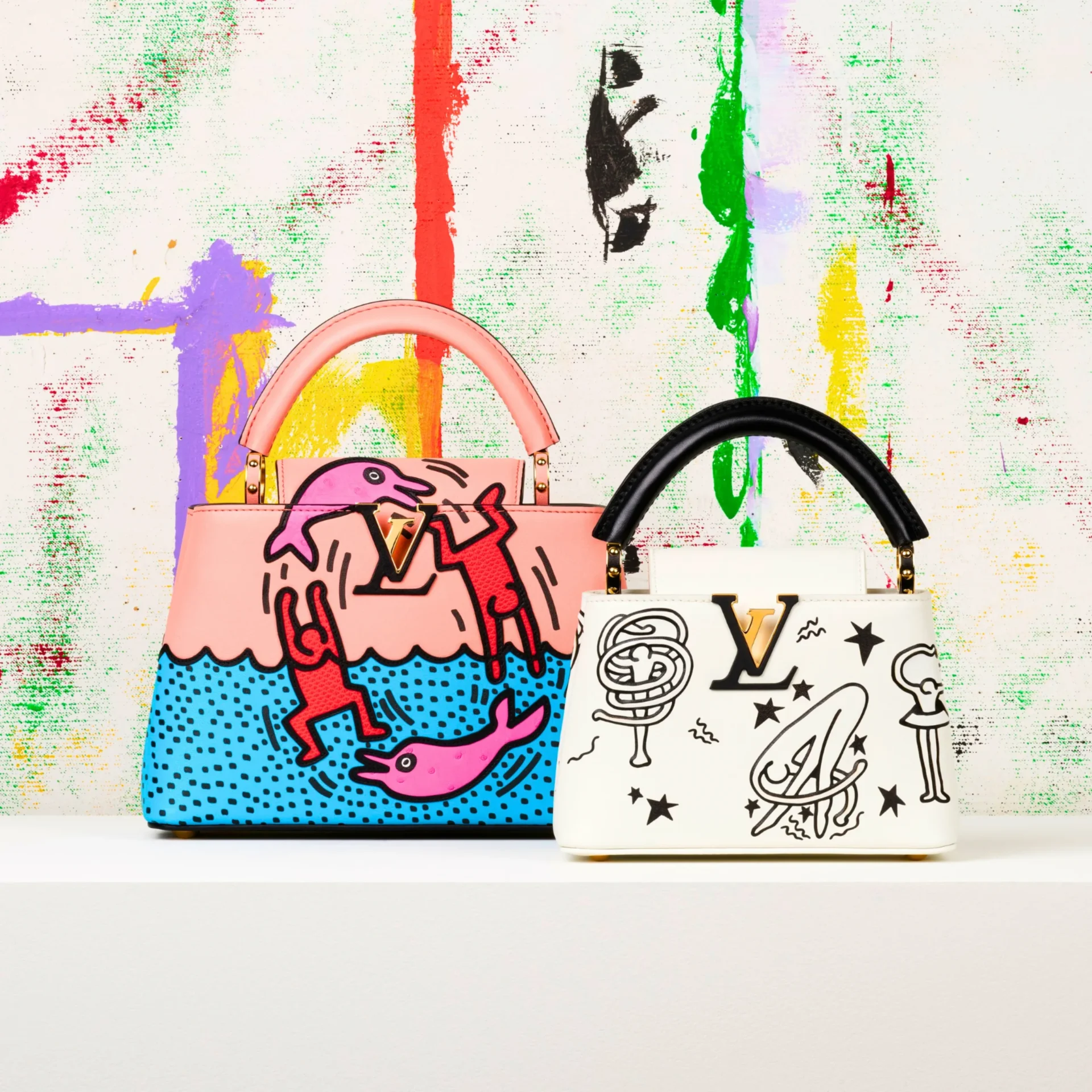
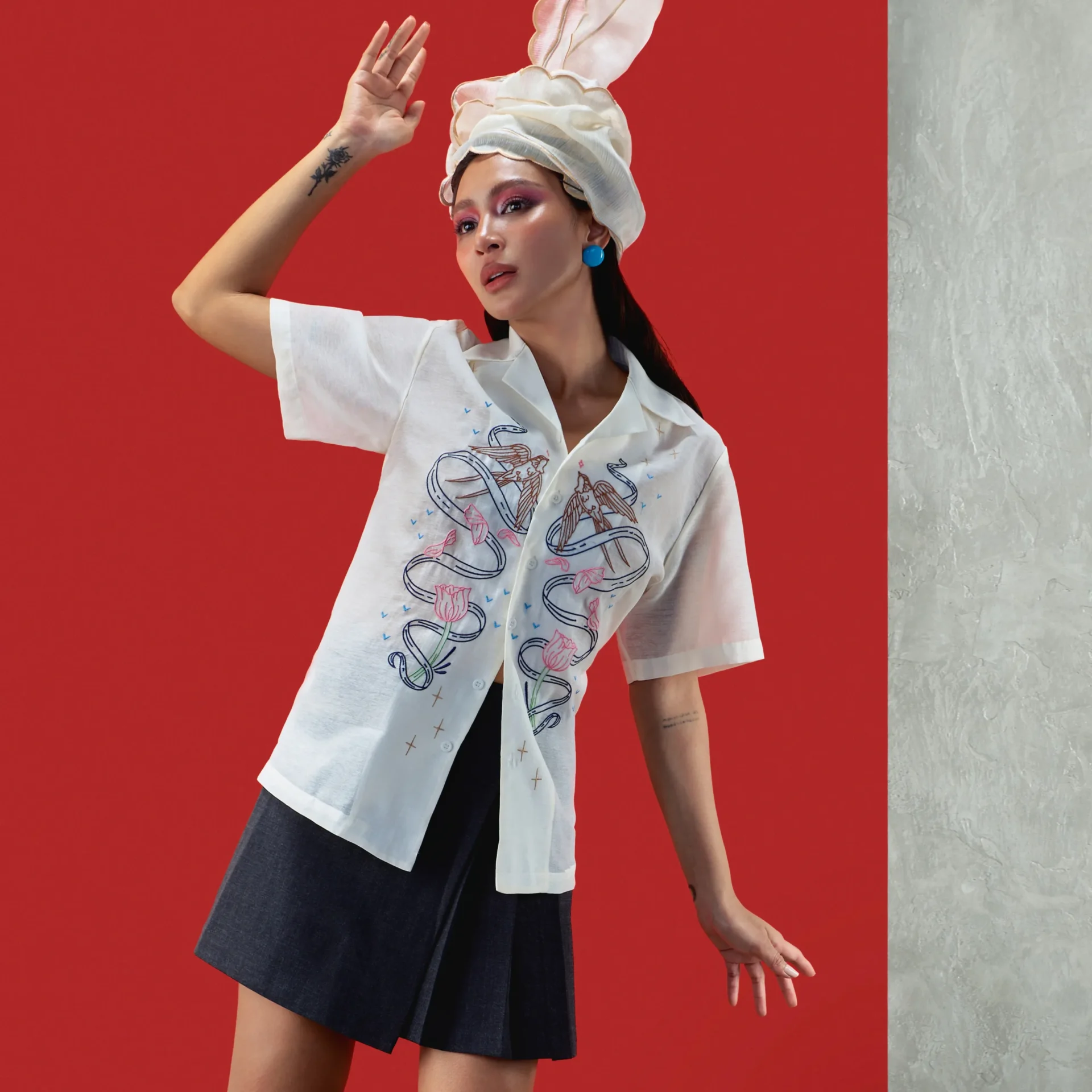
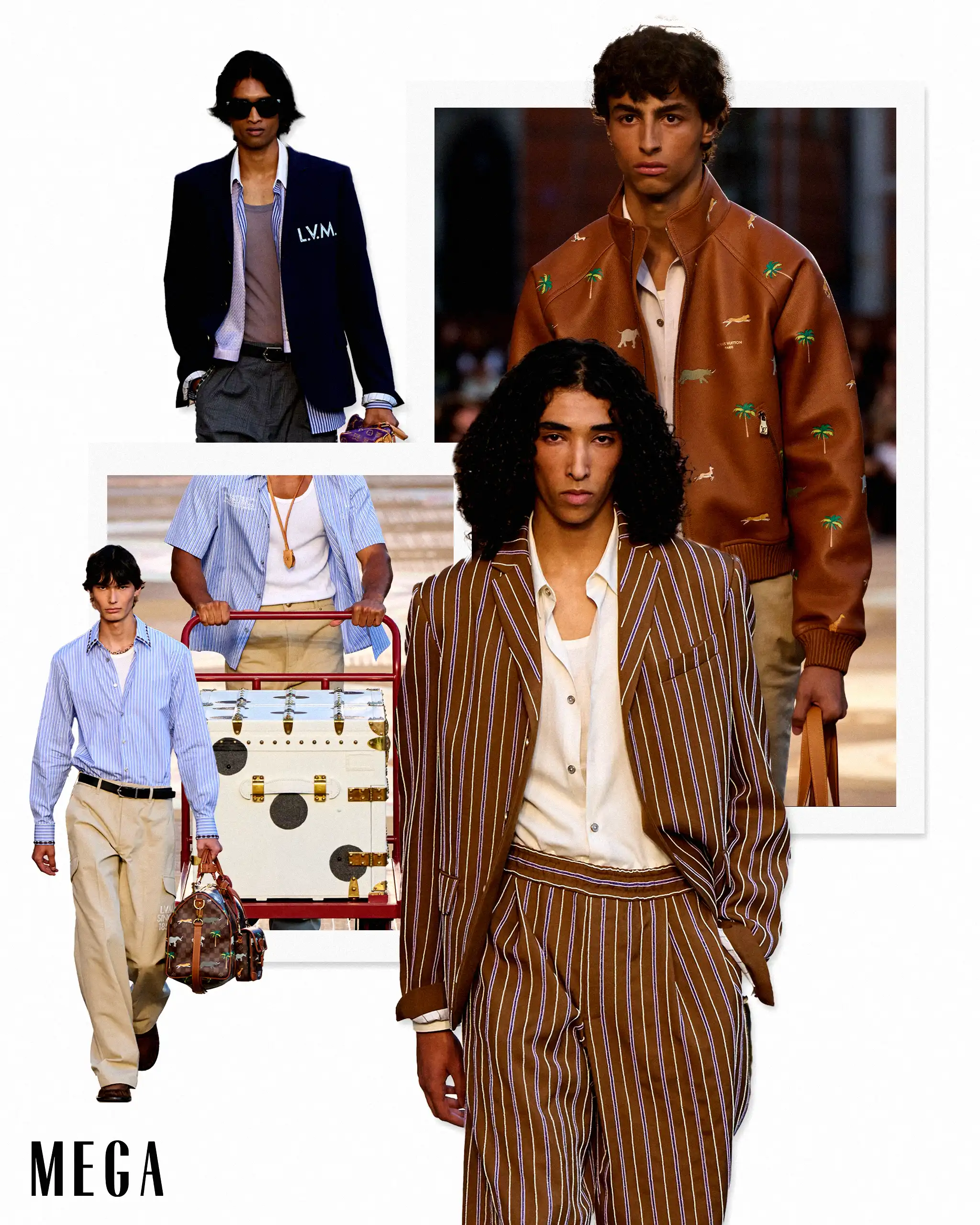
At Louis Vuitton, Men’s Creative Director Pharrell Williams came up with dandy optimism, but it wasn’t just surface shine. The collection, through the diverse dress codes of contemporary India, threaded together linen suiting and embroidered tunics, radiant dyes, and tailored drapes. It didn’t flatten the reference, but expanded it. There was flow to the layers, a sort of solar pulse that felt shaped by the vitality of the sun, the blur of cities, and the meditative stillness of craft.
Meanwhile, over at Prada, the Kolhapuri chappal stepped into the global luxuryLuxuryrefers to a state of exceptional comfort, elegance, and quality, often characterized by premium craftsmanship, exclusivity, and superior experiences.Go to Luxury Glossary lexicon. Miuccia Prada and Raf Simons reimagined the sandal as both form and feeling—leaning into its toe-loop silhouette, translating it into supple leather with modern minimalism. The effect was subtle but undeniable: an iconic detail, relegated to dusty markets and seaside holidays, now staged as design language. A moment of reduction, but with real depth.
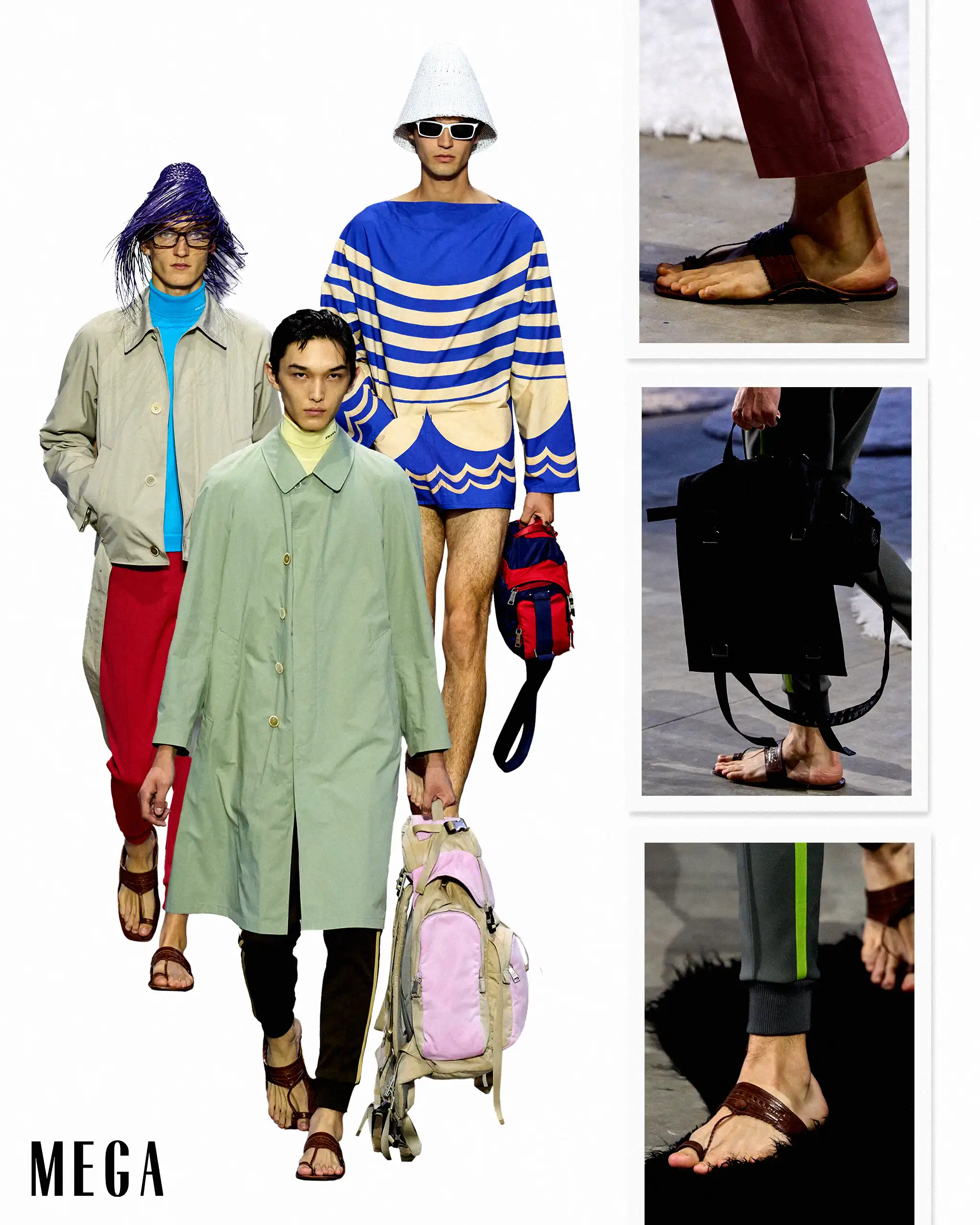
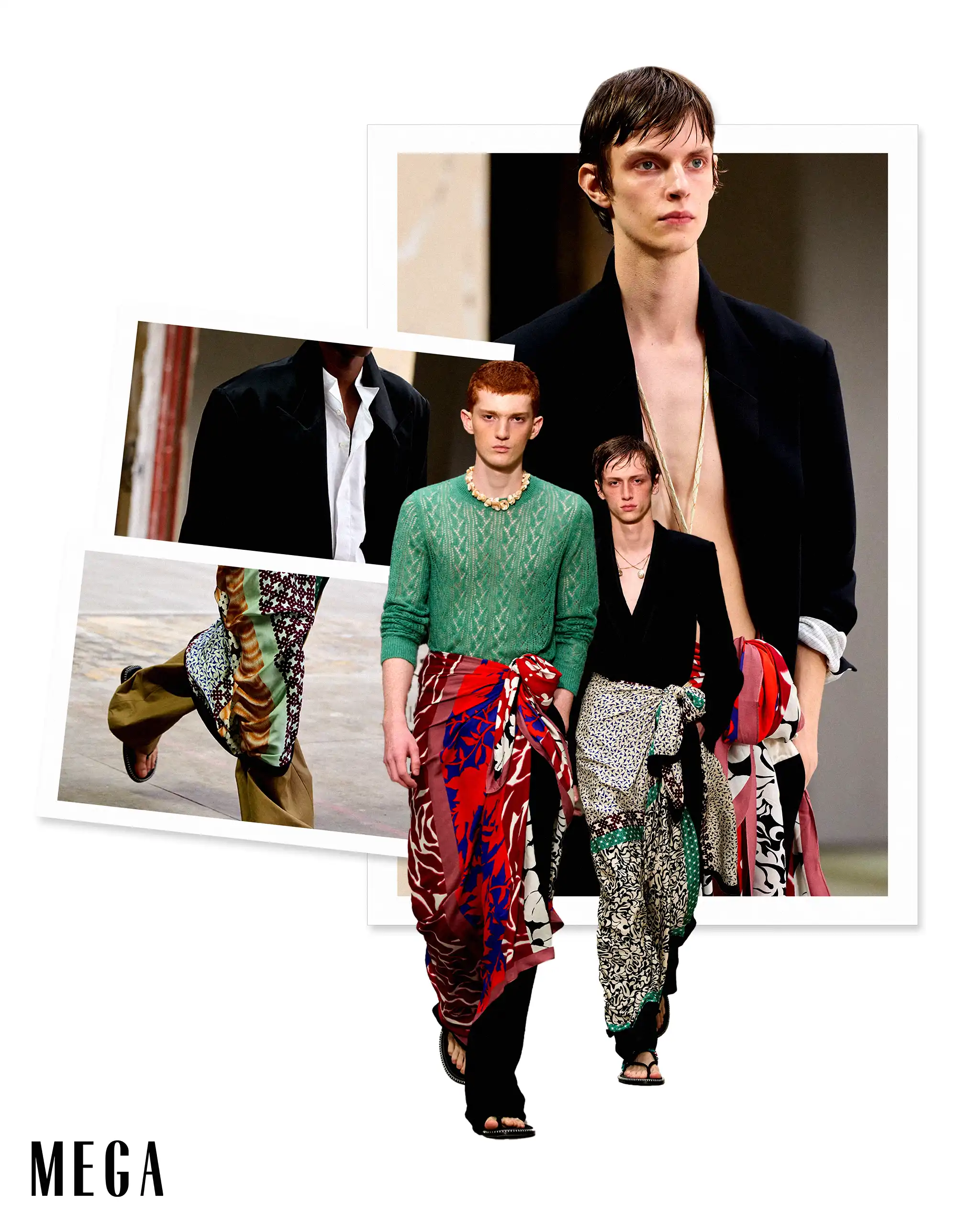
Dries Van Noten gave the sarong a swagger of its own. Not your typical beach wraps, but color-soaked power statements, styled with 1980s bravado: blazers, shades, and an attitude that straddles continents. The sarong was more about what’s next: a familiar shape made unfamiliar, all through proportion, styling, and motion. Creative Director Julian Klausner made a case for the sari’s spiritual cousin to join the boys club—wrapped, knotted, and in stride.
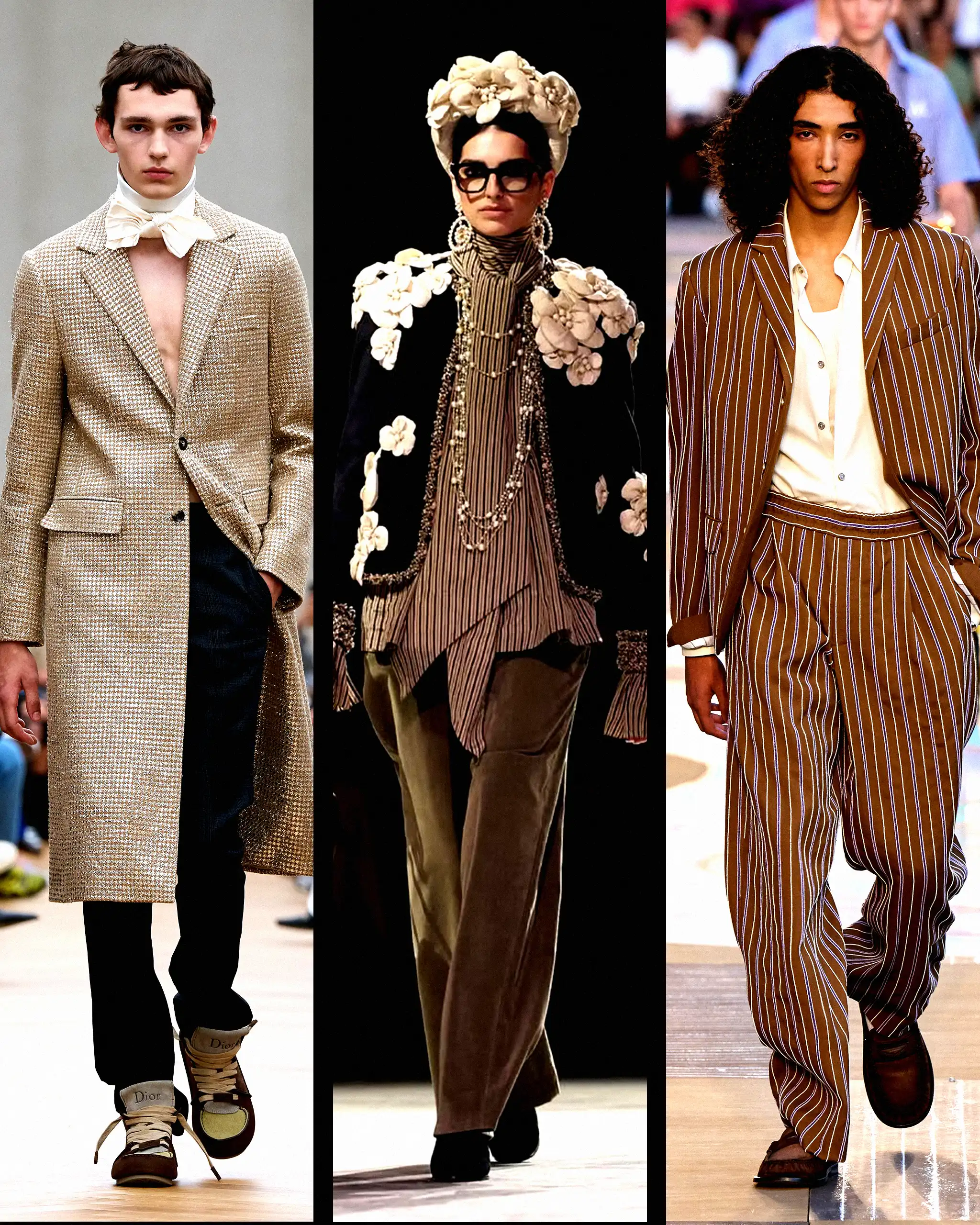
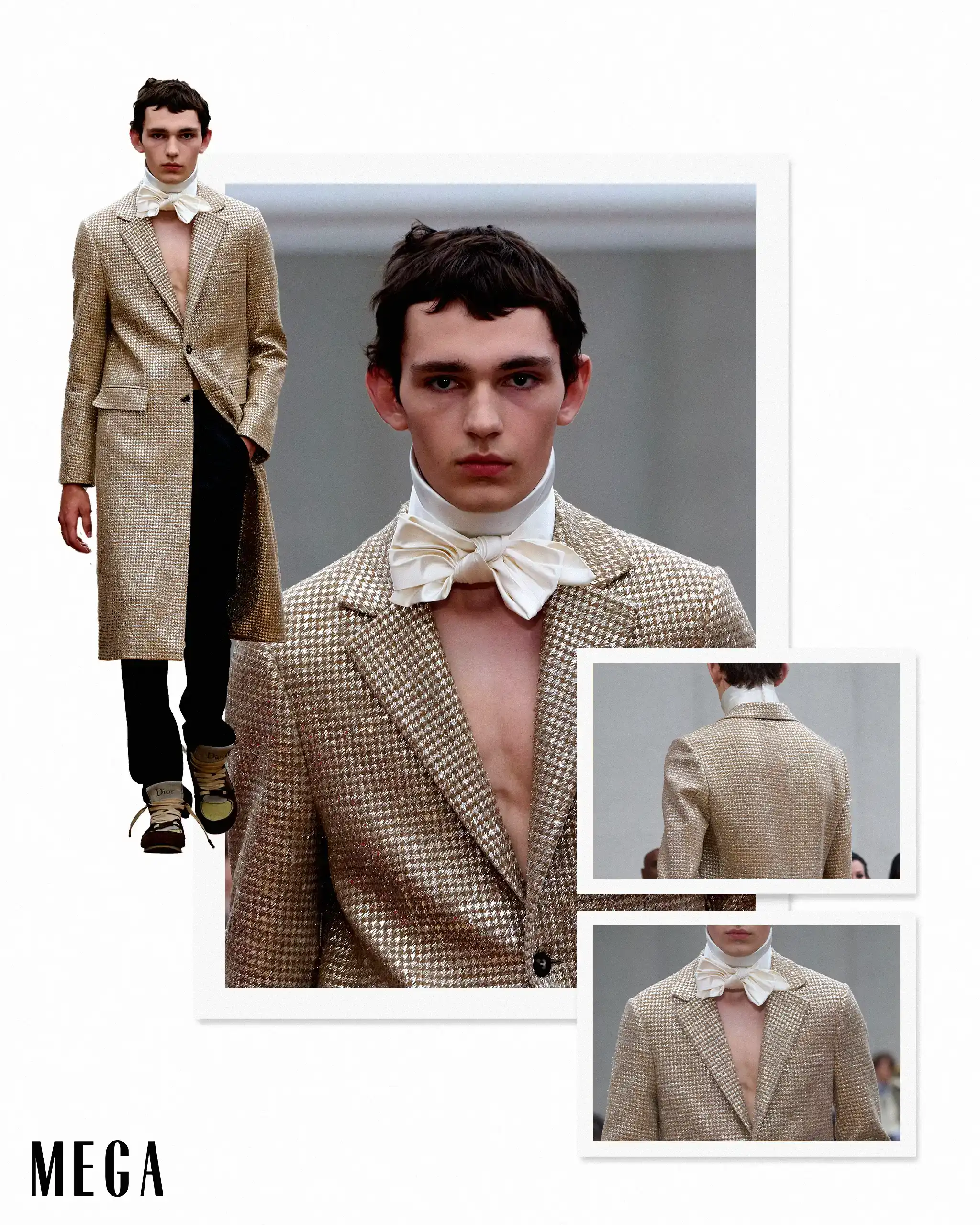
Then came Dior with the long-awaited debut of Jonathan Anderson, with a coat priced at $200,000 and stitched in a technique older than the runway itself. Crafted using Mukesh—a traditional Indian form of hand embroidery that hammers metallic thread onto fabric—the Spring/Summer 2026 piece featured “balda”, a silver-and-gold thread typically reserved for ceremonial finery
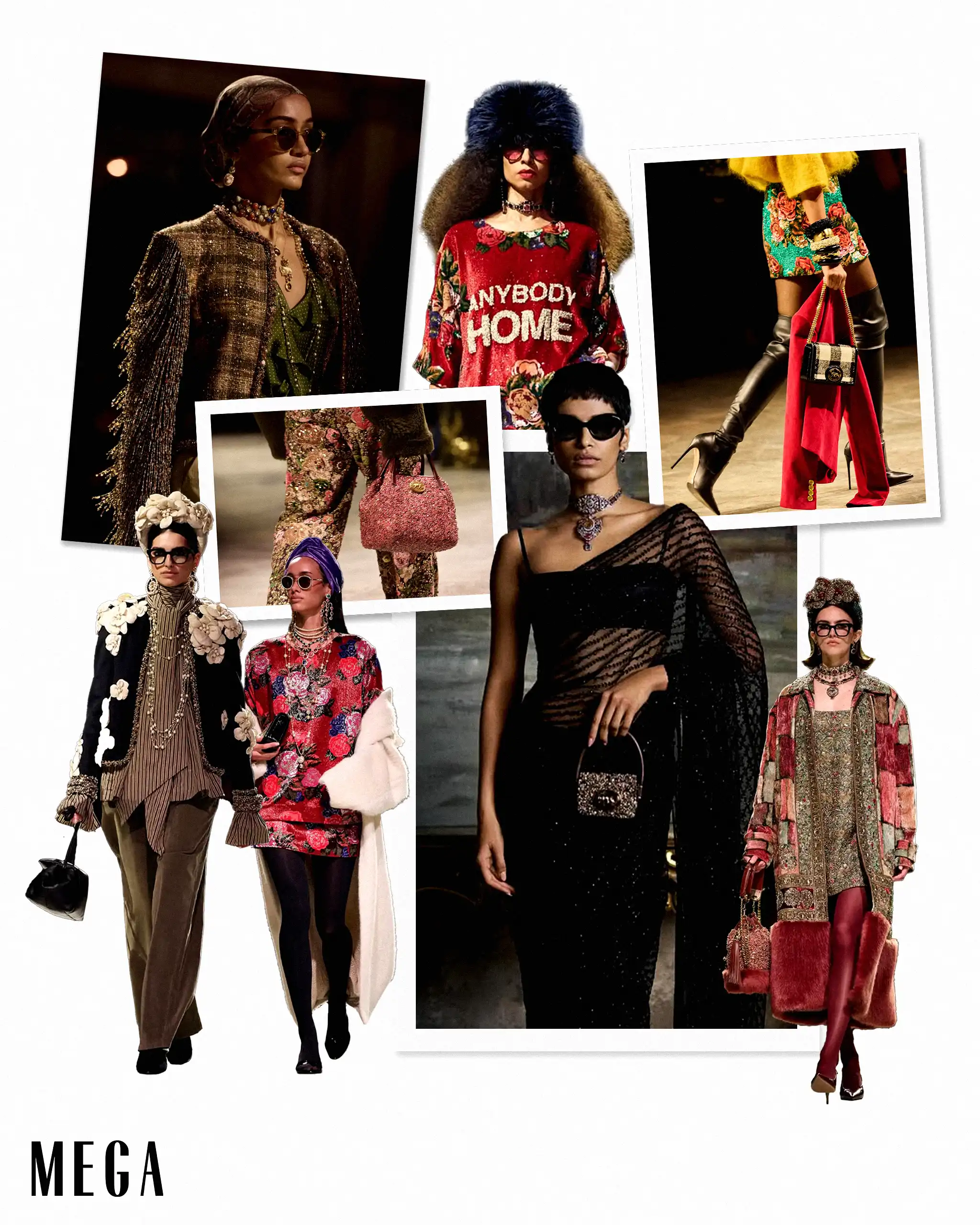
You can’t talk about India’s growing presence in the luxuryLuxuryrefers to a state of exceptional comfort, elegance, and quality, often characterized by premium craftsmanship, exclusivity, and superior experiences.Go to Luxury Glossary space without invoking his name. For his 25th year in fashion, Sabyasachi Mukherjee staged a celebration of scale and sensuality. Known for opulence with a side of old-world decadence, the designer’s maximalist vision continues to evolve toward international territory. Through lush retail temples, embellished accessories, and a soon-to-expand ready-to-wear push, his ambitions to mark his label as “India’s first global luxury brand” are unapologetically global, even if his heart remains in Calcutta.
Root System
There’s more at play than references and runways. What resonates now is the idea of craft over concept. The fashion world is circling back to the deep, the rooted, the handmade. Indian design offers exactly that: a heritage of ornament and intention. From intricate weaves to storied silhouettes, the Indian aesthetic arrives ready-made for fashion’s current craving for substance with soul.
The influence also flows through the diaspora—designers like Supriya Lele in London, Gaurav Gupta in Paris, and Rahul Mishra across continents—each shaping global fashion through a personal, culturally specific lens. These are fully formed design languages that are being explored through respective dialects.
Already Wearing Tomorrow
At the same time, India’s luxuryLuxuryrefers to a state of exceptional comfort, elegance, and quality, often characterized by premium craftsmanship, exclusivity, and superior experiences.Go to Luxury Glossary consumer base is rapidly expanding, and fashion is watching. What felt like an export story is becoming a domestic one, too. With a young, image-savvy market and growing purchasing power, Indian consumers are no longer just the audience that witnesses but sells what matters and what gets seen.
Indian design has always had the answers. While the rest of the world scours archives for “meaningful fashion”, it’s been working with heirloom textiles, hand-done embroidery, and silhouettes that carry relevancy.
There’s this shift in where inspiration flows and how it’s honored. There’s a texture to this moment that feels generous—with mutual curiosity, craft, and conviction. India’s influence has always been here. Although now, it’s dressing the future. It’s influential.
Photos: LOUIS VUITTON, PRADA, DRIES VAN NOTEN, DIOR, and SABYASACHI
Recommended Video
Latest Posts
Latest Issue