



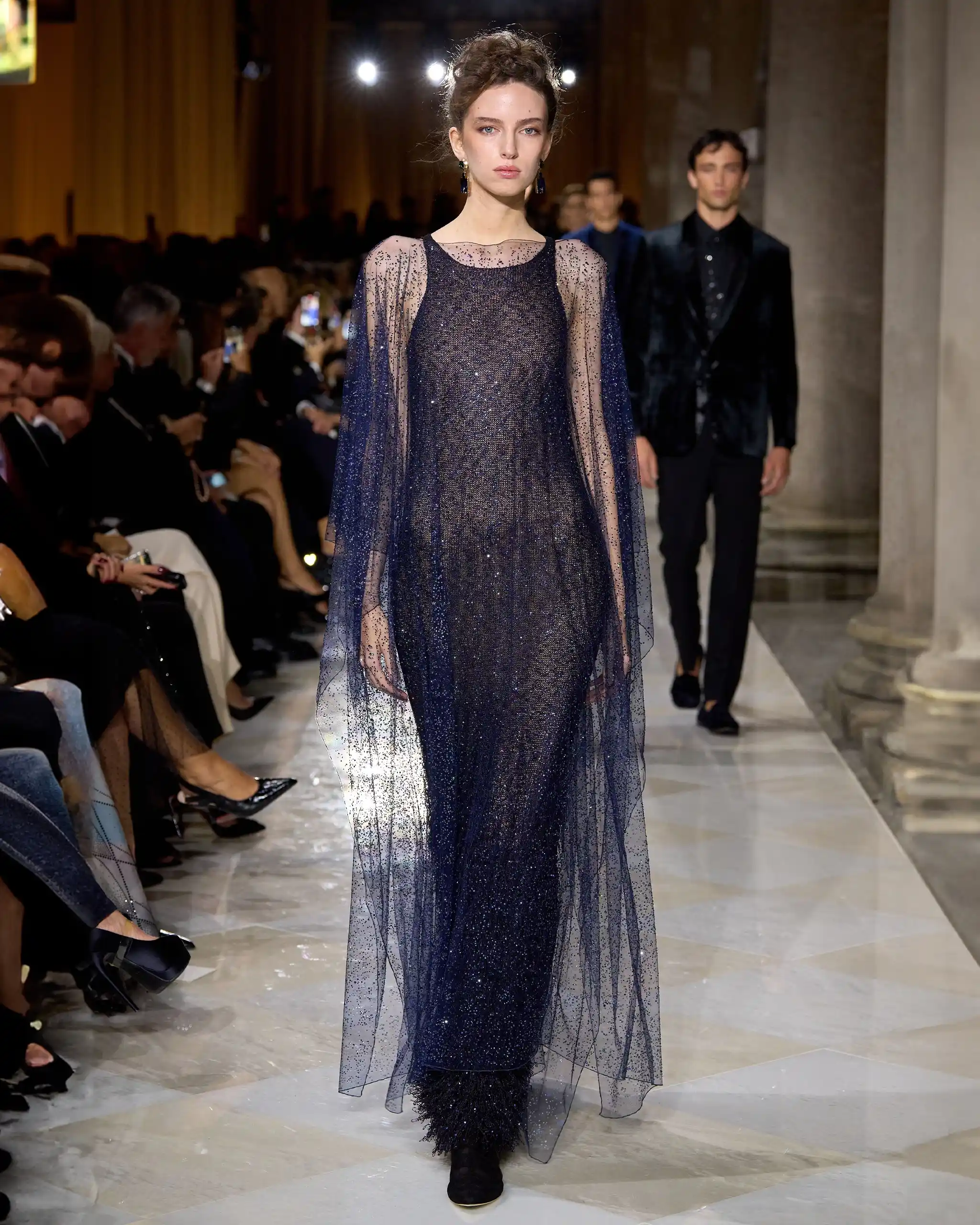
Few names in fashion ever convinced us they were immovable, but Giorgio Armani made permanence feel possible. He was not a man chasing novelty—he was the measure against which novelty was judged.
RELATED: Past Perfect: The It Bags Back on Our Arms
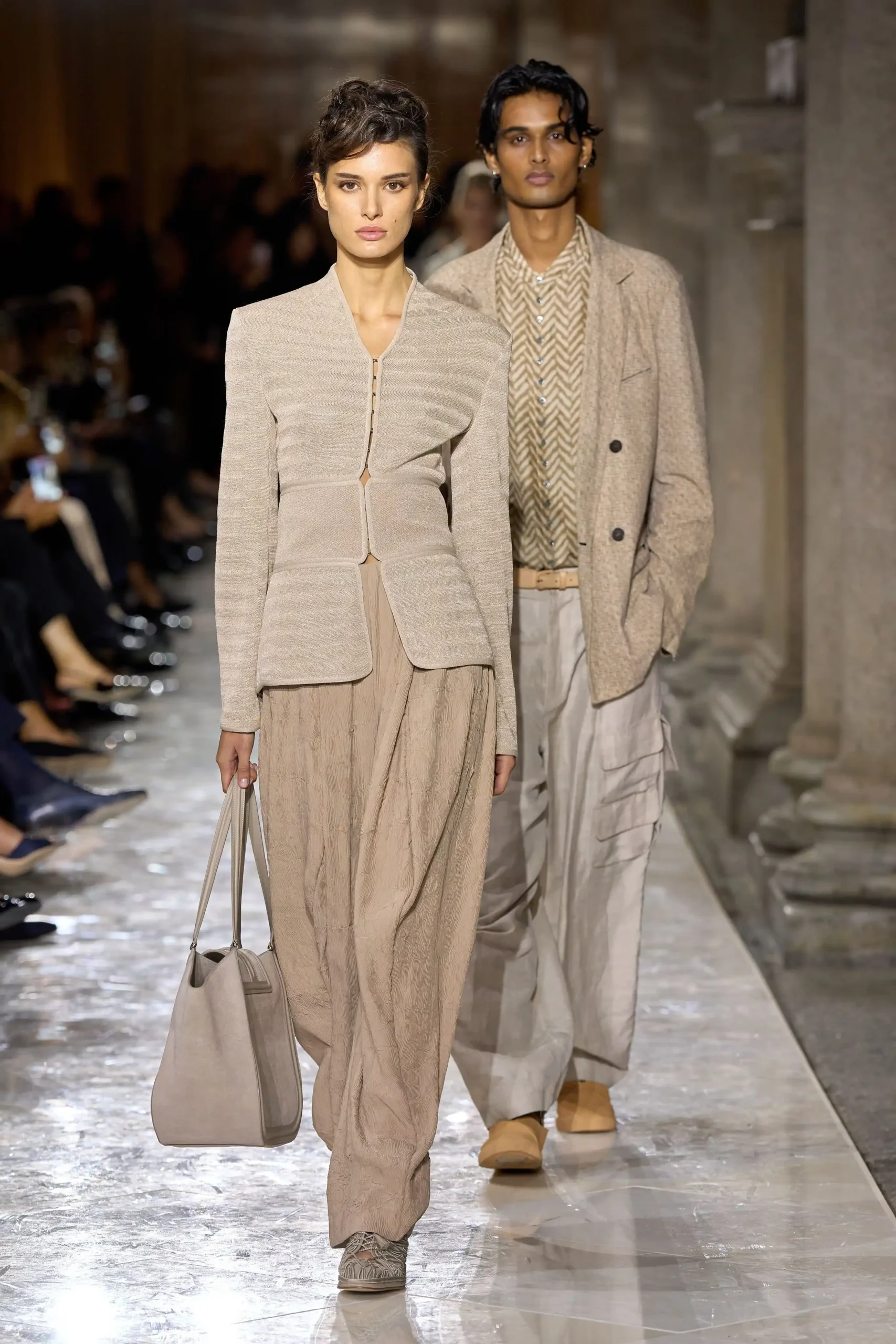
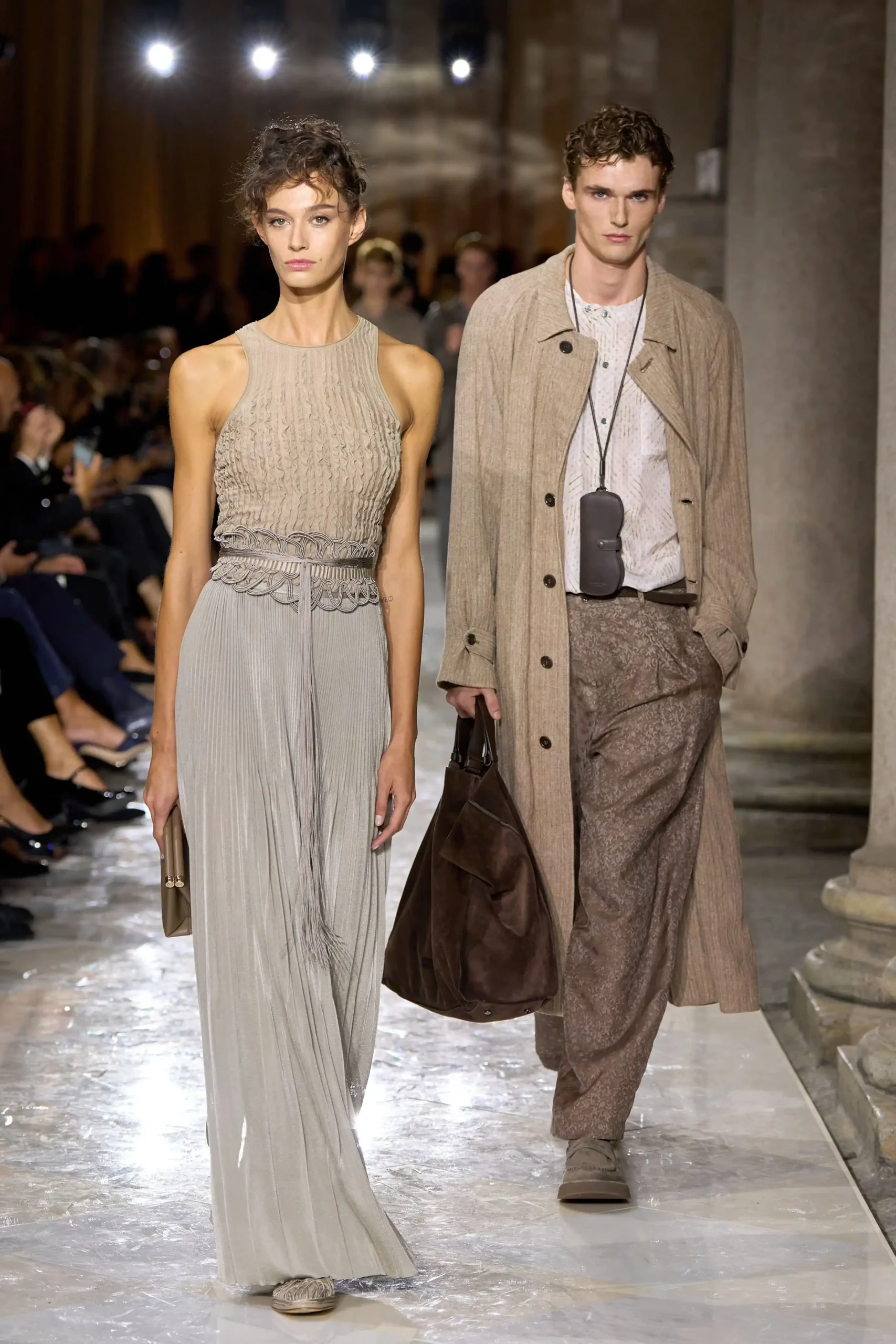
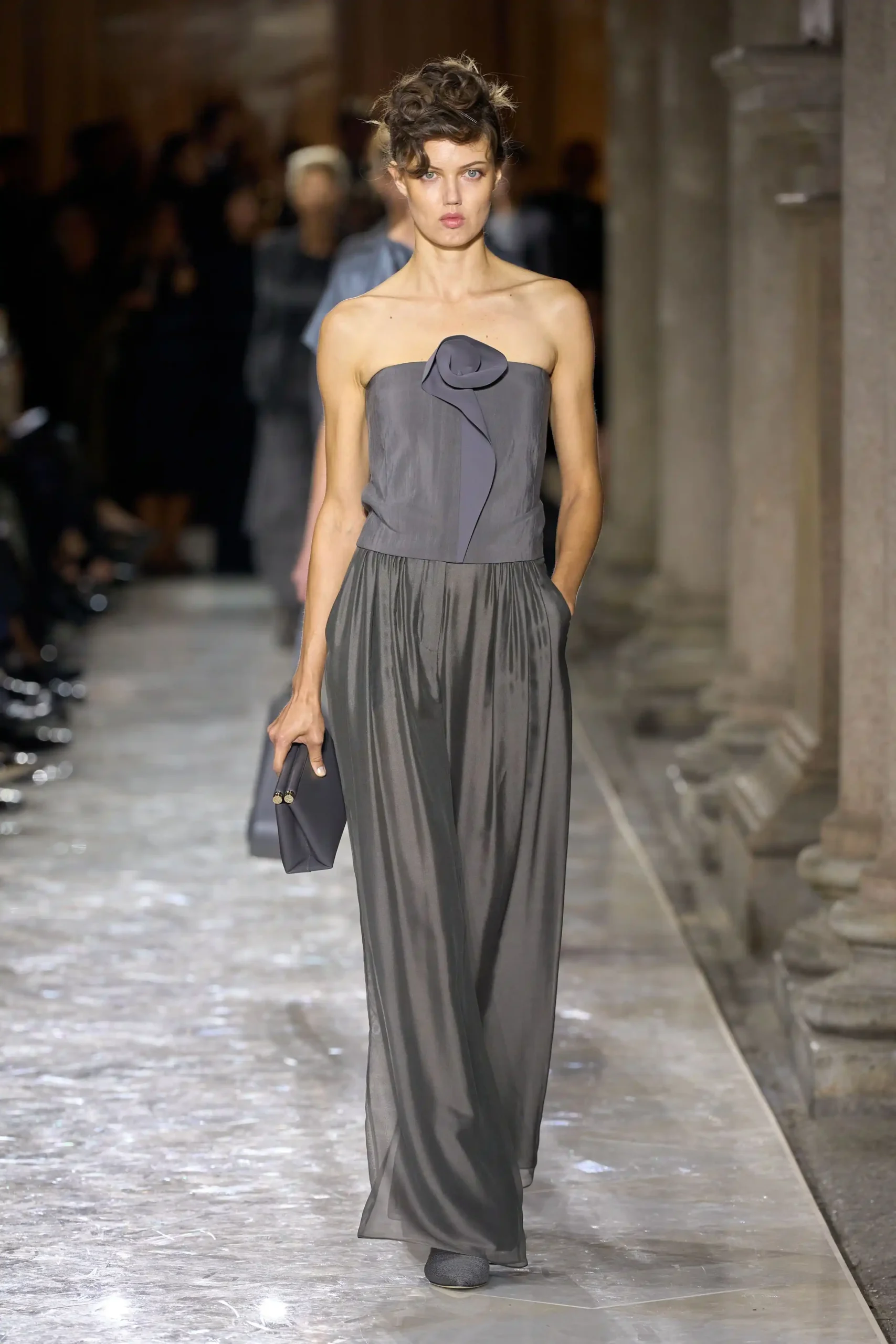
This Spring/Summer 2026 show, unveiled only weeks after his passing, was like a soliloquy or chapters of the designer’s life. Armani’s vocabulary was quieter, more disciplined. Clothes fell with memory—jackets still carrying his insistence on ease, trousers that spoke of a body unencumbered, silks catching light as though it were something you could carry home. It was not invention on display, but insistence: a final assertion of why his language of dress holds so firmly.
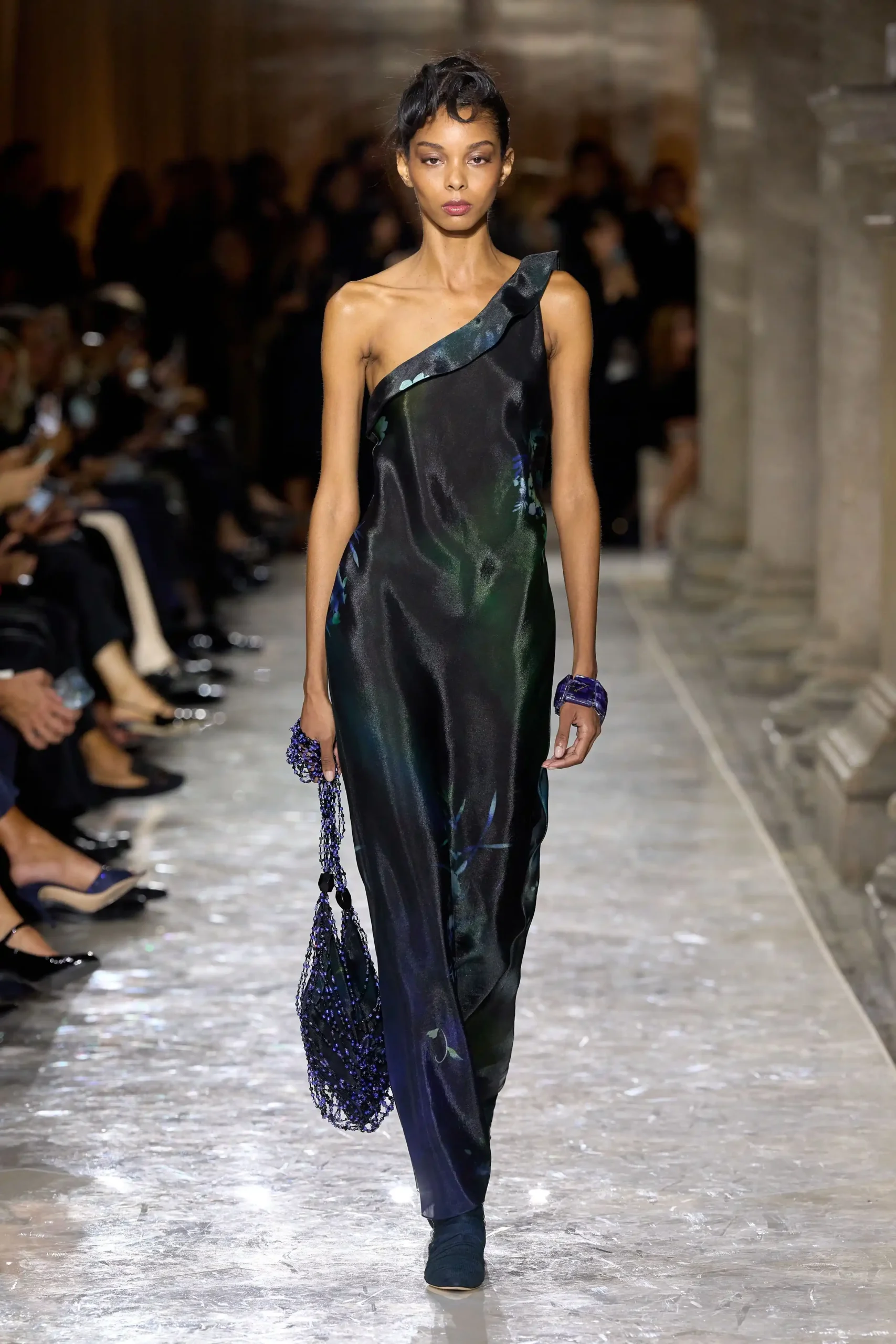
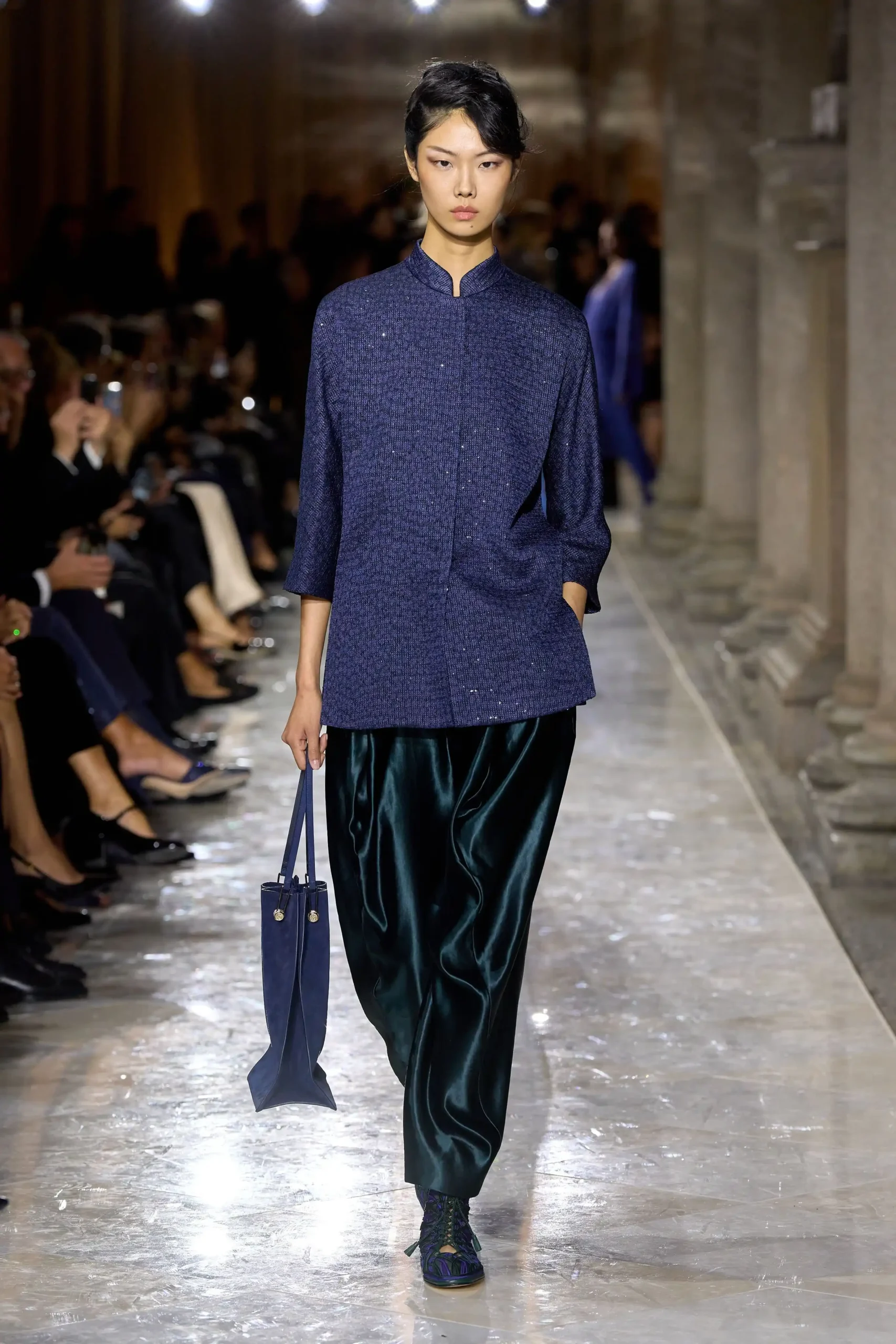
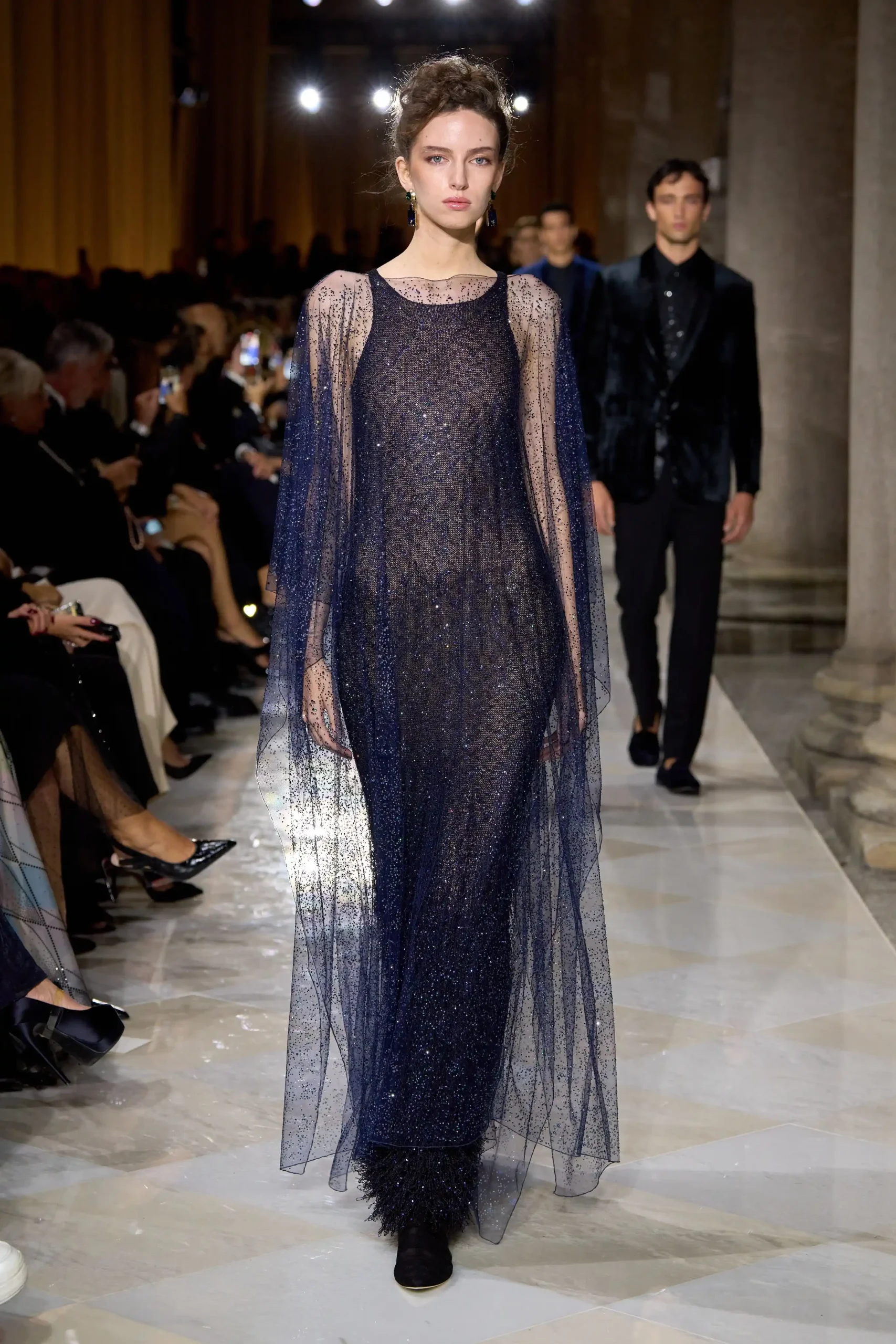
If the ’80s and ’90s proved him a revolutionary—flashing away excess, dressing power without bravado, inventing understatement decades before anyone had the words for it—this last chapter revealed him as something rarer: an artist uninterested in epilogues. In an age that confuses churn with progress, Armani’s rigor stood alone, sustained by the independence he safeguarded for his house.
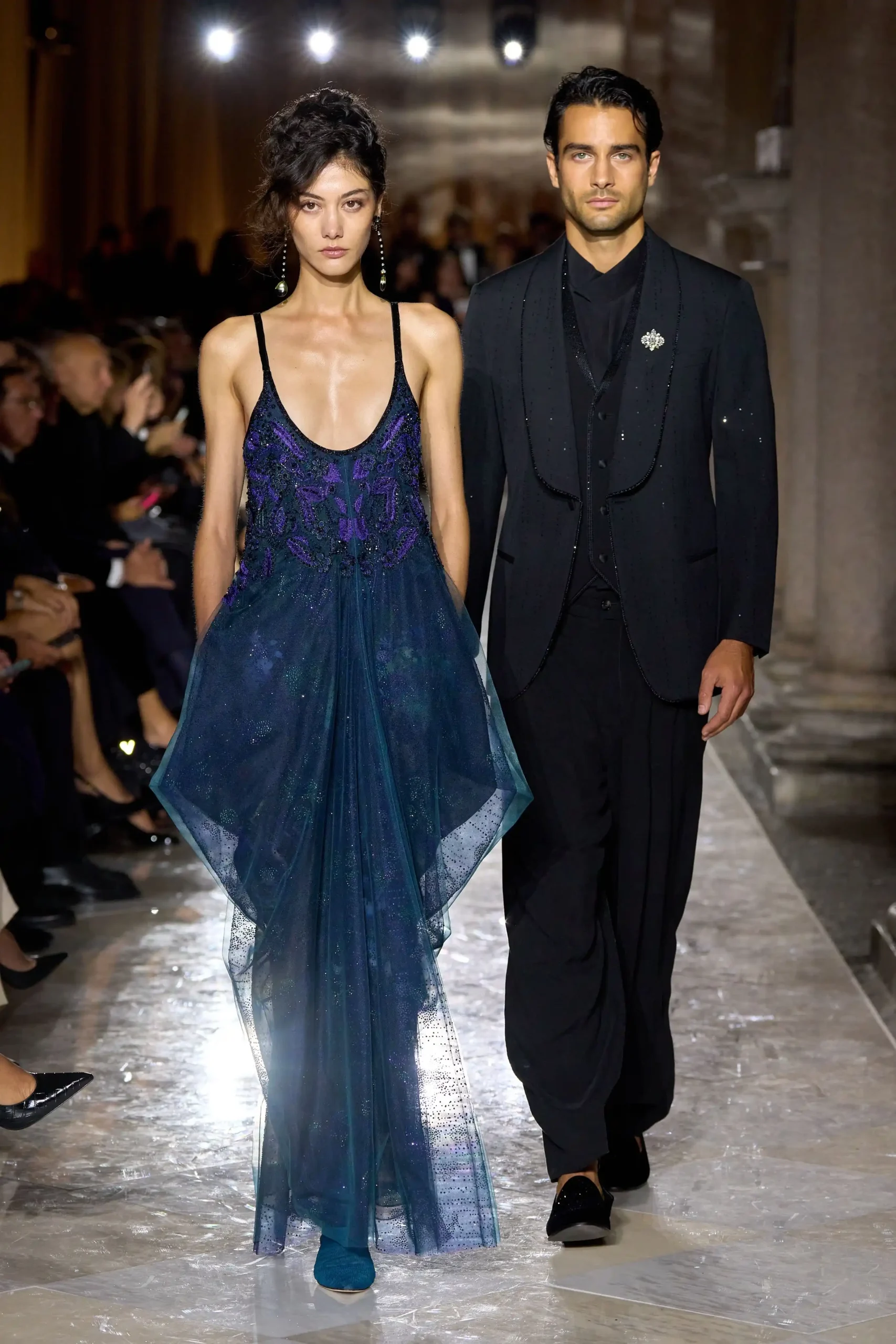
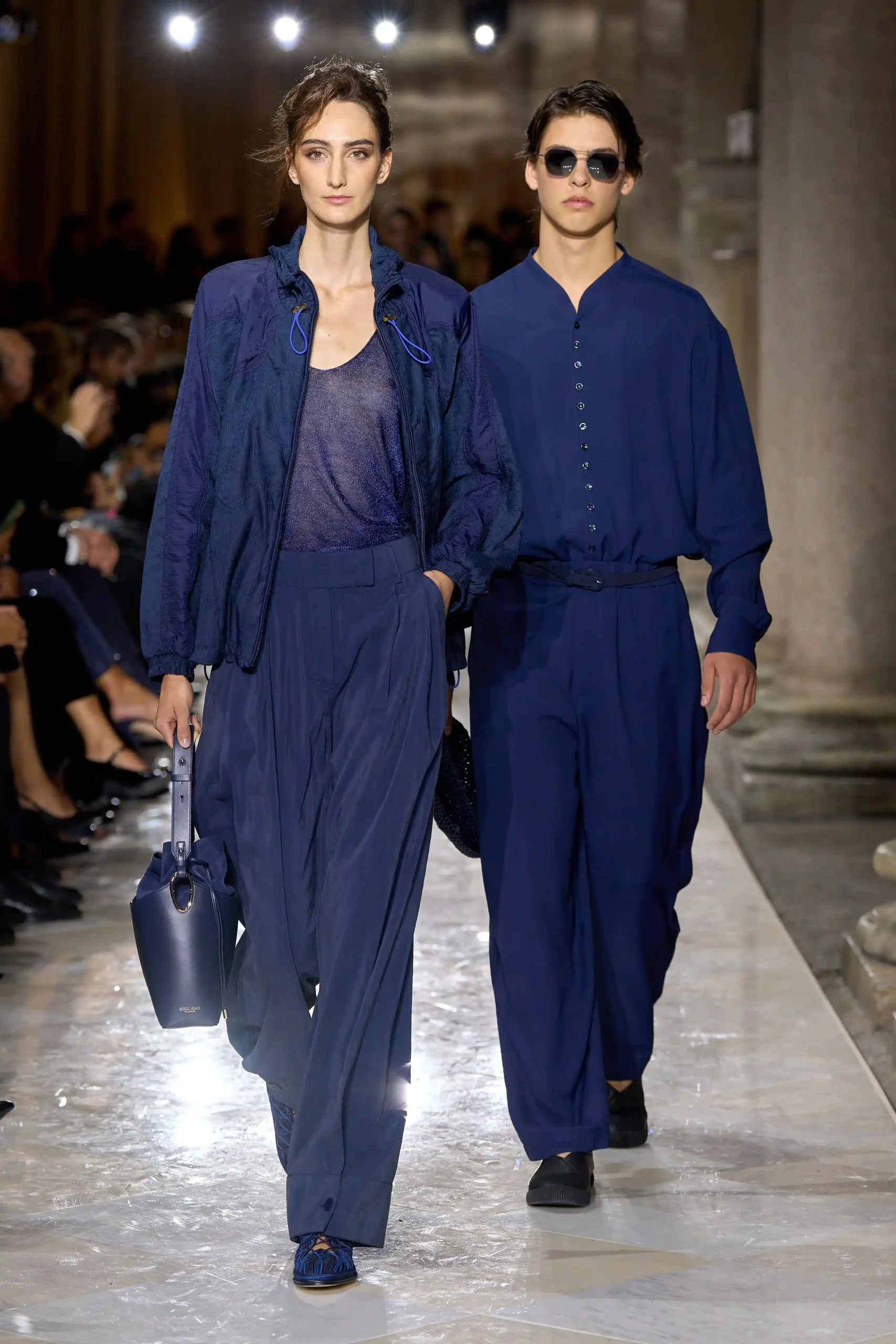
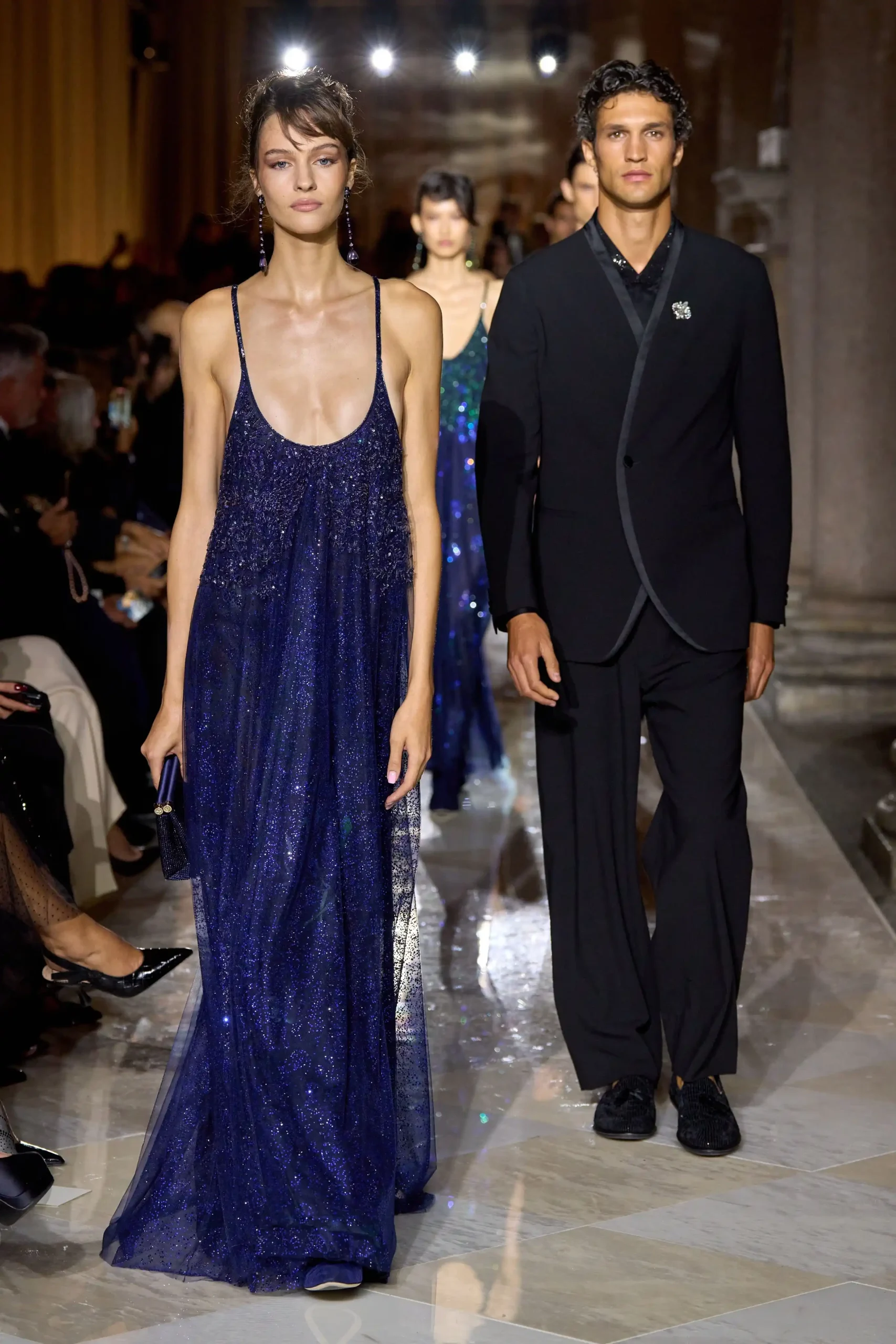
Entitled Pantelleria, Milan, the collection set two landscapes into dialogue: the island, liquid and sun-scorched, and the city, geometric and unyielding. Fabrics shifted like tide and stone; colors moved from sea-greige to storm-blue to sudden bursts of violet. It was not mourning, but a slow-burning farewell, like a wardrobe that knew how to bow without breaking.
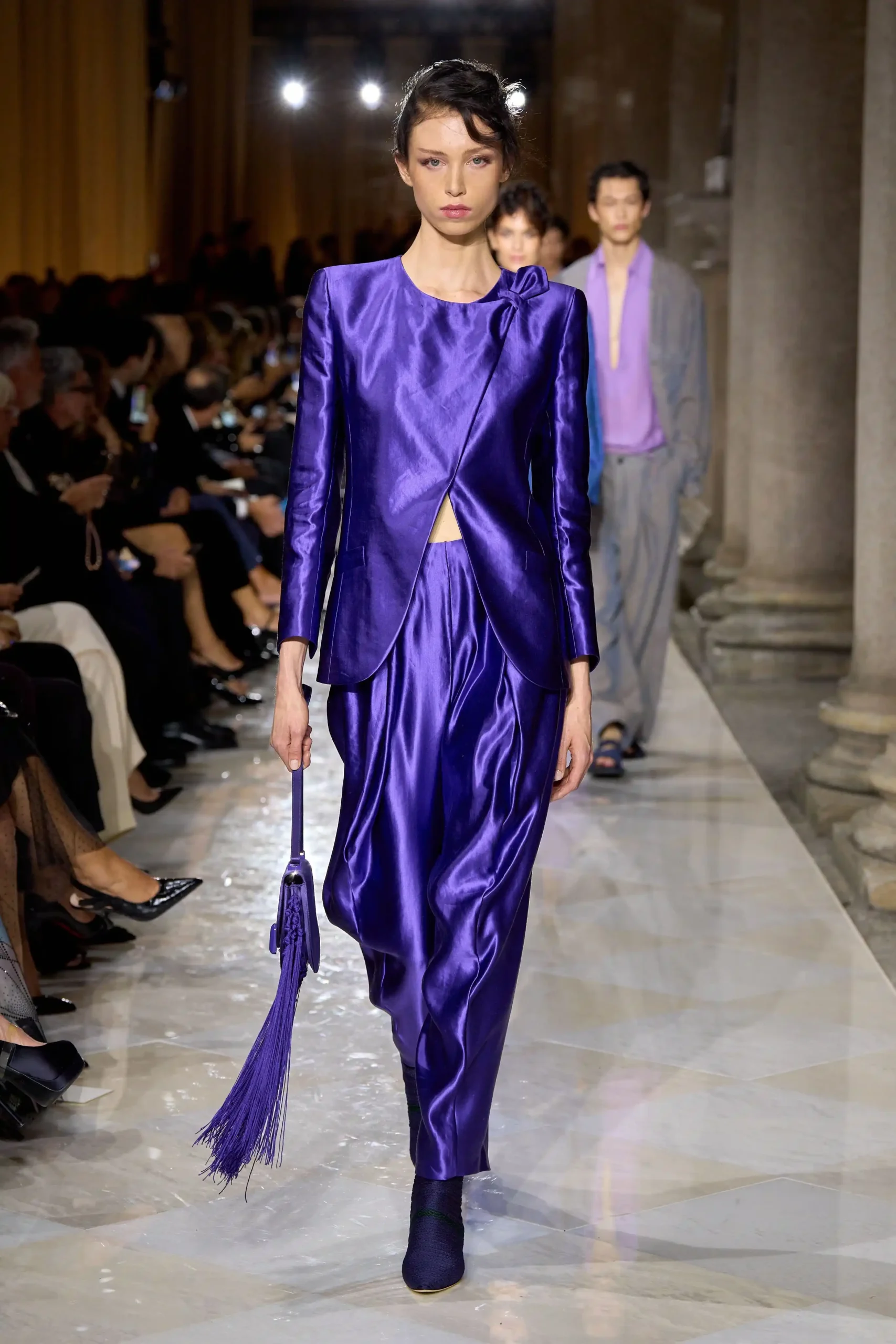
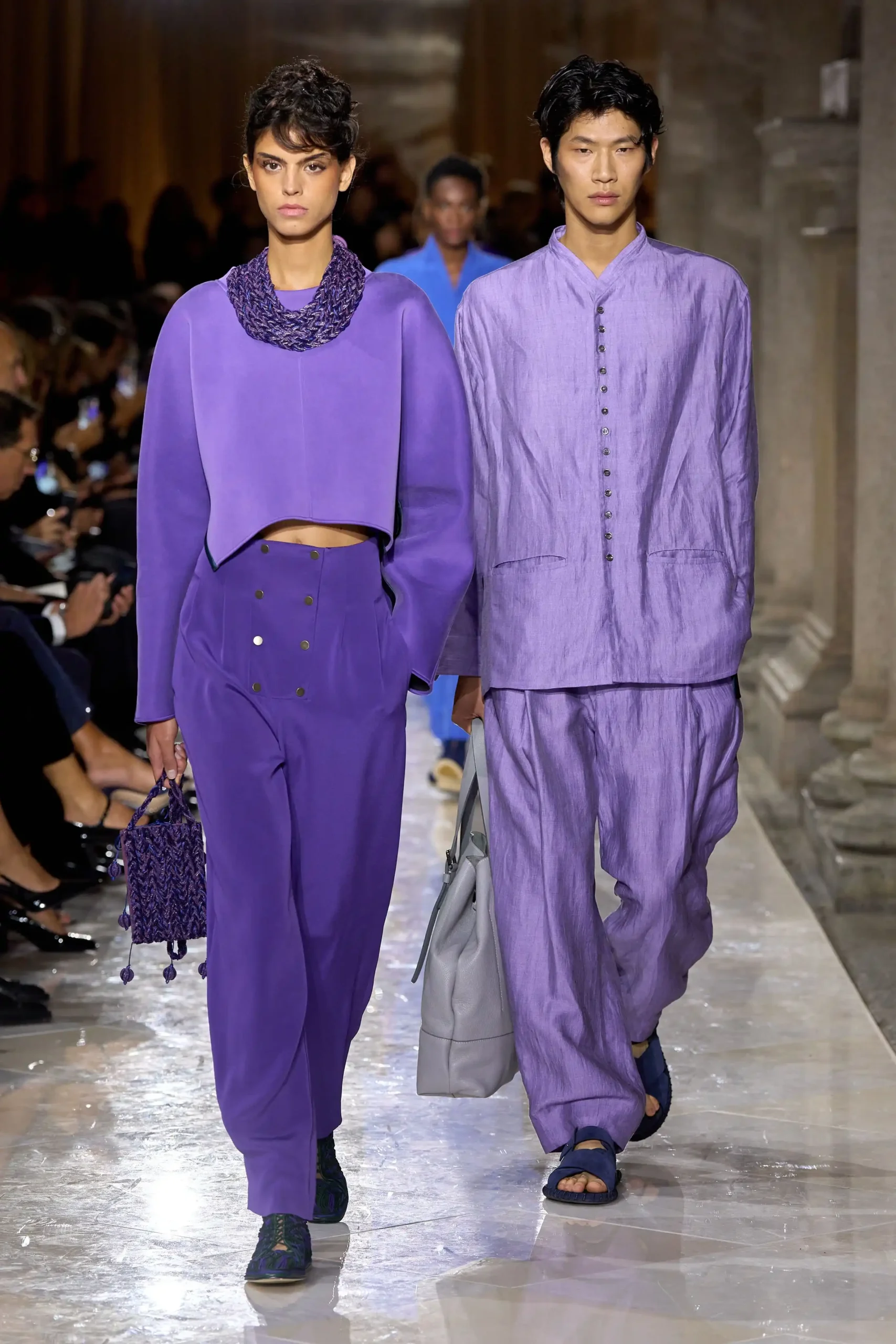
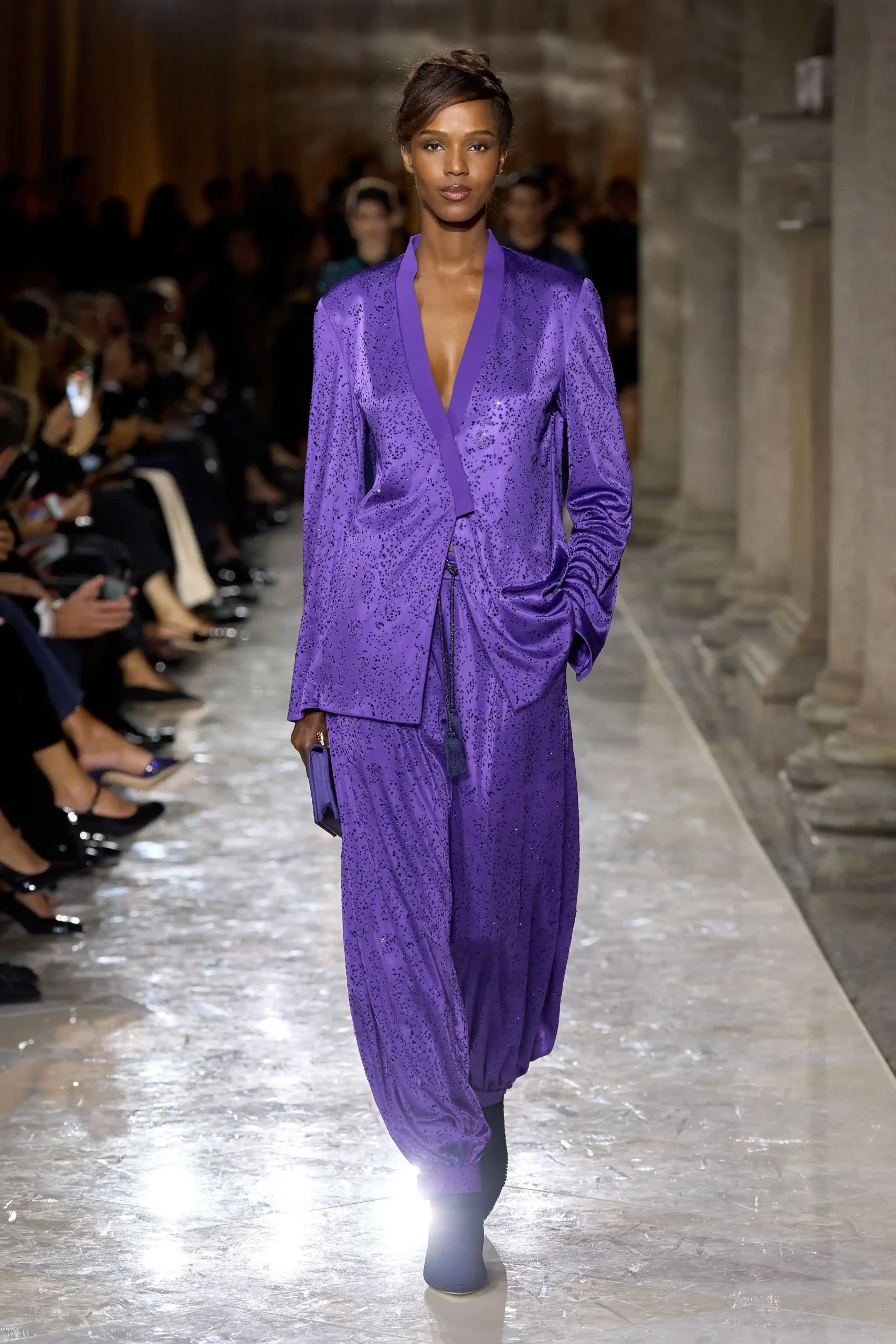
Why does Giorgio Armani matter now? Because his work shows that fashion, at its most enduring, is not ornament but structure: architecture for the self. It steadies us, teaches discretion, and shows that simplicity is not absence but presence refined to its essence. Armani leaves more than clothes, but a philosophy. He leaves a way of standing in the world, an elegant permeance greater than luxuryLuxuryrefers to a state of exceptional comfort, elegance, and quality, often characterized by premium craftsmanship, exclusivity, and superior experiences.Go to Luxury Glossary: a discipline and dignity that outlive the garments, outlive the seasons, outlive the man.
Photos: GIORGIO ARMANI