



Fashion can be cyclical, yet that is to be expected already. When the present is too chaotic, oppressive, or simply uninspired, the imagination tends to wander towards nostalgia. It is also human nature, I believe, to look for meaning and even beauty in darkness. Such was the case when a substyle of the Goth subculture, Romantic Goth, rose during the 90s ethereal wave. Unlike strict historical revivalists, Romantic Goths favored the kind of elegance that made you feel like a lost protagonist in a haunted novel.
RELATED: How Does Horror Bring Fashion and Film Together?
So one could imagine my entertainment when, at the recent New York Fashion Week, some Spring 2026 collections flirted with this very mood. Are they period accurate? Of course, not. Were these designers intentionally reviving Romantic Goth? Hardly. But viewed through that lens, their pieces suddenly belong in Guillermo del Toro’s stylistic reinterpretation of Shelley’s Frankenstein.
Wiederhoeft
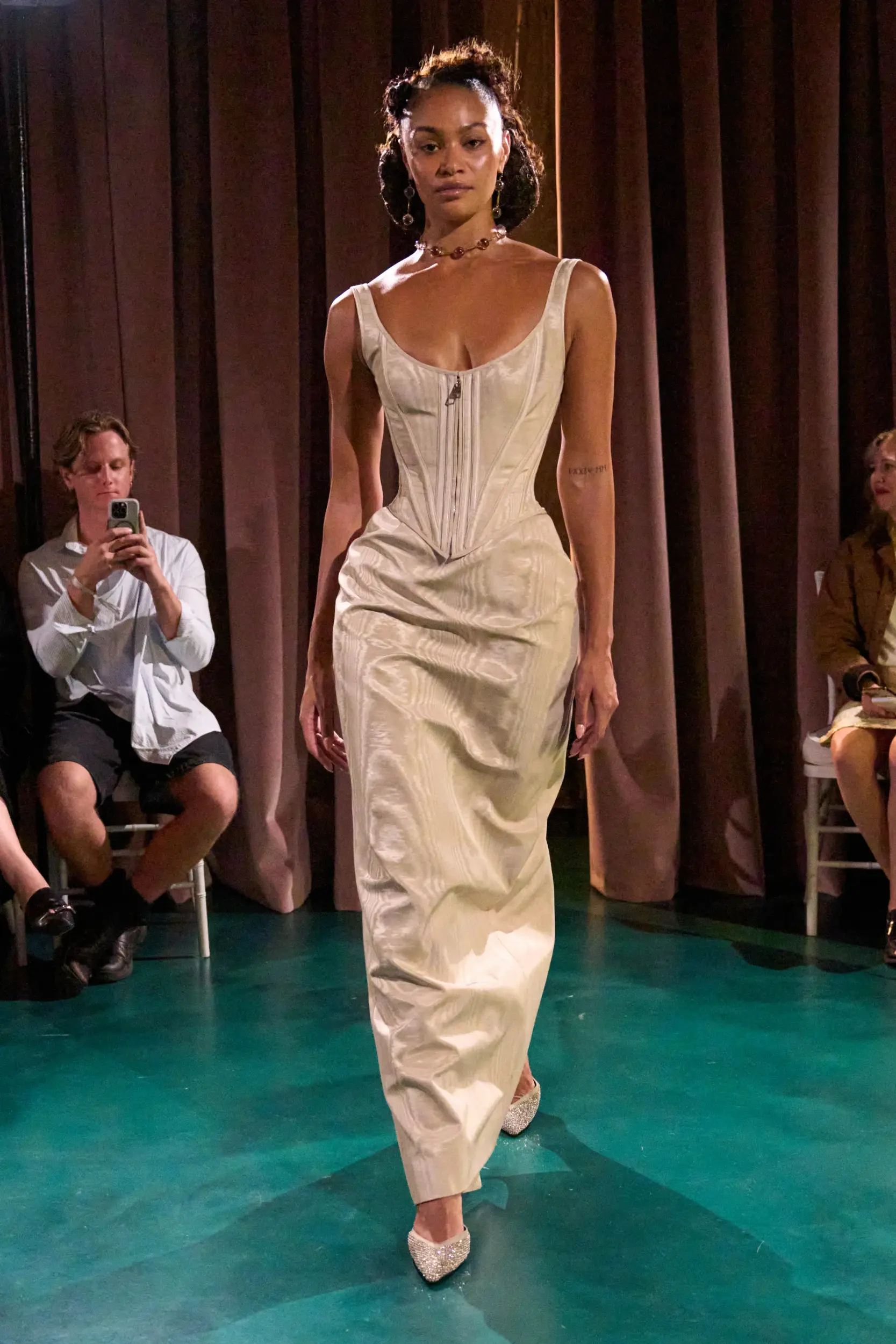
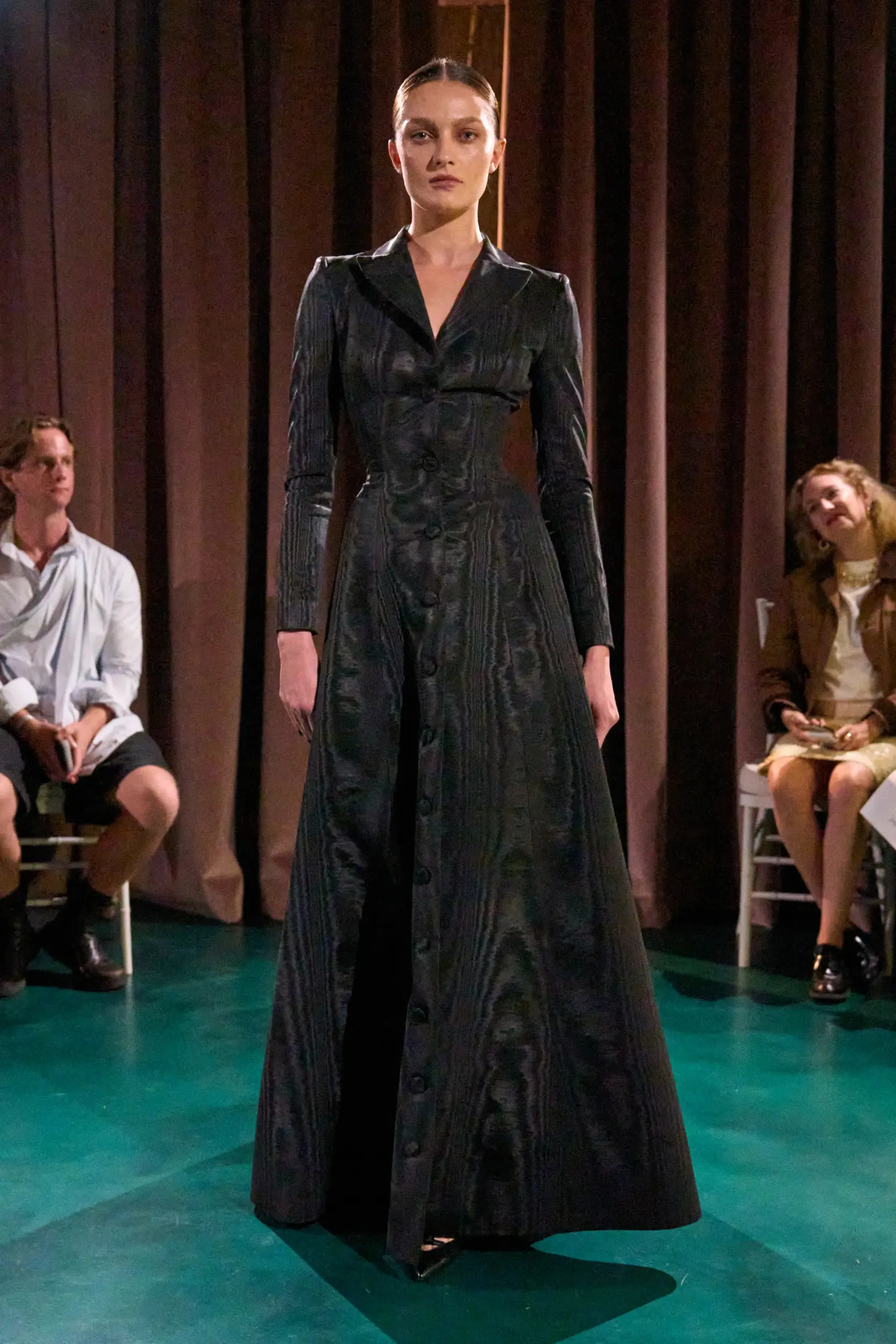
Jackson Wiederhoeft’s latest collection, aptly named “Lost Works”, was a love letter to nostalgia and rediscovery. From the spectral shimmer of hand-developed fabrics to the stern romance of buttoned coats, Wiederhoeft embraced the drama of a bygone beauty without falling into pastiche. The corseted gowns—glinting with metallic fil coupé that took nearly a year to develop—seemed like treasures pulled from an old chest.
Grace Ling
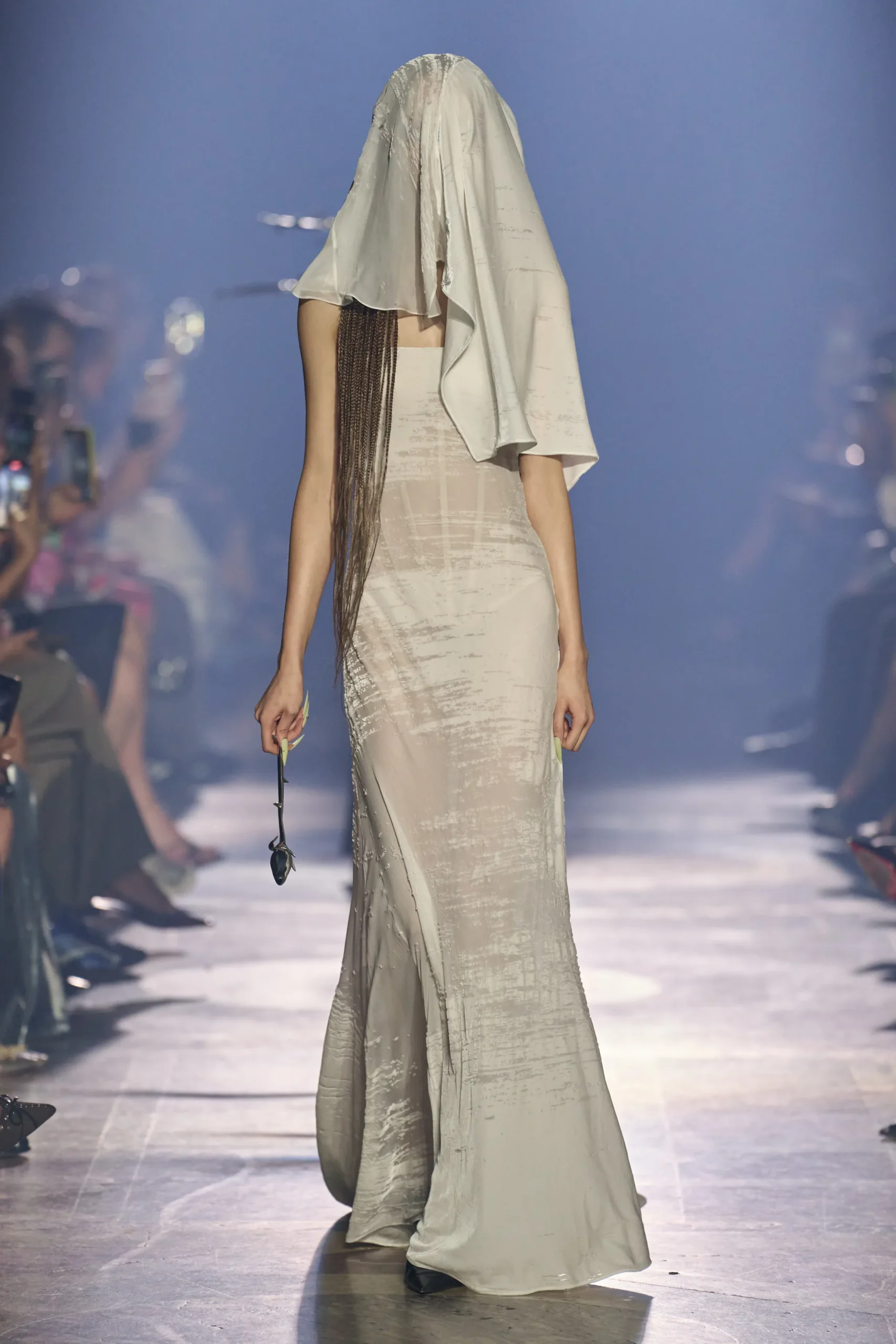
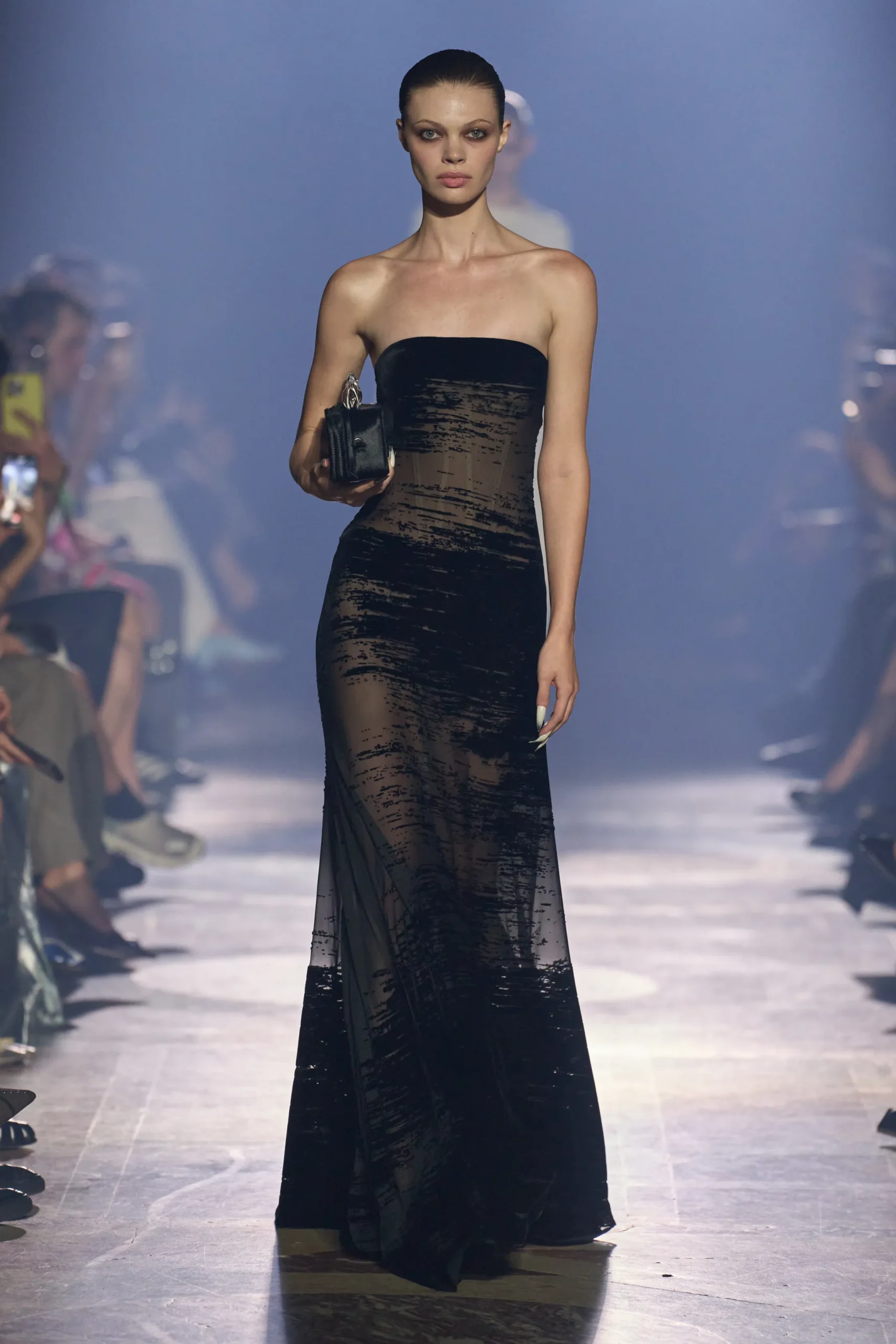
Contemporary in name and design, Grace Ling’s “Future Relics” was eerily Gothic nonetheless. Where Poe might have written of a “veil of sorrow,” Ling translated it into fabric and form through garments that could easily do well for a wedding or a funeral. The 3D-printed roses were a touch of genius, too. It’s the kind of detail Shelley would have devoured.
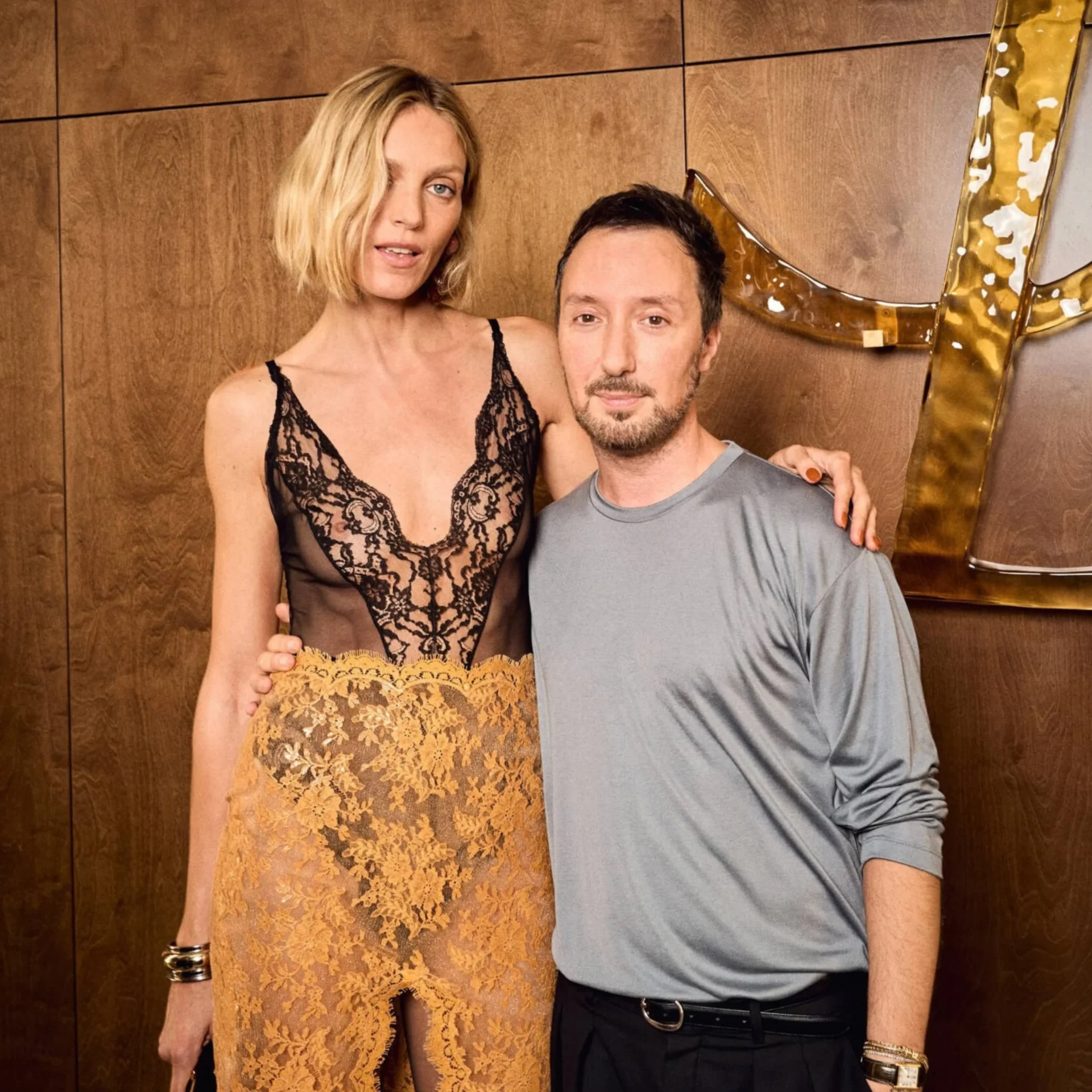
Altuzarra
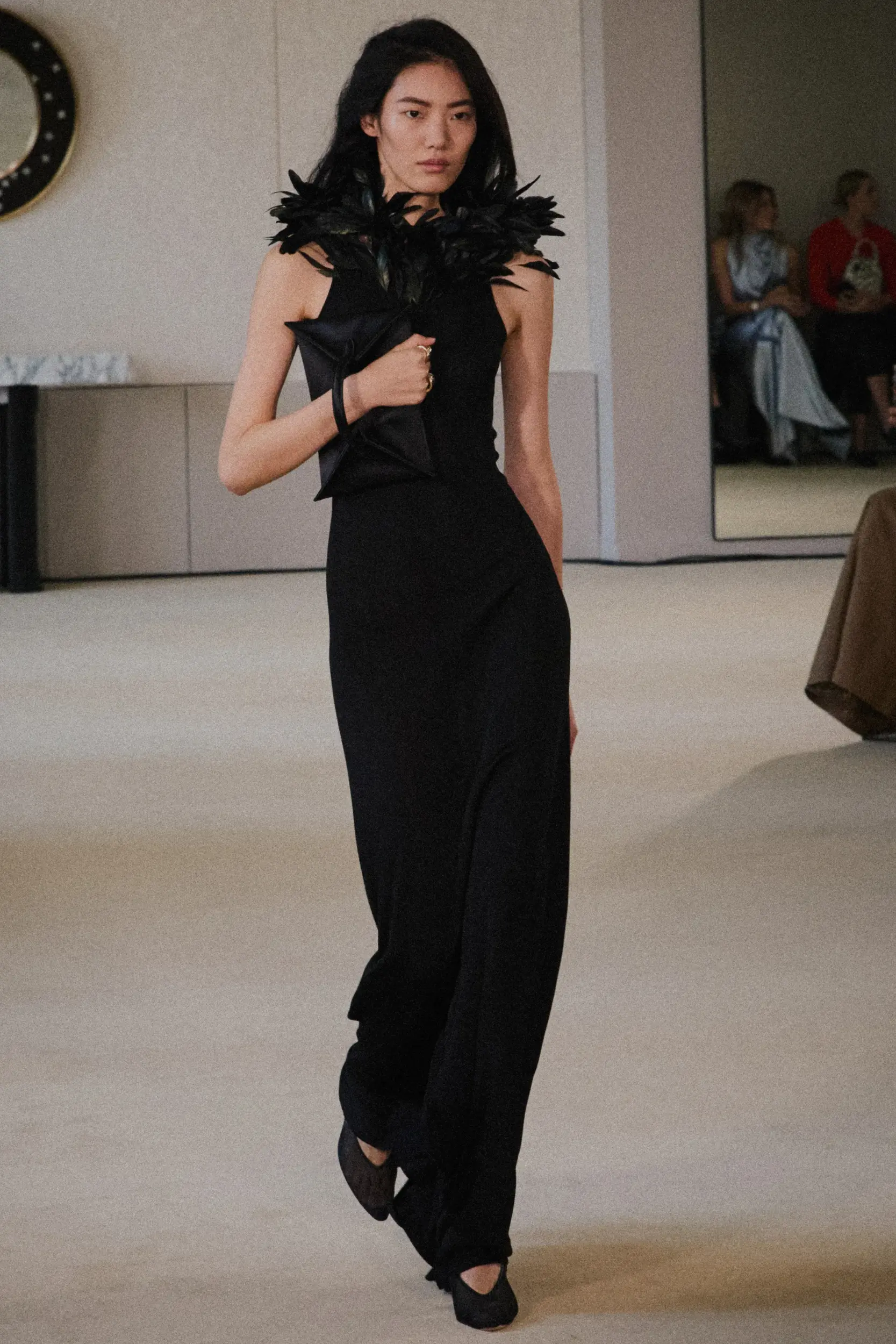
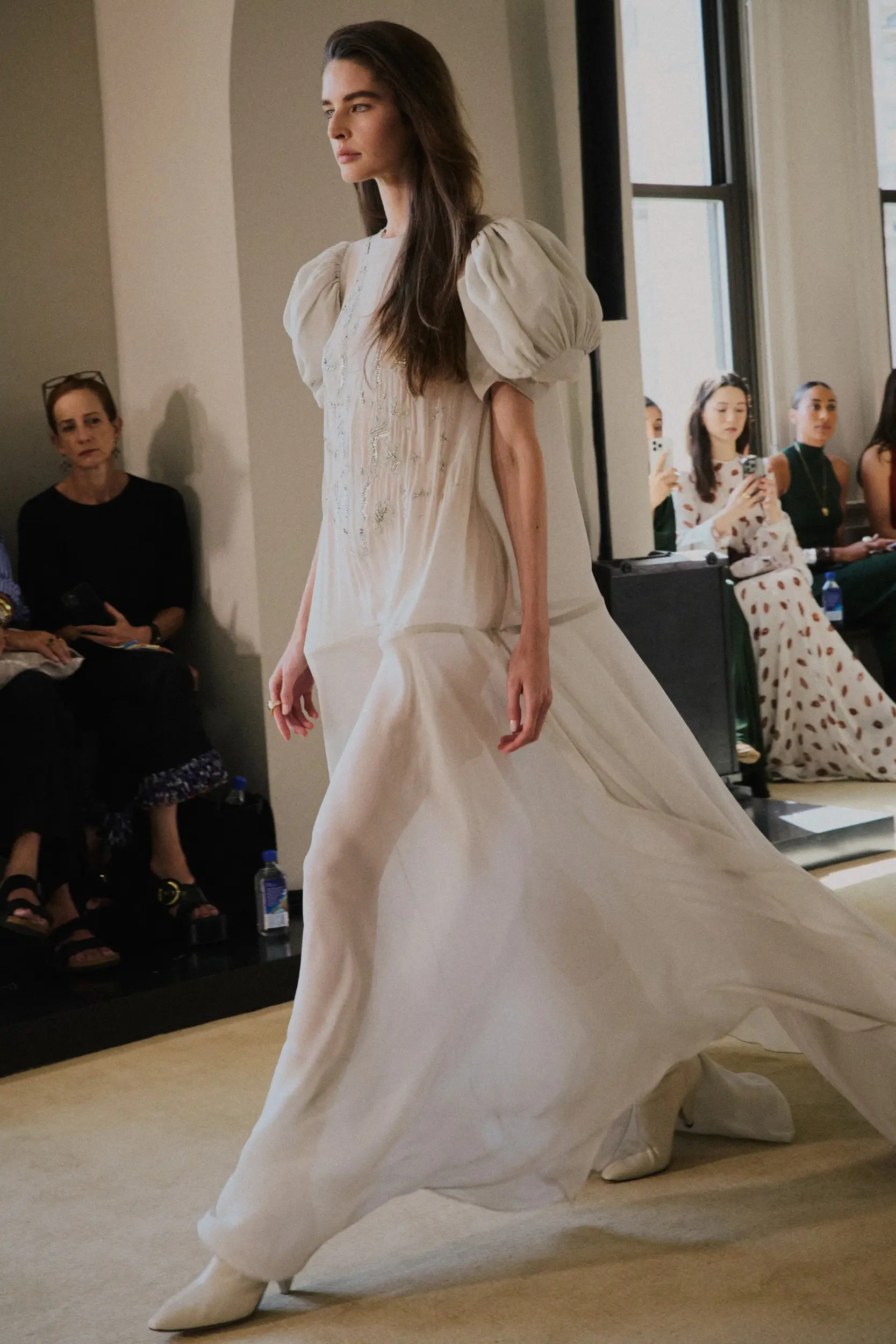
Joseph Altuzarra was meditating on AI and illusion when he set his mind into experimenting with surface features that tricked the eye. But a black dress crowned with raven-like feathers? That’s Poe yet again. A white, billowing dress with puffed sleeves? That’s the ghost of Brontë’s Catherine Earnshaw. Altuzarra’s exploration between what’s real and what’s imagined aligns seamlessly with the aforementioned subculture.
Who Decides War
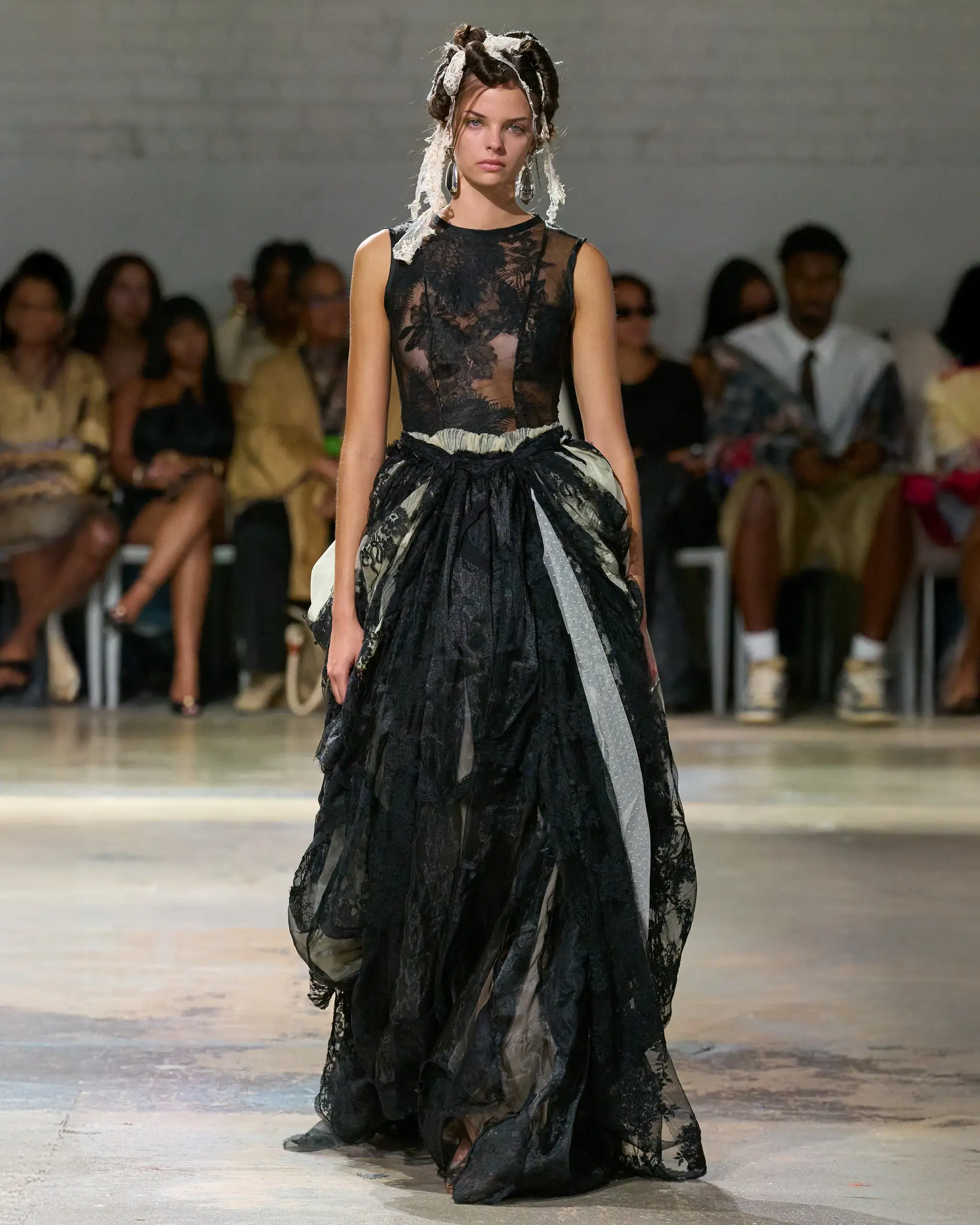
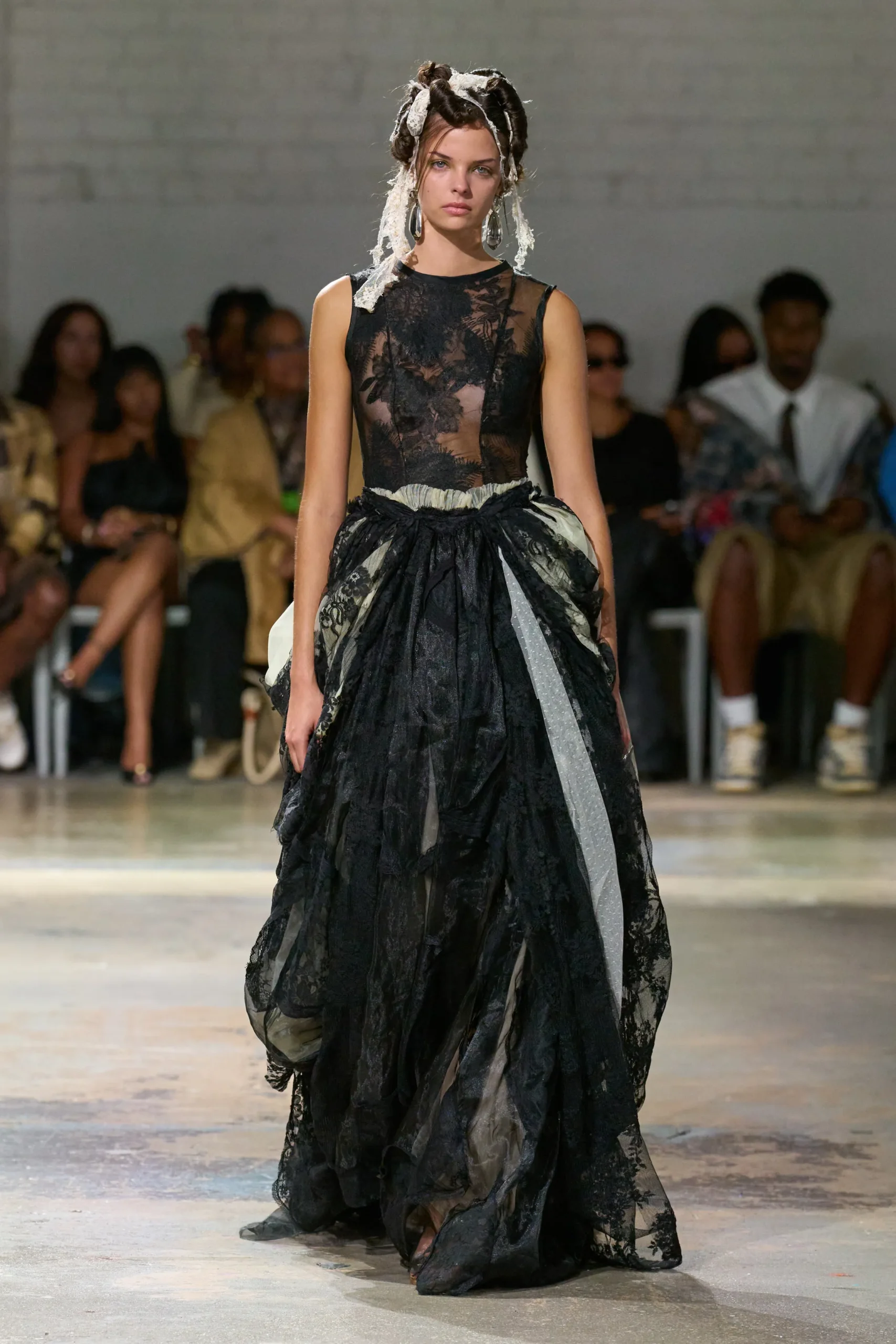
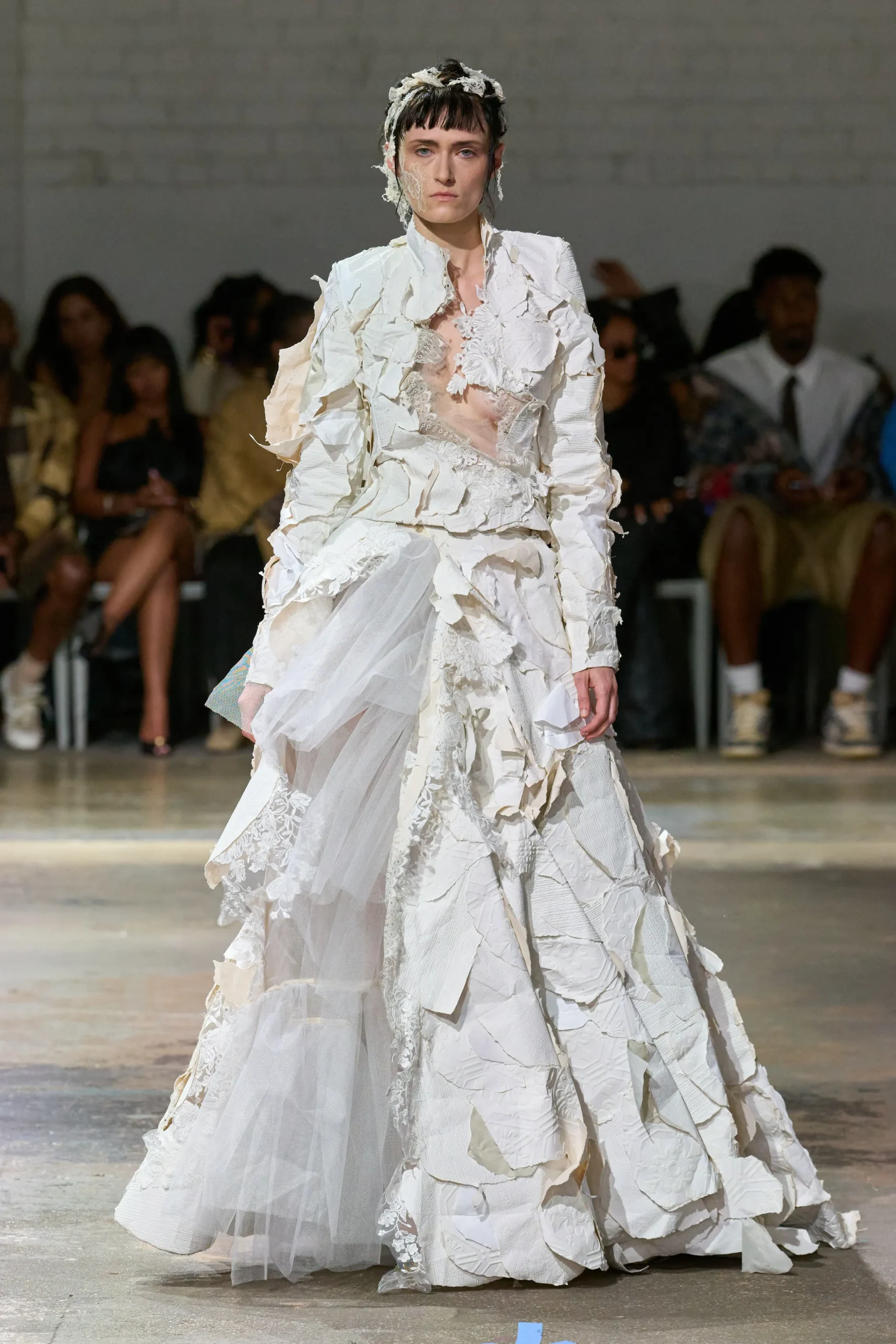
Who Decides War leaned fully into ruin with “Read the Room” as their collection imagined wardrobes pulled from a crumbling ancestral estate. Layers of black shredded lace looked ravaged and regal, while frayed white dresses suggested runaway brides lost in some enchanted wilderness. With their emphasis on decay and memory, Ev Bravado and Téla D’Amore captured the Romantic Goth mystique.
Christian Siriano
Though it wasn’t their vision, a handful of other designers such as Christian Siriano still offered flashes of Gothic intensity. Showing at Macy’s under the spell of Old Hollywood, Siriano delivered a black gown that exuded the glamour of a heroine in a moonlit opera.
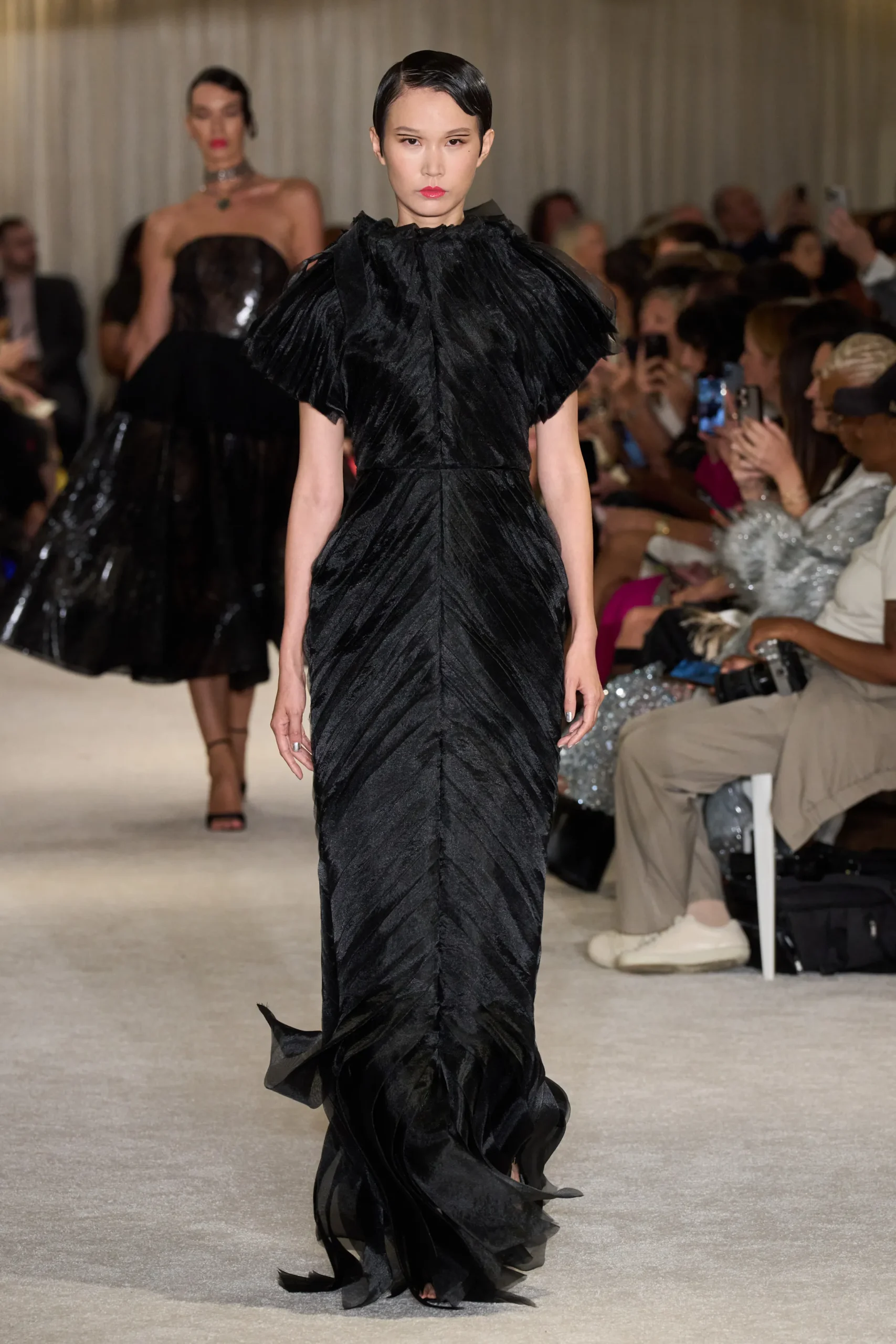
Unexpectedly, this season proved that Romantic Goth has a way of seeping back in whenever designers reach for the dramatic or the uncanny. Even in fleeting gestures, the revival revealed itself naturally. Call it escapism. Call it the romanticization of melancholy. But in a week that risked falling completely flat or cyclical, it was in these theatrical flashes that made New York fashion stir with life once more.
Photos courtesy of WIEDORHOEFT (via Instagram), GRACE LING (via Instagram), ALTUZARRA (via website), WHO DECIDES WAR (via Instagram), and CHRISTIAN SIRIANO (via Instagram)
Recommended Video
Latest Posts


Latest Issue