



When it comes to clothing, history paints a rigid picture. Though unspoken, there existed the expectation of following the proper way of dressing up to be perceived as respectable members of society. The chemise was meant to be worn underneath the corset, and half-slips were once required beneath skirts. Likewise, it was the same for men with their specific order of garments, be it their utilitarian uniforms or tailored suits. There were rules, essentially; rules that we often didn’t truly grasp as children when we accidentally wore things backwards until we were corrected. And we have carried these rules into the present where the digital space demands perfection through filters and curation, or else.
RELATED: Why You Should Wear Ugly Shoes
But what is fashion if it doesn’t dance with the daring and the absurd every once in a while? There has always been an oddly-satisfying cultural corner where designers and artists aspire to subvert the norms. It was evident in Salvador Dali’s avant-gardeAvant-GardeExperimental fashion that pushes boundaries and challenges conventional ideas of shape, material, and beauty. Avant-garde designers treat clothing as art, presenting sculptural silhouettes and unexpected textures on runways, and theirGo to Avant-Garde Glossary paintings, then followed by a legacy of surrealism through fashion deconstructionists Schiaparelli, Maison Margiela, and Comme des Garçons. More recently, Danial Aitouganov & Imruh Asha’s Zomer has become the poster child for “wearing things wrong” with their Fall/Winter 2025 collection.
Zomer’s Reversal
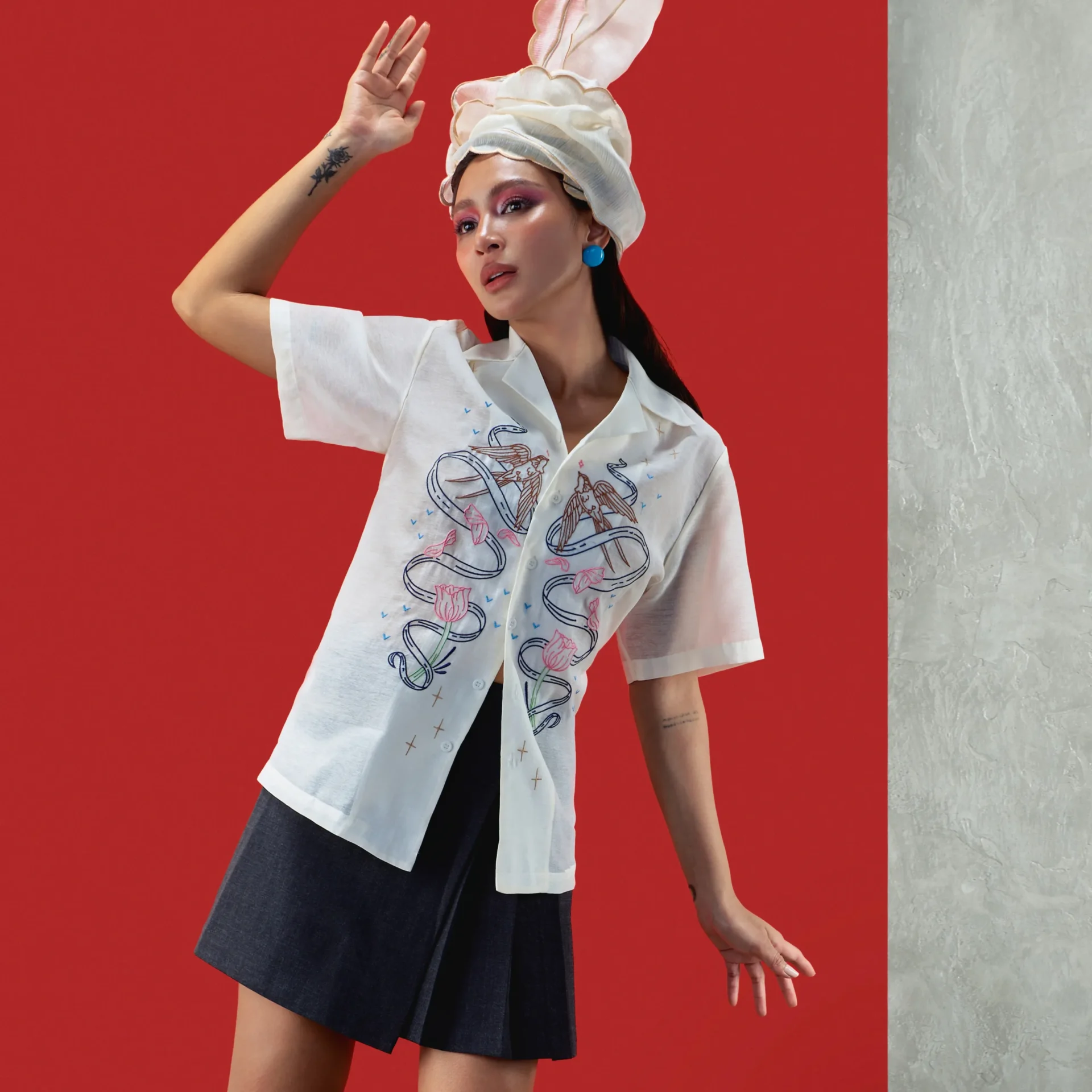
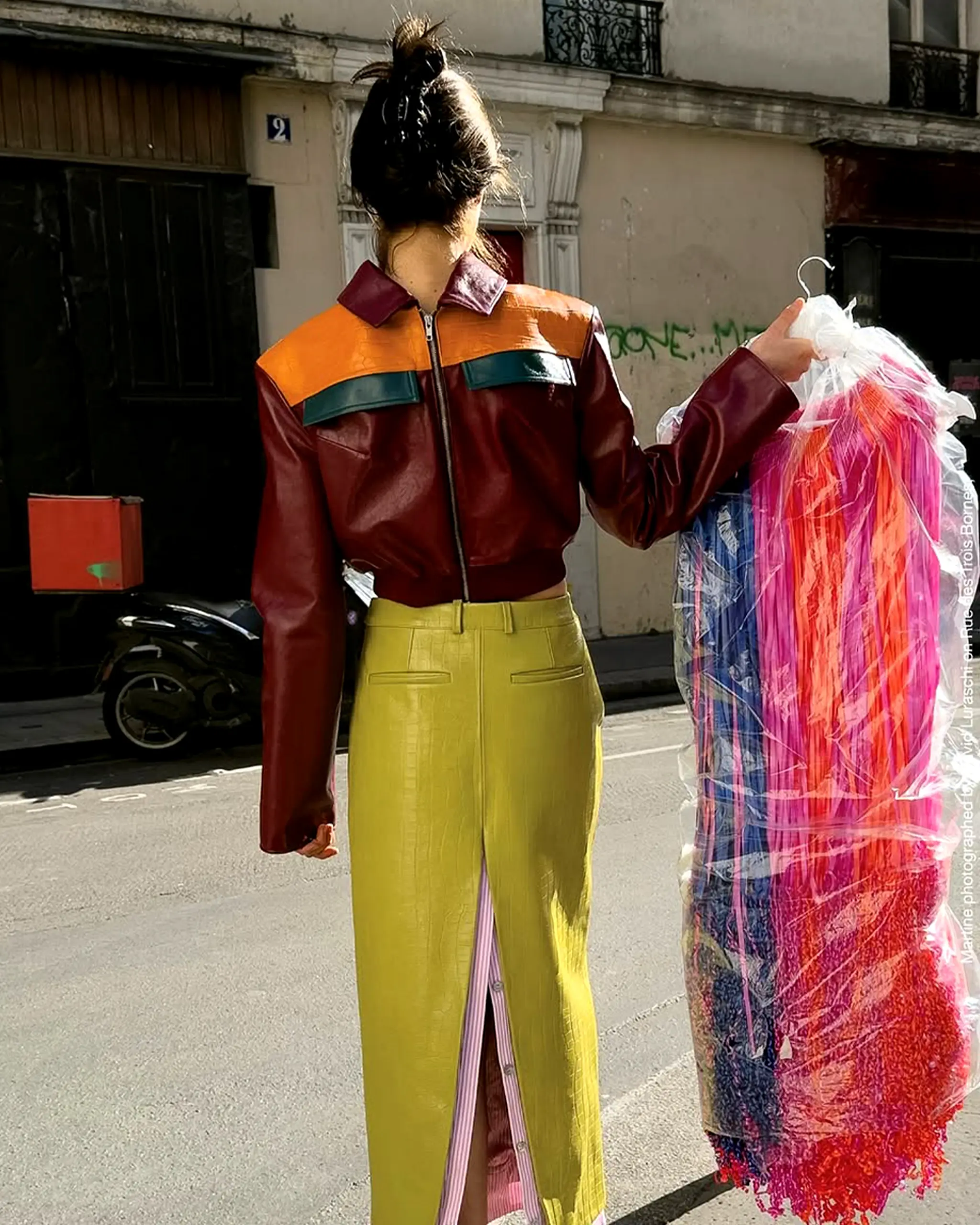
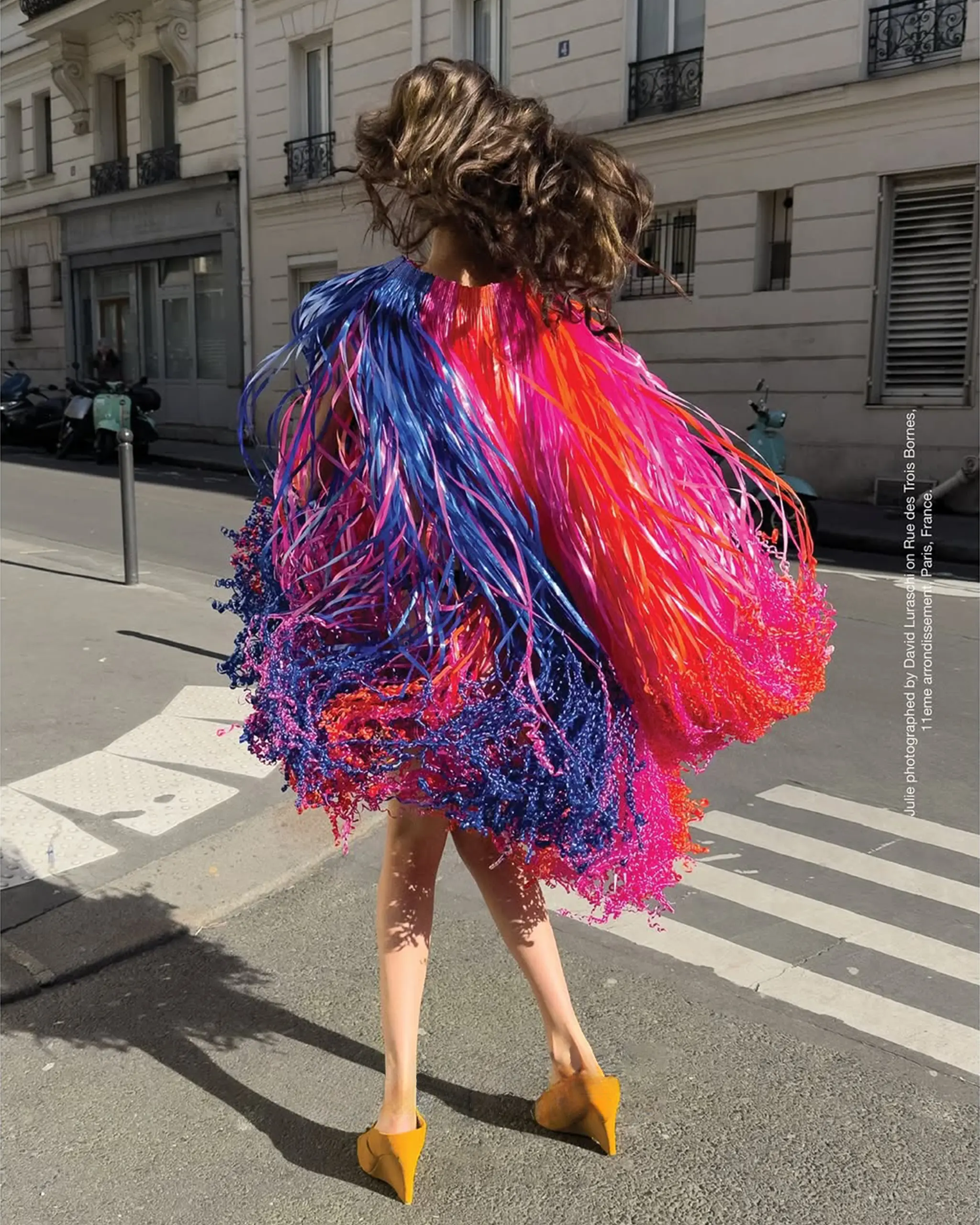
During Paris Fashion Week in March, Zomer presented the first reverse fashion show. Forty models walked in backward coats, shirtdresses, and denim. For Aitouganov, it was not his intention for his remembrance of childhood innocence to turn into a political statement. Subconsciously, however, that’s what happened—because it’s fitting, isn’t it? Clothes in retrograde for a world that feels like it’s regressing.
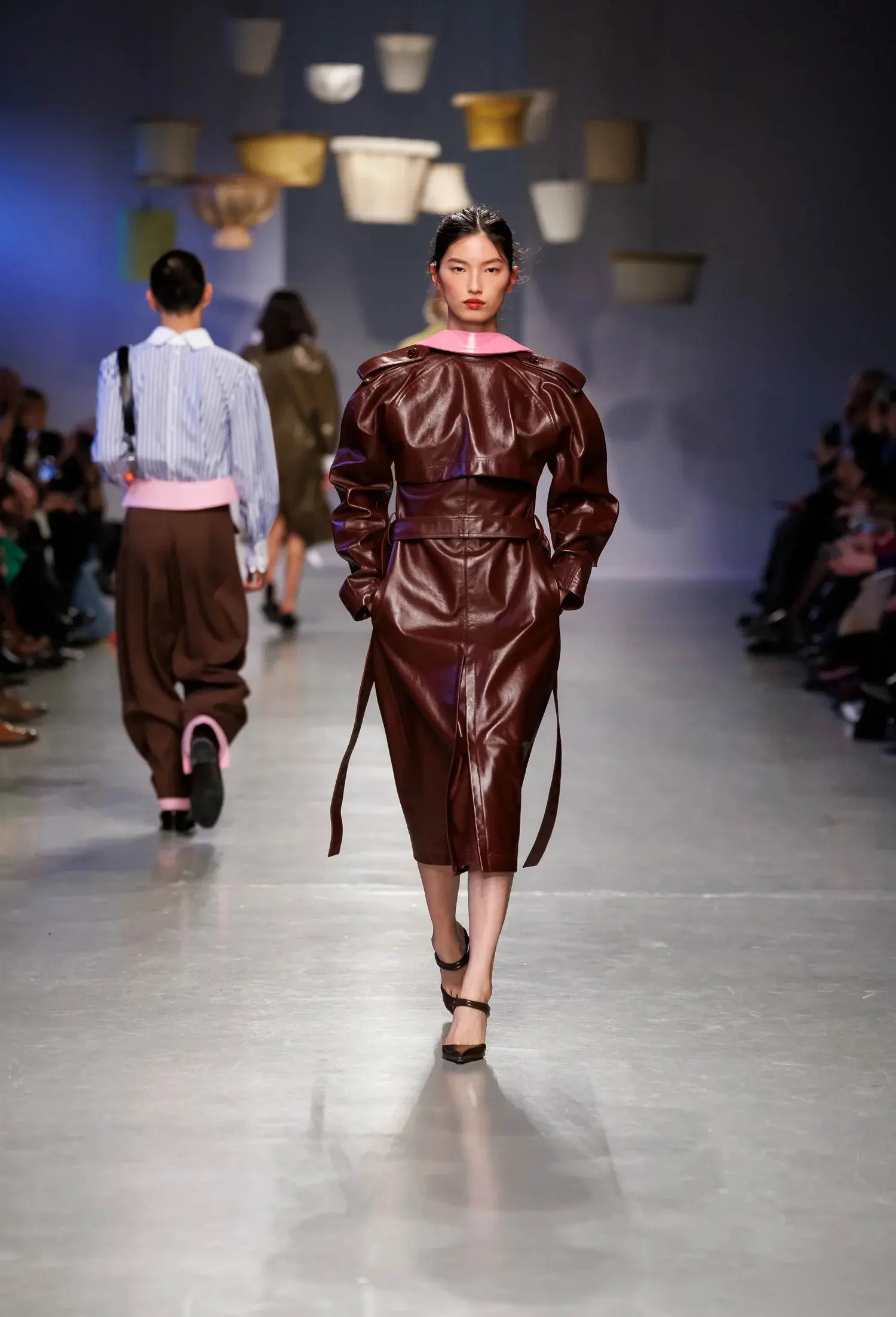
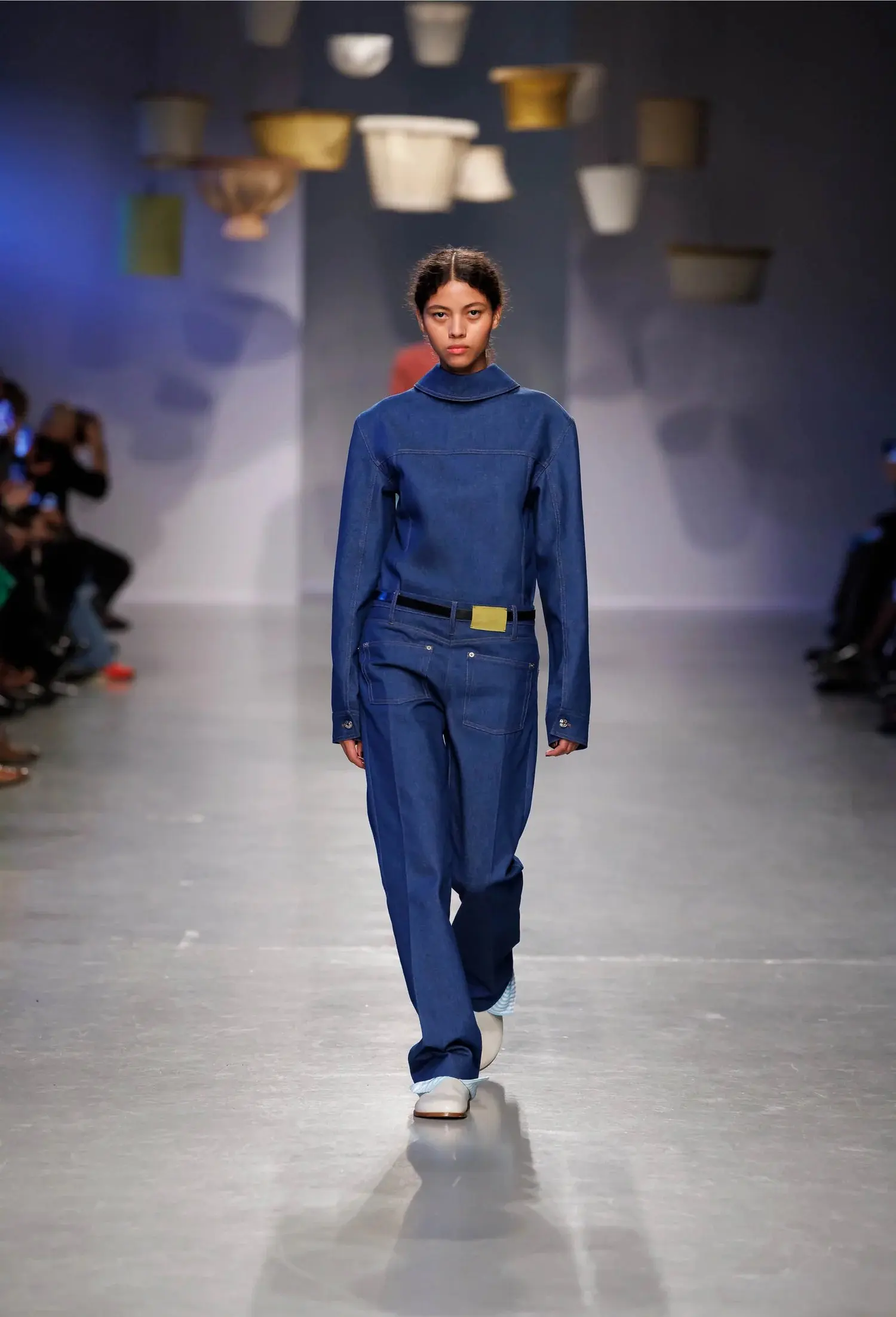
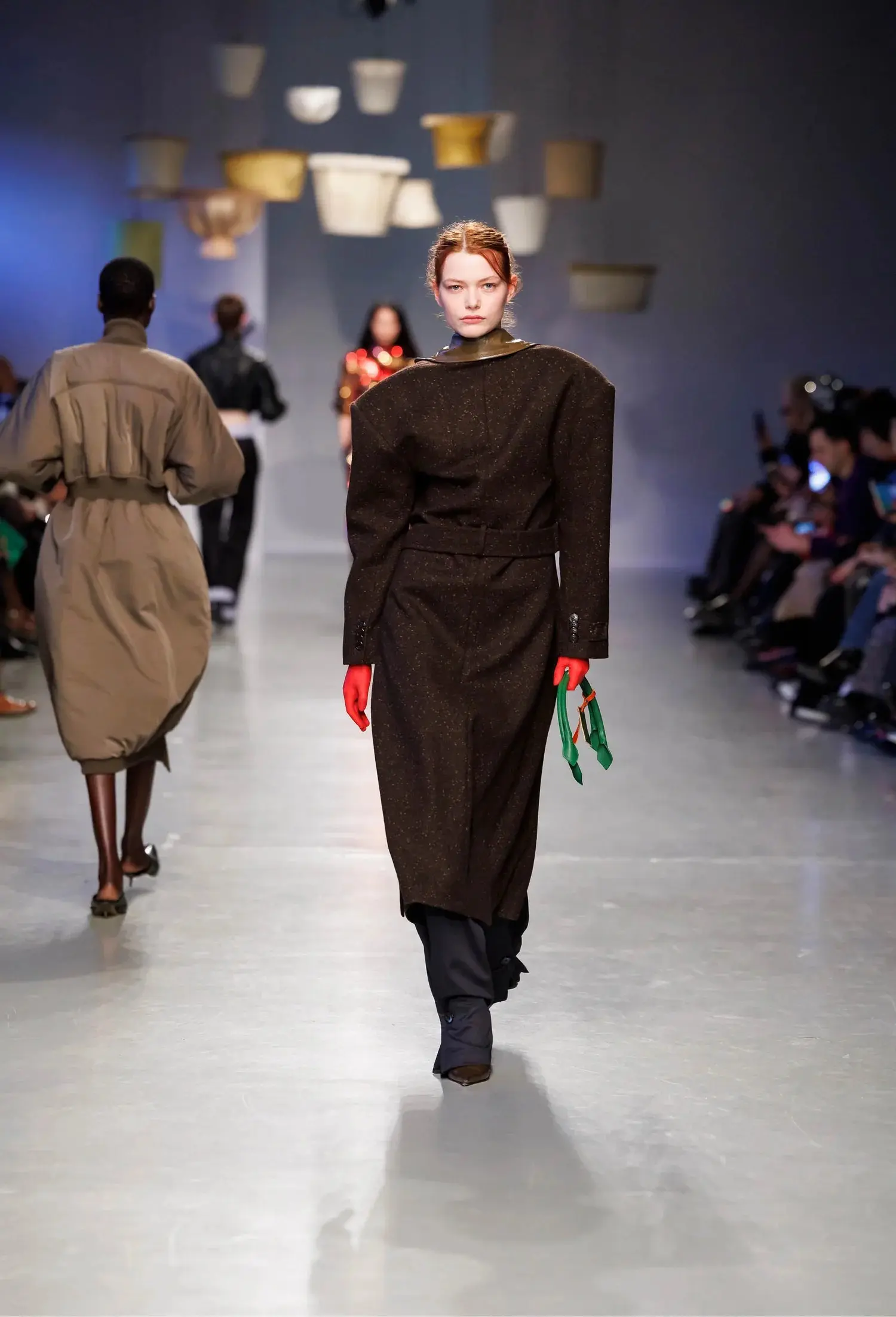

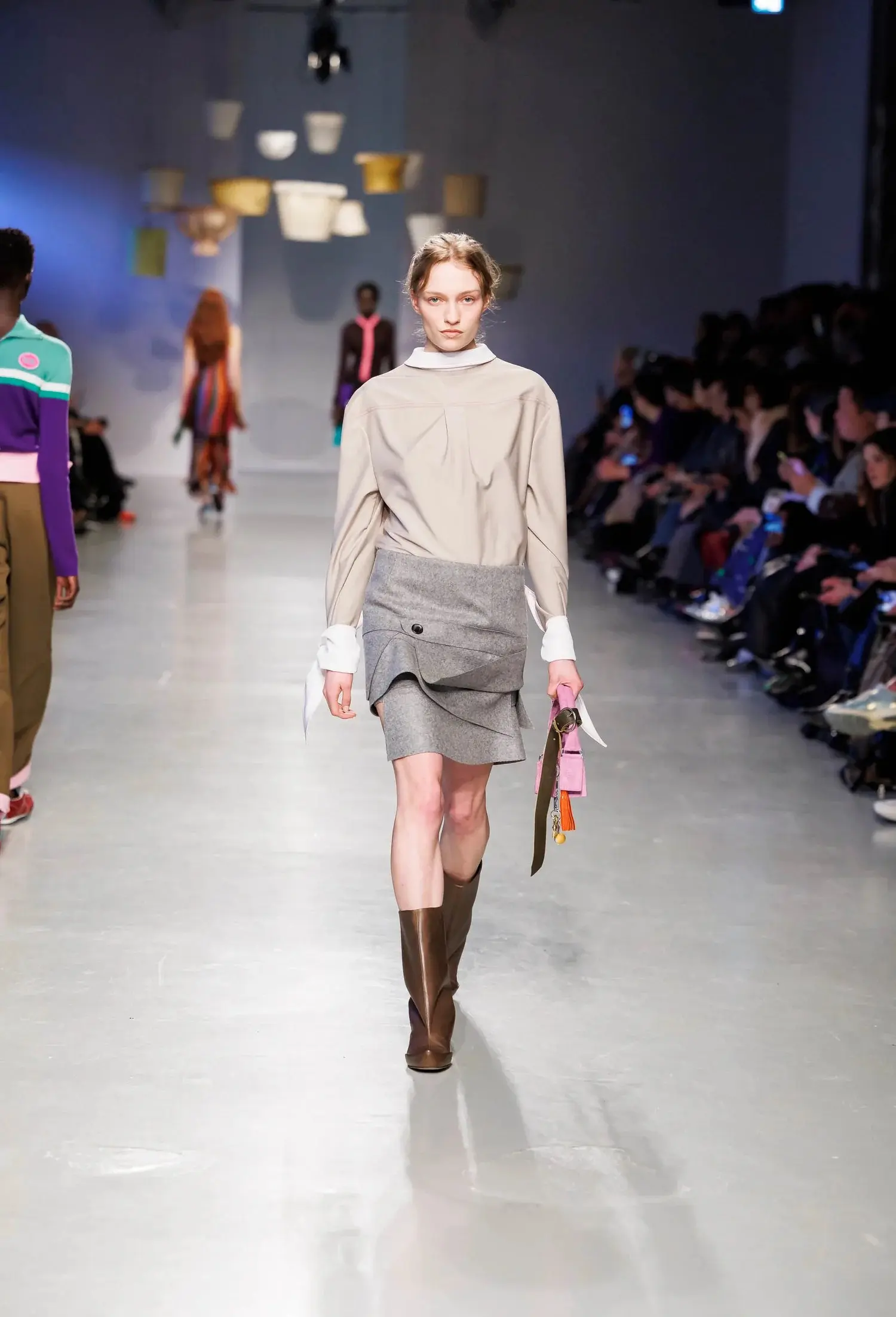
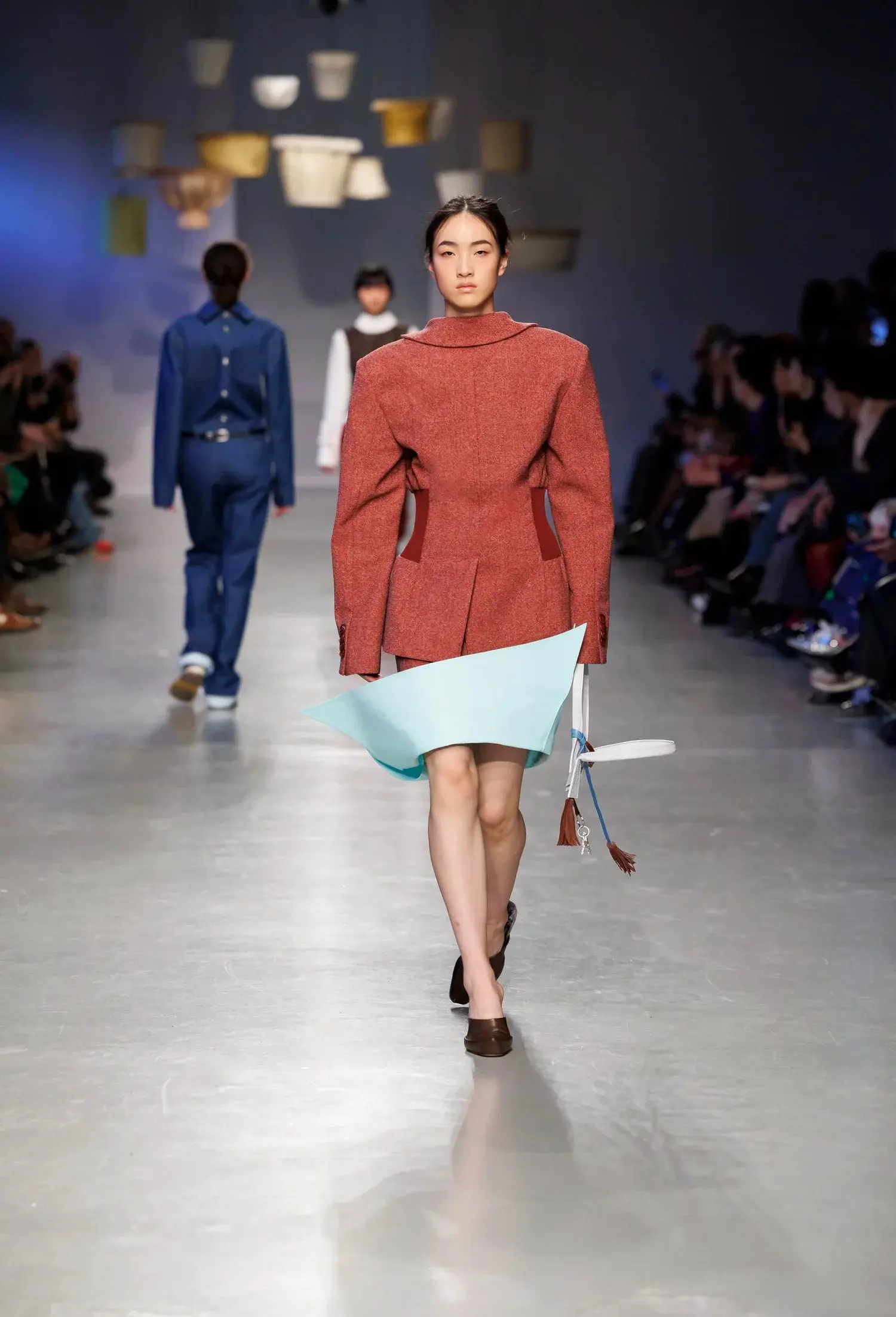
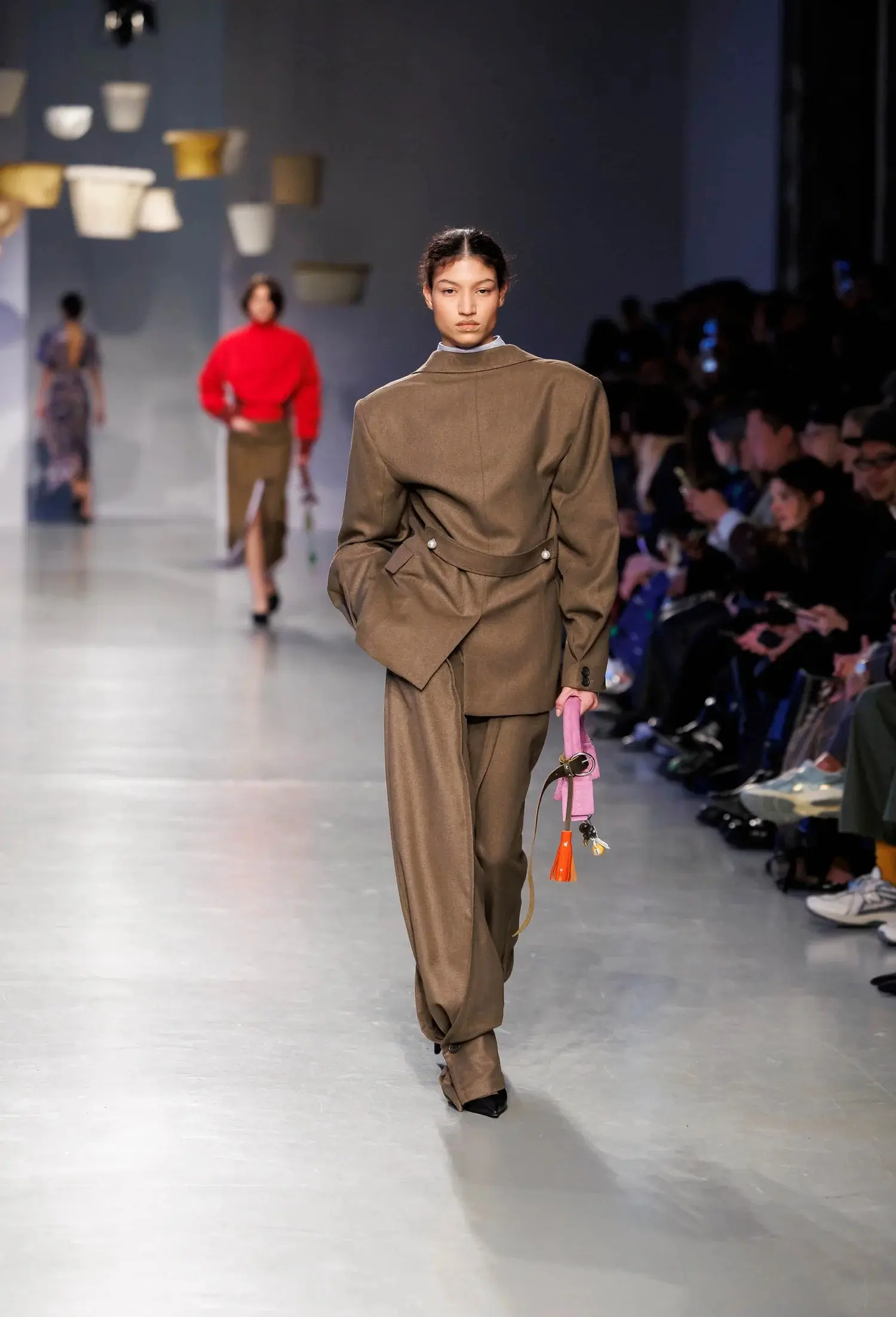
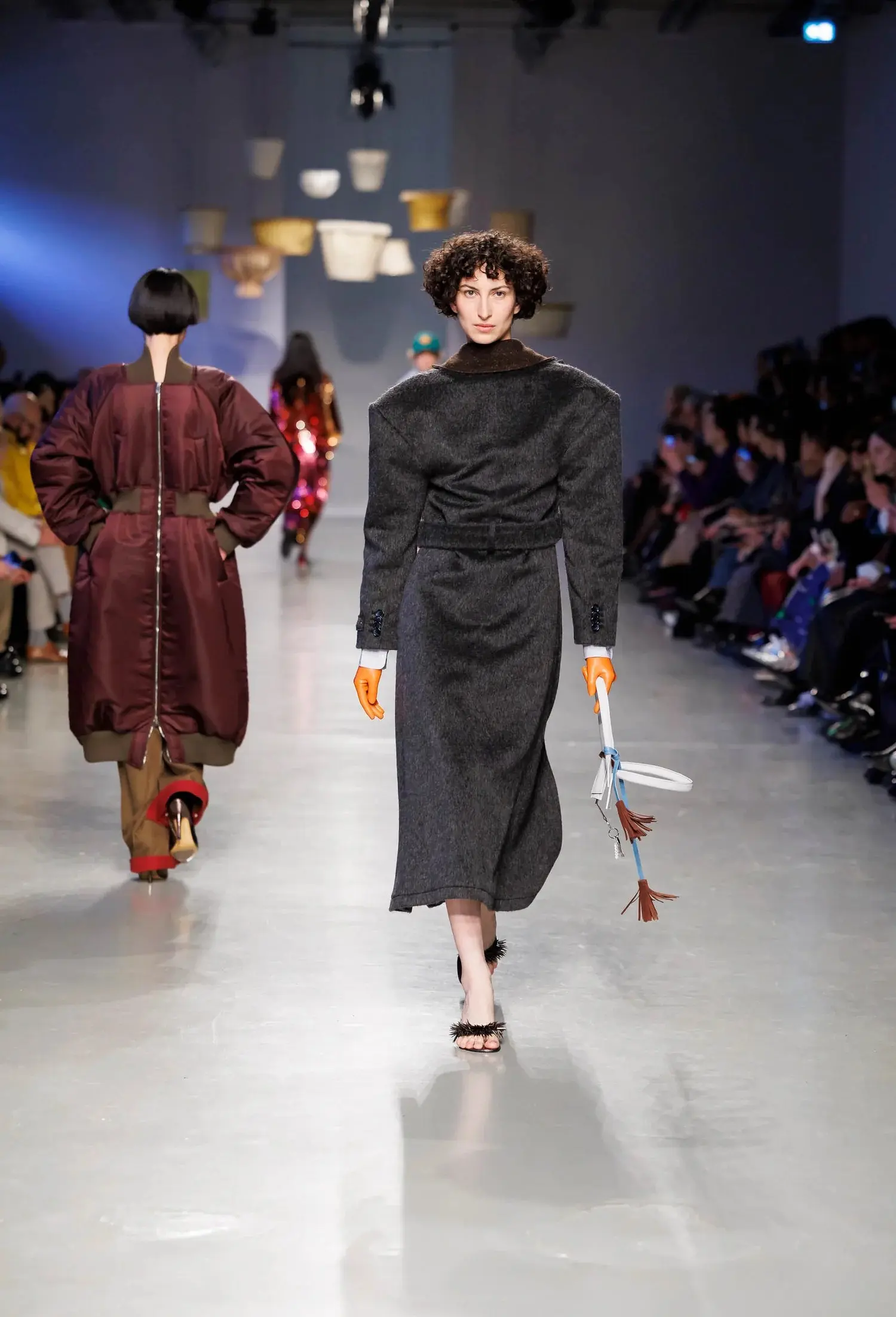


And Zomer wasn’t alone. Sarah Burton’s Givenchy spliced hourglass tailoring backwards to reveal unexpected décolletage. Ottolinger showed reversible jeans with back pockets on both sides. Christopher Esber rotated a tunic ninety degrees so the neckline became an armhole. Tory Burch twisted American classics into capelets by pinning cardigan sleeves across the shoulder. Even Yohji Yamamoto made models literally help one another flip coats inside out mid-runway.
The Joy of Inversion
It’s tempting to dismiss this skewed movement as a symptom of recession, but look closer and you’ll see it’s both original in terms of self-expression and practical in this economy. One jacket can articulate two entirely different looks, and that can be multiplied into a hundred outfits depending on your wardrobe choices. The supposed “wrong” way of wearing things can be liberating. As Yohji Yamamoto put it: “Fashion has too many rules. But too many rules is boring. If you feel good, maybe it’s already correct.”
Photos courtesy of ZOMER (via Instagram and website)

Recommended Video
Latest Posts



Latest Issue