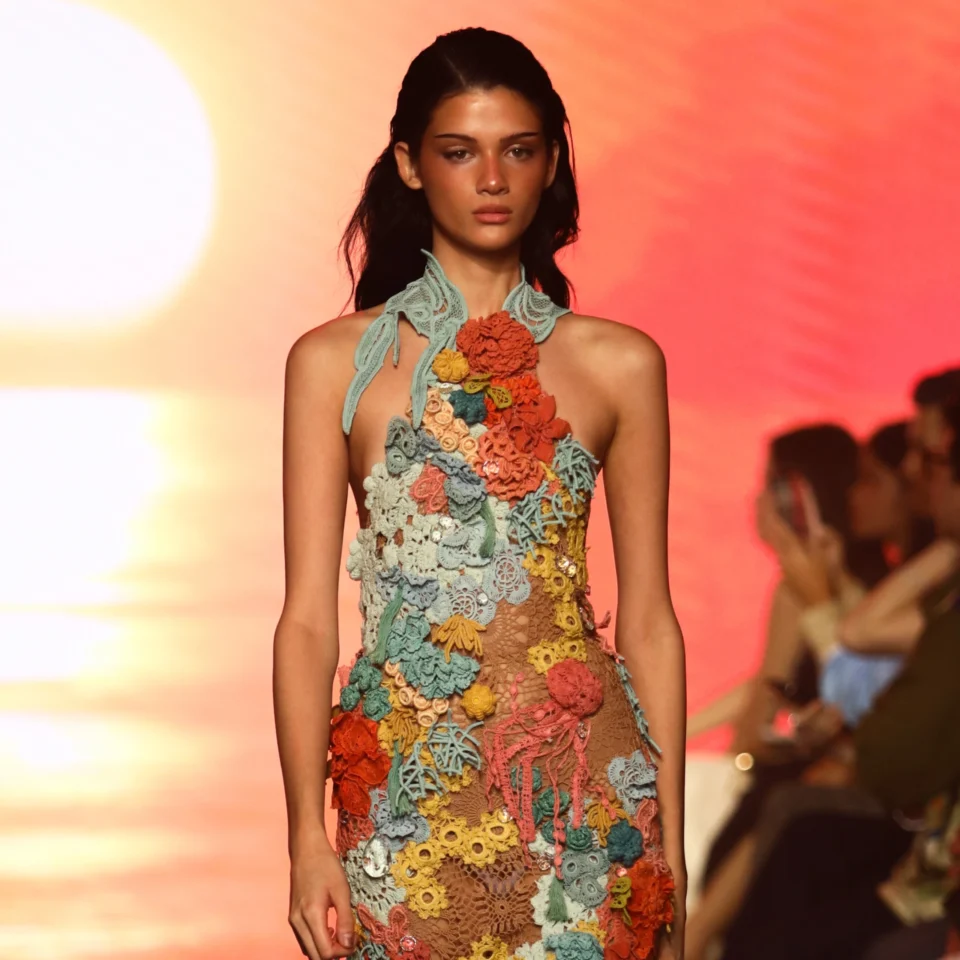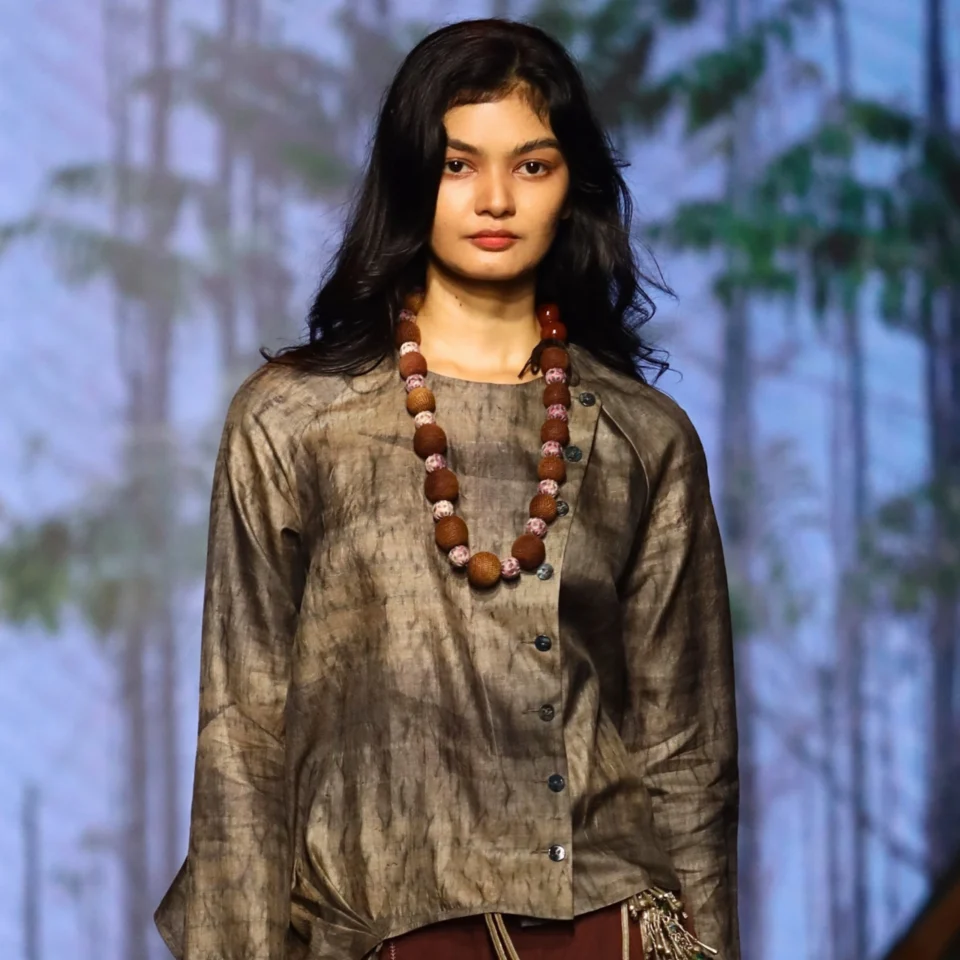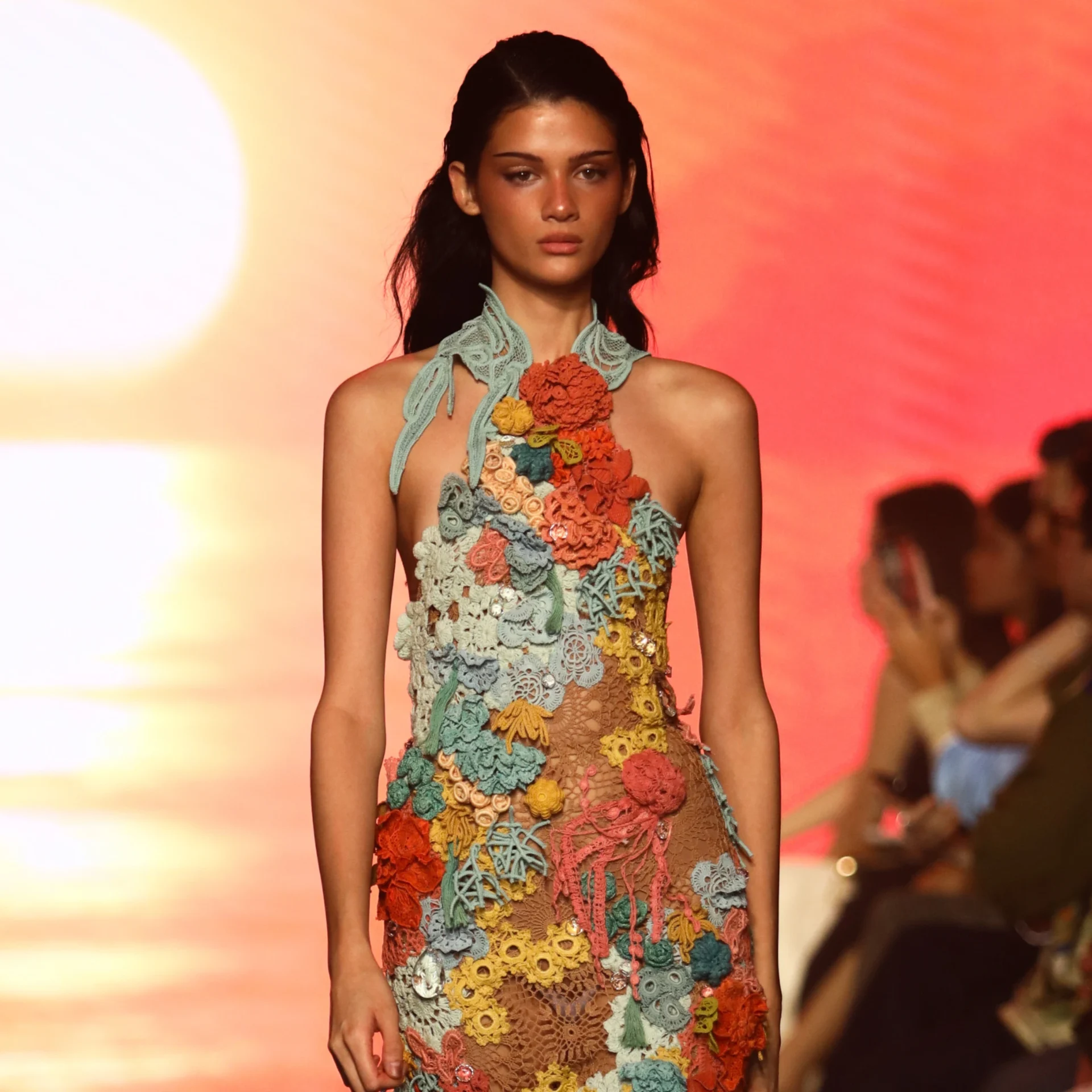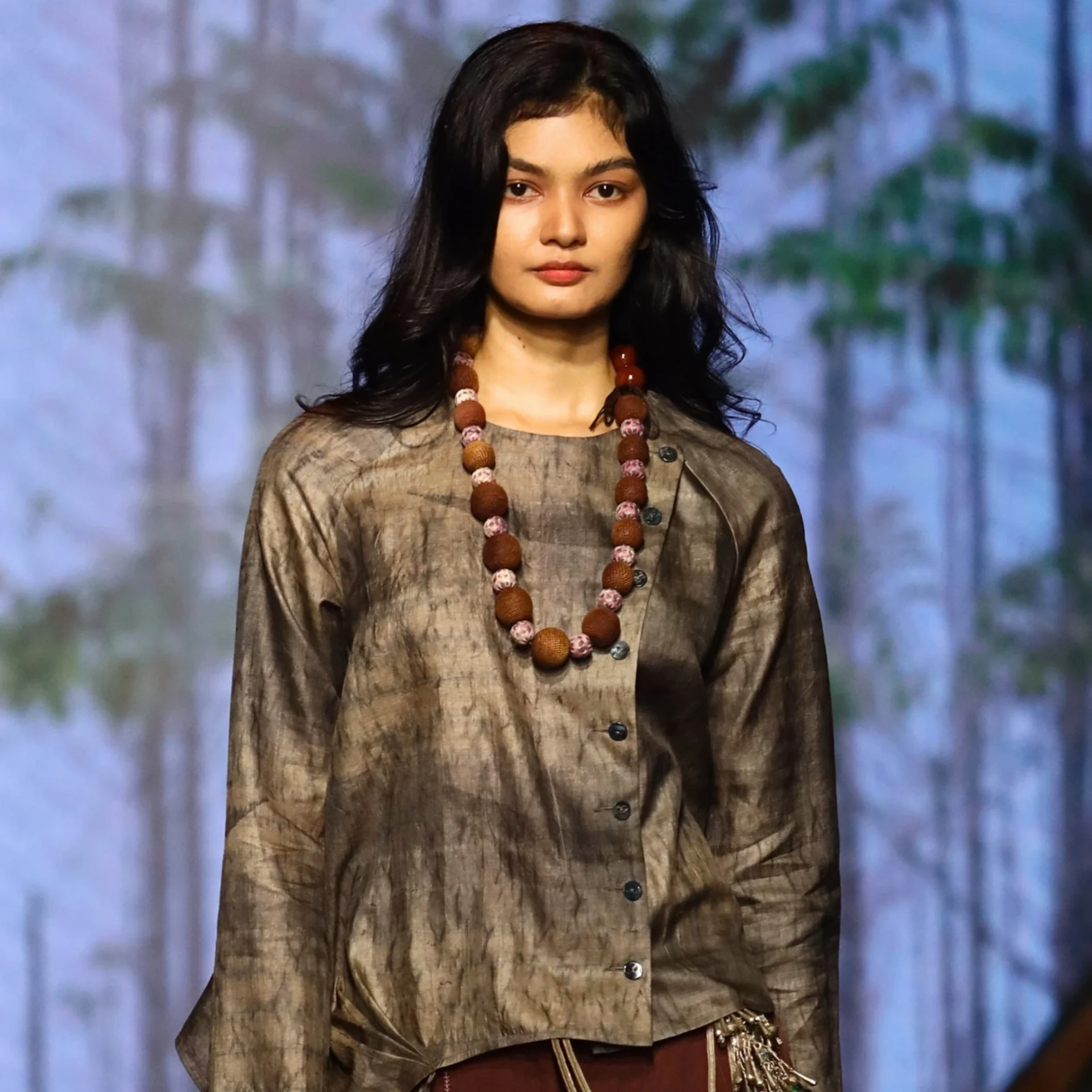




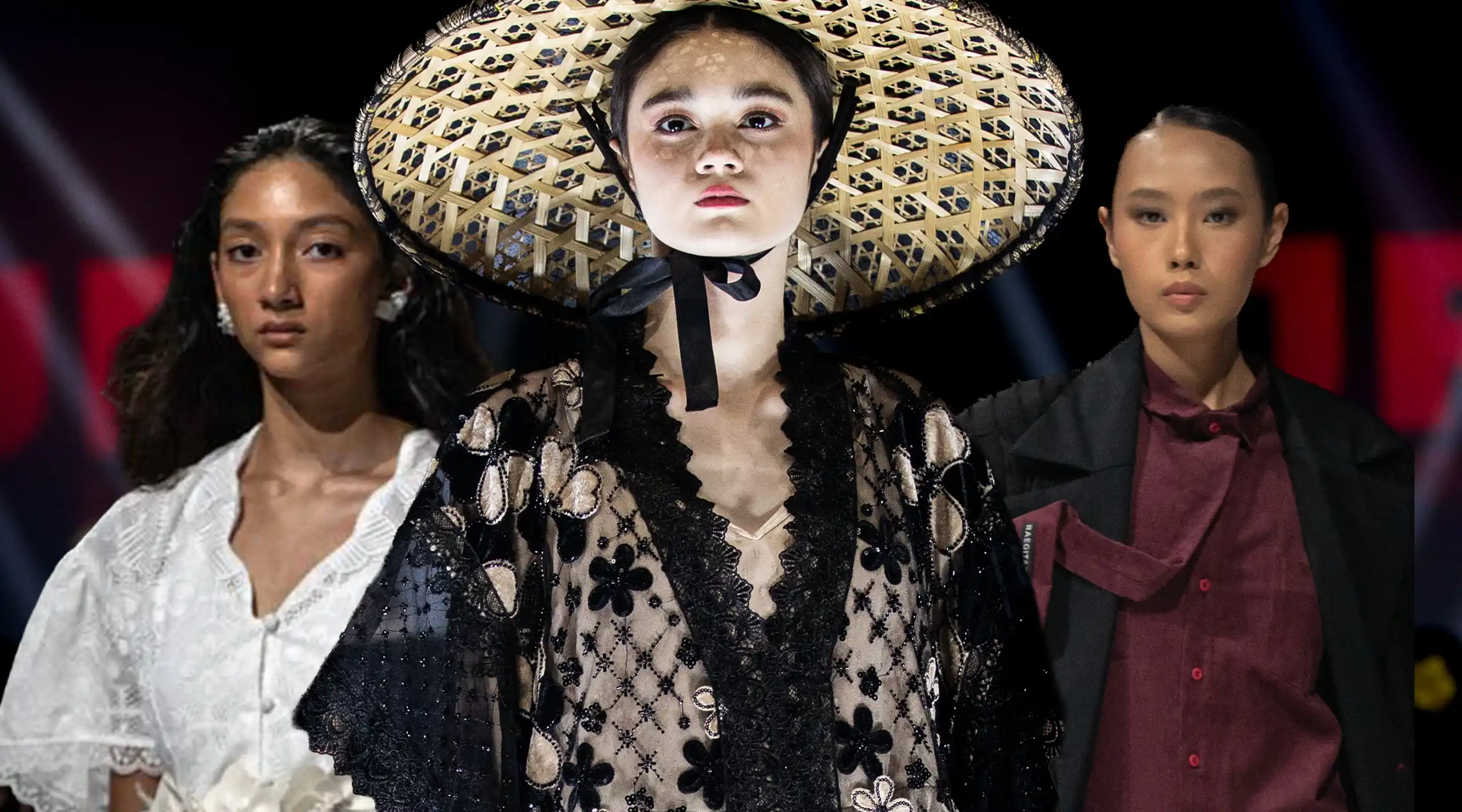
Fashion has always had an interesting relationship with happiness. In an industry of anticipation, it keeps promising fulfillment through the next collection, buyer, showroom, or coveted invitation that can make a career look legitimate. In the distance between the hand that makes a garment and the market waiting to receive it, Asian fashion is discovering its competitive edge in craft, experimentation, and the stubborn pleasure of making something well. For Thresia Mareta—Advisor of JF3, founder of LAKON Indonesia, and co-initiator of PINTU—that process is the point. Happiness, she believes, is not found at the end, but in the process of creation: in learning until the hands understand what the mind is trying to make, and in giving people enough opportunity to keep making it.
RELATED: At Jakarta Fashion Festival 2026, ASEAN Fashion Finds Strength in Difference
The entrepreneur has spent years building the infrastructure around that belief. Her work sits at an intersection where fashion, craftsmanship, commerce, education, culture, and sheer persistence meet. She is also, by all accounts, someone who enjoys matcha enough to teach the people around her how to make it properly during meetings—an act of generosity that can be read as hospitality or personal obsession. It is also rather revealing of how she works: knowledge is meant to circulate. “The knowledge of the craftsmen is part of your creations,” she says. “You have to understand how they work. We have to understand each other.”
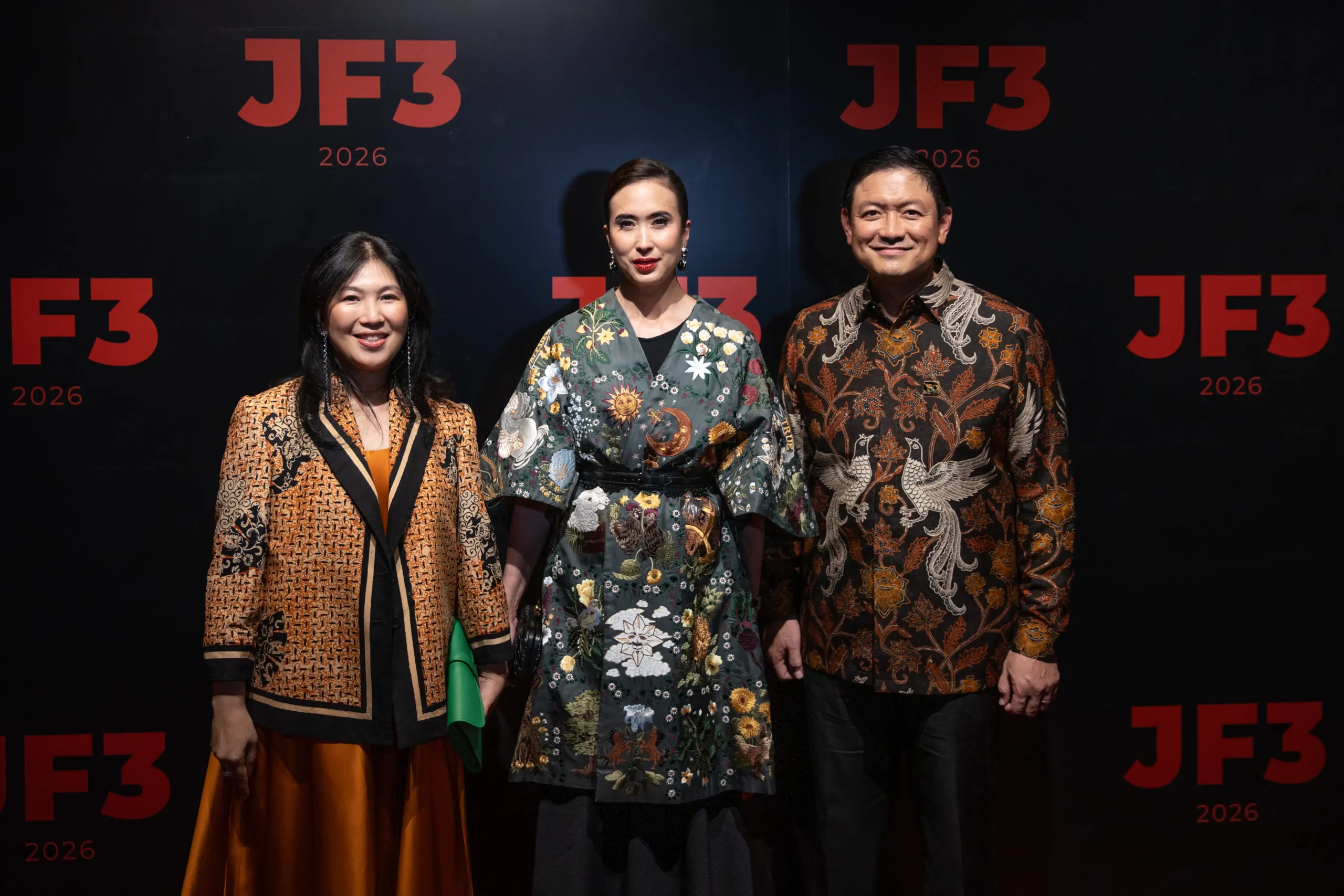
Her work gives JF3 a distinctive position in Indonesia’s fashion landscape. Initiated by Summarecon in 2004 as part of an effort to draw attention to the Kelapa Gading area through fashion and food, JF3 has spent 22 years growing from a local event into a national platform and, increasingly, an international bridge. Its fashion ecosystem now reaches across runway presentations, retail, talent discovery, incubation, acceleration, international collaboration, industry dialogue, and model development, with last year’s festival drawing 5.6 million visitors.
Soegianto Nagaria, Chairman of JF3 and Co-Initiator of PINTU, describes the festival as a platform designed to give Indonesian designers repeated exposure rather than a single glamorous afternoon.
“We want to give them a chance,” Nagaria says of Indonesian designers. “If today the designer we bring does not have the business yet, maybe next year, maybe in five years.” His point is crucial: international fashion operates through familiarity. A buyer may see a designer once, remember the name, and move on. A second encounter creates recognition. A third can begin a business conversation.
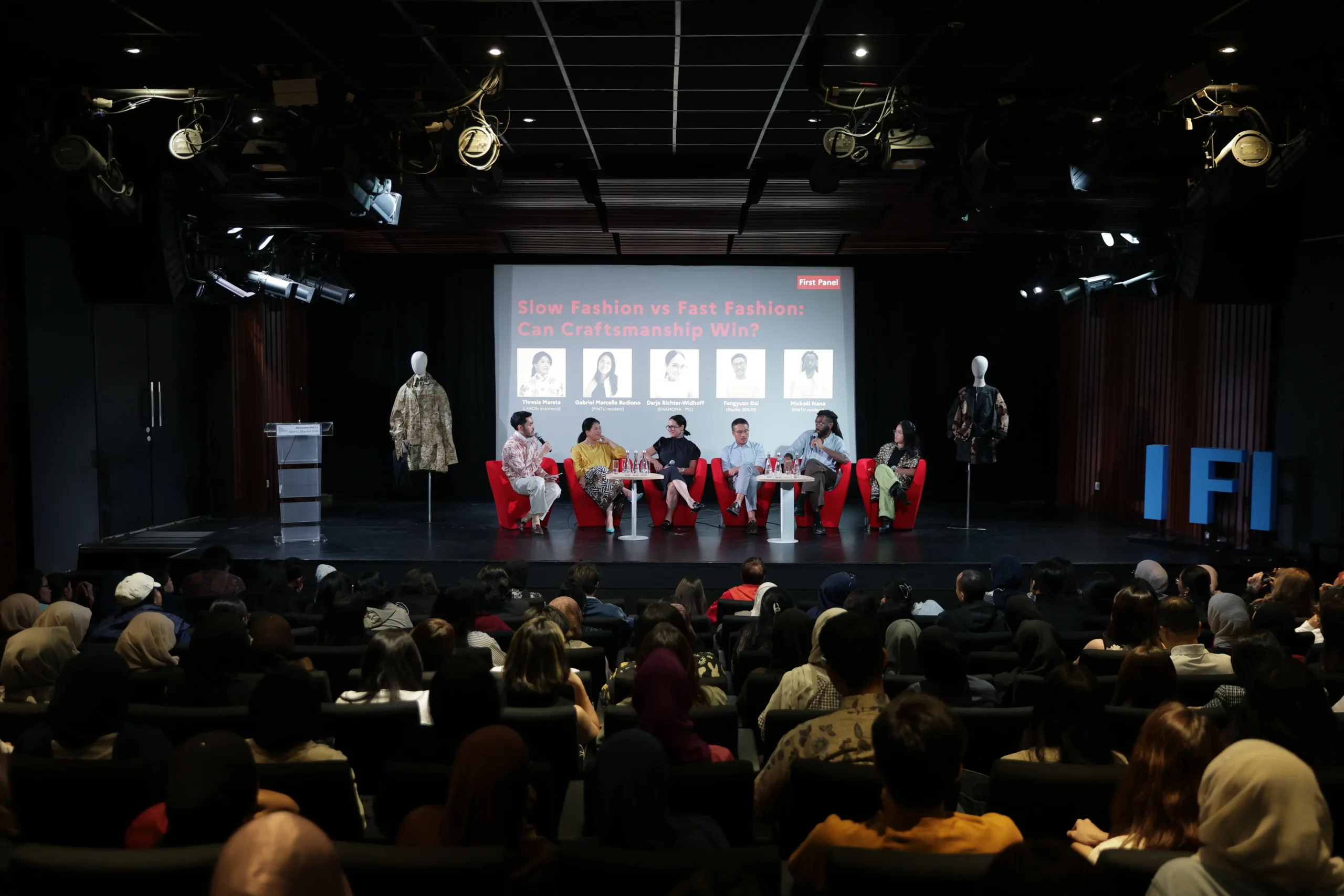
That patience runs against the instant-gratification logic surrounding young creative careers. Fashion loves a breakthrough story; the messy middle rarely makes the press release. JF3 is building programs around the messy middle.
From Idea to Execution, This Is the Work Behind the Look
Mareta’s thinking on craftsmanship begins with a practical question: how deeply does a designer understand the work behind the design?
A designer who can sketch a beautiful garment yet has little understanding of how it is cut, constructed, finished, priced, produced, or delivered still has a considerable education ahead. Mareta believes designers need enough knowledge to move from the first idea to the final object, even when specialists eventually take over particular stages.
“How many designers can execute from zero to finish?” she asks. “Very little. When they are not able to execute the whole thing themselves, it is not yet the time to ask how they will grow as a designer.”
The point is not to turn designers into one-person factories, but to give them enough fluency to be strategically fluid on their own. A designer who understands a textile maker’s limitations can design with greater intelligence. Someone who knows why a certain weave behaves differently under tension can push the material without destroying its character. Understanding production can make creativity sharper because the designer knows where the boundaries are—and where they can be challenged.
LAKON Indonesia became the testing ground for Mareta’s approach to craft: a collective commerce brand where artisans and designers work together, experiment with materials, develop products, and bring them to market. The idea is to give craftsmanship a contemporary purpose and the people behind it a sustainable way to keep making.
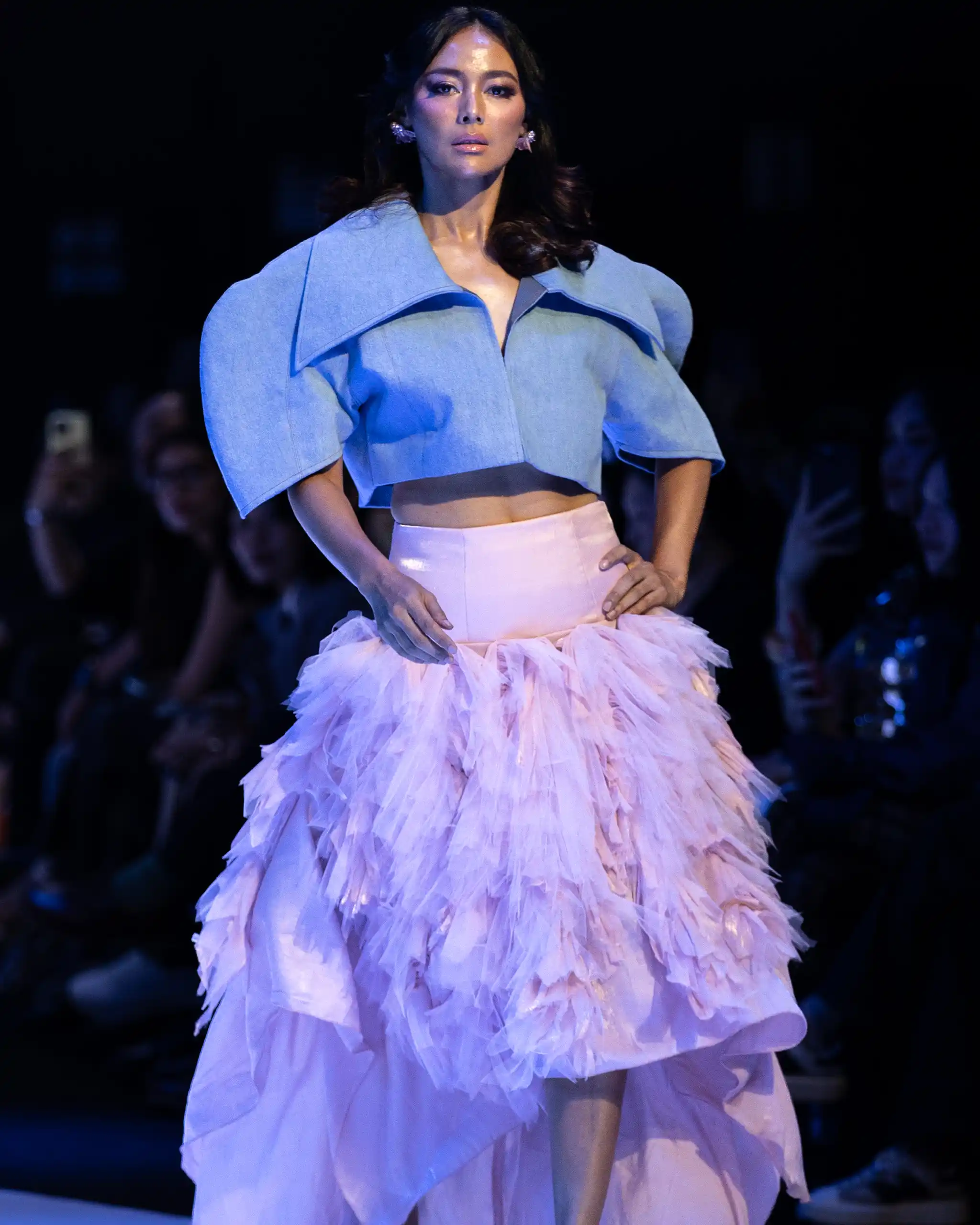
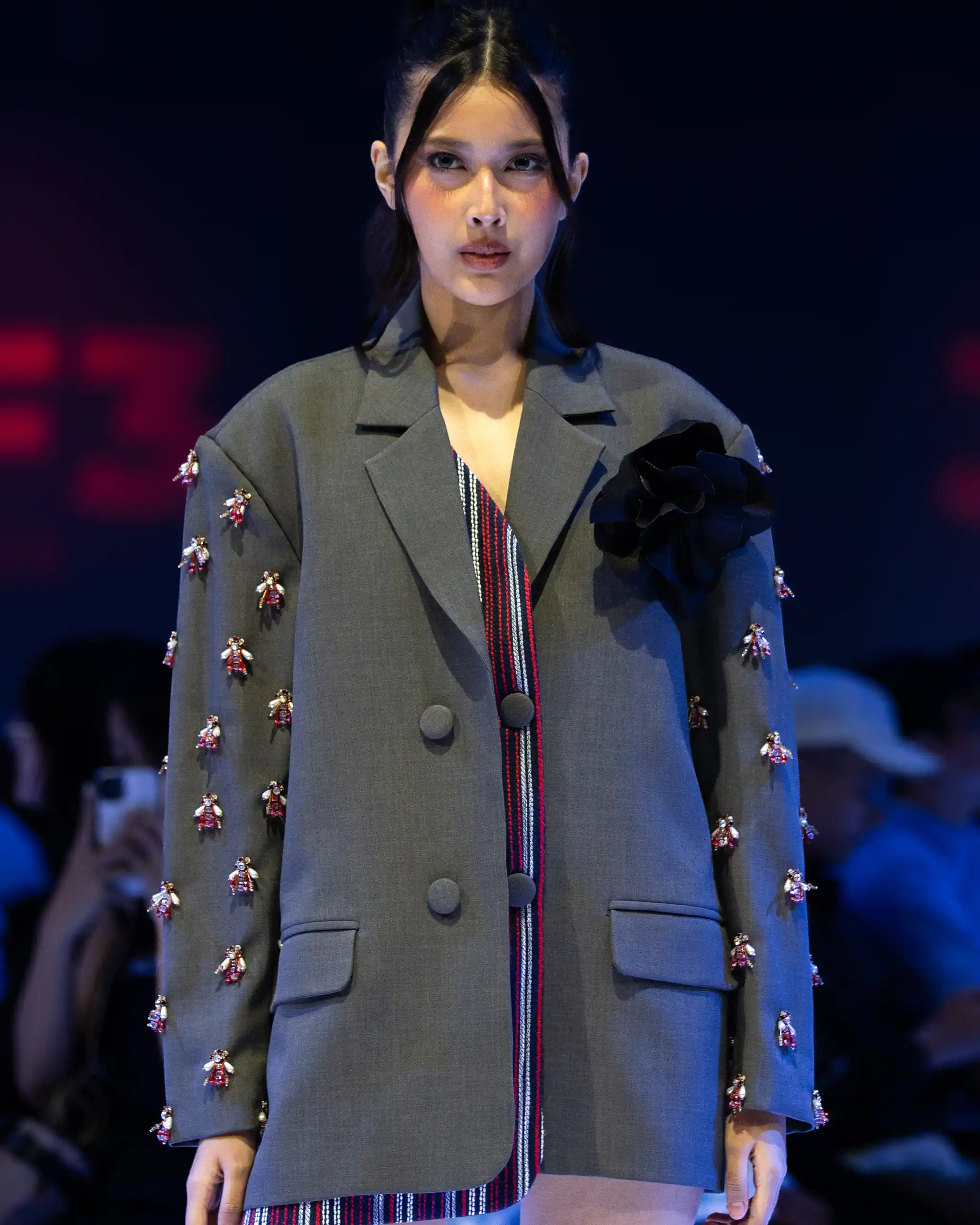
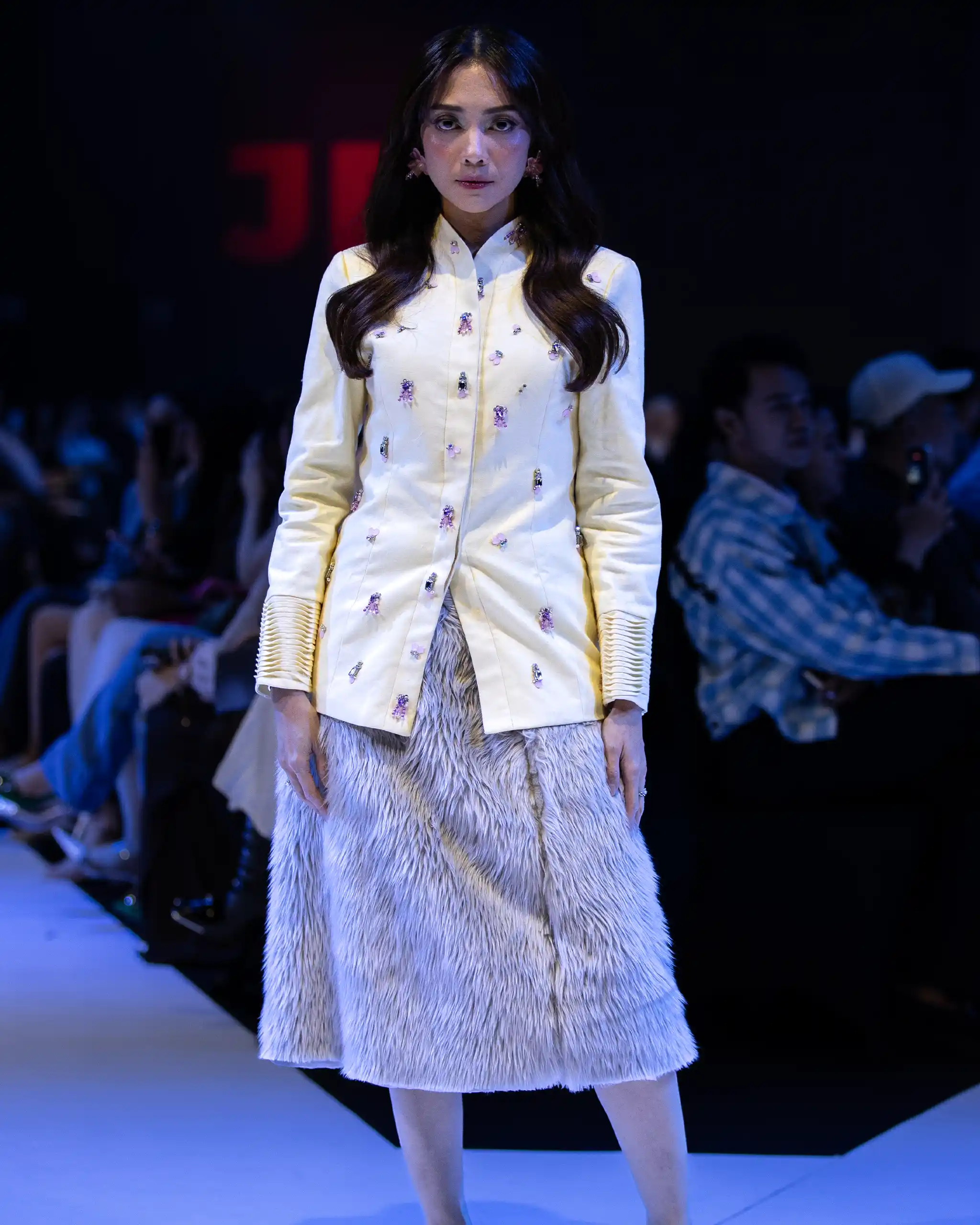
“Indonesian artisans have very good hands. They have the capability to make good money. But they are trapped in a system that needs to be fixed,” she claims. “I cannot fix the system, but I have the capability to build an ecosystem that is ideal for them to make a good living.”
The usual commercial arrangement is straightforward: a designer brings a design, an artisan produces it, the order is paid, and the transaction ends. Mareta considers that model impoverished. Her experience has taught her that the artisan’s knowledge can fundamentally alter the design itself. A construction may look right on paper and prove impossible in practice; a material may suggest a solution the designer had never considered. The conversation between the two can therefore become part of the creative process, rather than something that happens after the creative work is supposedly finished.
At LAKON Indonesia, an artisan can challenge a construction that looks perfectly convincing on paper, forcing the designer to reconsider the idea through the material itself. The adjustment can lead to another experiment, a failed sample, a new technique, or an unexpected solution that neither side would have reached alone. Mareta sees that exchange as part of the design process itself because the artisan’s knowledge changes what the garment can become.
“Sometimes we treat the craftsmen as a supplier,” she says. “They fulfill the orders, we pay, and that is it. But when we spend time discussing and experimenting with them, something totally new can come from the discussion. That is when craftsmanship really becomes alive.”
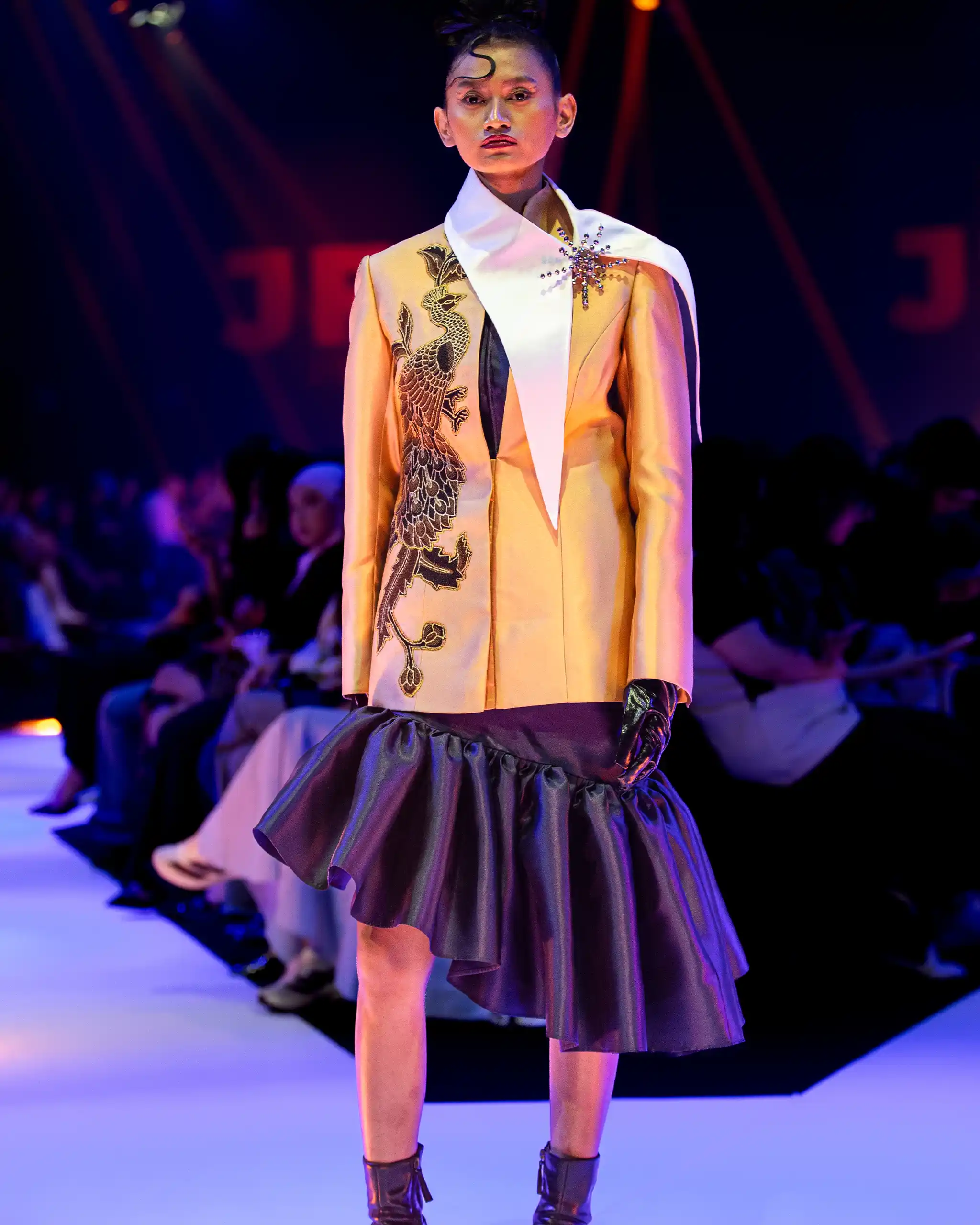
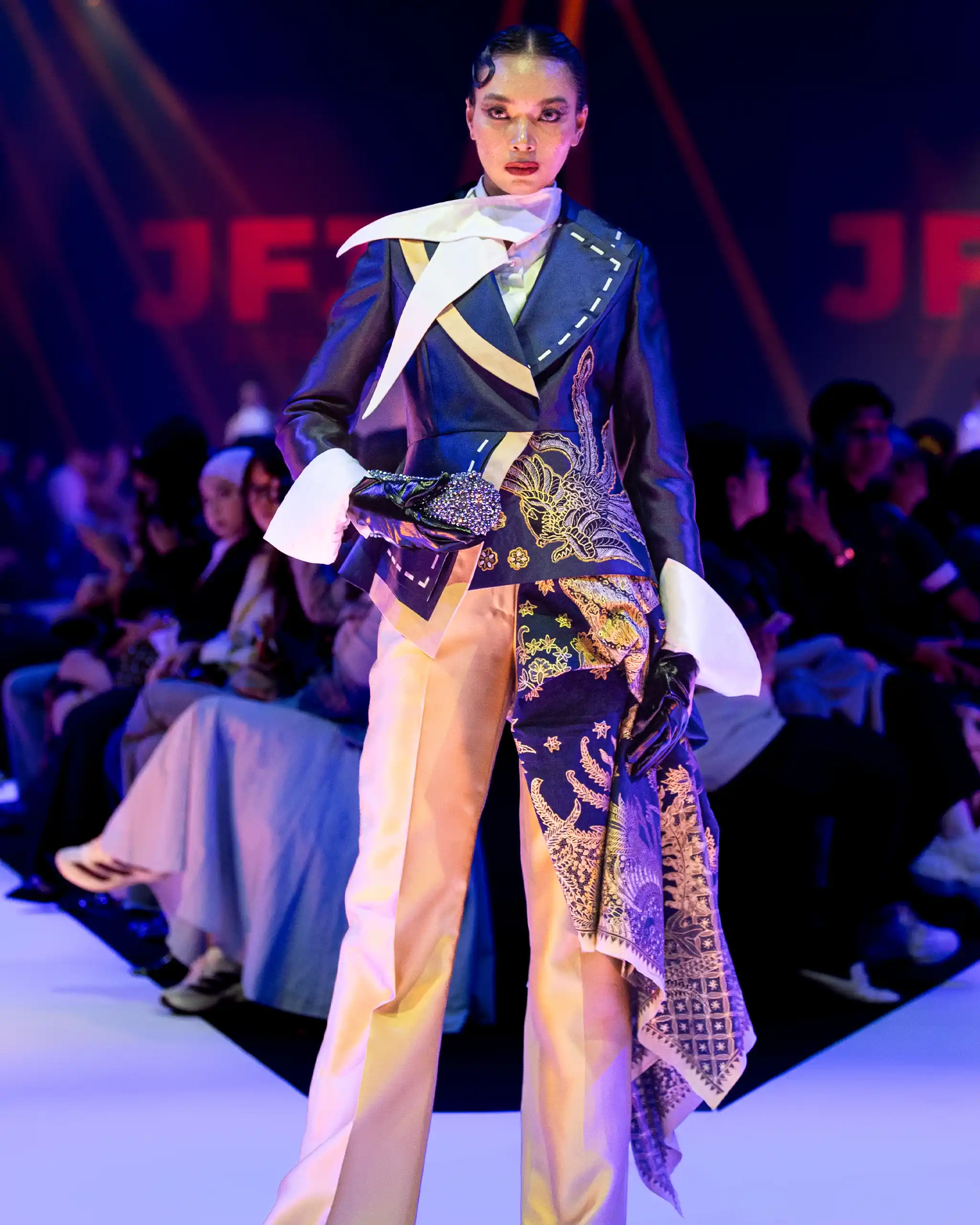
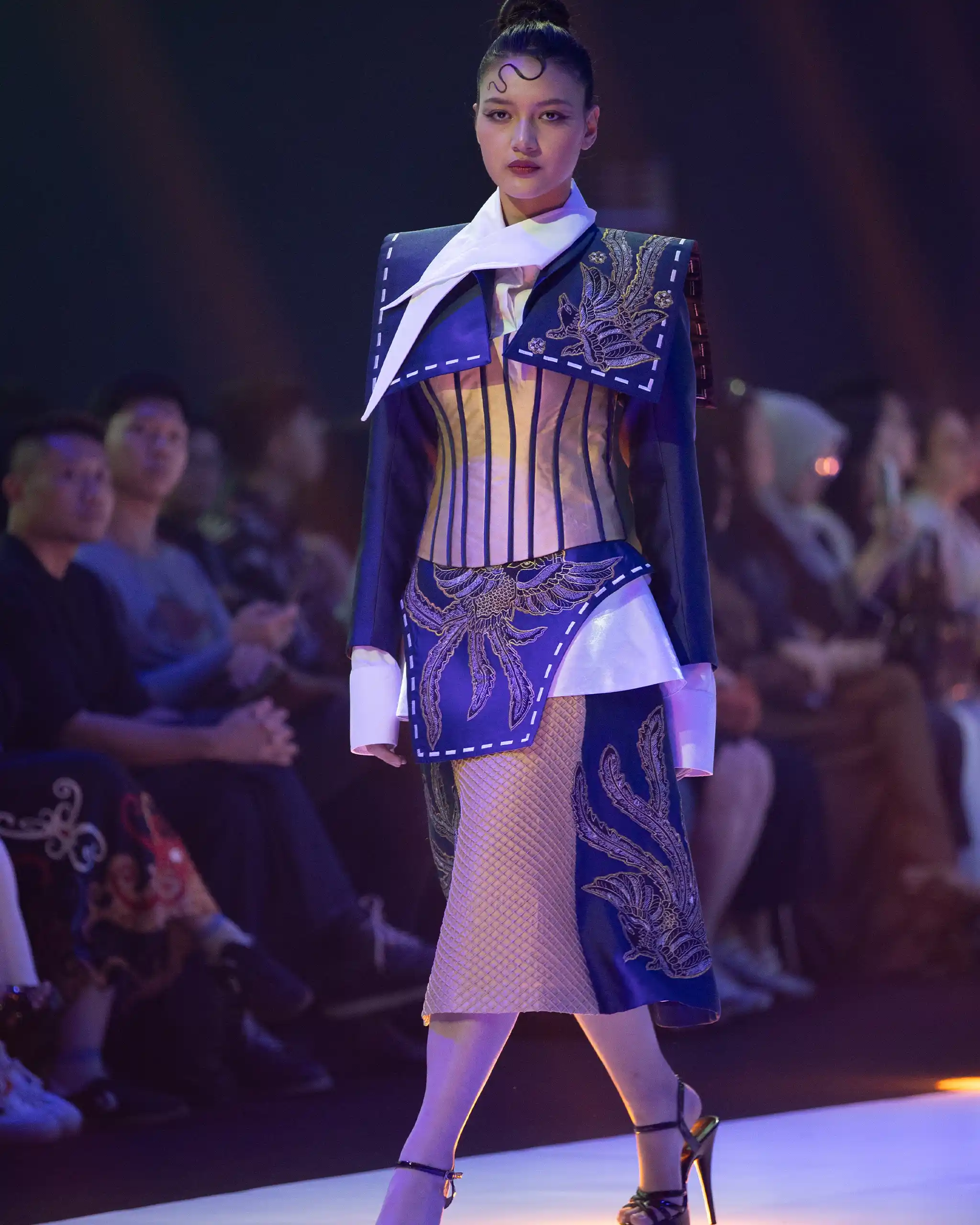
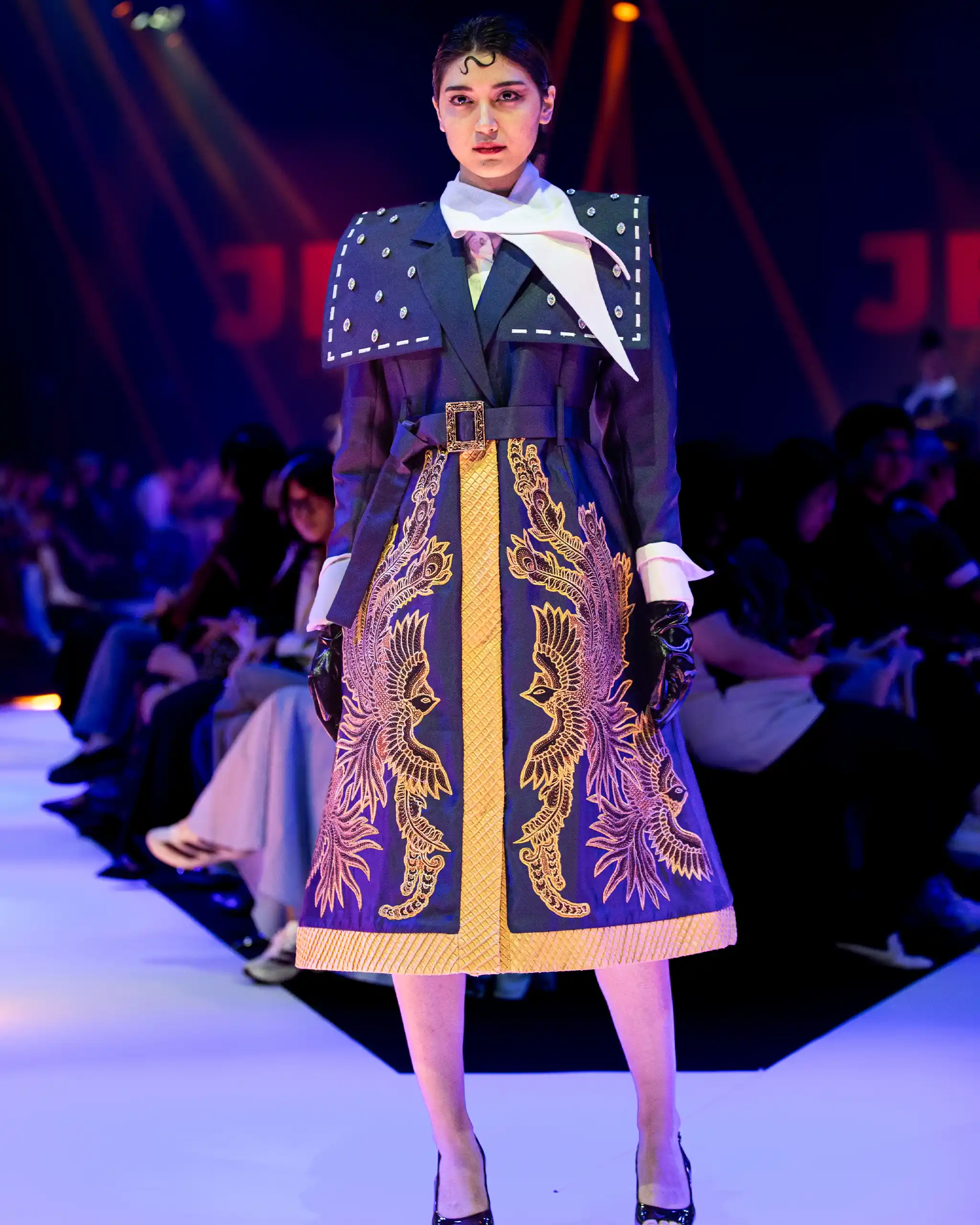
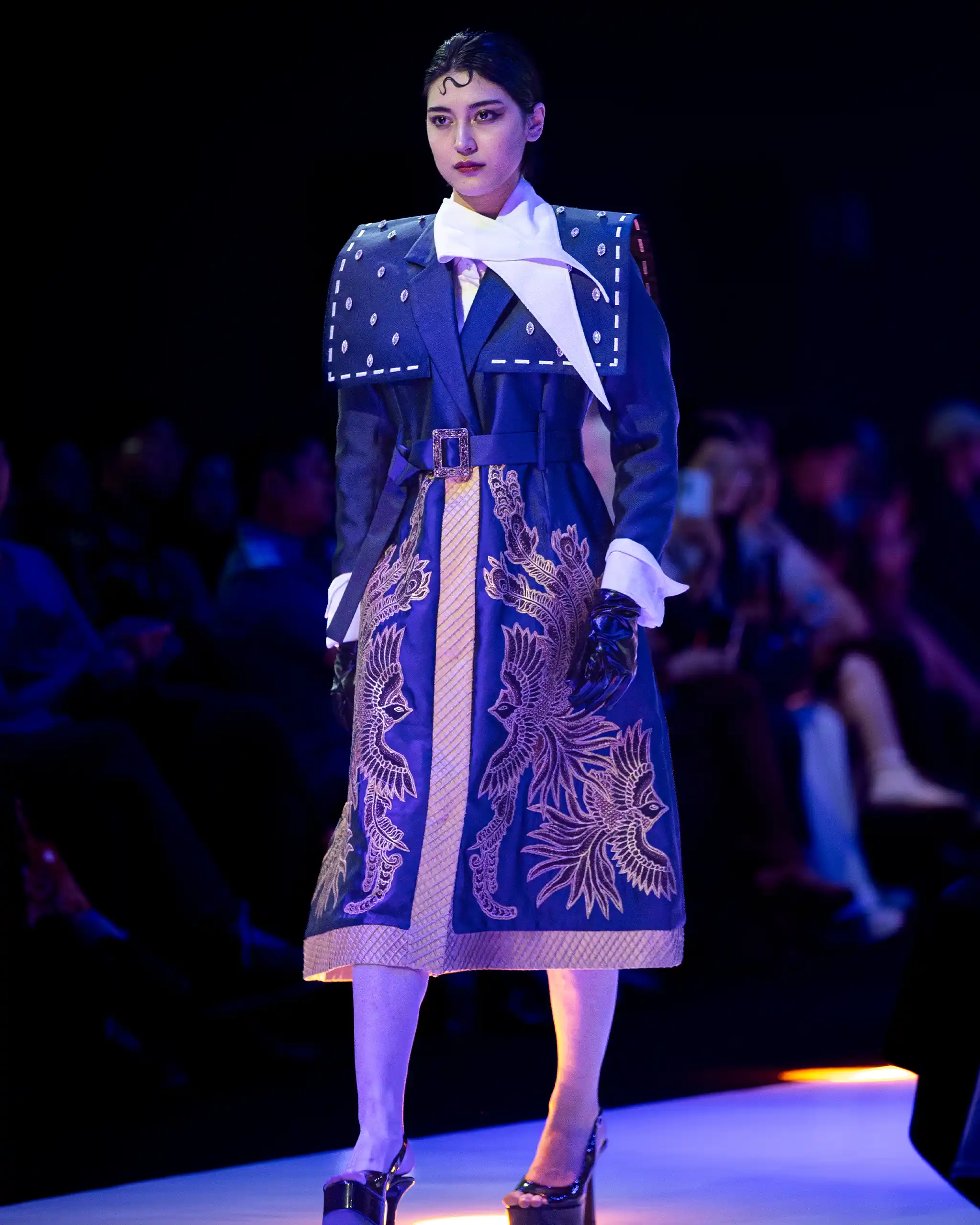
In an Asian fashion landscape increasingly being watched for its relationship with handmade production, knowledge is key. Europe has spent generations turning craftsmanship into institutions, ateliers, houses, schools and commercial systems. In Asia, craft can still live much closer to the source—in family workshops, regional communities and practices passed between generations. The opportunity is to connect that living knowledge to contemporary design and a functioning market without sanding away what made the knowledge valuable in the first place.
Craft can become a form of research, then an economic resource. It can even become therapy in the most literal sense: repetitive work, concentration, material intimacy, patience, the satisfaction of making something with the body instead of consuming another image on a screen. The analog appeal is hardly nostalgic when the knowledge is alive. A handwoven textile is already technology. A loom is already an instrument. A pattern passed from one maker to another is already an archive.
Why Does Indonesian Fashion Keep Getting Reduced to the Same Traditional Look?
Mareta is particularly blunt about the way Indonesia is perceived internationally. In fact, she is appalled about its perspective: “Indonesia is not ethnic. It is not old-fashioned.” Across Asia, the problem is rarely a shortage of tradition; it is the temptation to mistake the most recognisable version of a culture for its most interesting one.
Her frustration comes from seeing Indonesian fashion repeatedly reduced to the same visual formula—batik presented in familiar silhouettes, exhibitions dressed in carved wood and clay pots, traditional motifs doing the work of cultural explanation. She understands why the shorthand exists; Indonesia has been presenting itself this way for years. The problem is that repetition eventually becomes identity in the eyes of an outside audience. As she puts it, “Everyone did that. It’s always all the same.” Even a country with thousands of textile traditions can begin to look like it has only one idea if every presentation reaches for the same props.
The Philippines knows the feeling. The FilipinianaFilipinianaThe traditional national dress and style of the Philippines, encompassing garments such as the terno, Maria Clara gown, barong Tagalog, and baro't saya. Celebrated for handwoven fabrics and intricate embroidery,Go to Filipiniana Glossary is reduced to a pair of butterfly sleeves and a little extra sparkle, even though the terno shows how much territory exists between its historic silhouette and its next incarnation. Designers have pulled apart its proportions, reworked its construction, introduced trousers and suiting, experimented with indigenous textiles, and pushed the sleeves themselves into new shapes.
China faces a familiar shorthand through the qipao and mandarin collar, while its contemporary designers have been pushing toward a “new Chinese style” that treats those references as material for invention rather than a prescribed costume.
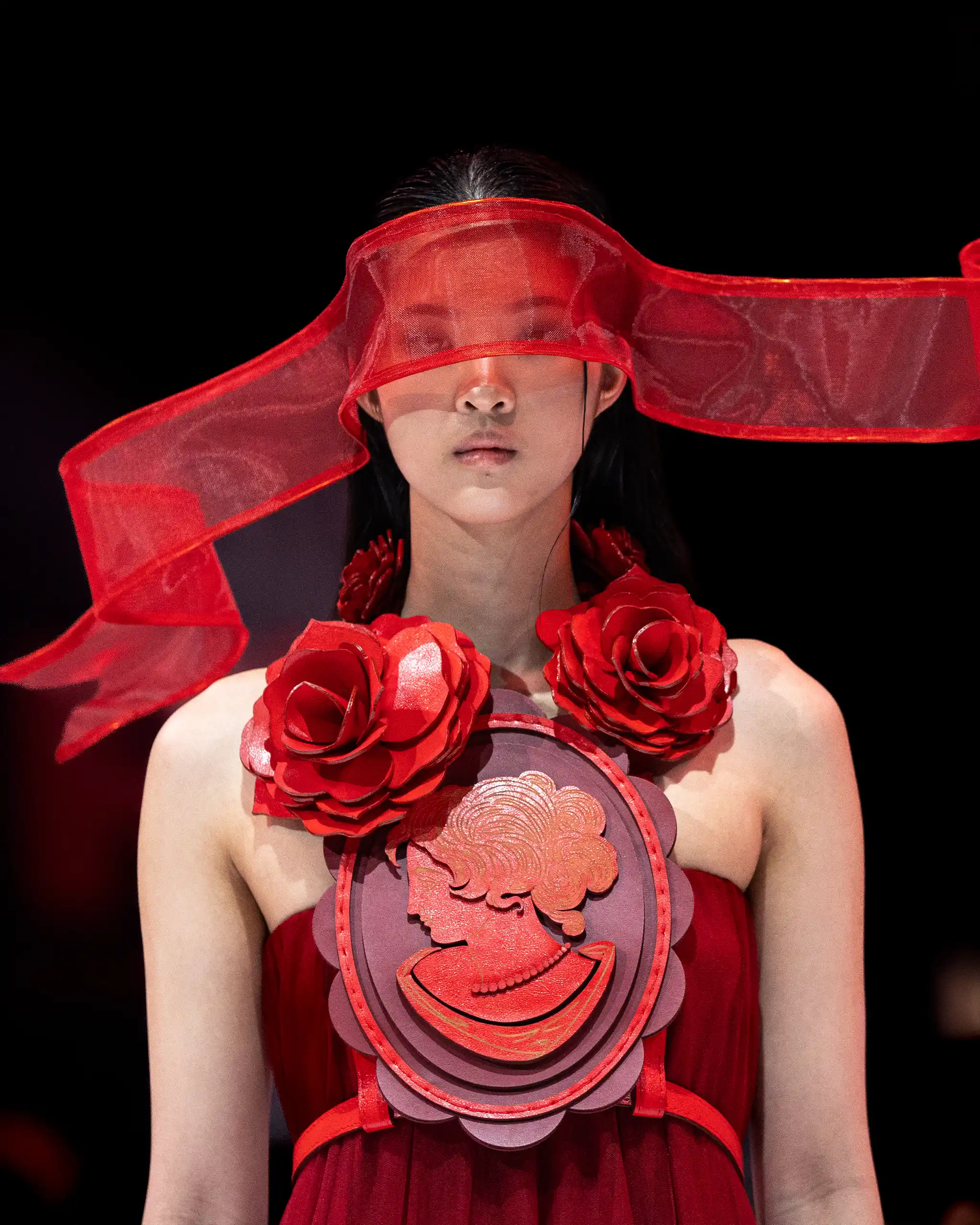
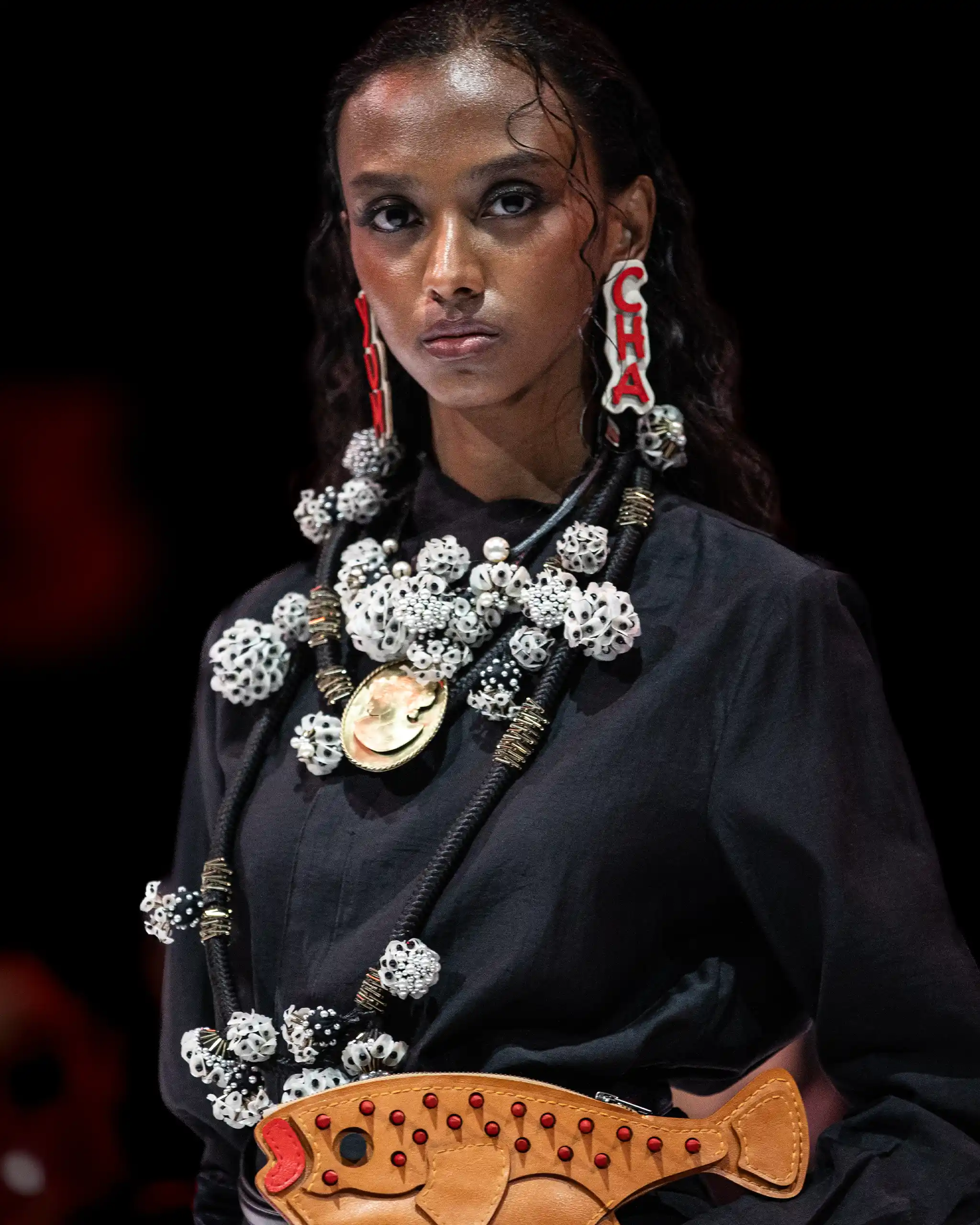
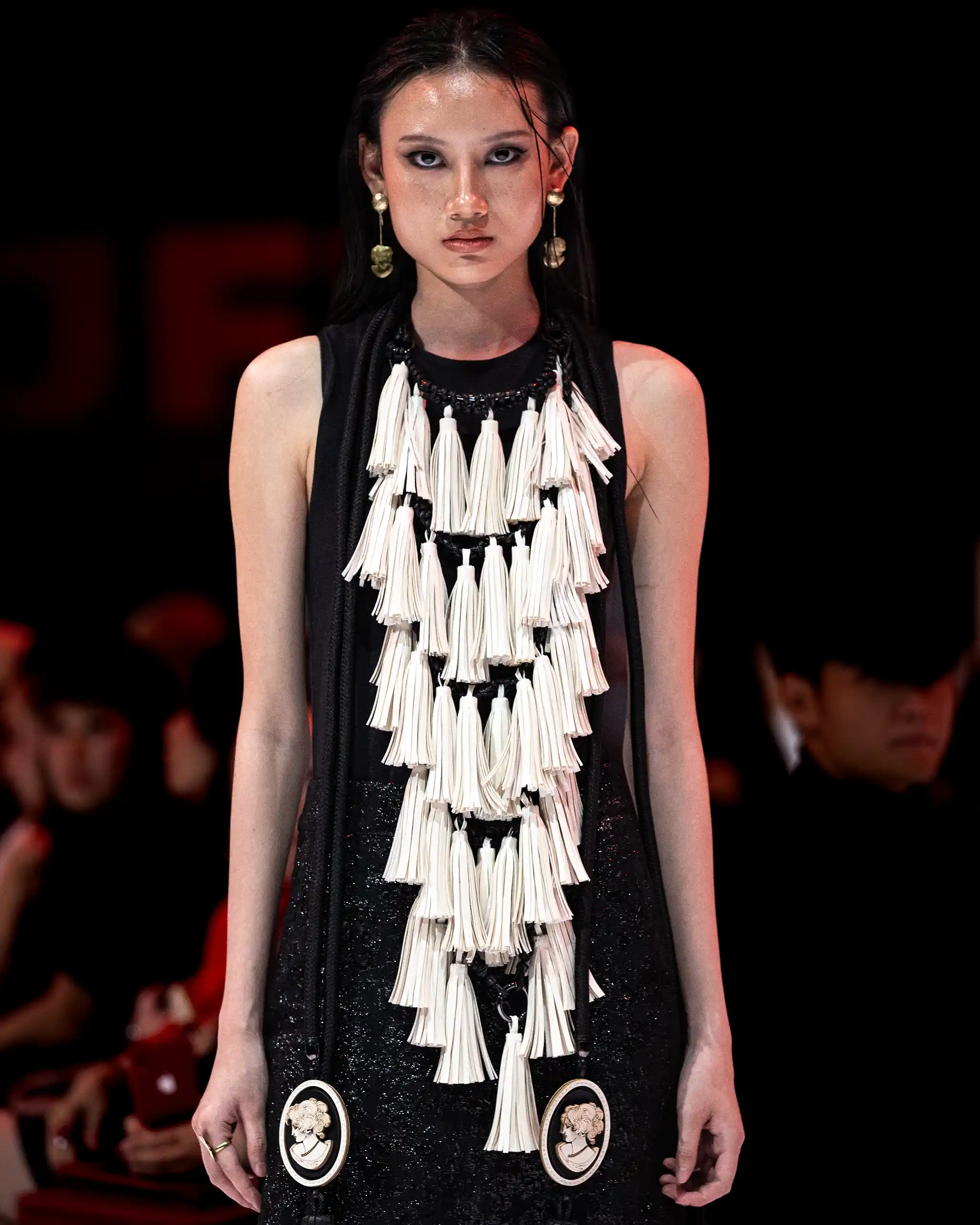
Mareta remembers visiting exhibitions where hundreds of Indonesian brands appeared interchangeable. A French contact once told her that after walking through an exhibition featuring hundreds of Indonesian brands, she could barely distinguish one from another. Her observation landed as confirmation of a problem she had already encountered firsthand. Indonesia has the material wealth; what it needs is the creative confidence to interpret it differently. “We really do need designers that have a vision for how to execute our traditional fabric,” she says.
LAKON Indonesia grew partly from her response to that contradiction. She had struggled to find contemporary batik she wanted to wear herself, so she began creating what she could not find. The approach preserved traditional knowledge while giving it new applications, proportions, styling, and contexts.
“Indonesian artisans have very good hands. They have the capability to make good money. But they are trapped in a system that needs to be fixed. If you want to give them new possibilities, you have to open more doors for them.”
Thresia Mareta, Advisor to JF3 and Founder of LAKON Indonesia
That thinking extends to TERAS LAKON, their research laboratory where Mareta and her team work with artisans, archive old textiles and cultural objects, investigate historical techniques, study materials and colour, and experiment with ways of bringing dormant knowledge back into contemporary practice.
Mareta is equally sceptical of the idea that Indonesia needs to invent a completely new textile every five minutes simply to appear innovative. “What we need is how to improve what we have,” she says. “To create something better from what we have.”

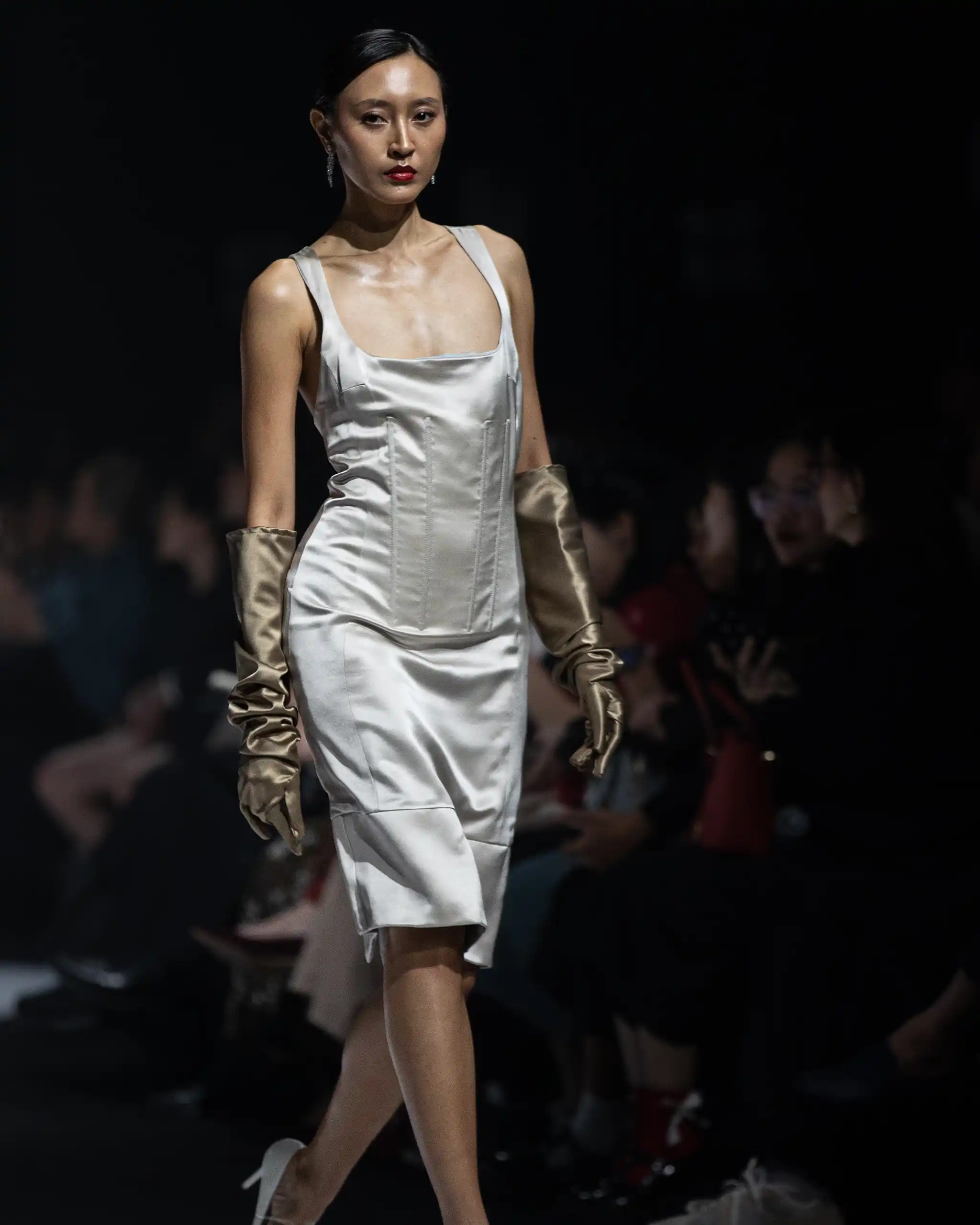
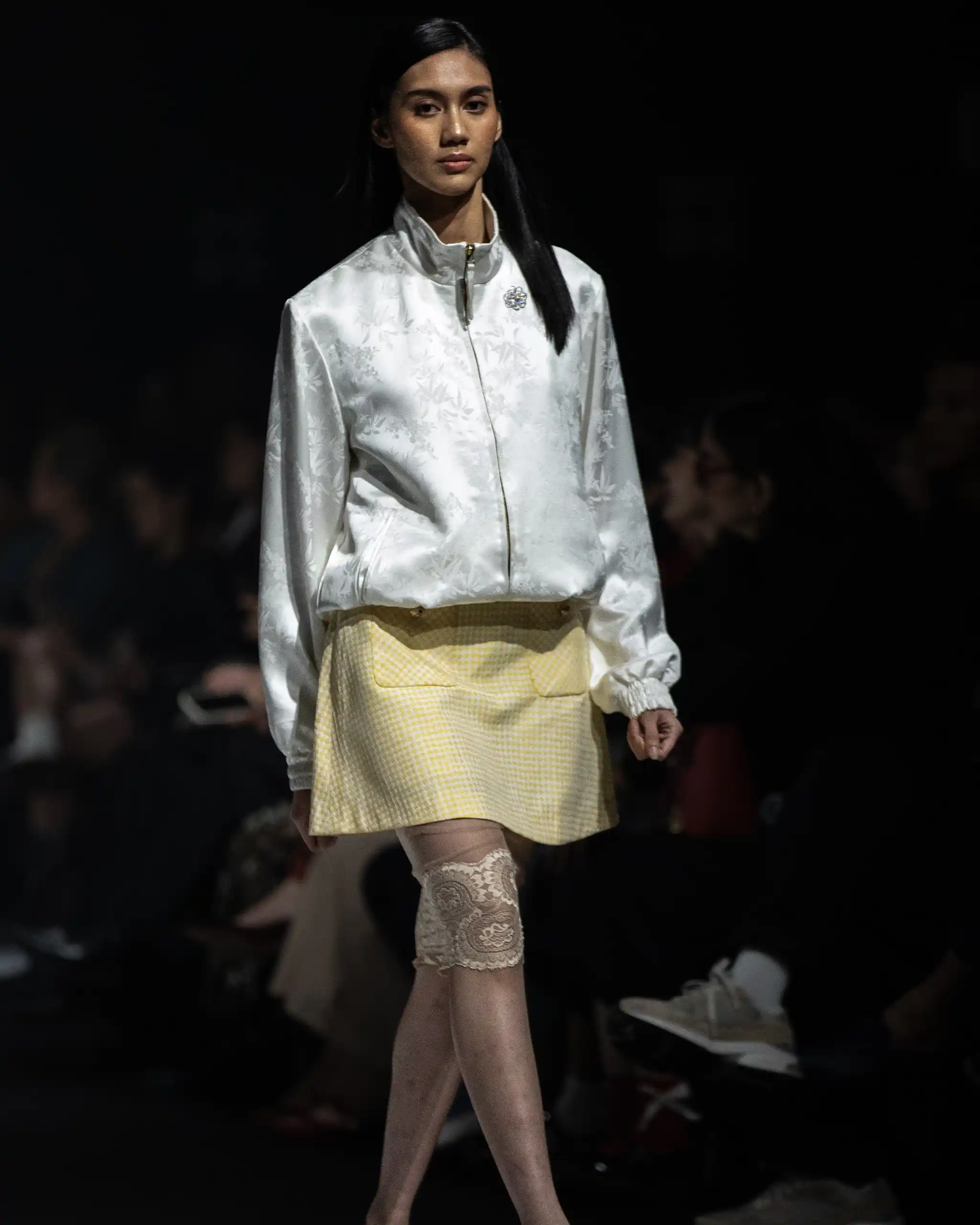
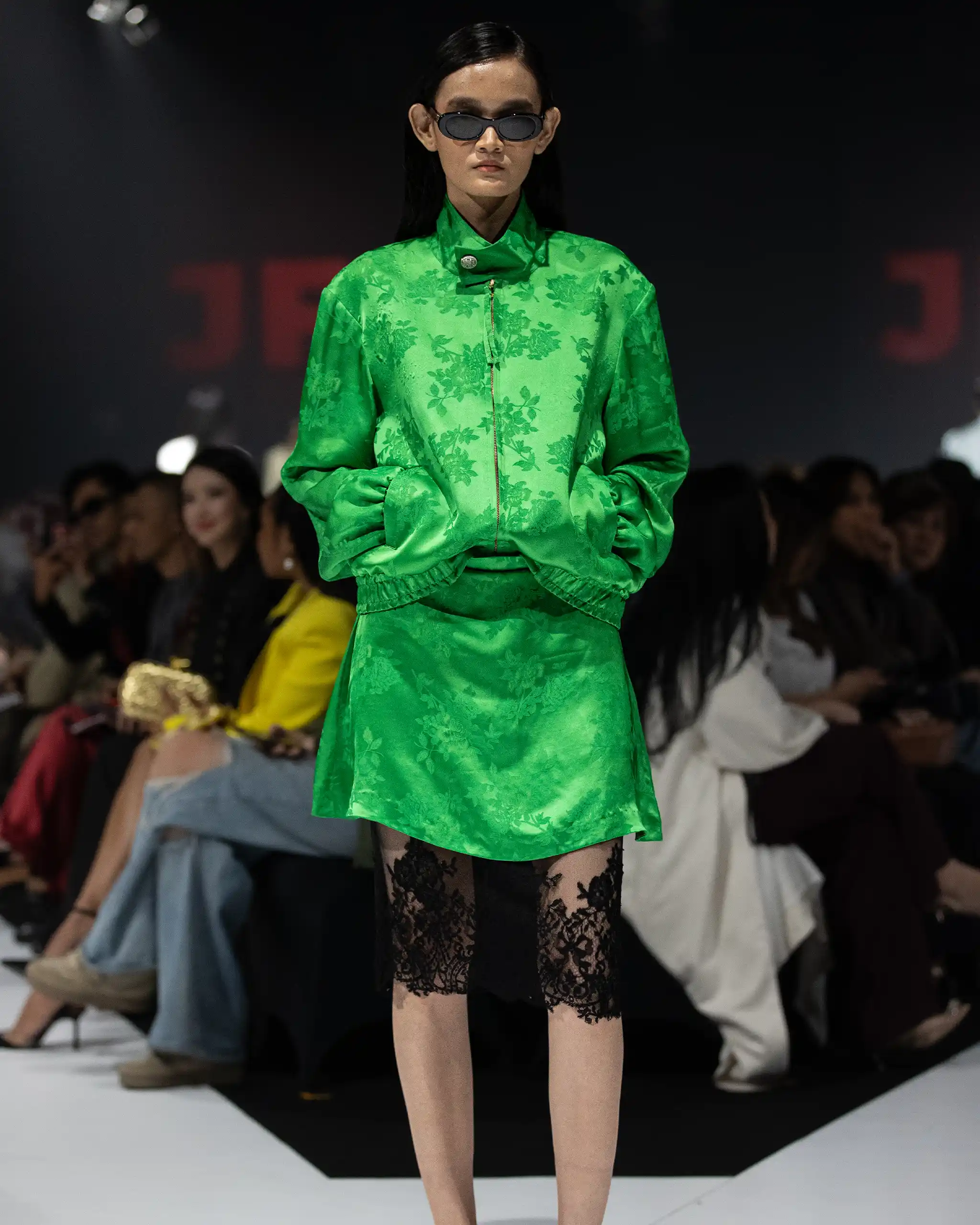
Innovation, in her view, begins with curiosity about the material itself. A designer has to understand how a textile behaves before deciding what it should become. Demand matters, too. When global markets bring new questions, Indonesian craft should already have some compelling answers.
Jakarta may still be perceived from abroad through old assumptions of conservatism, yet the city’s fashion ecosystem is moving with considerable speed. Contemporary retail, experimental designers, emerging labels, regional collaborations, and younger consumers have changed the picture. Culture does not have to retire for fashion to move forward. The newness comes from knowing what to keep and what to question.
A Door Called PINTU: How They Prepare Indonesian Designers for the Global Market
PINTU was created because Mareta saw the gap between talent and opportunity and decided to build a bridge—or, fittingly, a door—instead of complaining about the distance. Named after the Bahasa Indonesia word for “door,” PINTU grew from a problem she encountered through LAKON Indonesia and JF3: creative talent can attract attention, but it cannot carry an entire business by itself. Alas, opening the door is the easy part.
The program, developed by JF3 and LAKON Indonesia with the French Embassy through Institut Français d’Indonésie, gives Indonesian designers access to mentorship, business development, market exposure, and international networks. France was a logical partner. Paris is still, after all, one of fashion’s primary meeting points, and building relationships there offers Indonesian designers access to buyers, educators, distributors, designers, and the commercial language required to operate internationally.
PINTU was developed from an incubator into a wider system. The Accelerator program extends support for designers who have already completed the incubation stage, giving established young brands a further six-month period to strengthen their readiness for international markets. The Residency program works in the opposite direction, pairing French designers with Indonesian designers to work directly with local artisans and materials.
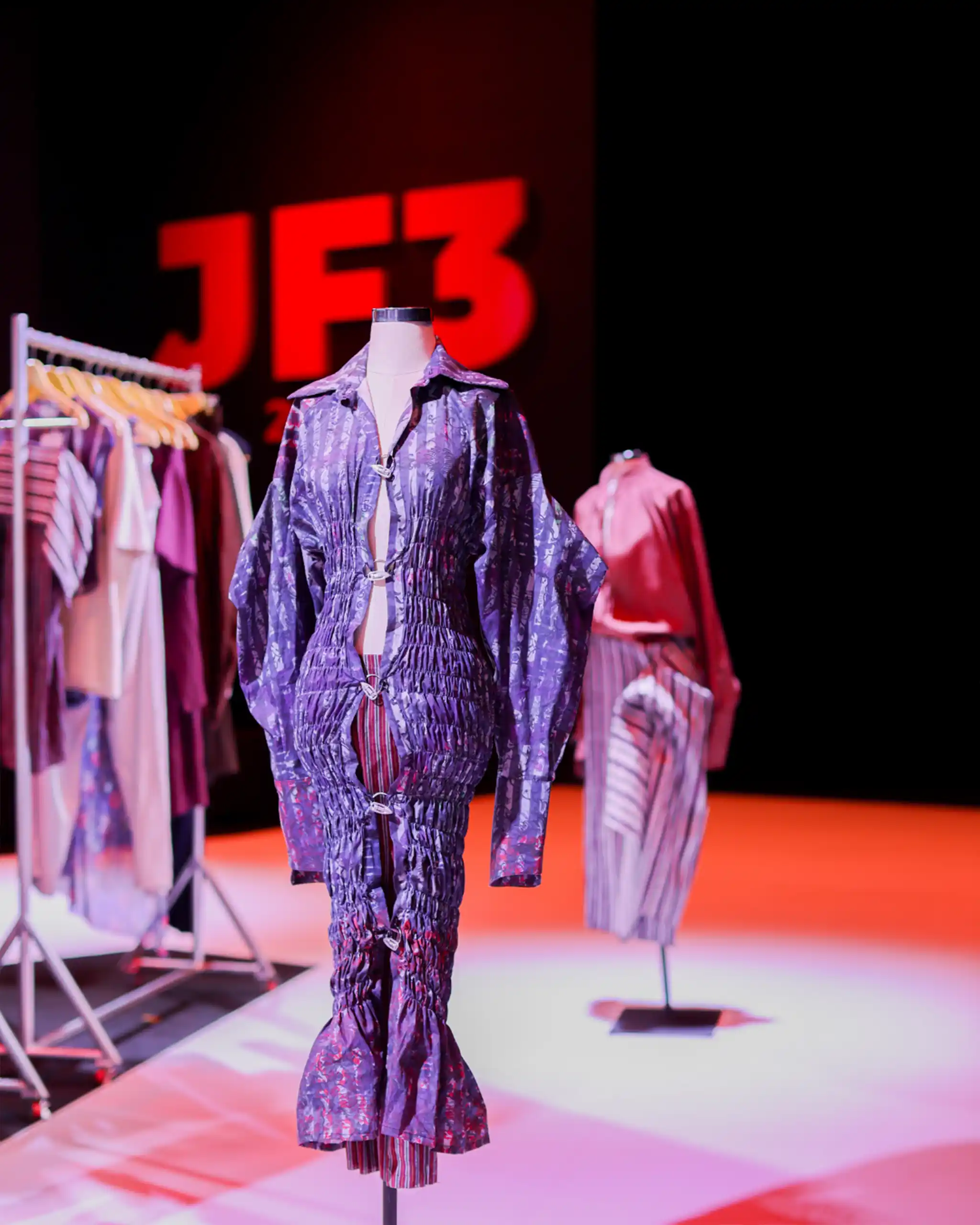
As part of the four-month residency, French designer Lisa Rayar and Indonesian designer Gabriel Marcella immersed themselves in Mojokerto’s batik traditions, while French designer Mickaël Nana and Indonesian designer Beatrice Angelica worked with Lombok’s handwoven tenun and songket traditions. Their collections then become a record of what happens when foreign design education encounters Indonesian material knowledge. Indonesian designers gain access to French expertise; French designers gain access to a living craft culture that cannot be downloaded from a reference book.
Mareta says the response from the French designers has been genuine admiration, while the country’s designers still have ground to cover. “They really appreciate Indonesian artisans,” she says. “Honestly, Indonesian designers still need to grow. Even if we compare the fashion graduates, it’s a different level. But we should catch up. For them, the Indonesian market is another market. Our artisans are beyond.”
Nagaria sees the process as an extended preparation for the international market. “Indonesian designers have the creativity and characteristics of their own,” he says. “But to go international, you need professionalism, trust, sustainability, and production capacity.”
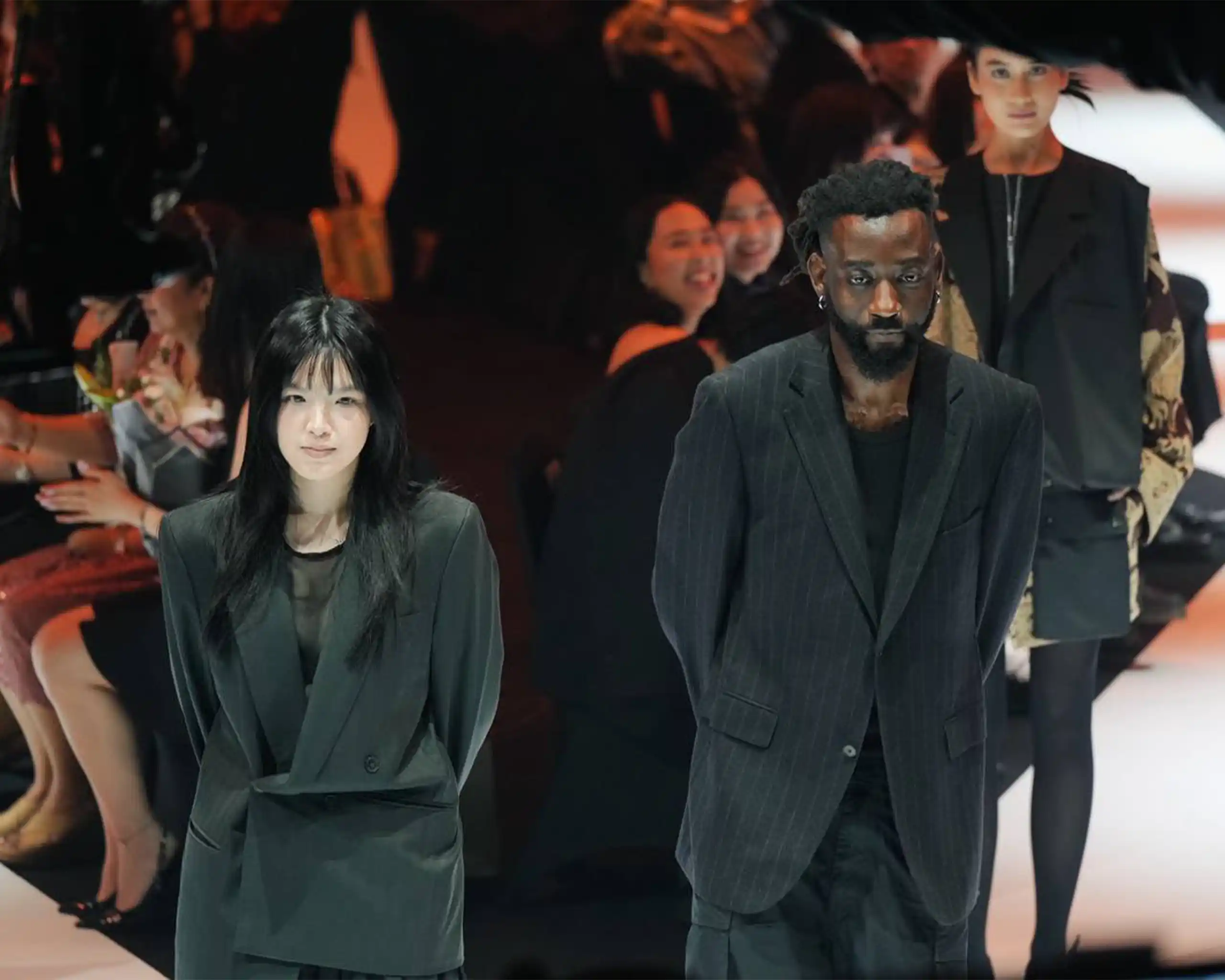
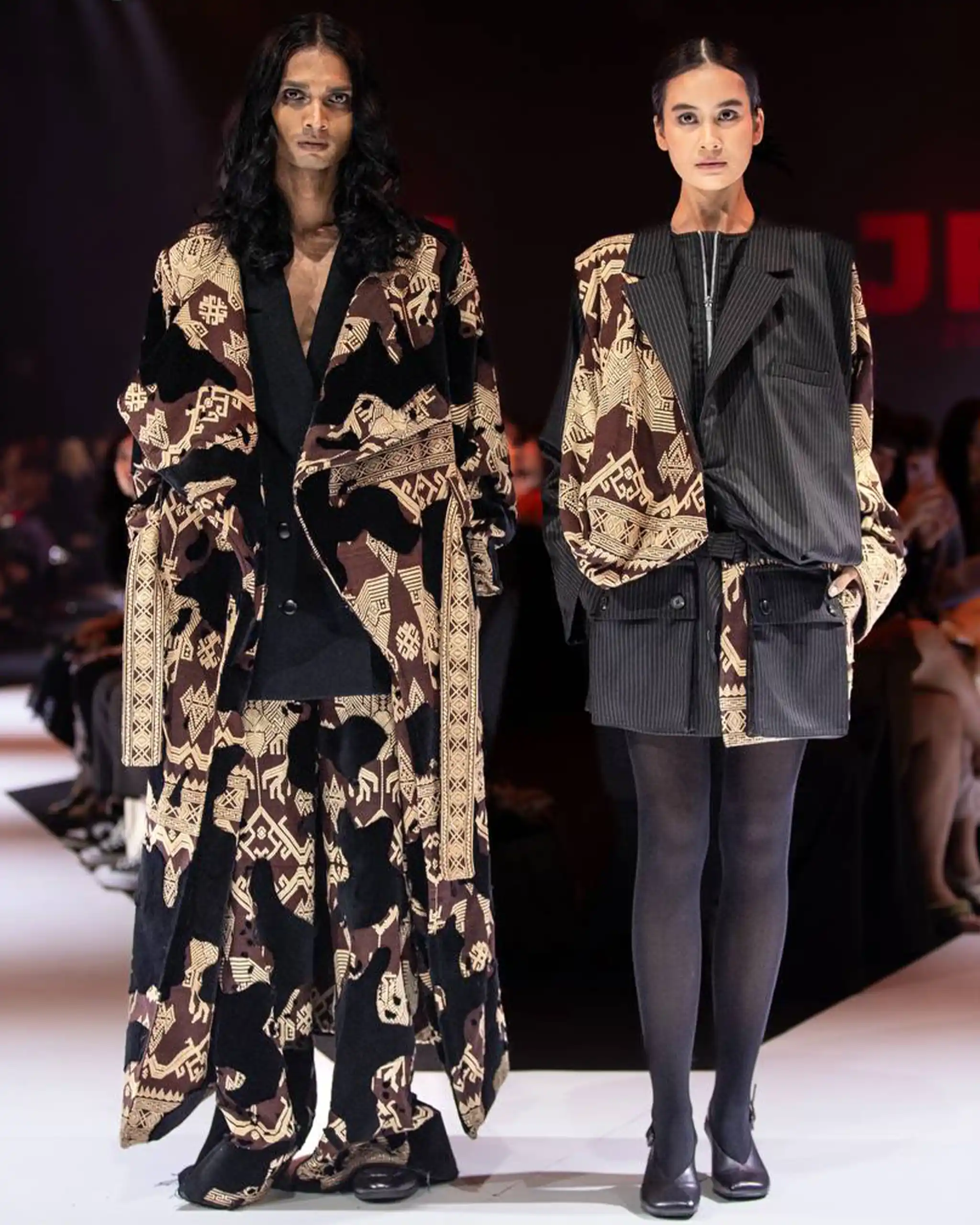
Designers selected for PINTU gain exposure to buyers and professional expectations before they arrive in Paris, allowing them to understand what needs strengthening in their production, pricing, branding, design, and business operations.
“The first thing you need to do is to give yourself more chances. Open more chances for you. Because you have no life if you say you only have one chance or one option. Open more options. One option means you have no options.”
Thresia Mareta, Advisor to JF3 and Founder of LAKON Indonesia
“The international market has certain standards,” he says. “We need to prepare our designers for those standards.” A designer can have a compelling collection and still lose the opportunity if production cannot meet an order, pricing makes the product commercially unworkable, or a buyer has no confidence that the next delivery will arrive as promised. PINTU therefore works on the less glamorous machinery of fashion—production capacity, pricing, marketing, branding, business development, finance and communication—because international attention is useful only when a designer has the structure to hold it.
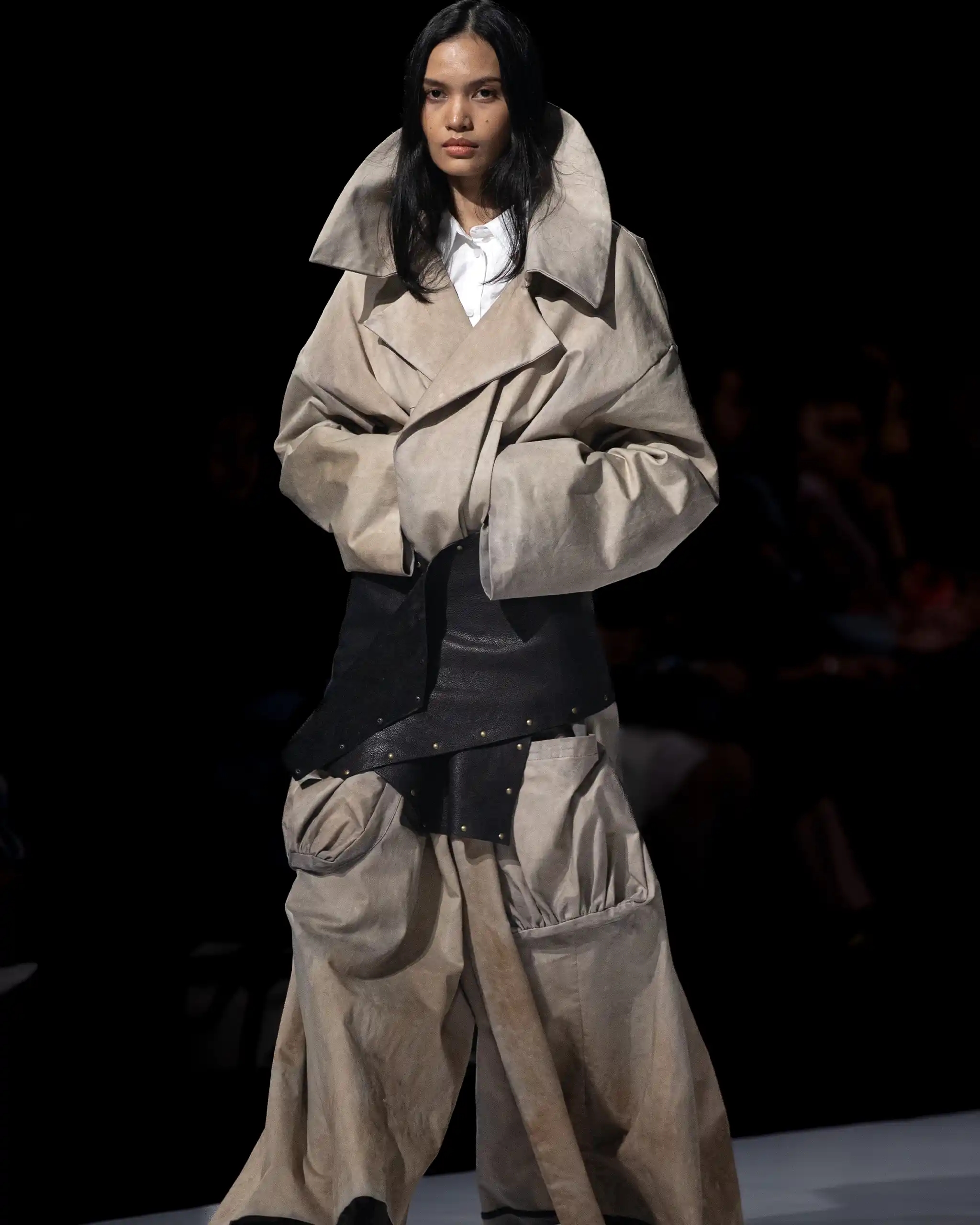
JF3 has already seen signs that the system can translate into commercial growth. One of PINTU alumni, Savira from Fuguku, gained distribution relationships across markets including the Middle East, the United States, Europe, and Japan after participating in the program, while its domestic income reportedly doubled following an early trunk show. Nagaria also points to Fuguku, a bag brand that attracted significant attention during its Paris experience and has continued expanding its international network.
Those cases offer something useful to an emerging industry: evidence. The point is not that every designer will become an international success, but that the door to their success exists. The harder question is whether a designer is ready to walk through it.
No Skip Button: The Process Behind Young Designers’ Growth
Mareta has little patience for the fantasy of instant success, especially when it comes to younger designers. “Young people think life has a ‘Skip Intro’ button,” she says.
Awkwardly recognisable, it’s already proven few people want to sit through the opening credits, learn the software, calculate the costs, remake the failed sample, call the supplier, study the market, or discover that the beautiful idea in their head cannot survive contact with an actual sewing machine. But where is the fun in that?
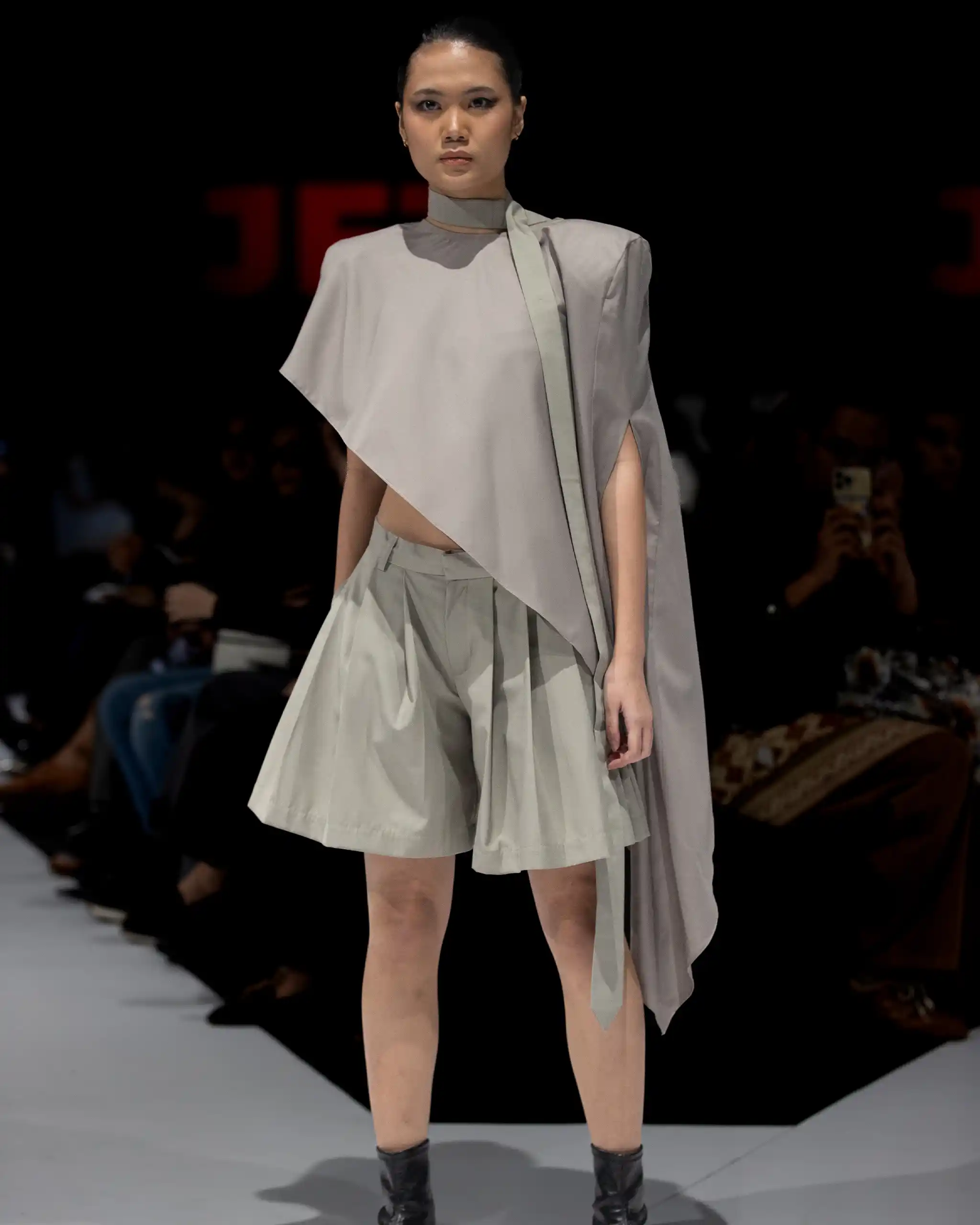
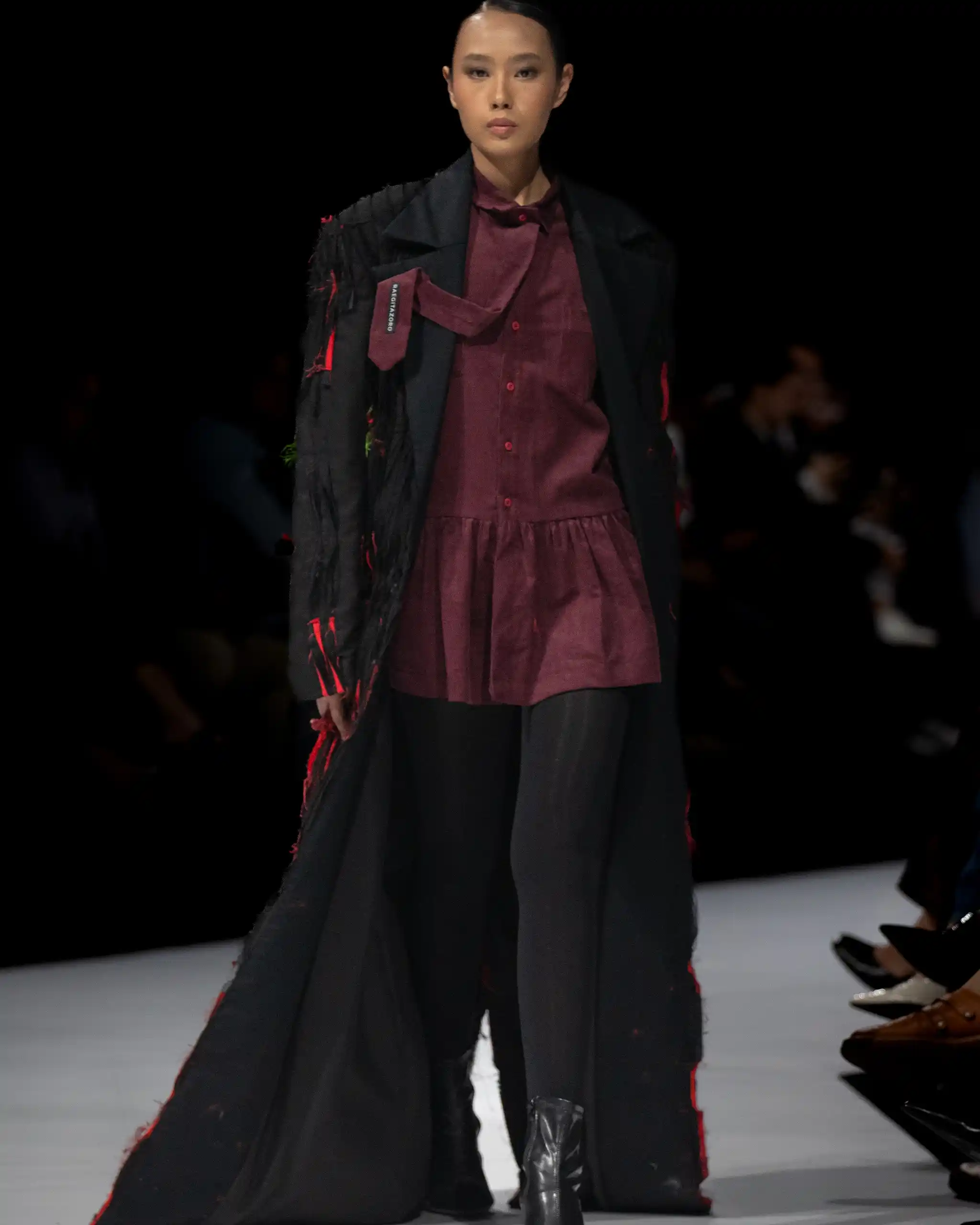
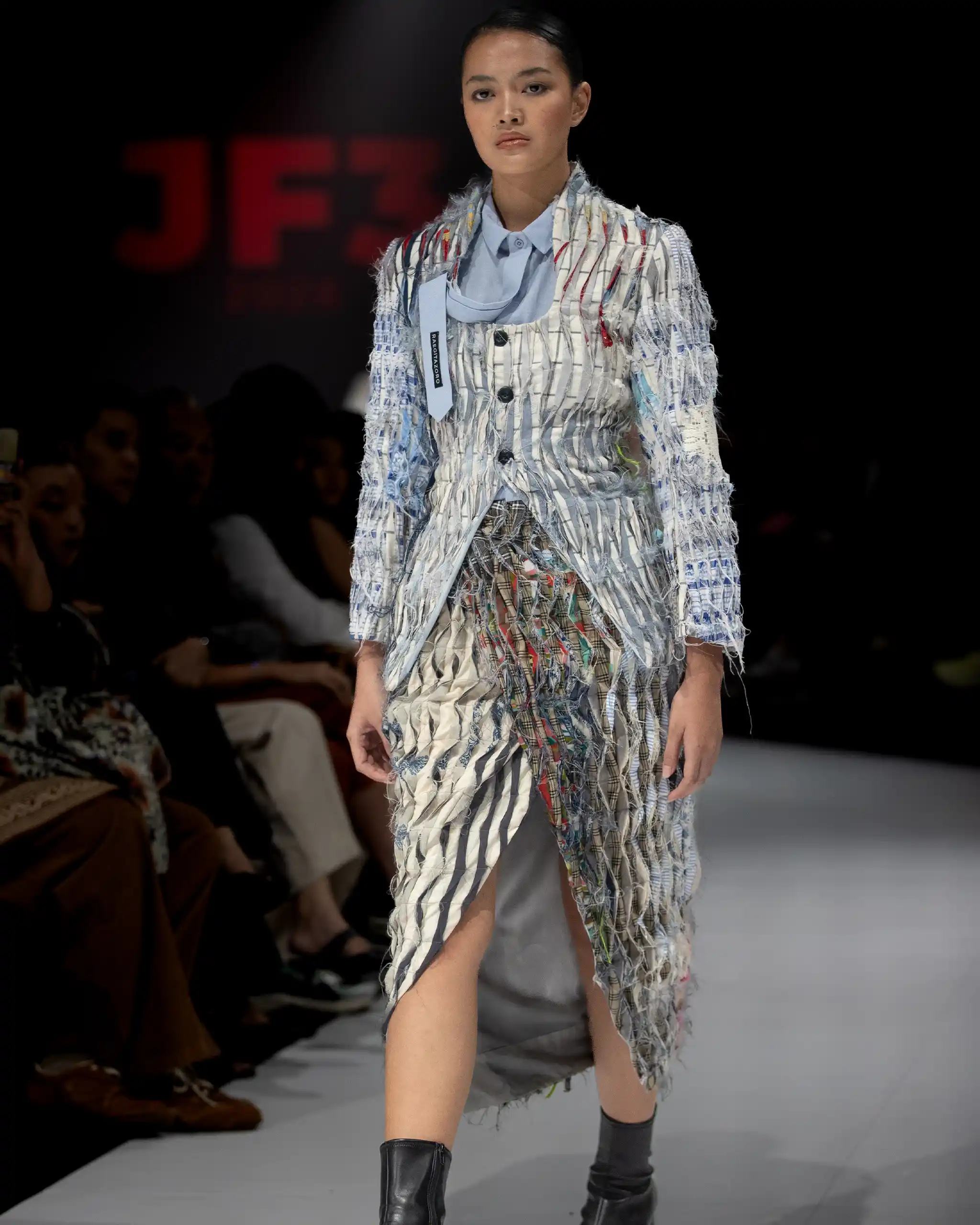
Mareta considers the ‘struggle’ part of the education. She even looks at it as the most thoughtful part of the work. It is, as she claims, where her happiness lies.
“You have to enjoy the process,” she says. “Sometimes people want to be happy, then they think happiness is at the end. No. It is in the process. Sometimes happiness comes after the struggle.”
In a designer’s capacity, JF3 continues to build programs that support people across different areas of the fashion industry. Future Fashion Designer, the evolution of the former Future Fashion Award, is designed to work with fashion school graduates through intensive 14-day challenges covering design, production, collection development, curation, and industry exposure. JF3 Model Search has been running since 2004, giving young talent a route into modelling and, for some alumni, later careers in entertainment. Fashion Village creates a retail environment for Indonesian brands, while CODE.STRT gives younger consumers and Gen Z-focused streetwear labels their own space.
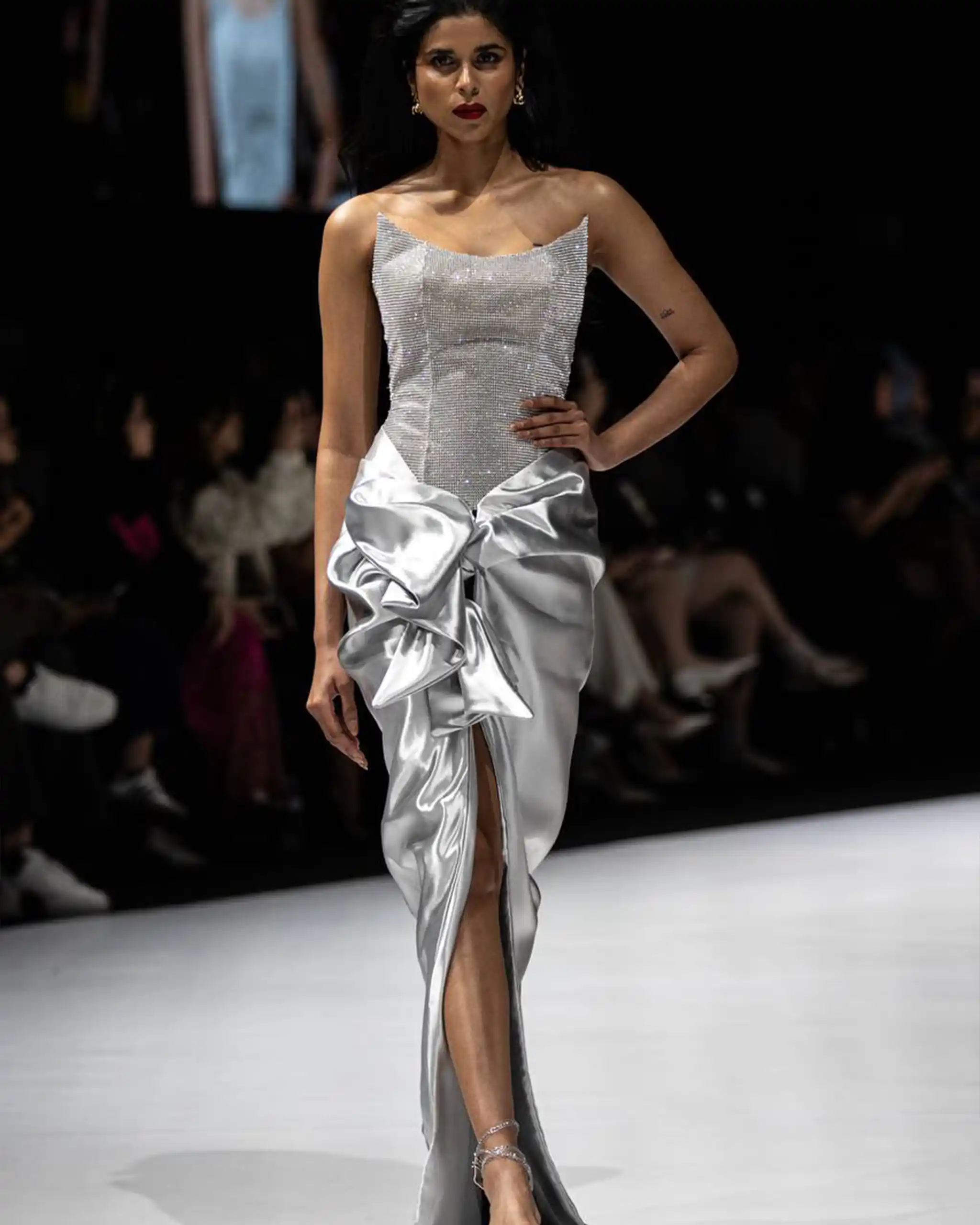

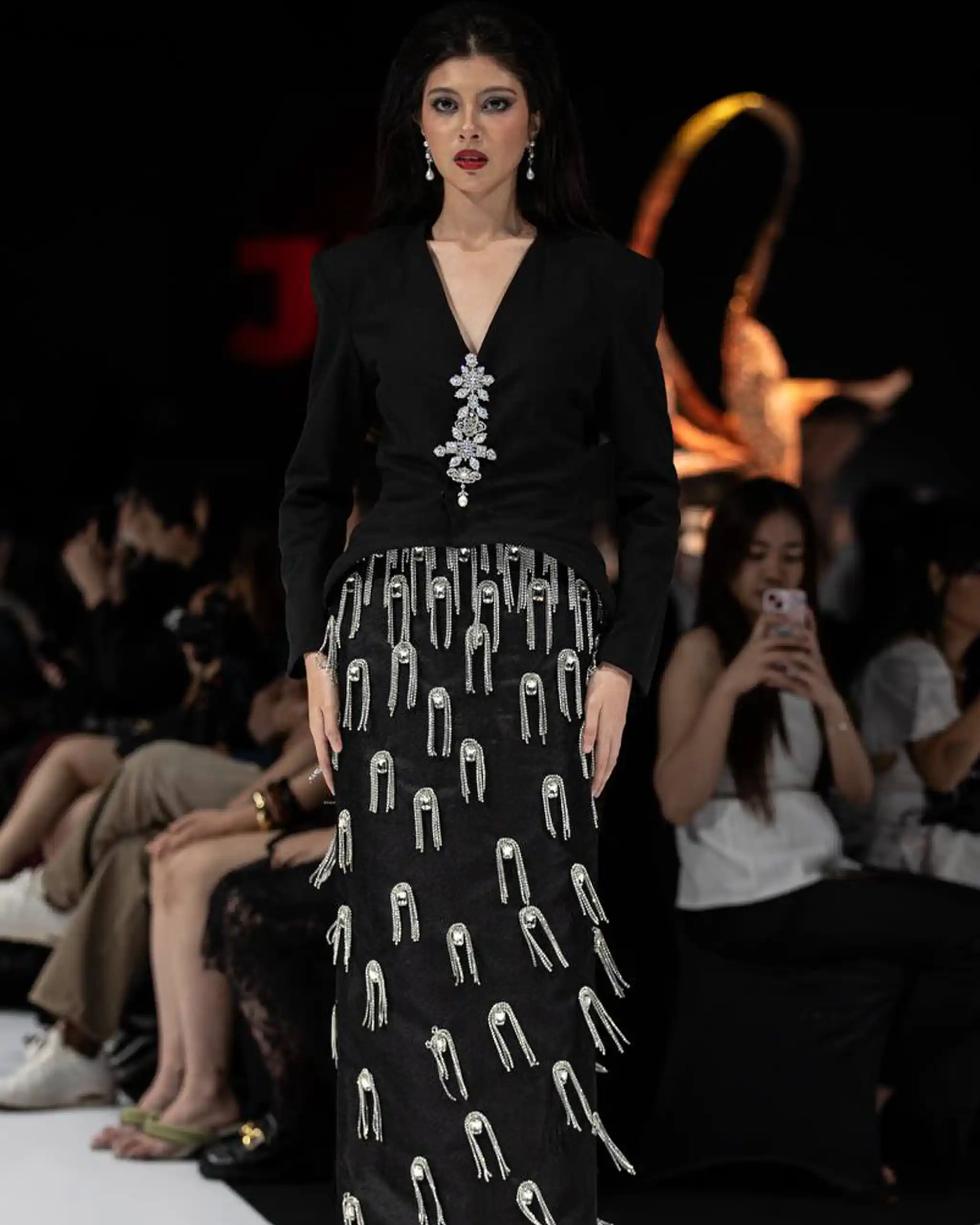
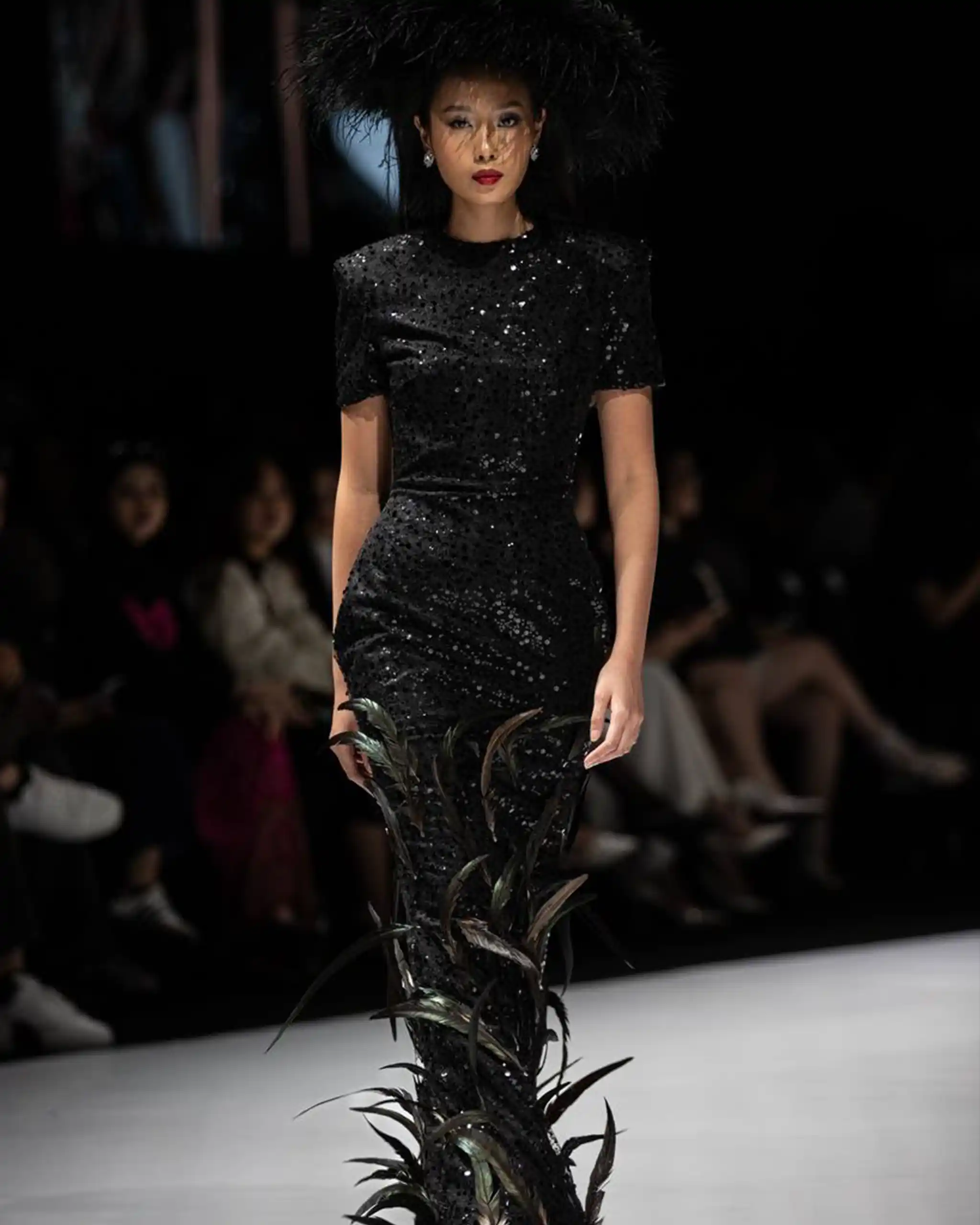
JF3 is closer to a fashion ecosystem. Designers can be discovered through one program, developed through another, introduced to customers through retail, mentored through PINTU, tested internationally, and brought back into the ecosystem with new knowledge. A fashion festival becomes useful when the runway is connected to what happens before and after it.
That is the part Nagaria believes can compound over time: JF3 has spent five years building its international preparation programs. His expectation is measured in decades. If a designer requires several years to become commercially ready, that is time JF3 is willing to invest. A decade or two of consistent programming could produce a generation of Indonesian designers who have international experience as a normal part of their careers rather than an exotic exception. The ambition is uncinematic. But that’s just work.
The Point of Being Alive: Finding Happiness in the Making
LAKON Indonesia’s 2026 presentation, HARSA, provides the most fitting conclusion to Mareta’s philosophy. The Bahasa Indonesia word for ‘happiness’ becomes the title of a collection built around the very activity Mareta keeps returning to: making. In their world, happiness has little to do with reaching a final destination. It sits in the hours spent learning a technique, in the artisan finding a better way to execute an idea, in the designer discovering that a failed sample has given the next one a chance to become better.
Happiness, in Mareta’s understanding, belongs to the making: the hands, the mind, someone learning. An artisan earns a living from a skill that might otherwise disappear. A door opens for another opportunity again and again—as long as something is being made.
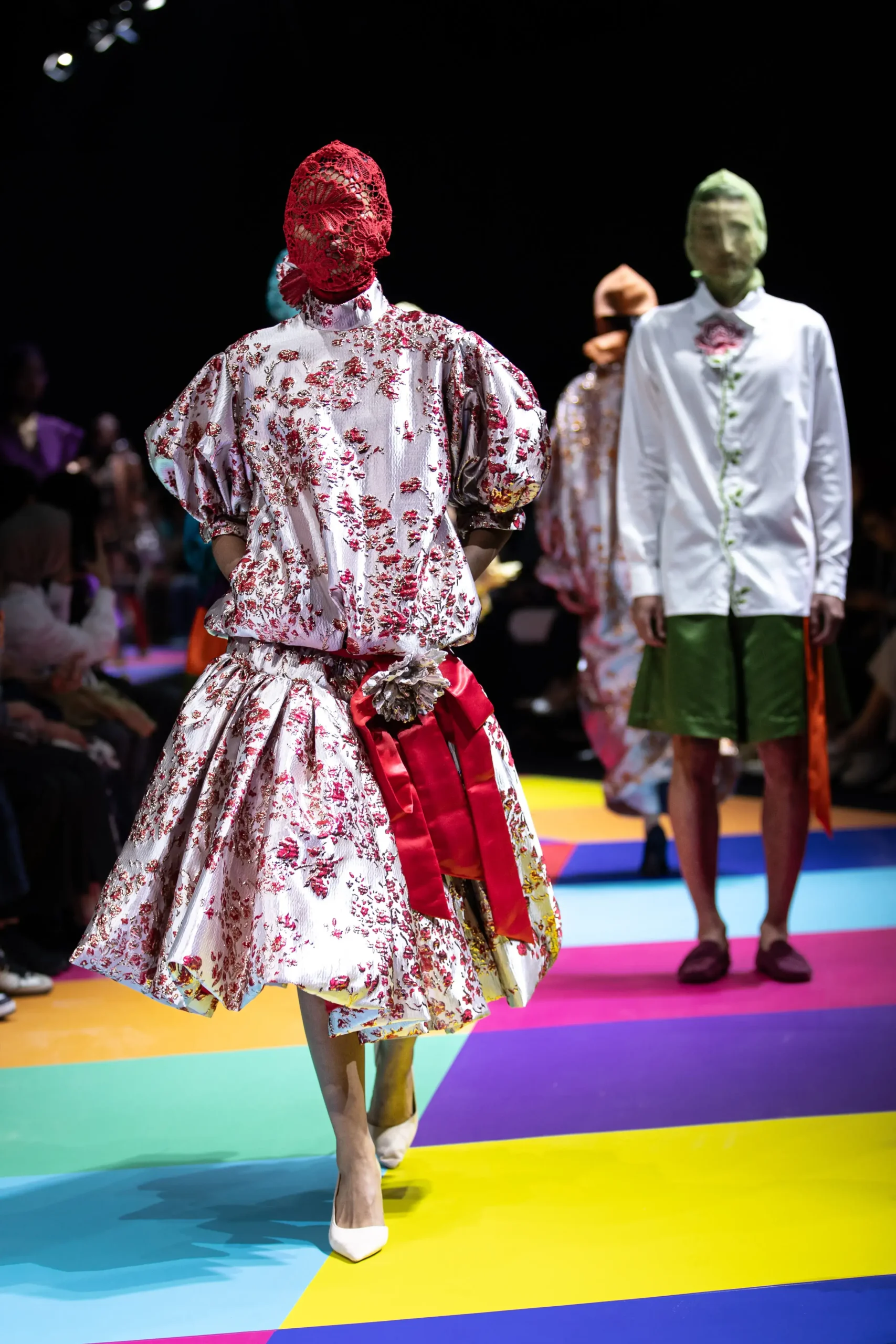
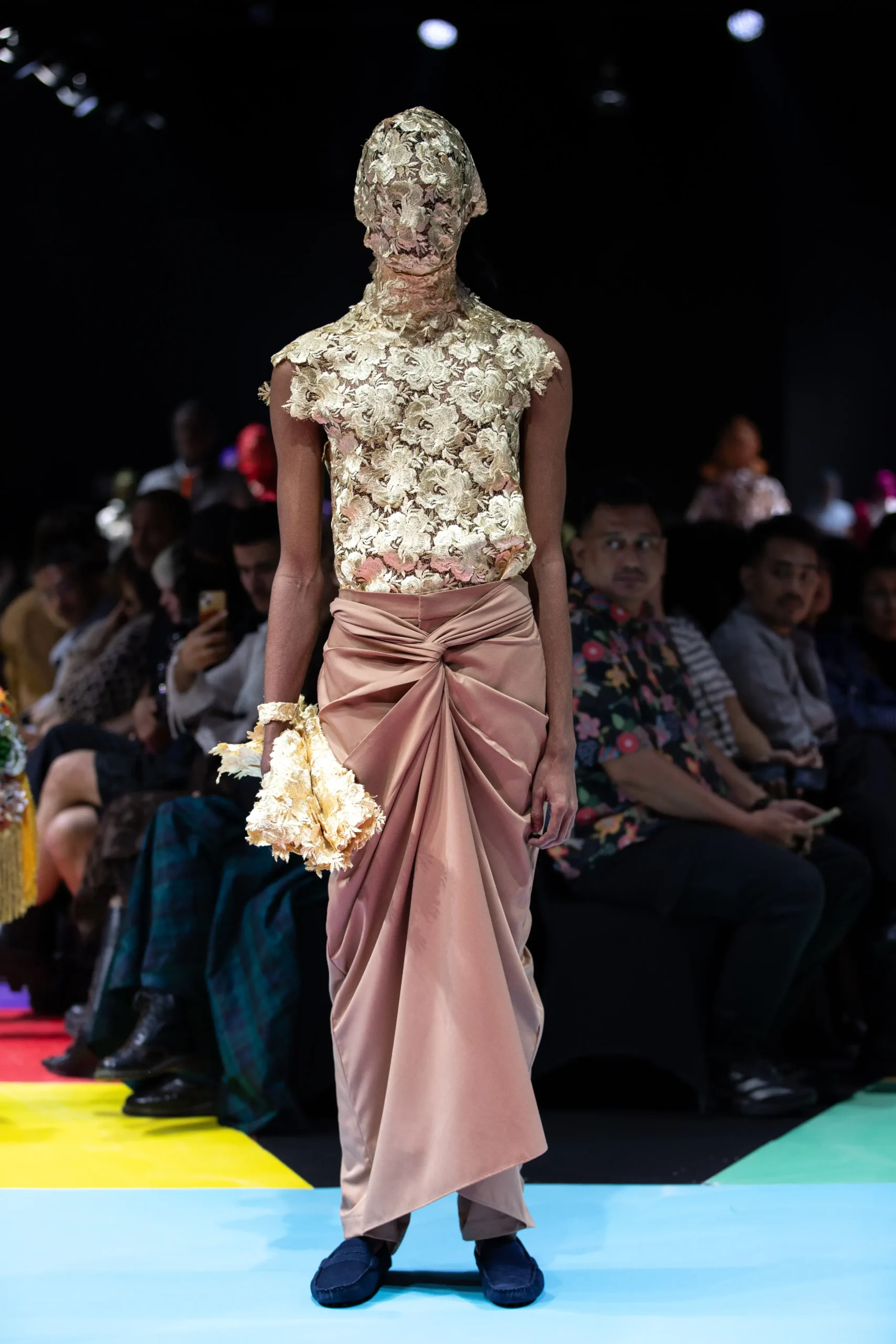
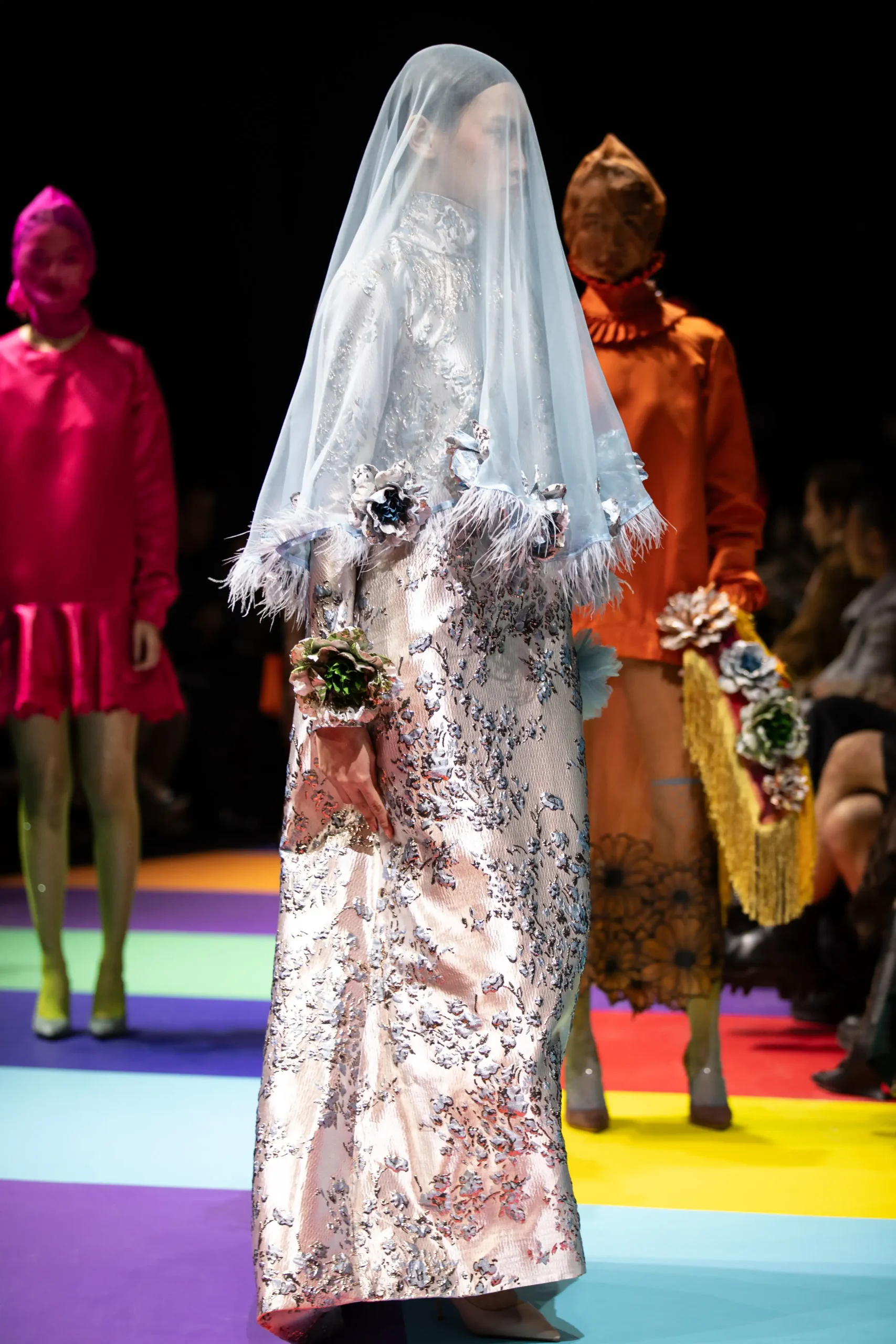
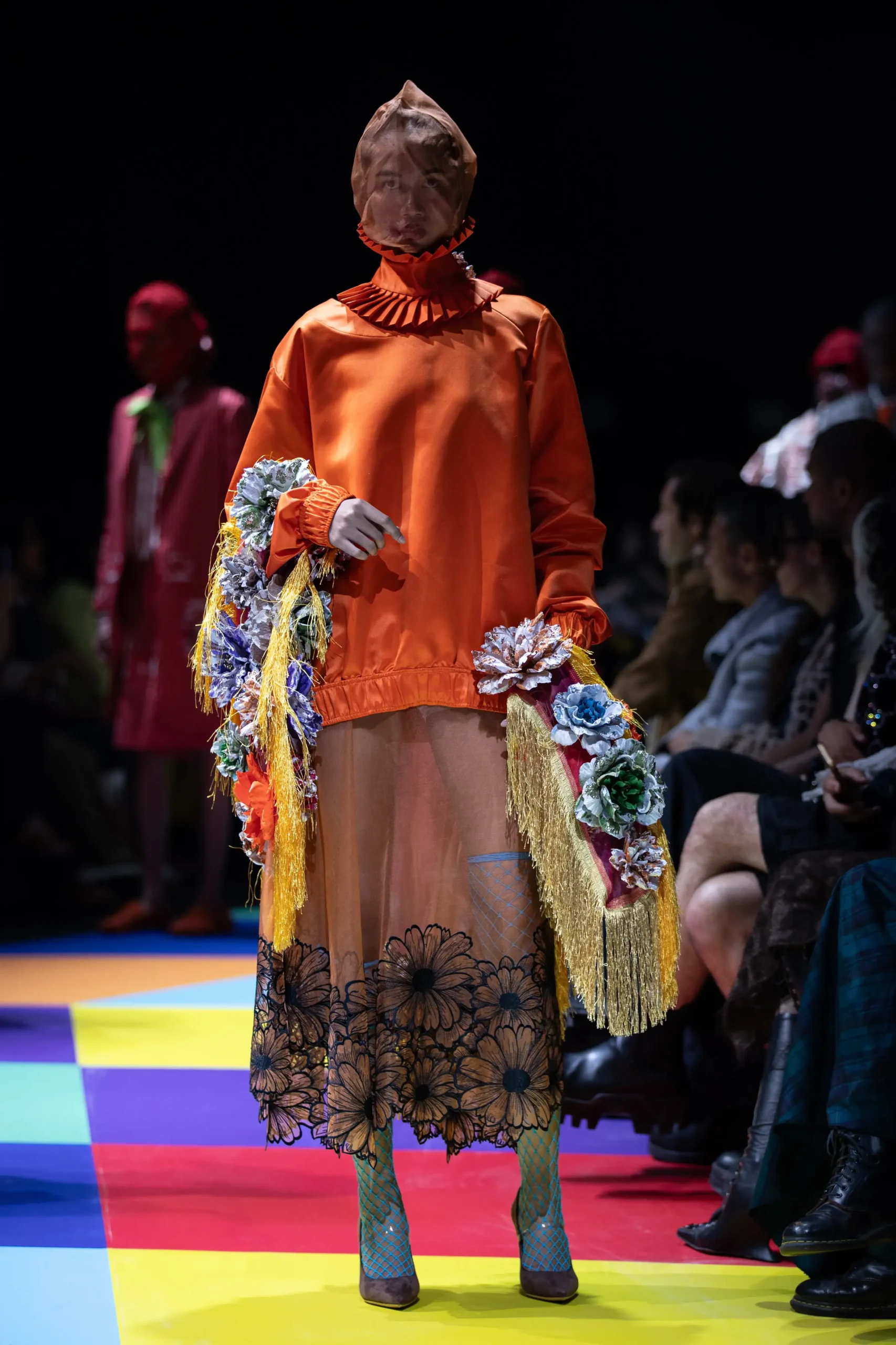
Mareta’s belief in the process also explains her insistence that artisans deserve economic dignity rather than charity. LAKON Indonsia’s ecosystem gives craftsmen access to design teams, product development, retail, and a larger customer base. Its store carries around 150 Indonesian brands, creating another commercial route for young labels that might struggle to establish standalone retail spaces. The goal is practical: when artisans can earn properly from what they know, pride enters the equation. Pride changes how people see their work, their children, and the possibility of passing knowledge forward.
To give people a reason to continue provides them with the discipline to keep working. Give them a runway, then give them a market. Give them a mentor, then give them a buyer. Give them Paris, then teach them what to do when Paris calls again. Give them room to fail without convincing them that failure has become their identity.
Mareta’s most memorable advice comes from this belief in possibility. “You have to give yourself more chances,” she says. “If you say you only have one chance, you have no life. One option means you have no options.”
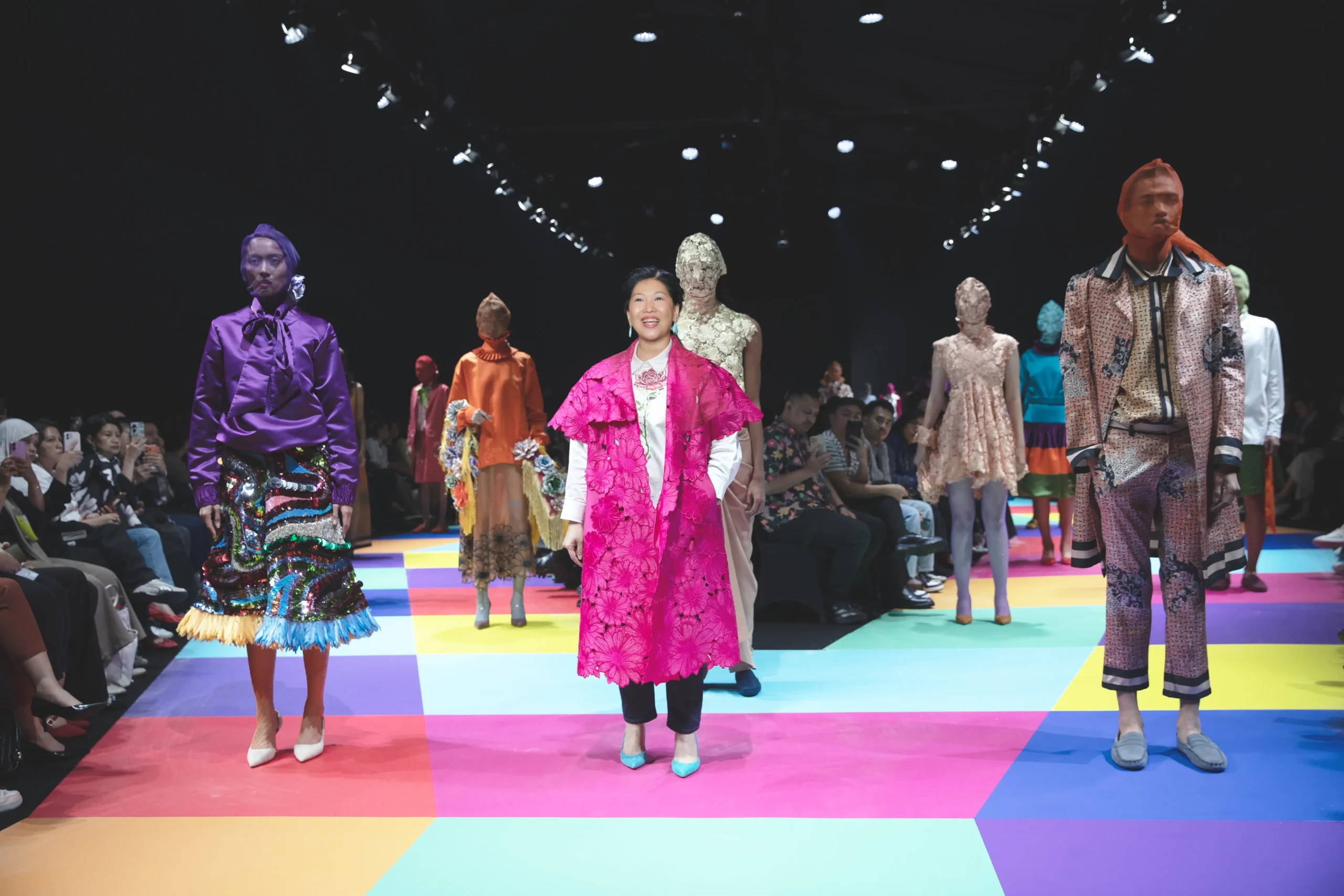
That may be the real future JF3 is trying to build: a Southeast Asian fashion industry with enough confidence to compete globally, enough humility to keep learning, and enough care to understand that progress belongs to communities as much as individuals. Indonesia already has the materials, the hands, the imagination, and the cultural depth. The work now is connecting those strengths to opportunity.
When there is free time, Mareta teaches the designers matcha lessons. The tea gets made slowly, properly, with attention to the small things. Someone has to show someone else how the whisk moves. Someone has to taste it and decide whether the balance is right. Someone eventually learns to make it without help. Then, they can teach someone else. That is how an ecosystem grows.
Fashion is addicted to endings: the final look, the launch, the award, the international buyer, the validation from Paris. Once everything is finished, there is nowhere left to go. Happiness lives in the making because the making is life itself. It’s in the work because the work gives life somewhere to go. The work has not ended. The door remains open.
Photos courtesy of JAKARTA FASHION FESTIVAL
Frequently Asked Questions
PINTU is an Indonesian designer development program created by JF3 and LAKON Indonesia with the French Embassy, through Institut Français d’Indonésie. Named after the Bahasa Indonesia word for “door,” it offers mentorship, business development, and international market exposure, including a Paris-based network.
LAKON Indonesia is a collective commerce brand founded by Thresia Mareta, where artisans and designers work together on materials, product development, and market access. Its retail store carries around 150 Indonesian brands, giving craftsmen an alternative to standalone retail spaces.
PINTU’s Incubator introduces Indonesian designers to mentorship and market exposure; its Accelerator gives designers who’ve completed incubation a further six months to prepare for international markets; its Residency brings French designers into Indonesia to work directly with local artisans and materials.
Thresia Mareta is an Advisor of JF3, founder of LAKON Indonesia, and co-initiator of PINTU. Her work connects fashion, craftsmanship, commerce, and education, built on the belief that happiness lies in the process of making rather than in a final result.
JF3 (Jakarta Fashion Festival) was initiated by Summarecon in 2004 to draw attention to Jakarta’s Kelapa Gading area through fashion and food. Over 22 years, it has grown into a national platform and international bridge, drawing 5.6 million visitors last year alone.