



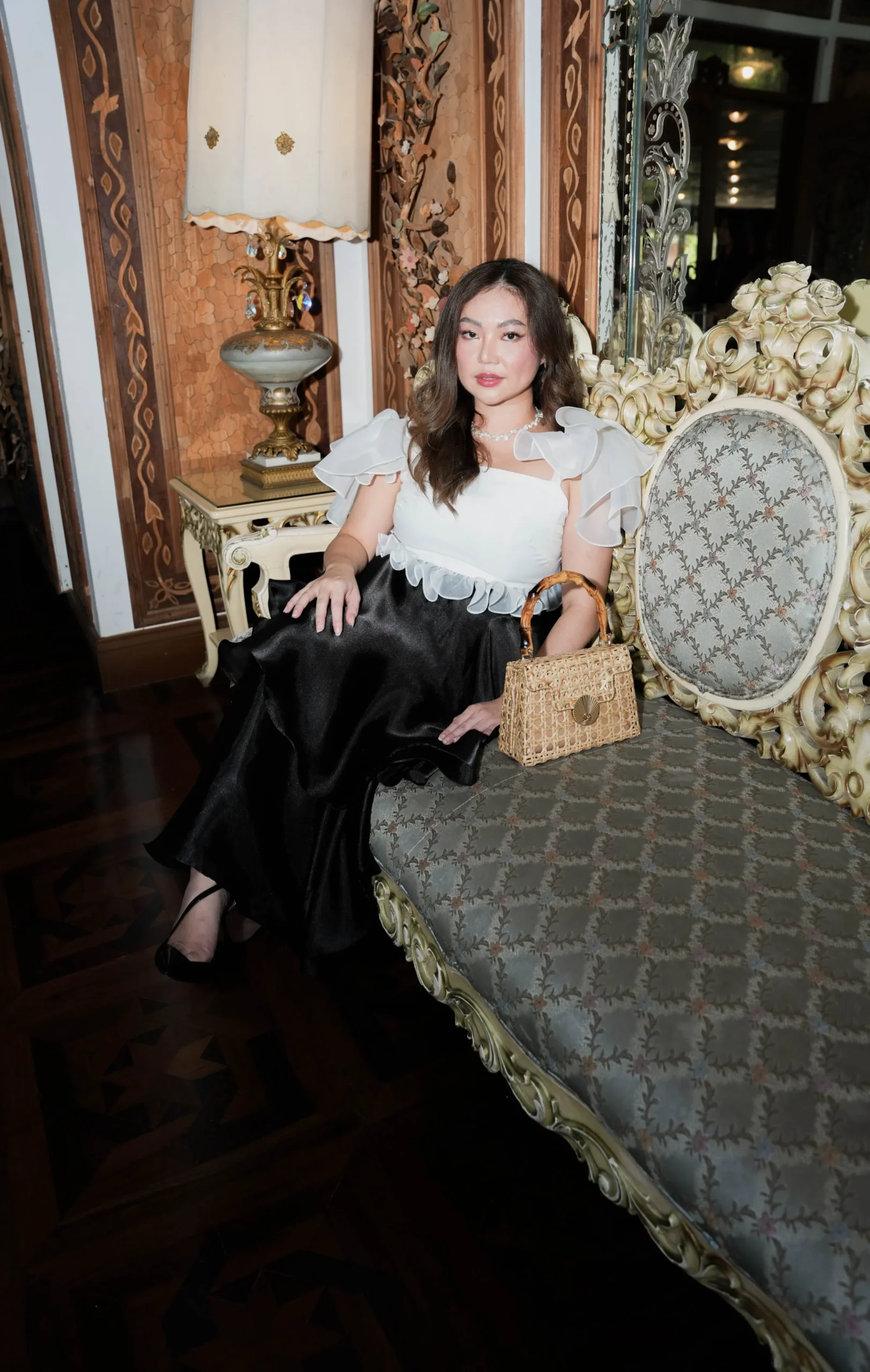
Chynna Mamawal has never been shy about ambition. Ready-to-wear, bridal designs, department store brands, New York Fashion Week — her world moves fast, yet this latest venture slows down just enough to put conscience over consumption. Instead of adding more to the pileup, the Filipino designer is teaming up with RNT Wardrobe, the clothing rental platform rewriting the rules of access, sustainability, and what it means to play dress up without FOMO. In this space, fashion goes full circle while Filipino creativity stays front and center.
RELATED: Inside Mia Goth’s Otherworldly Frankenstein Wardrobe
Creativity Refuses to Be Single-Use
The partnership was sparked not by presentation decks or corporate strategy but by a simple designer’s dilemma: too many beautiful things and too few people wearing them. “As a fashion designer, I have a lot of fabric that are just in the atelierAtelierA designer's private workshop or studio where garments are conceived, cut, fitted, and finished, often by hand. The term is closely tied to couture and made-to-order fashion, evoking craftsmanship, exclusivity,Go to Atelier Glossary,” Mamawal says. “I don’t want them put to waste.”
After showing abroad, she saw how rental culture had become a global norm. The Philippines, on the other hand, is only beginning to warm up to the idea, thus making it the perfect ground for a shakeup.
“Imagine renting designer pieces under RNT,” she adds. It’s cost-effective, accessible, and—crucially—a conscious step away from wastefulness. With typhoons, rising temperatures, and the undefeated weight of fast fashion’s footprint, the designer’s move doesn’t feel like trend-chasing, but a responsibility dressed with charisma.
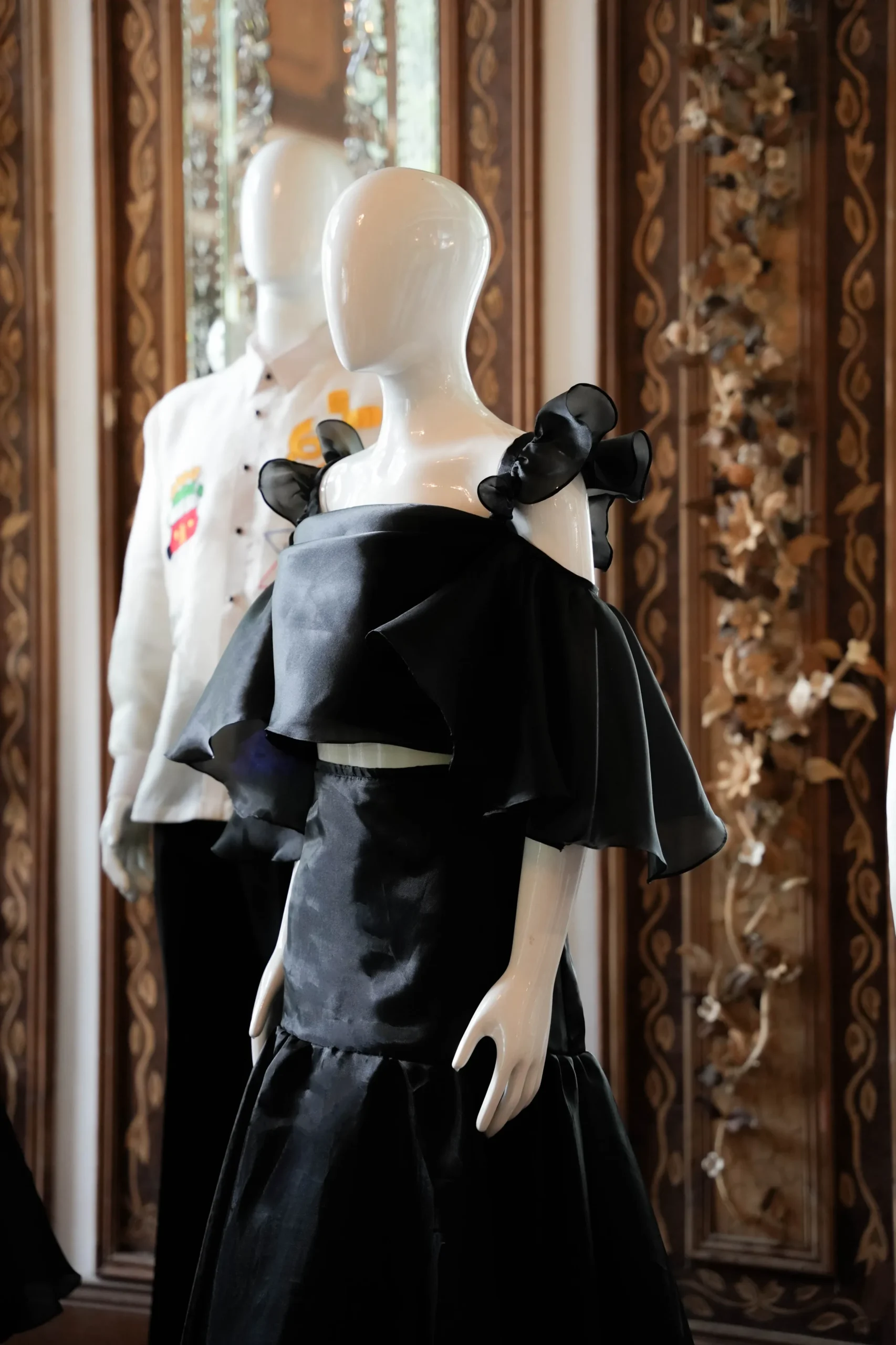
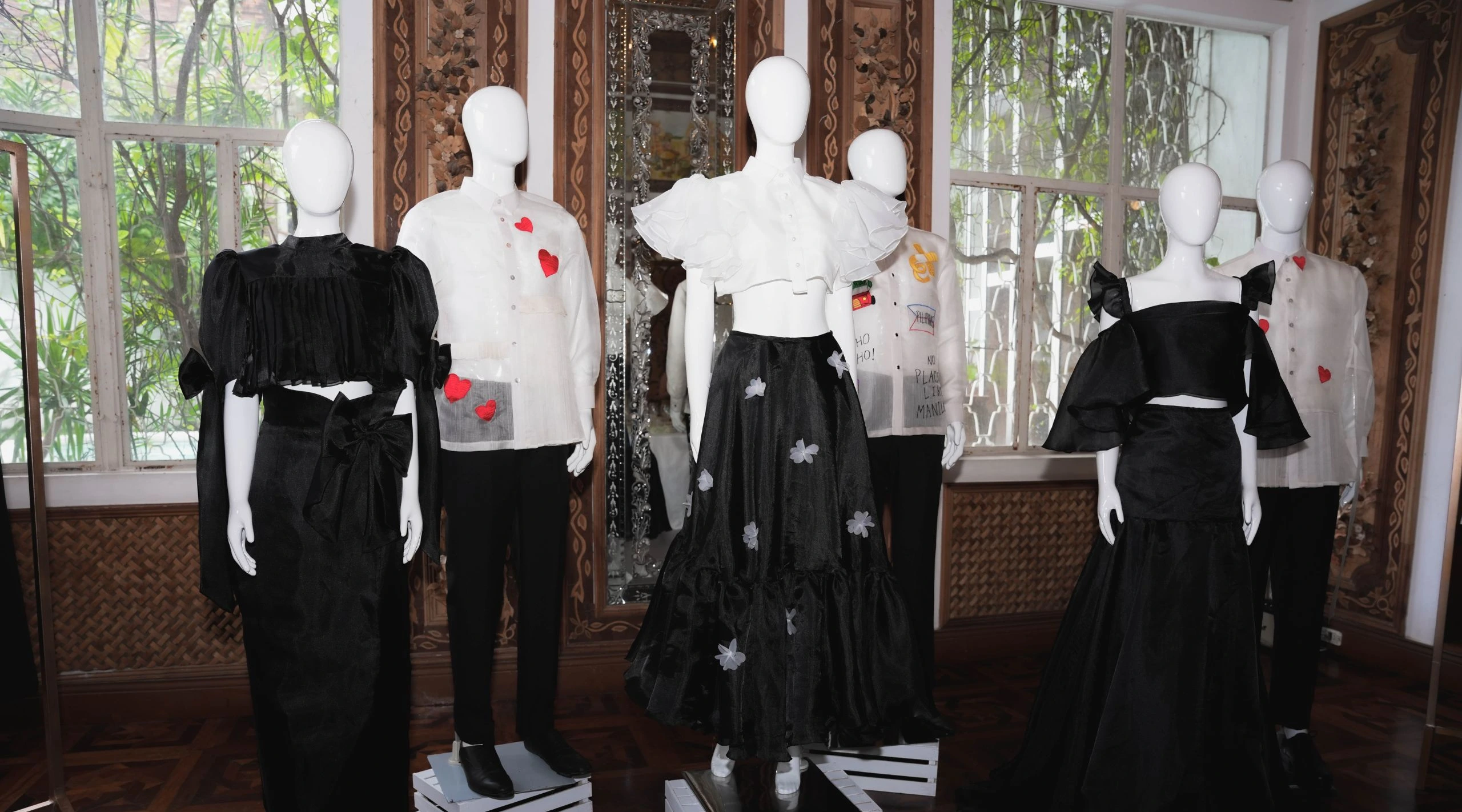
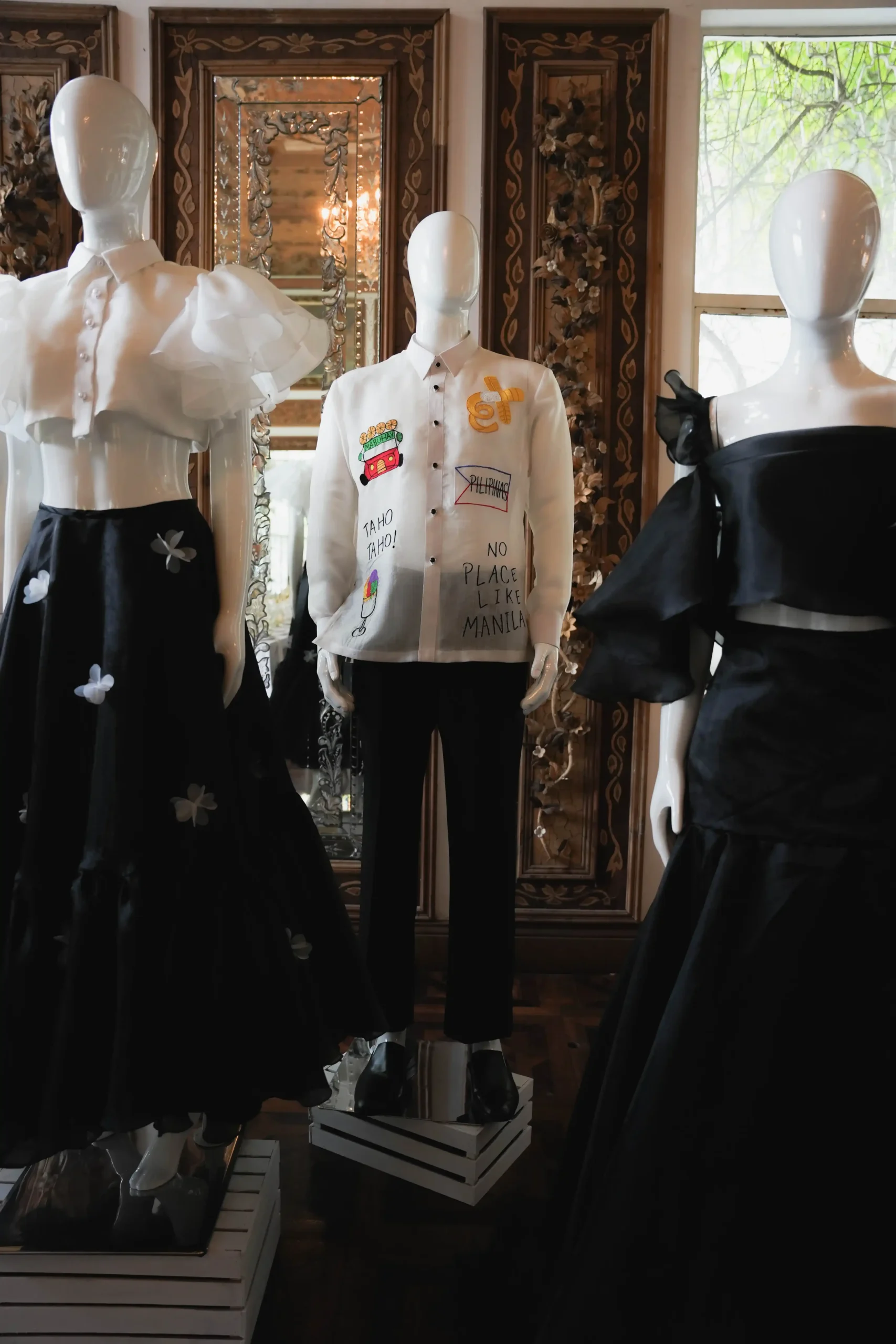
The pieces evoke embroidered elements that are electric, folkloric, funny, and proudly local. The collection swings from polka-dot Filipinianas to heart-studded dresses, to gowns inspired by suman, taho, halo-halo, the hills of the Cordilleras, and the nature of Filipino produce. “It’s a play on Filipino culture,” she says. “Things we see, things we hear, things we’re proud of.”
The New Spin on Sustainability
Manawal’s reading of the cultural moment is precise: the world is watching the Philippines. Filipino food is earning Michelin stars, Filipino designers are walking major runways, Filipino movies are crossing borders. Mamawal sees this not as coincidence, but as momentum. “It’s the perfect time to promote Filipino fashion around the world,” she says.
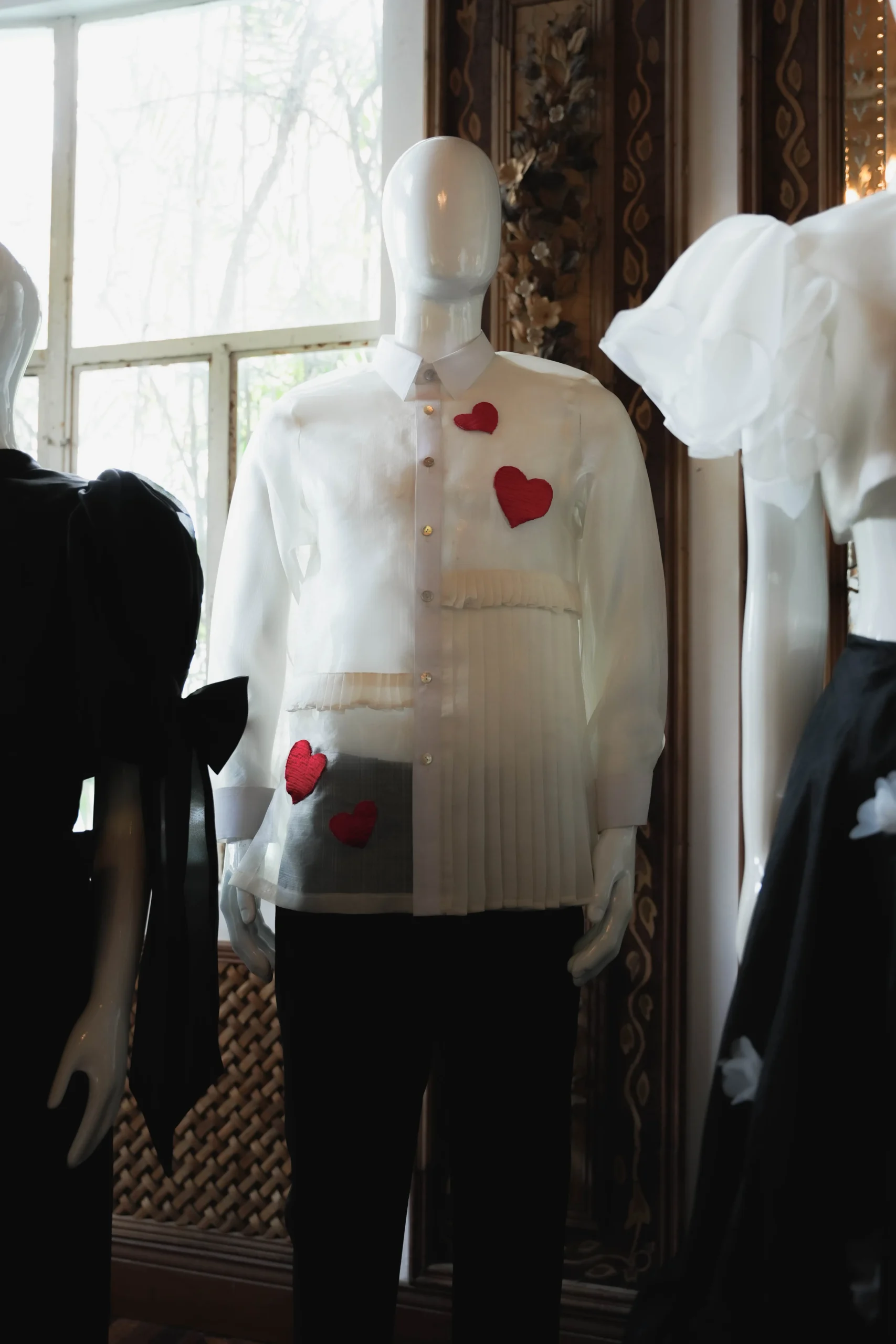
This collaboration also solves another long-running industry quirk: designers hoard fabric like dragons hoard treasure. She laughs about it—extra luggage, extra bolts, extra guilt. “Sometimes I hoard too much. I don’t want to put it to waste.” RNT arrived as a solution and opportunity: make exclusive FilipinianaFilipinianaThe traditional national dress and style of the Philippines, encompassing garments such as the terno, Maria Clara gown, barong Tagalog, and baro't saya. Celebrated for handwoven fabrics and intricate embroidery,Go to Filipiniana Glossary and barong pieces, give them new lives through rentals, and fill a demand the local industry had long struggled to meet.
RNT Wadrobe founders Gaby David and Radine Brito echo that sentiment. They wanted a Filipino designer who could help push the platform into local territory. When the designer reached out, the timing felt almost cosmic. “It was like fate,” they say.
Yes, circular fashion is global—but circularity rooted in local sourcing? That’s a far more meaningful shift. Renting Chanel is sustainable; renting a Filipino designer reduces carbon footprint and keeps cultural stories circulating.
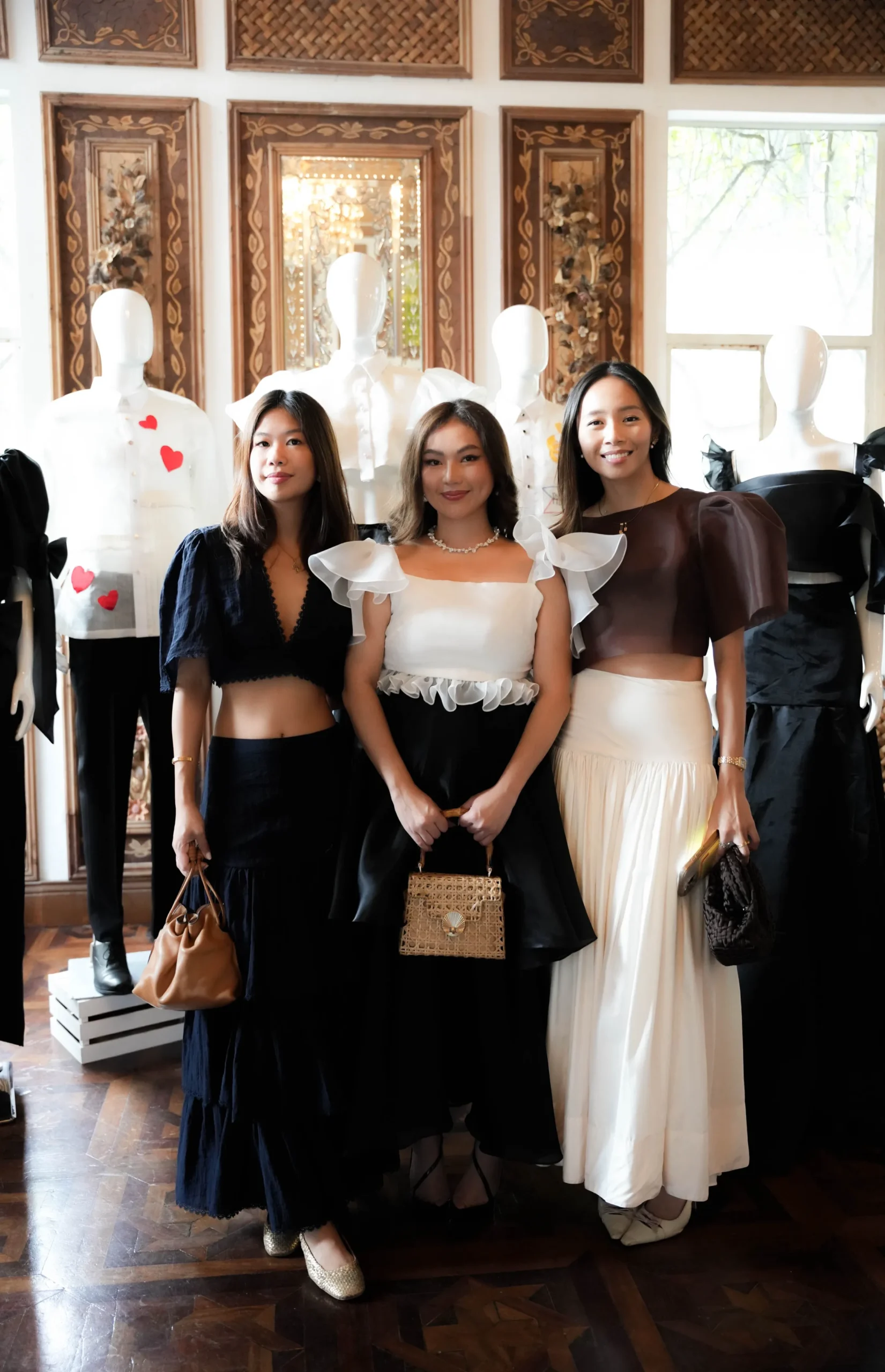
“If you can rent these pieces, why not? That’s why we want to be the pioneers of doing this. We wanted to bring it to the Philippines, since there’s a big gap in the whole rental space.”
Gaby David and Radine Brito, RNT Wadrobe
Chynna Mamawal is RNT Wardrobe’s first Filipino designer collaboration—and an ideal one. “We’re hoping she sets an inspiration. It would even be more sustainable if we were sourcing locally,” they say. Rental culture may be somewhat new in the Philippines, but the reception has been overwhelmingly positive. The old fear—that Filipinos wouldn’t embrace borrowing—has dissolved. “Surprisingly, everyone took the idea. I feel like it’s time.
Style With Return Value
Circular fashion, now buzzing its way through sustainability conversations, becomes something more textured through Mamawal’s experience. “It’s a win-win for both consumers and designers,” she says. People can try designer pieces without the commitment; designers can extend the life of garments made with intention. Rentals introduce new clients, bridge new markets, and build trust. “It’s a conscious decision. We should all promote it,” she says. “Designers and consumers alike.”
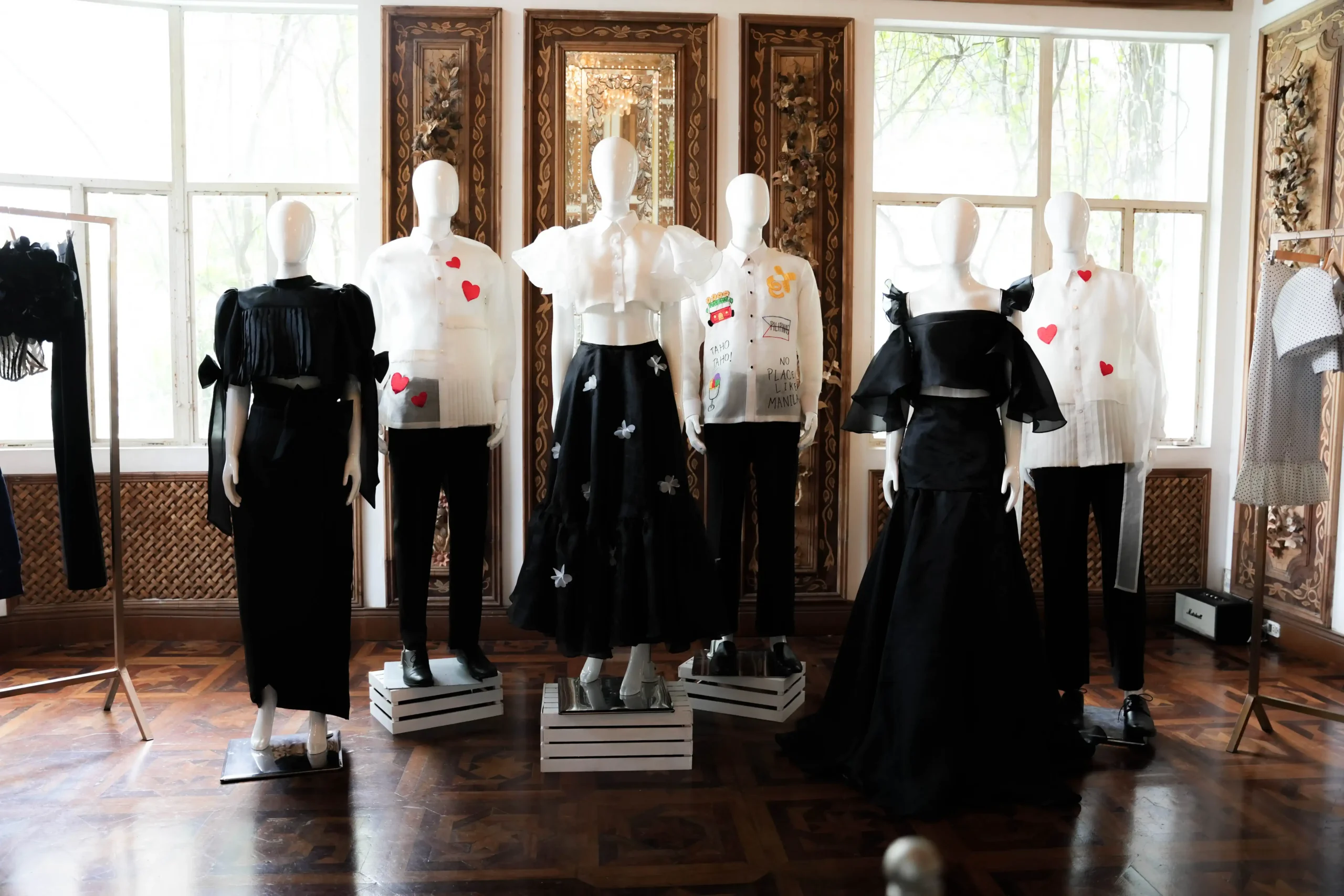
This is where the partnership lands: beauty with a second act, culture with circulation, sustainability that doesn’t feel punitive, and Filipino craftsmanship charging into a broader arena. Renting becomes more than access; it becomes participation in a system that values creativity enough to keep it moving.
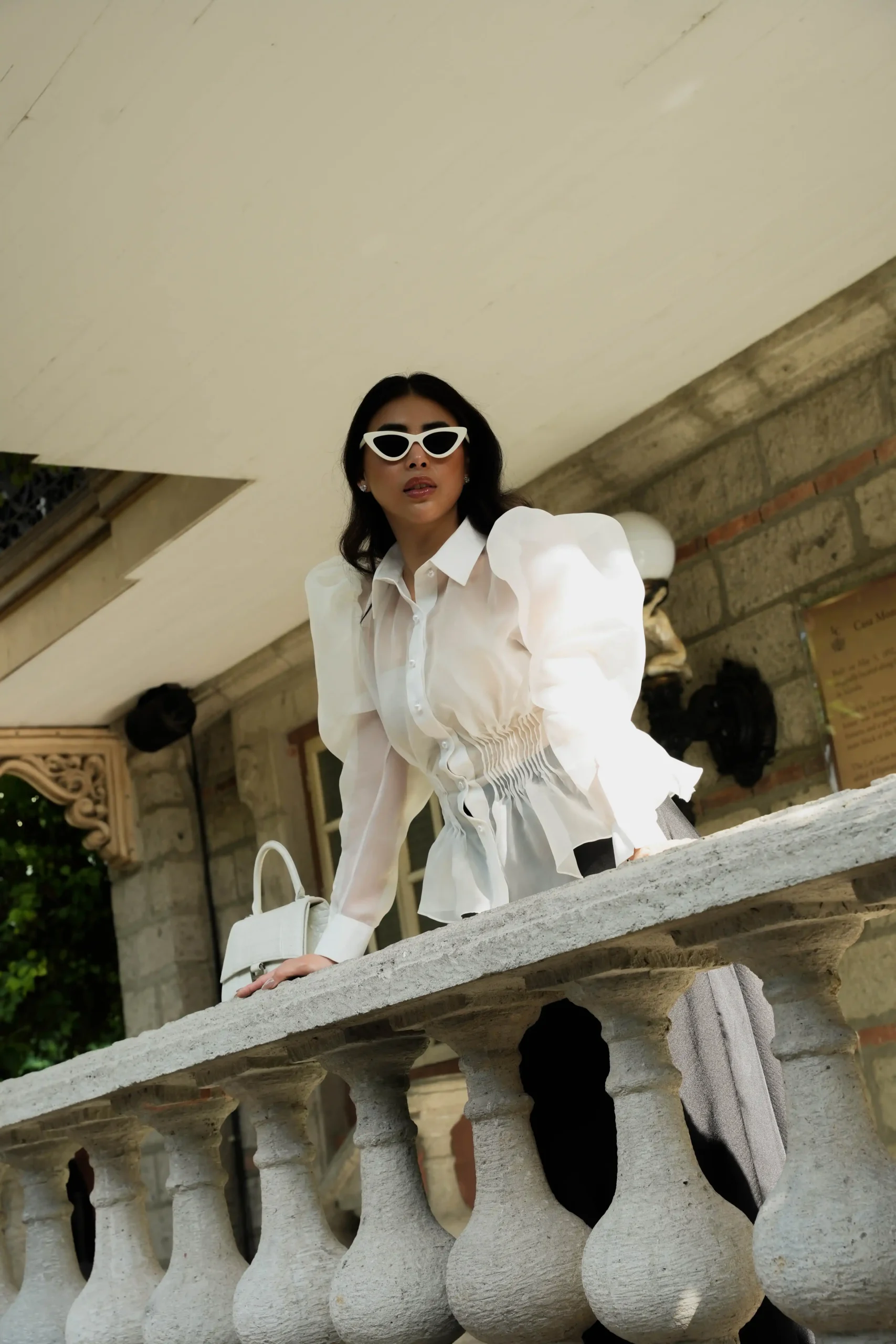
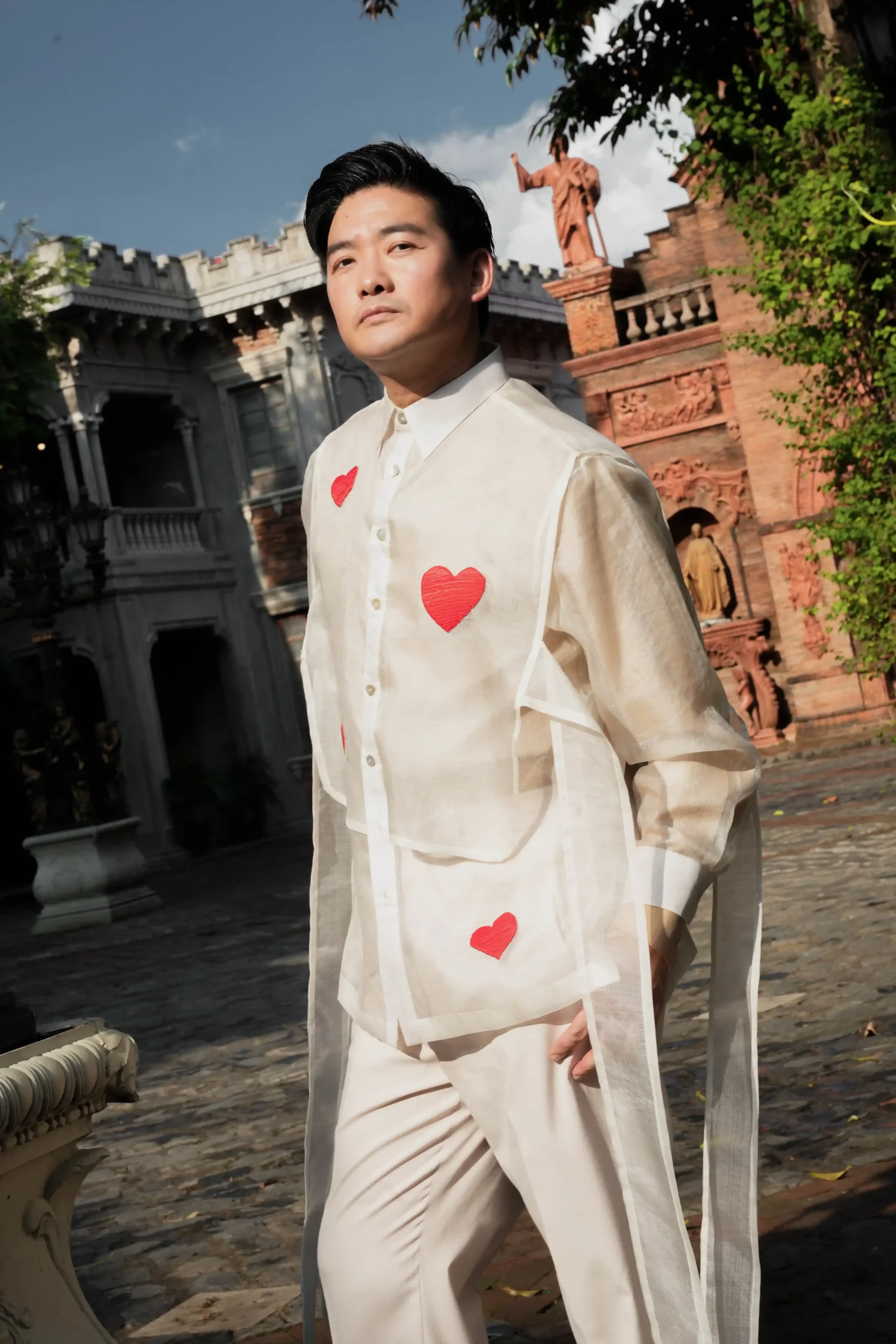
Fashion may be a cycle, but it certainly isn’t a trend. It’s an ecosystem that only makes sense once you see it. It’s a shift that feels overdue, making you wonder why we ever settled for anything less. It feels exactly the kind of circular logic fashion could use more of.
Photographed by AARON DOBLON