



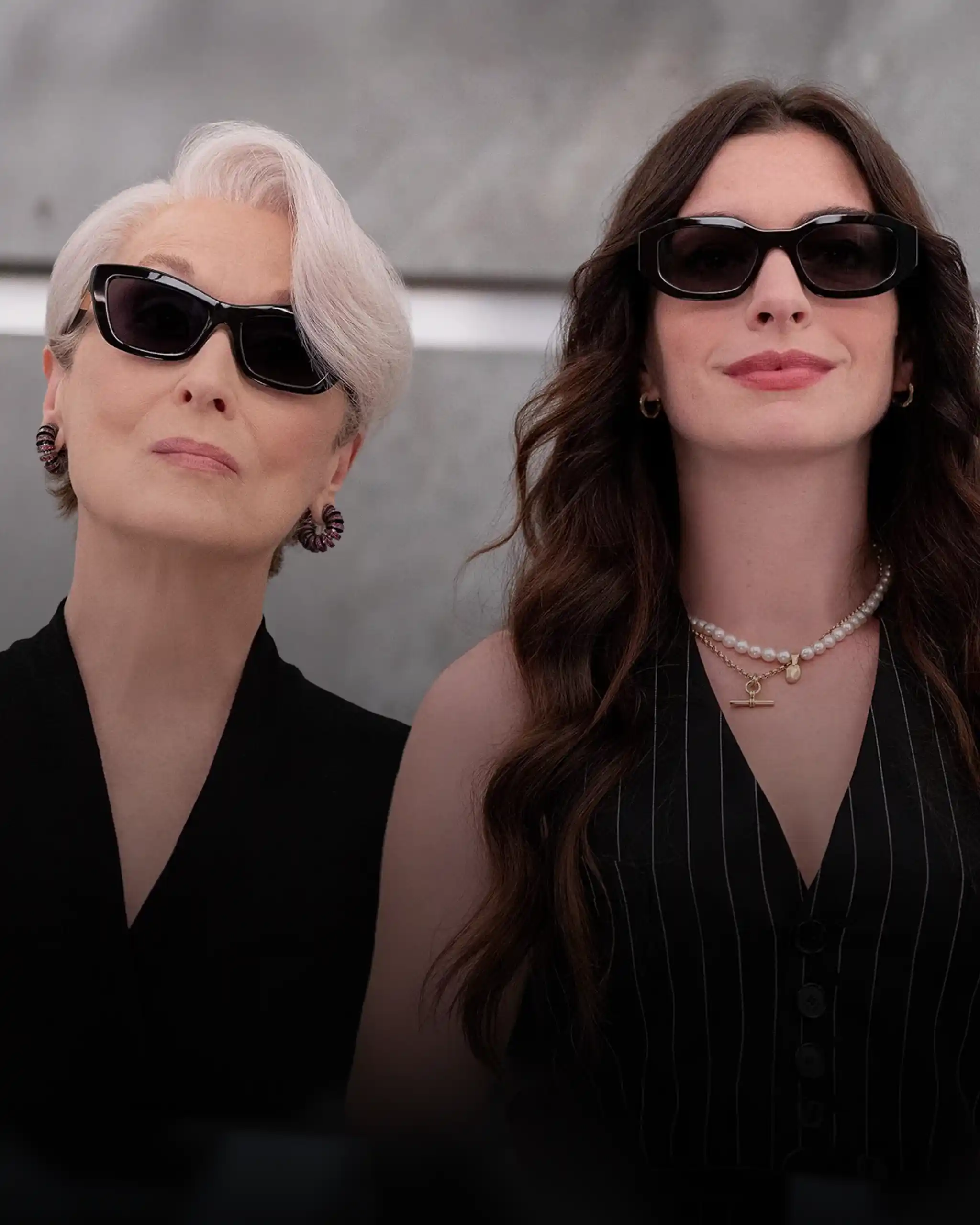
There’s a cruel irony in fashion’s most iconic film returning at a time when print publishing is fighting to stay in the conversation. The original Devil sent interns scrambling and editors strutting; its sequel finds Miranda Priestly on shakier ground. Print is in freefall, social media stars get front rowFront RowThe prime seats closest to the runway at a fashion show, traditionally reserved for the most influential editors, top buyers, celebrities, and loyal clients. Sitting front row signals status andGo to Front Row Glossary seats, and luxury’s most precious commodity isn’t prestige—it’s attention.
RELATED: 10 Anna Wintour Signatures That Changed Fashion and Everything Around It
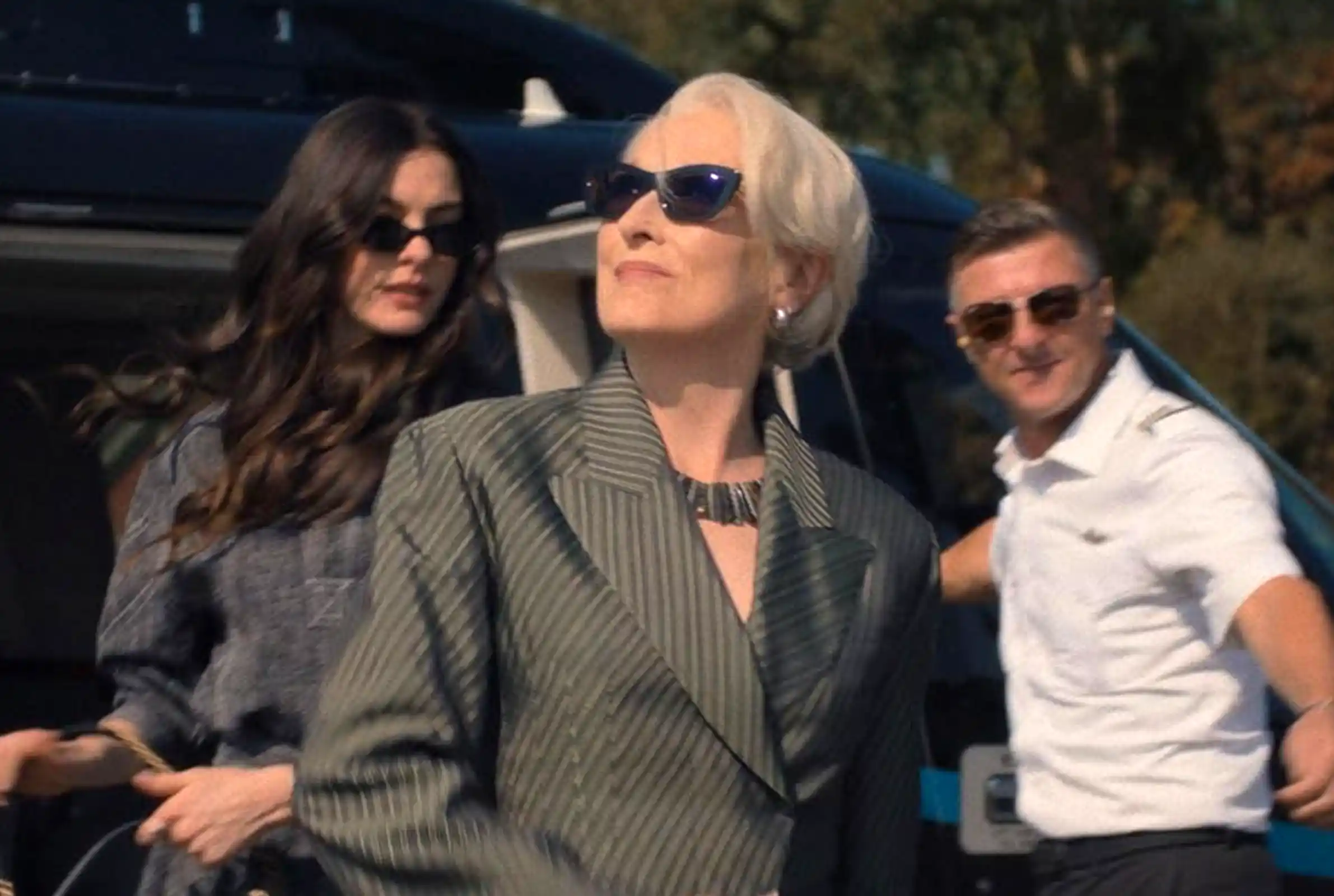
This time around, Miranda Priestly is back, but not without a new set of headaches. As she grapples with the decline of traditional magazine publishing, she finds herself up against none other than Emily Charlton, now a high-powered executive for a luxuryLuxuryrefers to a state of exceptional comfort, elegance, and quality, often characterized by premium craftsmanship, exclusivity, and superior experiences.Go to Luxury Glossary group (think LVMH or Kering) with the kind of advertising dollars Priestly desperately needs. Is print truly dead? Who gets to decide what lives?
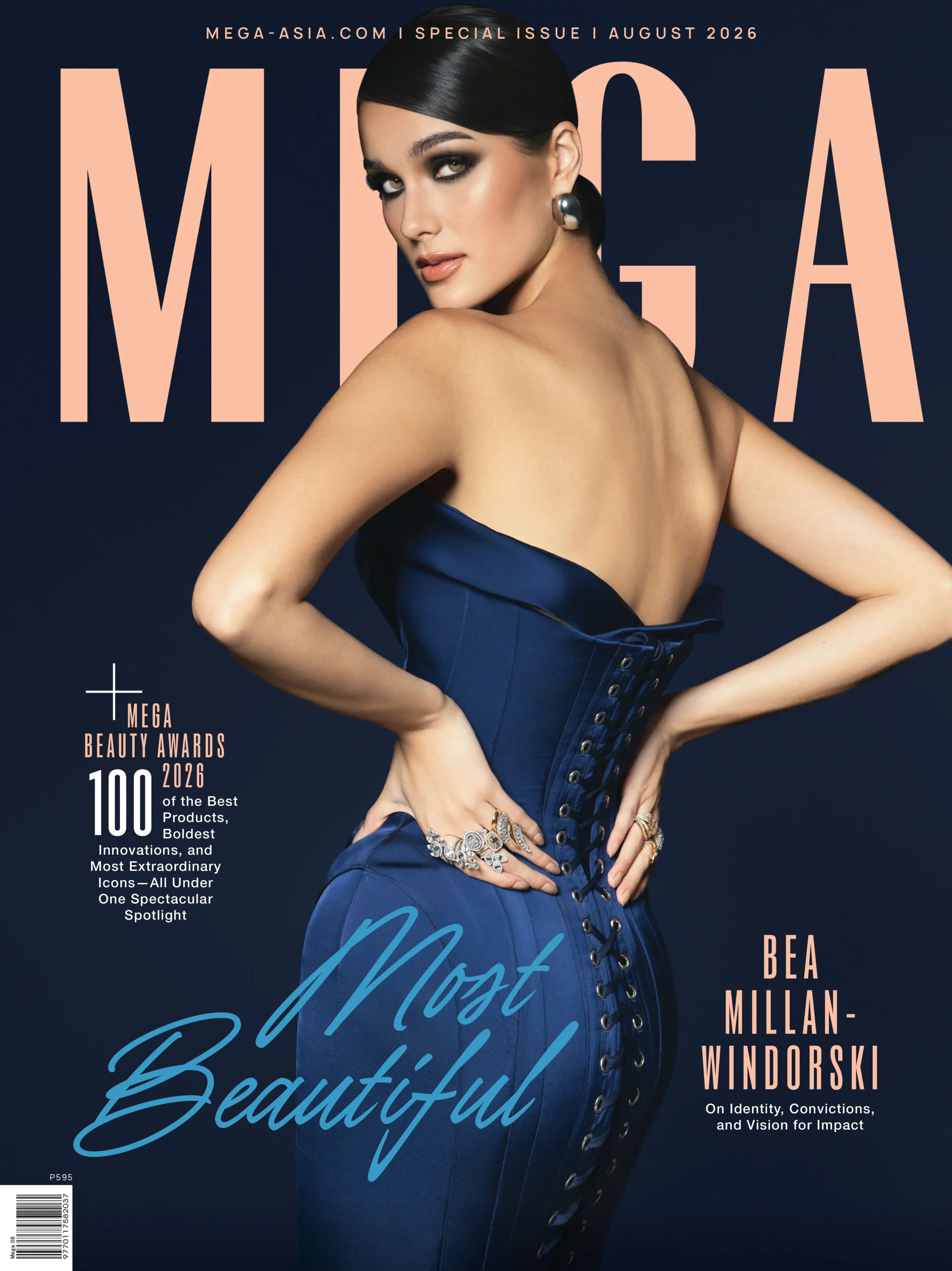
“Print magazines like MEGA are far from dead,” says Editor-in-Chief Peewee Reyes-Isidro. “They’re the keepers of authority, credibility, and integrity in a fast-paced digital world.” She sees the sequel’s premise as timely, but missing the nuance. Print, in her view, is not something static or outdated—but a refined medium that holds space for storytelling at its most intentional. “As a complement to digital, print becomes a curated platform for exclusive features and thoughtful storytelling.”
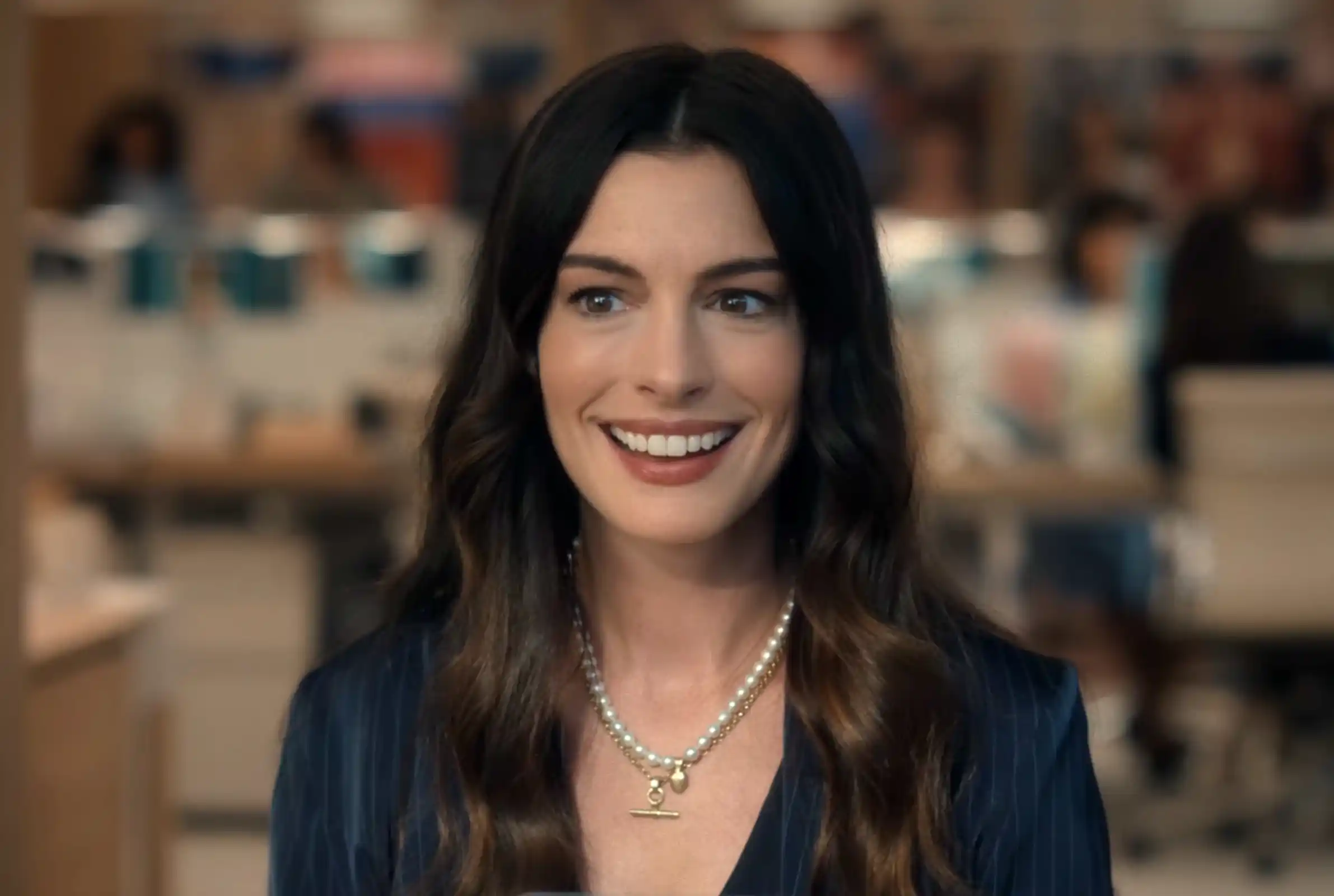
Creative Chief Patrick Ty agrees, and digs deeper. “The sequel’s storyline centers around a new reality for magazines and their editors. With the new digital landscape, the power has shifted. The audience has evolved, and our values have changed. To keep relevance, the printed medium needs to focus on the strength of its journalism and distinctive point of view. There is still prestige in a storied print title. A venerated fashion magazine remains the gold standard for luxuryLuxuryrefers to a state of exceptional comfort, elegance, and quality, often characterized by premium craftsmanship, exclusivity, and superior experiences.Go to Luxury Glossary advertising.”
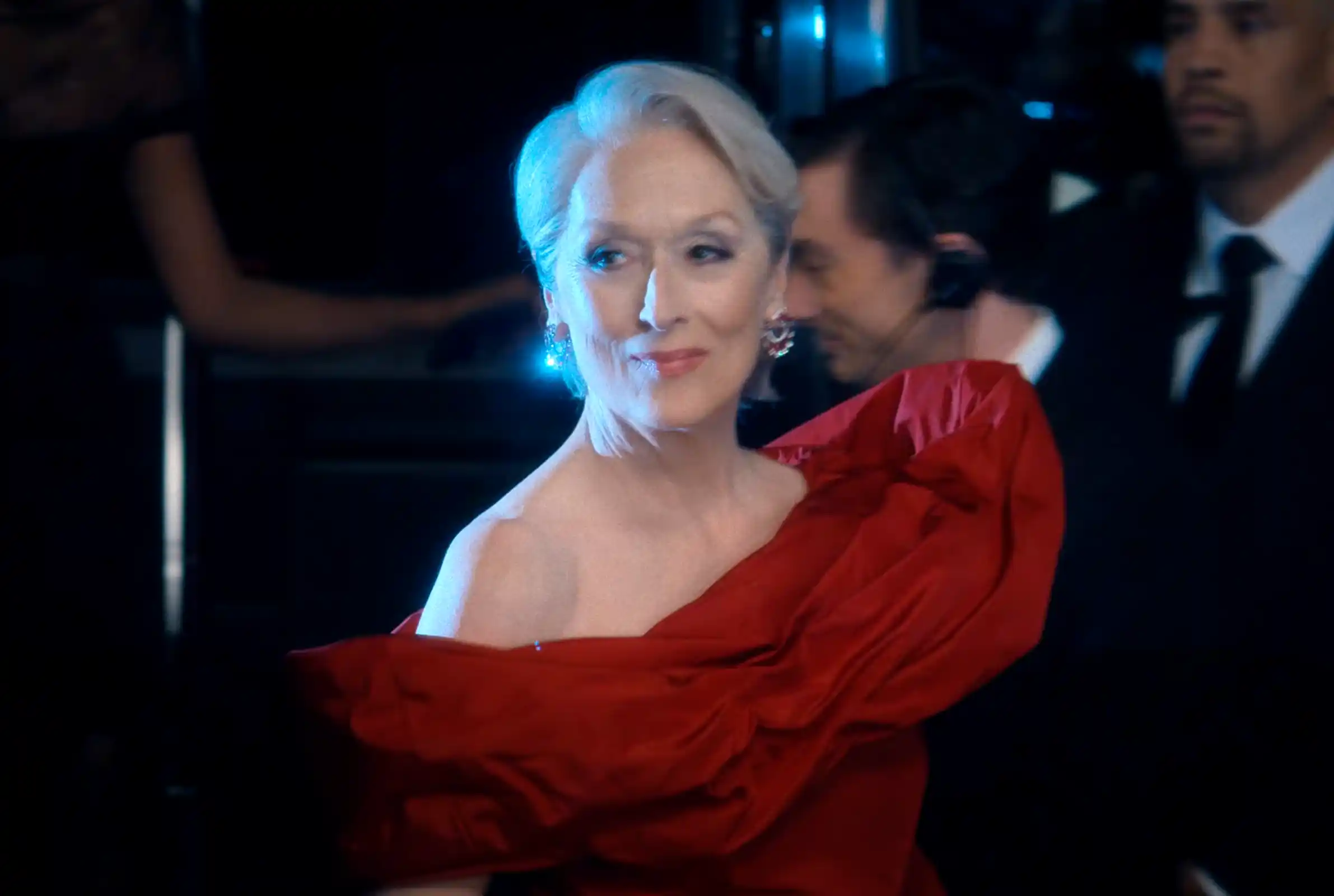
That prestige is something Beauty Director Agoo Azcuna-Bengzon still feels with every issue. “Print definitely isn’t dead,” she says. “That tactile experience of flipping through pages of art is a wonderful way to take a break from screen time.” For her, it’s not about old vs. new. It’s about how they hold each other up. “It’s also a great way to complement digital—it provides cohesiveness not just for its readers but for brands as well. That personal, human touch of print will never go out of style.”
Head of Creative Services Owen Maddela adds that credibility now feels earned, not assumed. “Print’s not dead—it’s just evolved,” he says. “Especially here, it’s become even more credible because not everything makes it to print anymore.” Substantially, the magazine is just one dimension of what MEGA has become. “We’ve turned MEGA into a living brand, not just a magazine. Digital informs you real-time, activations excite you, but print? Print filters the noise. It’s still a shining beacon of hope.”
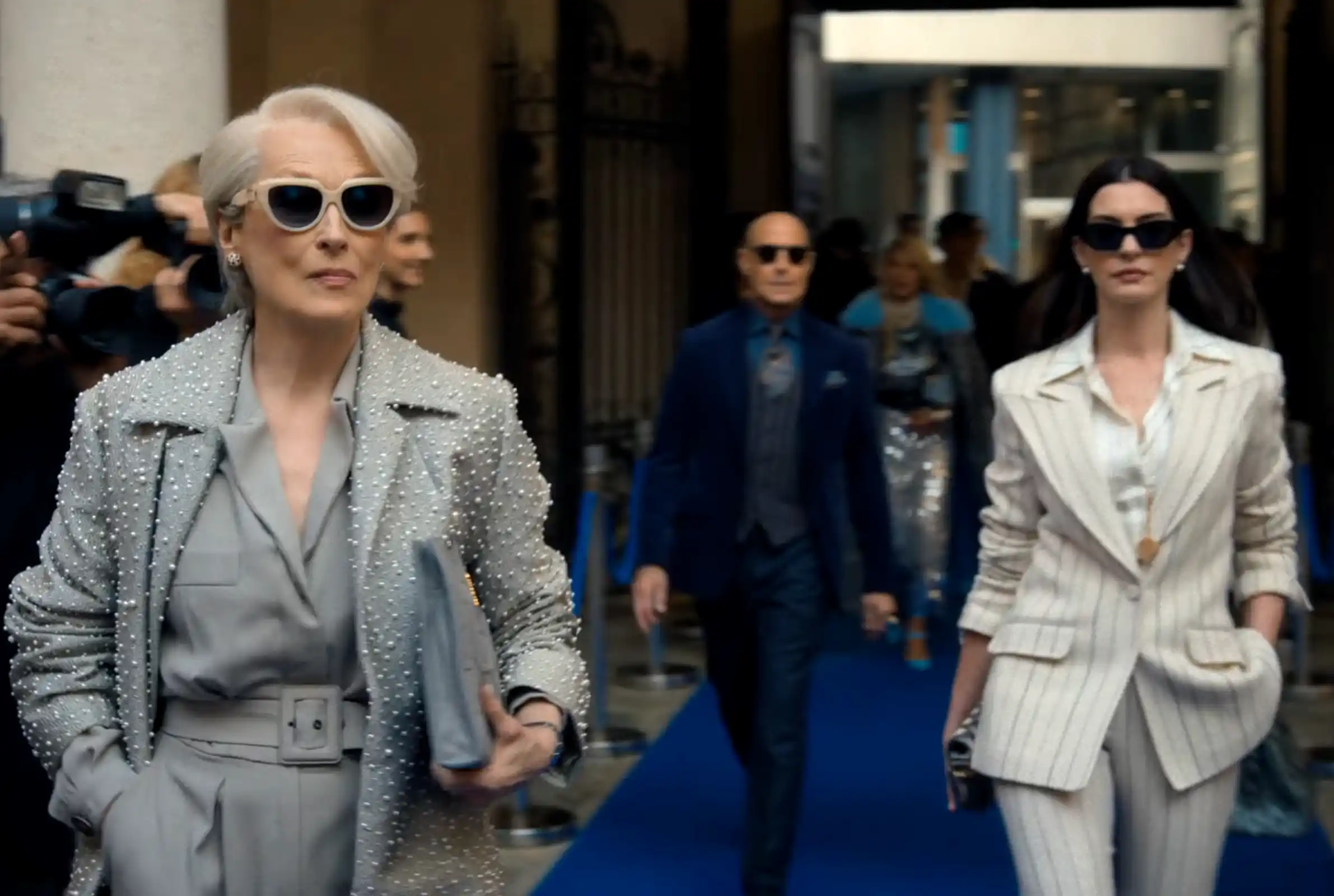
As Social Media Editor, my perspective is shaped by the algorithm and romance. “Social media has become fashion’s fastest distribution channel—it dictates visibility, virality, and in many cases, commercial success. But speed isn’t the same as authority. Print still operates as an archive and its filter. It’s where ideas are edited, contextualized, and preserved. It’s our Filipino lifestyle bible.”
In today’s media landscape, print and digital are like that infamous cerulean sweater—what once trickled down from a corner office now moves in all directions. Influence is no longer top-down; it’s viral, visual, and, most of the time, vertical.
If the sequel wants to be more than nostalgia bait, it has to show the real frontlines: editors juggling legacy and likes, prestige and platforms, all while trying to make sure their stories—and not just their shoes—still carry weight.
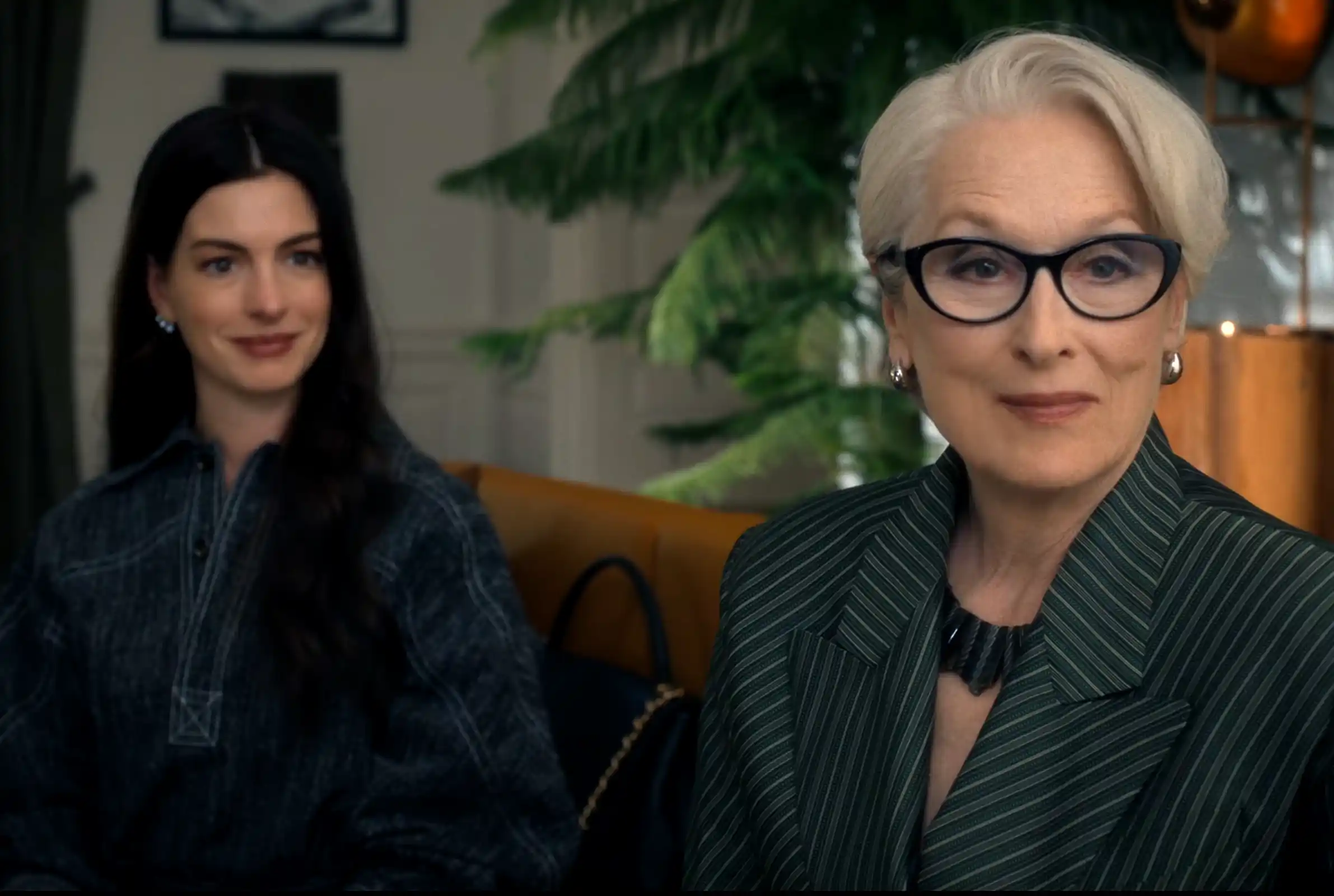
It’s not the fall of a fashion empire, but the recalibration of power—editorial, cultural, and economic. The shift isn’t away from print, but toward platforms that can hold complexity and credibility in equal measure. Platforms that can pause the scroll and still make people listen.
The verdict is clear: print isn’t dead. It’s just redefined.
The film is set to be released in May 2026.
Photos: THE DEVIL WEARS PRADA (via IMDb and 20th Century Studios)
Recommended Video
Latest Posts

Latest Issue