



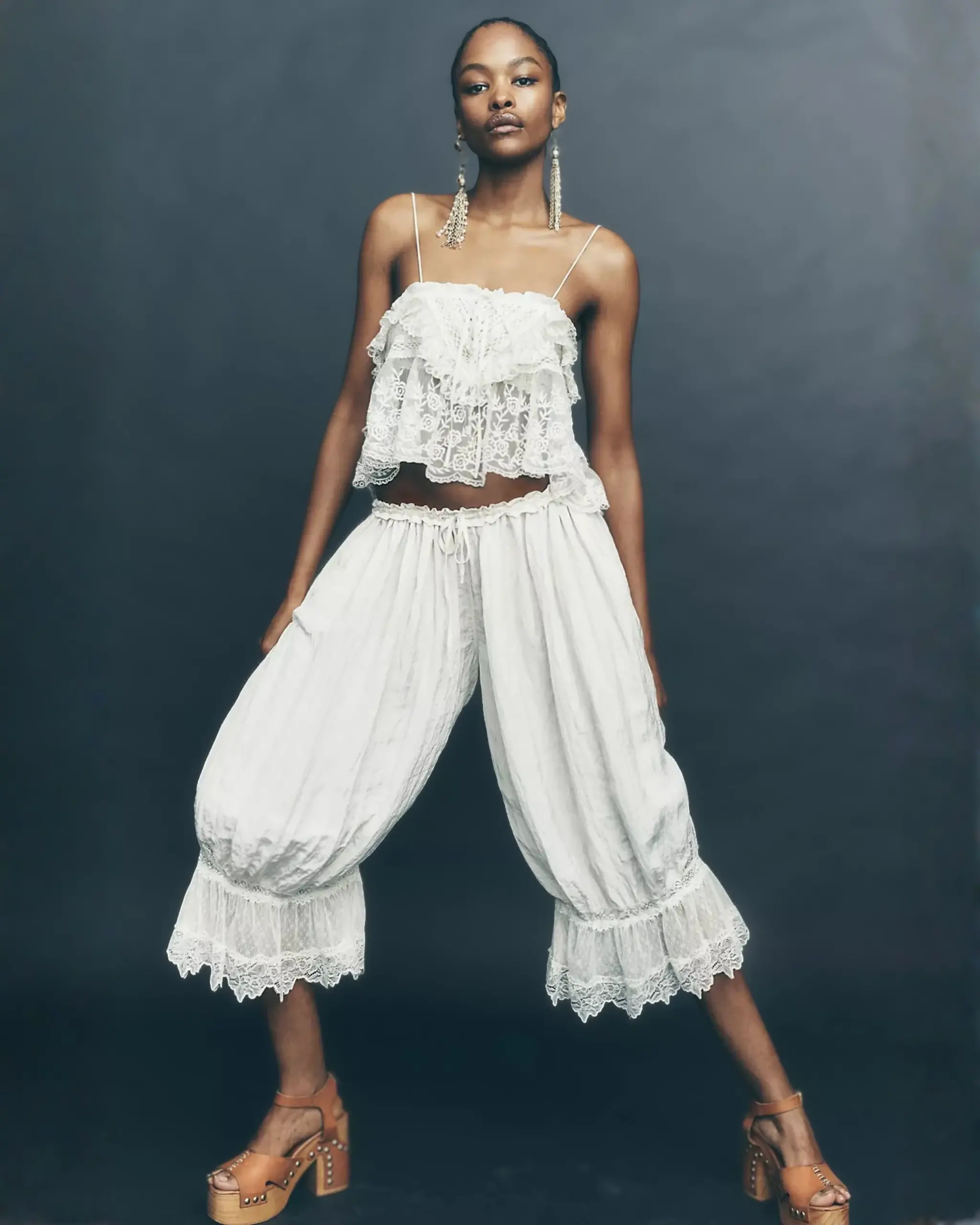
In 2026, fashion finds itself turning back to the nineteenth century for a silhouette that once carried political weight. That gesture alone raises a question: what does it mean to revive a garment born from rebellion against restrictive dressing? Bloomer pants may not suit every wardrobe, yet their history offers more than nostalgia.
RELATED: How NYFW S/S26 Made Harem Pants Cool Again
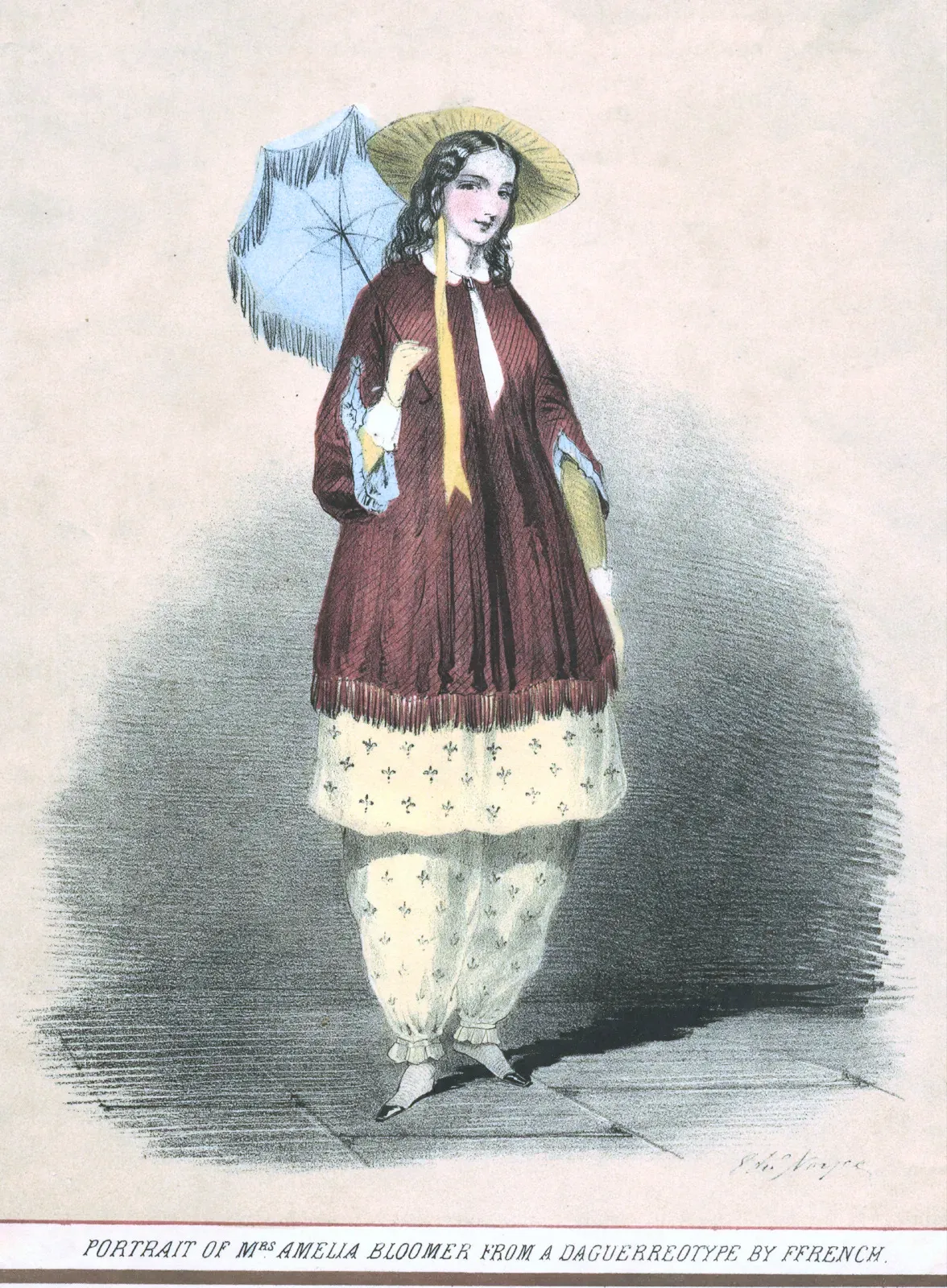
The name belongs to Amelia Bloomer, an American newspaper editor and women’s rights advocate. During the 1850s, she used her platform to champion clothing reform. While she did not design the loose undergarment herself, her passionate support for the cause linked her permanently to the look. Those early bloomers were airy, voluminous, and often trimmed with lace or frills—a deliberate rejection of heavy corsets and floor-length skirts. Wearing them in public became an act of self-possession.
Now, more than a century and a half later, those same billowy pants have returned to favor in fashion capitals across the globe. Designers and everyday dressers alike approve of bloomers as a visible choice instead of a hidden layer.
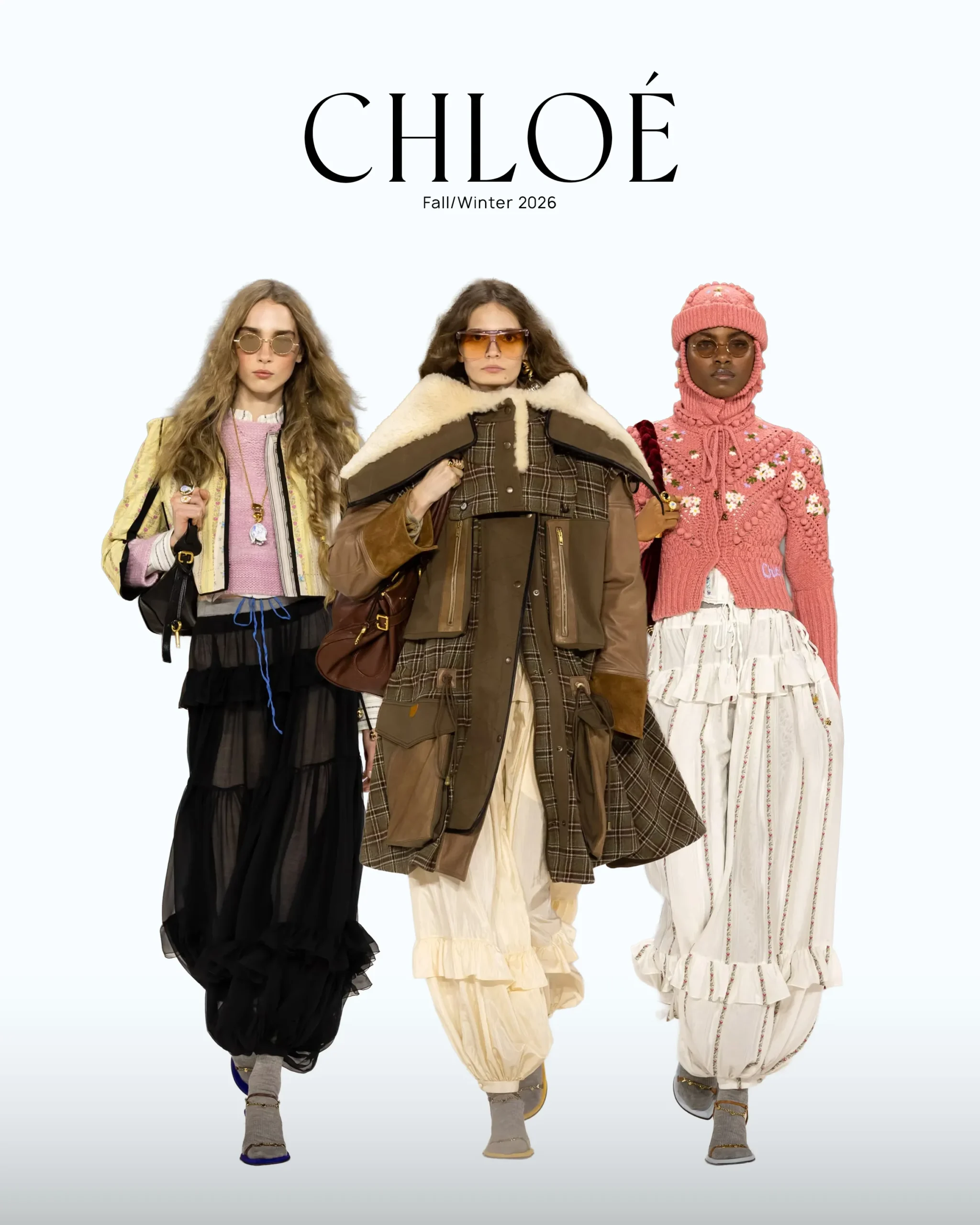
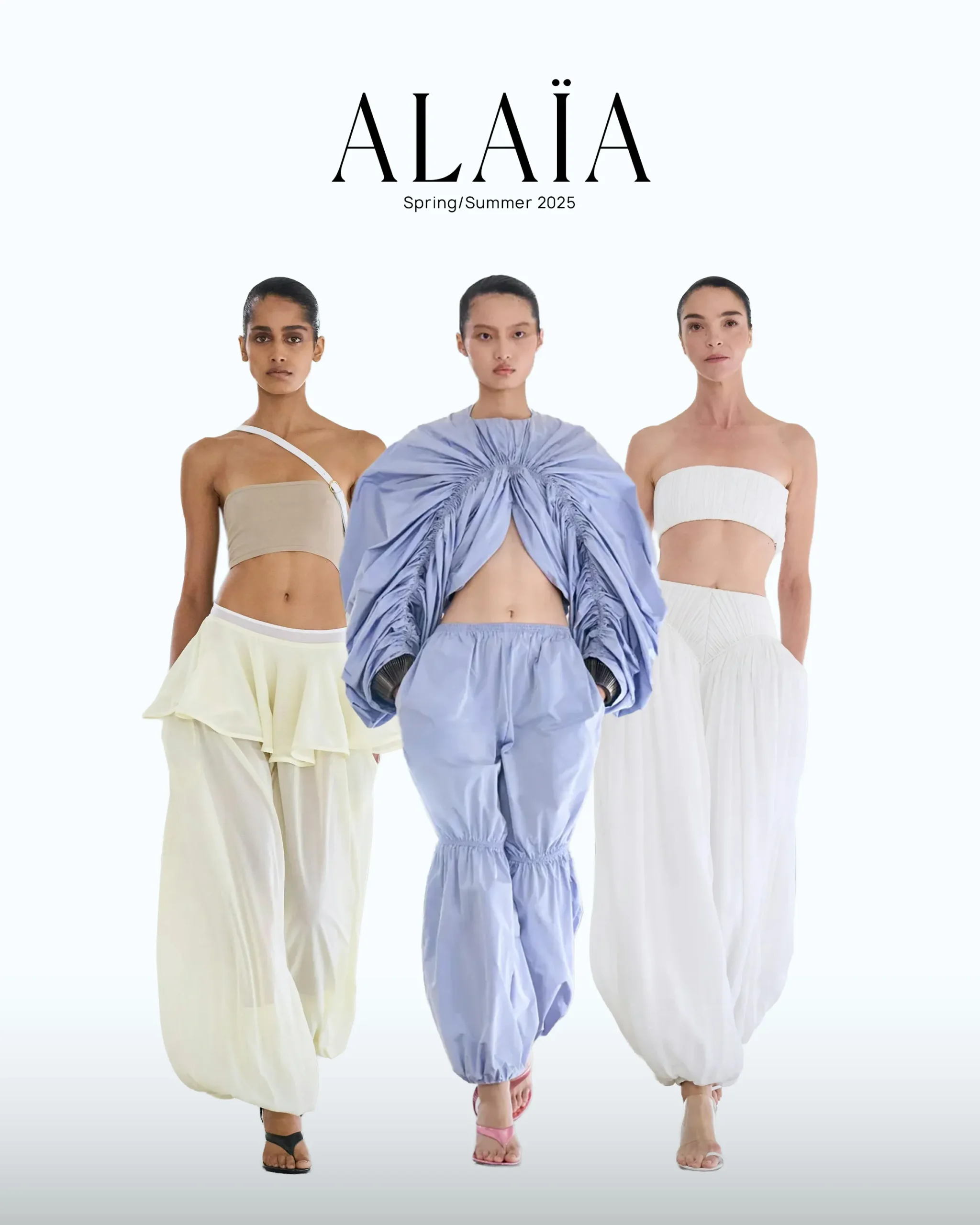
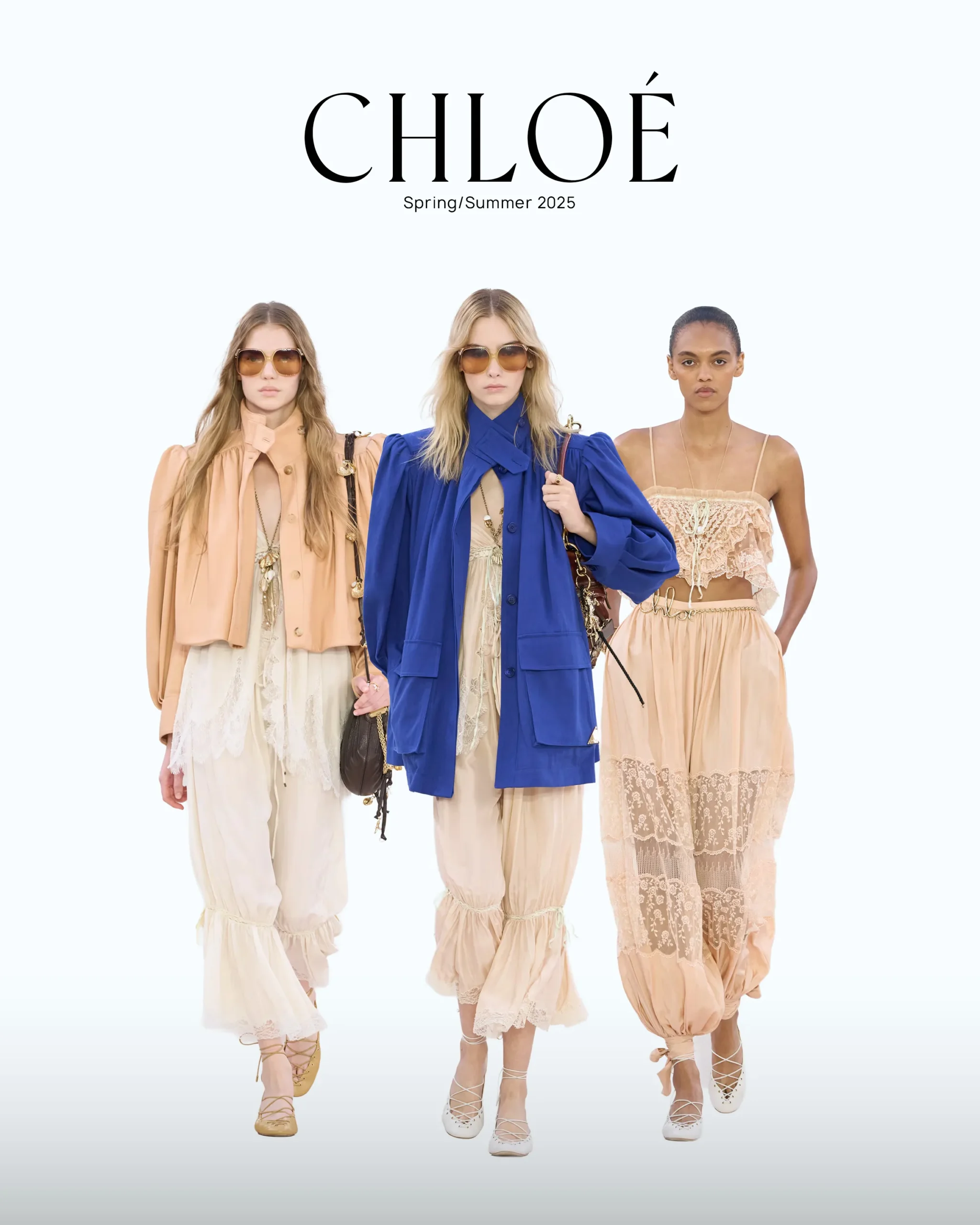
Maybe contemporary style still craves pieces with a story, especially one about comfort and autonomy. Should you ever find yourself wearing them outdoors, you have the pioneers who dared to dress for their own freedom to thank for that.
Photos: FREE PEOPLE, BRITANNICA, CHLOÉ, and ALAÏA
Frequently Asked Questions
Bloomer pants are voluminous, airy garments that have transitioned from historical undergarments to bold, contemporary outerwear, representing a deliberate, stylish rejection of restrictive and uncomfortable clothing silhouettes.
The term honors Amelia Bloomer, a 19th-century advocate for women’s rights who championed clothing reform to liberate women from the constraints of heavy corsets and floor-length skirts.
Modern style often craves pieces with historical narratives centered on autonomy. Their revival reflects a desire for comfort, freedom, and a rebellious spirit in today’s fashion landscape.
Contemporary designers are reinventing the silhouette; while some houses favor traditional lacy and frilled details, others, like Alaïa, have embraced minimalism by removing embellishments for a cleaner look.
While they may not suit every personal aesthetic, they offer a unique, voluminous style statement that prioritizes ease of movement, making them a bold choice for fashion-forward dressers.
Recommended Video
Latest Posts

Latest Issue