





Your skincare’s at step 10, your gym split is militant, but flossing still feels optional? It’s the tiniest thing with the biggest reach, keeping your mouth clean in all the ways that matter. But beyond bad breath, skipping it has been linked to dementia, inflammation, diabetes, and even kidney problems. If that’s news to you, consider this a flossing awakening.
RELATED: 7 Ways You Have Been Brushing Your Teeth Wrong Your Entire Life
1. It Protects Your Heart

The science is in: poor flossing is bad for your heart. A 2025 study links poor flossing habits to cardiovascular issues and a higher risk of cardiovascular disease-related death. In short, bacteria build up = entry into the blood stream = inflammation that’s bad news for your heart.
2. It Lowers the Risk of Memory Loss

Floss now, remember later… literally. A recent study found that people with gum disease and tooth loss showed more shrinkage in the hippocampus, the brain’s memory center, and one of the first areas hit by Alzheimer’s. So yes, skipping floss could mess with your mind as much as your smile.
3. It Keeps Your Blood Sugar in Check

If it isn’t already obvious, what happens between your teeth doesn’t stay there. A 2024 study found that people who floss daily were six times more likely to have healthy blood sugar levels compared to those who rarely do. The link: better oral hygiene means less inflammation, which helps keep diabetes under control. Clean gums, balanced sugar—who knew?
4. It Lowers Your Risk for Kidney Trouble

First your blood sugar, now your kidneys? Chronic inflammation loves to do its rounds. Gum disease has been linked to kidney issues, as bacteria from gum issues circulate and inflame your kidneys. The takeaway? Floss daily and give your insides a break.
Try These Tips and Tools
You know why to floss, now here’s how to do it well.
First, floss before brushing. Loosening plaque ahead of time makes your toothbrush do its job better. Use your traditional floss—or personal tip: switch to a water flosser. The Waterpik Professional Aquarius Water Flosser WP-670 is a personal favorite, as it gets between the gaps and corners with zero yanking.
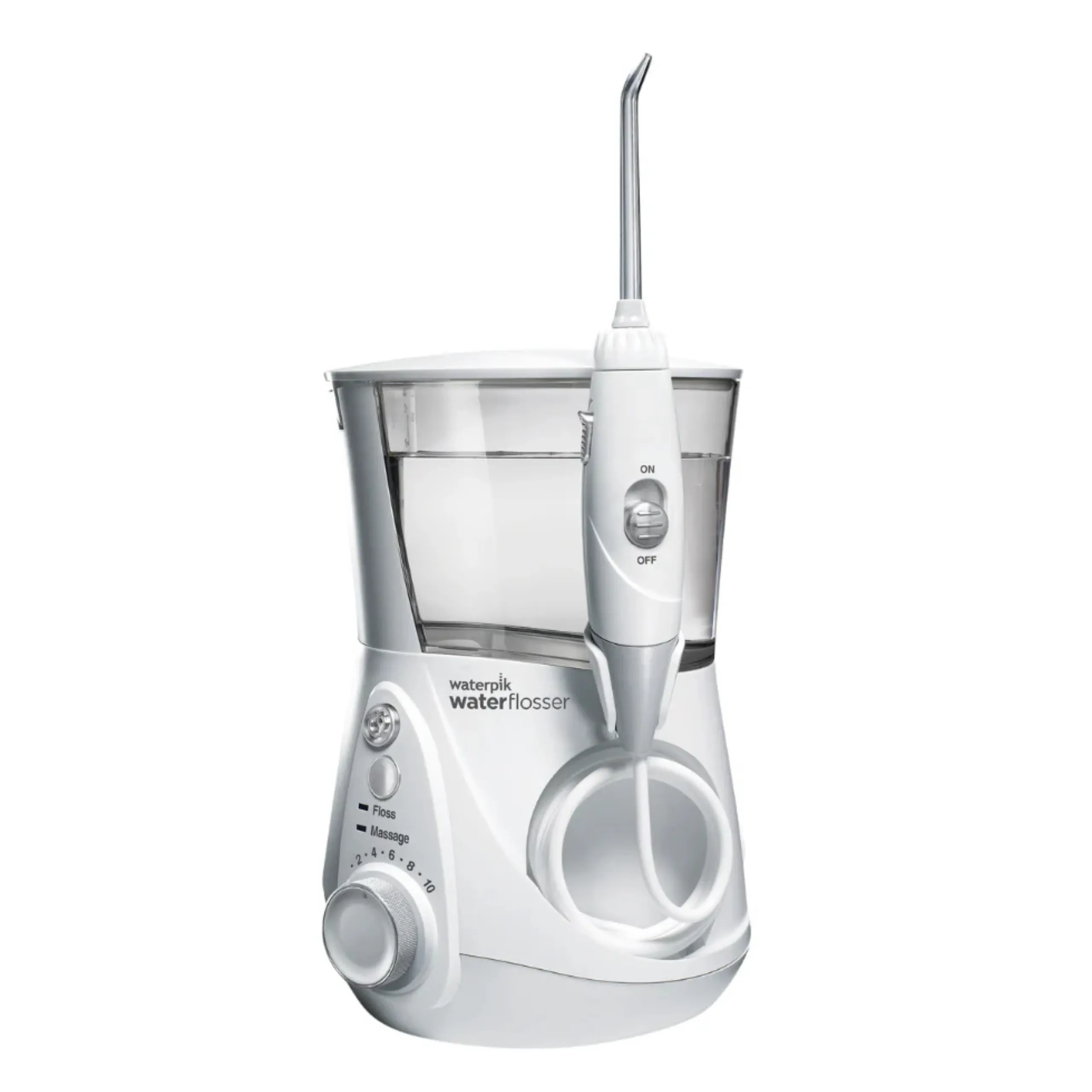
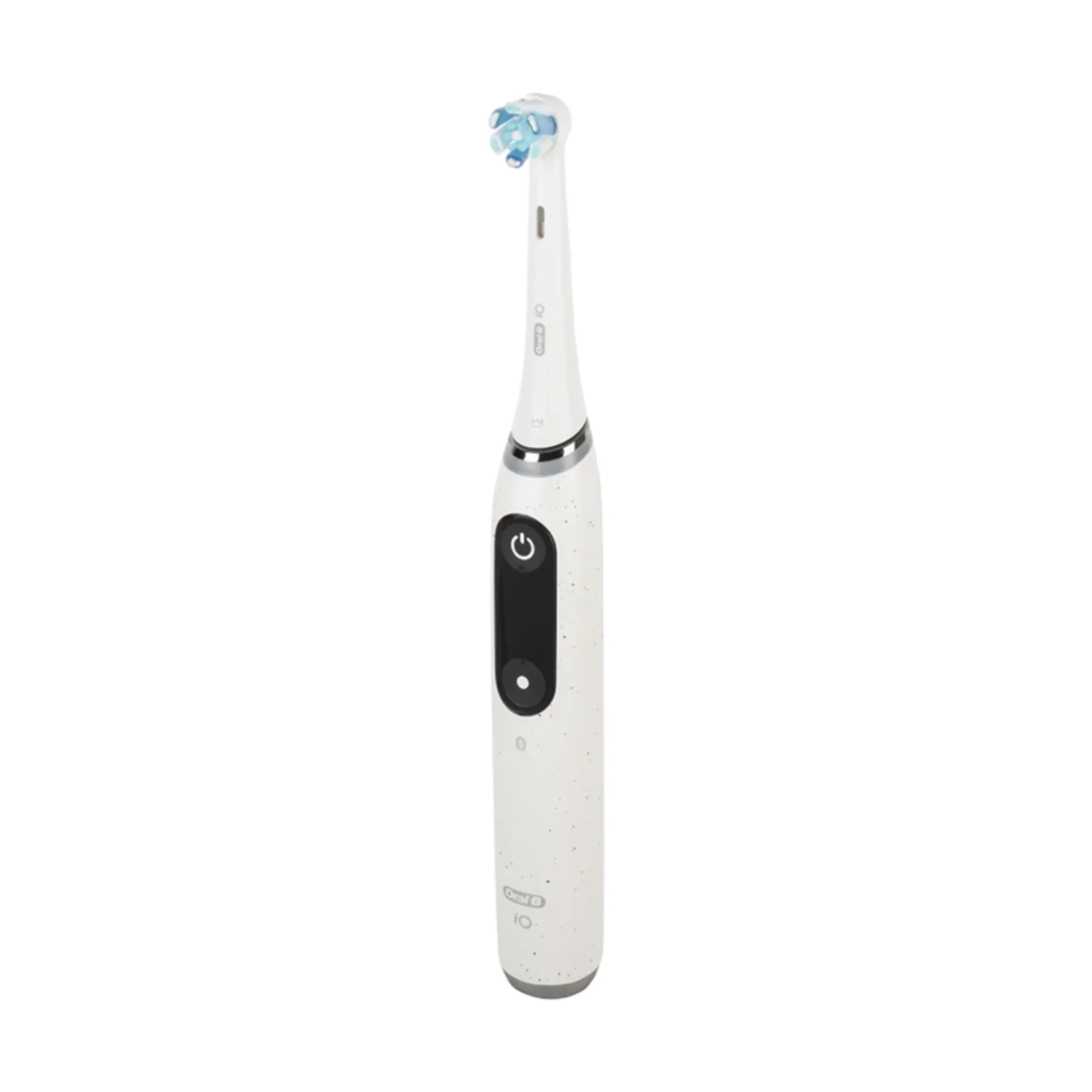
Then, brush. It’s also recommended to switch to an electric toothbrush as it removes more plaque, especially along the gumline. A non-obligatory switch, of course, but with the many great options in the market—especially the Oral-B iO Series 10—you’ll realize it’s better to work smarter than harder.
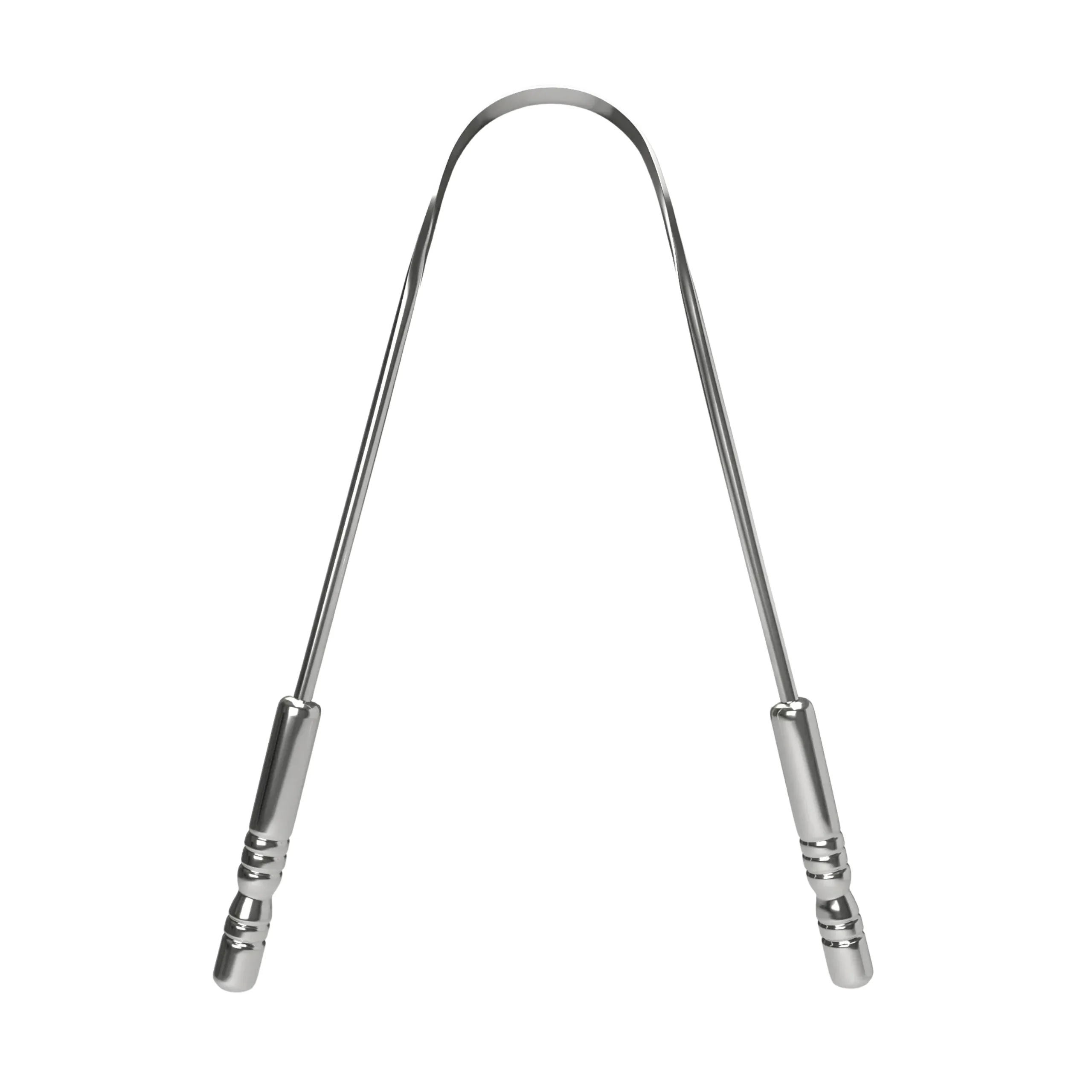
Lastly, end with a tongue scraper. It clears out lingering bacteria that lead to bad breath and inflammation. A beginner-friendly pick is the Mastermedi scraper. It’s best to cover all the bases.
Photos: MEGA ARCHIVES, WATERPIK, ORAL-B, MASTERMEDI
Recommended Video
Latest Posts




Latest Issue