The Philippines felt familiar to photographer Szilveszter Makó, even though he’d never set foot in the country. He had seen it through the landscapes of a painter whose name he didn’t know, but whose work had already given him a sense of the place. It was a curious connection that resurfaced during preparations for Olivia Rodrigo’s September 2026 cover for Vogue Philippines. When the creative team introduced him to the works of Filipino artists, Makó recognized the painter he’d been thinking of: Fernando Amorsolo.
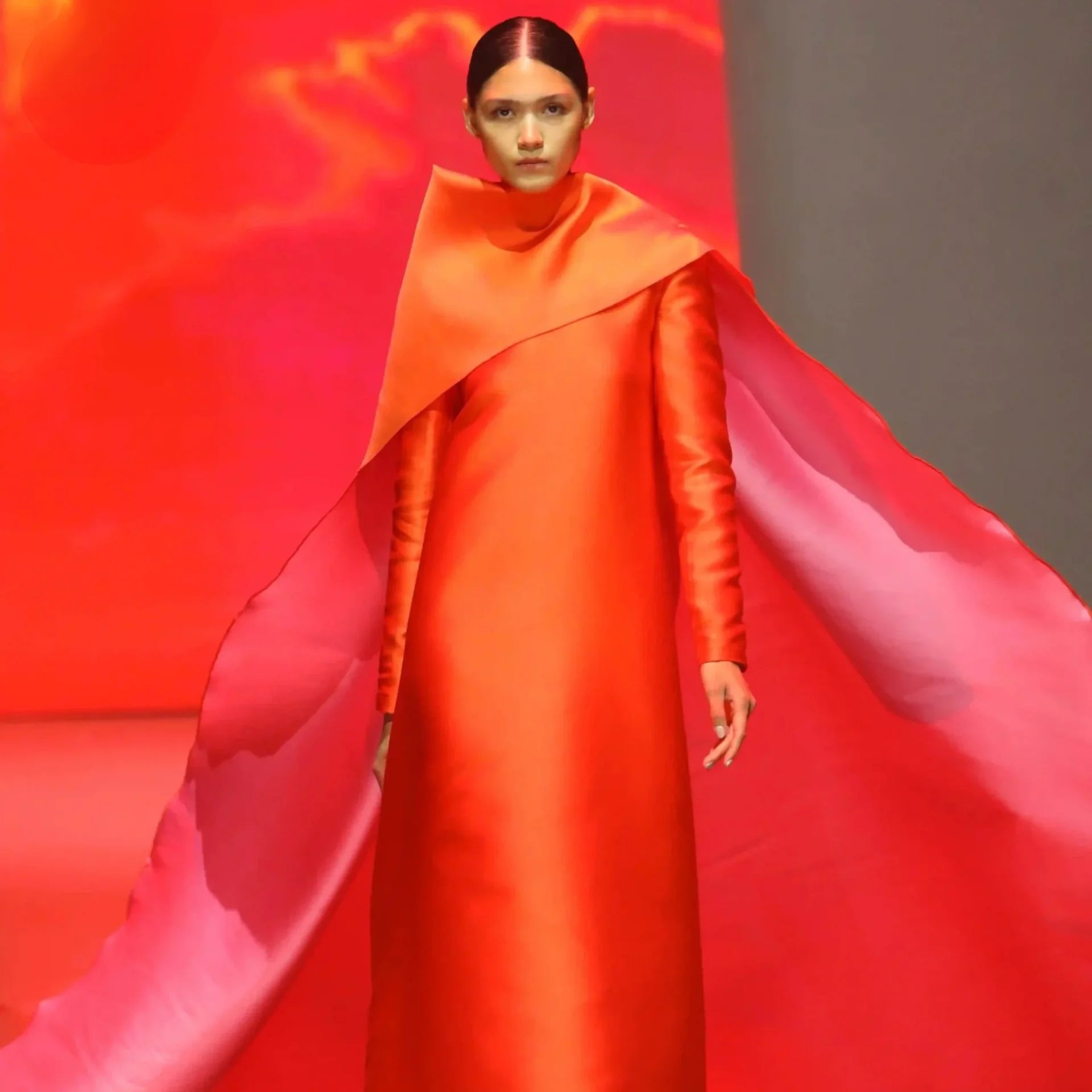
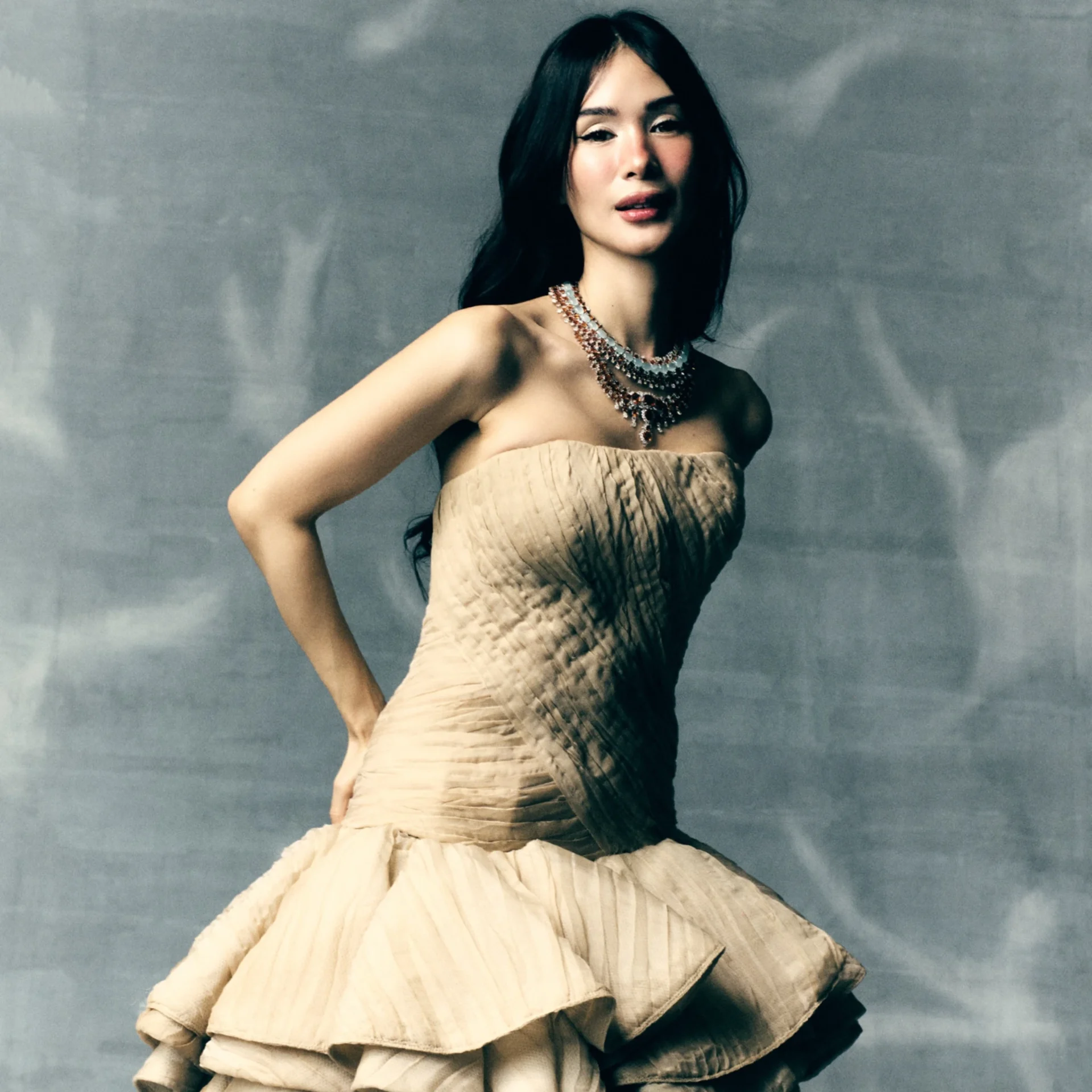
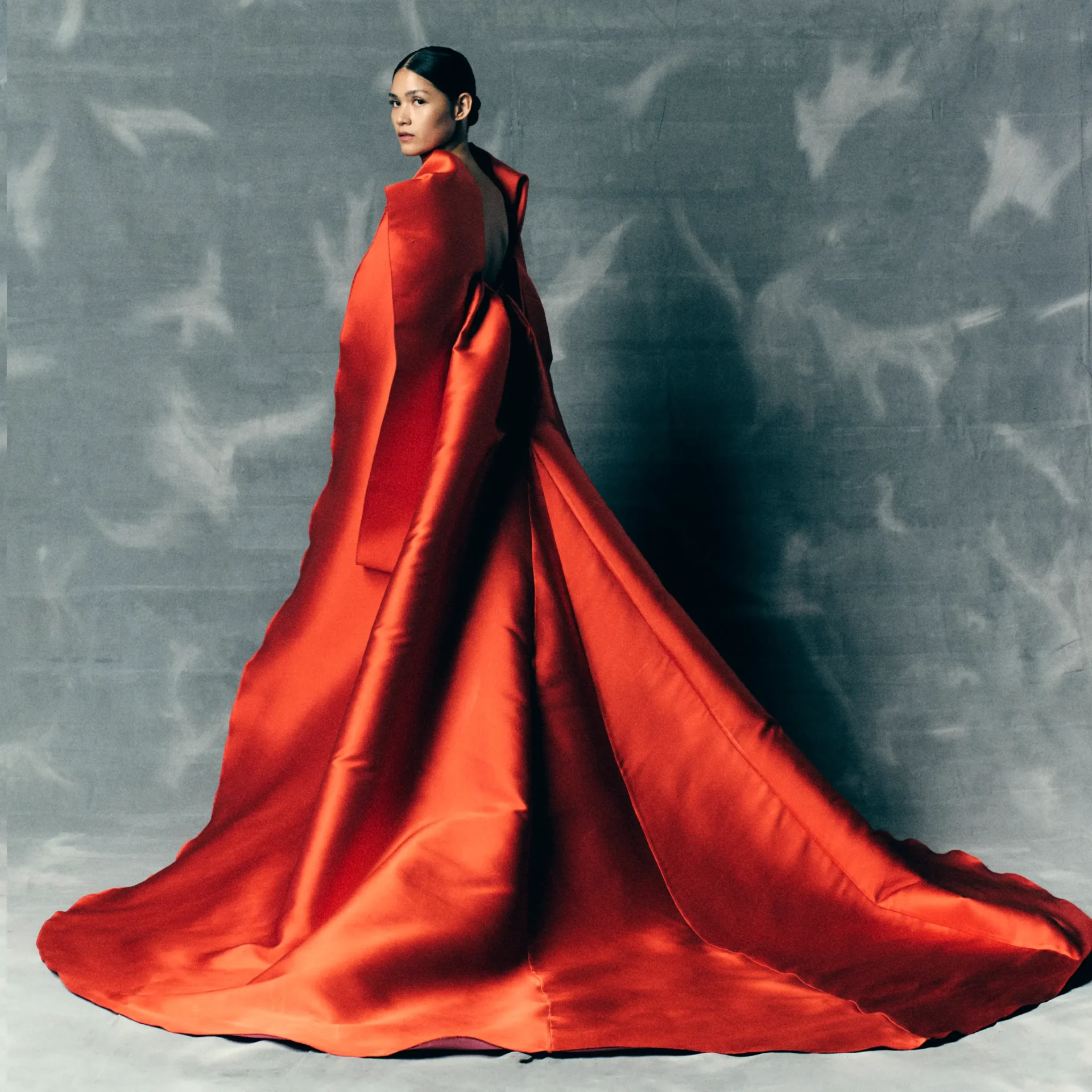
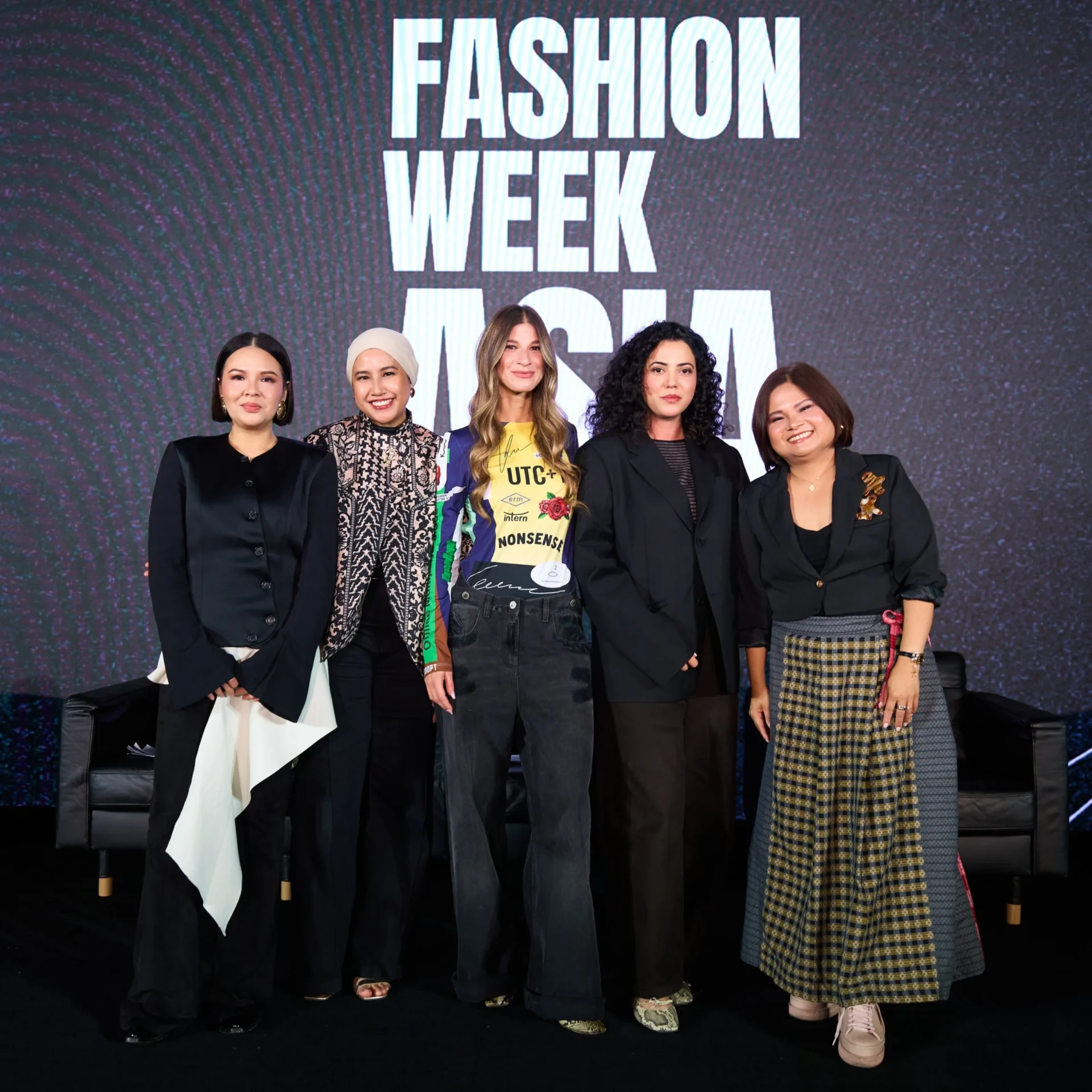
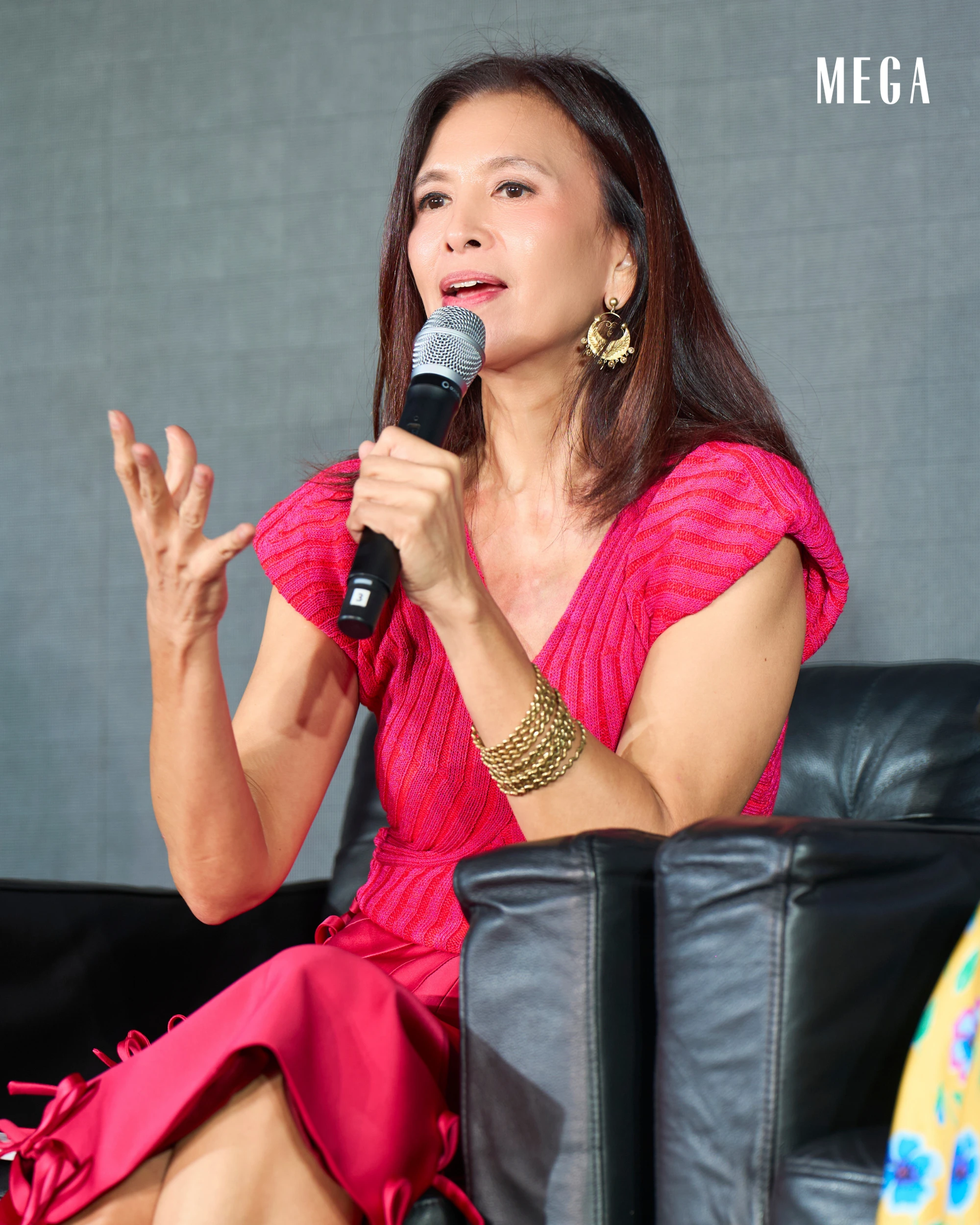
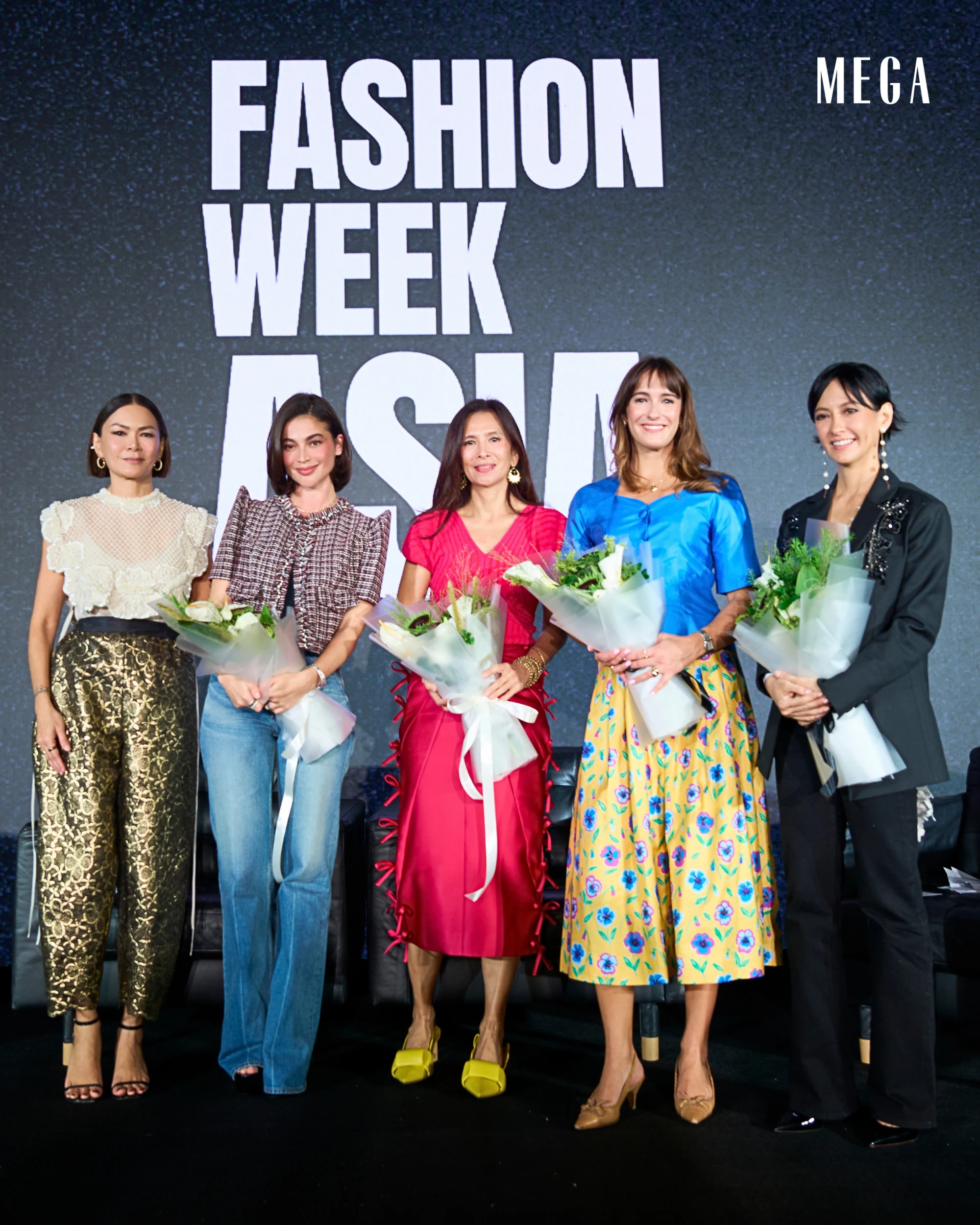
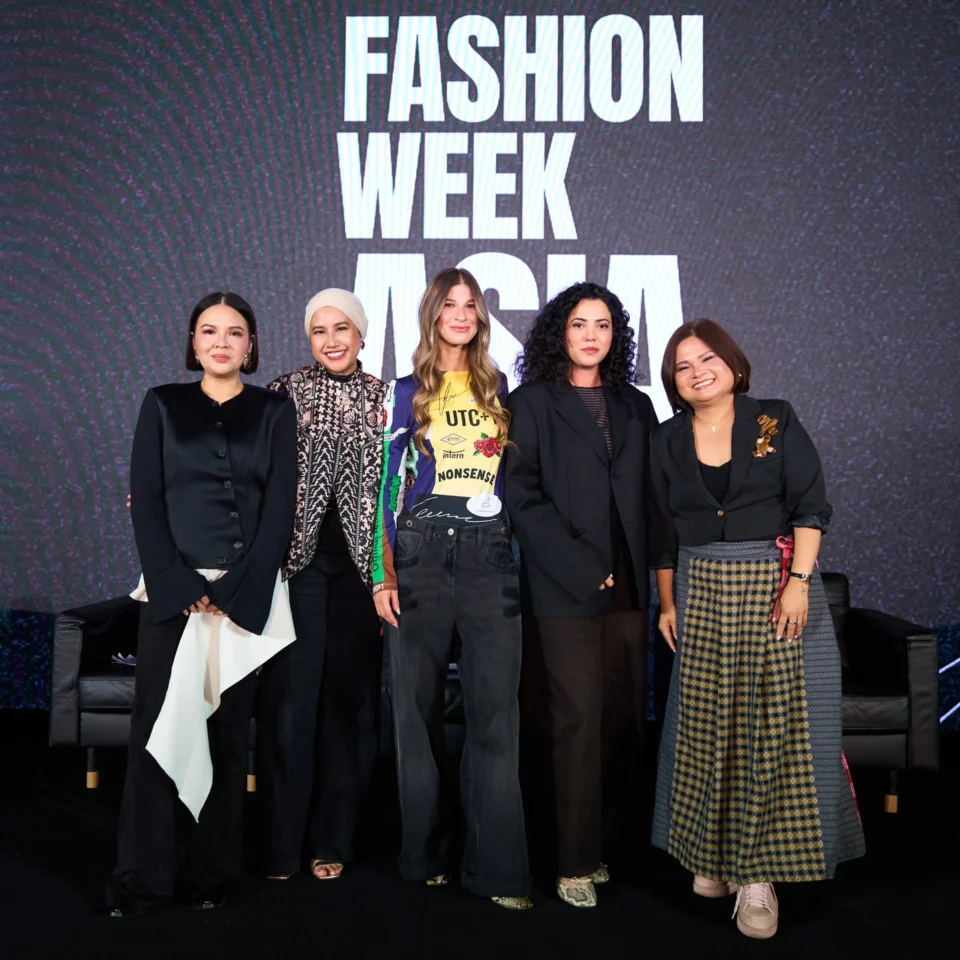
Trickie Lopa, Editor-in-Chief of Vogue Philippines, recalled the encounter during Fashion as a Voice, the fifth and final discussion of the Fashion Forward Asia Forum at Fashion Week Asia 2026. Held at the Marriott Hotel in Newport World Resorts, the session explored how fashion communicates cultural identity and introduces Asian creative perspectives to the wider world.
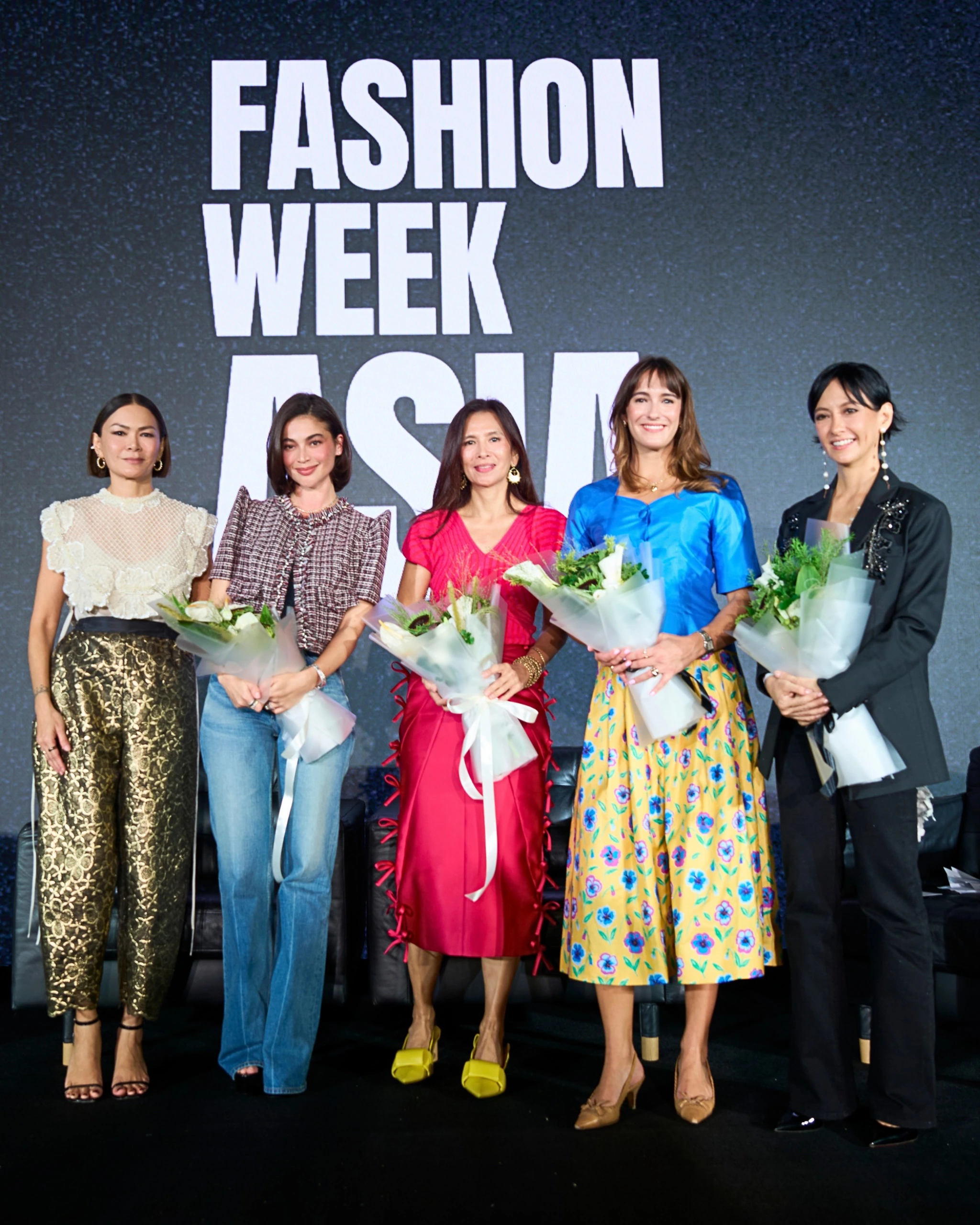
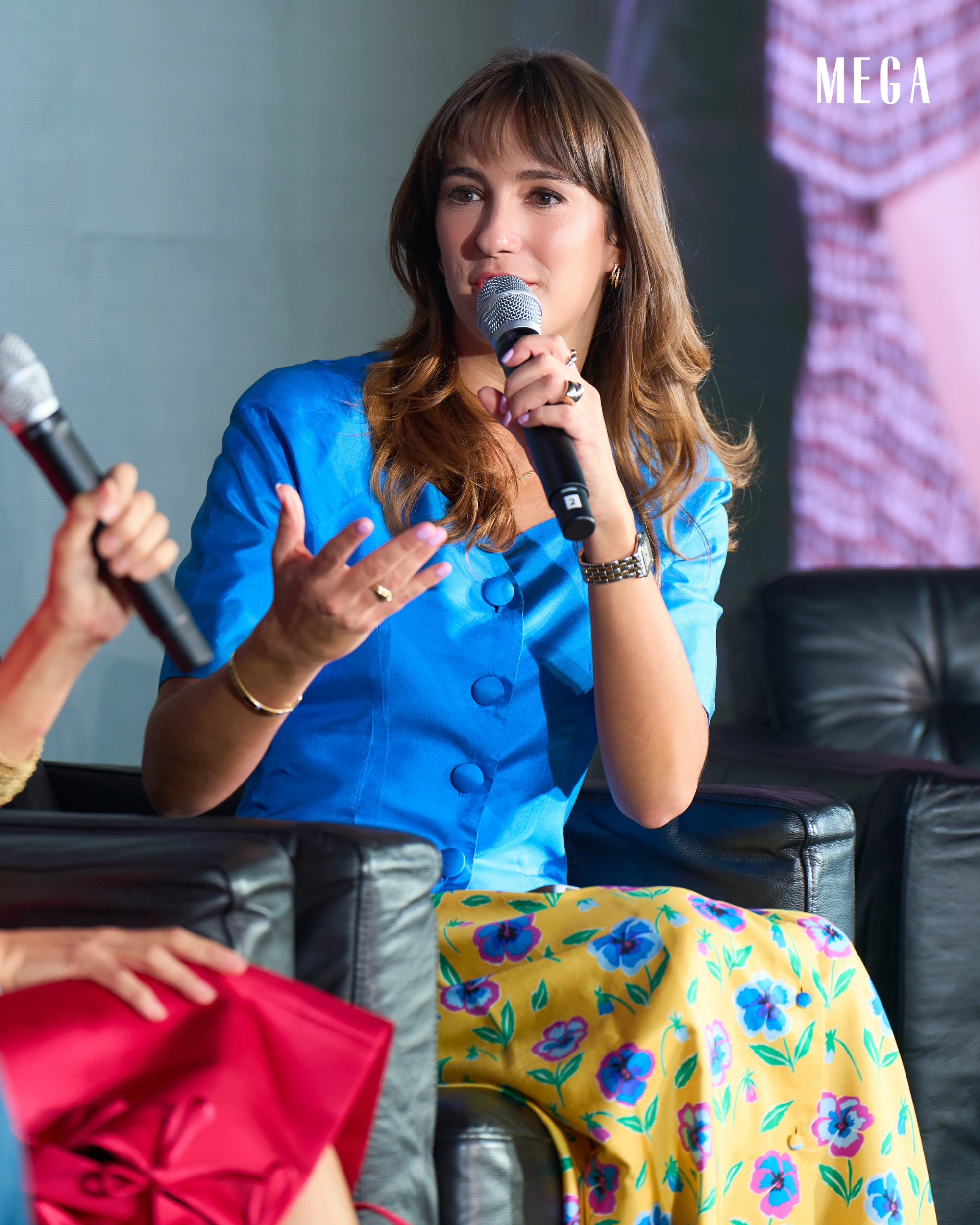
Moderated by Bea Valdes, Head of Creative Content for Vogue Philippines, GQ Philippines, and Allure Philippines, the panel also featured Annabel Bolton, Client Strategist at The Business of Fashion, and actress and television host Anne Curtis.
Give People a Reason to Remember
RELATED: Turning Fashion Into a Business Means Knowing What You (and Your Audience) Want
With so many brands competing for attention, making a lasting impression has become increasingly challenging. Citing The State of Fashion 2025, the annual report by The Business of Fashion and McKinsey & Company, Bolton shared that 80 percent of Gen Z consumers feel overwhelmed by their exposure to brands, while 74 percent of customers have abandoned an online purchase because of too many choices.
“The shopping journey for them is very fragmented,” Bolton explained. Consumers might discover a label through an AI recommendation, research it on Instagram or TikTok, and eventually make their purchase through the brand’s website. Another Business of Fashion survey conducted in the United States and China identified emotional connection as the leading purchase driver among luxuryLuxuryrefers to a state of exceptional comfort, elegance, and quality, often characterized by premium craftsmanship, exclusivity, and superior experiences.Go to Luxury Glossary consumers. “That’s ahead of heritage, that’s ahead of craftsmanship, and status as well,” Bolton noted.
For Lopa, memorable fashion photography begins with a compelling idea. “What makes an image memorable is when there’s a compelling idea behind it. Does it strike a chord at that moment? When it has a point of view, when there’s imagination behind it, and when it tells a story that goes beyond the clothes,” she explained.
Know Who You’re Speaking To
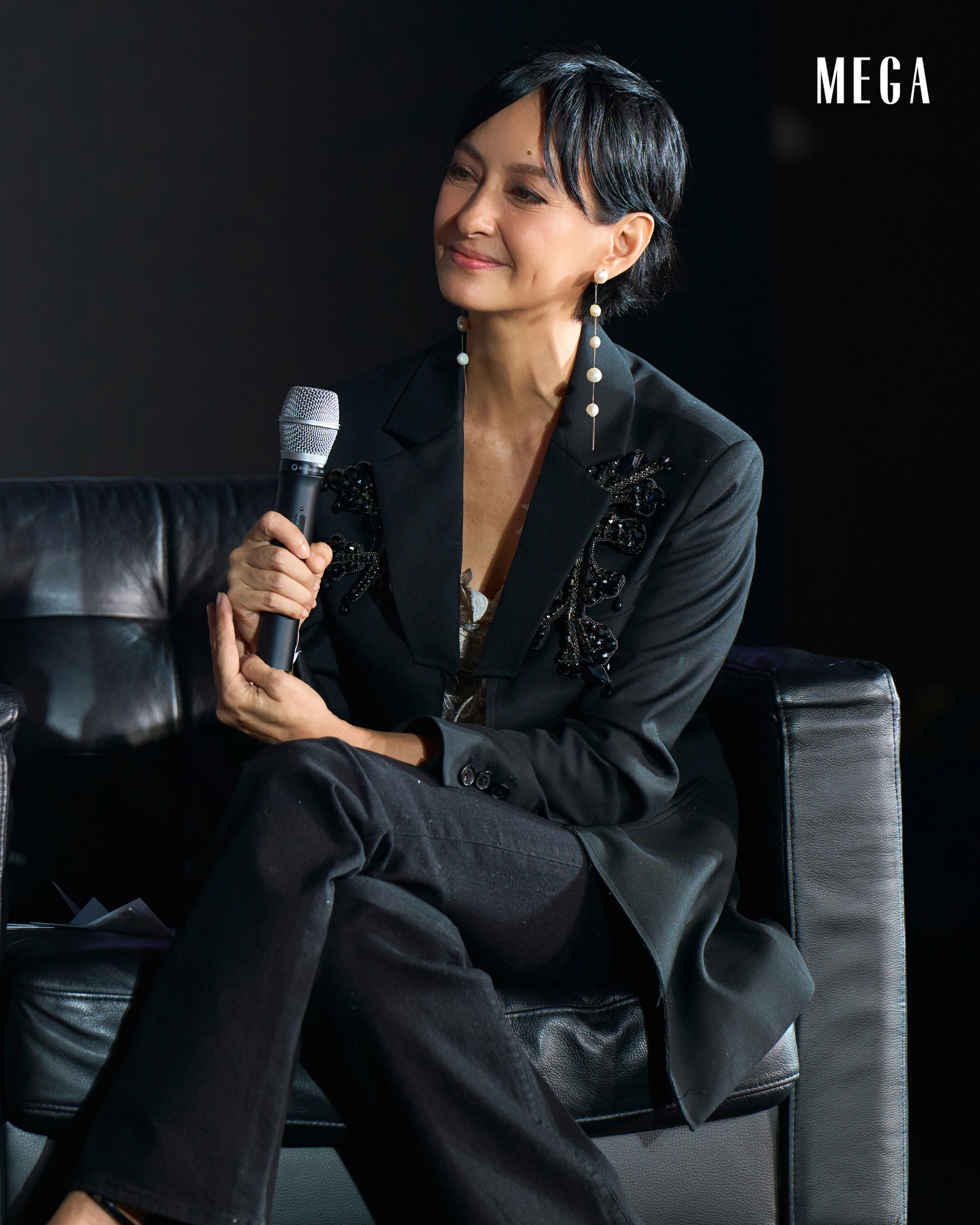
After years in entertainment, Anne Curtis understands how quickly an image can travel and how important authenticity is to her relationship with her audience: “I think it’s great that virality can get the attention, but I think it’s authenticity which will keep your connection with your following. So I think it’s important that whatever you put out there, they see who you are. And if it really speaks to them emotionally, you’re telling your story, they can resonate with you.”
At Vogue Philippines, Lopa recalled a question that Valdes regularly asks when developing an editorial: Who is that story for? “You should know who that story is for. Maybe different platforms speak to different people, but the essence of the story has to stay the same,” she said.
The question becomes particularly relevant when international fashion houses engage with Asian consumers. “Asia is not one place,” Lopa emphasized. “Asia is a set of different cultures, different traditions, different creative communities, and different ways of thinking. So you can’t lump all of us into Asia.”
Lopa recalled the pride she felt upon seeing Filipino tennis player Alex Eala dressed in Chanel during Paris Fashion Week. “For me, coming from Paris Fashion Week and seeing her in Chanel made me so proud. I mean, Chanel spoke to me. You feel like you’re being seen and you’re being recognized. And I think that’s something that makes you connect to a brand more.”
Let Designers Tell Their Own Stories

Curtis has also found an avenue for showcasing Filipino fashion through the characters she portrays, particularly in the Philippine adaptation of It’s Okay to Not Be Okay. For the series, she personally approached local designers to create garments for her role. “I made the extra effort of contacting designers from the Philippines,” she explained. “And I made sure that for all of my major scenes, I was able to give them an opportunity to tell their fashion stories through the clothes that I would be wearing on the show.”
The original Korean series was known for its female lead’s extravagant wardrobe, which helped establish the character’s personality. Curtis wanted the clothing in the local adaptation to communicate just as much about the woman she was portraying. She shared the circumstances behind particular scenes so that her collaborators could consider what the character might wear. Their interpretations helped define the character’s appearance on screen.
Her appreciation for regional labels extends to those she encounters while traveling. Curtis often asks friends in entertainment to recommend designers from their respective countries and has already explored names from Thailand and China. Vietnam is among the places whose talent she’d like to discover next: “I think it’s all about working with them, collaborating with them, and letting them tell their stories, and basically using me as a blank canvas to tell their stories through fashion.”
Find New Ways to Wear Your Heritage
Lopa also spoke about Filipino communities abroad, including younger generations whose families left the country decades ago. “You have children and grandchildren of migrant workers 20-30 years ago who have grown up not in the Philippines, but identify so strongly with being Filipino, and they’re so curious to know about our heritage, about our traditions,” she noted.
During the discussion, Valdes raised another consideration: “Do you think fashion has the power to shape culture?”
Reflecting on her childhood, Lopa described how her relationship with the ternoTernoA Filipiniana gown recognized by its raised butterfly sleeves and matching skirt, and a symbol of Philippine national dress. Popular since the 20th century, the terno has been reimagined byGo to Terno Glossary had evolved. “When I was growing up, I used to think of the terno belonging to a politician’s wife, or like my Lola, right? I never thought that it would be so commonplace that we would all wear it.”
Today, its distinctive butterfly sleeves appear on dresses and separates. Filipino designers have introduced younger generations to the garment’s versatility, making it part of their personal wardrobes. “We could wear it casual, we could wear it dressy,” Lopa continued. “The ternoTernoA Filipiniana gown recognized by its raised butterfly sleeves and matching skirt, and a symbol of Philippine national dress. Popular since the 20th century, the terno has been reimagined byGo to Terno Glossary is like who we are, and it’s so great when we get to wear it at any occasion.”
Don’t Lose the Human Touch
The craftsmanship behind such garments also raised questions about human creativity as artificial intelligence becomes more common in fashion. “I mean, everything relies on human creativity,” Lopa responded when asked about its future. “AI is there to maybe make our lives a little easier. It’s not going to go away. We just have to learn how to work with it.”
Curtis expressed concern about its implications for employment and future generations. Bolton, meanwhile, pointed to a renewed appreciation for craftsmanship, citing a British brand’s recent campaign featuring stained-glass artists.
“I think we’re going to see more and more of that at the same time as this kind of countercultural movement against this rapidly evolving technology,” Bolton said.
Lopa pointed to fashion houses investing in the artisans behind their products. “There’s value in the human hand,” she emphasized. “The fact that they’re investing efforts and prize money into making sure that crafts are better or are seen in more imaginative ways just goes to show that everybody recognizes that you can’t replace the human touch.”
Asia Has Always Had Something to Say
After five days of Fashion Week Asia, Lopa considered the collections she’d encountered from neighboring countries, including Indonesia, Malaysia, and Vietnam.
“You don’t realize that there’s so much more to discover with our near neighbors, right?” she reflected. “And I think maybe the world will discover there’s so much to discover in our part of the world. And we’re not out to impress the rest. We’re not out to do that, but we will be looked at as interesting in our own right.”
Curtis shares that enthusiasm, seeing the region’s expanding international presence alongside the success of Asian music, television, and film. “I definitely think it is a very, very exciting time. And I also believe that Asia has always had something to say, but now the world is finally listening.”
Photos courtesy of FASHION WEEK ASIA. Photographed by BRYAN BACTAD.
Recommended Video
Latest Posts
Latest Issue