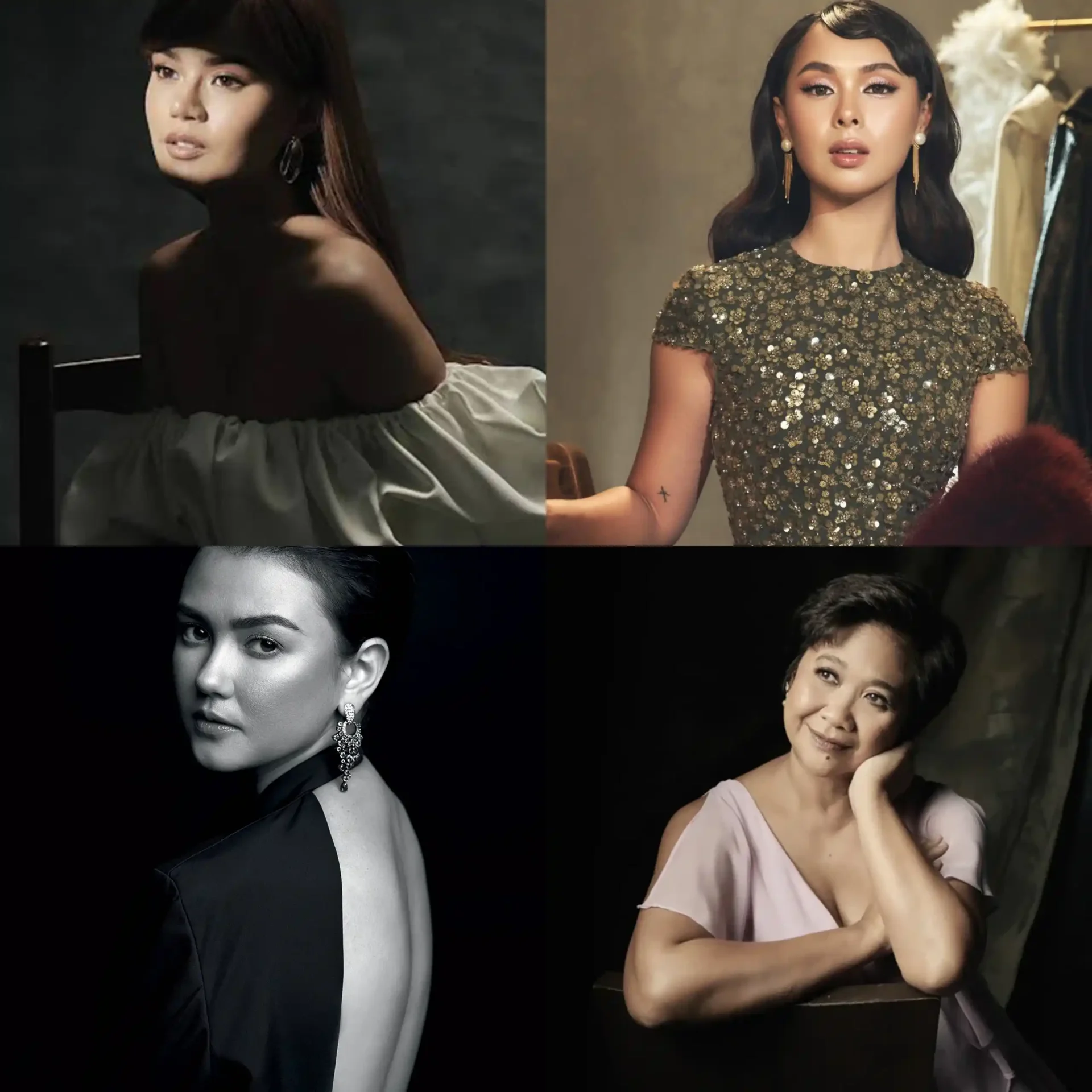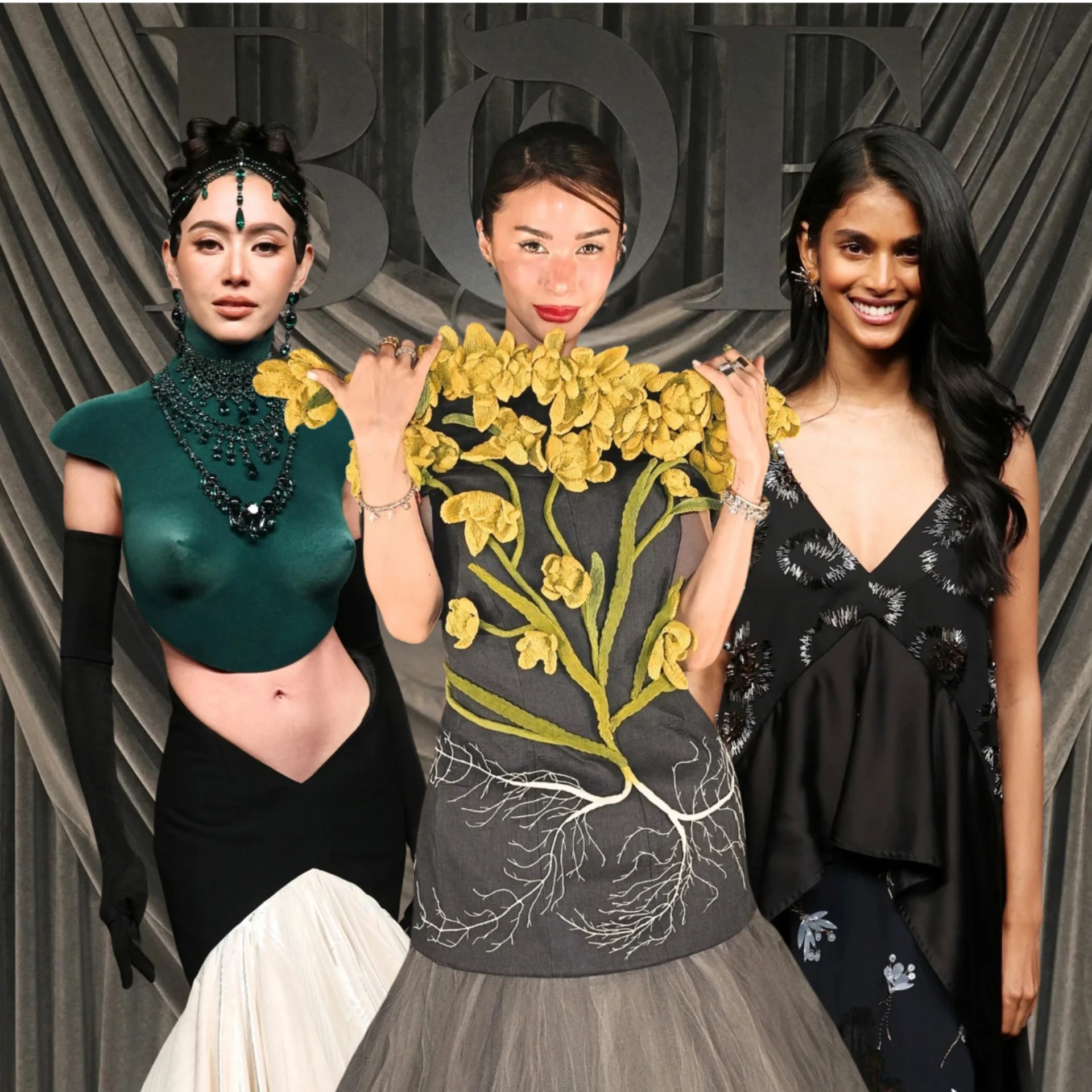




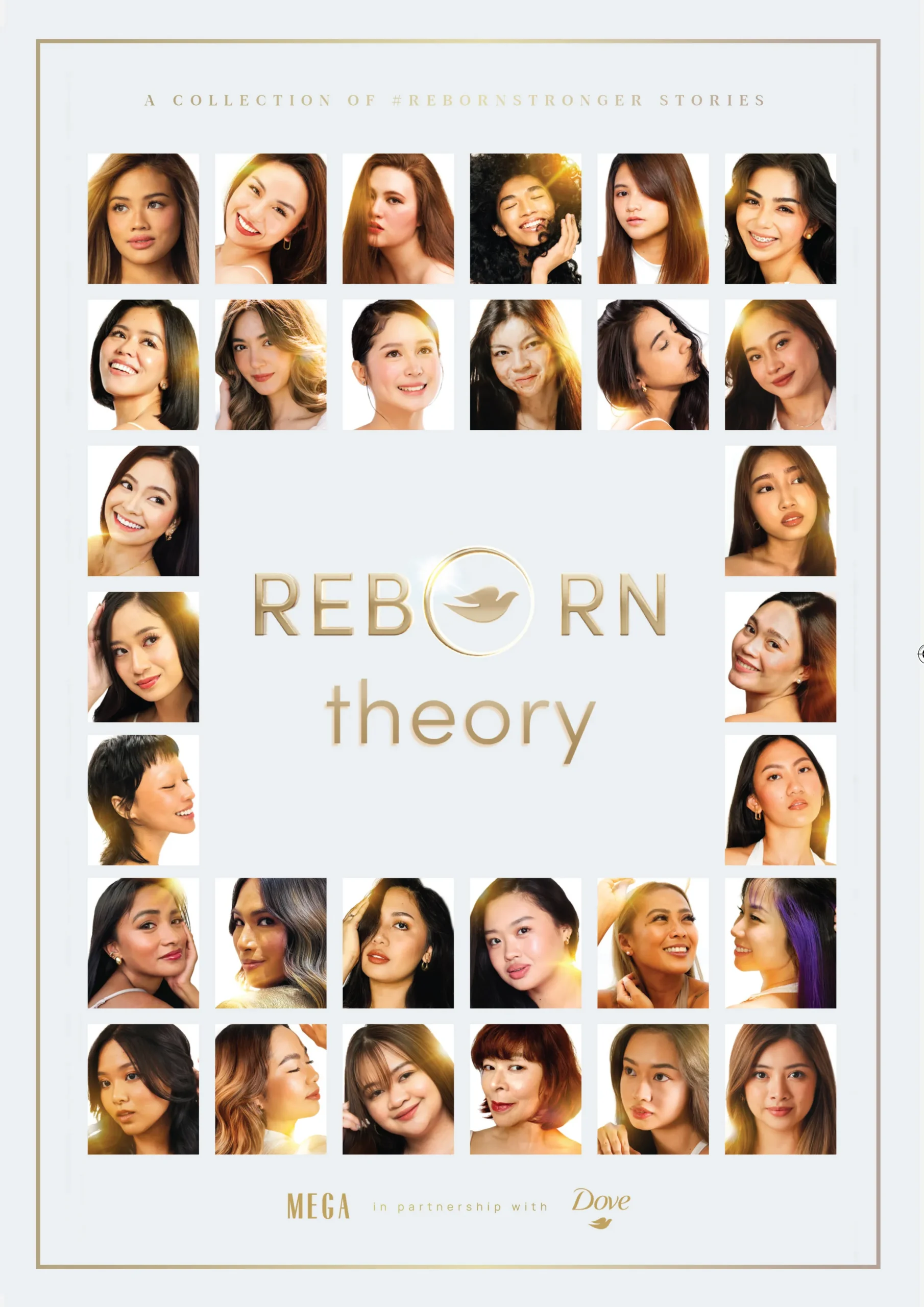
What if every powerful comeback began with a definitive hair moment? This is the heart of the Reborn Theory—the belief that tying it back before a challenge, cutting it short after heartbreak, or letting it fall free after a season of doubt can mark the start of becoming.
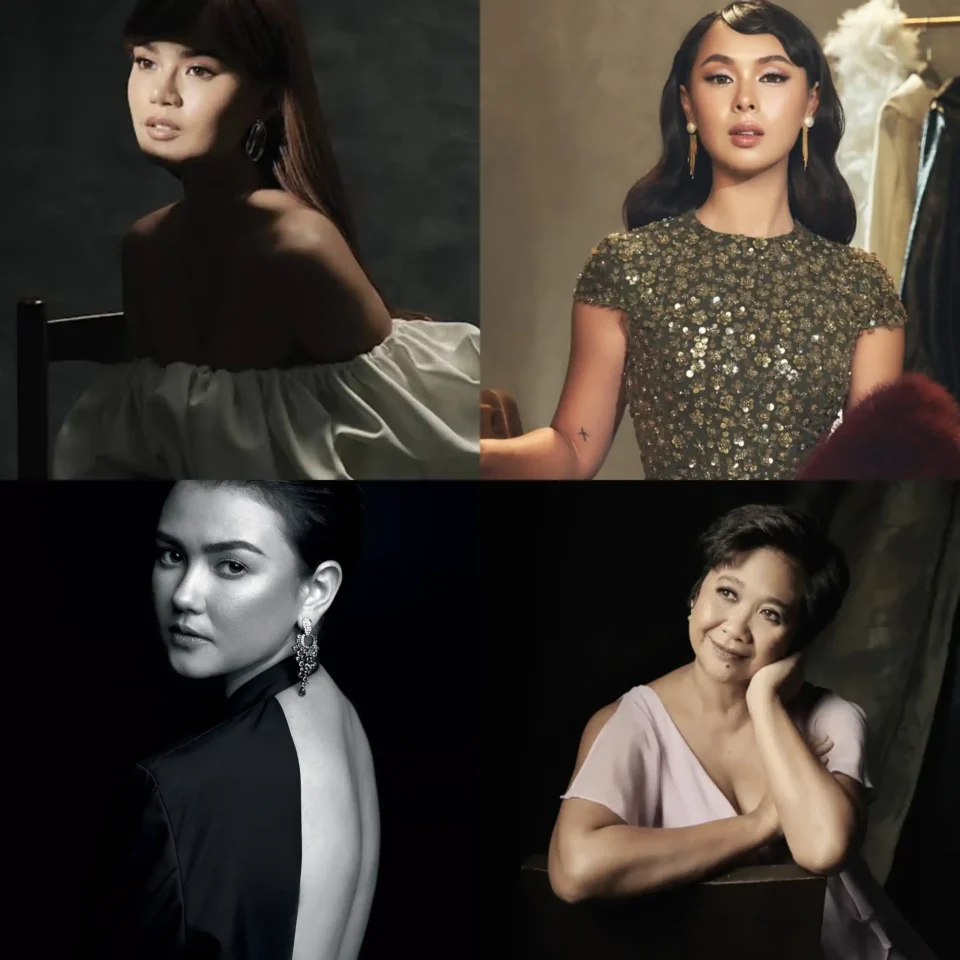
This October, MEGA and Dove unveil a special edition mini-magazine—Reborn Theory—featuring fifty women who dared to tell their stories of reinvention. Together, their voices prove one thing: every transformation begins with one’s hair.

Mothers Who Multiply Strength
Motherhood, sometimes seen as an ending, became the opposite for women like Kee Jacinto. “I want to show that motherhood is not the death of dreams, but the fire that multiplies them,” she says. For Kee, caring for her hair became a quiet declaration of strength, a way to signal both to herself and her son that she was stepping fully into her power.

Creators and Storytellers
For many, reinvention came from finding the courage to be seen as they are. Selina De Andres recalls years of hiding behind a long, messy bun before finally walking into a salon and choosing a sharp butterfly cut. “It was like the haircut was the physical manifestation of my internal rebirth,” she admits. “I was no longer just surviving, I was thriving.”



For content creator Crisha Uy, rebirth meant redefining herself after heartbreak. “I thought I had lost myself,” she says. “But in caring for my hair again, I was also caring for the woman I was becoming.” In every fresh style, she found the courage to step back into the spotlight on her own terms.
Janny Miranda found the same power in transformation. Once drained by manipulation, she chose herself, altering her hair as a visual reinvention. “It was about coming home to myself—stronger, bolder, and more certain of who I am,” she reflects.
The Young and Hopeful
For women on the cusp of adulthood, rebirth often meant learning to choose for themselves, even when the world expected otherwise. “Sometimes the bravest thing you can do is choose differently,” says Lyra Sophia Tan, who cut her long hair short as a declaration of trust in her own vision. For her, the haircut was not just style—it was proof that growth begins the moment you step into discomfort.


KC Ele echoes this sentiment. After facing public scrutiny that nearly broke her, she cut her hair short, too. “My long hair was basically my identity, but cutting it off felt like permission to start again,” she shares. “It wasn’t just style, it was a declaration: this is my clean slate.”
Women Healing, Women Rising
Others found their turning point in healing. After long seasons of stress that left her hair thinning, Frances Colleen cut hers short and donated it. “At that moment, my hair became a symbol of restarting and embracing a new beginning,” she says.

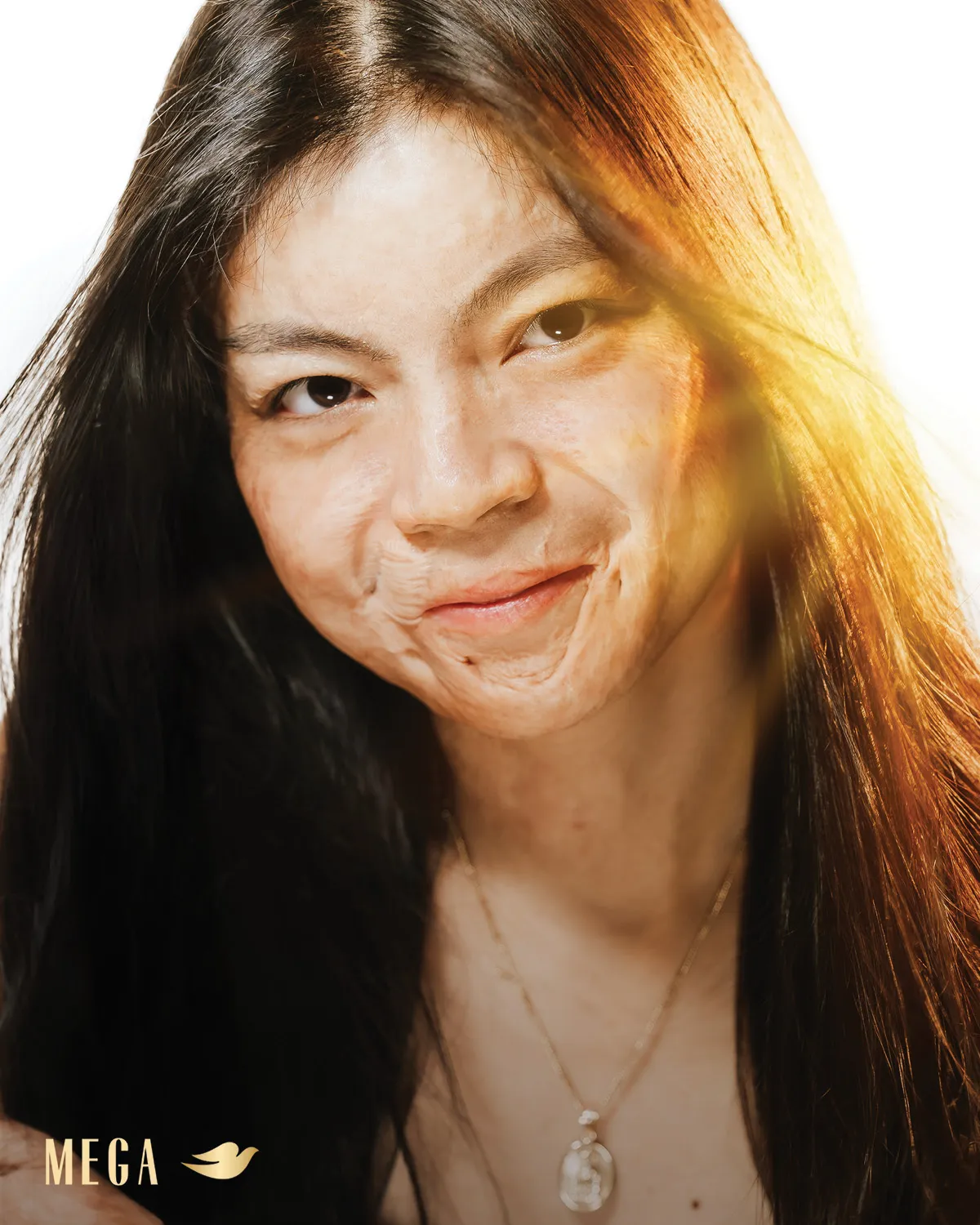

For Larra Lassam, that renewal was about release. “I let go of the old versions of me I was holding on to,” she shares. “My hair became a reminder that I could embrace change instead of fearing it.”
And for model Saint Yves, hair became art and identity entwined. “My hair became my rebellion,” they state. “It’s a reminder that I never have to shrink just to be seen.”
A Common Thread
Though their paths differ—whether as young dreamers, mothers, creators, women healing, or transwomen claiming space—one thread binds them together: the courage to begin again.

“Every time I get a haircut or change my hair color, it’s like telling myself, ‘This is a new chapter,’” says Anne Pascual, whose own journey taught her that boundaries and self-love are not selfish but necessary.
Reborn Theory is more than a magazine—it is a mirror. Fifty stories, fifty women, each proving that transformation is not about erasing who you were, but embracing who you’re becoming.
Their journeys remind us that every strand tells a story. And somewhere in their pages, you may find your own #RebornStronger chapter waiting to be told.
Get familiar with the Reborn Theory on the website.
Photos and Featured Image: REBORN THEORY MINI-MAGAZINE

Recommended Video
Latest Posts


Latest Issue