



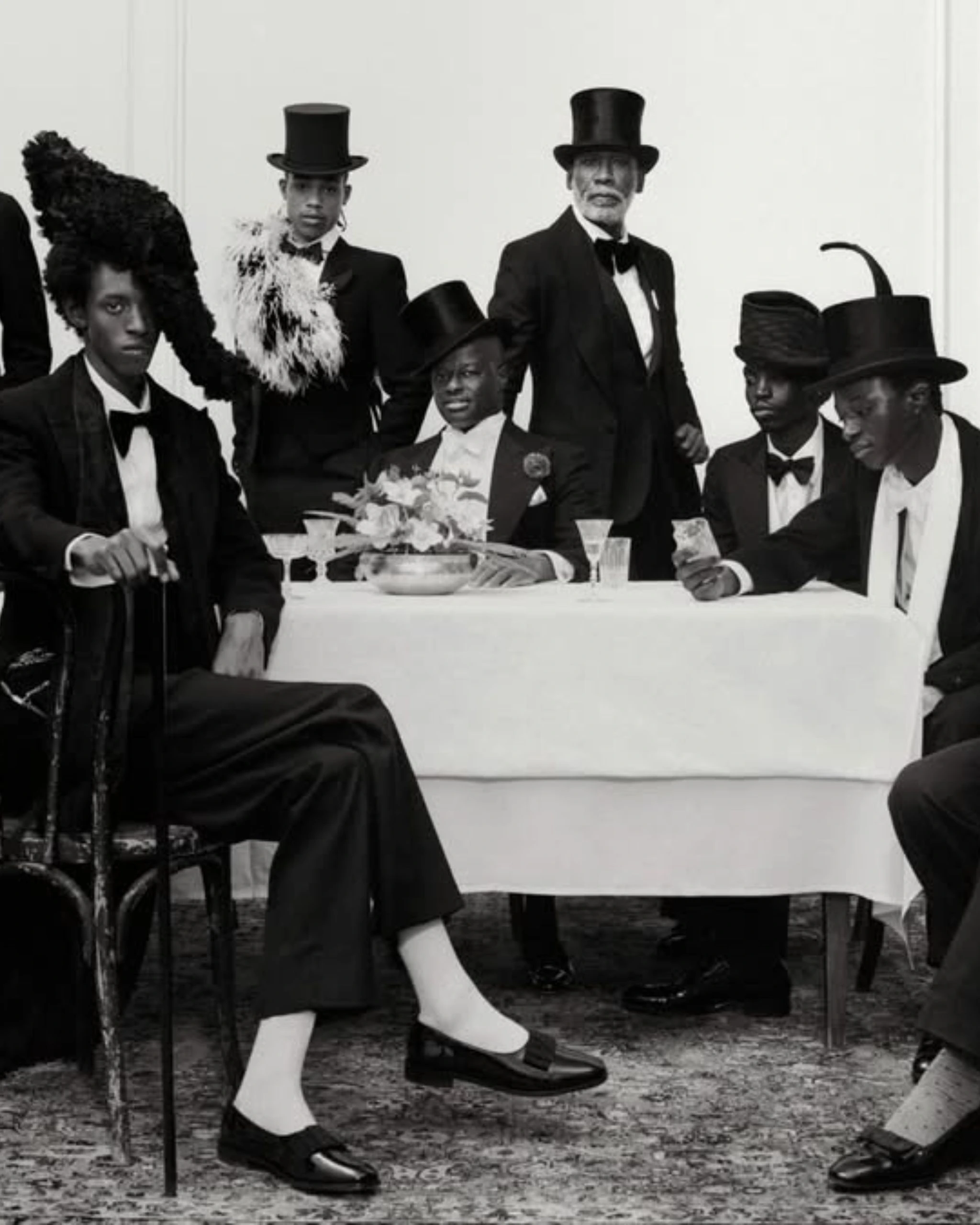
TailoringTailoringThe craft of cutting, shaping, and fitting garments, especially suits, jackets, and trousers, precisely to the body. Good tailoring relies on structure, proportion, and careful hand and machine work, andGo to Tailoring Glossary isn’t just a matter of measurements. It’s a matter of memory. Of centuries folded into cuffs, of revolutions tapered into lapels. This May, the MET Gala sharpens its focus on a special silhouette: the Black dandy. The Costume Institute’s 2025 exhibition, Superfine: Tailoring Black Style, invites guests—and by extension, the world—to the well-cut shoes of a history often overlooked. Black dandyism, the evening’s dress code, isn’t a trend to mimic or a costume to wear. It’s a cultural cipher, a coded language of pride, resilience, rebellion, and self-fashioning.
RELATED: Checked, Marked, and Miles Ahead: Louis Vuitton’s Mon Monogram Makes Travel Personal
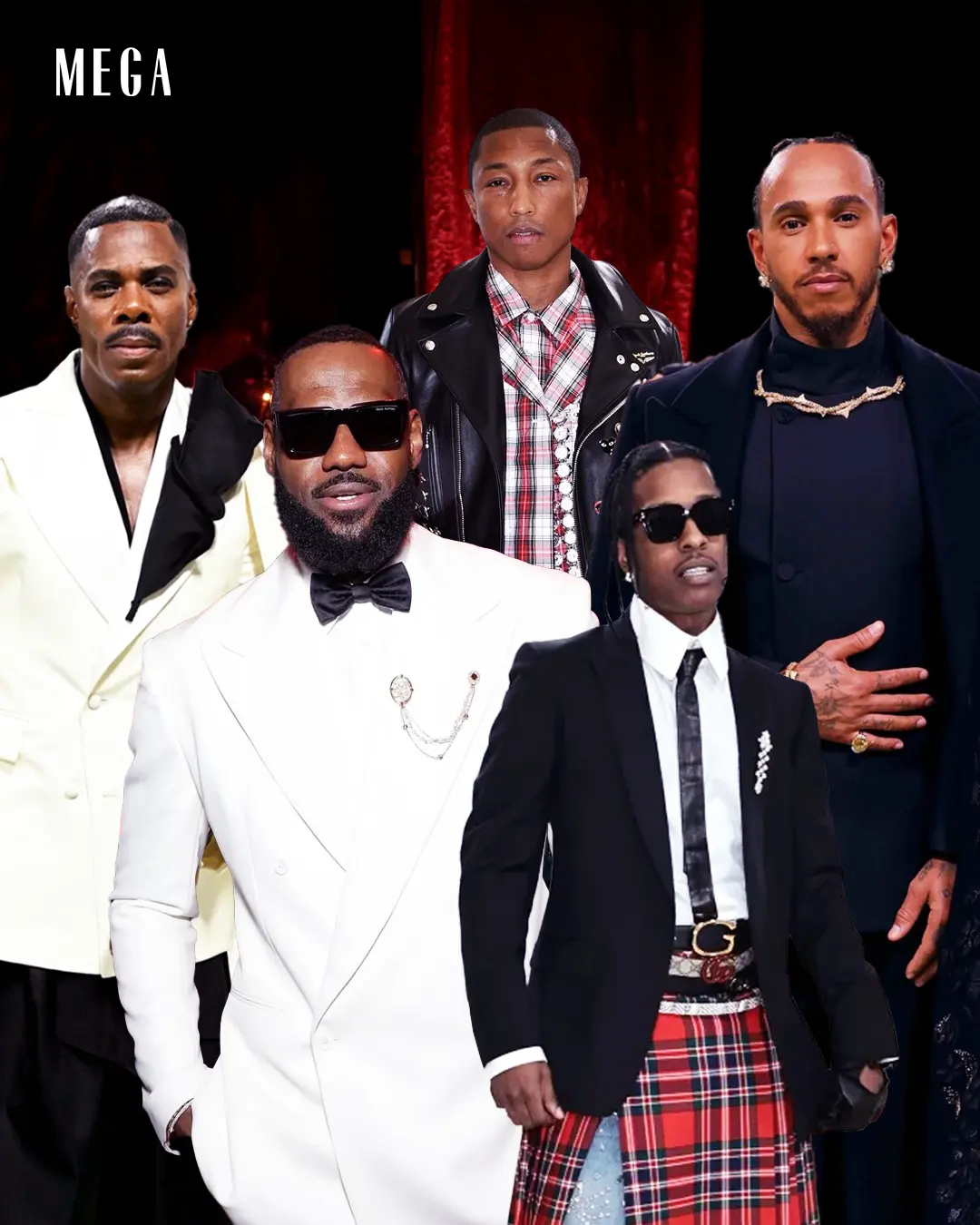
Alongside Anna Wintour and honorary chair LeBron James, A$AP Rocky, Colman Domingo, Lewis Hamilton, and Pharrell Williams will preside as co-chairs, a historic quartet that, for the first time, centers the Black male experience at the helm of fashion’s biggest night.
What Exactly is Black Dandyism?
In Enlightenment-era Europe, clothing became a battleground. Black individuals, whether enslaved or free, were dressed to signal their owners’ wealth and power. But through wit, posture, and an audacious reworking of the codes, these early dandies seized their own reflection from the mirror. Fine tailoring was no longer a collar around the neck, but an armor of self-possession.
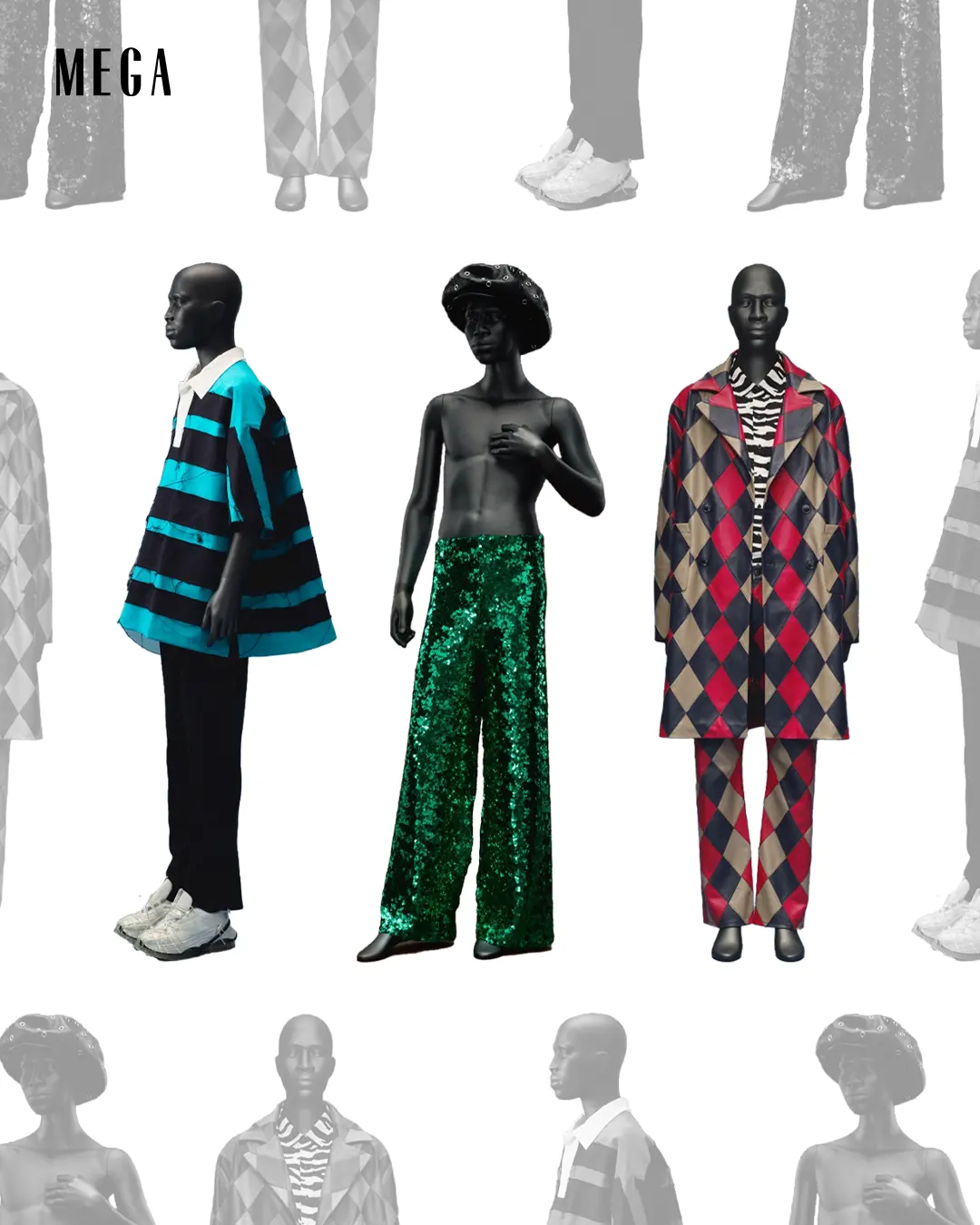
Black dandyism later traveled across oceans and generations, threading its way into Harlem ballrooms, London streets, New Orleans parades, and Parisian salons. Today, it lives in the sharp angles of a wide-brimmed hat, the exuberance of a double-breasted jacket, the calculated flourish of a silk pocket square. It carries the spirit of those who refused invisibility, who turned a three-piece suit into a three-act play of identity, defiance, and dreams.
How Should It Be Worn?
To wear Black dandyism is to wear intention. The tailoring must be sharp, but the attitude even sharper. Think bold textures, strong colors, and sharp details worn with confidence. A dandy reshapes tradition until it speaks in his own voice.
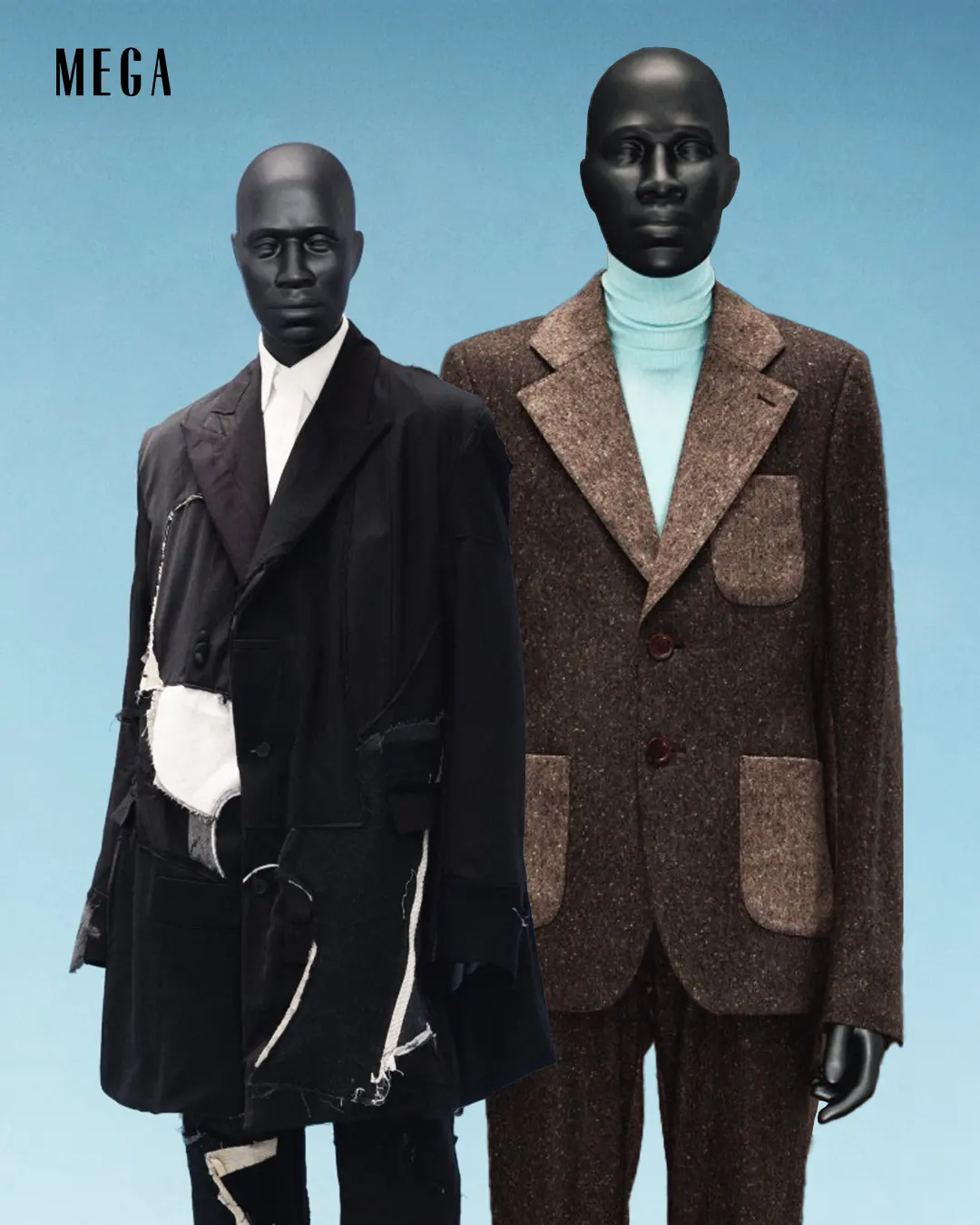
This year’s guests might seek the hands of designers who understand the rhythm beneath the fabric. Expect to see the likes of Telfar, Wales Bonner, Theophilio, Kenneth Nicholson, Martine Rose, and Bianca Saunders drape their visions across the MET’s grand steps. Brands that speak in dialects of diaspora, migration, protest, and triumph. Louis Vuitton’s presence as lead sponsor—under the creative direction of Pharrell—only deepens the resonance.
What Does Black Dandyism Embody?
It embodies the art of self-creation. It carries the bloodlines of Black Lives Matter chants and the defiance of a well-dressed man in a world that tried to shrink him. It is power posed as poise, struggle turned into strut. The tailoring may be immaculate, but the soul underneath is proudly, profoundly unruly.
In this light, the 2025 Met Gala is no masquerade. Who gets to wear history—and how? Black dandyism demands care, knowledge, reverence. To drape oneself in its codes without understanding their roots would be to miss the point entirely.
Can the World Wear It, Too?
In theory, elegance is universal. In practice, context is everything. Black dandyism is not a jacket to be shrugged on for the night; it is a narrative, a living archive of pain, wit, survival, and imagination. Those outside the culture who choose to step into this aesthetic must do so humbly, thoughtfully, and with respect for the people who lived it into existence.
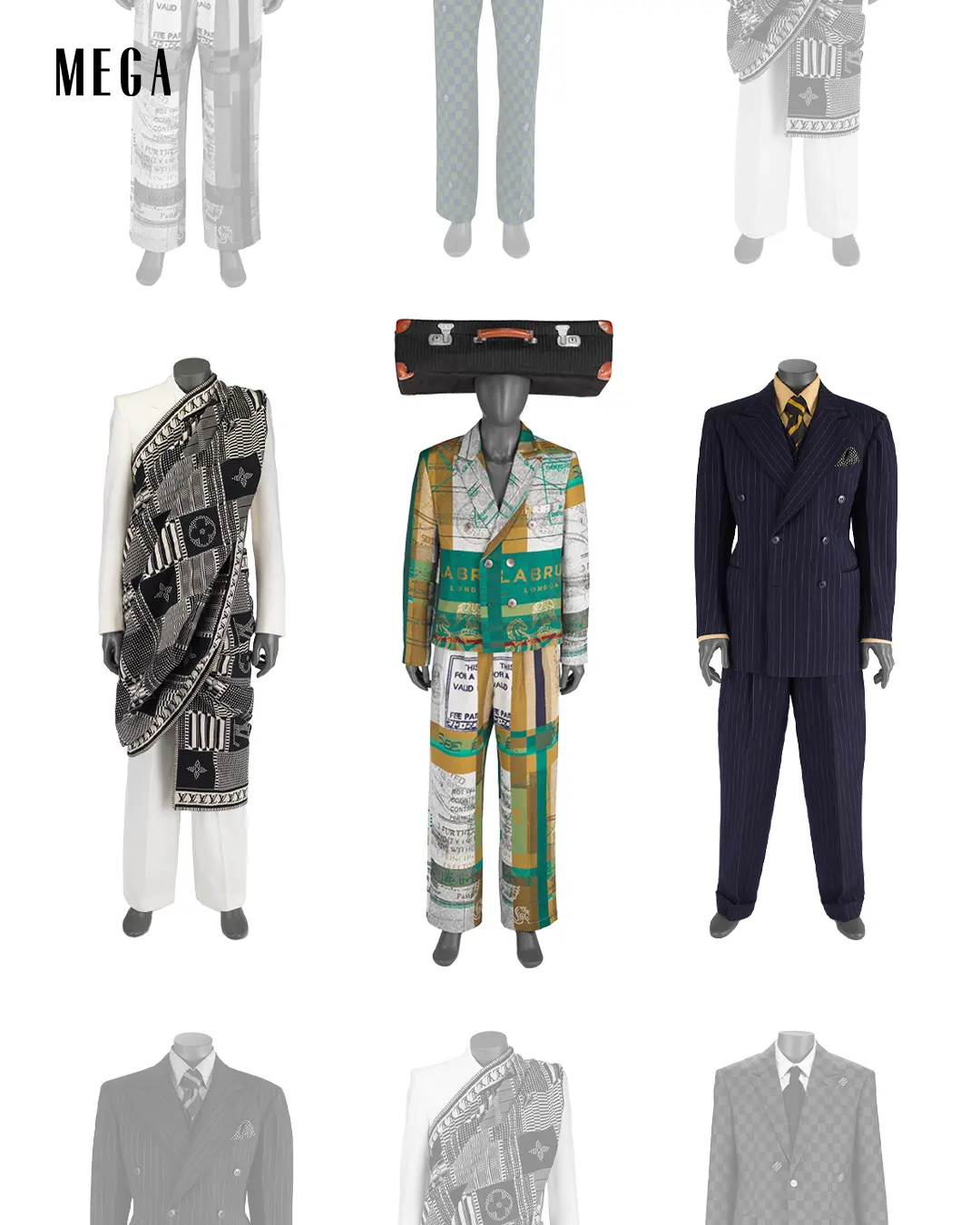
TailoringTailoringThe craft of cutting, shaping, and fitting garments, especially suits, jackets, and trousers, precisely to the body. Good tailoring relies on structure, proportion, and careful hand and machine work, andGo to Tailoring Glossary Black style cuts through sensitive history. Every crisp pleat, every daring embellishment, every knowing smirk will remind the world: fashion isn’t always sewn for decoration, but stitched for liberation.
Photos: THE METROPOLITAN MUSEUM OF ART (via Instagram and website); WHAT THE FROCK (via Reddit); LEWIS HAMILTON, COLMAN DOMINGO, and LEBRON JAMES (via Instagram)
Recommended Video
Latest Posts

Latest Issue