



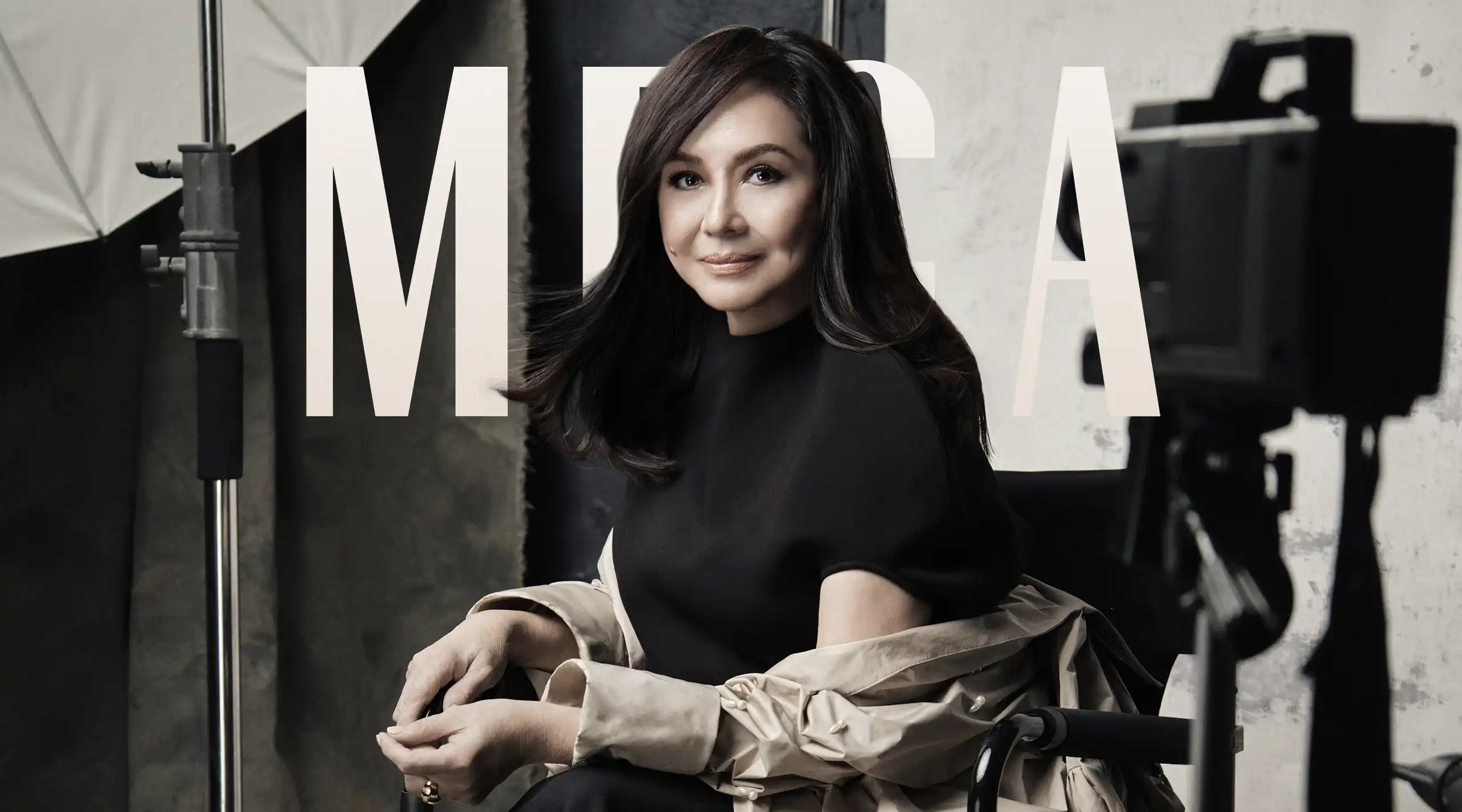
Charo Santos occupied one of the most unusual positions in Philippine culture: part actress, part executive, part storyteller, part witness. Yet none of those titles fully explain why generations continue to approach her as though meeting someone familiar. Perhaps, it has something to do with the 31 years audiences welcomed her into their homes on Saturday nights.
RELATED: Actually, Filipinos Can Succeed in Pageants Without Having to Pull the Race Card
At its heart, Maalaala Mo Kaya (MMK) was never merely an anthology series. It functioned almost as the country’s emotional ledger, recording joys, griefs, regrets, ambitions, estrangements, departures, reconciliations, and the stubborn resilience that often emerges when people have little else left. A child abandoned. An OFW aching across oceans. A family held together by sacrifice and silence. A Filipino surviving impossible circumstances. Santos read them all.
“When I did Maalaala Mo Kaya, it was really more than storytelling for me,” she says. In her own words, MMK “mirrored the soul and psyche of the Filipino people.” She continues, “I became a witness to the lives of Filipinos.”
Witness is an interesting word here. It suggests proximity without possession. To witness is not to own someone’s pain or speak over it. It is to remain present before it. Through MMK, Santos stood before decades of Filipino life in all its contradictions: despair and hope, tenderness and violence, loss and perseverance.
The experience inevitably changed her. She speaks candidly about the stories that angered her, particularly those involving children. Abuse, abandonment, exploitation—realities that tested even her own emotional endurance. There were moments, she admits, when she struggled to understand how a parent could harm a child. Yet alongside heartbreak came admiration. She encountered people whose hardships might have broken others but continued anyway.
“It made me more mindful of humanity,” she says. “You become less judgmental. You remove your biases.”
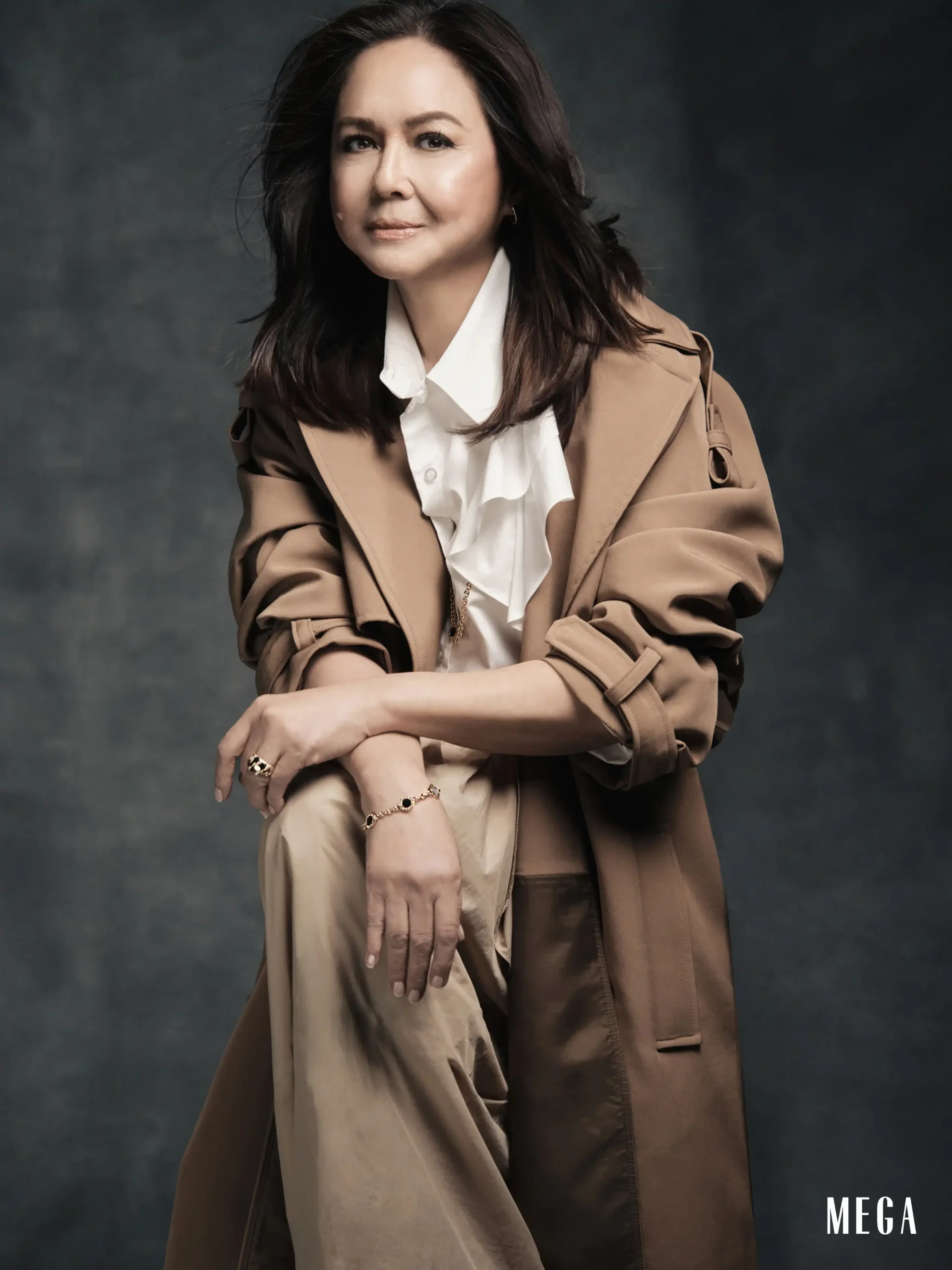
Ordinary Lives, Extraordinary Worlds
Philippine cinema has often returned to mothers not because they are symbols of sacrifice, but because they hold entire emotional worlds within ordinary lives. Santos returns to them in much the same way. Flawed, exhausted, devoted, frightened, and resilient. “There’s nothing like a parent’s unconditional love,” she says.
It is unsurprising that a woman who spent years reading other people’s heartbreak would emerge with a philosophy rooted not in cynicism but compassion. She notes, “You see people for what they’re worth.” That philosophy followed her into acting. Performance alone does not interest her but truth does. When asked about empowerment, she does not answer with achievement. Instead, she returns to selfhood.
“Empowerment, to me, is taking up the space for the person that you are, with no apologies to anyone,” she says. It is an intimate answer from one of the defining figures of Philippine media—a woman whose life contains enough milestones to fill pages.
Yet the measure remains inward. Success, in her telling, is not accumulation but alignment. “It’s being comfortable in your own skin,” she says. This feels especially resonant in an industry where women are expected to remain polished, agreeable, legible, endlessly becoming versions of themselves for public consumption. Santos rejects that bargain.
Later in the conversation, she speaks about people who live according to society’s expectations rather than their own truths. “I would feel very sad,” she says gently. “It’s your life. Own it.”
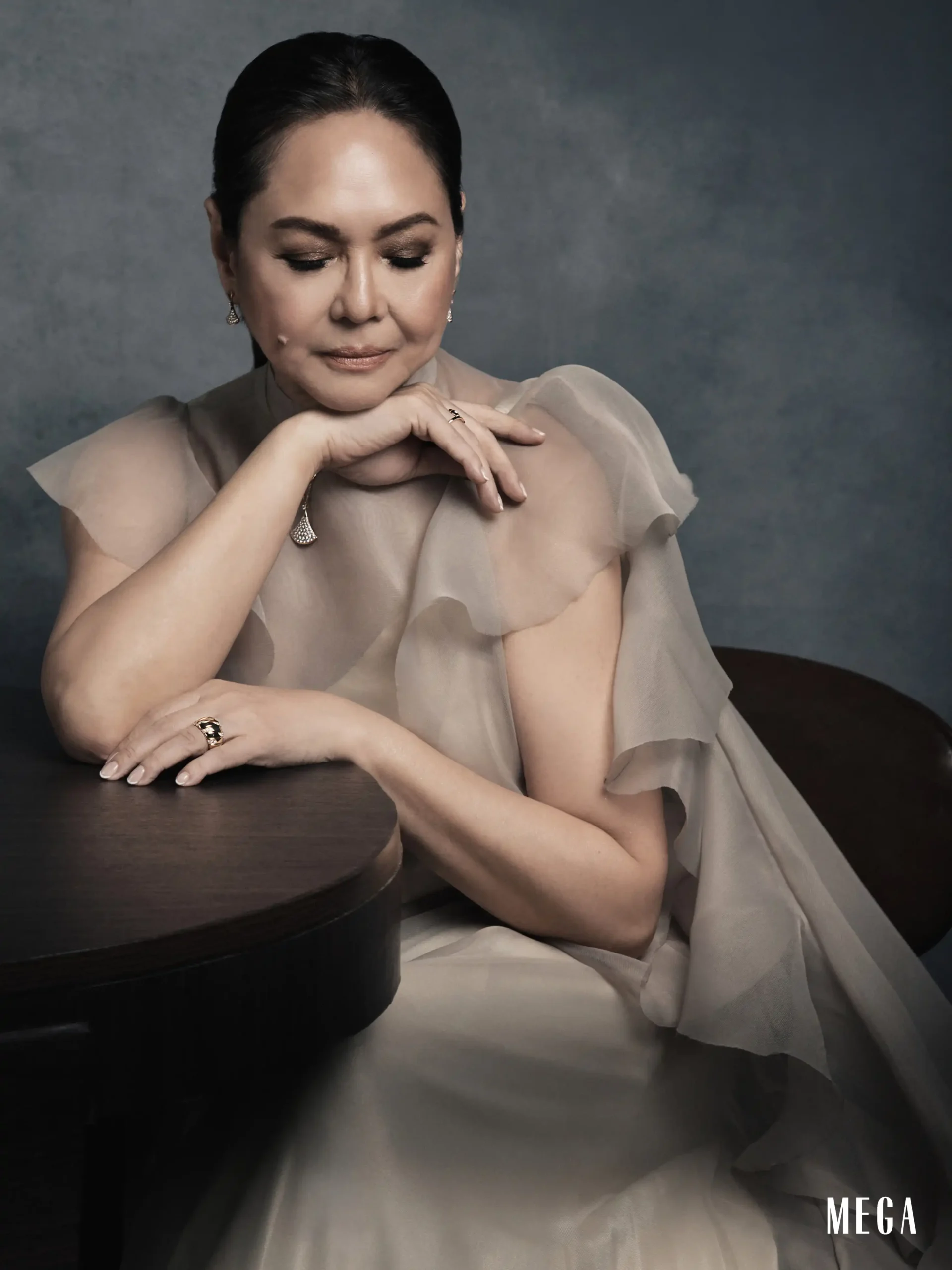
This belief explains the women who stayed with her all these years. Santos never reduced them to symbols. They were people first—and people deserve the dignity of becoming.
“When everything else is over,” she says, “artistry is the one that stays.” The statement applies equally to careers, to leadership, even to life itself. Titles fade. Positions change. Industries reinvent themselves.
Her own career offers ample evidence.
Beginning with Mike de Leon’s Itim in 1976, Santos has remained a constant presence across nearly five decades of Philippine cinema. She moved from the psychological unease of her debut to internationally celebrated works such as Lav Diaz’s The Woman Who Left, which won the Golden Lion at the Venice Film Festival in 2016. She has appeared in horror hits like 2018’s Eerie, mainstream crowd-pleasers such as Metro Manila Film Festival 2019’s The Mall, The Merrier, acclaimed independent films like 2021’s Whether the Weather Is Fine, and, most recently, the romantic drama 2025’s Only We Know.
Few actors have remained present long enough to witness Philippine cinema’s many transformations—fewer still have helped shape them. Then comes the line that seems to illuminate everything before it: “There’s something new to learn every day.”
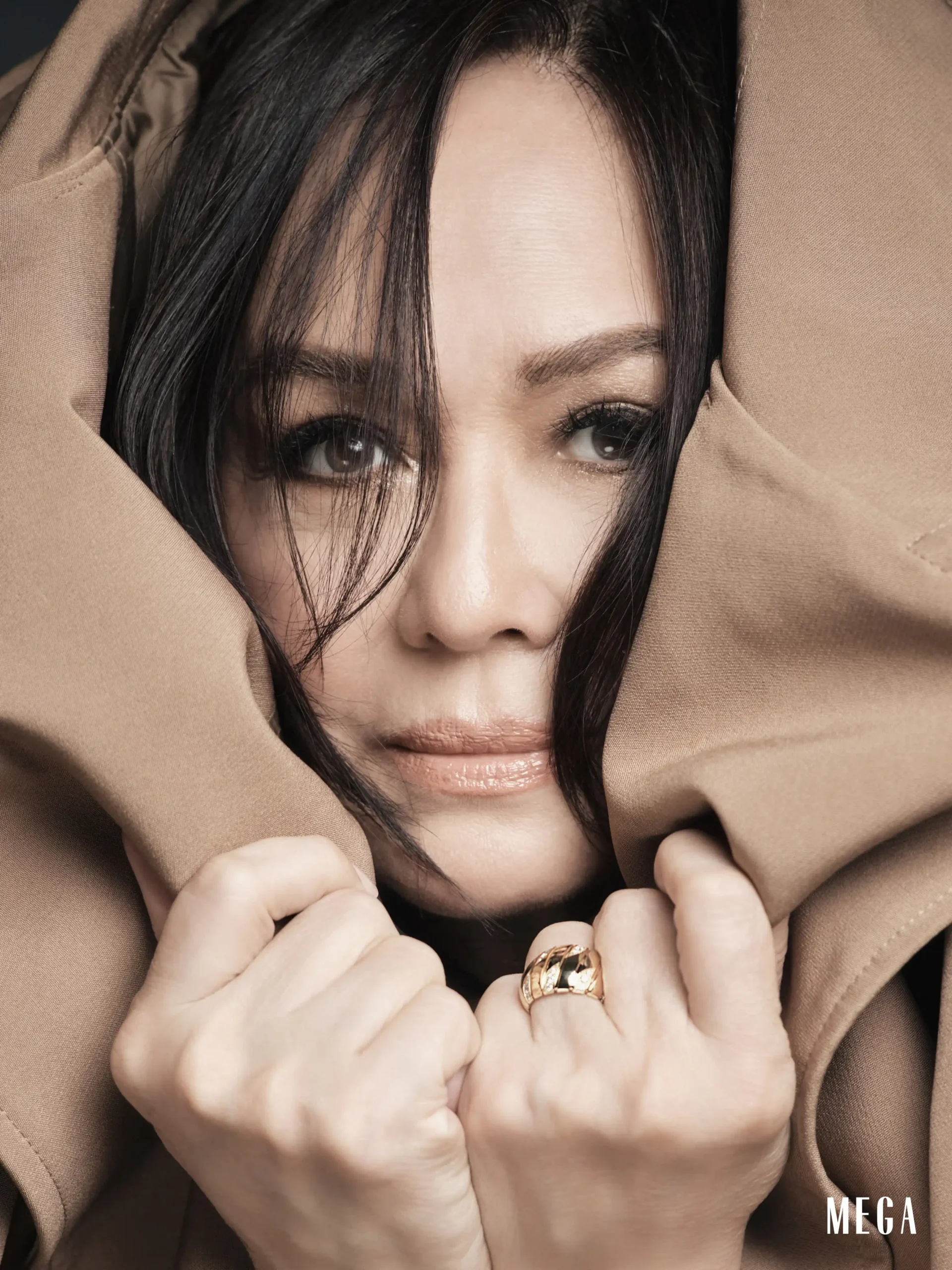
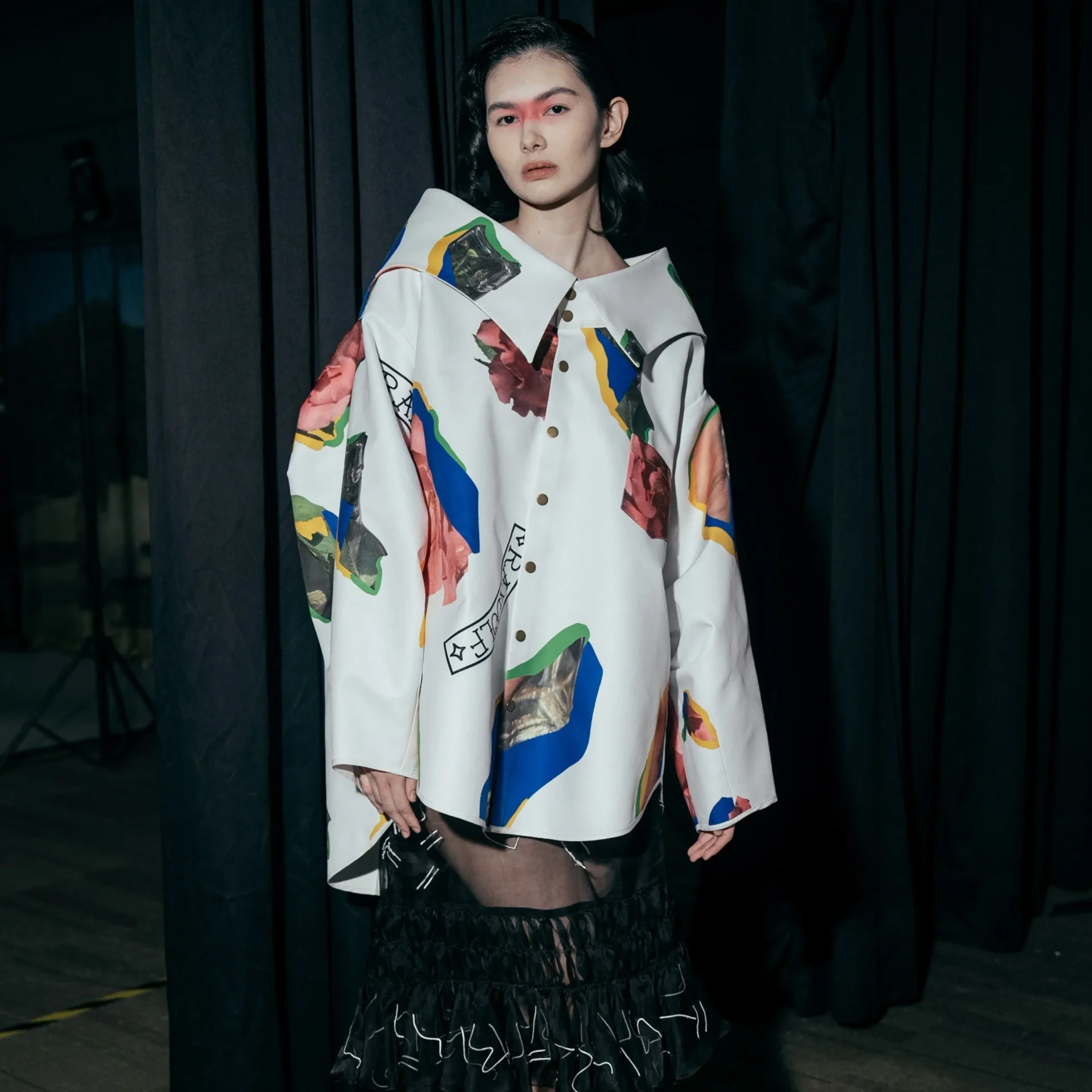
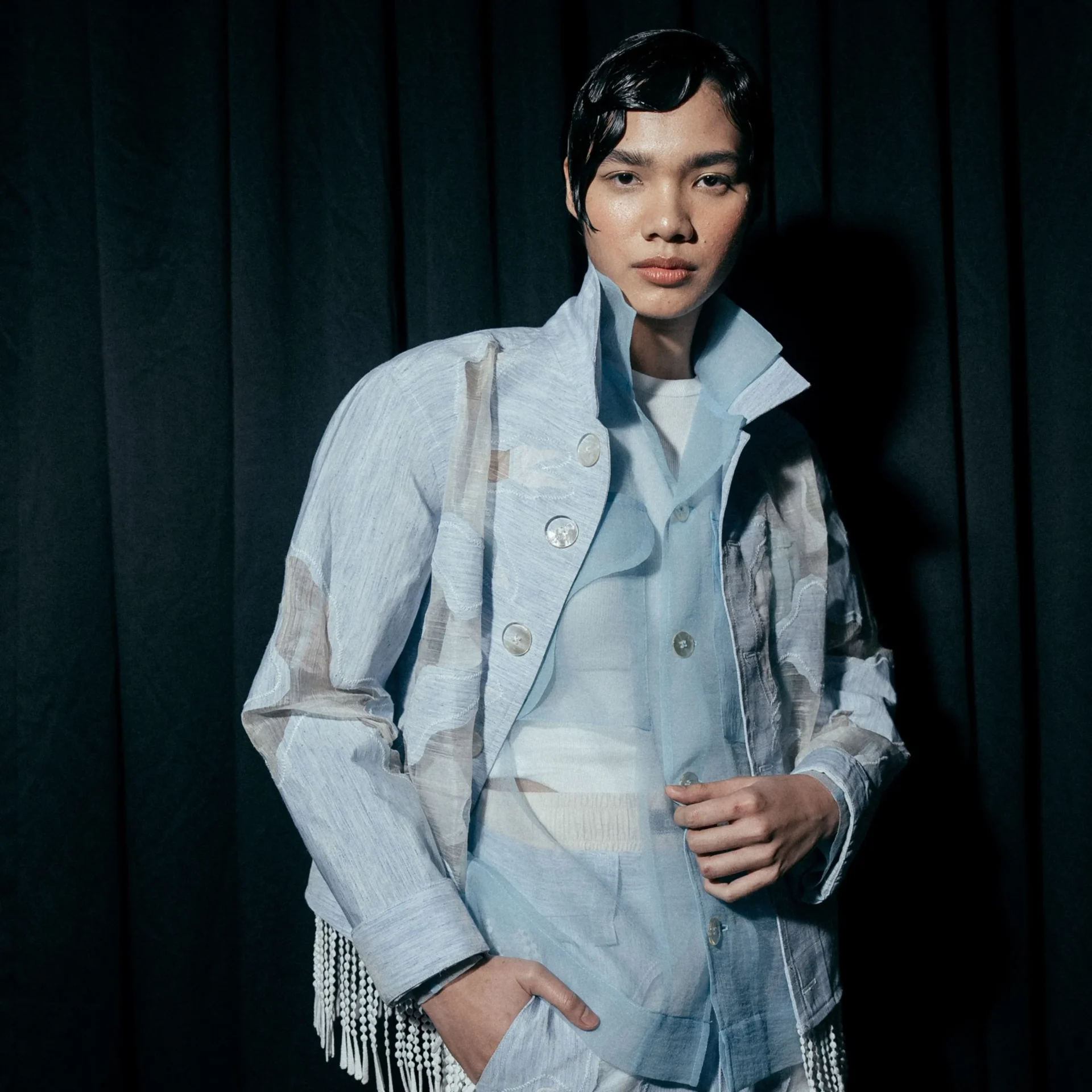
Photographed by JERICK SANCHEZ. Creative Direction by PATRICK TY. Art Direction by CLARE MAGNO and BRIE VENTURA. Beauty Direction by AGOO AZCUNA-BENGZON assisted by MARA GO. Sittings Editor PEEWEE REYESISIDRO and TREISHA ROVERO. Produced by THESSMAR LECTURA. Image Retouching by JONES PALTENG. Hair by JONATHAN VELASCO. Makeup by RB CHANCO. Nail Grooming by CRISTINE S. CRISTOBAL, ROWENA D. AYALA, RONA T. SALAZAR, and ANGELYN D. ALVERIO of THE GETAWAY BODY & NAILS SPA. Styled by STEVEN CORALDE, JIA TORRATO, and NIÑA CUYANA of QURATOR INC. Production Design by ARJ MADARANG of JAGGER STUDIOS. Photography Assistants KARL RIMANDO, BUDDY REYES, DAVE ORPILLA, and RYAN ALBANO
Frequently Asked Questions
Empowerment is taking up space unapologetically for the exact person that you are. It means alignment and being entirely comfortable within your own skin despite societal expectations.
Hosting the anthology show made Charo Santos more mindful of humanity, removed her biases, and taught her to view the struggles of the Filipino people with deep compassion.
Charo Santos made her cinema debut in Mike de Leon’s 1976 psychological film Itim. This performance marked the beginning of her acclaimed five-decade career in Philippine film.
The movie The Woman Who Left, starring Charo Santos and directed by Lav Diaz, won the prestigious Golden Lion award at the Venice Film Festival in 2016.
Artistry is the single element that remains permanent when titles fade, positions change, and media industries reinvent themselves. Longevity requires a commitment to lifelong learning every day.