



This is an excerpt from Local Love of MEGA’s June 2025 issue
There are brands, and then there are movements. TAGPI is unmistakably the latter; less trend-chaser, more torchbearer. At its heart is Gabby Garcia, a designer who did not set out to be the center of a label but to be its connector. ” TAGPI started as a passion project during the pandemic,” he shares. “At the time, I wanted to support local artisans whose livelihoods had been deeply affected.”
RELATED: R/Studios Stitches Emotions and Moments into Fashion
The idea was born of empathy, family history, and a deep respect for craft. Gabby’s mother was a longtime collector of Philippine textiles; his grandmother, a folk dance group founder. This legacy shaped more than his design perspective—it shaped his values. “Their dedication to preserving our cultural heritage deeply influenced me,” he says. “This personal connection, combined with a desire to help communities in need, became the seed that eventually grew into what is now TAGPI.”
The name itself—Tagpi, meaning “to patch together”—is less brand name, more mission statement. “We aim to celebrate Filipino artistry by using locally sourced materials and techniques that are rooted in our heritage, while also incorporating modern design elements to keep it fresh and relevant,” Gabby explains. Each piece, in turn, becomes a microcosm of collaboration: an amalgamation of community, culture, and craft.
When it came time to name the brand, Gabby knew instinctively that it wouldn’t carry his own. “I didn’t want it to be centered around me,” he says. “Instead, I wanted the brand to spotlight Filipino craftsmanship and heritage.” That choice materialized the intention: TAGPI wouldn’t just make clothes, but also tell stories.
The Making of Meaning
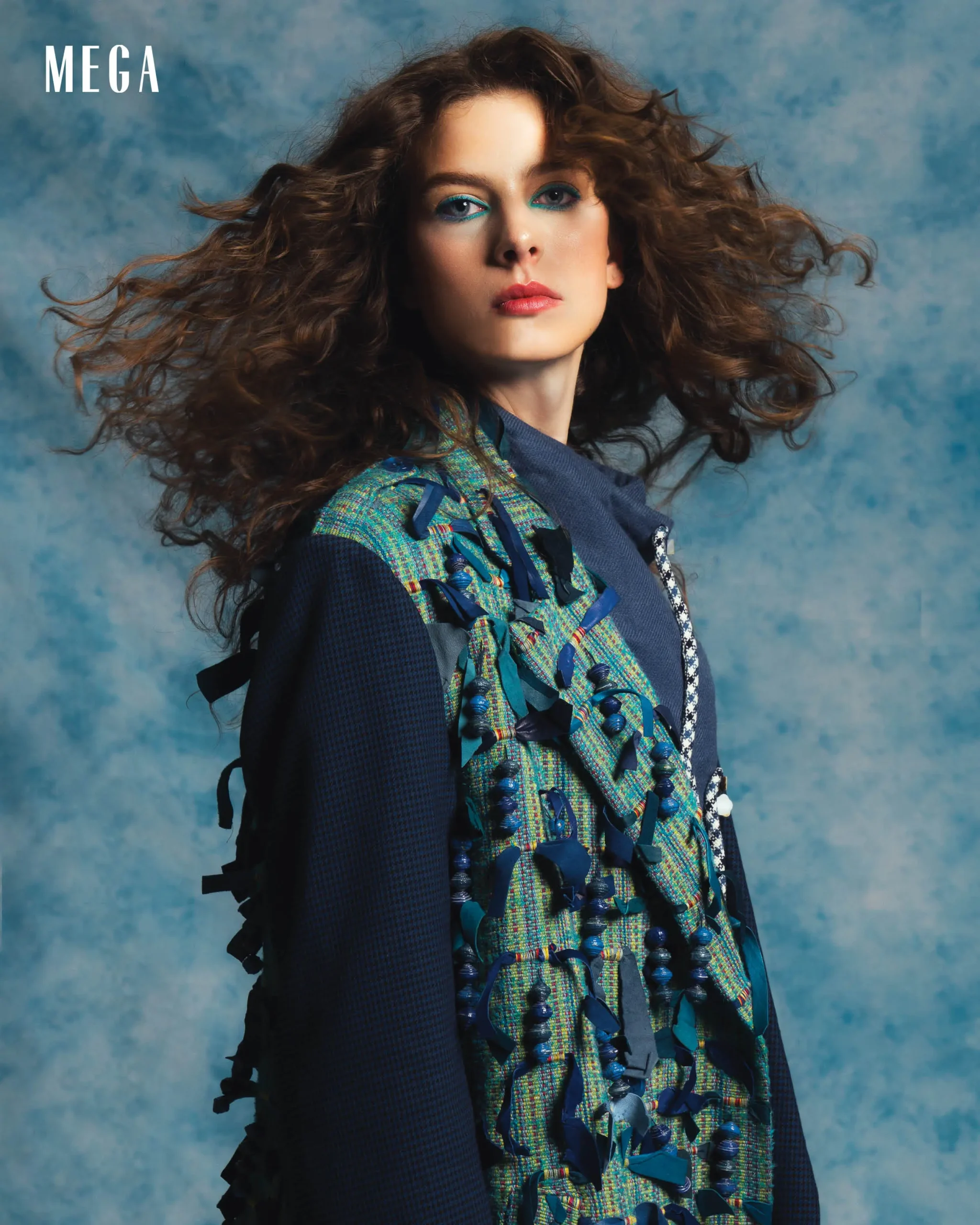
TAGPI’s design process is as layered as the stories it aims to uplift. It always begins with research. “I believe that understanding the materials and resources available is crucial,” Gabby says. “There are so many unique communities here, each with its own traditional techniques and locally sourced materials that have yet to be fully explored.”
From there, he lays out materials, touching, matching, experimenting, until something sparks. Gabby approaches design like a dialogue between past and present, tradition and innovation. He’s drawn to natural, breathable fabrics like cotton, linen, silk, and piña, not just for their tropical practicality, but their provenance. “They carry cultural significance and a sense of place,” he notes.
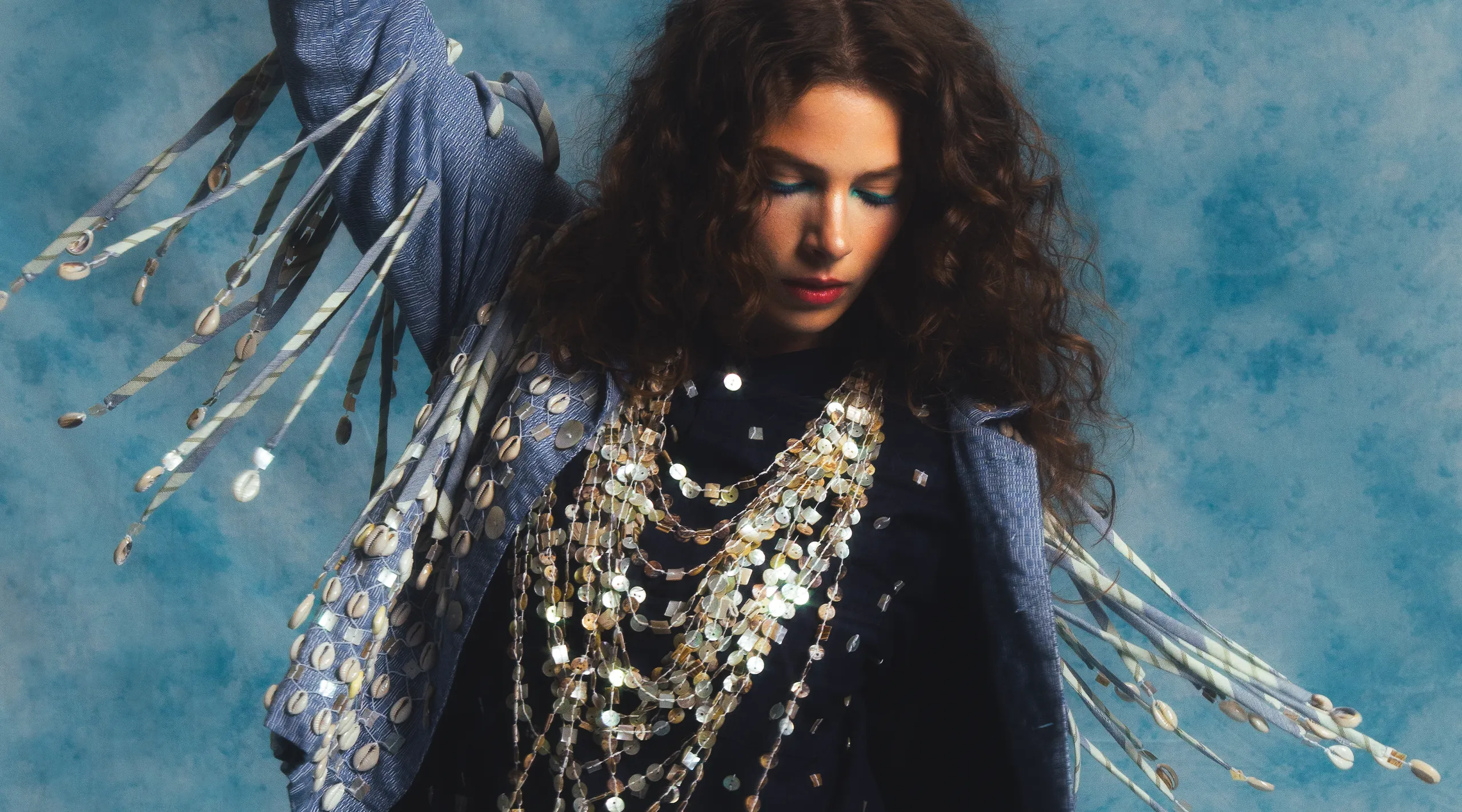
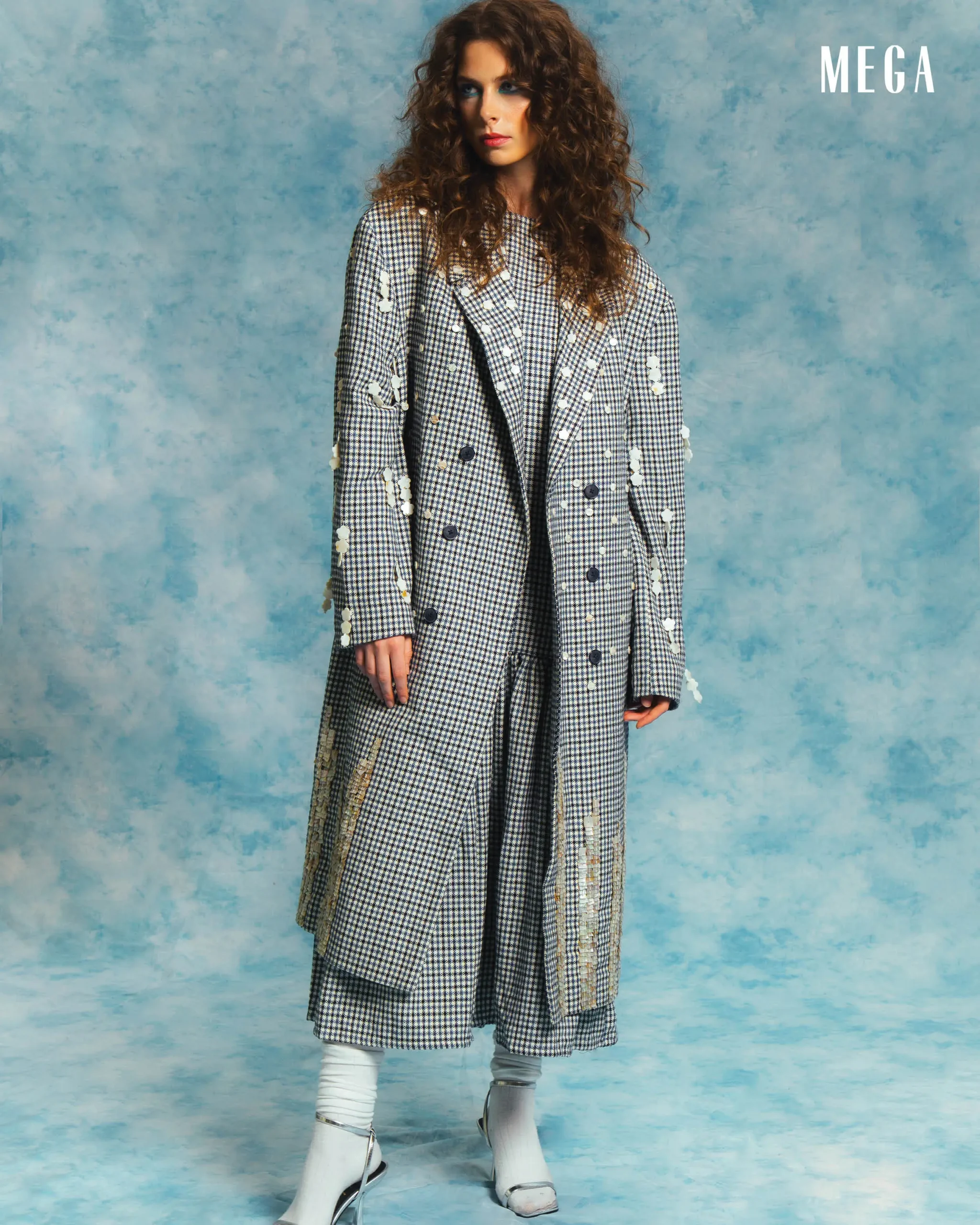
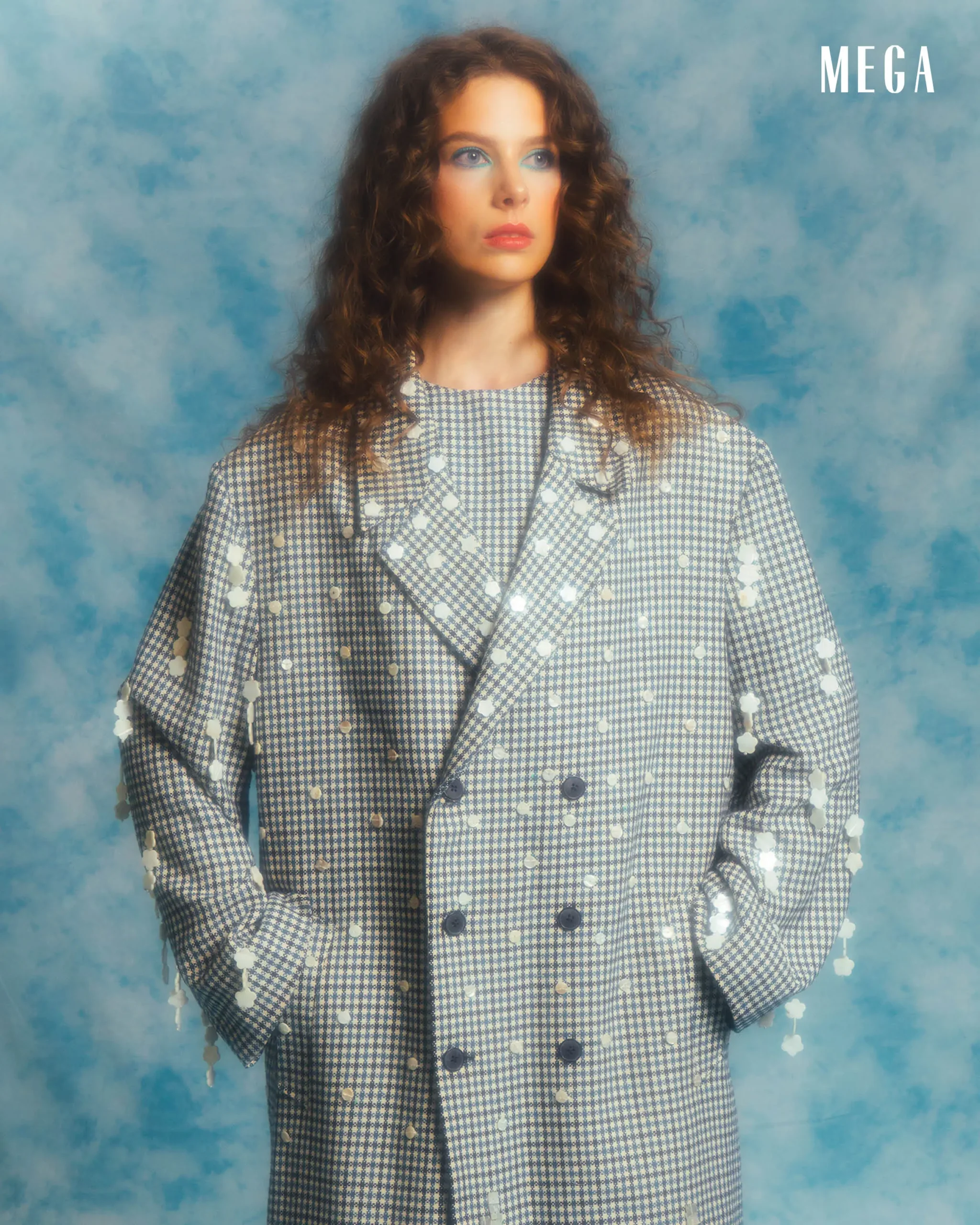
TAGPI has ventured into marine-inspired elements, like mother-of-pearl and banana fiber beads sourced from Pagadian City. These additions speak to a broader goal: sustainability not just in form, but in philosophy. “For me, sustainability isn’t just about using natural materials—it’s also about cultural preservation,” Gabby explains. “By working with indigenous weaves and techniques, I hope to help keep these traditions alive, provide continued livelihood for the communities, and share their stories through contemporary fashion.”
And while each piece carries its own inspiration, they collectively build toward something bigger. “I see my collections as living archives,” Gabby says. “They grow, evolve, and reflect the interconnected stories of the artisans, the land, and the culture they come from. Every design is a thread in a larger tapestry.”
From the Islands to the World
Earlier this year, that tapestry was unfurled on one of fashion’s most global stages: New York Fashion Week. Through Filipinxt, a platform spotlighting Filipino designers, TAGPI made its international debut.
“Being part of it was both an honor and a meaningful moment—it affirmed that there’s a growing space and appreciation for Filipino design on a global stage,” Gabby says. “For me, it’s not just about fashion, but about honoring the talent and traditions that have shaped us and introducing them to the world in a way that resonates deeply.”
What he discovered in the process wasn’t just a new audience but new artistic possibilities. From intricate hand-beading to reimagined crochet from La Union, bold pompoms from Mindanao to knitwear collaborations with artisans from Benguet, the runway became a space for experimentation. “One of my favorite discoveries was using beads made from banana fiber,” Gabby recalls. “These sustainable, organic materials aligned perfectly with the eco-conscious direction I want to continue exploring in my work.”
Beyond aesthetics, it was a masterclass in teamwork. “One of the most valuable lessons I learned was the importance of collaboration,” he reflects. “Through these collaborations, I not only discovered new artistic possibilities, but also reconnected with the heart of my brand: bringing together diverse techniques, voices, and traditions into a shared narrative.”
Learn more about TAGPI and Gabby Garcia’s vision for the brand in MEGA’s JUNE 2025 issue now available on Readly, Magzter, Press Reader and Zinio.
Photography by GRANT BABIA. Art Direction by TROY NONATO. Styled by ERICA TEROL. Editorial Assistant THESSMAR LECTURA. Makeup NADYNNE ESGUERRA . Hair MATT LEDESMA . Model HILDA of LUMINARY MANILA