



This is an excerpt from MEGA May 2026 Fashion Feature
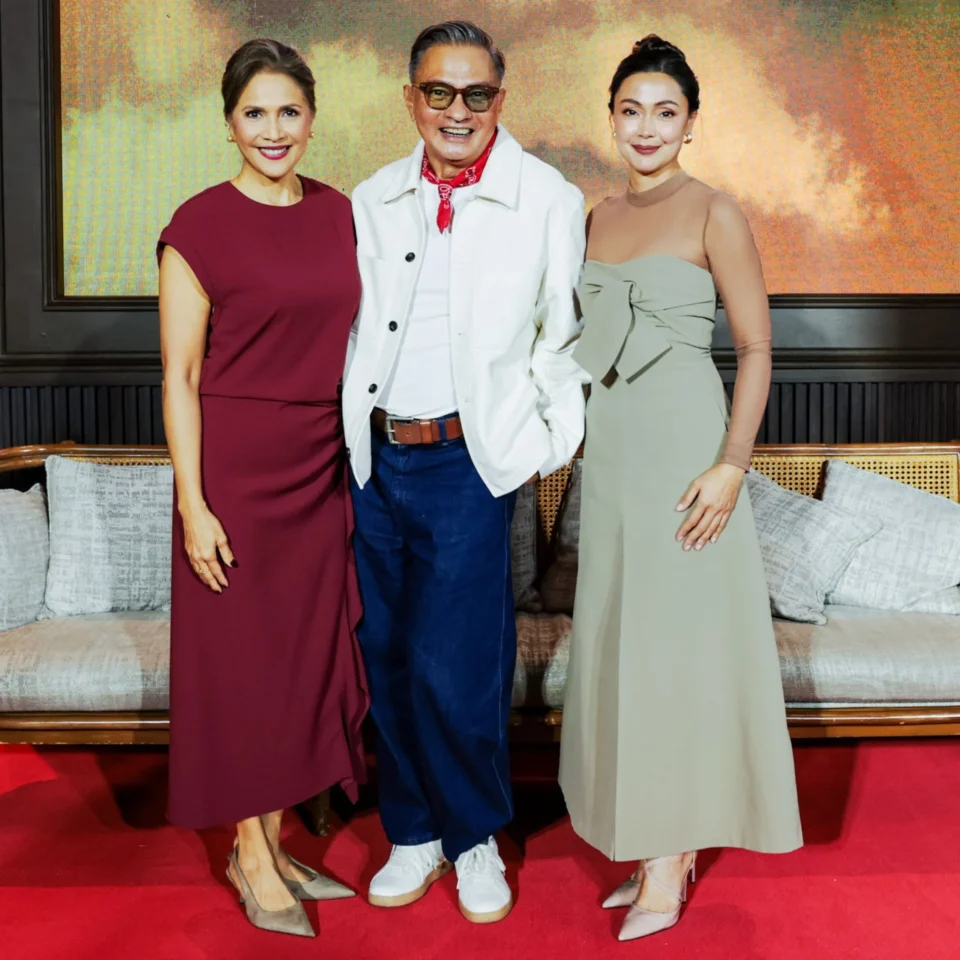
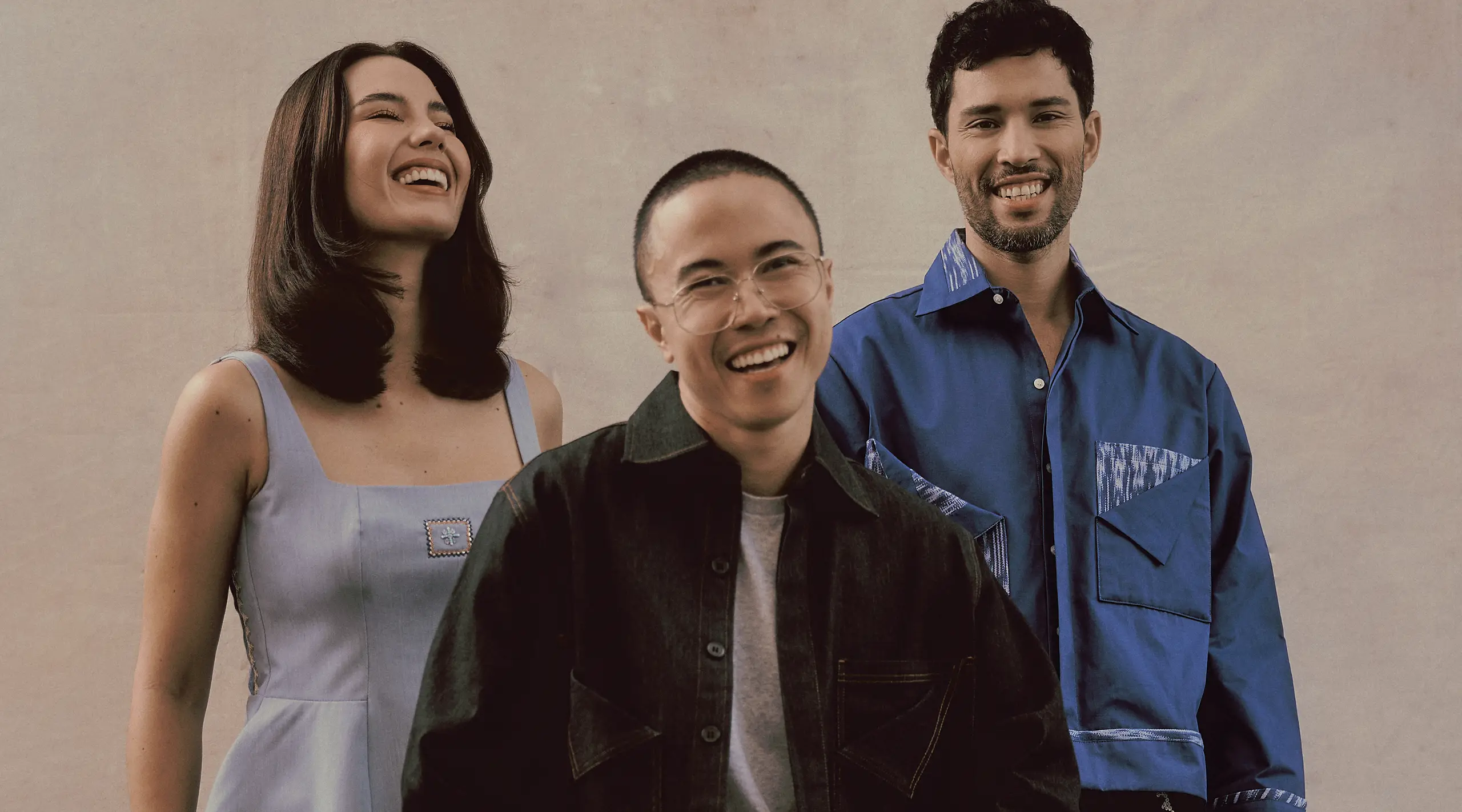
In Mindanao, craft thrives from generation to generation. Techniques pass from one hand to another, refined through time rather than replaced by it. Within this rhythm, a collaboration takes shape between Catriona Gray and Wilson Niñofranco Limon of NiÑOFRANCO.
RELATED: Carmina & Cassy: Becoming, Together and Apart
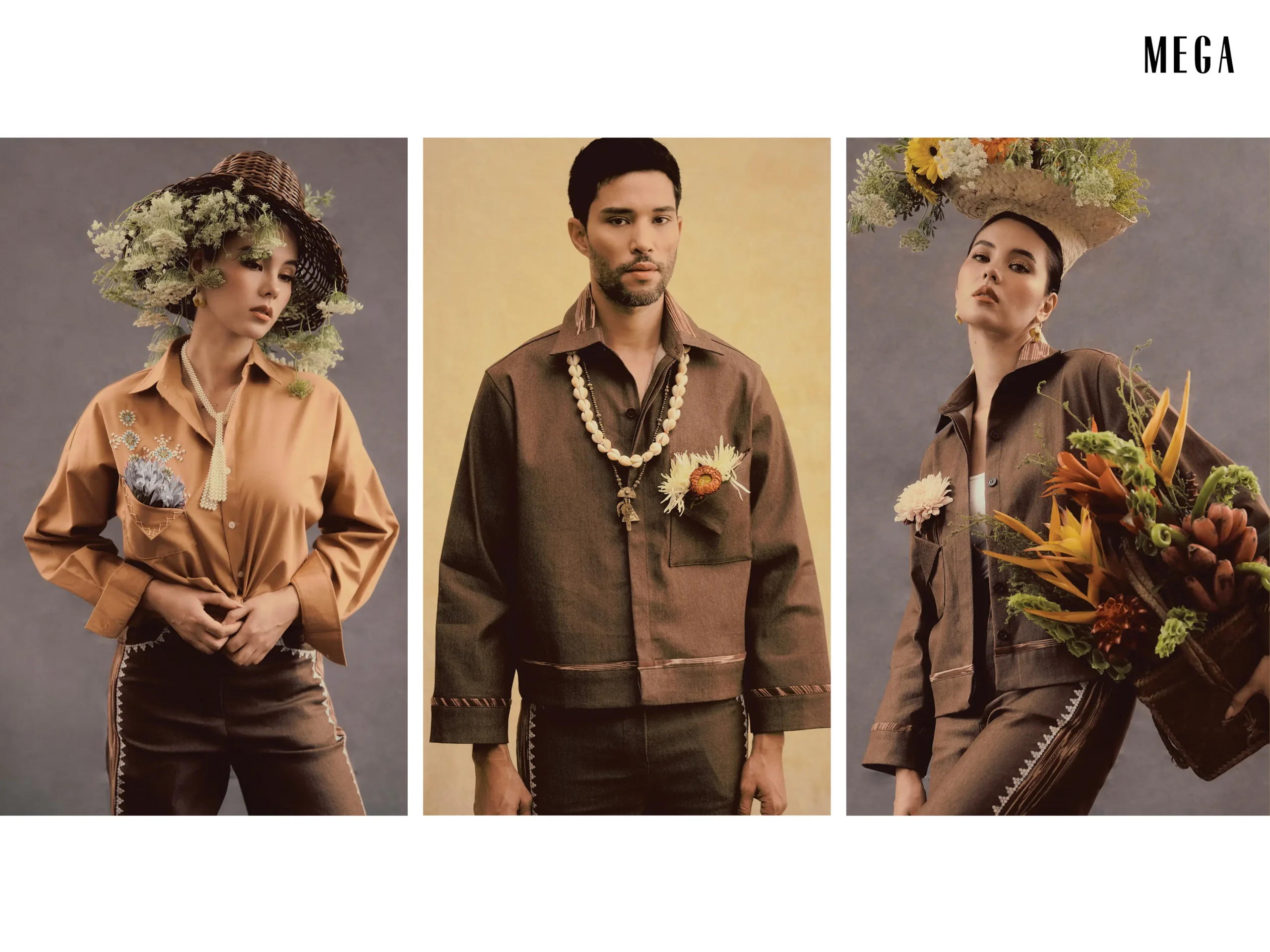
The collection they produce doesn’t treat tradition as something to preserve behind glass. It brings it into motion, translating textile practices rooted in Mindanao into garments that move within daily life. What emerges is not a contrast between past and present, but a continuation.
They Return to the Source
This collaboration revisits an earlier connection. During her Miss Universe campaign in 2018, Gray first worked with NIñofranco, presenting Filipino craft to a global audience. That introduction now deepens into something more deliberate.
Together, Gray and Limon travel across Mindanao, spending time with weavers from the Bagobo Tagabawa community at the Tibolo Cultural Center in Davao del Sur, and with artisans at Pearl Farm. The process begins with listening: observing how knowledge is passed, how techniques are held, and how they shift across generations.
Gray reflects on what that proximity allows: “When I’m able to wear pieces proudly made by Filipino artisans, I really remember everything that I’ve learned along my travels. Seeing the craftsmanship in real life and seeing how tradition is passed down, that gives me a sense of pride. And it allows me to stand taller. I always welcome when people ask ‘what are you wearing’ cause it gives me an opportunity to share about my culture,” she said about the project.
For Limon, the garments carry more than surface value: “Every time I wear pieces made by our artisans, it’s about carrying the soul of our heritage. It speaks of identity, pride, and generations of craftsmanship. And for me, it influences not just how I look, but how I stand, how I represent. There’s a quiet strength in knowing that what I’m wearing tells a deeper story,” he shared.
They Shape Tradition for Use
Philippine textiles arrive with presence—color, texture, detail that hold attention. The challenge lies in how they are worn now.
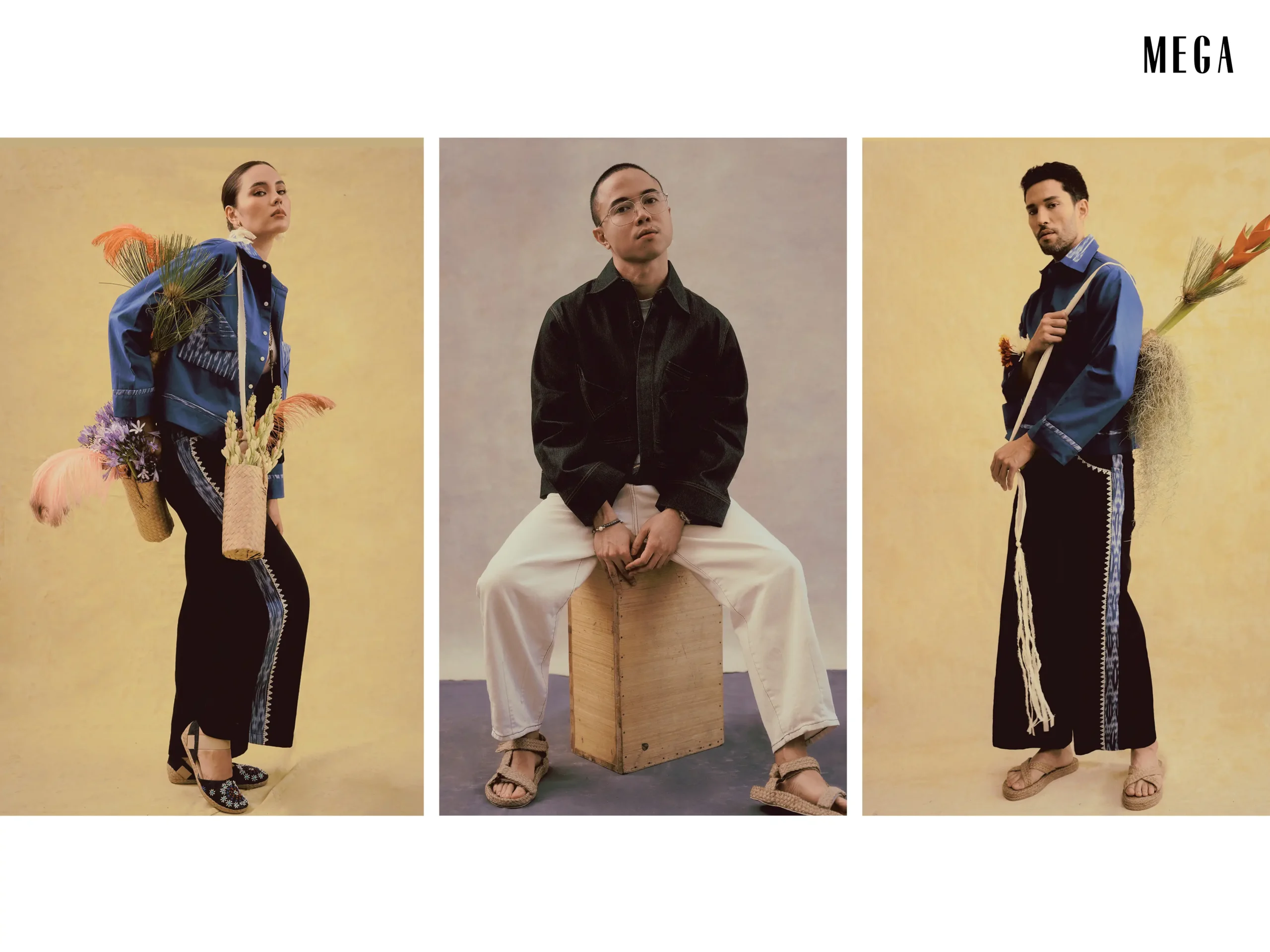
Gray approaches this directly: “The vision for this that I had is that I wanted it to be wearable,” she explained. “I know that our Philippine textiles traditionally are quite vivid. They’re colorful. They’re textured. And for someone who wants to incorporate that into their everyday life, they might feel a little bit intimidated or think, ‘How do I wear this piece, how do I incorporate it into my existing wardrobe?’”
The response takes form through clarity. Lines are refined. Structure becomes deliberate. The pieces hold onto their source while adjusting to the present—allowing them to be lived in, not set aside.
Gray imagines their lifespan extending further:
“I really wanted to create pieces that people would love but also see themselves wearing for years to come, and hopefully hand down to whoever their loved ones are,” she smiled.
They Let Generations Lead the Process
What grounds the collaboration isn’t a single idea, but a shared approach.
“The idea is to create something that goes beyond fashion. Something that reflects identity, intention, and pride. So, our conversations, the places that we visited, and the communities we engaged with all shape the collection rooted in meaning and made with heart,” Limon said.
Gray situates this within a broader context: “I think tradition and resilience are themes that are not only in everyday person’s story, but in the stories that make culture as rich as it is. And it’s through storytelling, a medium that I personally am very passionate about, that I love to be able to connect with audiences to really allow them to see the meaning behind Filipino culture and why it still matters today.”
For Limon, the process resists stillness: “Tradition isn’t static. It always evolves, so it always moves forward. In the stillness of observation, I’ve seen how resilience is embedded in every weave, and how creativity often blooms in the most resourceful, humble spaces. For me, listening to our artisans, I’ve learned that design doesn’t always come from sketch fads. Sometimes, it starts with stories or rituals or memory.”
Photographed by HALLVARD CANO, assisted by SAMANTHA UMALI and HANS CHUA. Make up by MEMAY FRANCISCO. Hair by BRENT SALES, assisted by RIO GALVEZ. Styled by JUSTINE ALIMAN, assisted by PATRICK HENRY.
Shot on location at ESPACIO CREATIVO ESCOLTA
Photos courtesy of WILSON LIM
Frequently Asked Questions
To preserve the intricate weaves of Mindanaoan textiles, hand wash pieces in cold water using a mild detergent and avoid wringing. Air dry flat away from direct sunlight to prevent fiber degradation and color fading. Store garments in a cool, dry place using breathable cotton garment bags rather than plastic to prevent moisture buildup and maintain the fabric’s integrity for future generations.
Achieving the perfect texture involves balancing the “vivid” nature of traditional weaves with modern, structured basics. Pair heavily textured Mindanaoan pieces with refined lines and neutral fabrics like linen or denim to allow the craftsmanship to stand out without overwhelming your silhouette. This contrast highlights the soul of the heritage while ensuring the outfit remains sophisticated and wearable for everyday life.
A frequent mistake is treating cultural garments as “costumes” or pieces to be preserved behind glass rather than living items. Avoid over-accessorizing, which can clash with the bold patterns and textures of the weave. Instead, integrate them into your existing wardrobe by focusing on deliberate structure and clarity, ensuring the pieces move naturally with your daily activities while honoring their origin.
The collaboration focuses on refining lines and making the structure of each garment deliberate to suit contemporary lifestyles. By adjusting the fit and silhouette to be more “lived in,” they transform vivid, intimidating textiles into accessible fashion. This approach ensures that while the source remains traditional, the functionality is modernized, allowing the wearer to feel comfortable and confident in diverse settings.
Maintaining the value of these garments starts with understanding the specific community rituals or stories embedded in the weave, such as those from the Bagobo Tagabawa. To honor this, document the piece’s history and care requirements before handing it down as an heirloom. By sharing the artisan’s story whenever asked about the garment, you keep the heritage in motion rather than letting it become static.