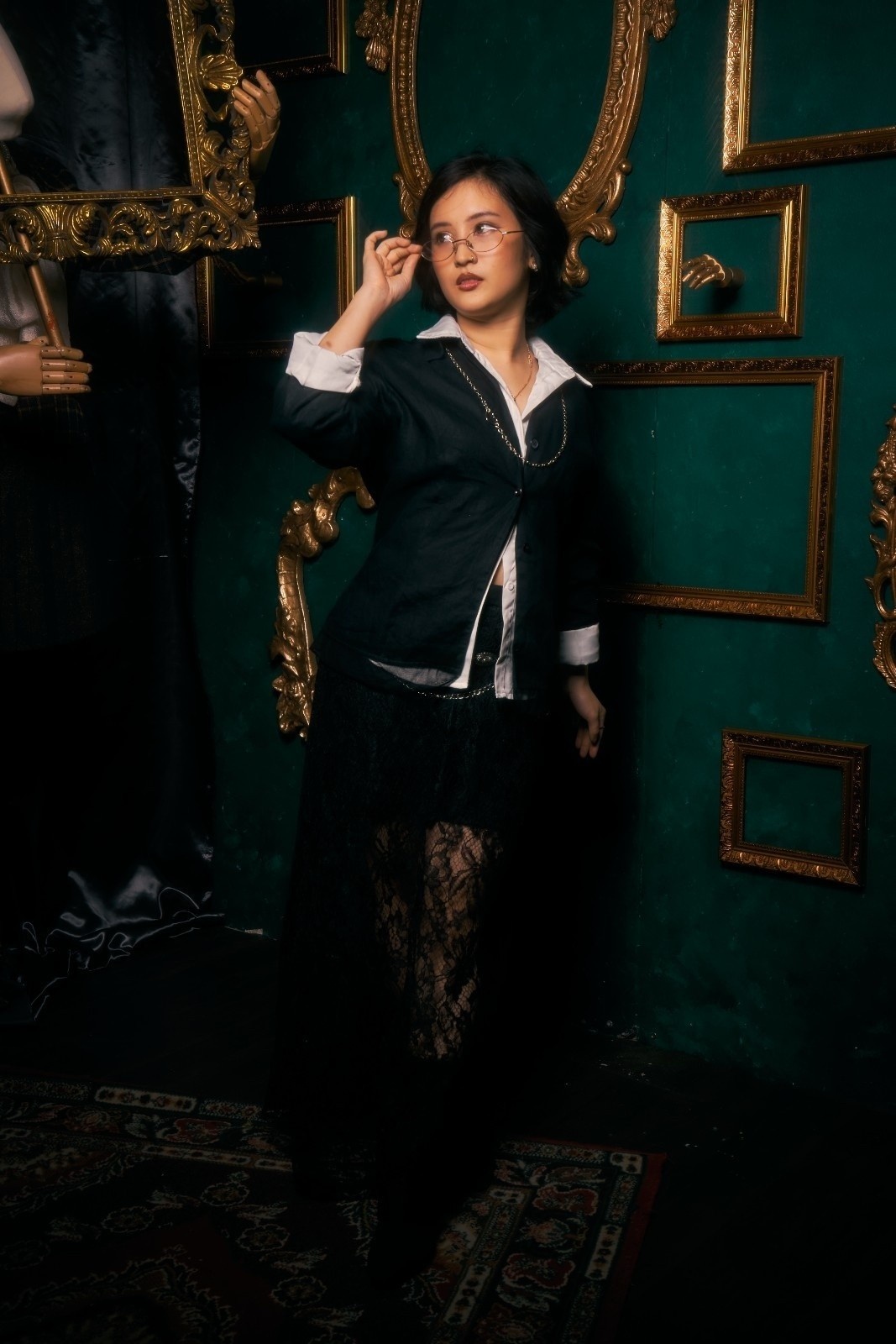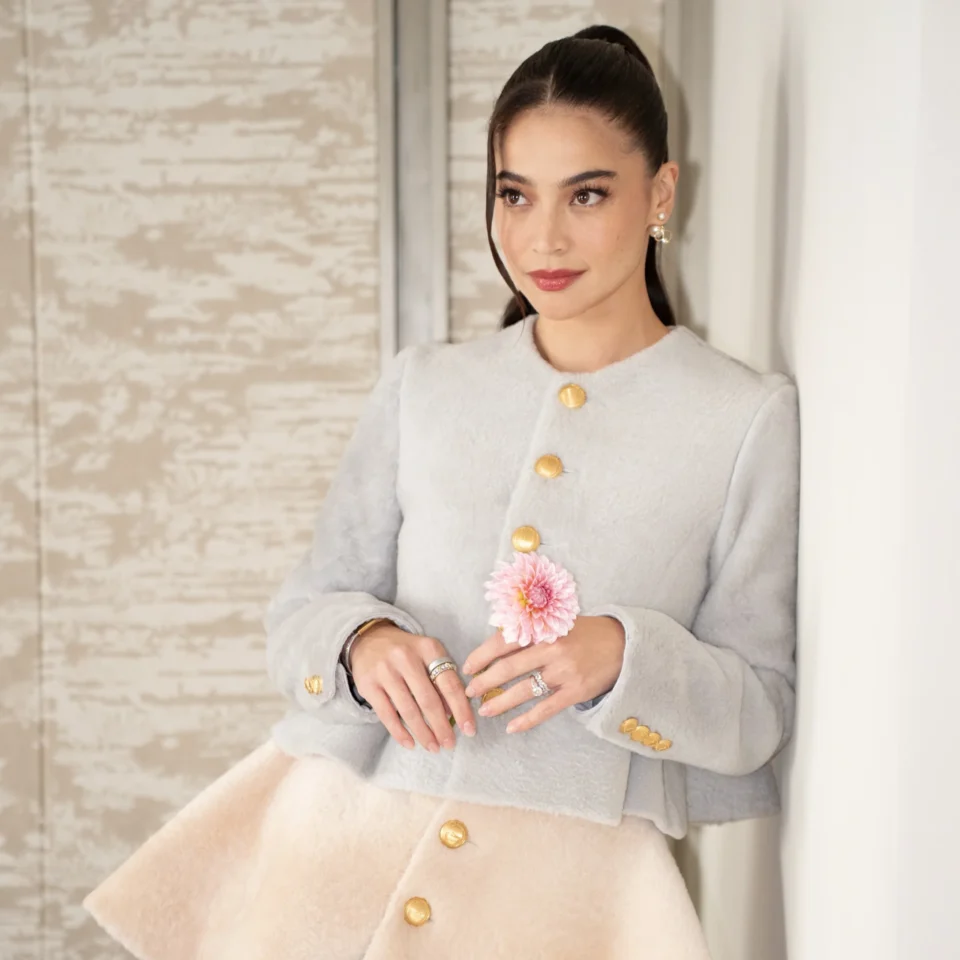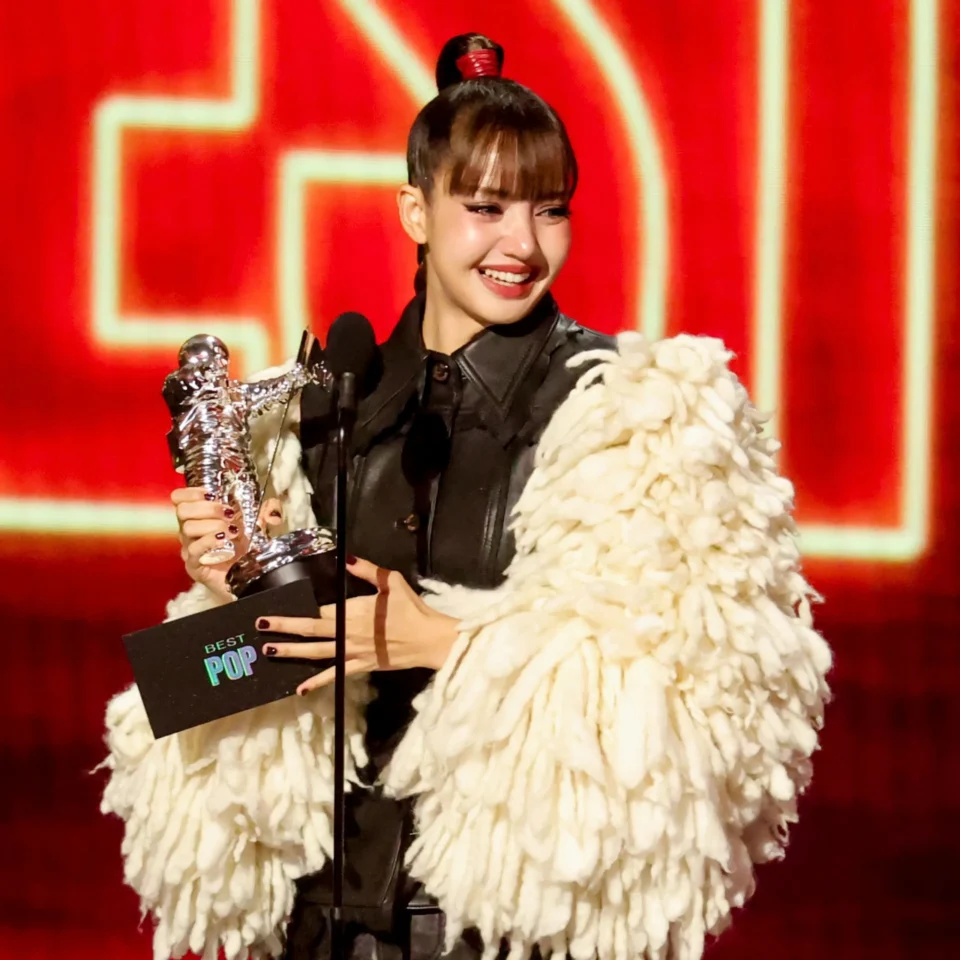




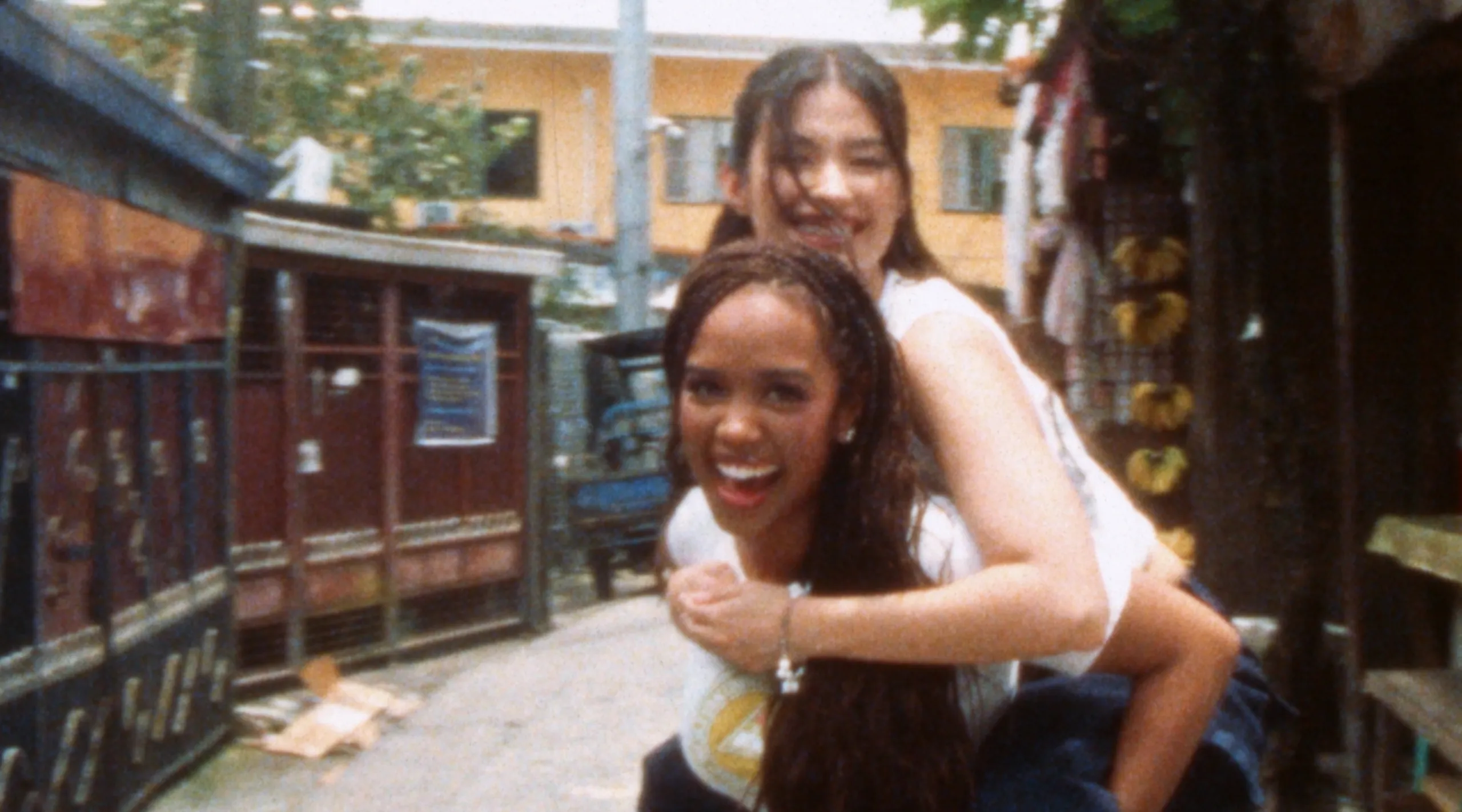
The Philippines is often seen in its most beautiful form—crystal-clear oceans, white-sand beaches, lush greenery, historical structures, and postcard-worthy destinations. But Forgotten Island’s music video for “BRB!” offers a different kind of portrait. In it, she and co-star Liza Soberano zip through crowded neighborhoods in jeepneys, sing karaoke, and take in the Manila of everyday life—clothes hung outside homes, tangled electrical wires, kids playing basketball in flip-flops, stray aspins and puspins, sari-sari stores, and more.
It may not be the Philippines most often seen in international media, but it is the Philippines that both Gabi (H.E.R.) and Filipino co-director Bianca Catbagan wanted to portray: the kind that feels like home.
MEGA caught up with Catbagan, who co-directed the music video, to break down the story, details, and Filipino memories behind its making.
What Filipinos Call Home
“I grew up in Manila, so I have a very lived-in relationship with those details, while Gabi grew up in America and has her own relationship to Filipino culture and identity. It was really special to have those two perspectives meet. She gave me and my team a lot of freedom to bring those ideas to life,” Catbagan shared with MEGA.
“BRB!” mirrors the friendship between Jo and Raissa in Forgotten Island, with Gabi and Liza similarly making their way through Manila in a jeepney. Catbagan revealed that many of the music video’s ideas came from H.E.R. herself: scenes at the palengke, rides in jeepneys and tricycles, sharing food, spending time with family, playing basketball, titas playing mahjong, and karaoke—all familiar sights in a Filipino neighborhood./
“She’d send me references of videos of the feeling she wanted to capture, and one of them was this cool Instagram video of snapshots of a taho vendor as he started his day,” the co-director shared.
One scene in particular was important to Catbagan: a family’s Sunday lunch, an afternoon ritual where everyone comes together to eat, talk, and simply spend time with one another. “I had a director friend, Caloy Soliongco, suggest this house in QC that was perfect for it. The wooden walls, the vintage furniture, the glass cabinets with special china, the monobloc chairs, the mahjong table. We didn’t need to dress it too much; it was so perfect for what I envisioned.”
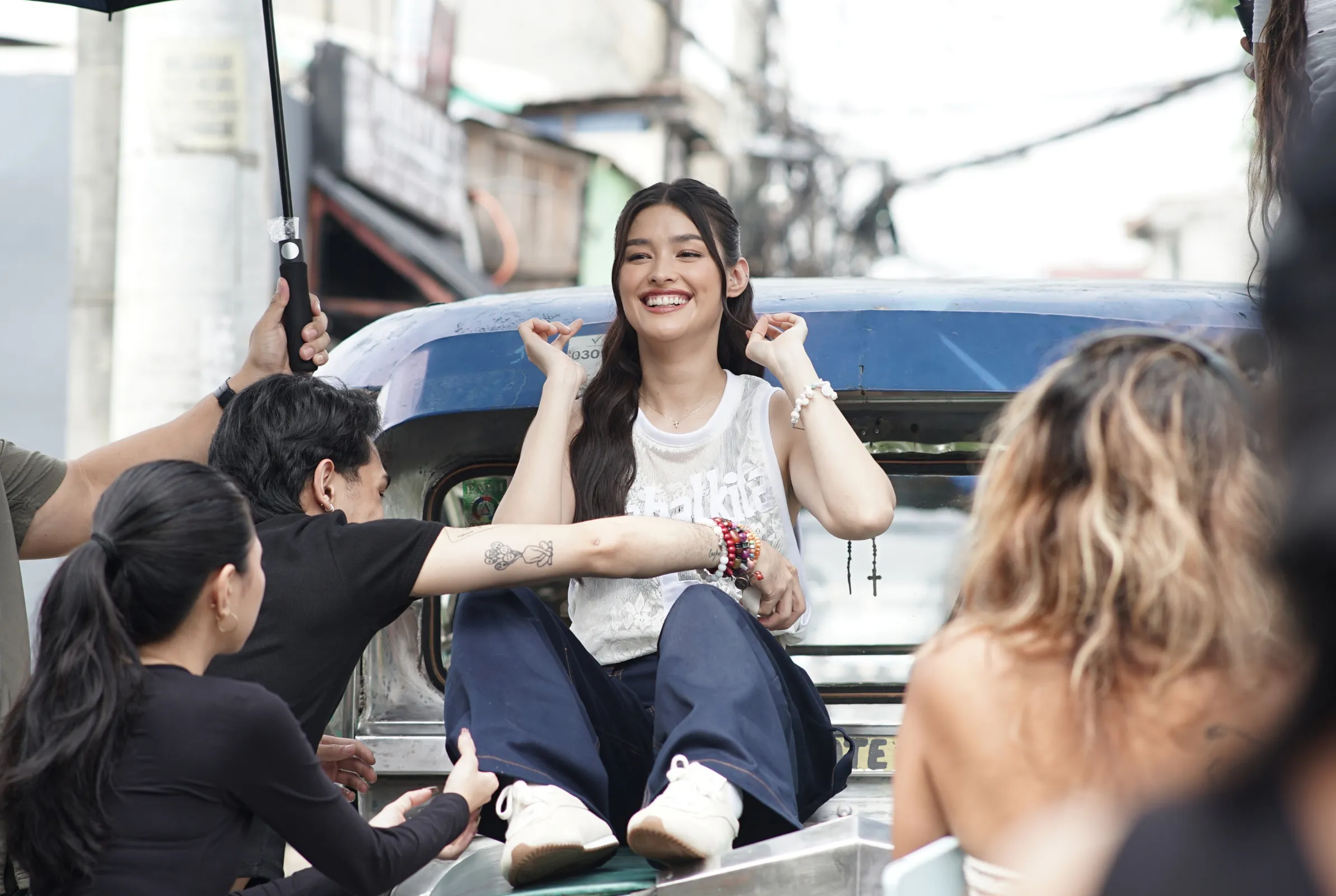
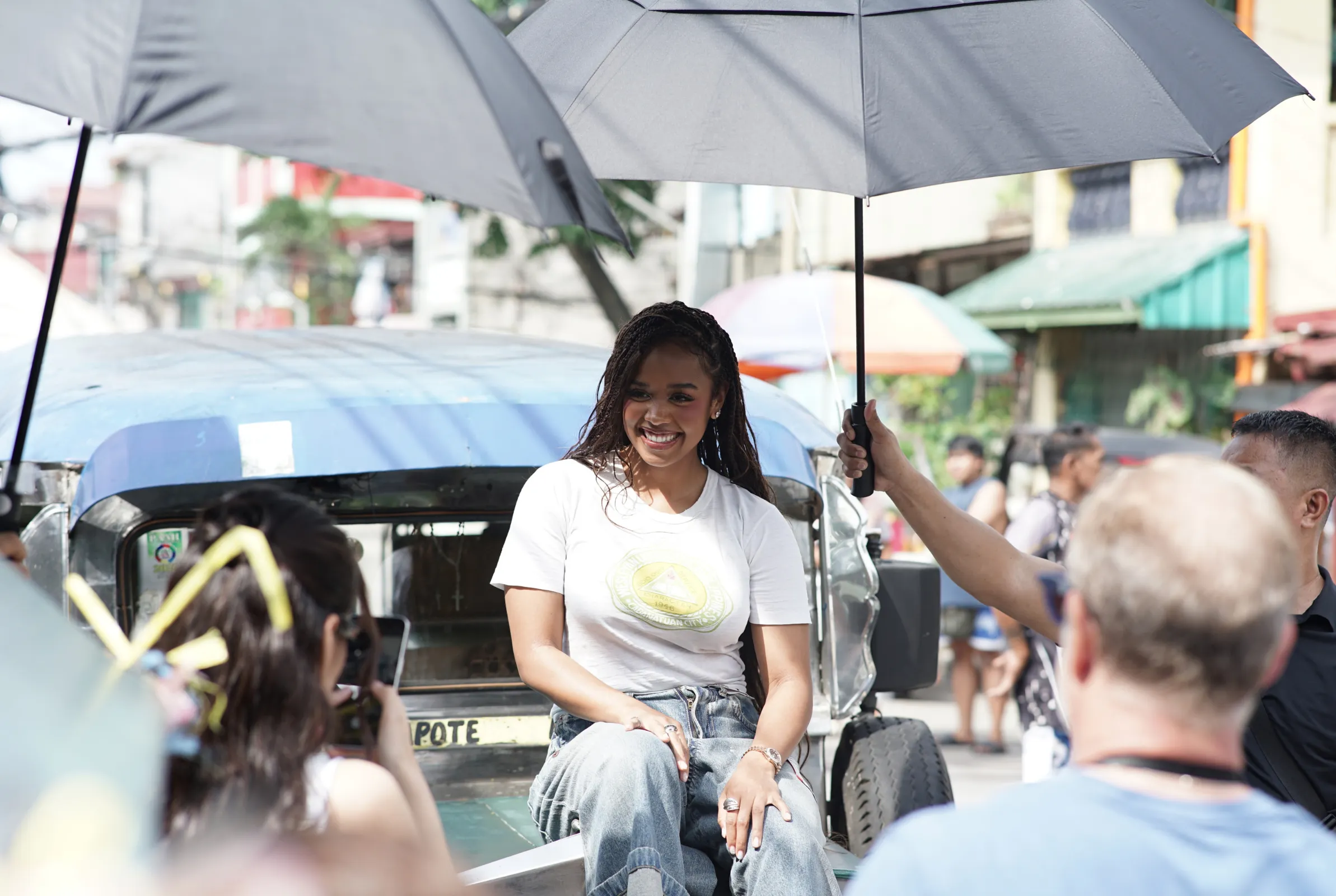
The music video is filled with snippets of everyday Filipino life—a montage of details that aren’t always seen in international portrayals of the country. And yet, beyond the clutter and commotion is something unmistakably nostalgic. It’s one thing to experience these scenes firsthand; it’s another to see H.E.R. and Liza singing karaoke and weaving through Manila on screen, turning the ordinary into something worth remembering.
“When I’m in Manila, I think [of] home. Home for me is in the everyday—the food, the commute, the busy streets.”
– Bianca Catbagan on what Manila means to her
Mundanity and Nostalgia
To Catbagan, home is found in the mundane: hours spent in bumper-to-bumper traffic, dinner with family over a second serving of rice and another scoop of your favorite ulam, and the distinct taste of dirty ice cream and taho.
“We wanted it to feel intimate and nostalgic, almost like a collection of memories,” the co-director shared. To create that feeling, Catbagan and her team approached the project as a mixed-media scrapbook of sorts, using Super 8, a camcorder, cinema cameras, and Gabi’s small camera, which they dubbed the “Gabi Cam.” Liza and Gabi also took turns filming each other, adding another layer of intimacy to the music video.
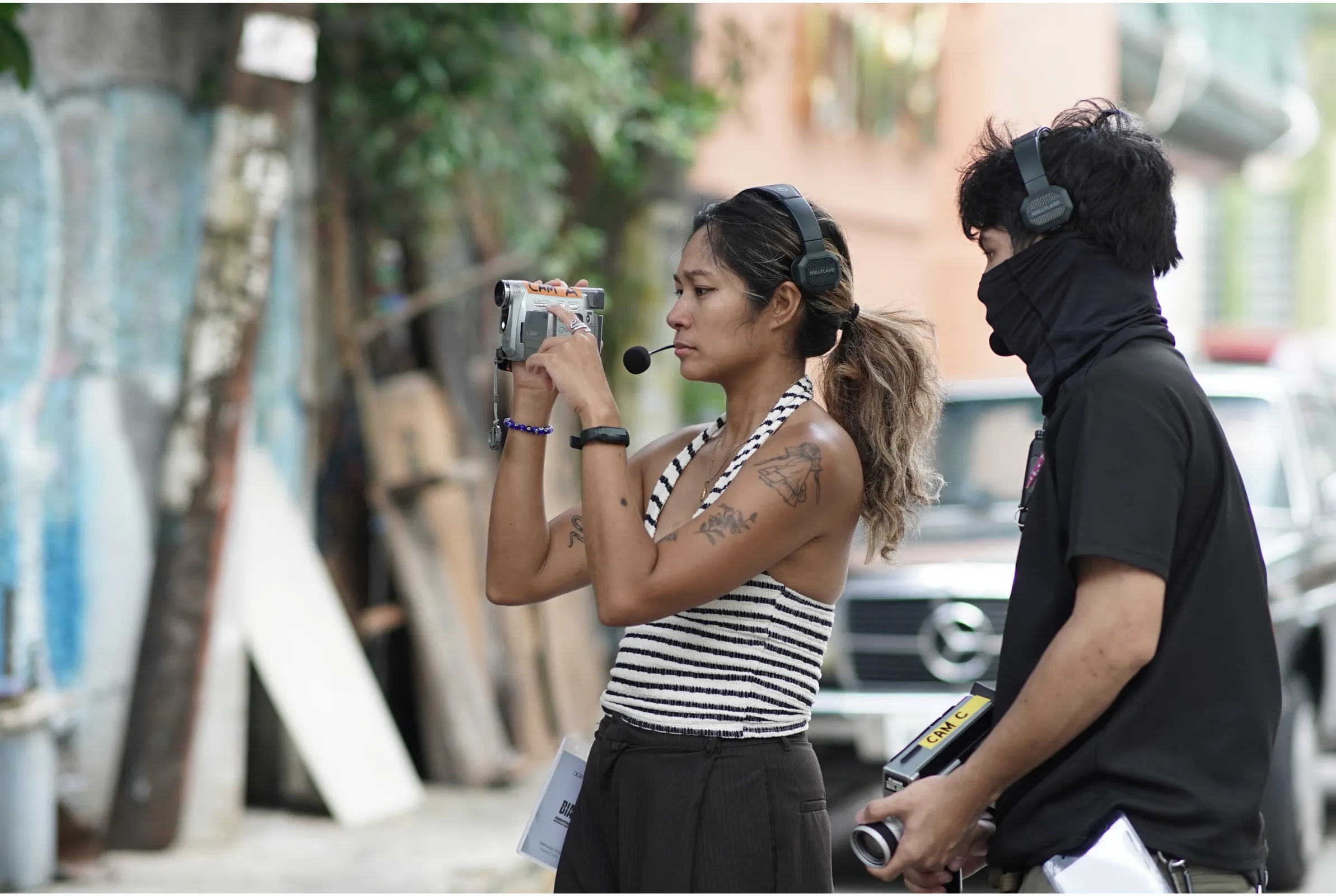
Manila was in the middle of the wet season when Gabi and Liza arrived for the Forgotten Island press tour, making production unpredictable and forcing the team to constantly adapt. “But the production team, Digitank Studios, really came through for us. Everyone was so open and game for whatever we needed to do. There was never a sense of ‘we can’t do that.’ We just figured it out,” Catbagan shared.
That spirit, Catbagan noted, felt distinctly Filipino, too. “There was so much generosity and laughter, and everyone wanted to make the work good. It made the process super fun.”
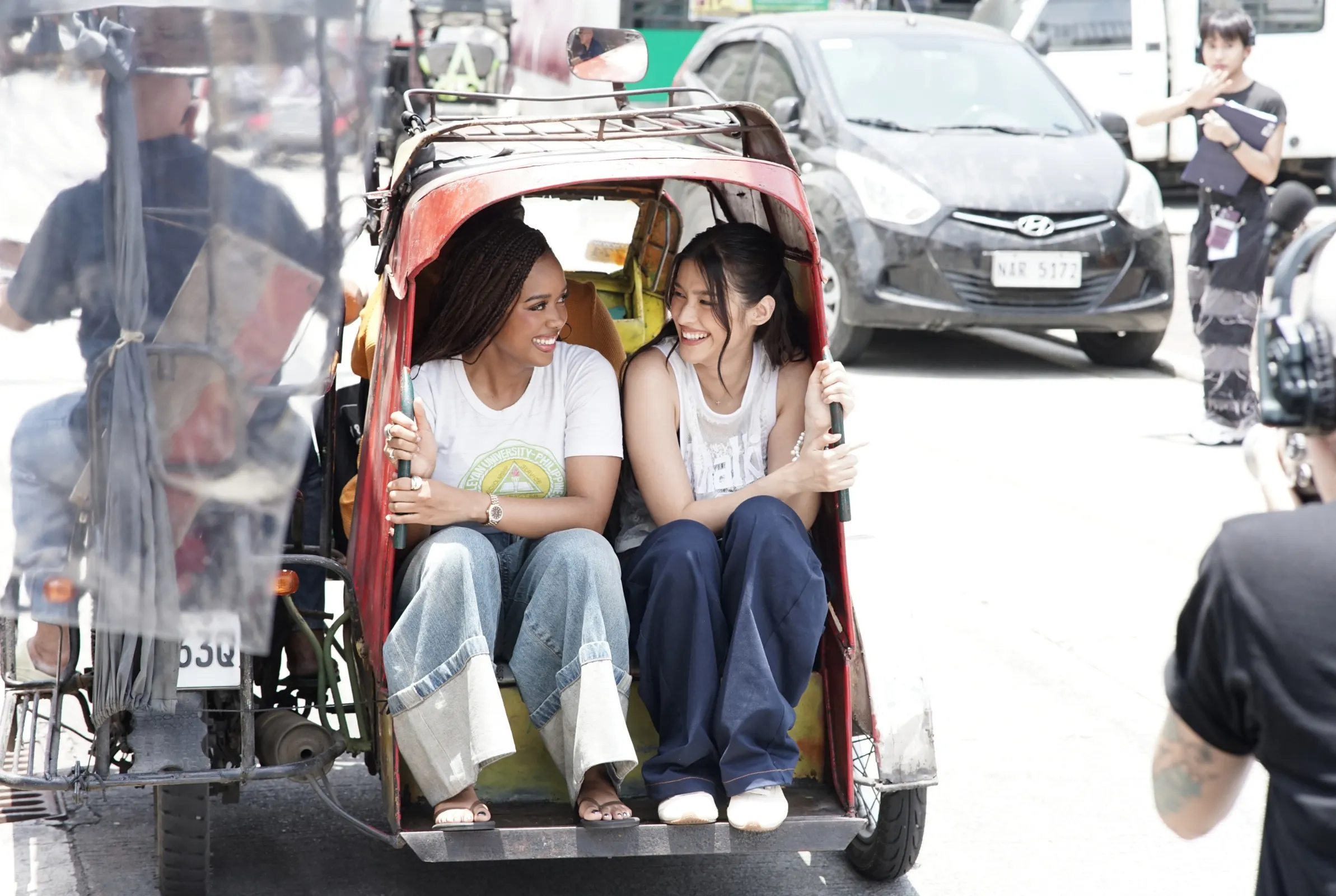
For Catbagan, the experience was also deeply personal. After spending so long away from Manila, returning to shoot with a Filipino creative team made the short trip especially meaningful. “The whole Forgotten Island team really made an effort to bring Filipino voices from different backgrounds into the project,” she reminisced.
“I loved seeing artists from the Philippines work with artists from the States and make a really cool project together. It really felt like bringing two worlds together.”
– Catbagan on working with the creative team
“It’s not goodbye; It’s be right back”
For many Filipinos who have lived abroad and regularly returned to the Philippines, the words “be right back” carry a little more weight. “For someone like me who lives abroad, it was so real,” Catbagan admitted. “It’s always hard to leave Manila, especially after seeing how much it has changed since you’ve left. But I comfort myself by saying, it’s not goodbye; it’s be right back.”
While the music video stands on its own, it is also peppered with Easter eggs that connect it back to Forgotten Island. “If you rewatch the music video, we really tried to mirror a handful of scenes without being too obvious,” Catbagan teased.
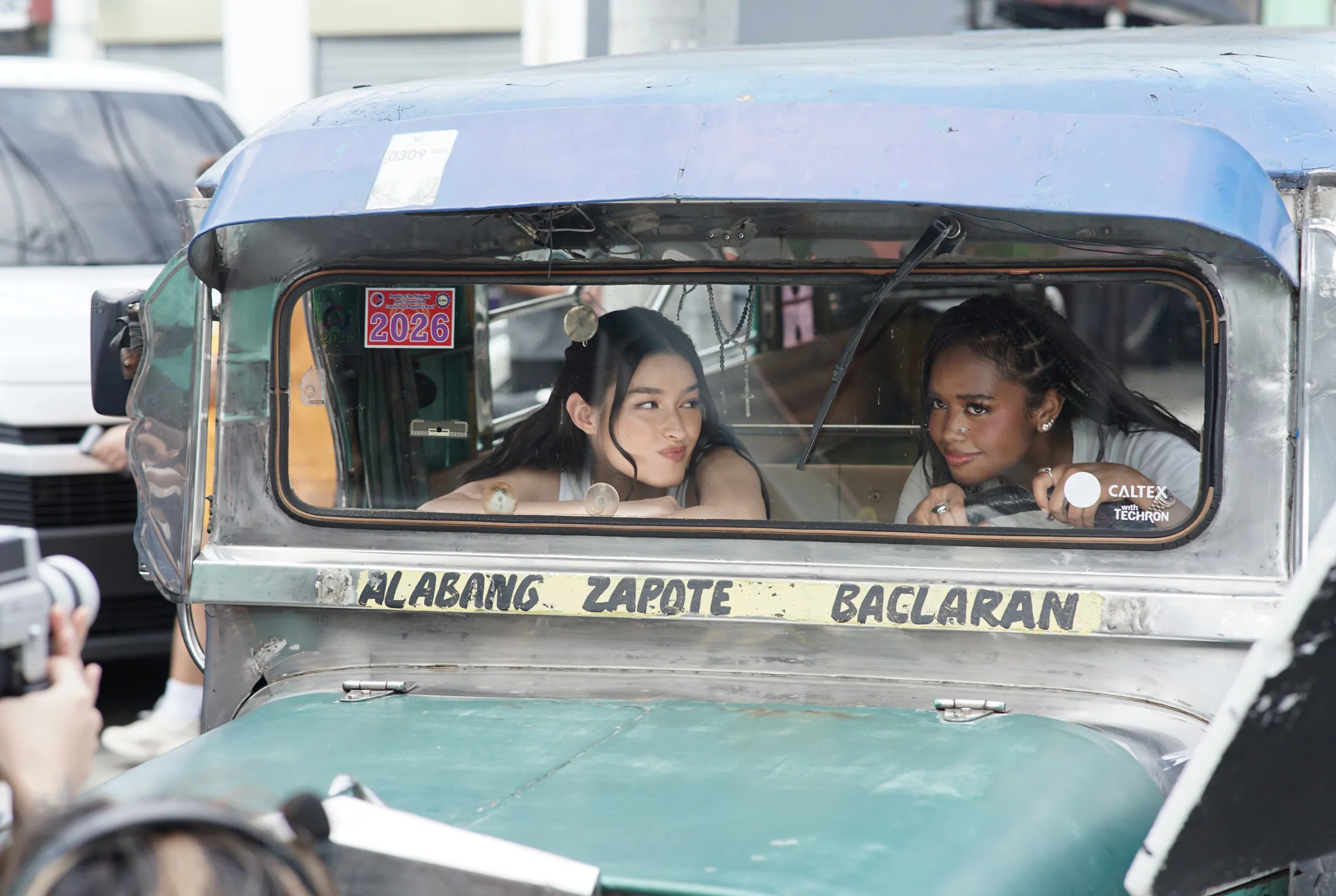
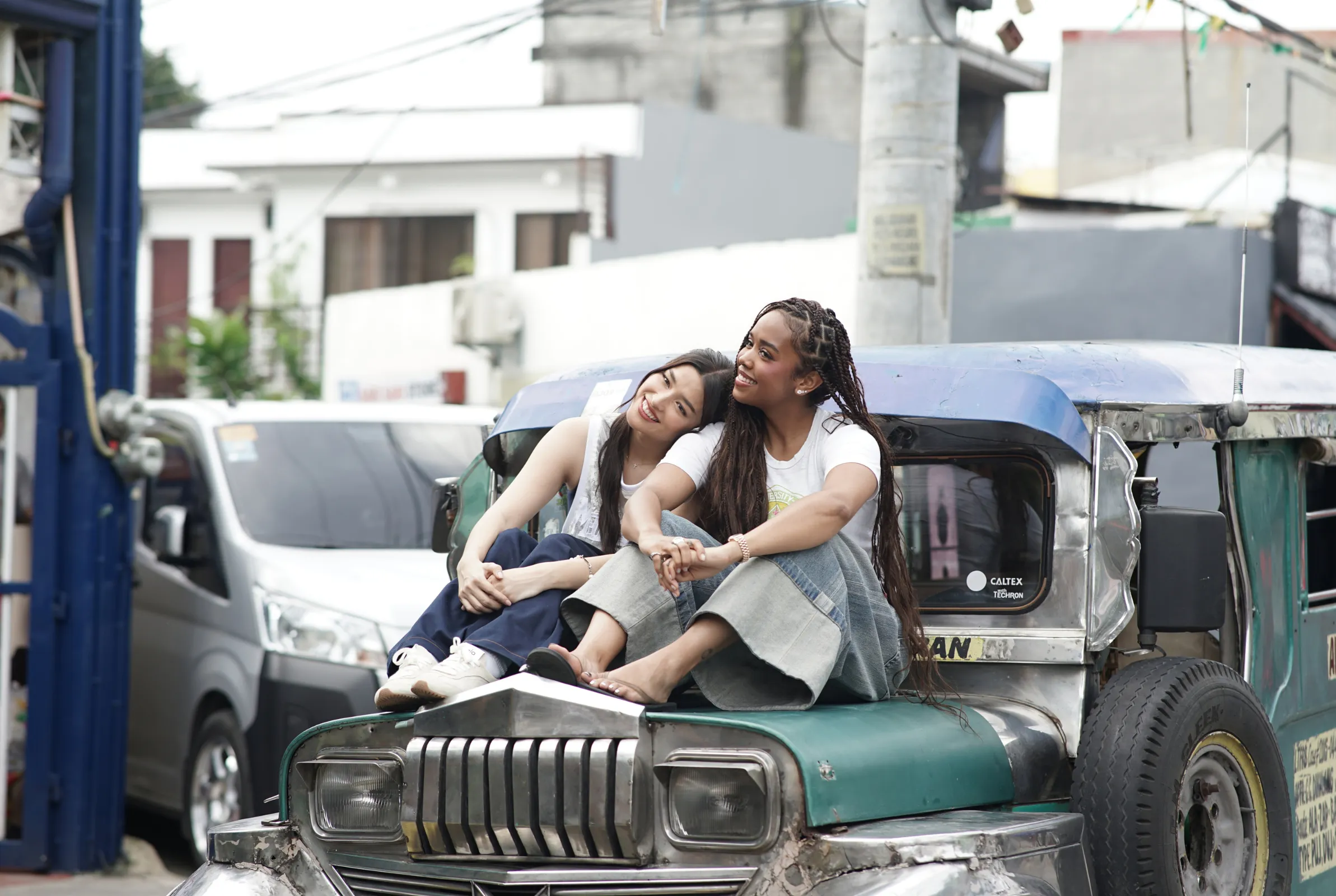
One of them echoes a scene in Forgotten Island where Jo’s lola, played by Dolly de Leon, tells Jo and Raissa a story. The music video also features Liza and Gabi sitting atop the hood of a jeepney, another visual callback to the film.
But Liza and Gabi weren’t the only familiar faces in the music video. Catbagan revealed that directors Januel Mercado and Joel Crawford and their families also make appearances. “They created an environment around their project that was so open and welcoming, the whole thing felt like a family affair,” she added.
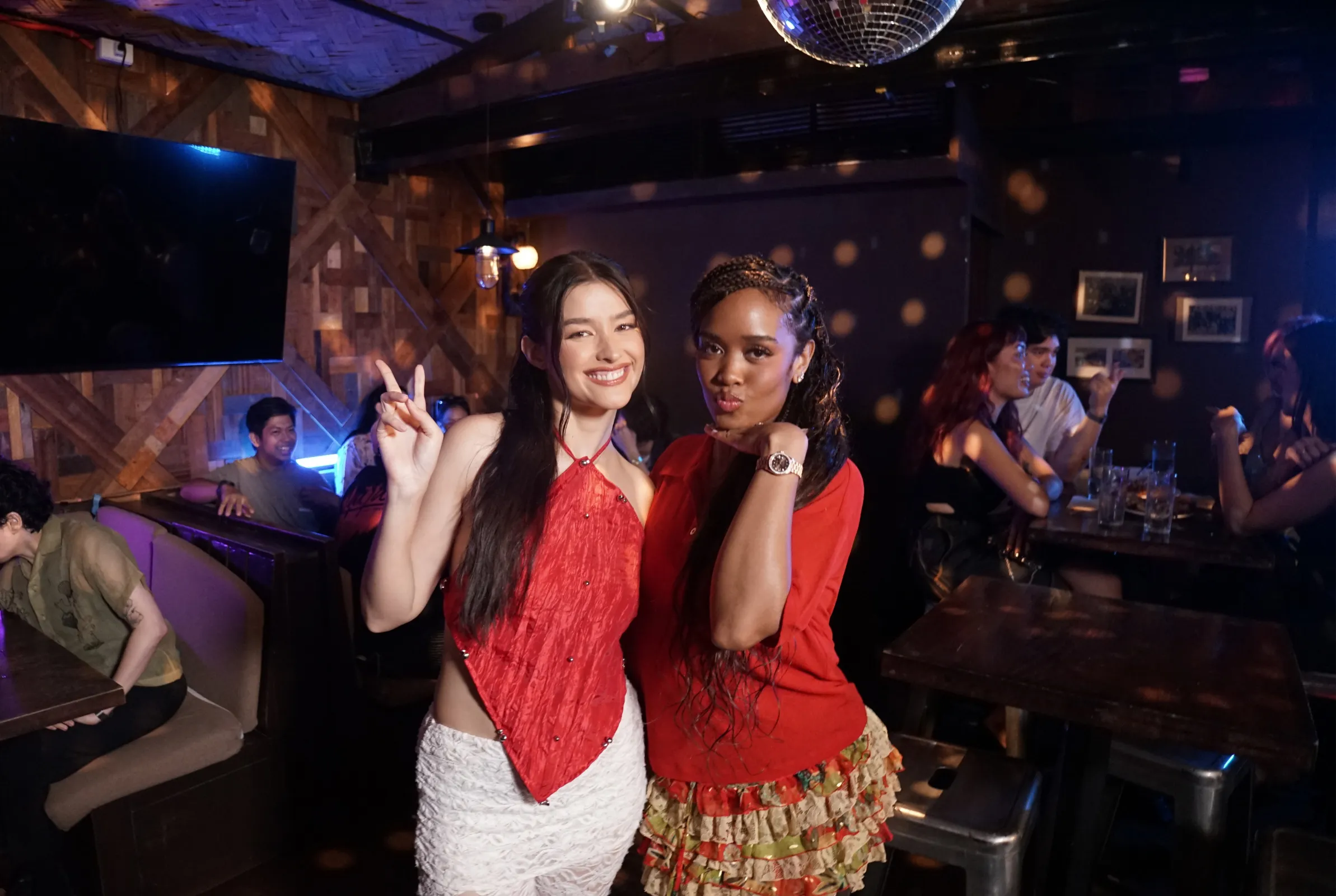
Manila isn’t the background. It has become a character in itself. Through its crowded streets, familiar rituals, little imperfections, and everyday joys, the music video captures a version of the Philippines that feels deeply personal to those who call it home. And for those who have had to leave, perhaps that is what “be right back” really means: knowing that no matter how far you go, there will always be something waiting to bring you home.
Featured Image: BIANCA CATBAGAN (via Instagram)
Additional Photos by TRISTAN HONRADA