



There is a growing urgency to remember—not to simply recall, but to actively preserve. In Philippine fashion, the momentum to document is rising, but the gaps remain too wide, and the consequences too quiet.
RELATED: Body Language: Can you love your body on Ozempic?
I am fortunate to work in publishing. The act of profiling, editing, and curating images for print and digital platforms is, in itself, a form of documentation—immediate, traceable, and lasting. In our pages and platforms, the work of designers, stylists, makeup artists, and models becomes visible to the world. That is a privilege and a responsibility. But fashion’s record-keeping should never be left to the media alone.
Too often, the answer is: it isn’t. Or if it is, it’s fragmented—dependent on borrowed uploads, third-party captions, and archival happenstance. A show ends. A campaign wraps. A collection is sold off or kept from public view forever. The industry moves on.
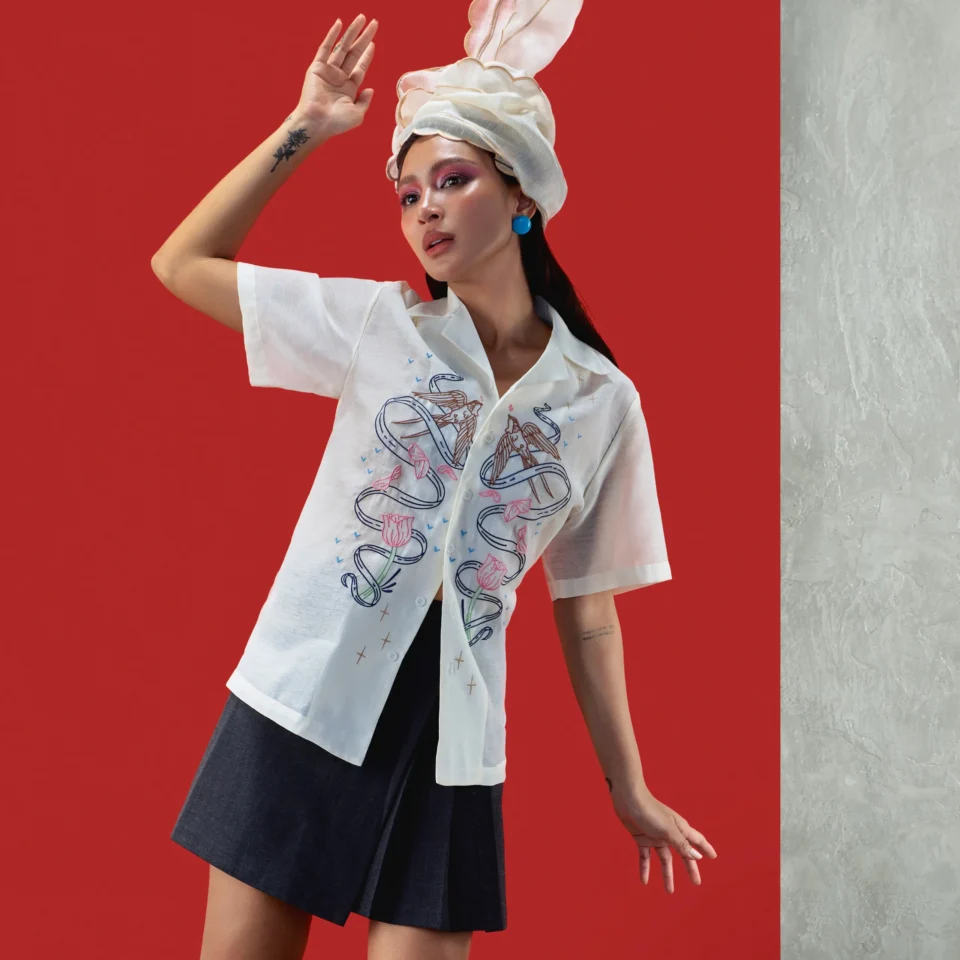
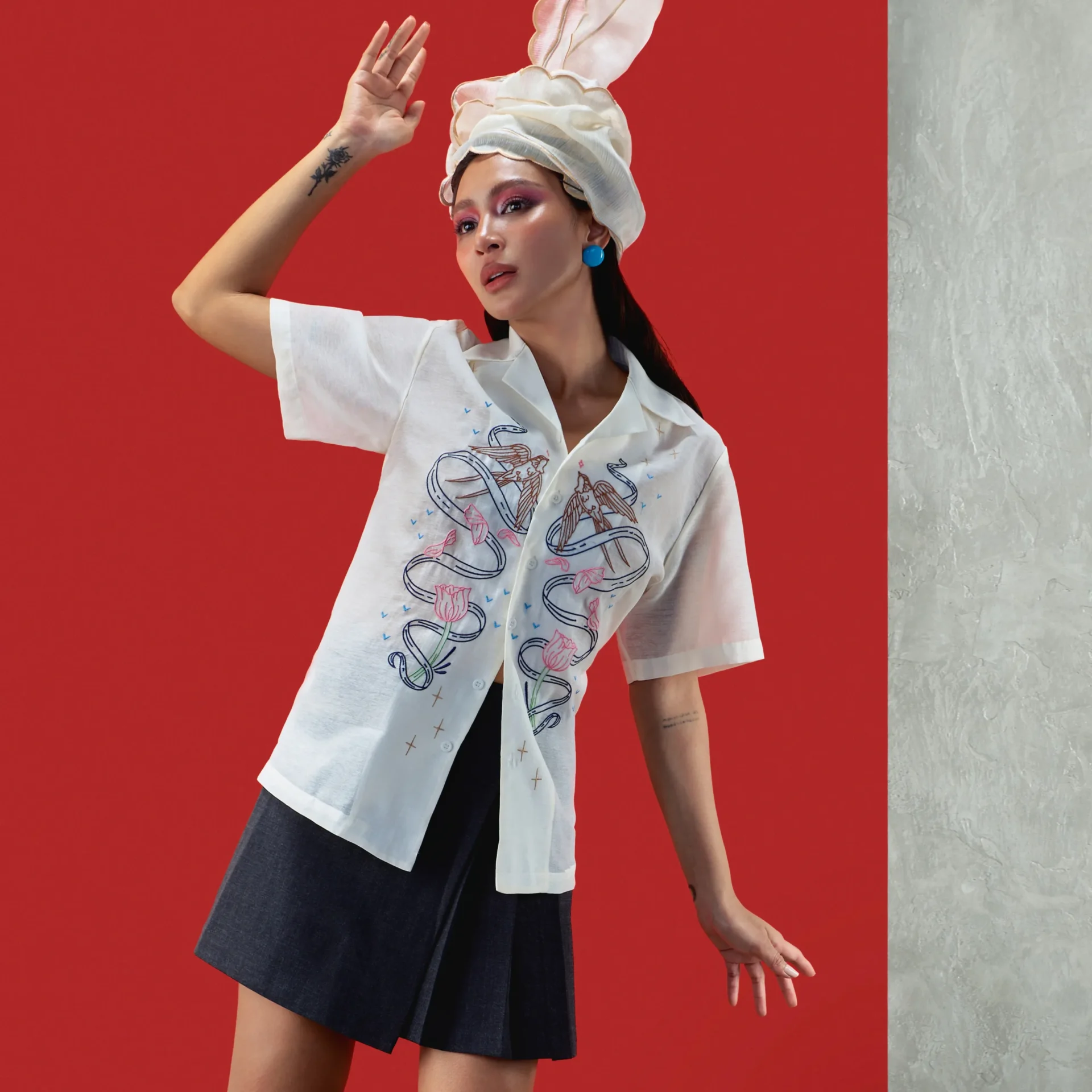
And yet, interest in history has never been higher. Online, there’s a renewed appetite for the past—not just for vintageVintageClothing and accessories that are at least 20 years old and represent the style of a particular era, valued for their quality and uniqueness. Vintage shopping supports sustainable fashion, andGo to Vintage Glossary aesthetics, but for actual archival footage, old show clips, and magazine scans. When Michelle Dee walked onto the Miss Universe 2023 stage in a Whang-Od–inspired Mark Bumgarner gown, it sparked conversation. Insiders recalled Happy Andrada’s 2016 collection honoring the craft of the same tattoo artist. Others traced the through line back to Sotto’s Filipinno show from the ’90s, where tattoo motifs and pre-colonial references were already part of the fashion language.
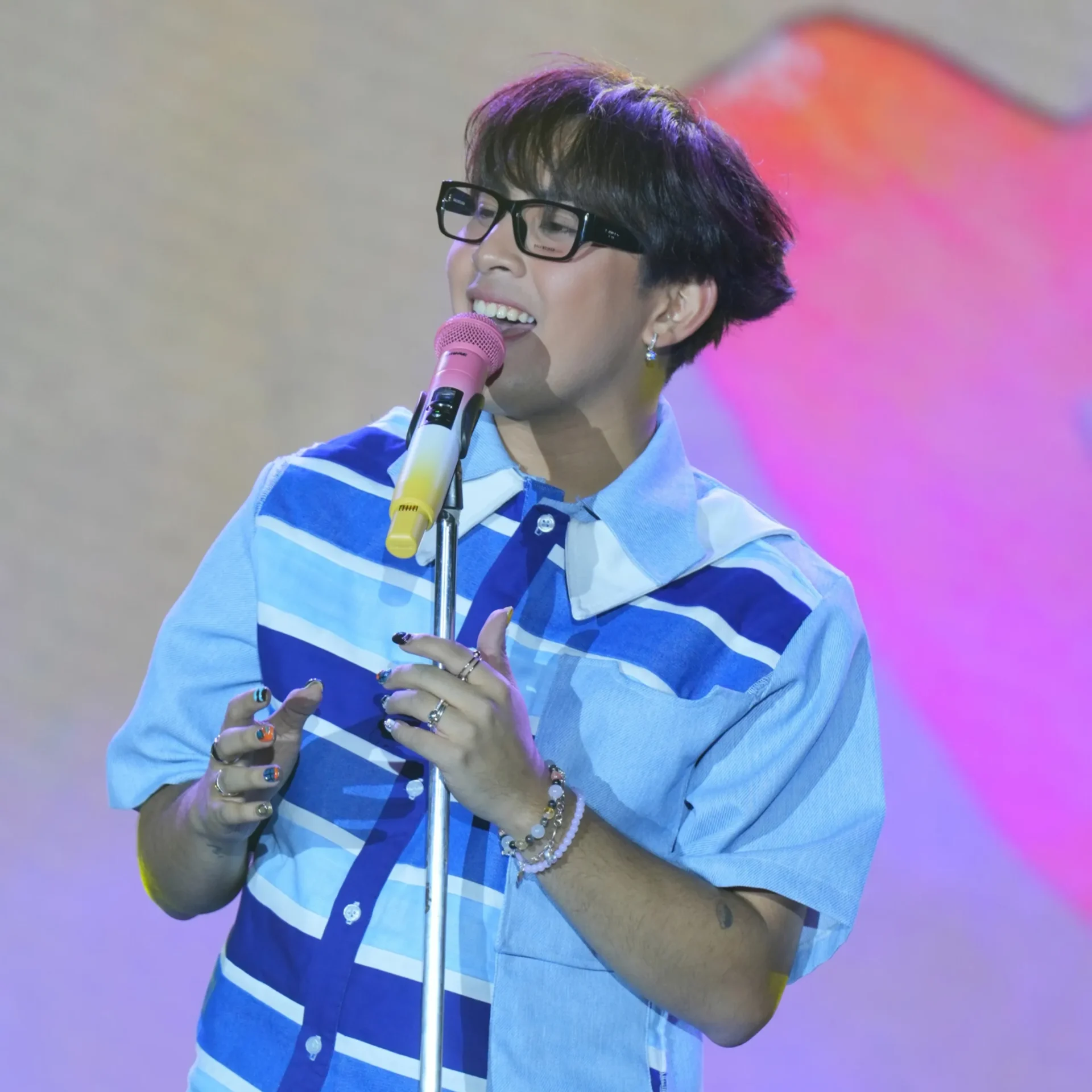
Pop culture has always carried these threads, too—sometimes literally. The 1970s band Hotdog immortalized the glamour of Pitoy Moreno and the high-society hairdresser era of furniture designer Budji Layug in “Bongga Ka Day,” while the ’90s rock legends Eraserheads nodded to Inno Sotto in “Magasin.” These are major moments where fashion and music entwined, but they remain exceptions. There could—and should—be more, if only more people were clued in.
To the internet, this is nostalgia. But for fashion professionals, this is recognition—the desire to know where we’ve been, so we can better shape where we’re going.
Recent exhibitions, such as the Moreno retrospective at the Met and FilipinianaFilipinianaThe traditional national dress and style of the Philippines, encompassing garments such as the terno, Maria Clara gown, barong Tagalog, and baro't saya. Celebrated for handwoven fabrics and intricate embroidery,Go to Filipiniana Glossary x Obra at the National Museum, have begun framing Filipino fashion within our cultural canon. The Ternocon franchise has done its part with events, literature, and social materials that make the national dress legible to a new generation. Our National Artists for Fashion each have their bodies of work forever documented in books: Ramon Valera’s eponymous tome was published in 2005 while Salvacion Lim Higgins or SLIM’s estate released her design anthology in 2009. The College of Saint Benilde recently announced they are opening the country’s first fashion museum in 2026 where garments from the 20th century onwards will be on permanent display—with a digital equivalent to boot.
Yet, despite these milestones, the archive remains incomplete.
TRACING TIMELINES
One way to begin establishing a timeline of modern Philippine fashion is by observing and documenting the style of stars and high society. Korina Sanchez and Kuh Ledesma wore Pepito Albert religiously. Lucy Torres-Gomez was a latter-day Joe Salazar muse. A young Regine Velasquez wore Louie Mamengo. And sure—you can assemble the supermodels of the ’90s—Tweetie de Leon, Apples Aberin, Marina Benipayo—and they can talk at length on a video or podcast about the designers they posed and walked for. But these accounts are often adjacent, tangential.
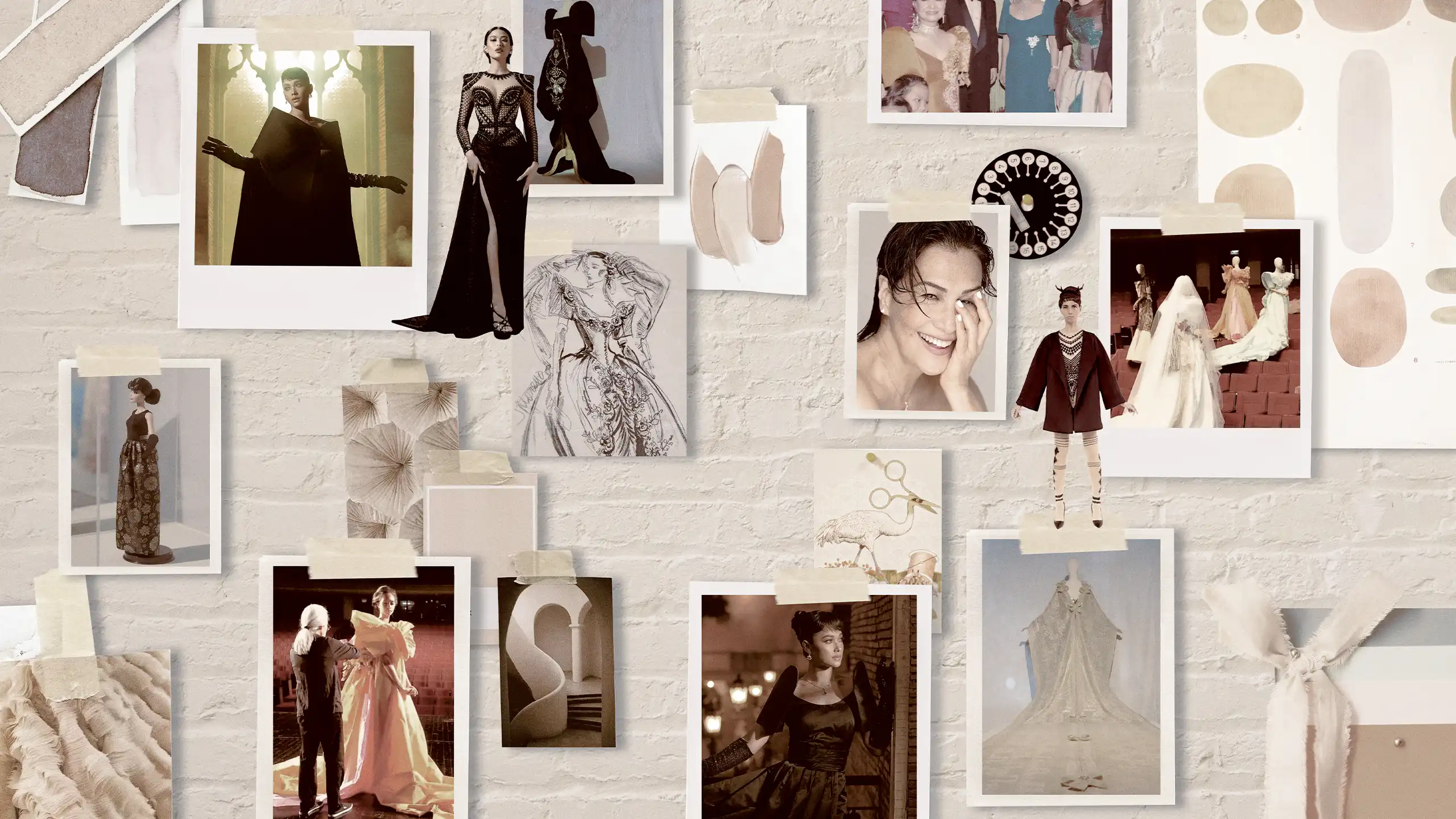
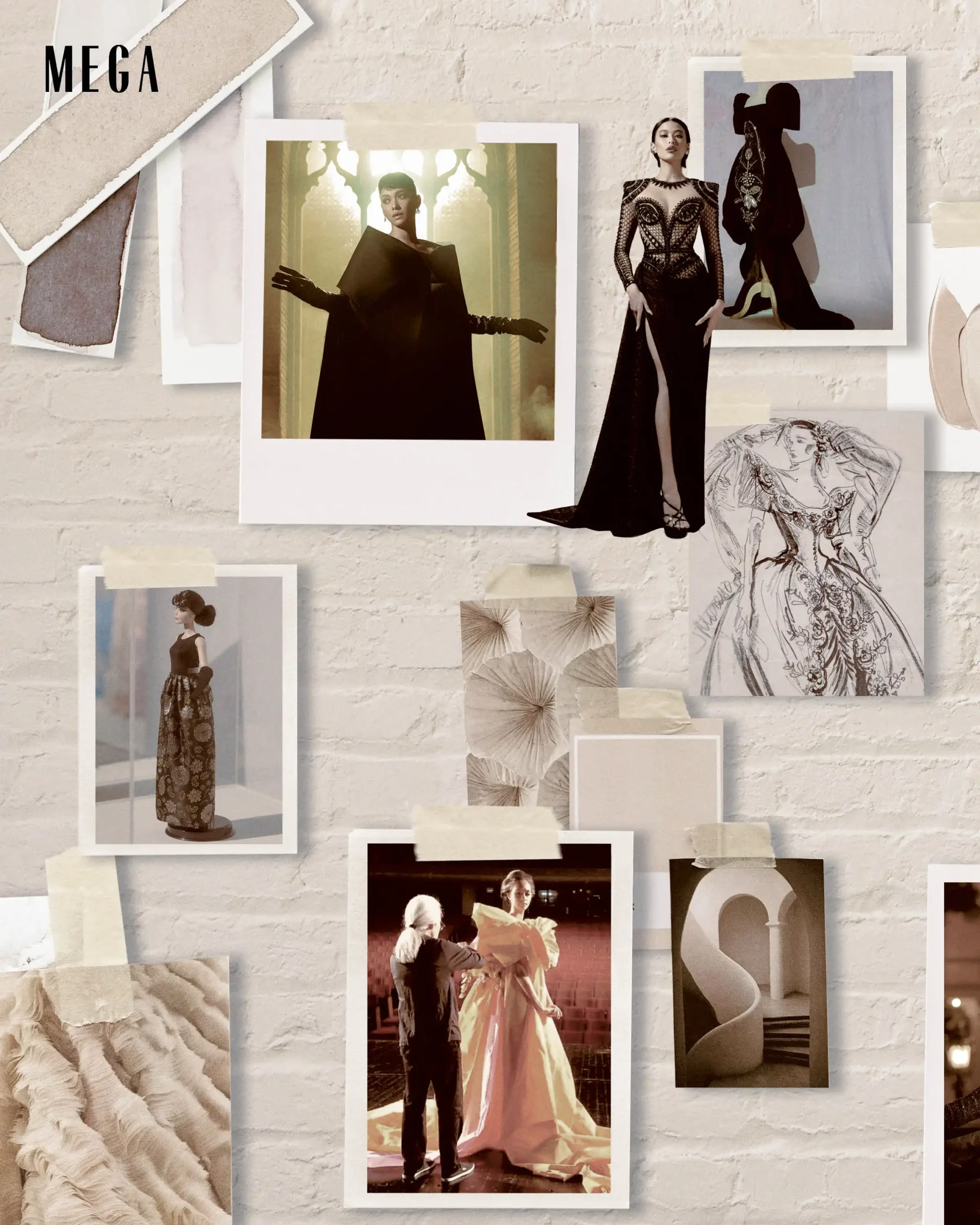
The holy trinity of Philippine couture—Ben Farrales, Aureo Alonzo, and Moreno—forms the foundation upon which contemporary designers stand, yet their legacies live mostly in fleeting exhibitions rather than in permanent archives like those of Chanel or Saint Laurent. The same permanence should be afforded to their individual oeuvres—dedicated, accessible repositories that chronicle each designer’s full body of work for future generations to study. Auggie Cordero’s Audrey Hepburn–inspired designs distilled elegance into every gesture. Salazar’s architectural yet romantic gowns defined VIP wardrobes long before “couture” became common currency in local fashion speak. These designers shaped entire eras, yet to the next generation, their contributions risk fading into whispers.
Even Anna Bayle—one of the first global Asian supermodels—has only recently re-entered the conversation, thanks to deep dives and resurfaced Mugler footage on TikTok and YouTube. She walked alongside Iman, fronted luxury campaigns, and broke racial and geographic barriers when Asian representation was nearly nonexistent. And yet, no definitive compendium exists. Her story deserves permanence—not just at the fleeting mercy of reels and fan uploads. She should be taught, studied, and cemented in the canon of fashion history, not just the algorithm.
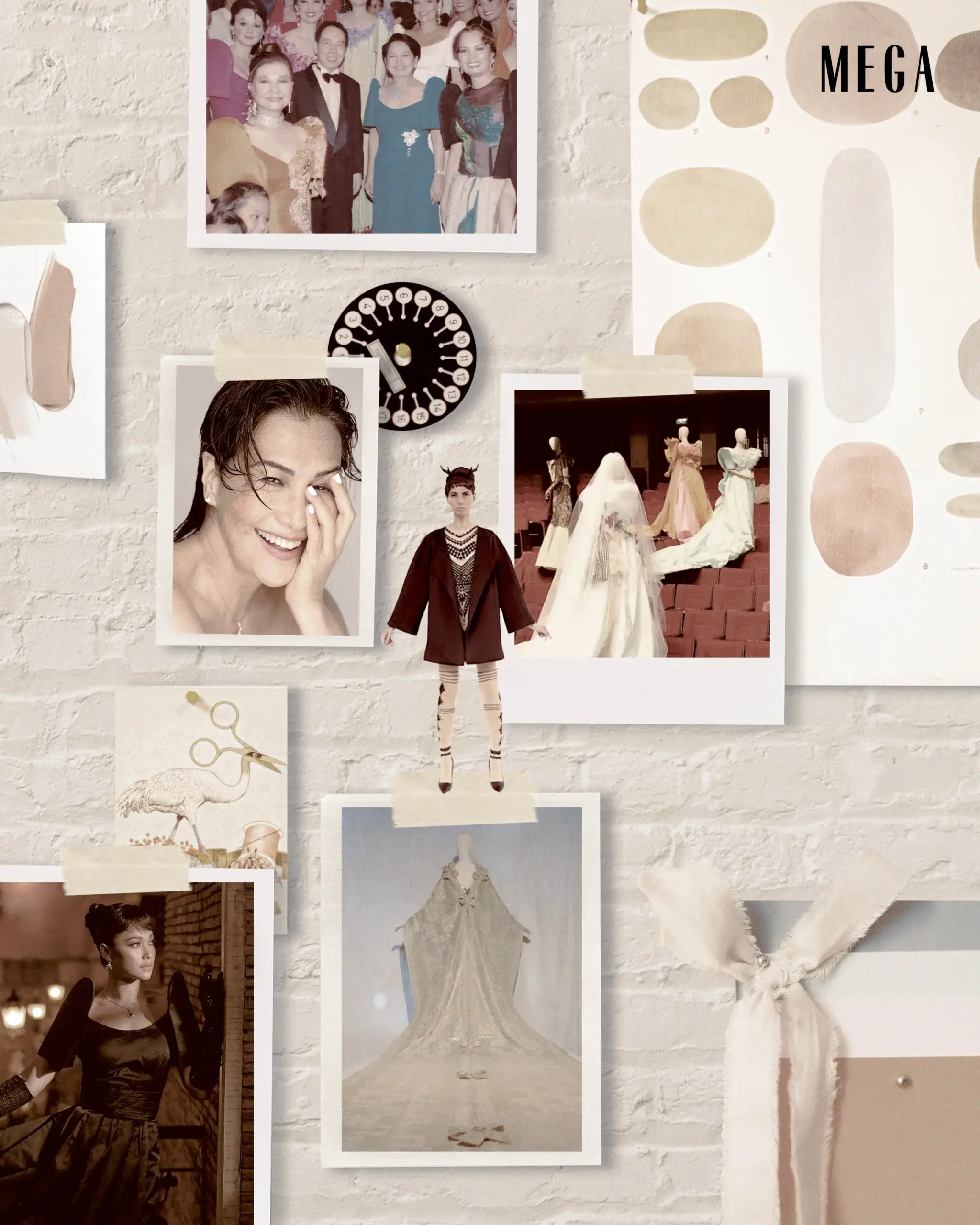
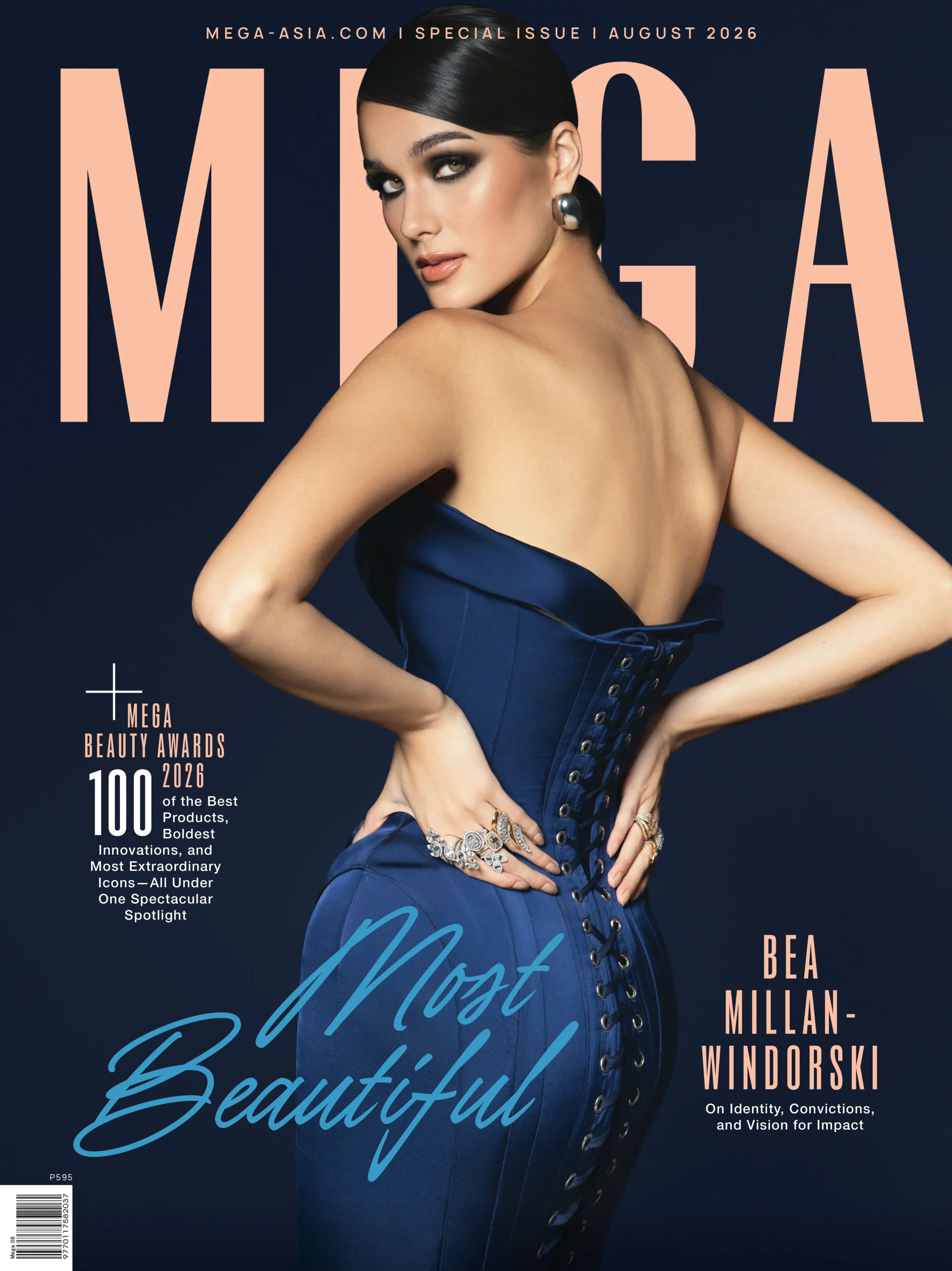
Tina Maristela-Ocampo, Neal Oshima, and Henri Calayag—legends in their own right—rarely do magazine work now, but when they do, the result is historic. MEGA recently brought them together for a beauty editorial that became a masterclass in elegance, re- straint, and creative fluency. And yet one wonders: do all the young guns in fashion today know who they are—and their respective bodies of work? Do they recognize that to be in the same room as any one of them is to be in the actual lineage of Philippine fashion?
These are the names that shaped the standards. So why does their presence feel invisible or newfangled to some? Is reverence no longer instinctive?
A stylist friend once told me of an intern, fresh from fashion school, being briefed for a shoot. Among the references mentioned: Pepito Albert. The intern’s reply was sincere but sobering: “Who is he?” This isn’t an isolated case. It’s the result of a system that hasn’t prioritized memory.
Fashion history is, by nature, a challenge to teach—especially here, where so much remains undocumented or scattered across private collections. Most schools that teach fashion often focus on Western history or the more accessible parts of our tradition: weaving, embroidery, colonial dress. These are vital, yes, but they are only part of the story. If students are taught to sketch, sew, and sell, they must also be taught to contextualize. Legacy isn’t just about the past—it’s about knowing who came before you so you can build what comes next.
Read the rest of the essay in MEGA’s September 2025 issue now available on Readly, Magzter, Press Reader and Zinio.
Photographs by TIMOTHY DUEÑAS , NEAL OSHIMA, SEVEN BARRET TO, and JOSE “PITOY” R. MORENO ARCHIVES.
Photographs from <instagram.com/michelledee>, <instagram.com/happyandrada.ph>, and <instagram.com/fabcreativesmanila>