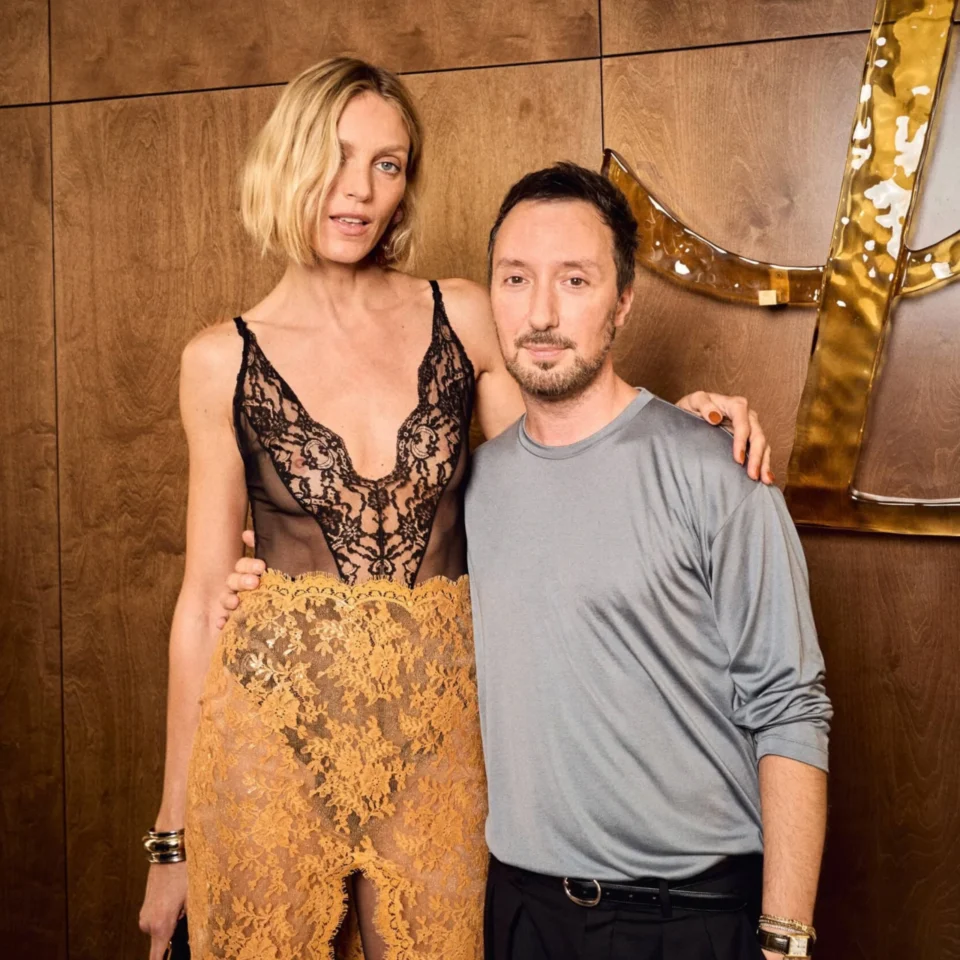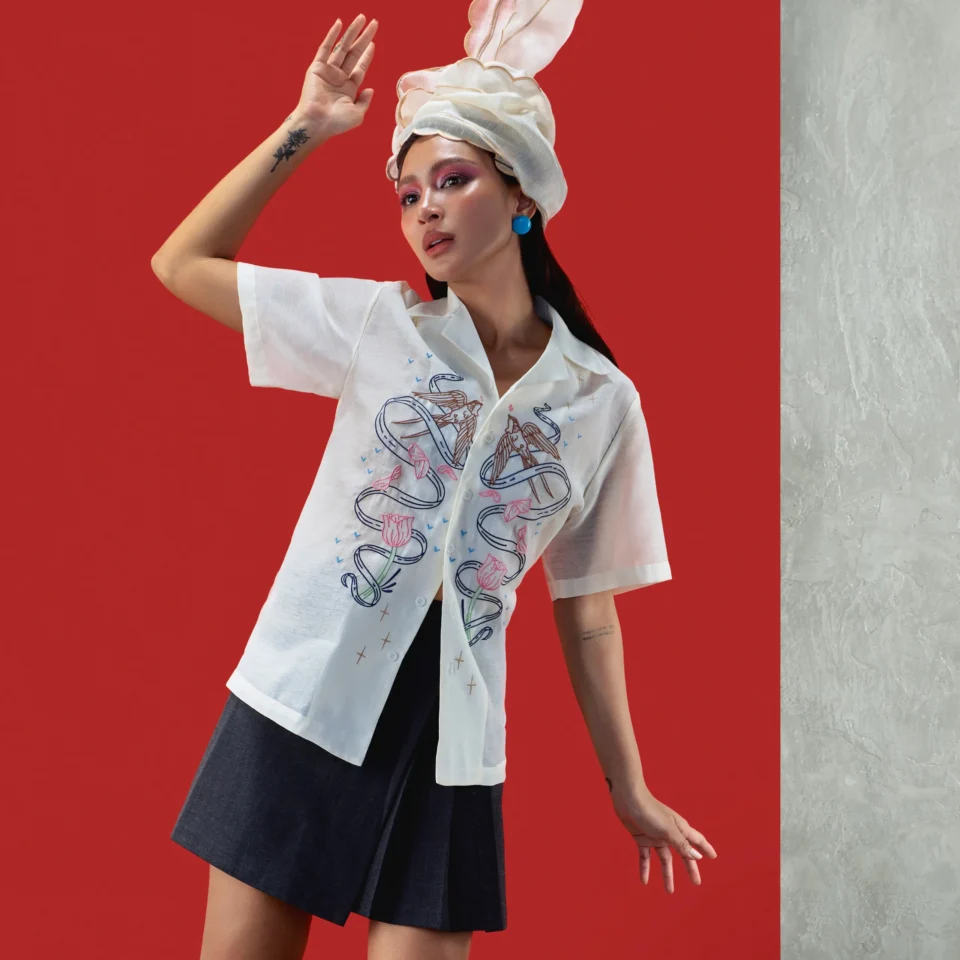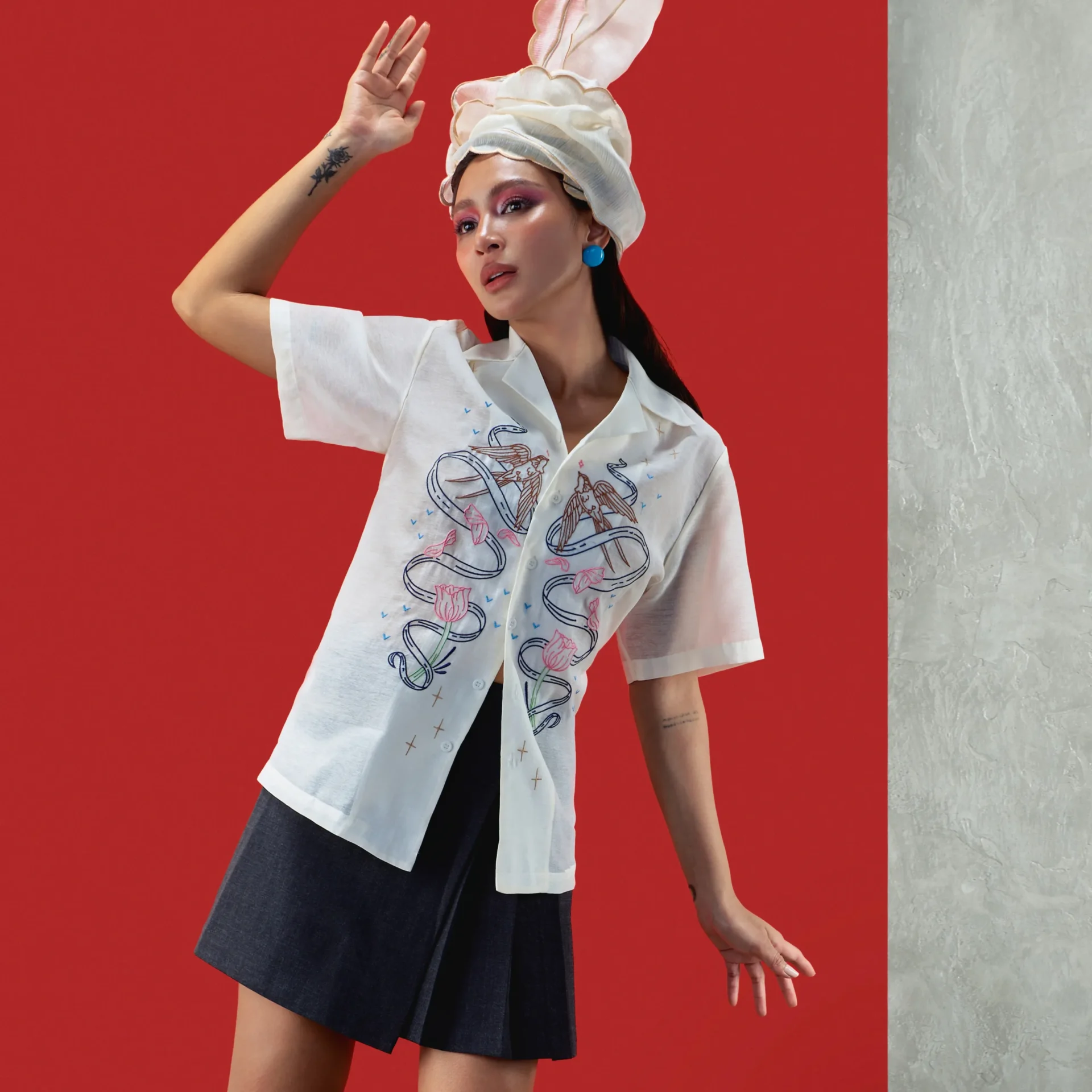




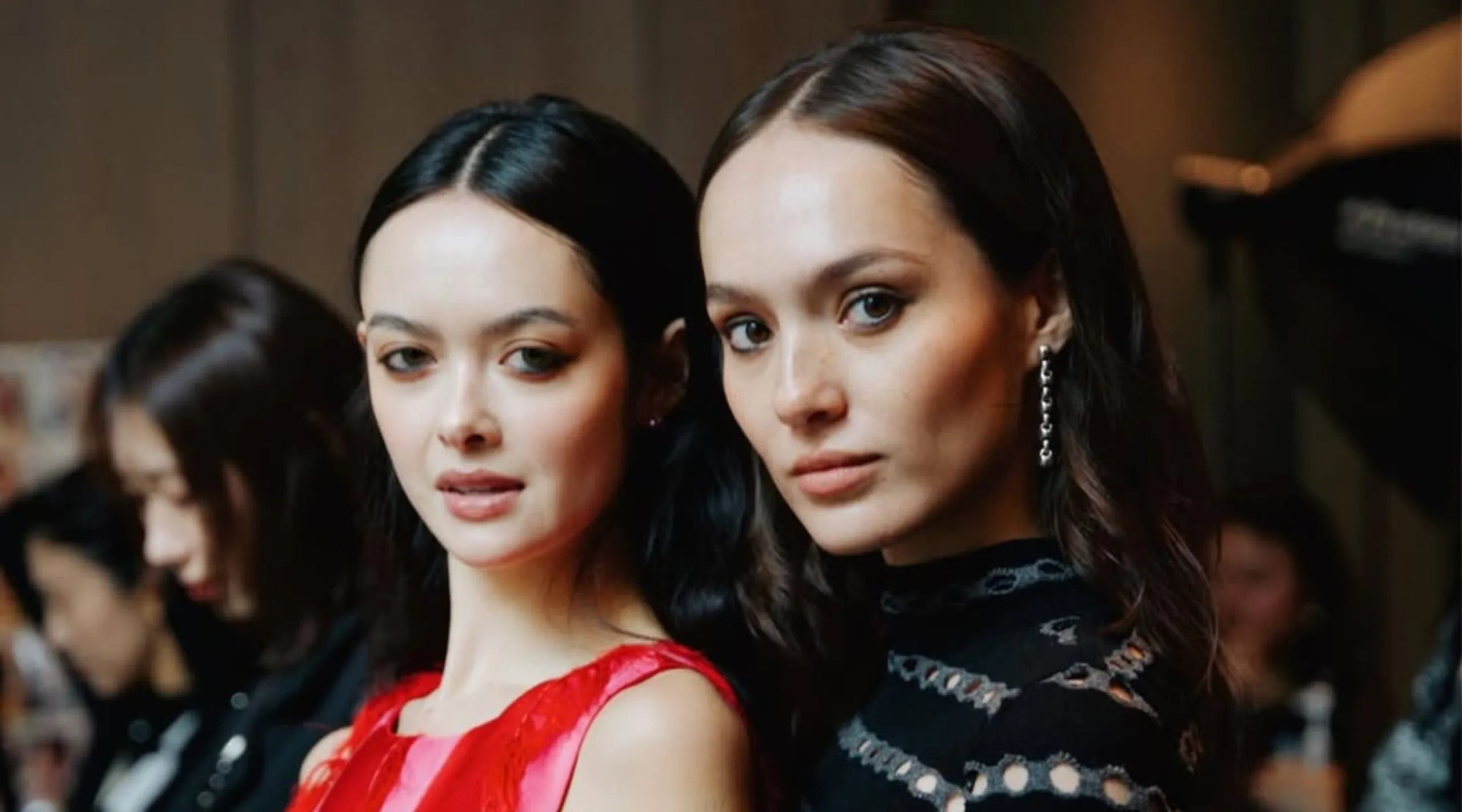
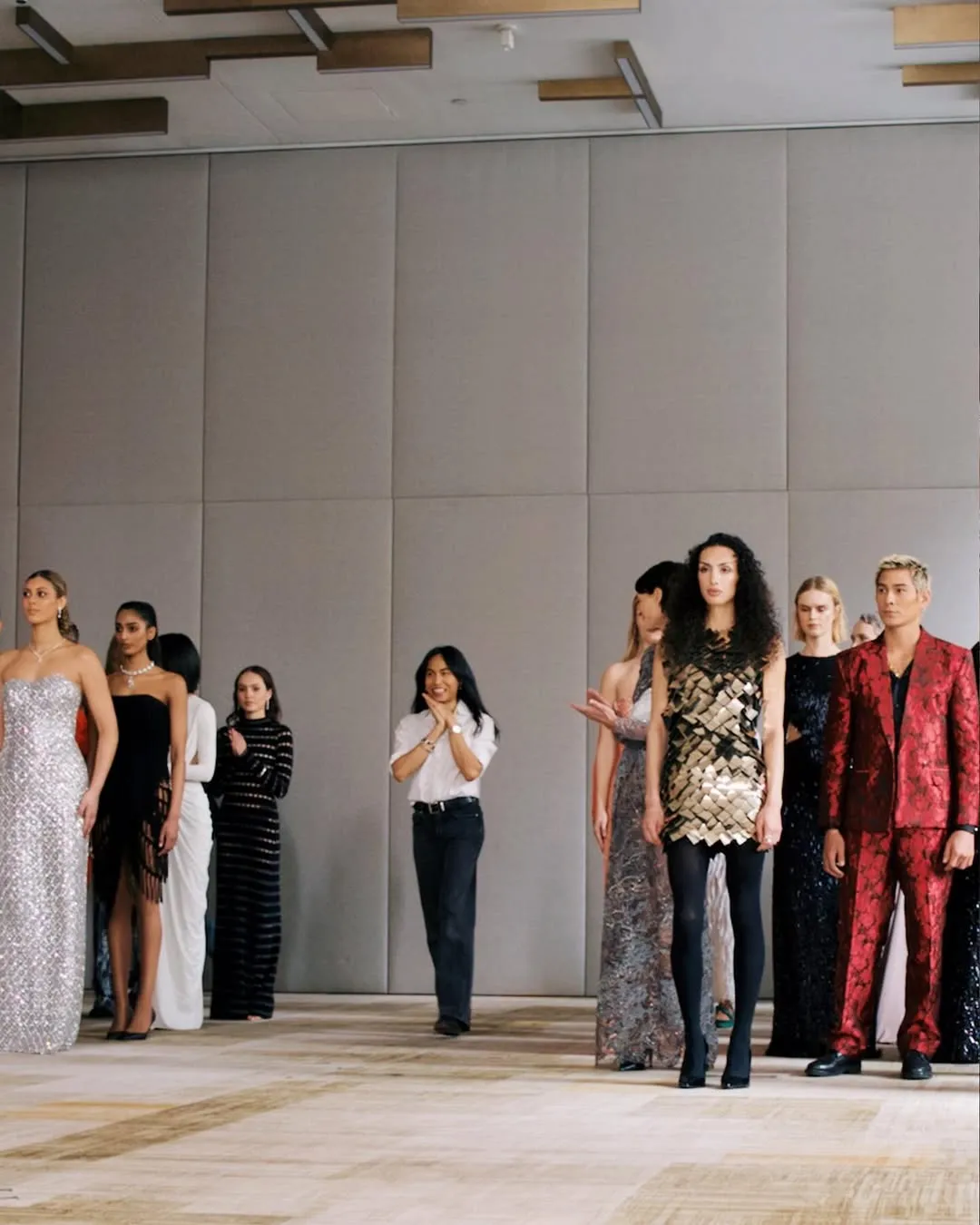
New York Fashion Week has always been a mirror. It reflects power, taste, money, and whoever gets to stand at the center of it all. This season, that mirror tilted. Casting director Lorenz Namalata stepped forward as the one calling the room. On the official CFDA calendar, he led casting for MEGA Young Designers’ Competition alum Veejay Floresca’s solo presentation—the first Filipino trans woman to win Project Runway, bringing her work to New York under her own name.
RELATED: Filipina Beauty: Are you a Bebot, Kikay, or Kakaibabe?
Specificity Is the Strategy
Filipino creatives are no longer waiting for Western validation to trickle down; they are arriving with specificity intact. Simultaneously, fashion is no longer rewarding vagueness. It rewards clarity. And increasingly, that clarity is cultural.
“Just like Willy Chavaria is all about Mexican culture or Sandy Liang takes inspiration from her Chinese roots,” Namalata says, “fashion is truly headed to a space where one’s culture is their asset.”
There’s no vague globalism here or aesthetic tourism. He’s talking about specificity, about roots with dirt still clinging to them. The industry’s appetite has shifted. Provenance sells aspiration.
“Our local techniques and craftsmanship are what make us different, and it’s what the market is craving for these days,” he continues. “To invest in pieces that look and feel like a community they can be part of.”
Namalata has worked with New York shows. He’s assisted on shows orbiting outside the official calendar—important work, but always adjacent.
“This time felt different because not only was it on the official NYFW CFDA calendar, but I was also taking the lead,” he says. “There was pressure, but I knew it was now or never for me.”
Now or never is not subtle. It shows up in the way you assemble a cast and in the choices you stand by. Most of all, it’s in the way you hold a room.
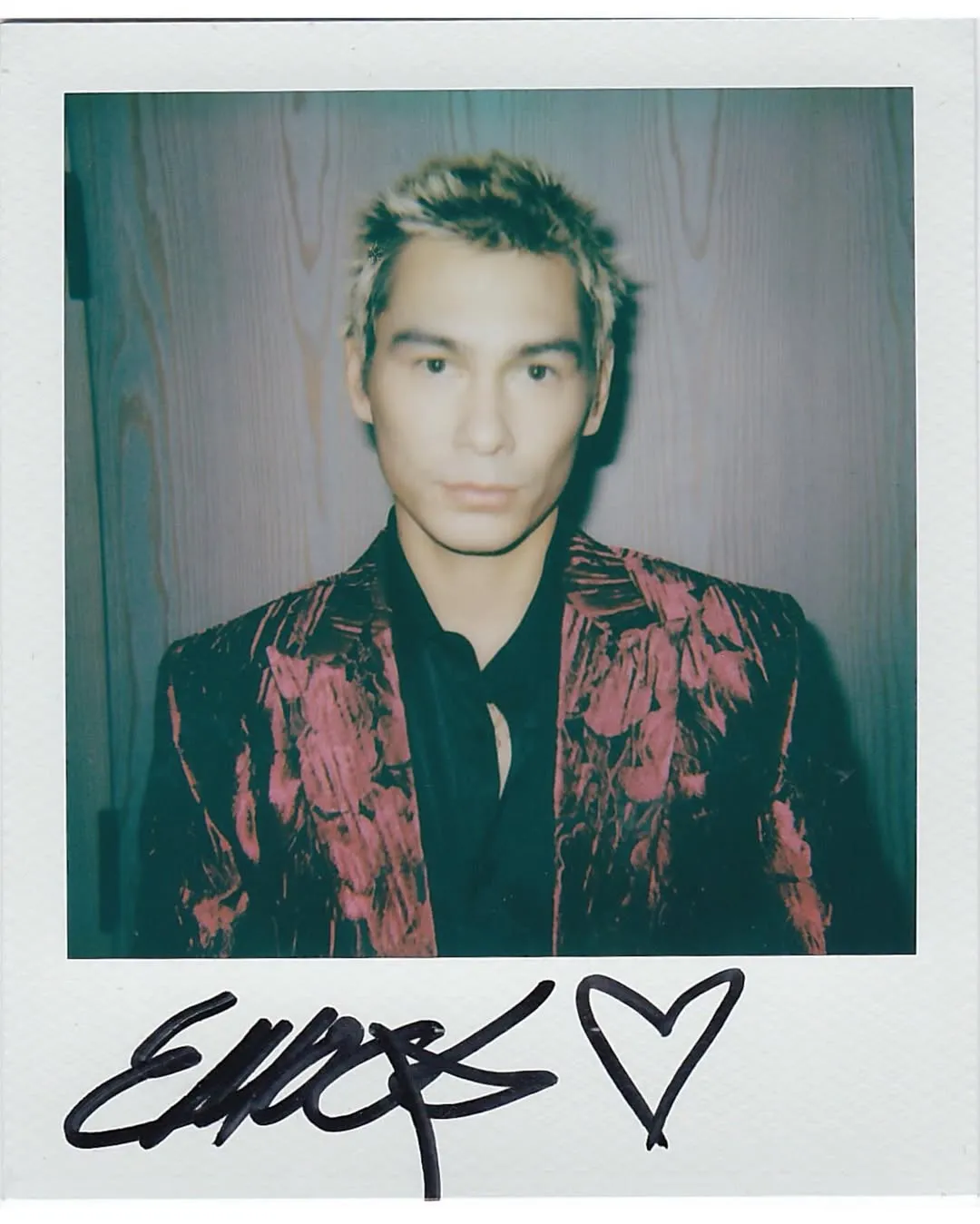
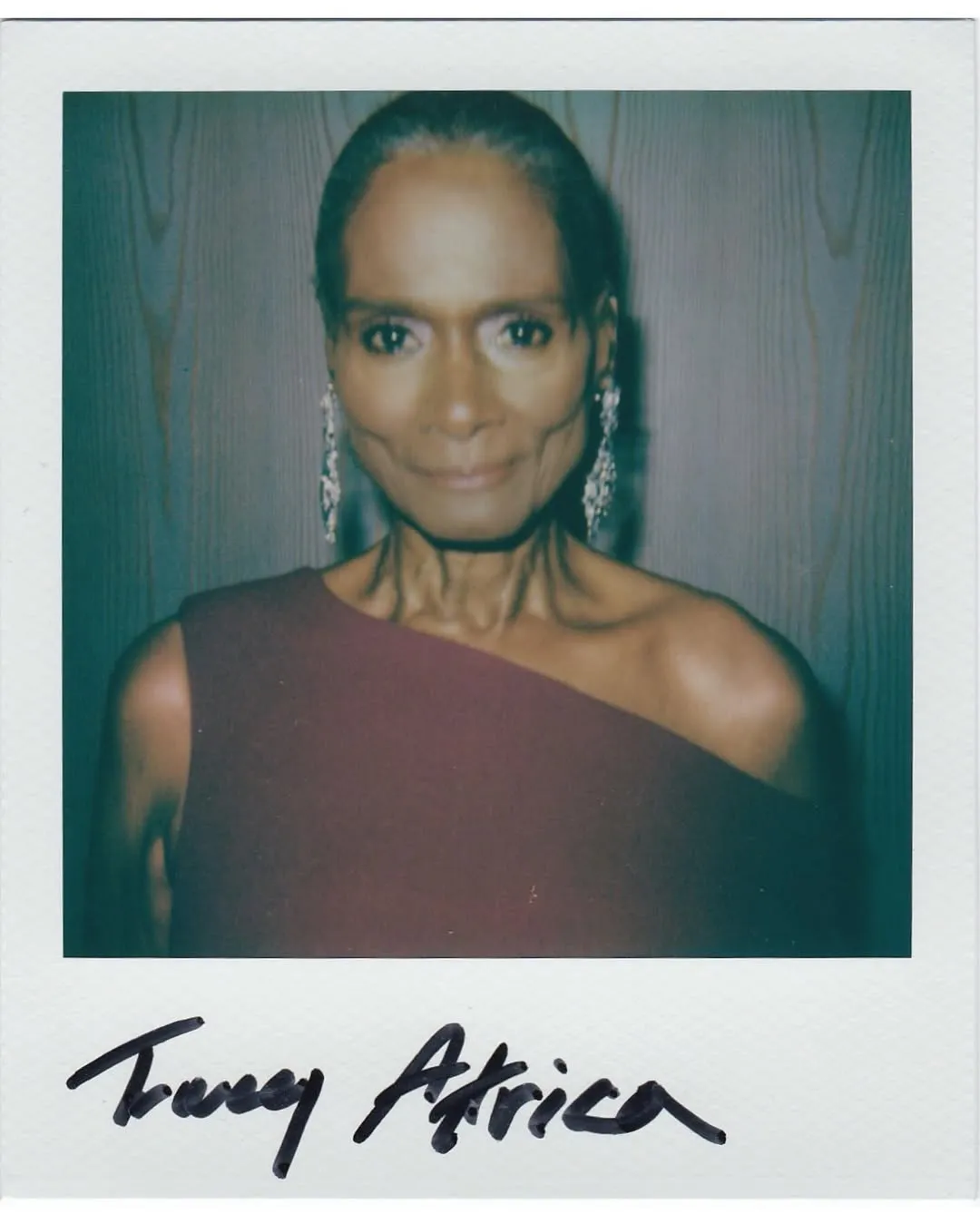
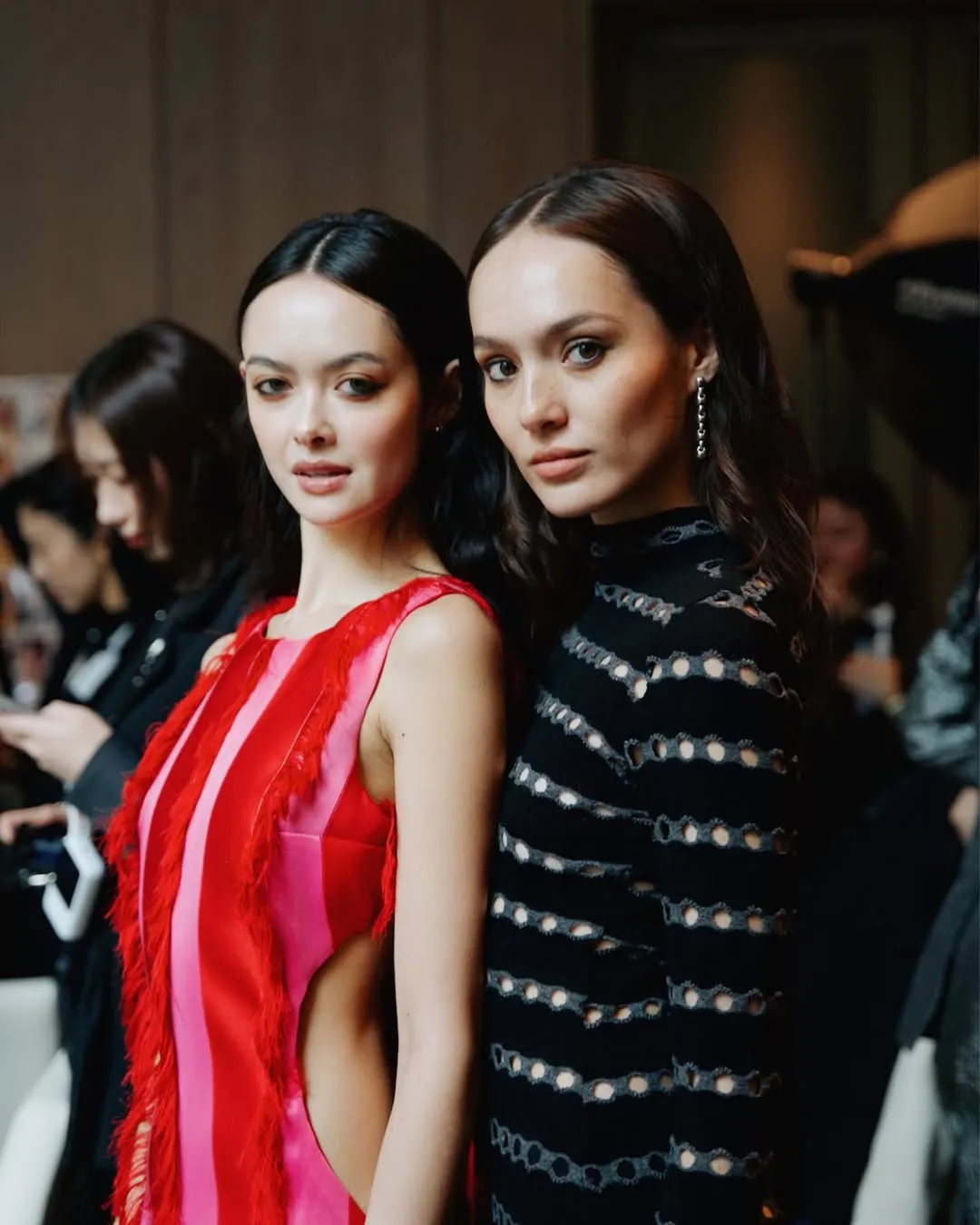
On his roster, the models are fashion favorite and Gossip Girl (2021) star Evan Mock, African-American trans model Tracey Norman, and It Girl Siobhan Moylan, with several other Filipino models, including Issa Bigornia. Jasmine Spuur, Manuela Basilio Gerlach, Merille Raagas, Olivia Long, Selé Jones, and Jules Santiago.
Working With the Winner
How does he describe Veejay Floresca, the woman who weathered Project Runway’s critiques, clashes, and camera-close scrutiny?
“Veejay is very headstrong, but she is also very charming,” he says. “It’s that fine balance of her knowing when she can push effort out of somebody and being collaborative at the same time.”
That dynamic shaped the casting process. There’s admiration, and also familiarity. Creative tension that produces clarity instead of chaos. “I loved working with her. Every day was a desire to constantly refine, improve, and elevate, and we would trade ideas a lot.”
“I’m so happy. He’s amazing. Working with him made everything easier. He supported my vision. He’s really good at what he does.”
VEEJAY FLORESCA
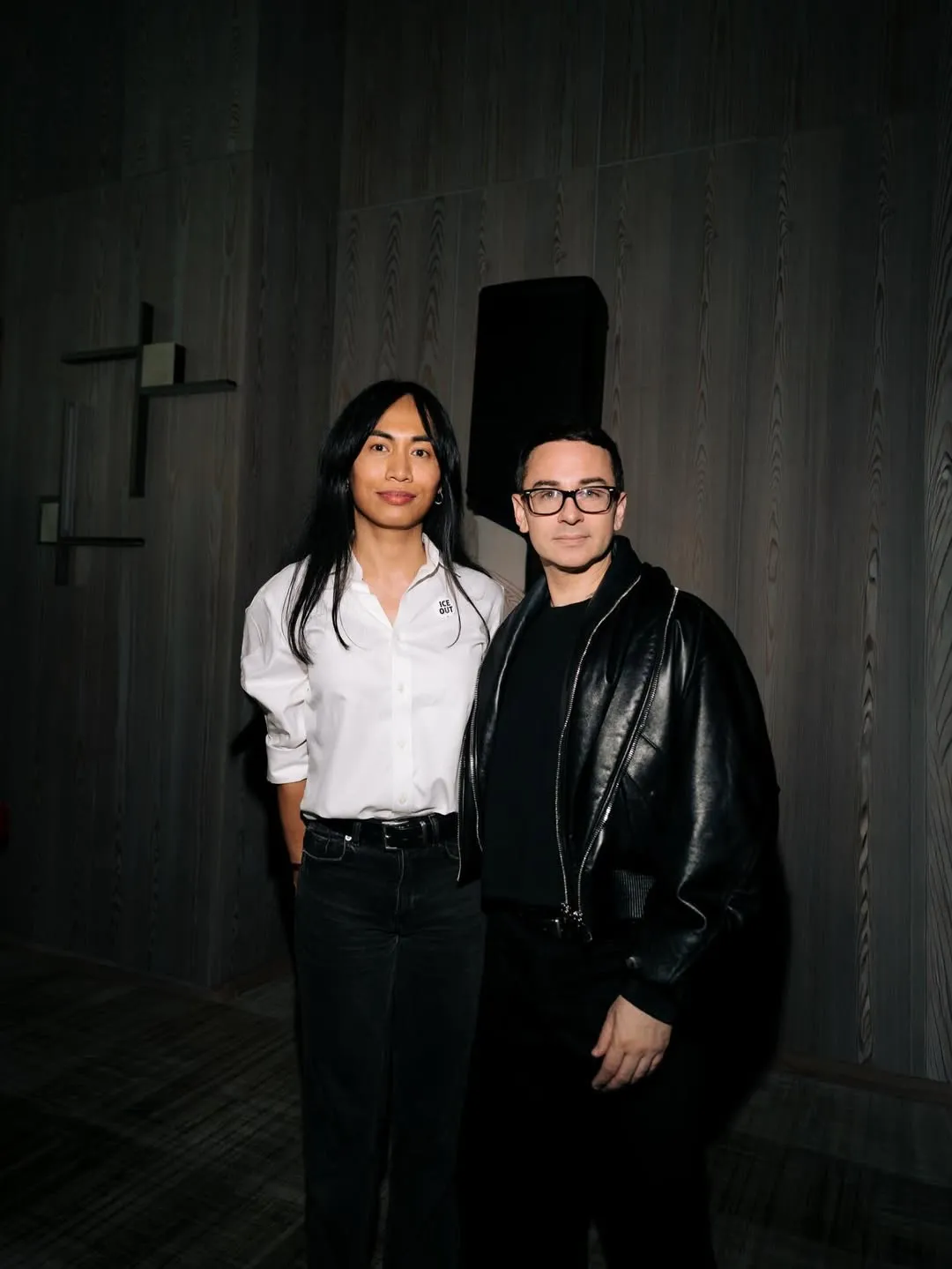
They’re healthy collaborative exchanges—idea for idea, instinct for instinct—that became the spine of the show. The exchange matters because casting, at its best, is interpretation. It translates garments into bodies, and bodies into narrative. For a designer whose identity is inseparable from her work, the cast cannot be decorative. It must be coherent.
Casting Without Compromise
Size inclusivity anchored the show. But Namalata’s approach is telling.
“When Veejay asked for curve models, there were already a few shortlisted models from her Project Runway journey,” he explains. “On my end, since casting for curve models ultimately means making the look custom for them, I do not worry about measurements. I still follow my instincts for when I cast straight-sized models… It’s really about the face and presence.”
There is no bifurcated standard. No separate rubric for curve talent. Presence remains the metric. Inclusion here is not framed as accommodation; it is framed as design intelligence. It requires expanded imagination.
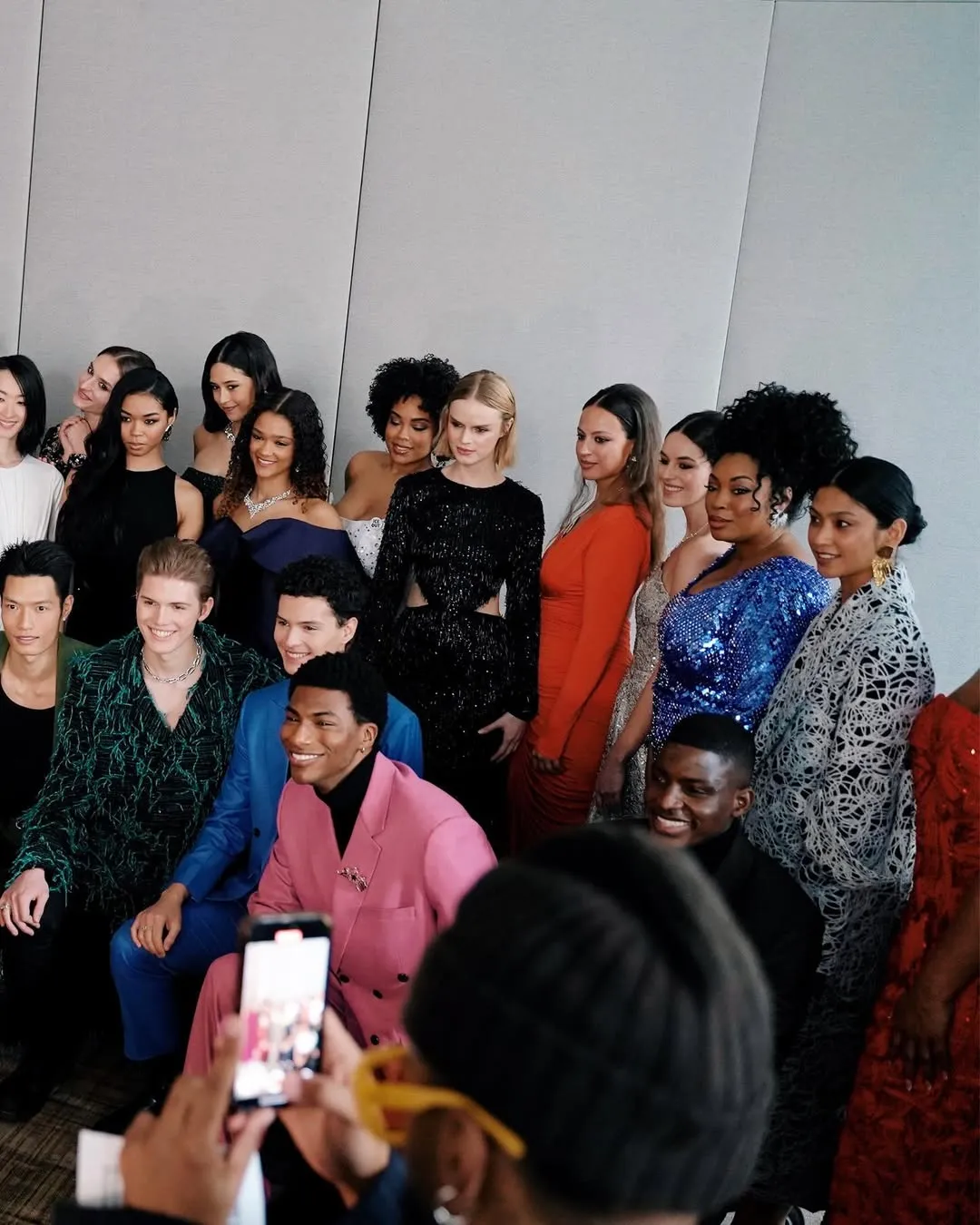
“It’s important to plant seeds of change and have models the youth can see themselves in and look up to.” Seeds are small, and so are runway slots. But repetition builds memory, and memory builds standards.
How does casting shift fashion’s power structure?
“Every time someone gets to do a show, land an editorial, be the face of a campaign, that signals to the world what is ‘in’,” he says. “As consumers, we’re constantly seeing images of what is normalized by fashion, and so casting is crucial that there is no ‘one look’ that’s being promoted.” Normalization is repetition with authority. Show it often enough, and it becomes inevitable. We’d have our own insight to share.
No More Symbolic Bodies
What does representation look like in 2026? The era of symbolic casting—one visibly “different” body placed dead center—has worn thin. Audiences scroll fast; they can smell tokenism the way fashion people smell a sample sale from three blocks away. In a post-2020 industry that has already performed its public reckonings, representation now demands structural consistency. Who is designing? Who is styling? Who is casting? Who signs the checks? Visibility without authority is window dressing. And in a climate where consumers are fluent in both social media grids and institutional hypocrisy, authenticity is no longer aesthetic, but operational.
“Authentic representation is about making sure the decision makers are accountable for what they’re doing, and who they’re giving power to.”
LORENZ NAMALATA
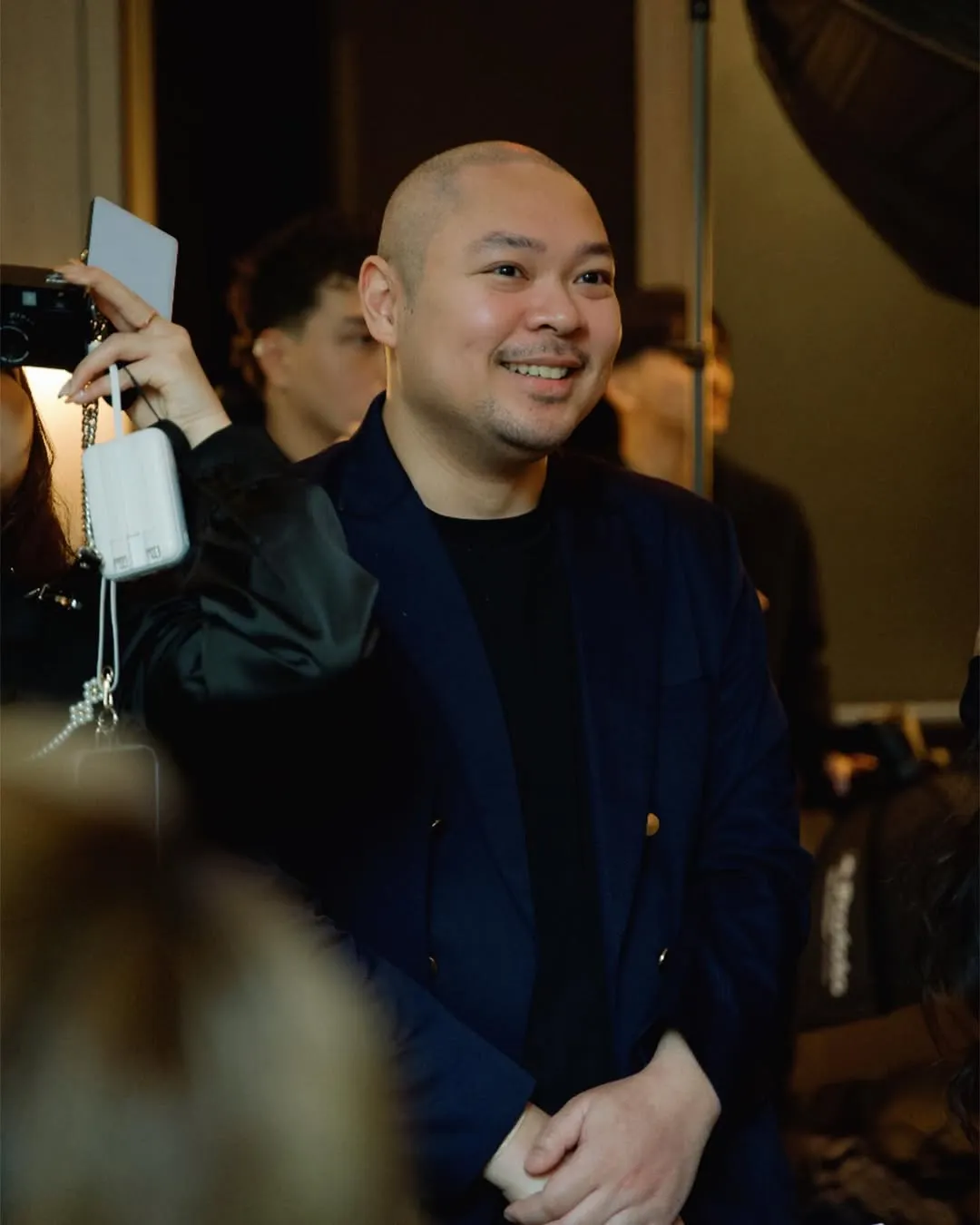
Power is the engine of casting. It determines which bodies circulate and which remain invisible. He acknowledges that many brands are now more intentional, aligning casting with their actual audiences. Yet he resists the pressure to universalize.
“I do not like the idea that a brand has to cater to everybody if that’s not who or what they are at their core,” he says. This isn’t exclusion; it’s coherence. A point of view only works when it’s aligned. Otherwise, it’s performative.
Authenticity requires coherence. A brand without a clear point of view cannot be cast with integrity. It is the alignment between message and messenger.
The Work of Being Seen
For aspiring Filipino models—especially trans and plus-size talents watching this moment unfold—Namalata offers clarity rather than comfort. After all, casting is often mistaken for aesthetics alone.
“I hope they see that being a model is a fine balance of fantasy and being relatable,” he says. “Modeling is about selling a dream, a vision, a lifestyle, and so they have to evoke that regardless of perceived hindrances.”
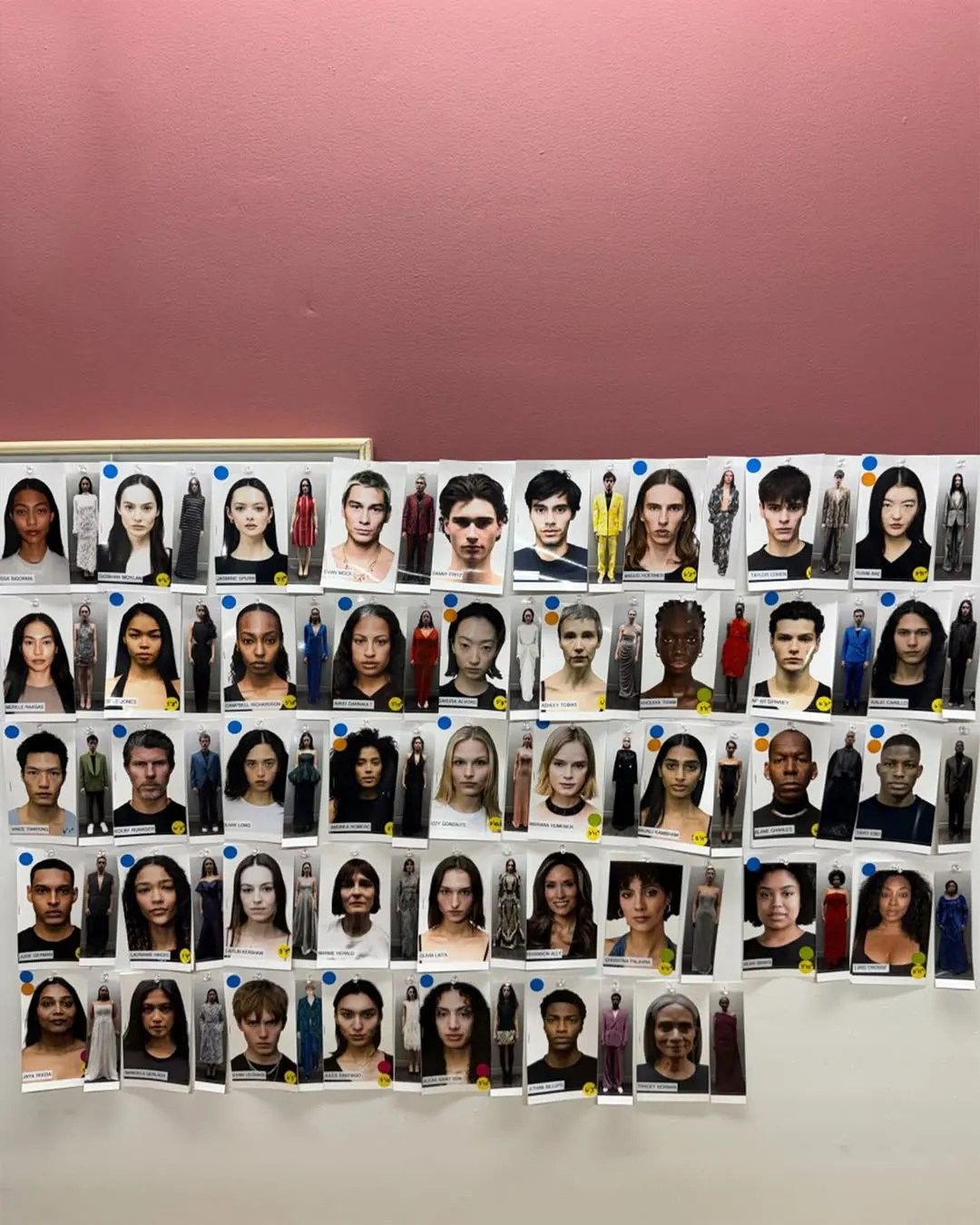
Fantasy and relatability—dream and mirror held at once. He isn’t offering ease or soft-focus encouragement; he’s pointing to agency. The work lies in learning how to project aspiration while remaining legible, how to sell the vision without erasing yourself in the process. In this day and age, it’s limitless.
This season, under the official lights of the CFDA calendar, Lorenz Namalata helped shape that imagination: Filipino, trans-inclusive, curve-inclusive, representation with intent. If fashion is a mirror, this time, it reflects who gets to decide. And when identity is backed by authorship, the reflection changes.
Special thanks to IRISH MAUREEN MANUEL, PR for LORENZ NAMALATA
Photos courtesy of LORENZ NAMALATA
Frequently Asked Questions
Authentic representation in 2026 requires structural consistency and giving real operational authority to marginalized creators, moving far beyond superficial tokenism or placing a single symbolic body on runways.
Lorenz Namalata prioritizes facial structure and runway presence over standard measurements, treating size inclusivity as design intelligence rather than a physical accommodation or separate structural standard.
Cultural specificity provides distinct narrative value and authenticity, replacing vague globalism with clear heritage and community roots that modern consumers actively crave and respect.
Casting shifts power dynamics by continuously normalizing diverse visual standards, determining which identities are broadcasted as culturally desirable to the general public through repetition with authority.
Aspiring models must balance creative fantasy with realistic relatability, mastering how to project an aspirational lifestyle without erasing their own unique cultural identity and personal agency.