




At the She Talks Asia 10th Summit, intentionally staged during International Women’s Month, Cetaphil entered the conversation with a message that reached beyond product. It pointed instead to something larger: that caring for skin can also be a way of caring for oneself, and that confidence often begins in spaces where women feel supported.
The room moved with a different kind of energy, one that felt less like performance and more like permission. Permission to pause. To soften. To stop treating womanhood like an endless audition for flawlessness.

That shift felt especially resonant in a room filled with women across ages and walks of life, from young creatives and students to entrepreneurs, executives, and beauty insiders, each arriving with her own private history of pressure, comparison, and self-questioning. Some listened with stillness, others with quick smiles of recognition, as if the conversation was giving shape to thoughts they had carried quietly for years.
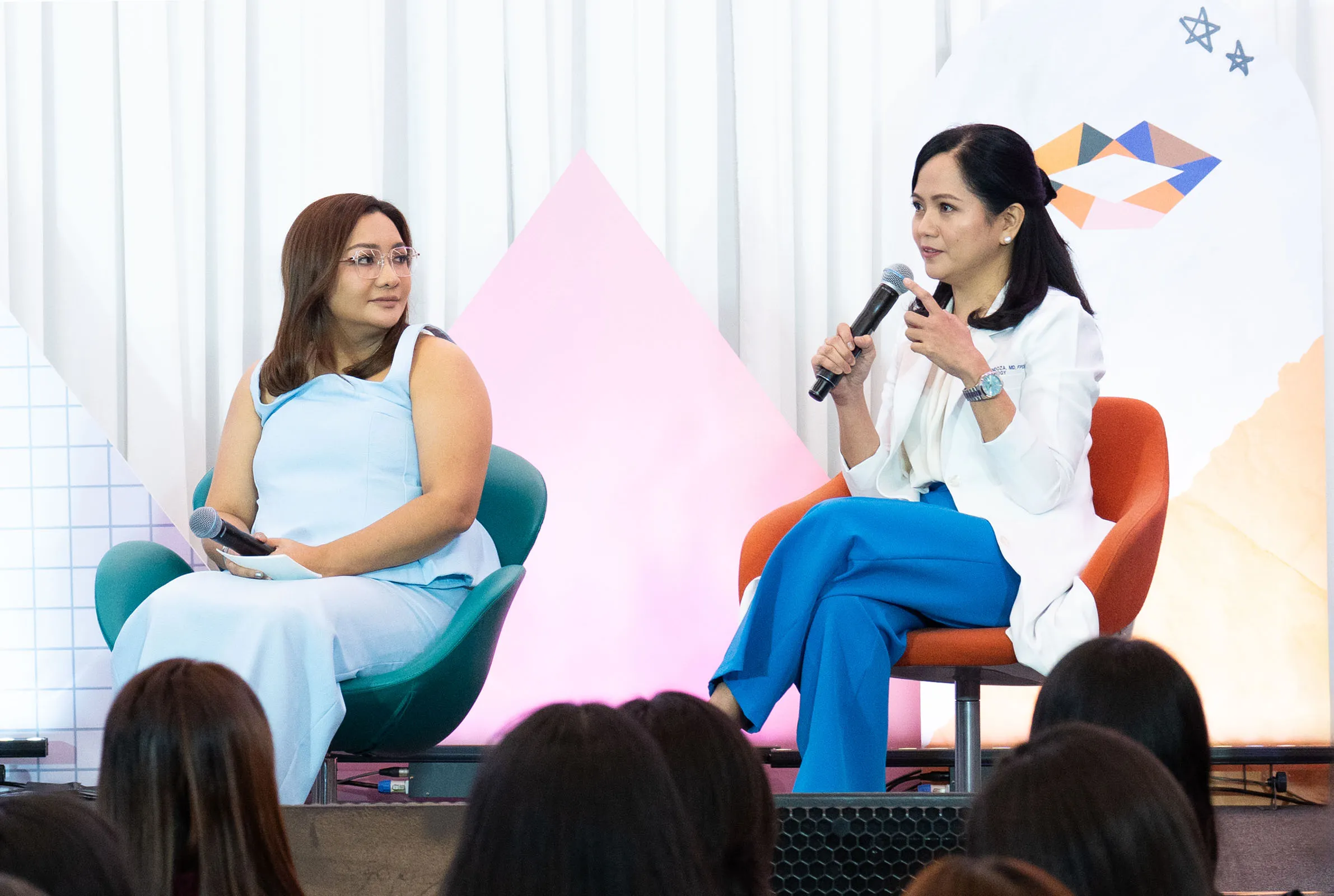
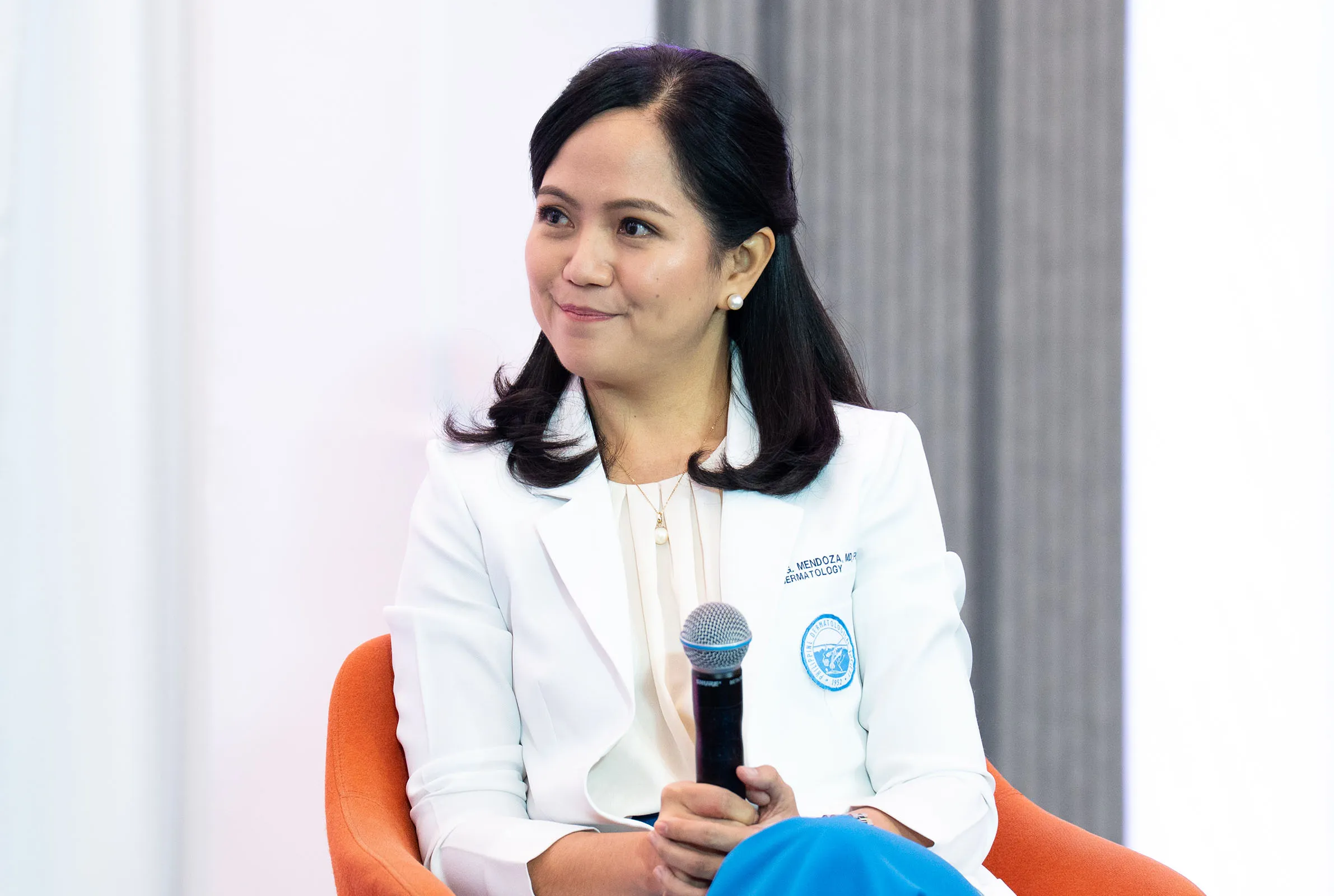
The room felt warm, open, and deeply attentive, less like a formal summit than a shared exhale. So when the conversation turned to perfection and the pressures women are taught to wear so well, it landed with uncommon clarity. As a dermatologist and summit panelist, Dr. Ayees Mendoza reminded the audience that the pursuit itself can become the problem. “I think today we have the idea that having the perfect skin is always the best,” she said. “But sometimes in the pursuit of getting there, we tend to overdo, we tend to [take on] aggressive approaches.” Instead of chasing impossibly polished ideals, she offered a more grounded aspiration: “I think you have to change the mindset of having healthier skin is actually better.”
The Cost of Being Hard on Ourselves
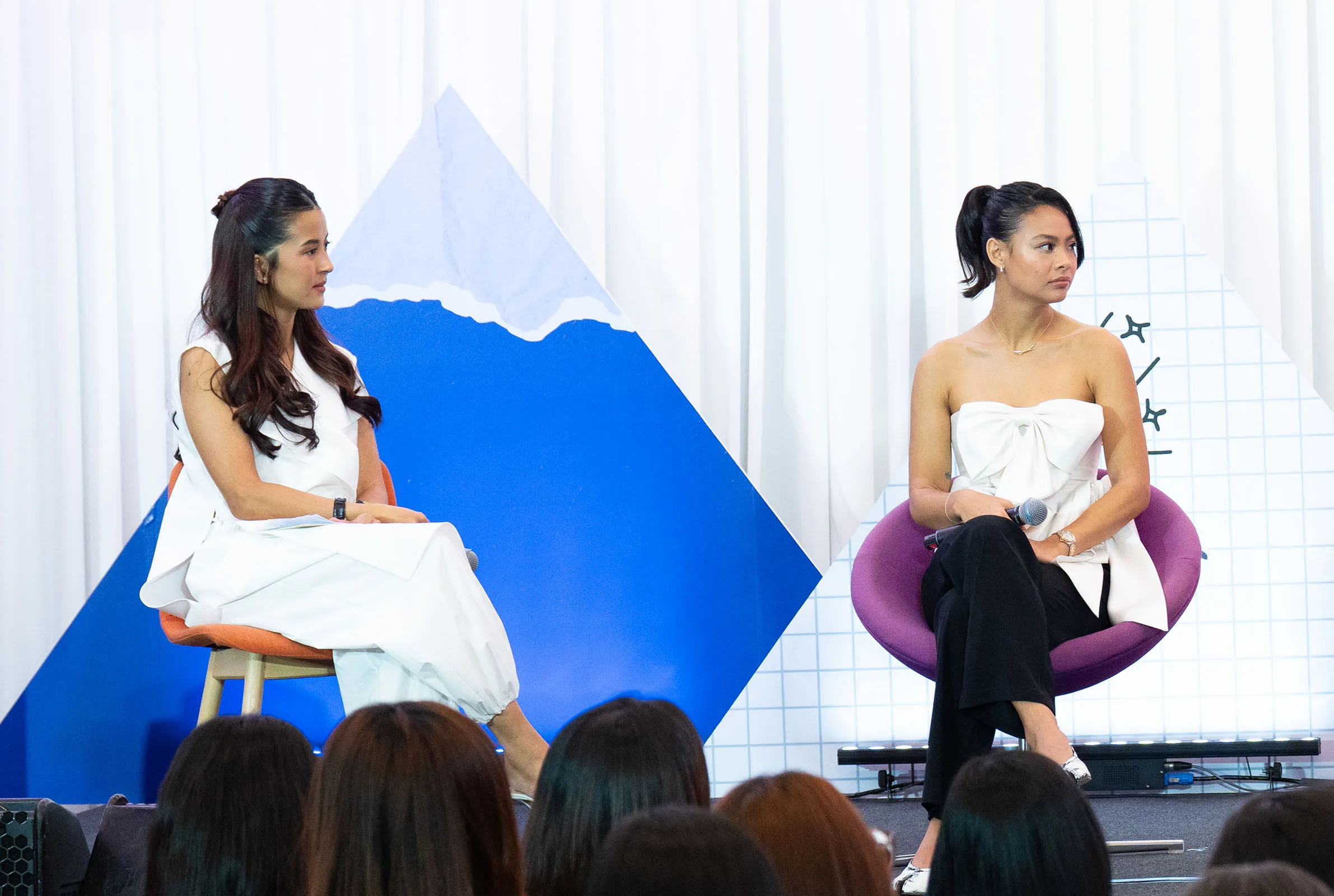
There was a comforting honesty to the summit’s conversations, especially around how women internalize pressure. Summit host Bianca Gonzalez put it simply: “Community softens being critical of ourselves.” That line lingered because it named something familiar. So many women know what it means to be hyper-aware, self-editing in real time, carrying standards that feel inherited, algorithmic, and exhausting all at once.
Abe Mationg, Cetaphil’s Brand Manager, gave that tension another layer, reflecting on how strength can sometimes disguise disconnection. “I was taking on too much responsibility without asking for help,” she shared. “Thinking that being ‘strong’ meant handling everything on my own.” What looked like independence from the outside, she realized, could quietly become something lonelier. “Independence without connection can quietly become isolation.”
Dr. Mendoza gave that pressure a sharper frame. “When you criticize yourself, you compare constantly,” she said, pointing to the distorted influence of celebrity culture, filters, and impossible beauty ideals. “It doesn’t really [help you grow] as a person.” What does? Self-awareness without self-punishment. Acceptance without surrender. The kind of confidence that comes not from pretending to be untouched, but from understanding yourself better through every stage. In that sense, confidence was not framed as something women had to prove, but as something they could come into more honestly.
A Gentler Way Forward
If there was one idea that threaded beautifully through the summit, it was this: gentleness is not the opposite of ambition. It is what makes growth sustainable.
That philosophy finds a natural parallel in skincare. Not as vanity, not as maintenance, but as daily self-respect. “You really have to take care of your skin at the very basic level,” Dr. Mendoza shared. “Gentle skincare, good cleansers, good moisturizers.” In a beauty culture obsessed with dramatic fixes, her perspective felt almost radical in its restraint. Skin care, she emphasized, should protect rather than punish. It should make room for consistency, not pressure.
It is also where Cetaphil’s presence felt especially aligned. Rather than narrowing the conversation to one ideal, the brand’s message sat naturally within the summit’s larger spirit: gentle care, respect for sensitivity, and the reminder that looking after yourself does not have to come from criticism. In a room shaped by honesty and support, that kind of language felt right at home.
Mationg brought that same idea into the language of everyday pressure and self-trust. “Quiet confidence comes from self-trust, not external validation,” she said. “It’s built through consistent preparation, honoring your own voice, and knowing your values.” More importantly, she pointed out that confidence flourishes in spaces where women feel supported, not scrutinized. “When you feel psychologically safe and seen, you don’t need to prove your worth loudly.”
That idea gave the summit one of its clearest through lines: confidence grows more easily in the presence of care. And care becomes even more powerful when it is shared. It creates room for women to feel seen without feeling sized up.
Better Together

The summit never treated care as a solo act. It spoke instead of circles, mentors, peers, and familiar strangers who become anchors. Panelist Hannah Pangilinan captured it best: “Take ownership of creating your own community,” while Dr. Mendoza echoed the emotional truth beneath it all: “It’s nice knowing that you don’t have to go through your struggles by yourself.”
Mationg gave that idea a more grounded, workplace-shaped reality. “Women need proactive, not reactive, support,” she said, emphasizing that real care should not arrive only once someone is already overwhelmed. “Support should not depend on someone asking for help. It should be embedded in how teams operate.” In real life, she said, that means managers noticing imbalance before burnout happens, teammates stepping in without being asked, and leaders creating space for questions, not just results.
That sense of togetherness was felt across the event floor too, from conversations and shared reflections to the Cetaphil booth, where product moments, freebies, and Instax snaps turned skincare into something more communal, more joyful, more lived-in. It was a reminder that beauty can open the door to connection, and that confidence often becomes more possible when women experience care through community instead of comparison.
What It Really Means to Be a Girl’s Girl
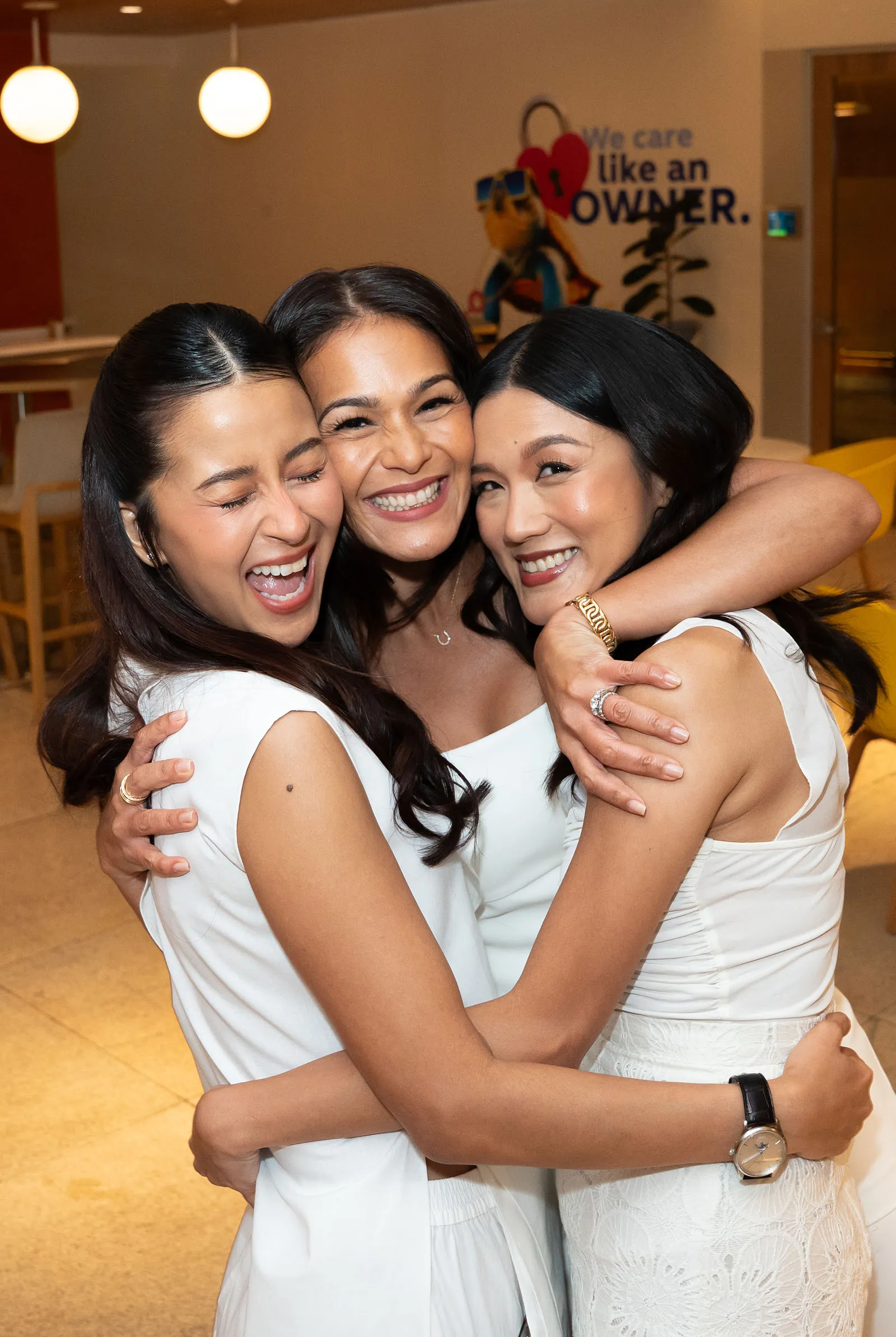
Being a girl’s girl is not mere branding. It is behavior. It is choosing encouragement over comparison, generosity over performance, collaboration over quiet competition. Or as Dr. Mendoza put it, it means to “celebrate each other’s successes,” to support, to share, to uplift.
Mationg echoed that spirit in a way that felt especially resonant. “Creating space for others is a leadership choice,” she said. And that choice, she noted, lives in the smallest gestures as much as the grandest declarations: “inviting quieter voices into the conversation, giving credit publicly, offering guidance without judgment.” It is not about occupying the room the loudest. It is about making the room feel larger for someone else.
That, perhaps, was the summit’s strongest redefinition of beauty. Not something earned through perfection, but something expressed through softness, assurance, and the willingness to show up for other women. The girl’s girl spirit was not treated as an accessory to the conversation, but as its heartbeat, shaping how women move through self-worth and through one another’s lives.
At She Talks Asia’s 10th Summit, that spirit felt less like a trend and more like a blueprint: or gentler self-regard, stronger support systems, and a more generous way of moving through the world. Through it all, Cetaphil stood for a fuller vision of care, one rooted in healthy skin, everyday gentleness, and the kind of confidence women can grow into together.
For more updates, follow Cetaphil on Instagram.
PHOTOS AND FEATURED IMAGE: CETAPHIL
Frequently Asked Questions
At the She Talks Asia 10th Summit, Cetaphil participated in panel conversations on gentle skincare, self-compassion, and confidence. Brand Manager Abe Mationg and dermatologist Dr. Ayees Mendoza spoke about the cost of self-criticism, the value of community, and why consistent, gentle skin care is a form of everyday self-respect.
Quiet confidence, as described by Cetaphil Brand Manager Abe Mationg at the She Talks Asia 10th Summit, is built through self-trust rather than external validation. It grows through consistent preparation, honoring one’s own voice, and being part of a community where women feel psychologically safe and genuinely seen.
Dermatologist Dr. Ayees Mendoza, speaking at the She Talks Asia 10th Summit, cautioned that pursuing perfect skin can lead to overdoing treatments and adopting aggressive approaches. She recommended reframing the goal toward healthier skin rather than flawless skin, with gentle cleansers and moisturizers forming the foundation of a sustainable routine.
Being a girl’s girl, as discussed at the She Talks Asia 10th Summit, is a behavioral commitment rather than a social identity. Dr. Ayees Mendoza described it as celebrating each other’s successes, while Abe Mationg framed it as a leadership choice — inviting quieter voices in, giving credit publicly, and offering guidance without judgment.
At the She Talks Asia 10th Summit, panelists emphasized that confidence grows more easily in the presence of care. Summit host Bianca Gonzalez noted that community softens self-criticism, while Abe Mationg stressed that proactive support — embedded in how teams operate — matters more than reactive help that arrives only after someone is already overwhelmed.