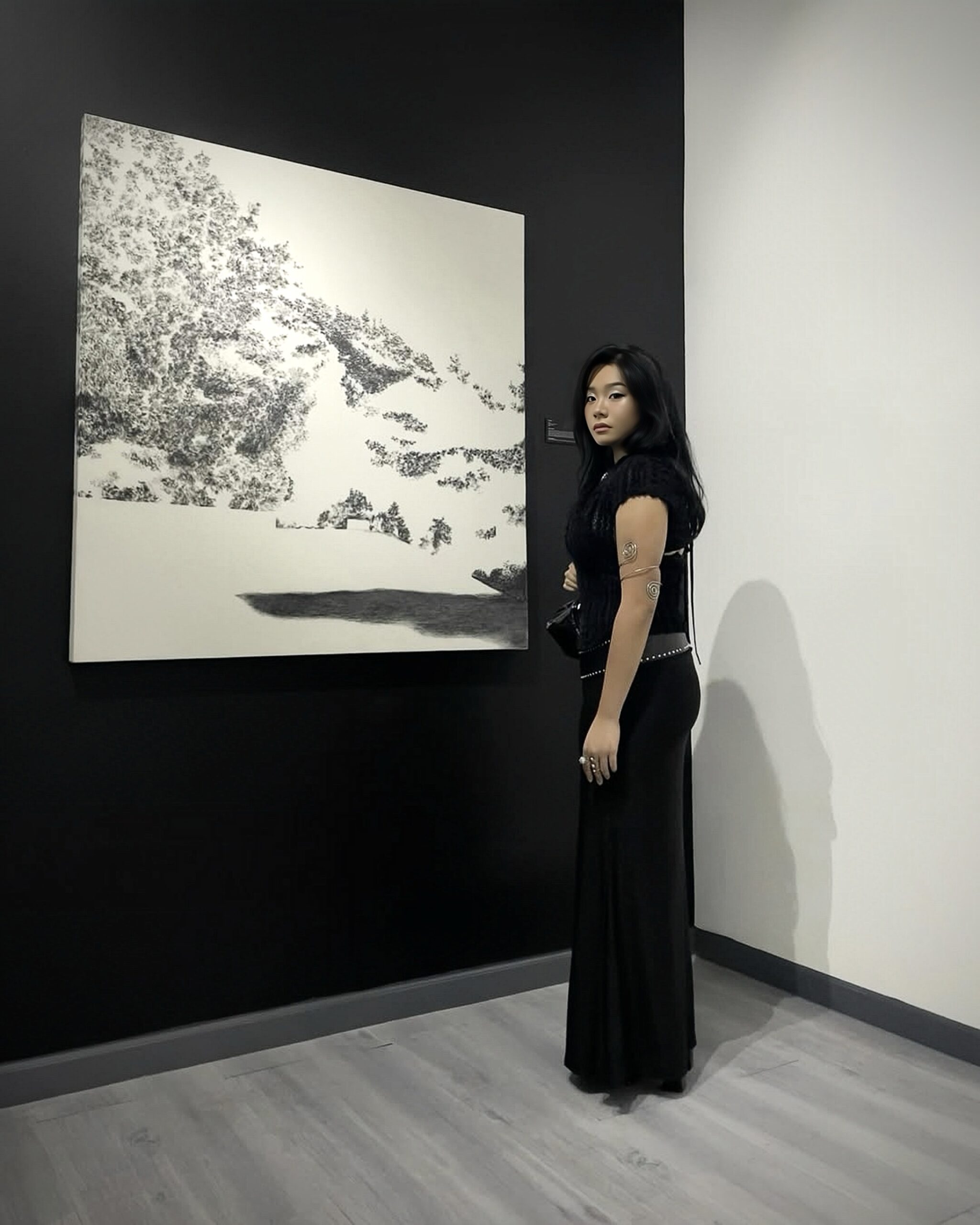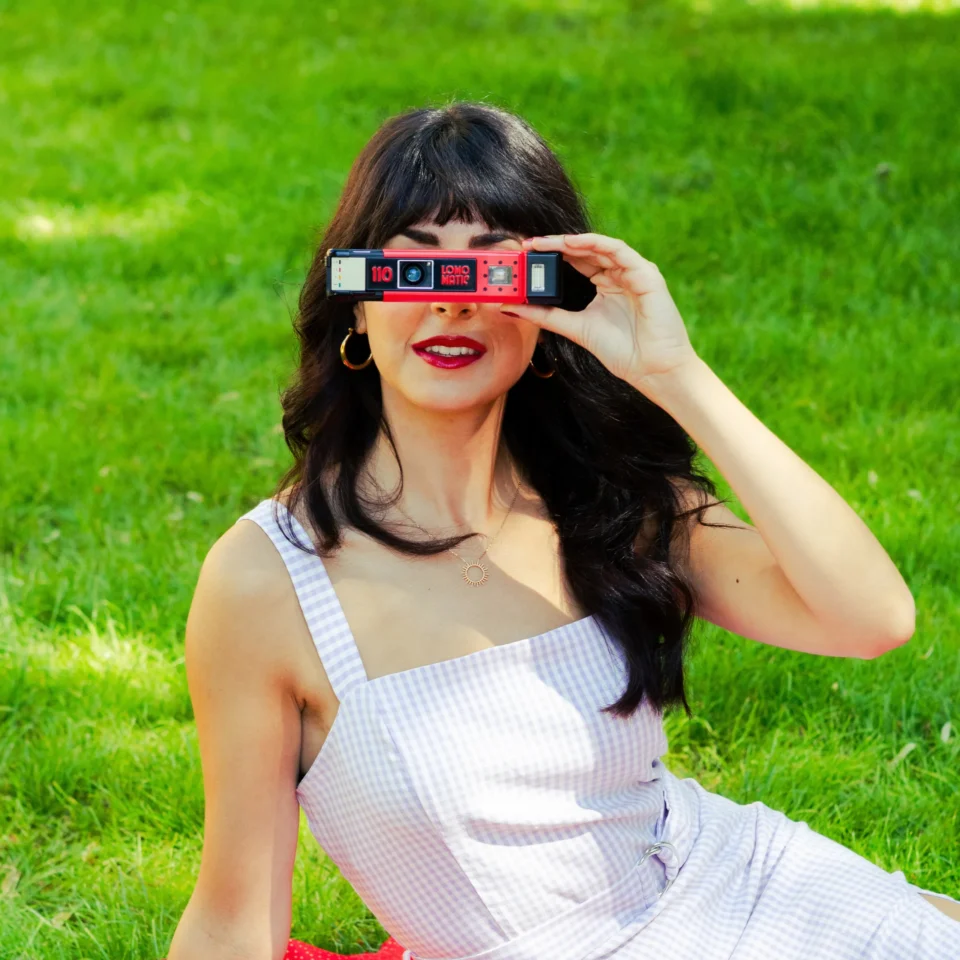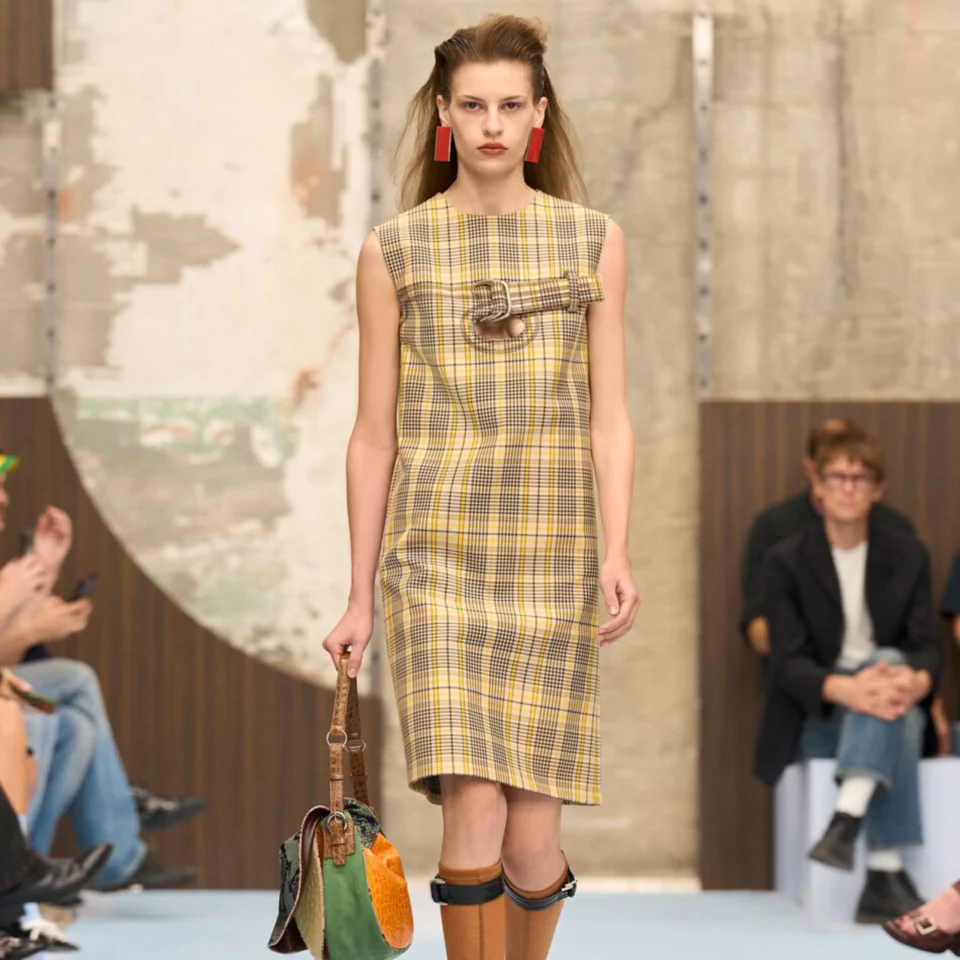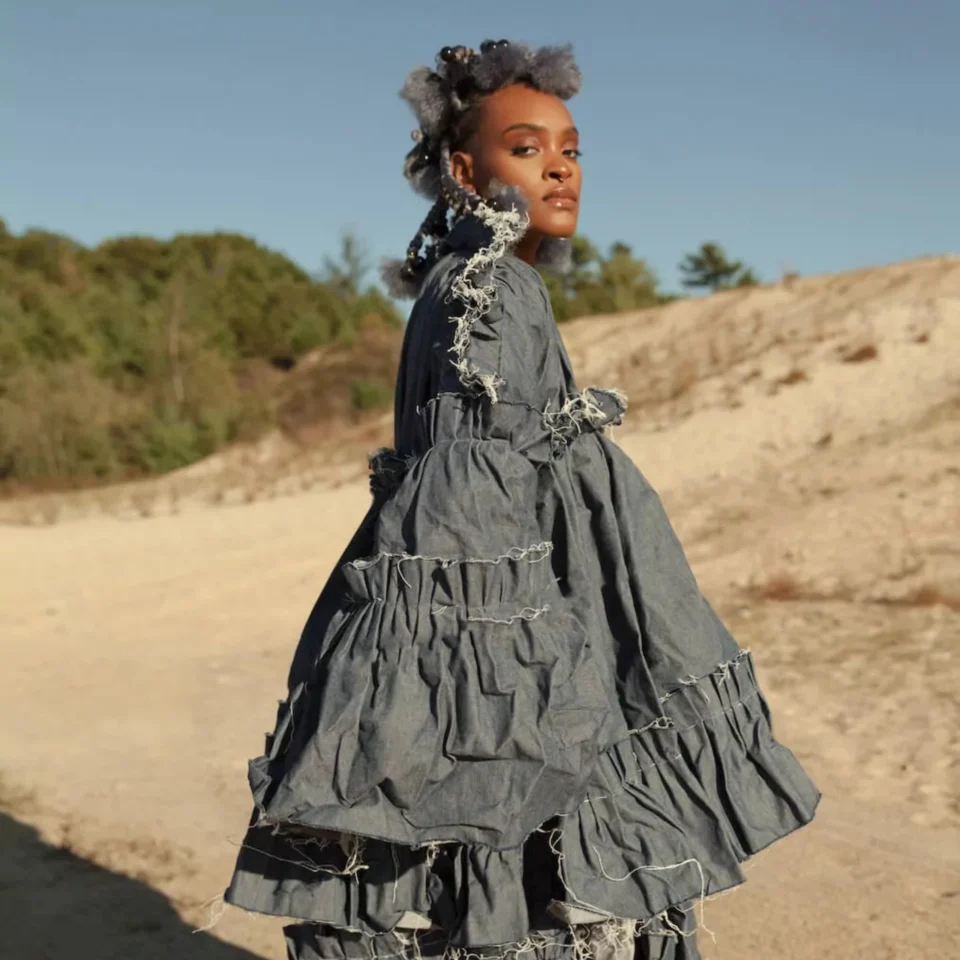



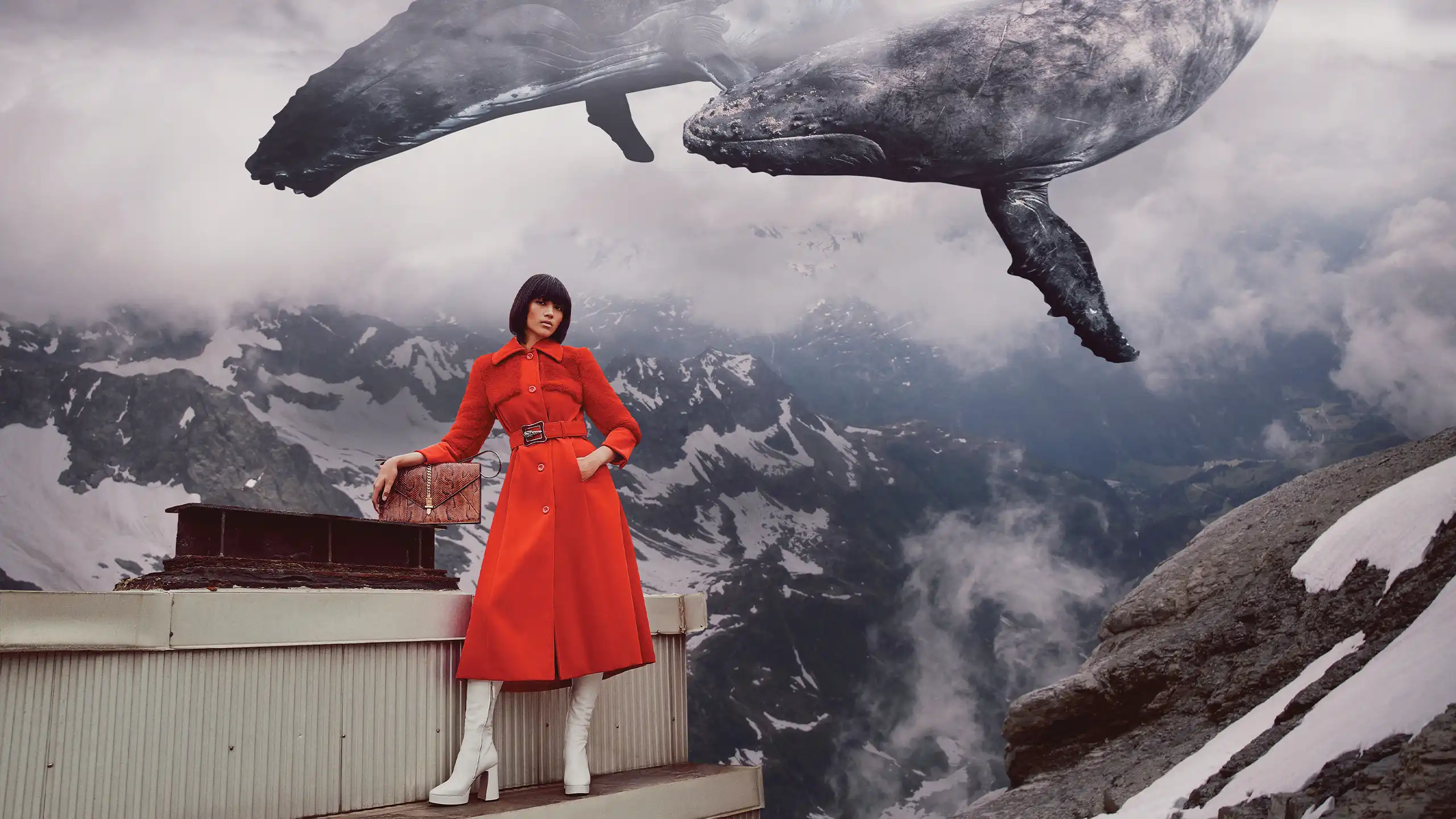
This is an excerpt from MEGA July 2026 Read My Lips
What does it mean when artistic expression begins to hinder authenticity? As much as it may sound like an paradox, my recent contemplations prove otherwise.
By definition, artistic expression implies unburdening a part of oneself and translating it into a creative output, typically motivated by the pursuit of beauty, connection, or that inexplicable restlessness that compels creative souls to act. Today, social media has become the easiest outlet for this. Though the process is so simple that anyone with a smartphone can do it, that isn’t to say it’s any less cathartic. It almost always is. Produce, photograph, post, repeat. And no matter what’s written in the caption—no matter how lengthy or nonchalant it might come across—the words blur into the same raw desire to be seen, accepted, and valued.
RELATED: Body Politics: The Cost of Chasing the Perfect Body
All humans, I believe, speak the same language of existential starvation. “Look at me. Look at what I made. Does it matter? Do I matter?” you ask. The tribe—your ever-adoring audience of circular icons—answers back, “Yes! You’re good and you’re worth noticing.” For a moment, it feels as though the world is tilting in your favor because online validation is just that easy.
As long as, of course, you follow your tried-and-tested formula. Your self-imposed aesthetic. Your established branding.
When Self-Expression Becomes Self-Curation
I would never describe myself as an artist, nor am I a content creator. I am, however, a curator of sorts, and my museum is an Instagram account filled with selfies and snippets of my life. Writing that sentence just made me cringe, yet I must remain truthful regardless of my embarrassment.
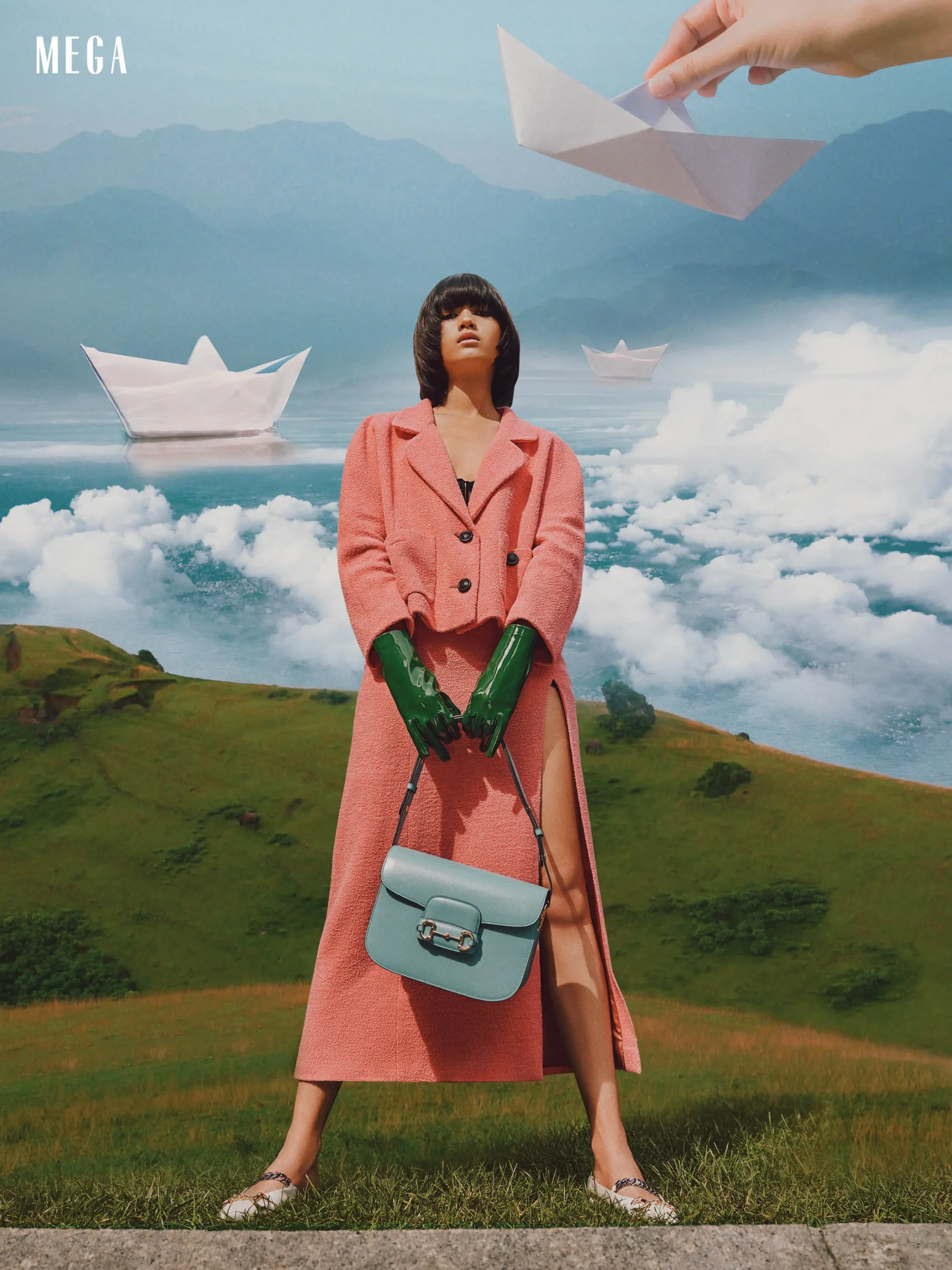
Since last year, I haven’t uploaded as often as I used to. I’ve grown exhausted by the sheer amount of effort I pour into my posts. I don’t exaggerate when I say it takes an unhealthy amount of time to approve my own images, though it makes perfect sense. I am my own harshest critic, after all. Everything you see on my feed has been carefully examined by my eyes and dissected by my fingers for at least two to three hours. Carousel dumps with ten slides? Two days, tops. Sometimes three, if I take breaks.
I’m very fond of flowers, seashells, and the designer garments I encounter at work. But they must always be arranged and angled just so. I love to travel, though I’m keen on editing the background through Photoshop, scrubbing away even the most minute smudge on a wall that people wouldn’t even see unless they zoomed in. As for my portraits, removing flyaways is non-negotiable, and the colors must be desaturated enough to sit cohesively with the rest of the tiles on my grid.
Like an editor, I check the first pass. Then a second. Then a third. If I’m still not satisfied, I delete and start over.
I realized I was trapped in a cage of my own making when I turned thirty. As soon as midnight struck, my close friends tagged me on their Instagram Stories to wish me a happy birthday. And because they were sweet rather than silly, the pictures they shared were candid shots of us hanging out together, comfortable and happy in our house clothes.
Images: MEGA ARCHIVES
Frequently Asked Questions
“Read My Lips” is a personal essay column in MEGA magazine featuring first-person reflections on culture, identity, and contemporary life. This installment, published in the July 2026 issue, examines the tension between artistic self-expression and the curated performance of identity on social media.
Curating one’s life on social media means presenting a carefully edited, aesthetically consistent version of daily experience — selecting images, removing imperfections, and maintaining a visual “brand” — rather than sharing moments as they naturally occur, often at the cost of spontaneity and authenticity.
According to the MEGA essay, the writer spends two to three hours examining and editing a single image before posting, and up to two or three days curating a ten-slide carousel post — illustrating the significant effort behind seemingly effortless social media content.
The essay suggests that the desire for social media validation stems from a universal human need to feel seen, accepted, and valued. Likes and comments function as immediate, accessible affirmation, reinforcing the cycle of producing, posting, and seeking acknowledgment from an online audience.
In the MEGA essay, turning thirty becomes a moment of reckoning — the writer recognizes the contrast between her own carefully curated Instagram presence and the candid, unedited birthday photos her friends shared, prompting a reflection on authenticity versus performance.