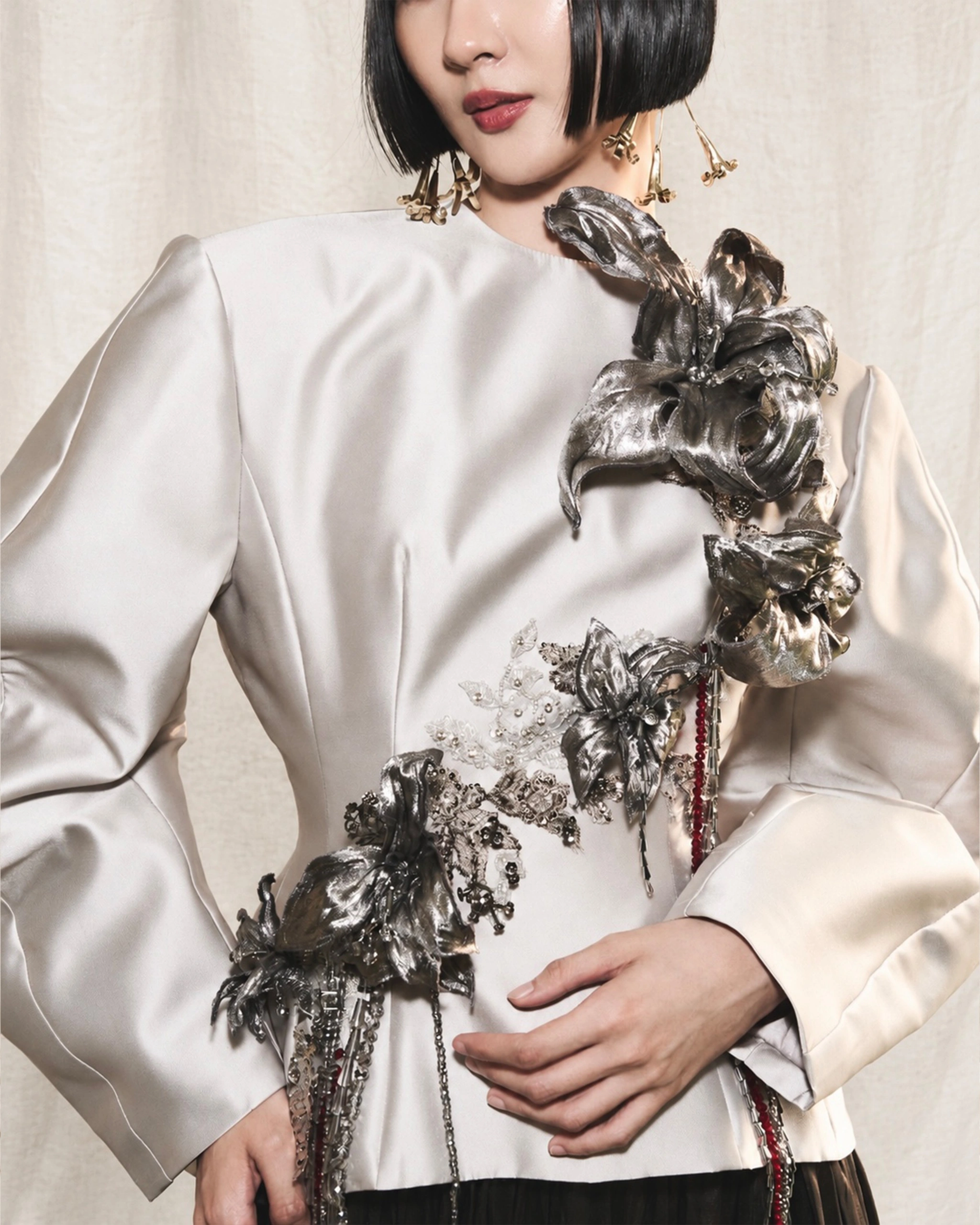
Every so often, fashion finds a way to remind us why we fell in love with it in the first place. And for those of us fortunate enough to work in this industry, it’s always a welcome feeling.
For five days, Manila brought together designers and creatives from across the region for the inaugural Fashion Week Asia. As the runways introduced us to different perspectives on contemporary Asian fashion, the discussions during the event gave us opportunities to get acquainted with the people behind the collections. And now that it all has come to a close, we’ve had some time to reflect on what truly stayed with us.
1. You’ll Look at Your Closet and Sigh
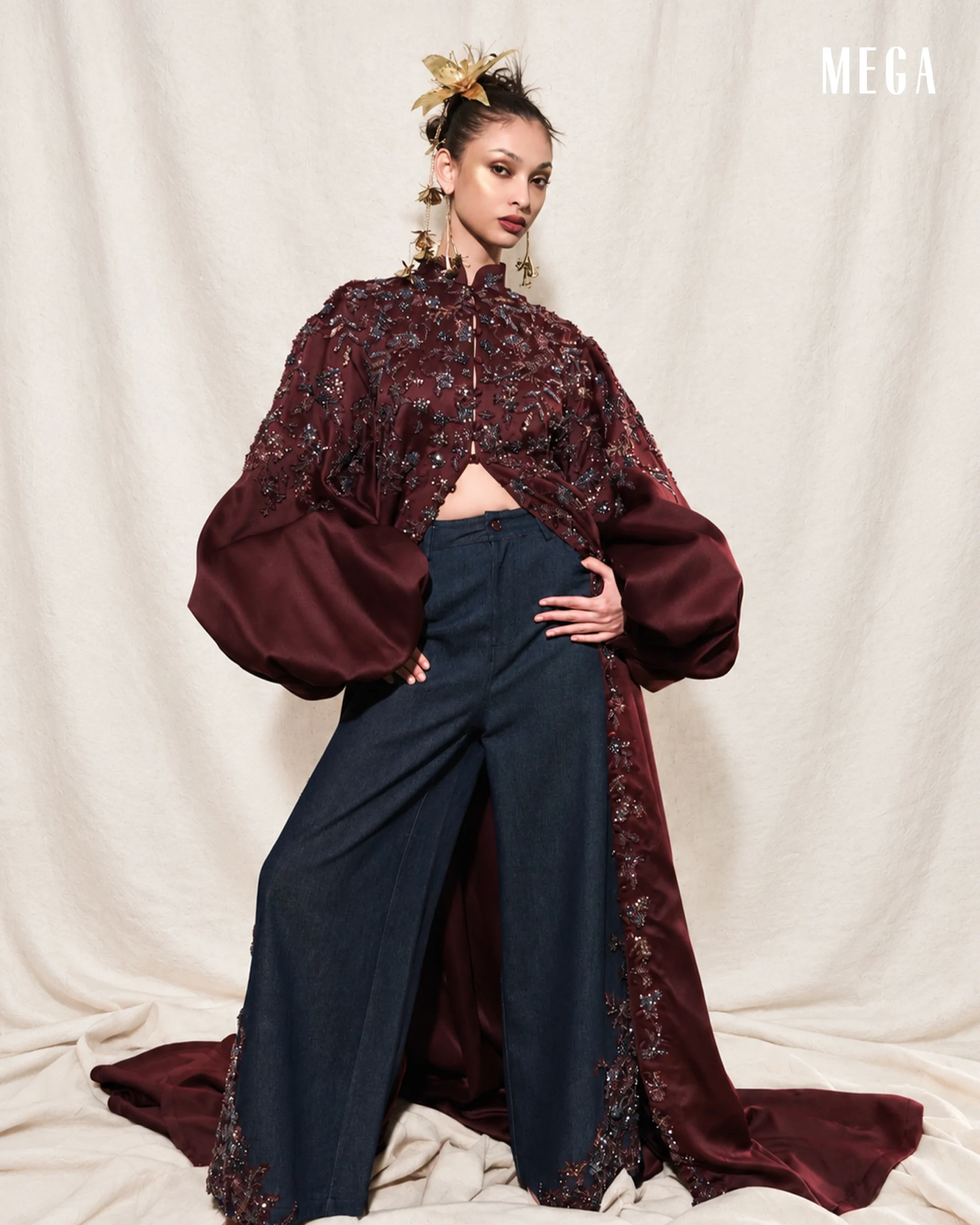
It’s hard to leave a fashion week with modest plans for your wardrobe. It’s okay. We’re with you as we sigh and admit that our interests have become even more expensive. We’ve grown attached to a fabric we couldn’t have named before, and a designer we only discovered a few months ago now seems essential to our future happiness.
Just kidding. Well, only partly. Spending time around people who dedicate so much of themselves to making clothes does make you appreciate your own wardrobe differently. You begin to consider the hands that made your favorite pieces and the care they deserve over the years. You become more intentional about what you bring home, too. After seeing how much love goes into making a garment, it’s only natural to want to care more for what you already own.
2. You’ll See Just How Much Pride Goes Into Every Collection
We don’t mean pride in the sense of having something beautiful to show. What stayed with us was how much of themselves the designers were willing to share through their work.
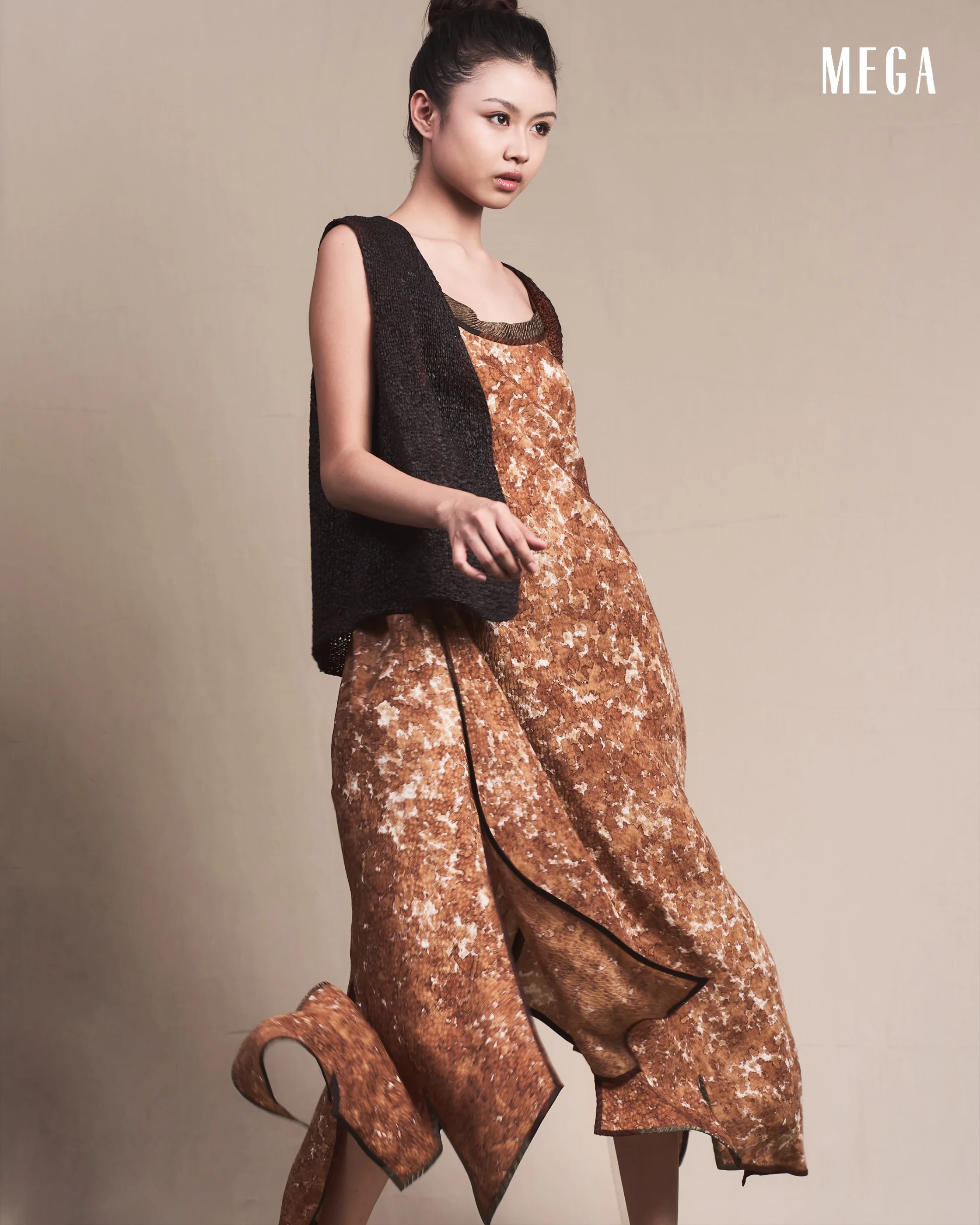
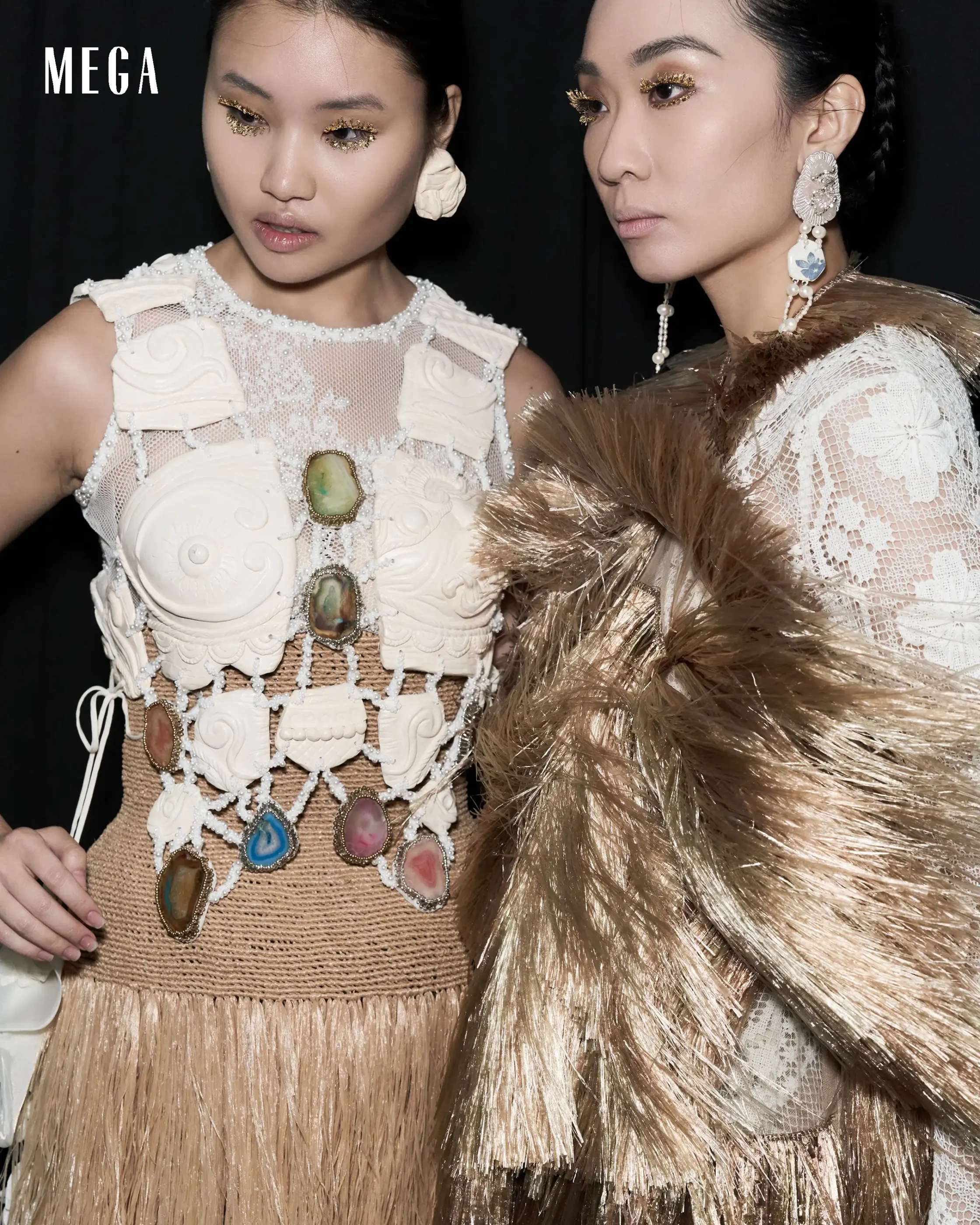
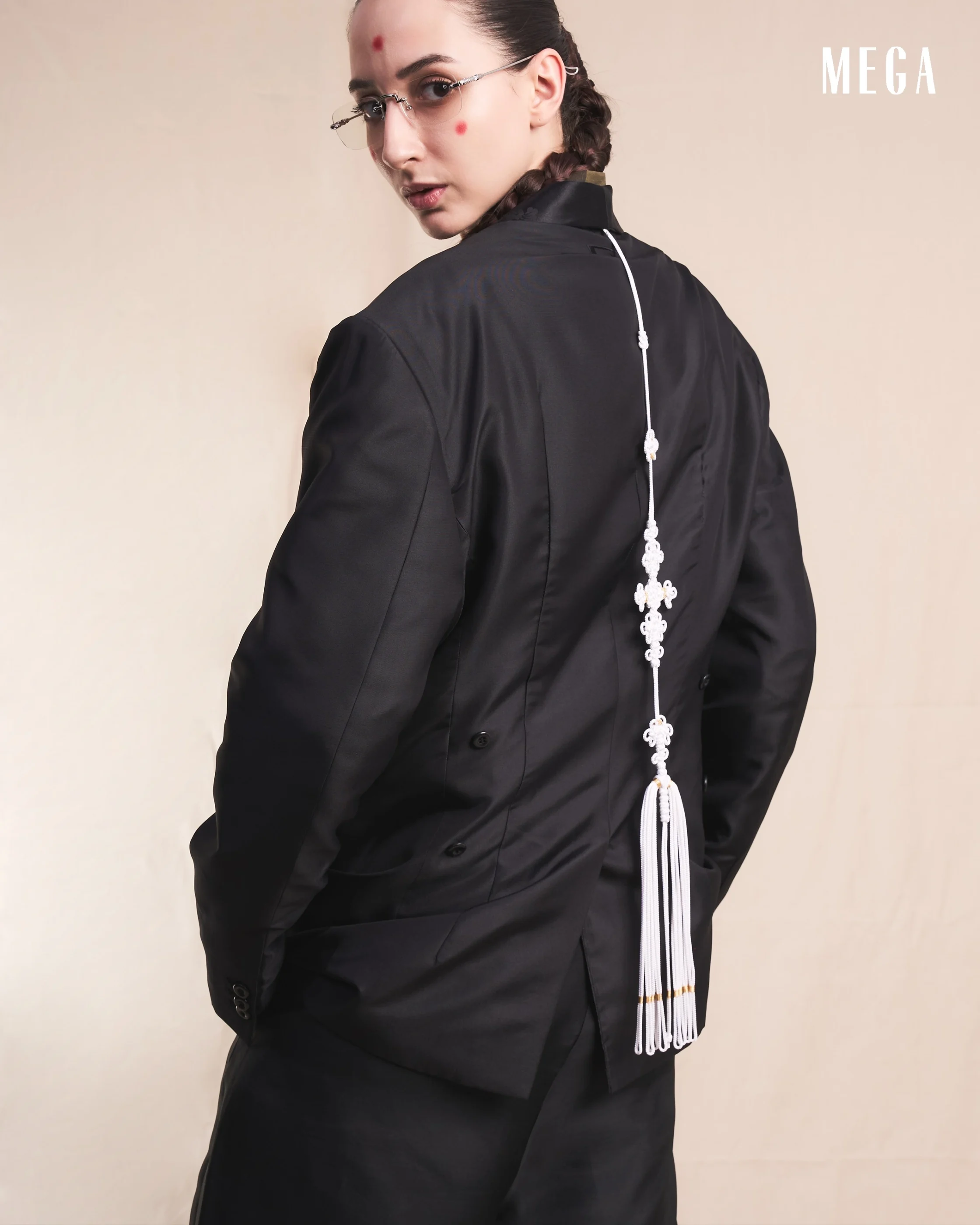
Sophie Hong has dedicated decades to silk, and you can tell that the material still has her affection. Then there’s TOTON, whose fringed skirts made of recycled plastic were among the details we kept thinking about. And when you look at BAJUYO’s interpretations of the hanbok, you can’t help wondering what it means to work with a garment that carries so much cultural familiarity and personal significance.
3. You’ll Feel Like a Student Again, and You’ll Love It
We adore what we do (we swear!), but even the most exciting jobs can be exhausting. There are deadlines to meet in an industry that never seems to run out of things happening. Sometimes, you’re so busy keeping up that you forget how nice it feels to encounter something you know absolutely nothing about.
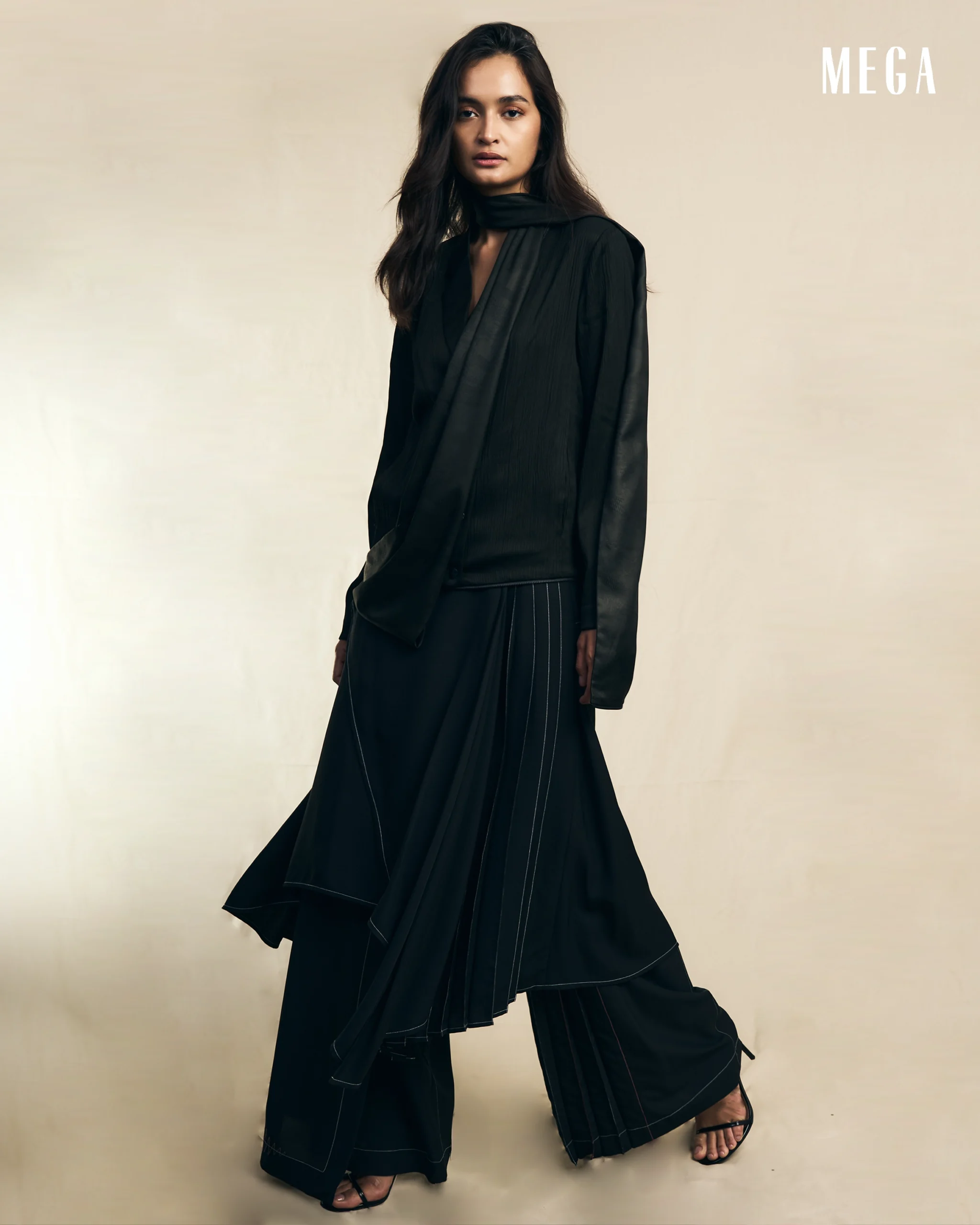
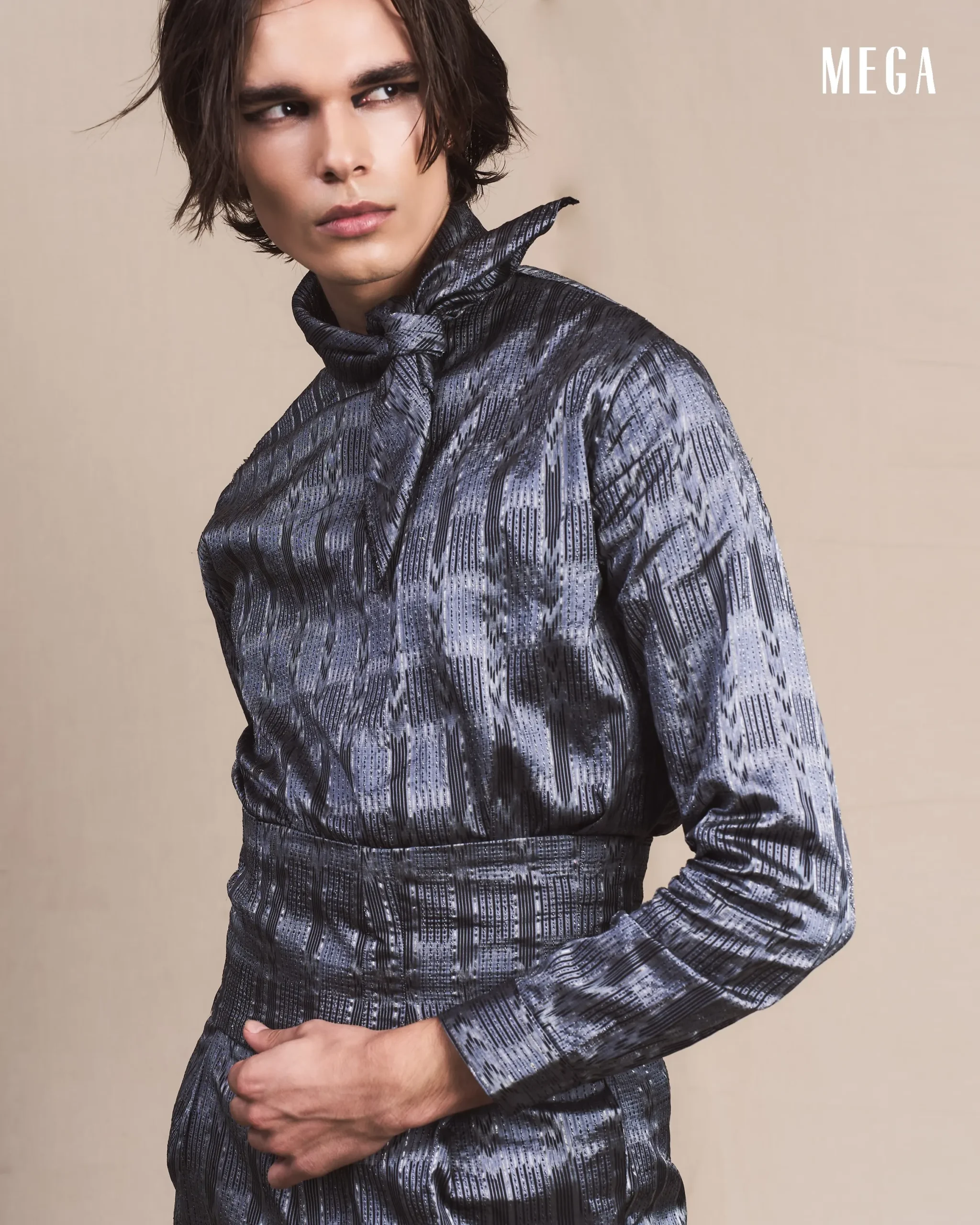
And then you find yourself thinking about Vietnamese textiles when you should probably be finishing your next article. KILOMET109’s Quyên was developed by Thao Vu in collaboration with Indigenous communities in Vietnam, whose expertise we wish we could personally witness. The same curiosity extends to WISHARAWISH and Duc Studio.
It’s pleasantly humbling to realize how much you can still discover and learn, we’ll tell you that. You may know your silhouettes and recognize your references from the glossy pages you love (preferably us), but there’s always another person who can teach you something you hadn’t considered.
4. You’ll Have Questions About Making It Work
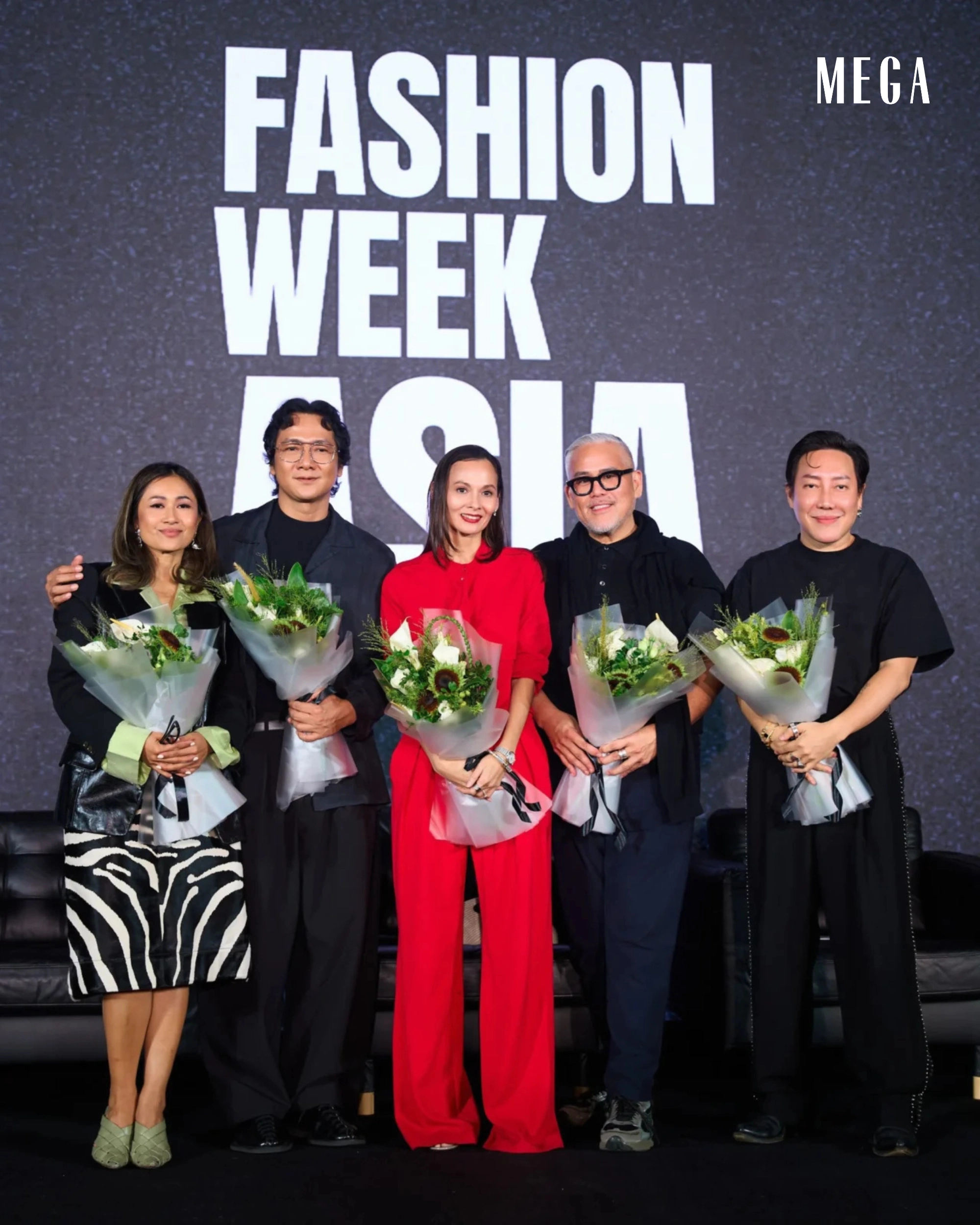
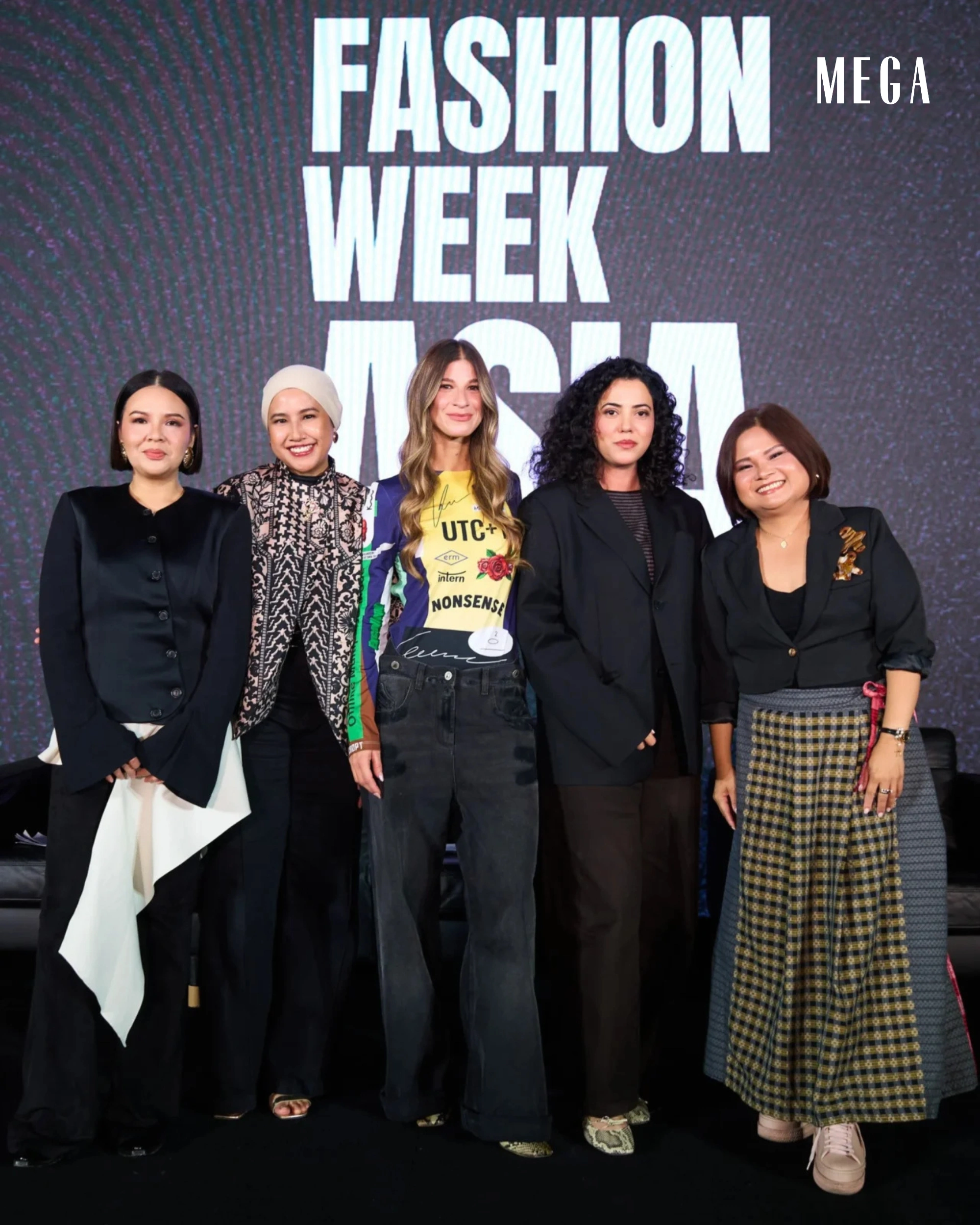
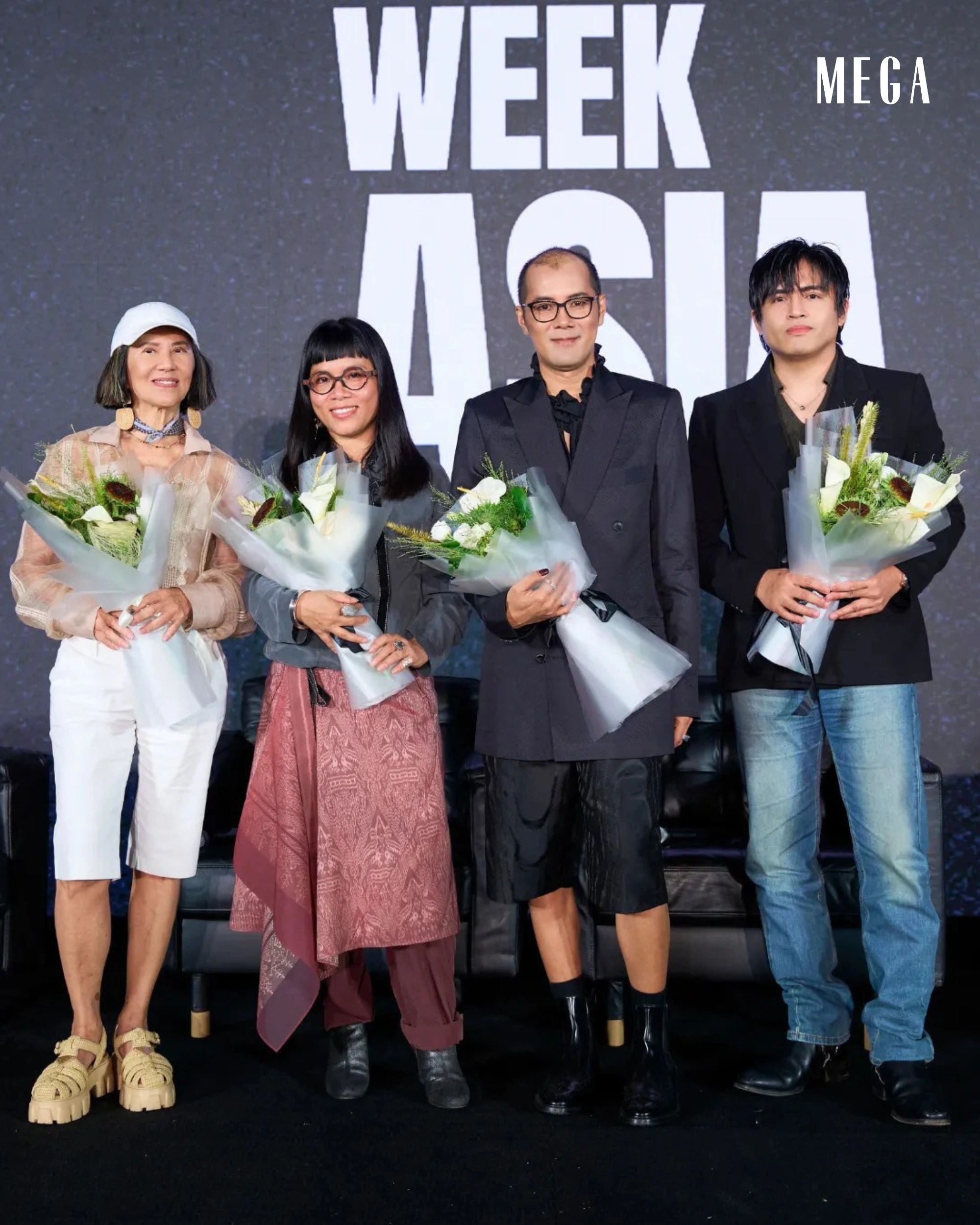
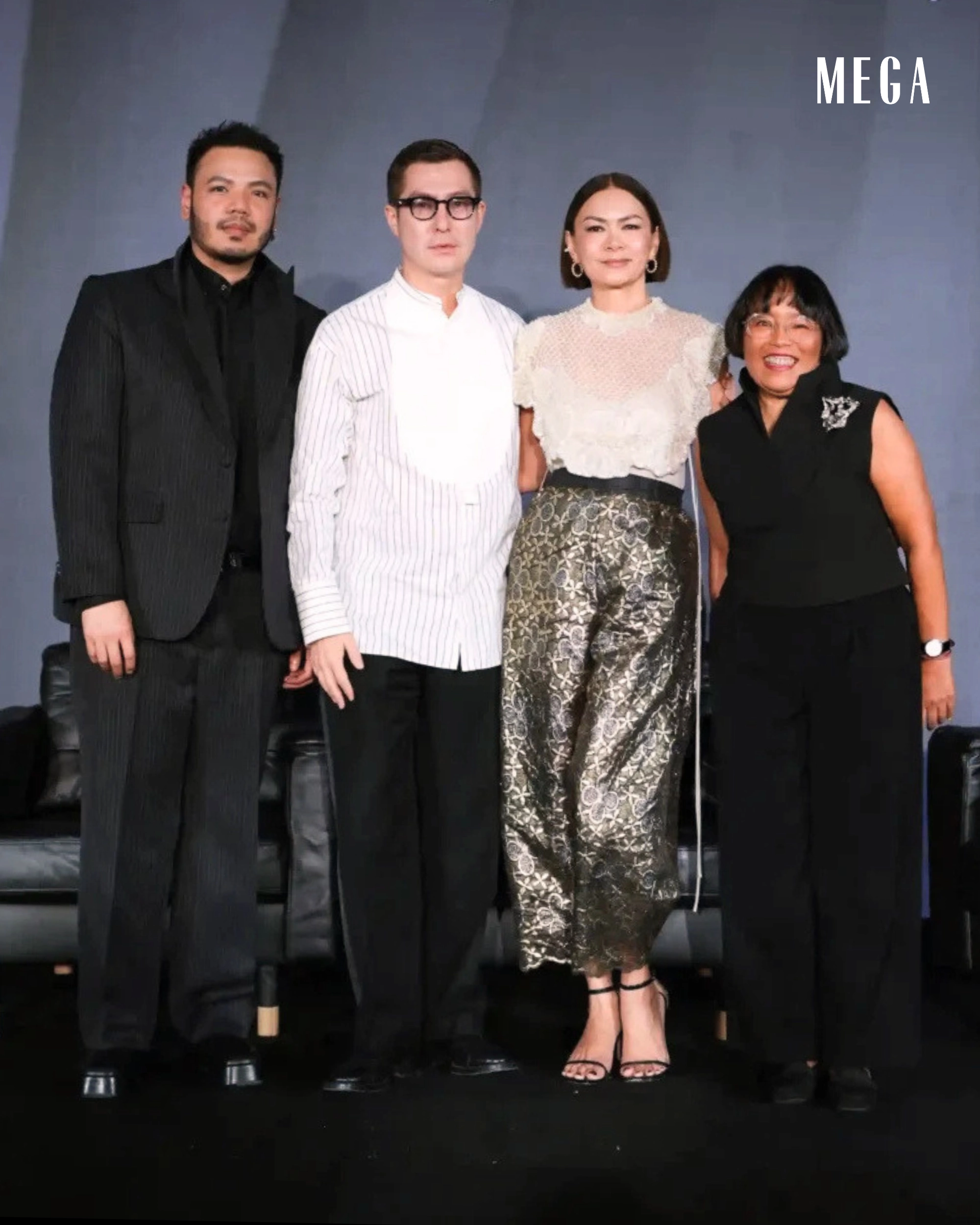
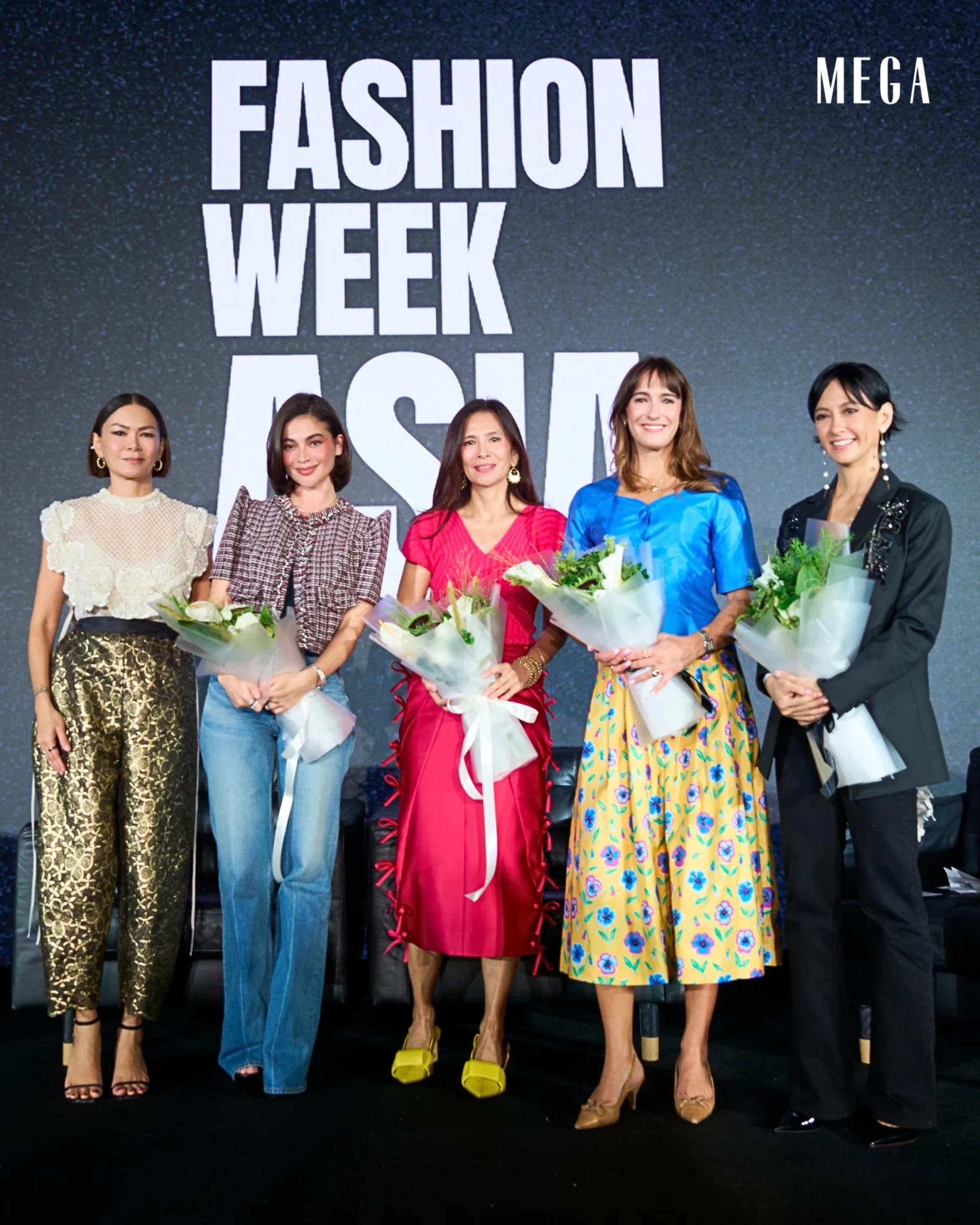
We have a confession: there are stories we’ve wanted to write that are still sitting somewhere in our notes app. Not because we’ve lost interest, but because finding the time, resources, and right circumstances to pursue an idea can be an undertaking of its own. So when FWA held a Fashion Forum called Making It Work, we were listening with our own unfinished plans in mind.
The conversation concerned the business of creativity and what it takes to sustain it. And while we weren’t all there to start a fashion label, it was difficult not to consider the practical decisions that shape our professional paths. How much room do we give ourselves to experiment? What happens to the ideas we care about when the work immediately in front of us keeps demanding our time?
There’s no tidy answer to any of that. We know that much already. But hearing experts speak seriously about maintaining their practices made us reflect on the careers we’re building, too. We’d like to be doing work we’re proud of years down the line, and that means figuring out how to keep making it possible. The same goes for everyone in the industry.
5. You’ll Get to Know Your Neighbors
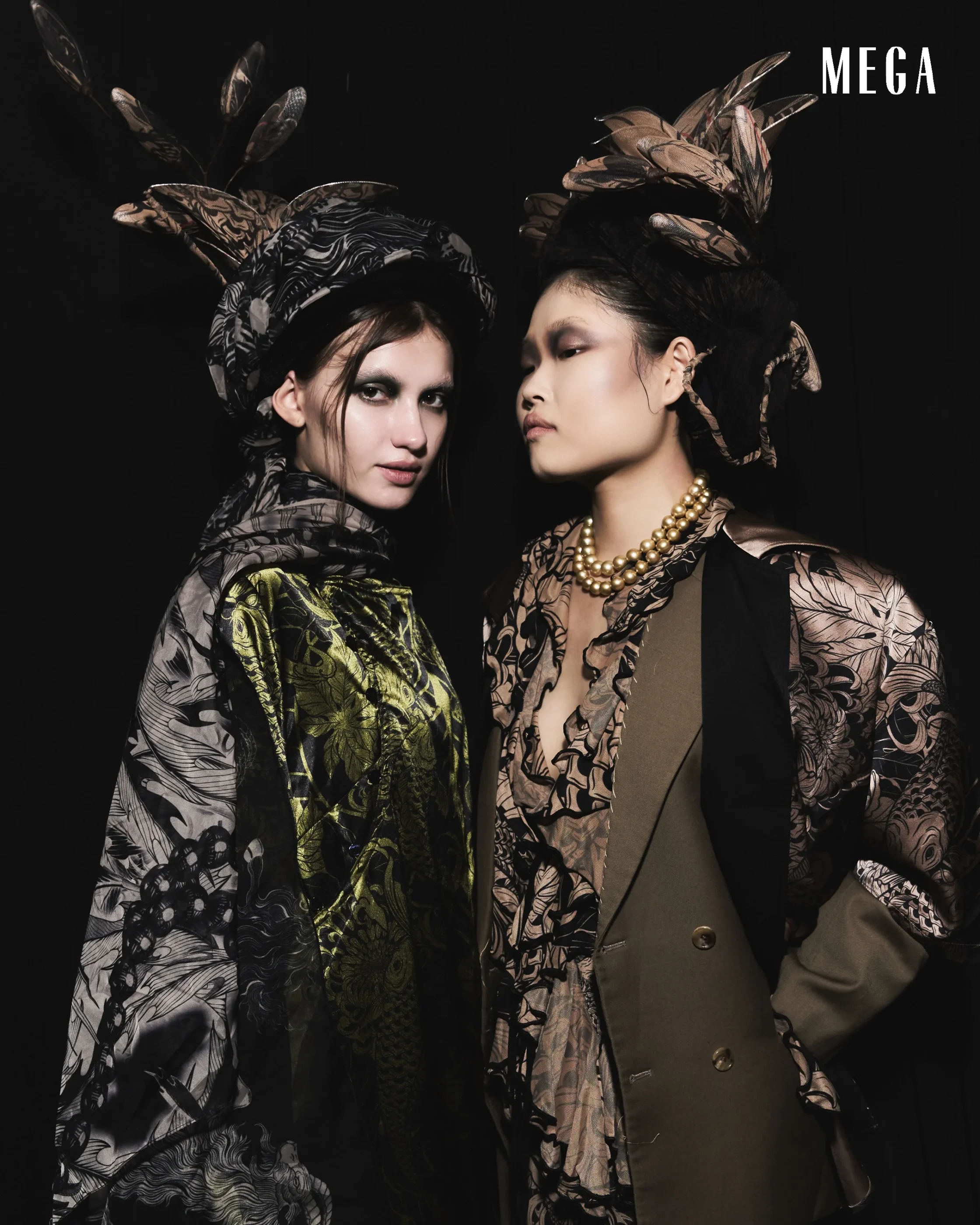
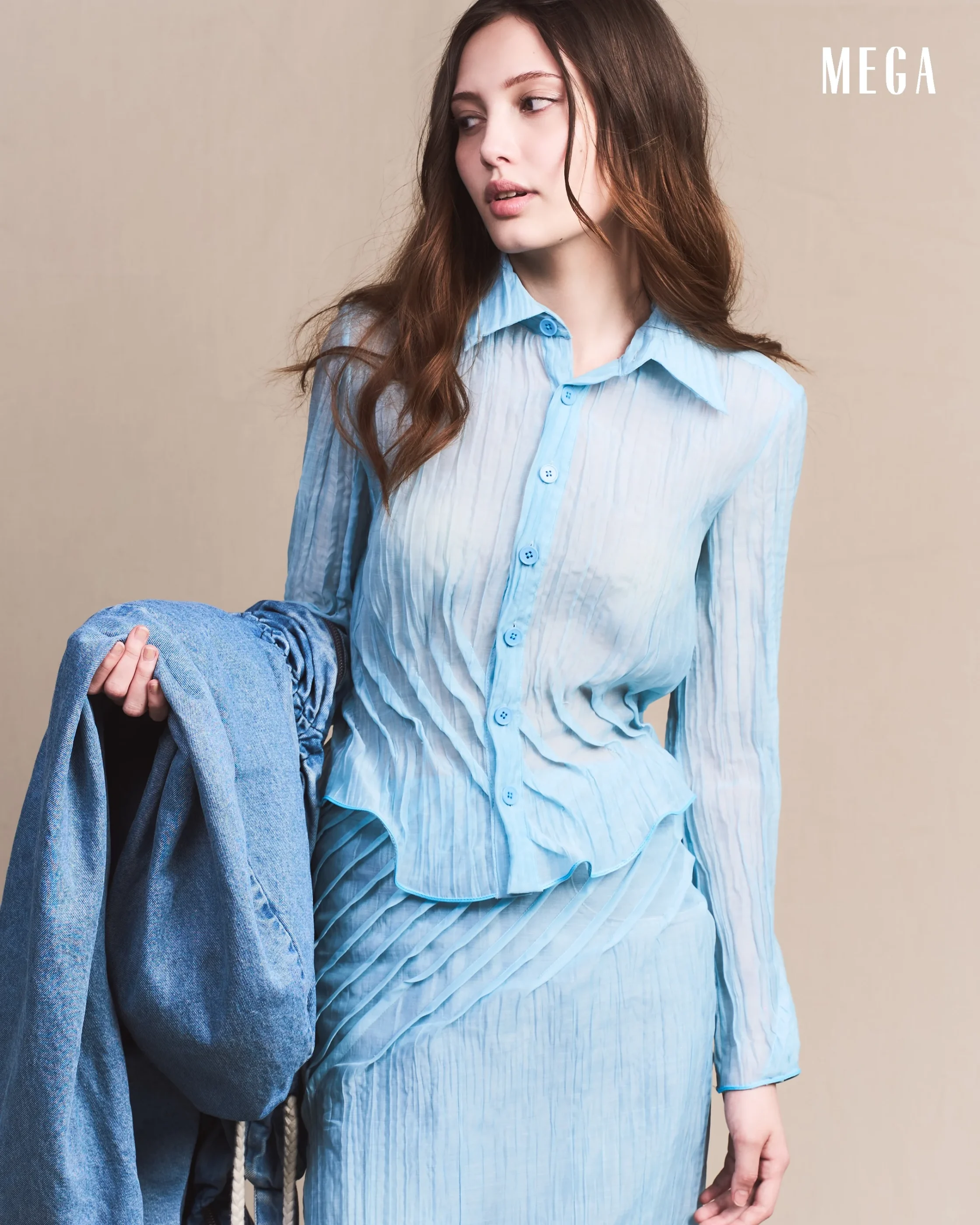
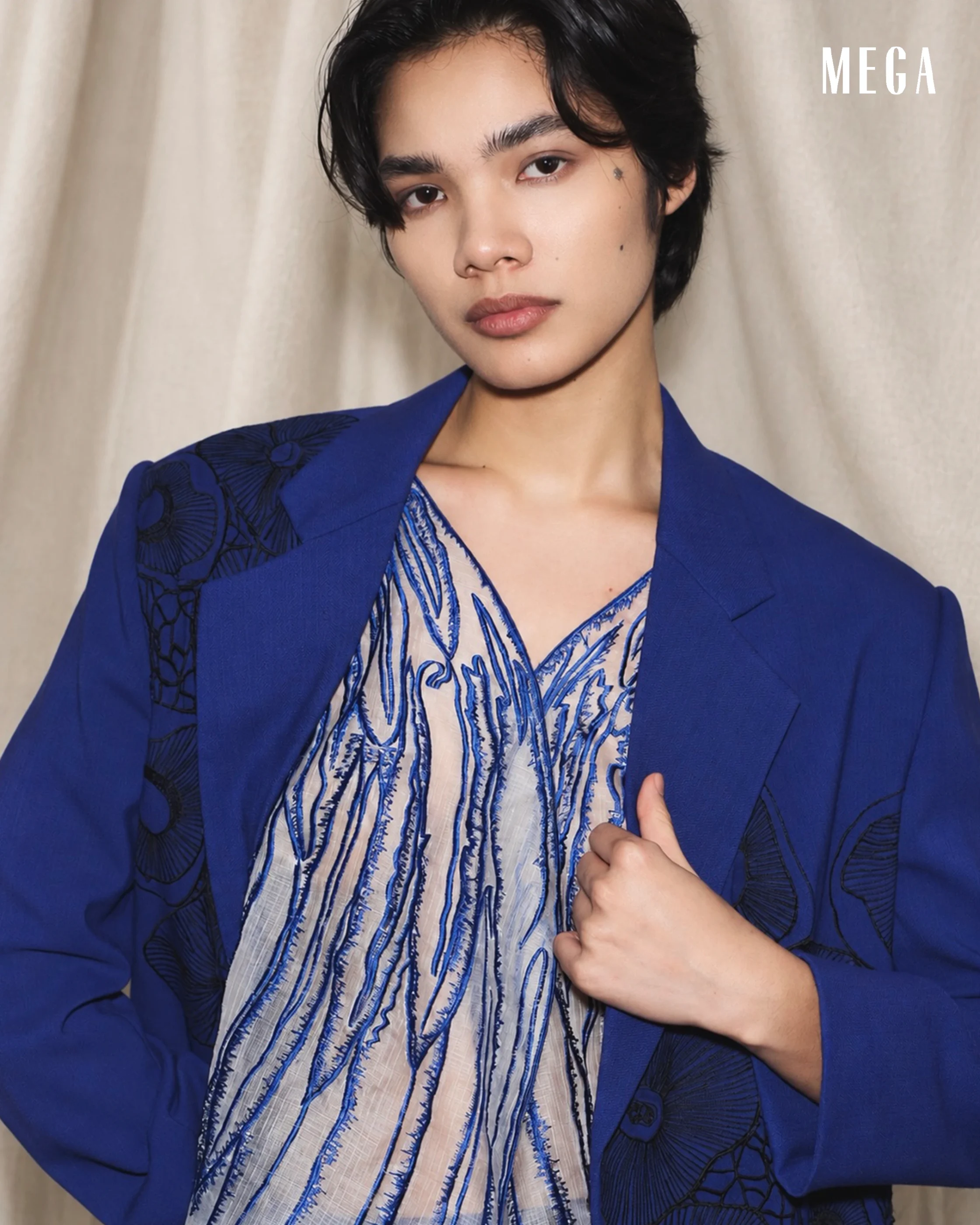
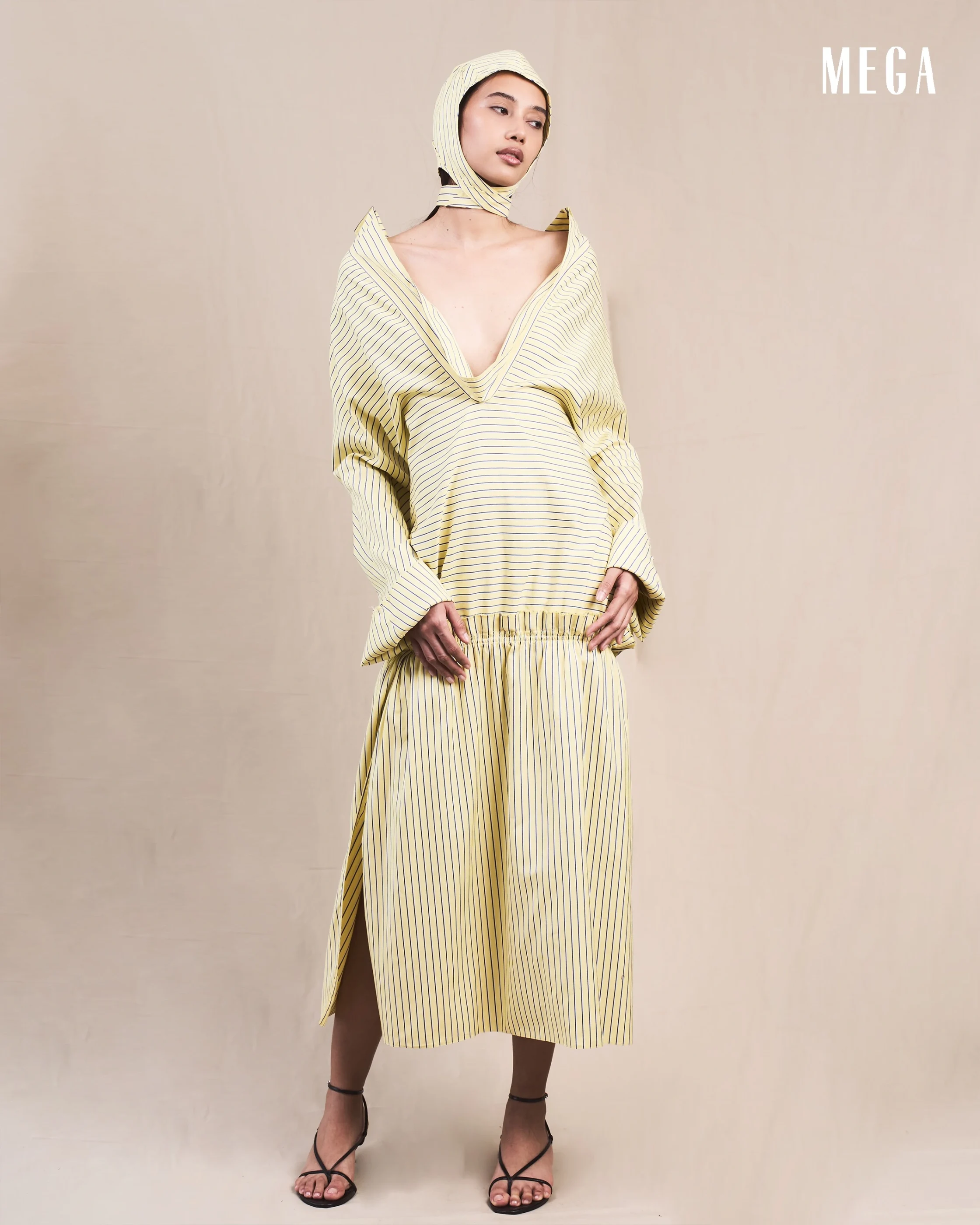
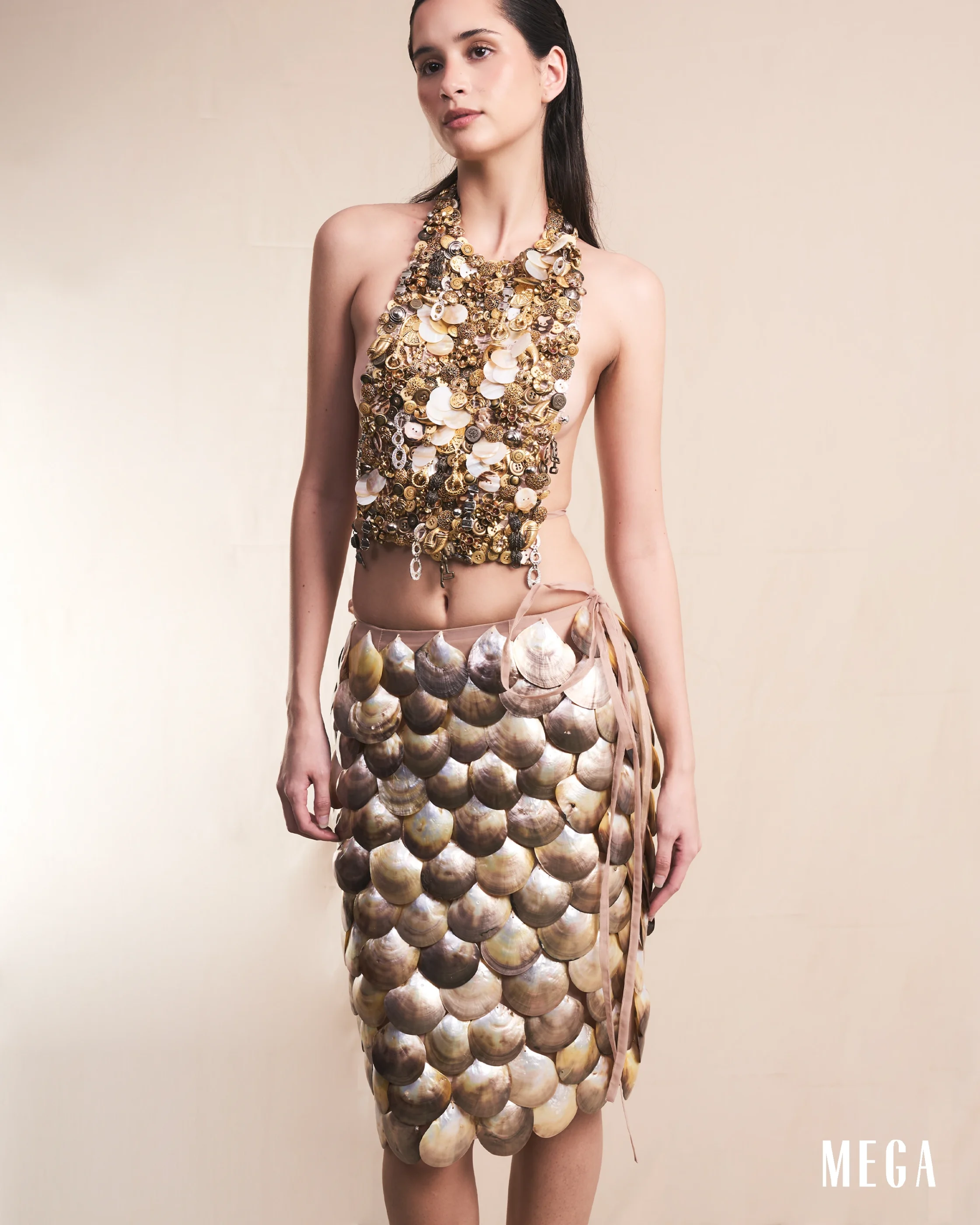
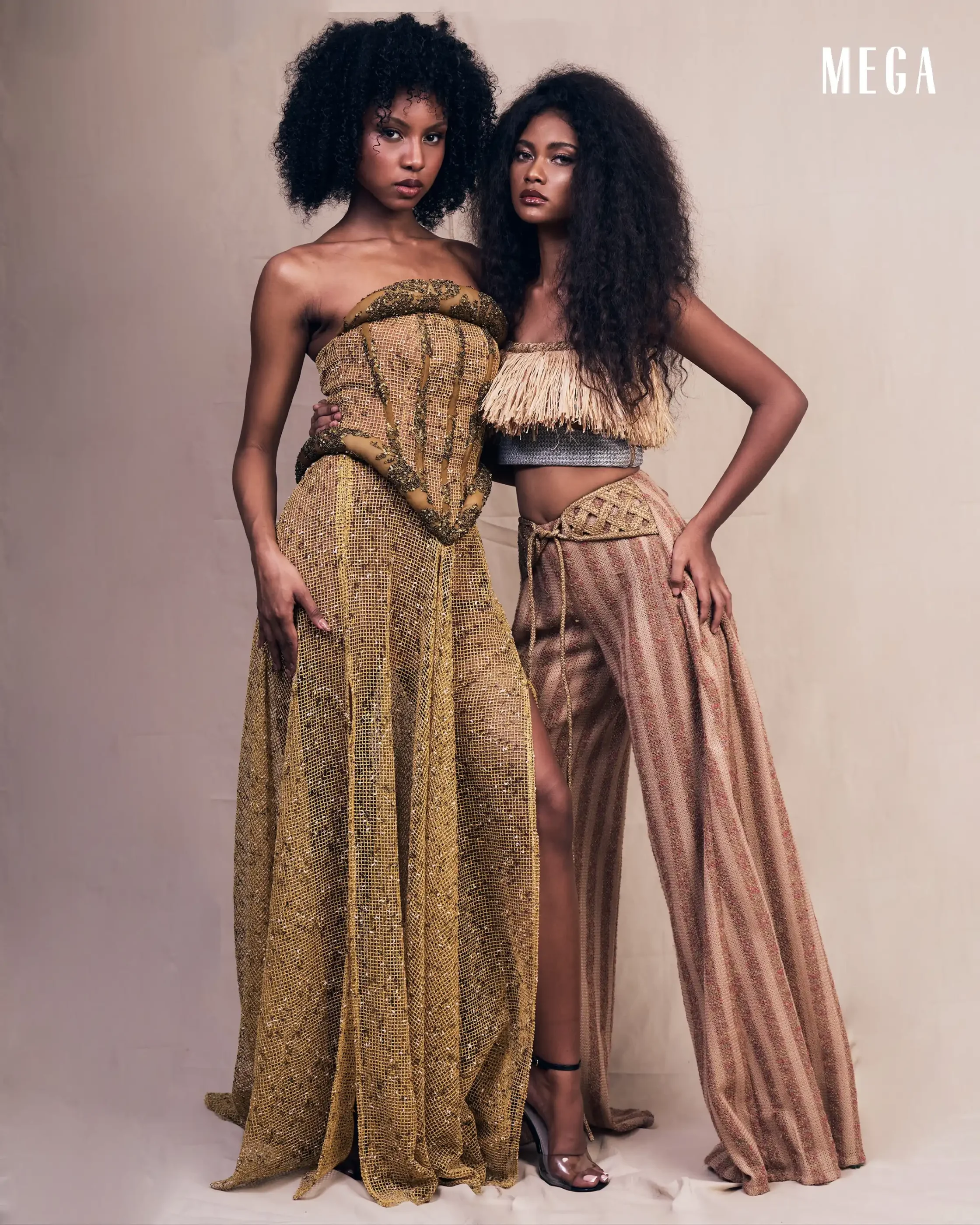
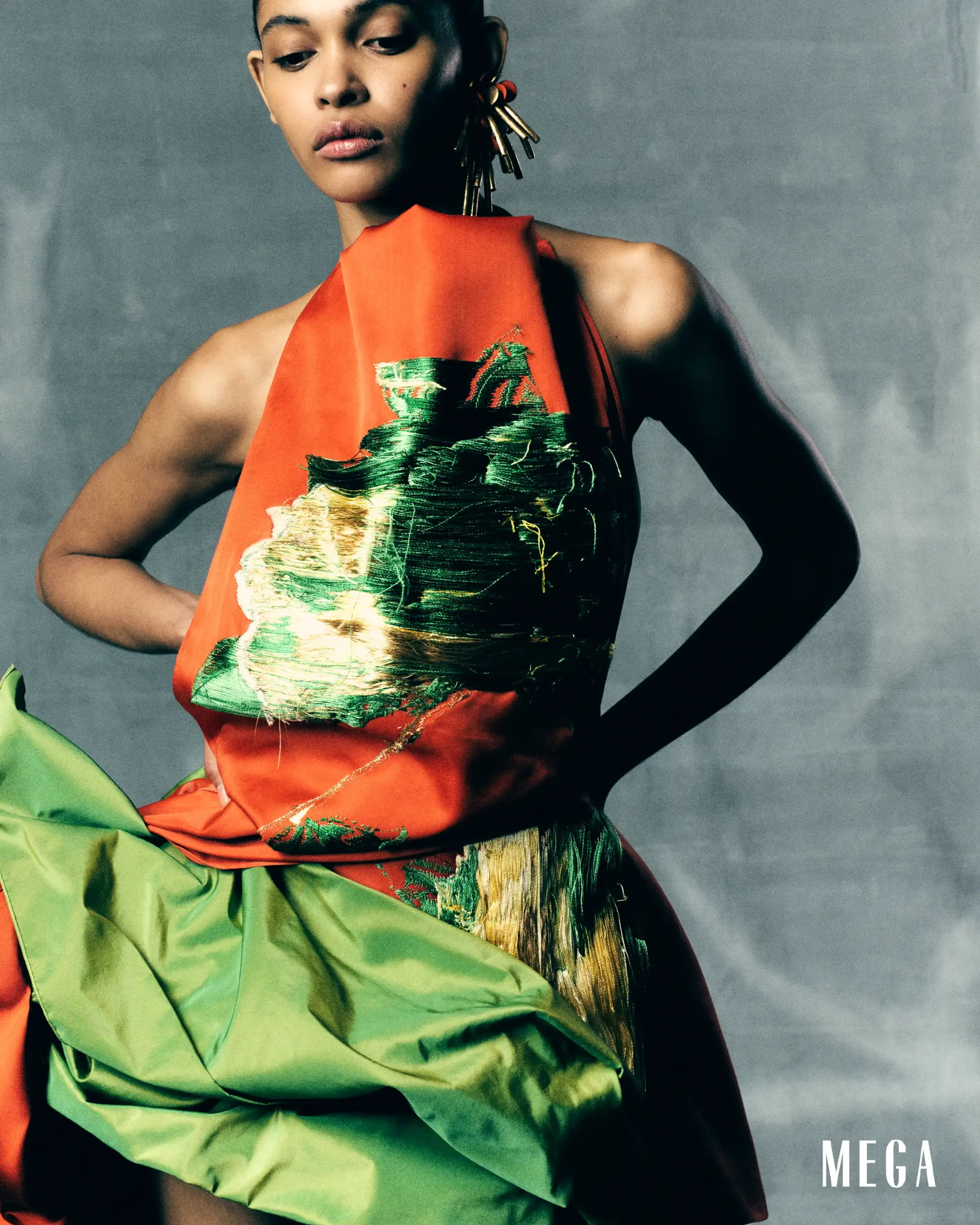
You may have seen the presentations in photos and videos, but the camera didn’t catch Minh Duc Nguyen of Duc Studio mimicking a mannequin while setting up his Re-See exhibit, or Alex Po admitting that he was mostly thinking about which Filipino meals to try before his Ponder.er show. It didn’t capture Filipino designers such as Kelvin Morales, Roko Arceo, Rosanna Ocampo, and Prince Padilla laughing behind the scenes, or Rajo Laurel cheekily looking forward to a cocktail and sleep after his ARCHIVO show.
RELATED: There Is Only One Rajo Laurel
It’s funny how quickly people become familiar once you’ve had the chance to spend time with them. And with so many of us working in different corners of Asia, it’s nice to have an occasion that brings us together. We hope there’ll be many more.
Photographed by EXCEL PANLAQUE of KLIQ, INC. and BRYAN BACTAD
Creative Direction by GEE PLAMENCO JR. and Art Direction by RAKI LUCAS
Frequently Asked Questions
Fashion Week Asia (FWA) is a fashion week held in Manila that gathered designers and creatives from across the region. Its inaugural edition ran for five days, pairing runway presentations on contemporary Asian fashion with discussions and forums, including the Making It Work Fashion Forum.
Designers named in MEGA’s coverage include Sophie Hong, TOTON, BAJUYO, Thao Vu of KILOMET109, WISHARAWISH, Minh Duc Nguyen of Duc Studio, Alex Po of Ponder.er, and Rajo Laurel, whose show was ARCHIVO. Filipino designers Kelvin Morales, Roko Arceo, Rosanna Ocampo, and Prince Padilla were also present.
Making It Work was a Fashion Forum at the inaugural Fashion Week Asia on the business of creativity and what it takes to sustain a creative practice. Speakers discussed maintaining their practices, prompting questions about experimentation, time, and the practical decisions that shape creative careers.
Quyên is a KILOMET109 collection developed by designer Thao Vu in collaboration with Indigenous communities in Vietnam. It was presented at the inaugural Fashion Week Asia in Manila and drew attention to Vietnamese textiles and the community expertise behind them, as noted in MEGA’s reflection on the event.
Materials and cultural references varied across runways. Sophie Hong worked with silk, which she has dedicated decades to; TOTON showed fringed skirts made of recycled plastic; and BAJUYO offered interpretations of the hanbok, a garment carrying cultural familiarity and personal significance for the designer.
Recommended Video
Latest Posts

Latest Issue