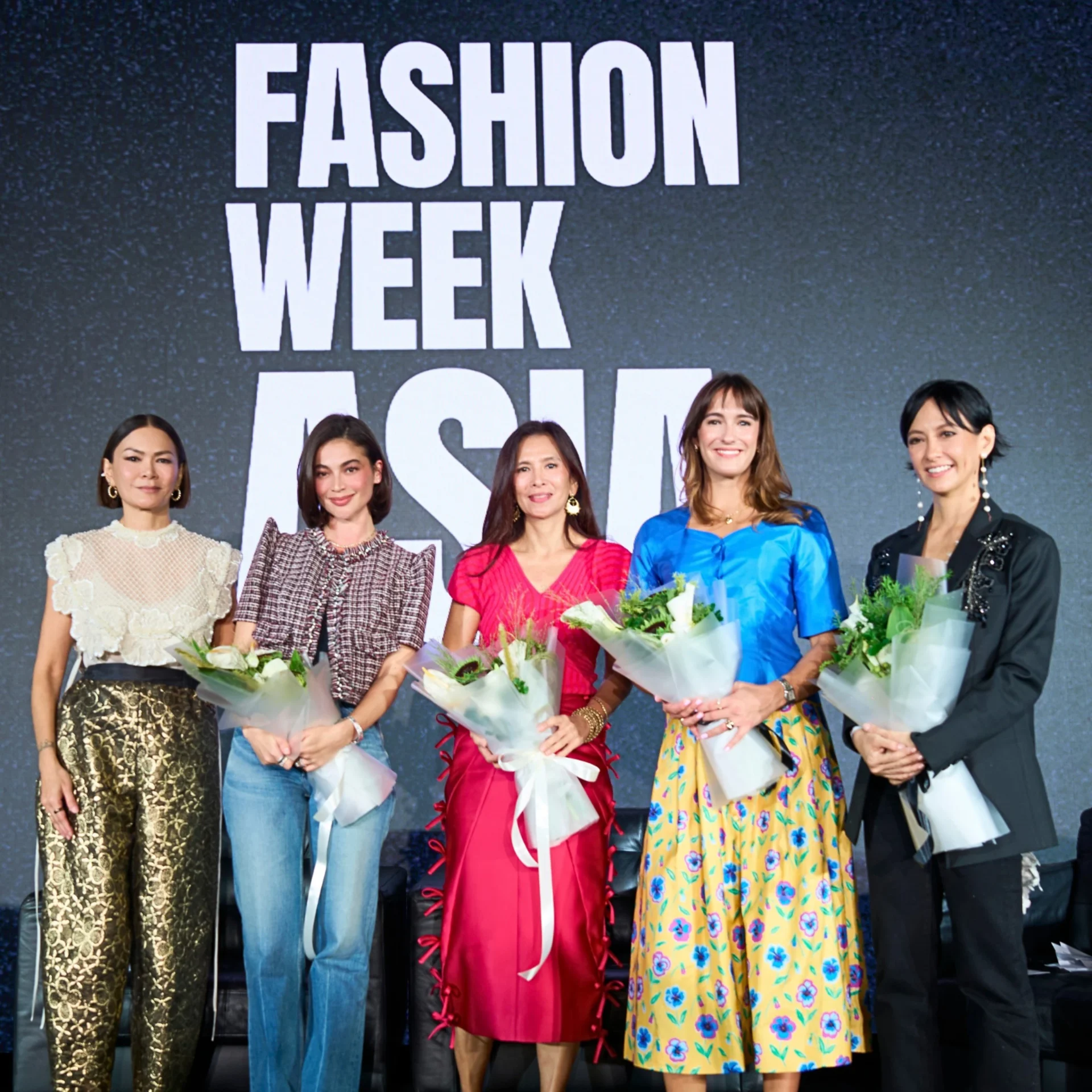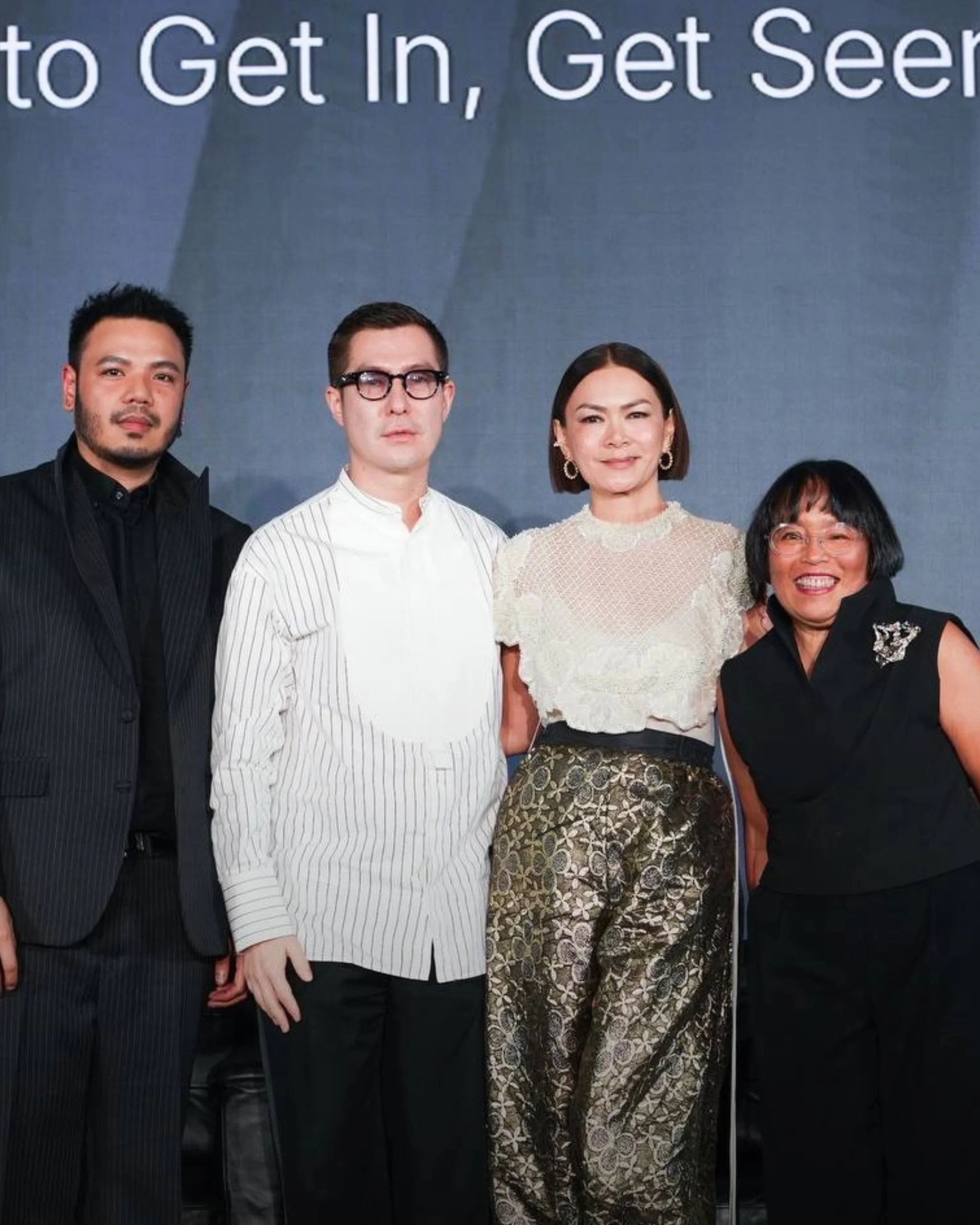
Whether through images and videos on social media or its depiction in pop culture, Fashion Week is regarded as one of the industry’s most sought-after events. For guests, it’s a chance to be surrounded by notable names in the industry and get a close look at new collections while for designers and labels, it’s their opportunity for them to be seen on a wider scale. But how exactly do fashion weeks choose the designers to present at their events, and how can creatives make the most out of their inclusion?
Those questions and more were answered during the Access: Fashion Week panel at The Fashion Forward Asia Forum at Fashion Week Asia.
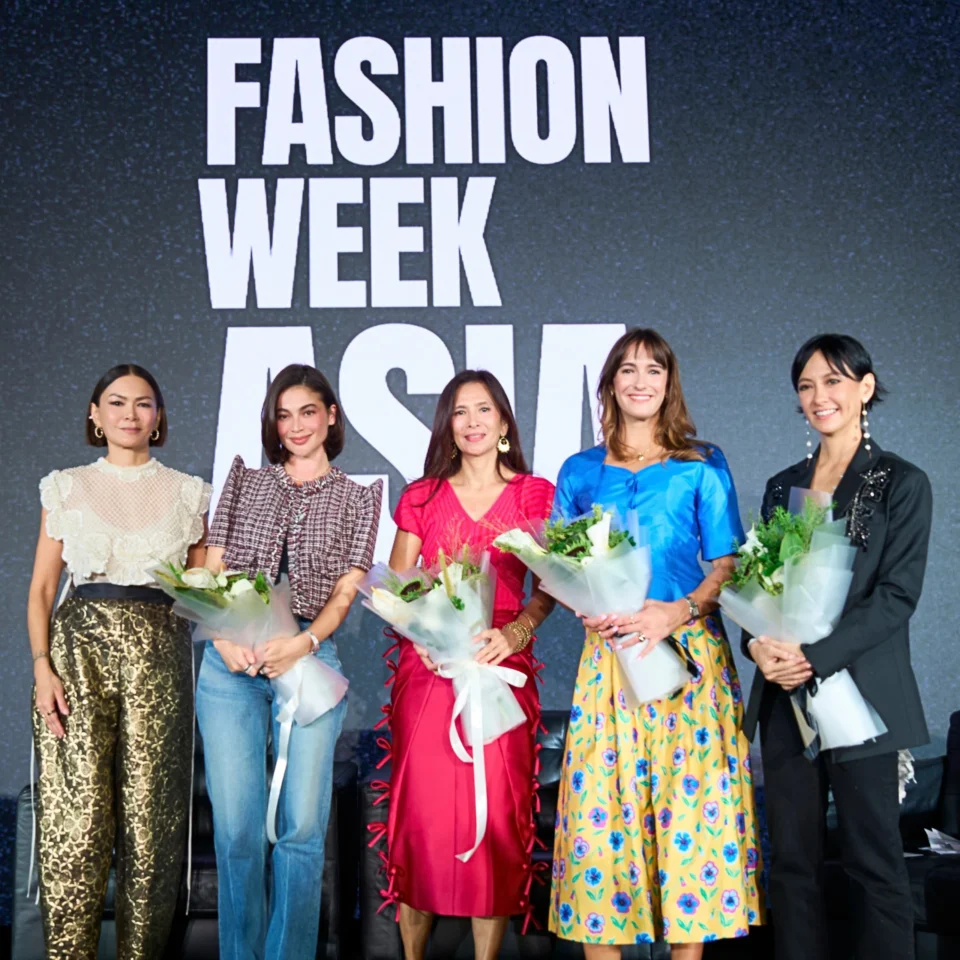
Moderated by Patrick Ty, Chief of Editorial Content at VMAN Southeast Asia and Creative Chief at MEGA Asia, the talk brought together Apples Aberin, Founder & Co-Chair of Fashion Week Asia and Vice President of One Mega Group Lifestyle Media Brands, Bauyrzhan Shadibekov, CEO of Fashion Week Almaty, Fashion Week Tashkent, and Next Designer Award, and Svida Alisjahbana, Founder & Chairman of Jakarta Fashion Week and CEO of GCM Media Group as they discussed what it really takes to land on the fashion week radar and how emerging designers and creatives can use the opportunity as a springboard for greater things for their brand and business.
RELATED: The Fashion Forward Asia Forum: Asian Fashion Thrives When Its Voices Are Heard
Asia’s Growing Fashion Week Presence
When one thinks of fashion week, what usually comes to mind are the glitzy shows at Paris, New York, and Milan. But Asia also has a growing presence when it comes to organizing fashion week events. And for the CEOs of some of the region’s fashion weeks, it’s not really about competition and comparison, but about building what we already have with so much talent, culture, and creativity to use. “We are more advanced in the digital. The way we reach out to our customers is direct to customer because we have a digital platform,” said Svida Alisjahbana.
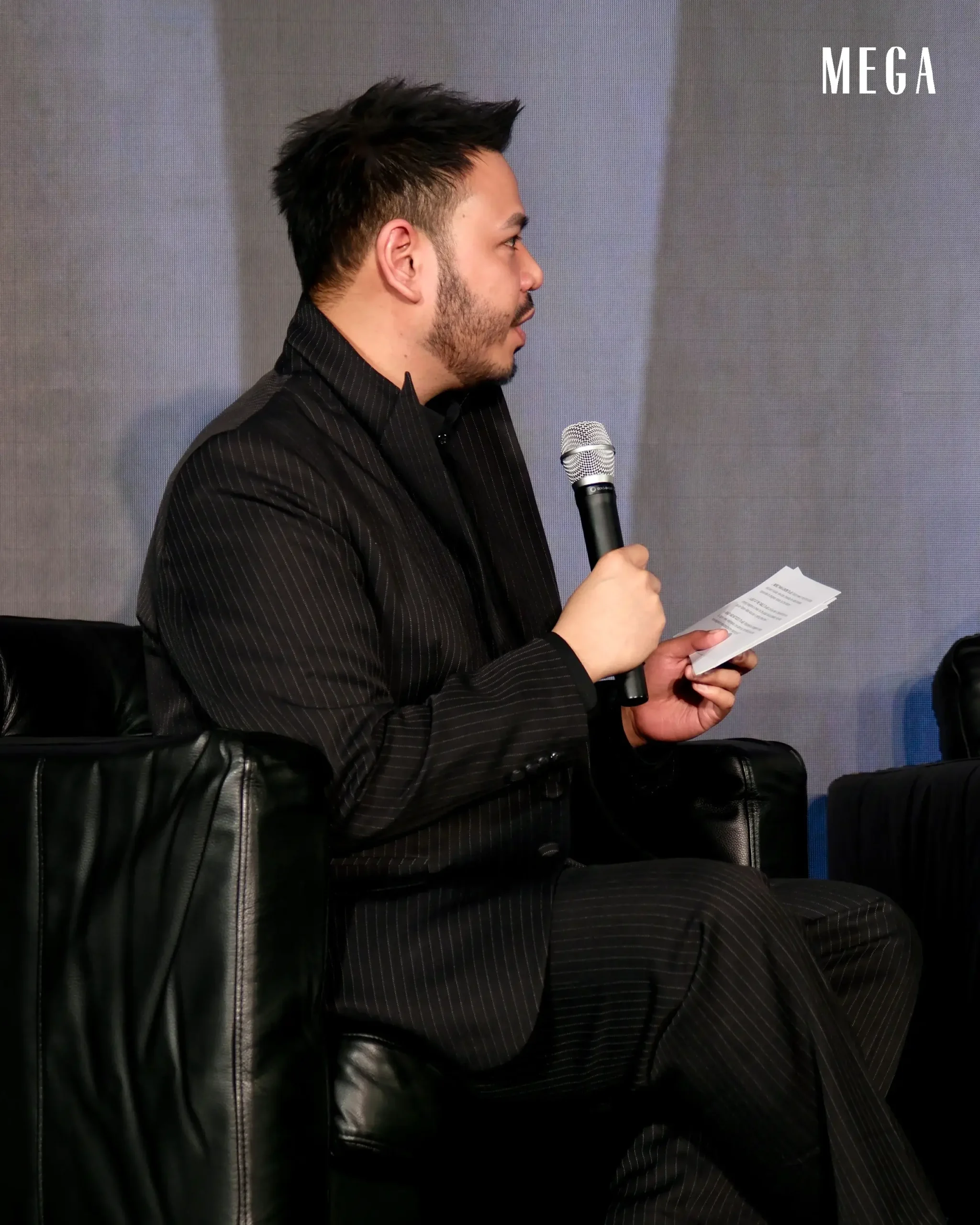
While fashion weeks in the West have decades of history behind them, Asia has its own system worthy of cultivating. “I think Asia is already building an ecosystem. And I think Asia is more than ready,” added Bauyrzhan Shadibekov. Fashion weeks in Asia, and to a greater extent the region’s fashion as a whole, don’t need to look overseas to know that what we have back home is deserving of being shown. “We need to build our ecosystem with our identity. So I think we have in Asia, especially Asia and Central Asia, we are so rich with the culture, with the story. And we need to show the world who we are and what we are built on in our region.”
Apples Aberin agreed, adding that the region is at its best when different countries and cultures collaborate with one another. “What we want to really do is connect everyone and bring everyone together because we can learn so much from each other. We need to create our own ecosystem, our own structure. And the only way to strengthen and do that is by doing it together.” One of Asia’s strengths has always been the free-flowing exchange of ideas and experiences between nations, and that also applies to fashion weeks.
How Do Designers Get Selected for Fashion Week?
So, how does a young creative who may not have the connections or stature yet get on a fashion week’s radar? For the speakers, it all has to do with the designer’s talent, vision, and potential. Organizers aren’t looking for social media virality, but a spark worth spotlighting. “We see the lookbooks first. We see the vision, how it’s happening,” said Shadibekov. “Creative identity is so important. You need to know who you are. You need to know what your story is, what you stand for as a brand,” added Aberin.
“We need to create our own ecosystem, our own structure. And the only way to strengthen and do that is by doing it together.”
– Apples Aberin on growing fashion weeks across Asia
What follows is whether or not designers have a grasp of their brand as a business and how they see themselves developing commercially. “You need to think about it as more than just a presentation of your work. Because it translates into business. So, it’s connecting creativity to commerce at the end of the day. You need to know how to sell that brand.” In here comes pricing, budgets, deliverables, timelines, sourcing, commerce platforms, and other business-related decisions. It admittedly can get complicated, but for designers who do the homework, it shows how they take their craft and business seriously.
“We are constantly evaluating their creative evolution. Because the collection needs to be consistent season after season. And it’s the identity. What is the DNA of this designer? Consistency, audience engagement, and how does this audience engagement translate to their business? What makes us invite them is how that creativity evolves into a distinctive identity, a growing audience, and ultimately a sustainable business,” shared Alisjahbana.
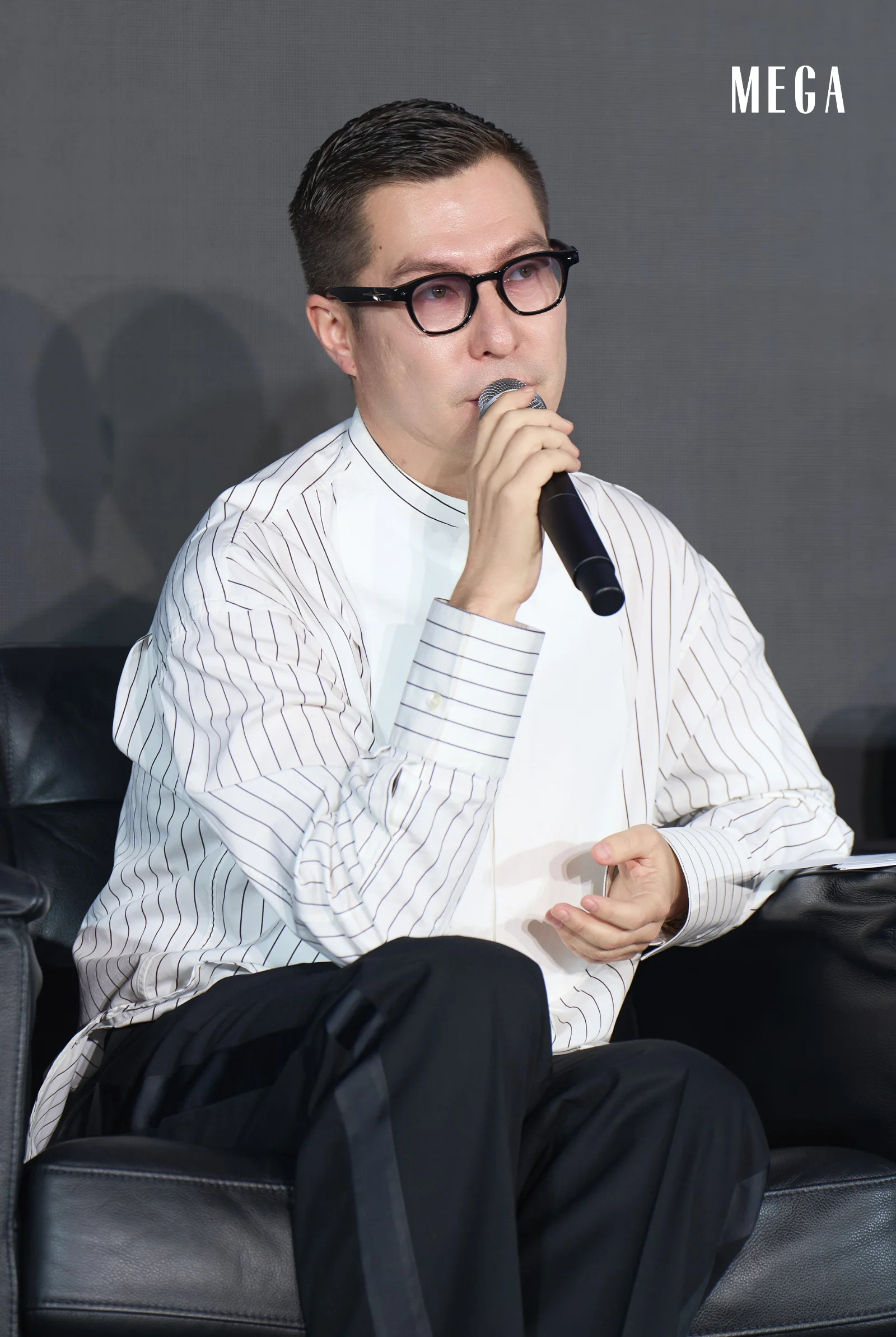
Designers from the region don’t need to look far to dream about joining a fashion week. And being included as a participating designer goes beyond showing pieces on the runway. There’s more to fashion week than just having a collection, especially for designers who are in their early years. “Designers do need to realize that this is more than just a fashion show. The conversations can start on the runway, but it needs to transcend that,” said Aberin.
A fashion show can lead to potential buyers and customers purchasing clothes and pieces, such as through re-sees. There are also opportunities for further learning and training through special programs, events, and competitions that give young and emerging designers the platform to get to where they need to go. “Our role is really to discover, curate, communicate, and ultimately elevate the designers. Fashion Week is not a climax. Fashion Week is the platform for the next step of the designer journey,” Alisjahbana expressed.
“Our role is really to discover, curate, communicate, and ultimately elevate the designers.”
Svida Alisjahbana on fashion week’s role on supporting young designers.
It’s through these interconnected hubs that designers can grow and eventually take their work across Asia and beyond. “Talent evolves. Labels evolve. And we, in Fashion Week, are part of the curation process. Part of the nurturing process for the next designer. We truly believe in collaboration, in exchanges. Because our roots have similarities, and that is where we can bring it to the future and show strong talent from our region.”
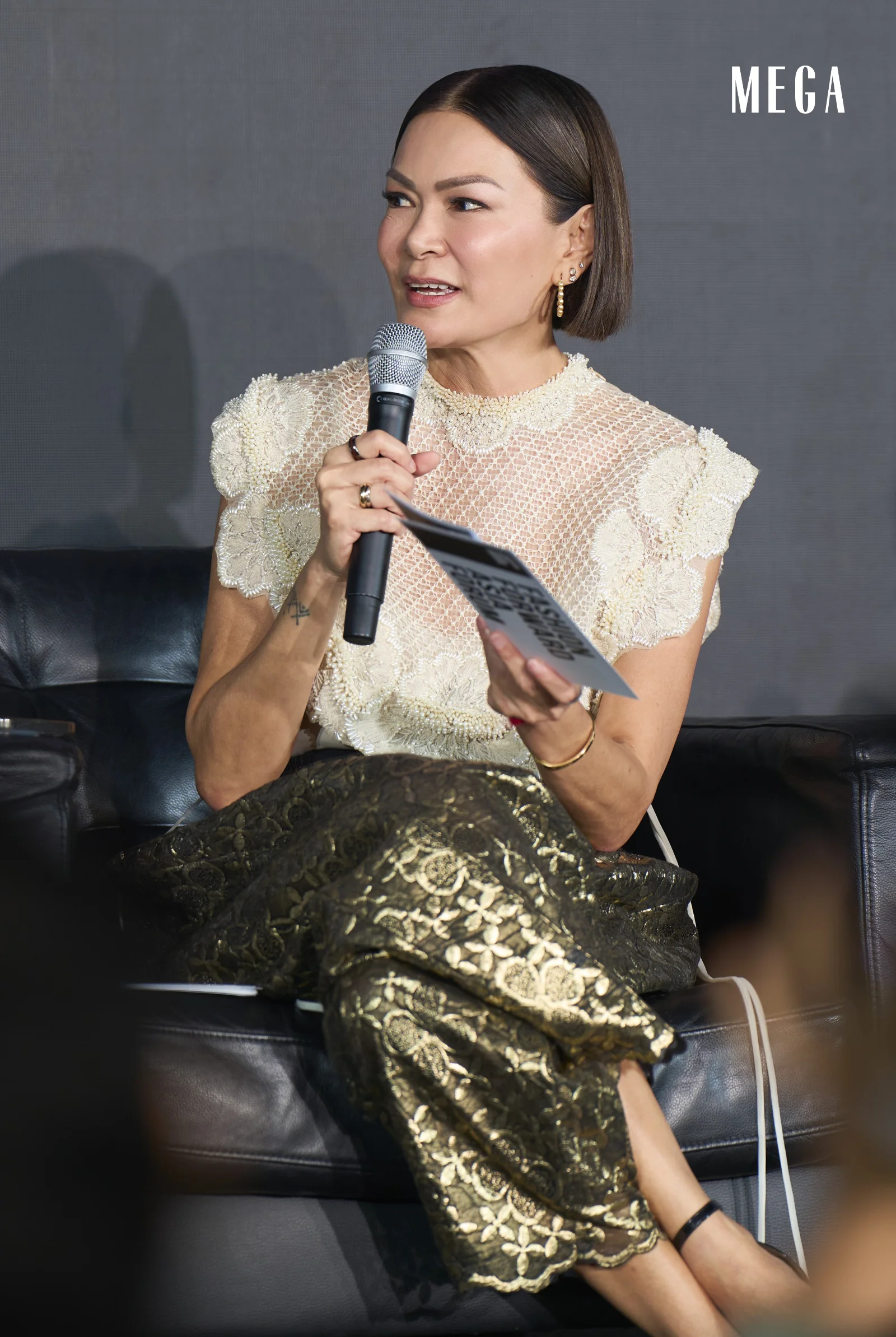
The panelists emphasized that fashion week isn’t just a time to dress up and go to shows. For the designers involved, it is a chance to take their work to the next level, with the institutions and organizations running the region’s fashion weeks serving as a bridge for local designers and the wider fashion world.
As Aberin puts it, “There’s a lot of talent, creativity, and a lot of craftsmanship as well. So we just need the platforms to show the world what we have to offer.” While the mentality for some might be to look at Europe as the pinnacle of fashion, fashion weeks across Asia are showing that there’s more than enough regional talent and artistry to support.
How Can Designers Make the Most of a Fashion Week Opportunity?
Ultimately, designers shouldn’t see fashion week as just a vanity project to get their name in the headlines. It’s an opportunity that goes beyond the camera flashes, Instagram Reels, and TikTok videos because a designer who makes it to fashion week is one who has what it takes to make it far. “Don’t be afraid to say no. Try, try, try again. Work hard,” was the advice Shadibekov shared with emerging designers. “You need to find your identity, who you are. And it’s all about the love of fashion.”
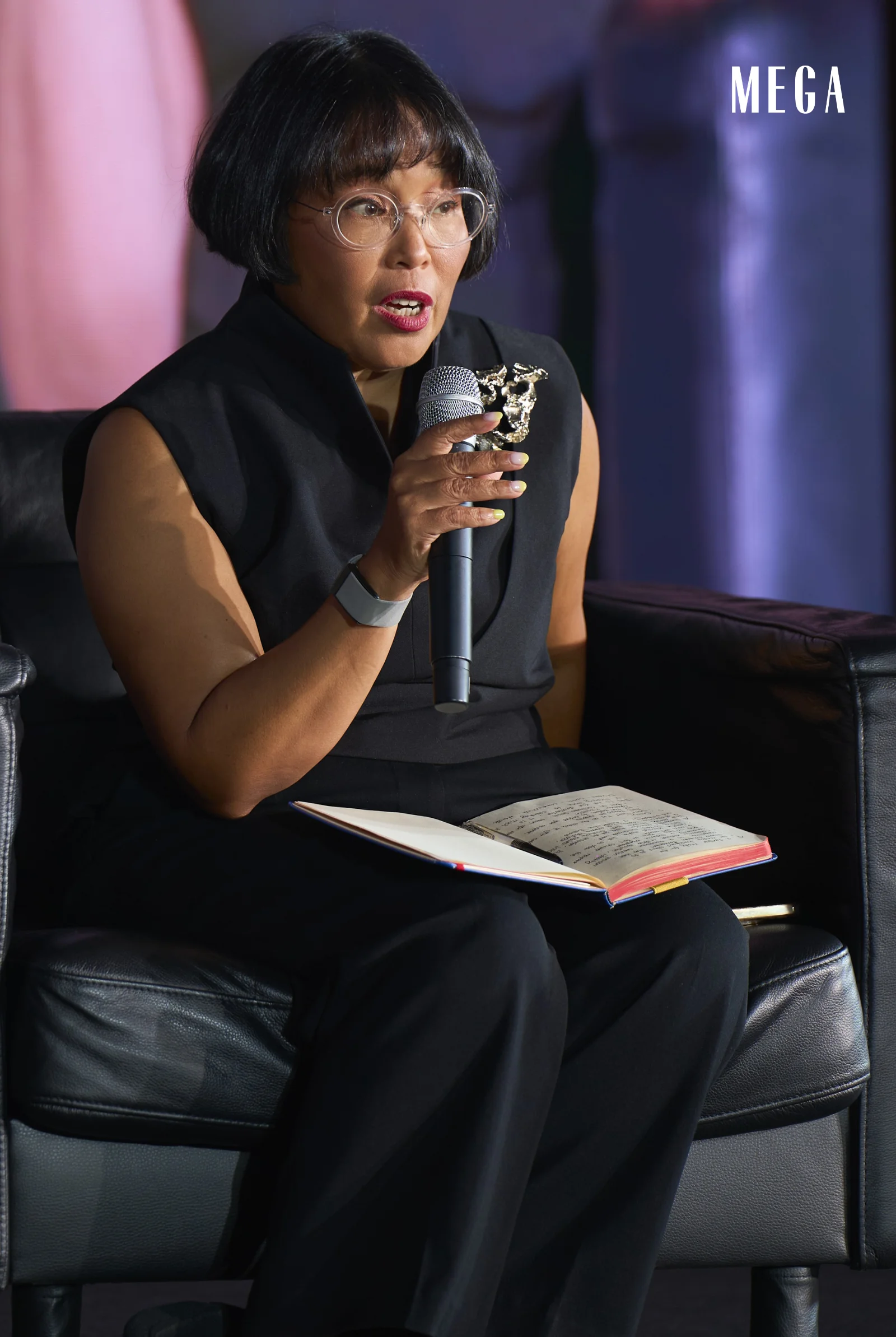
For Aberin, it’s in learning the industry, both creatively and economically. “The first thing you need to do is really learn the craft. As you love it, learn it as much as you can. So that you can be as perfect as you can be, because it will never be perfect. Don’t be afraid to make mistakes, because that’s the only way we will learn. And learn the business side or get a business partner who knows what to do.”
“You need to find your identity, who you are. And it’s all about the love of fashion.”
Bauyrzhan Shadibekov on his advice to emerging designers
And for designers who make joining a fashion week one of their goals, they should remember that it shouldn’t be a lonely journey. It’s more than ok to ask for help or work with a team you trust. Because making it to Fashion Week is something much more for everyone involved. “Fashion Week is not a destination. It is a stepping stone to something much bigger. It is for us to discover, to create, to communicate, and to elevate. And we hope the labels that are trying will be successful,” concluded Alisjahbana.
Featured Image and Photos: Photos by BRYAN BACTAD
Frequently Asked Questions
Moderated by Patrick Ty, the panel brought together Apples Aberin, Bauyrzhan Shadibekov, and Svida Alisjahbana to discuss how fashion weeks select designers and how emerging creatives can use the opportunity to grow their brand.
Panelists said Asia’s fashion weeks are building their own ecosystem rather than competing with Paris, New York, or Milan, leveraging digital platforms and regional cultural identity to connect designers directly with customers.
Organizers evaluate a designer’s lookbook, creative vision, and brand identity first, followed by business readiness—pricing, sourcing, and commercial strategy—with Svida Alisjahbana noting that consistency and audience engagement matter season after season.
No—panelists described fashion week as a stepping stone rather than a destination. Svida Alisjahbana said fashion week exists to discover, curate, and elevate designers for the next stage of their journey, not as a final achievement.
Bauyrzhan Shadibekov advised designers not to fear rejection and to keep trying, while Apples Aberin urged learning the craft deeply, embracing mistakes, and understanding the business side or partnering with someone who does.
Recommended Video
Latest Posts
Latest Issue