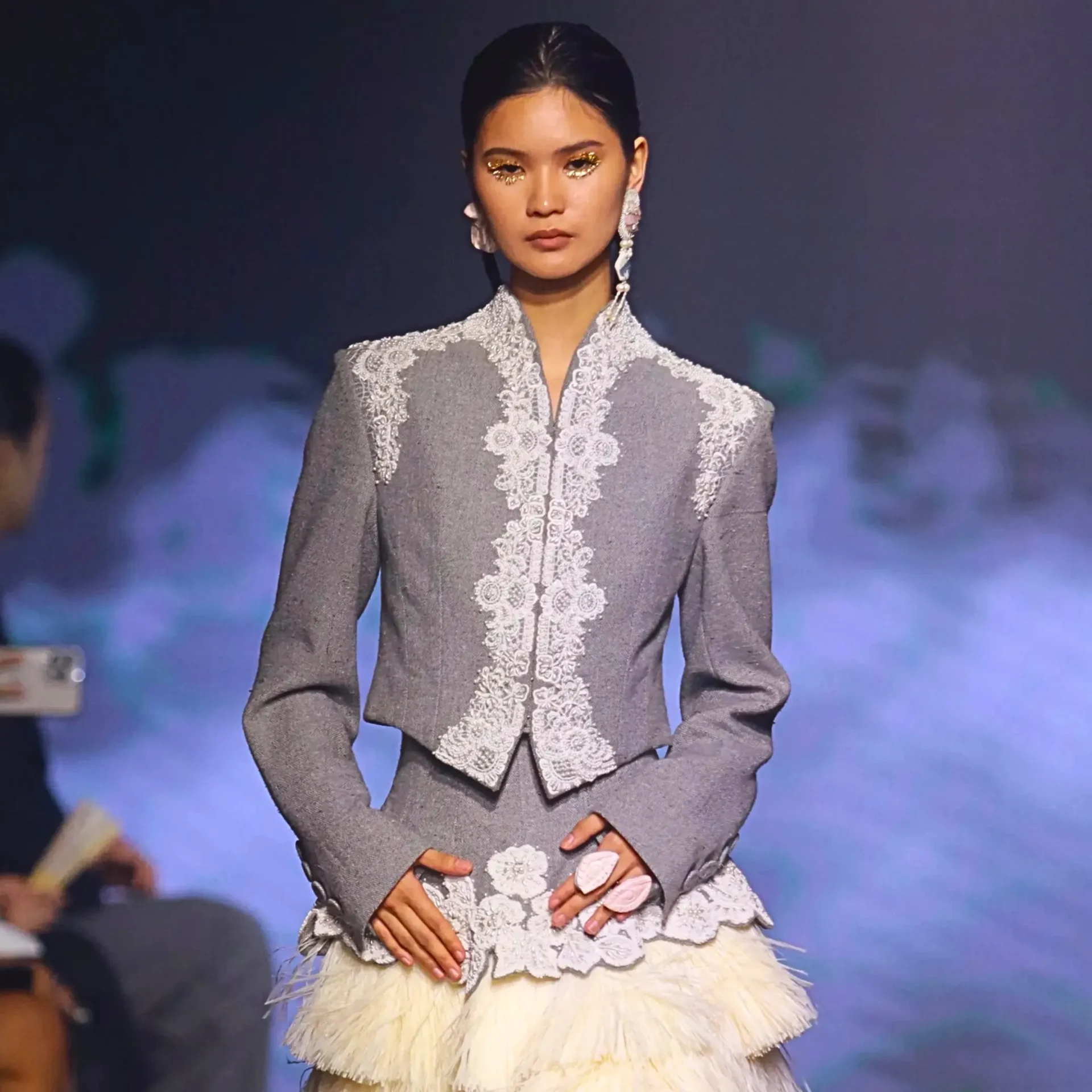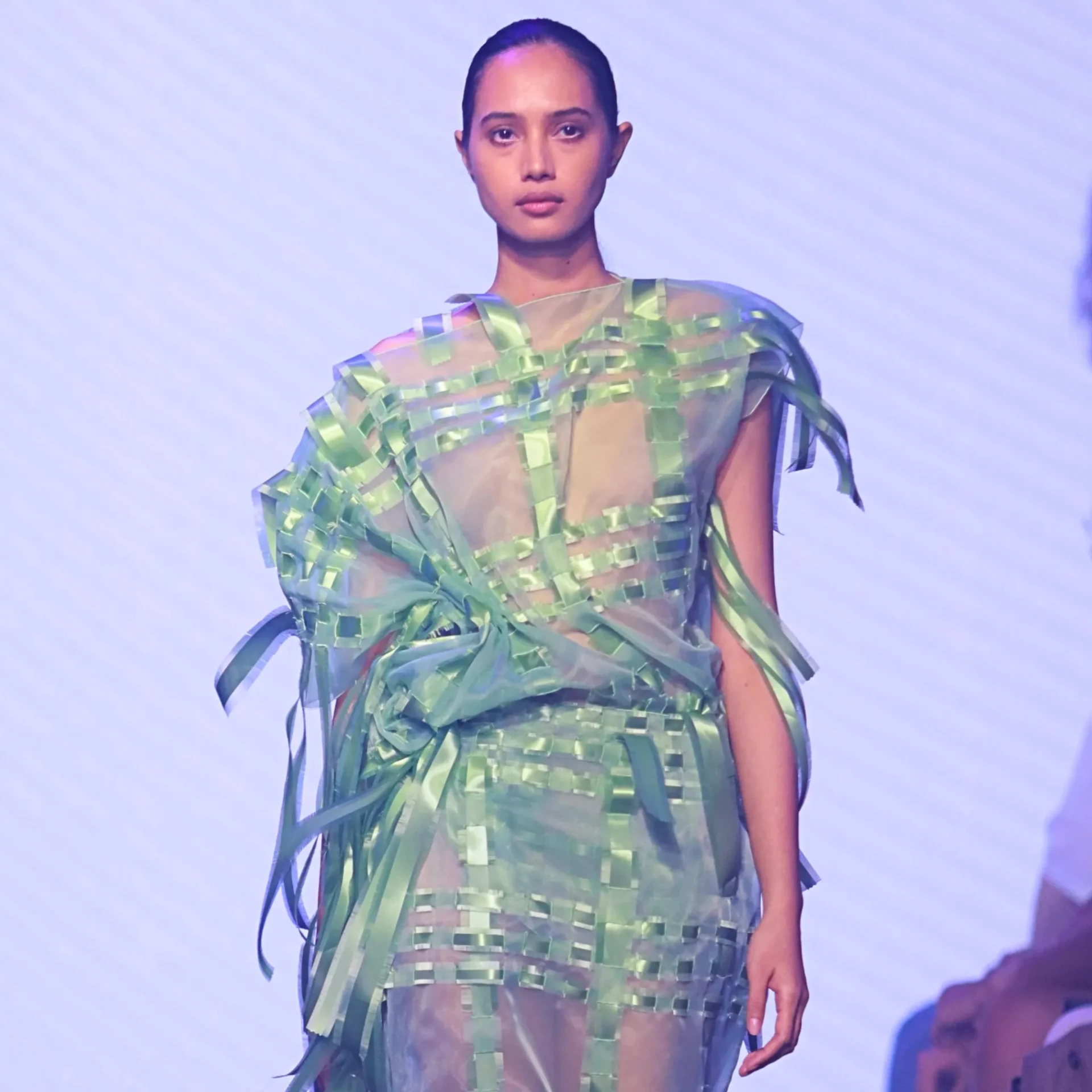
Philippines. Vietnam. Korea. Malaysia. Indonesia. Thailand. Hong Kong. Taiwan.
Across these countries and territories, fashion takes on different forms, shaped by the traditions, histories, and creative perspectives of the people who bring it to life. Fashion Week Asia brings these voices together on one platform, spotlighting the designers who are reimagining their cultural identities through contemporary fashion and expanding Asia’s presence on the global stage.
RELATED: Voices to Watch: Who Are the Designers of Fashion Week Asia?
A Global Gathering
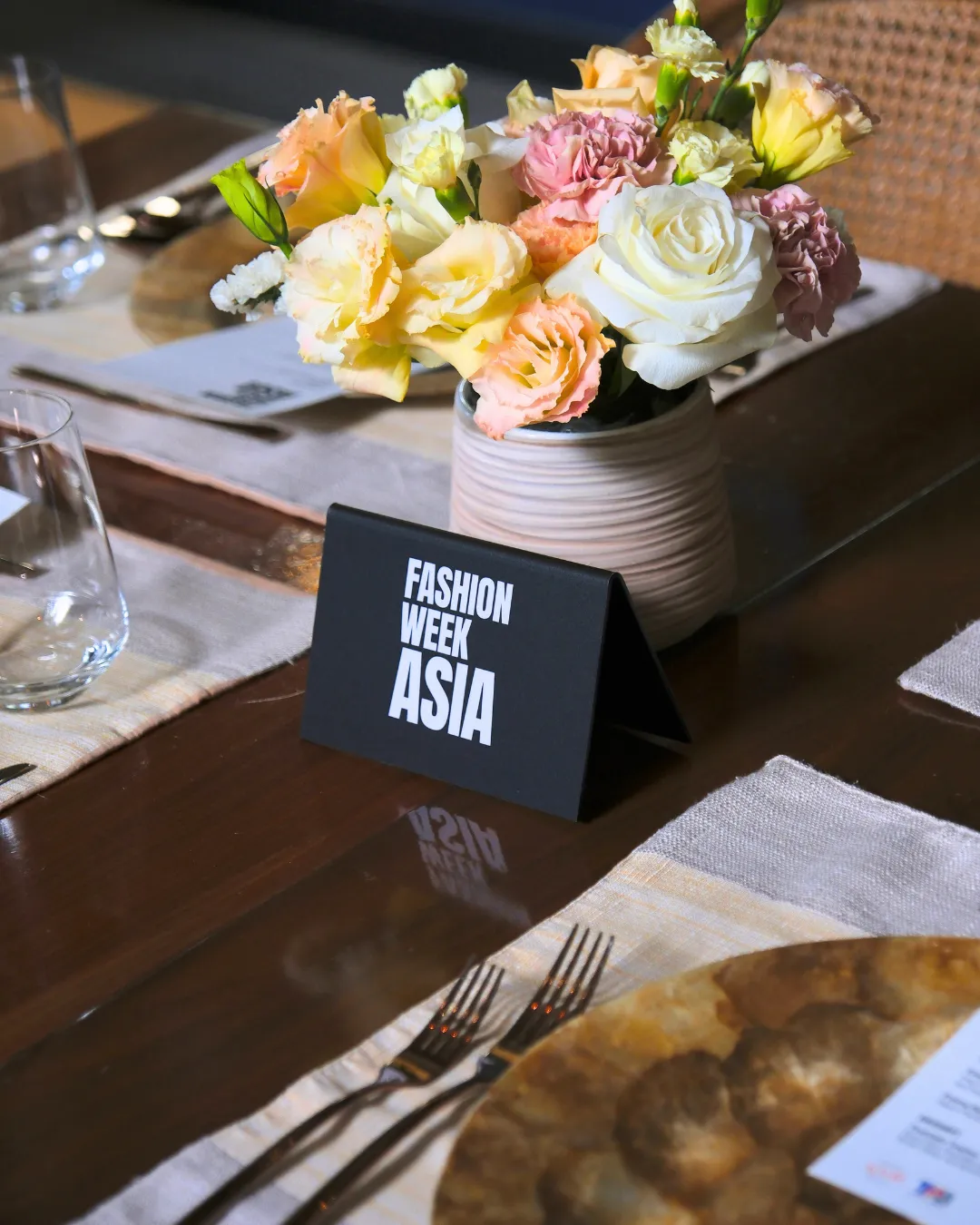
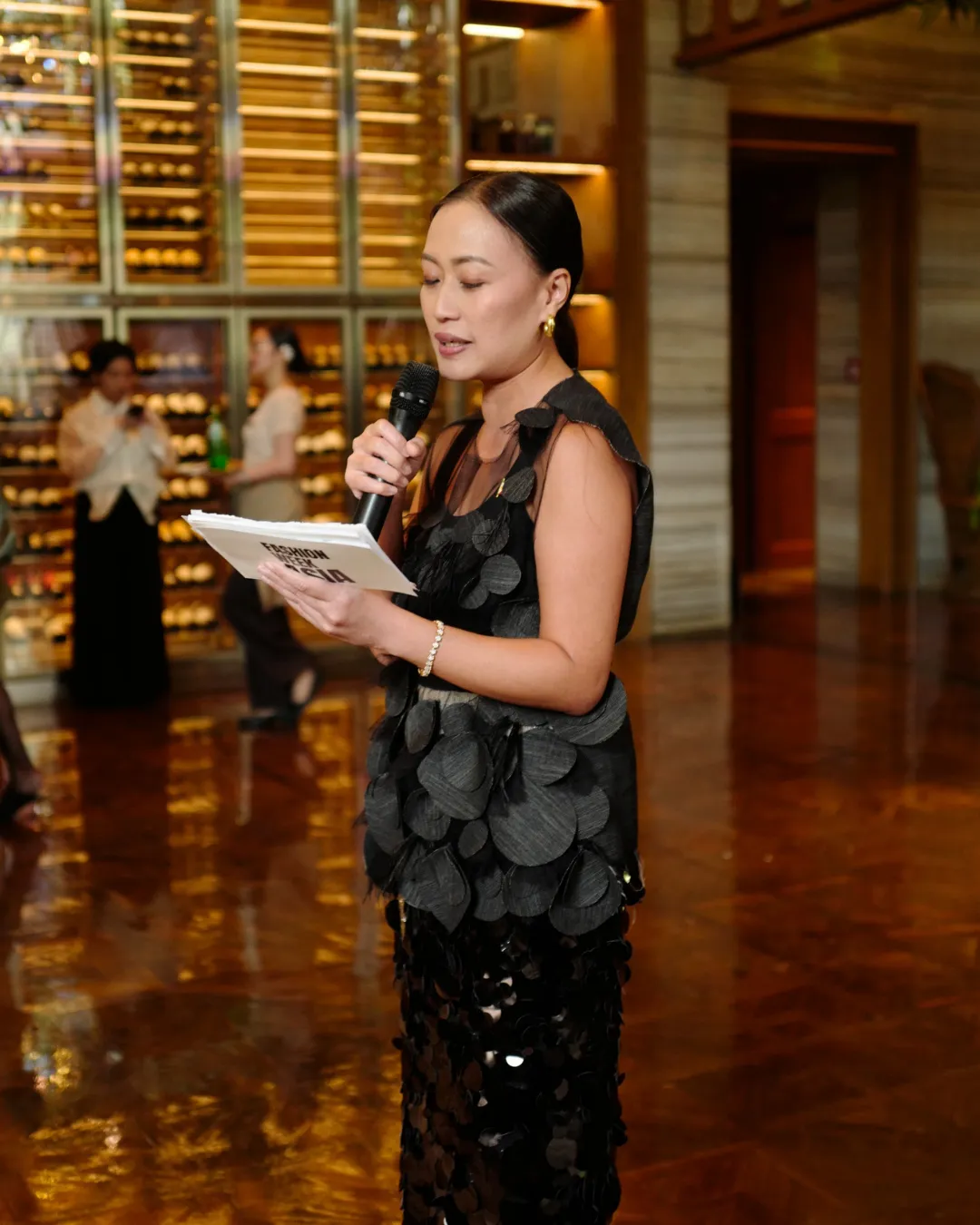
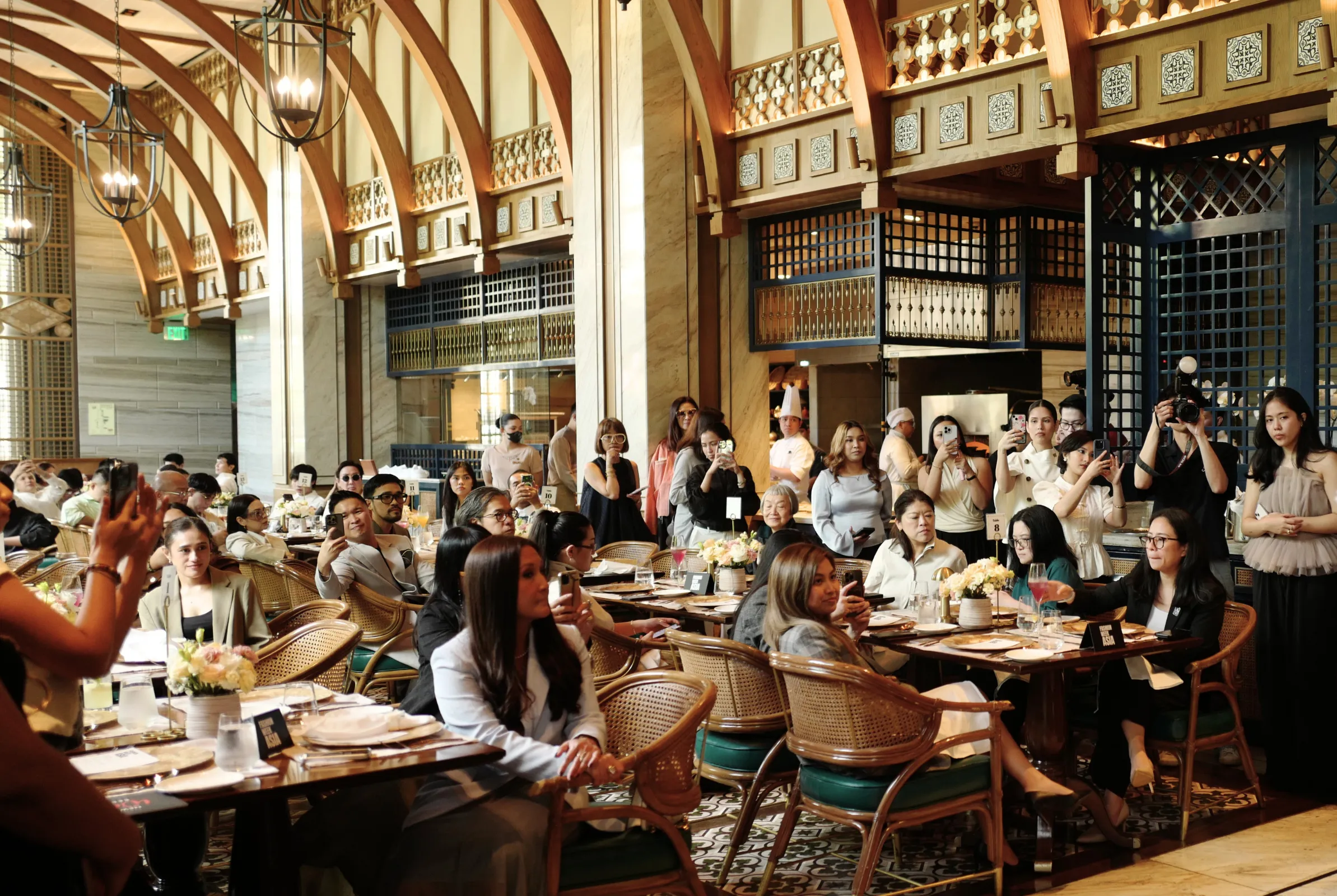
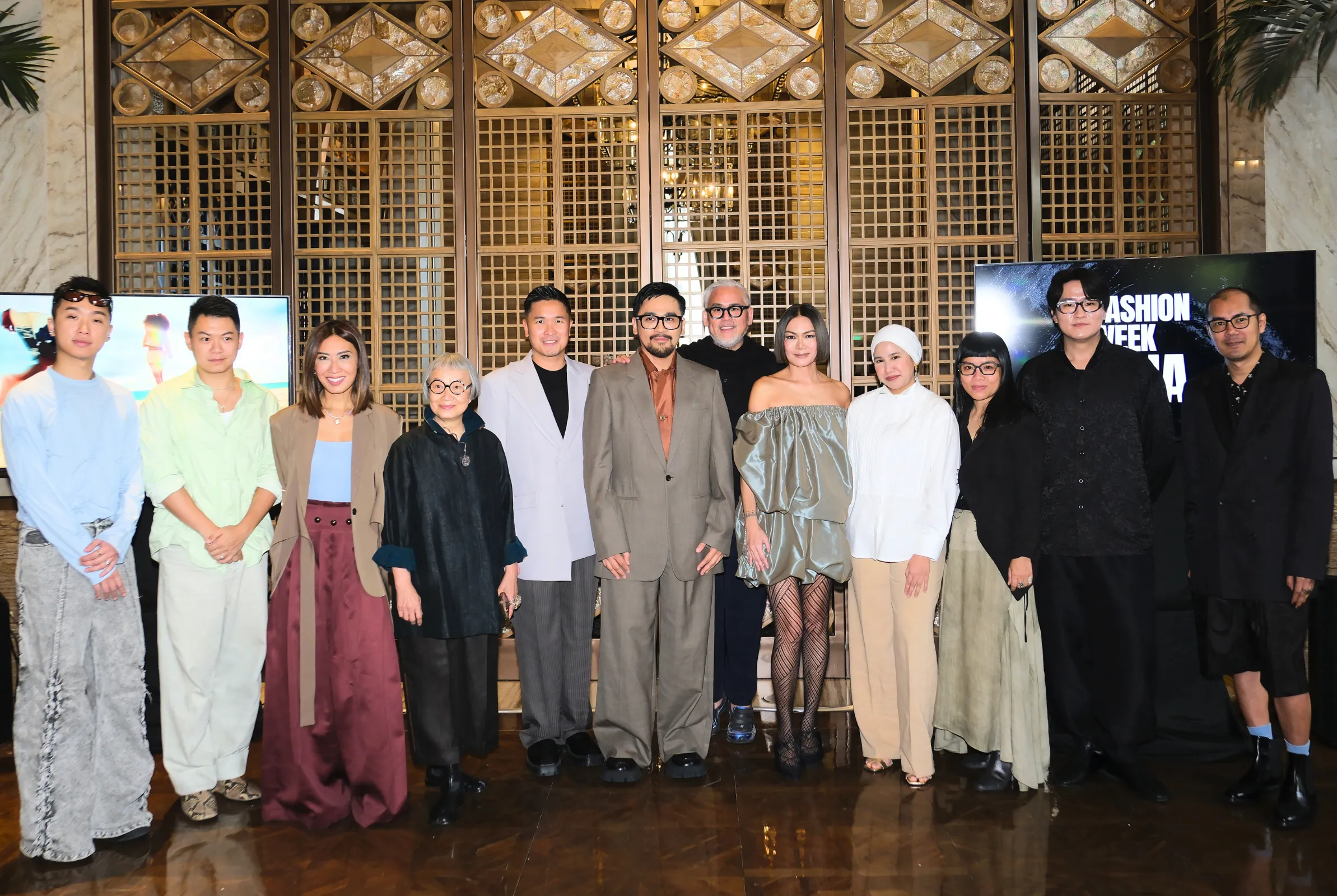
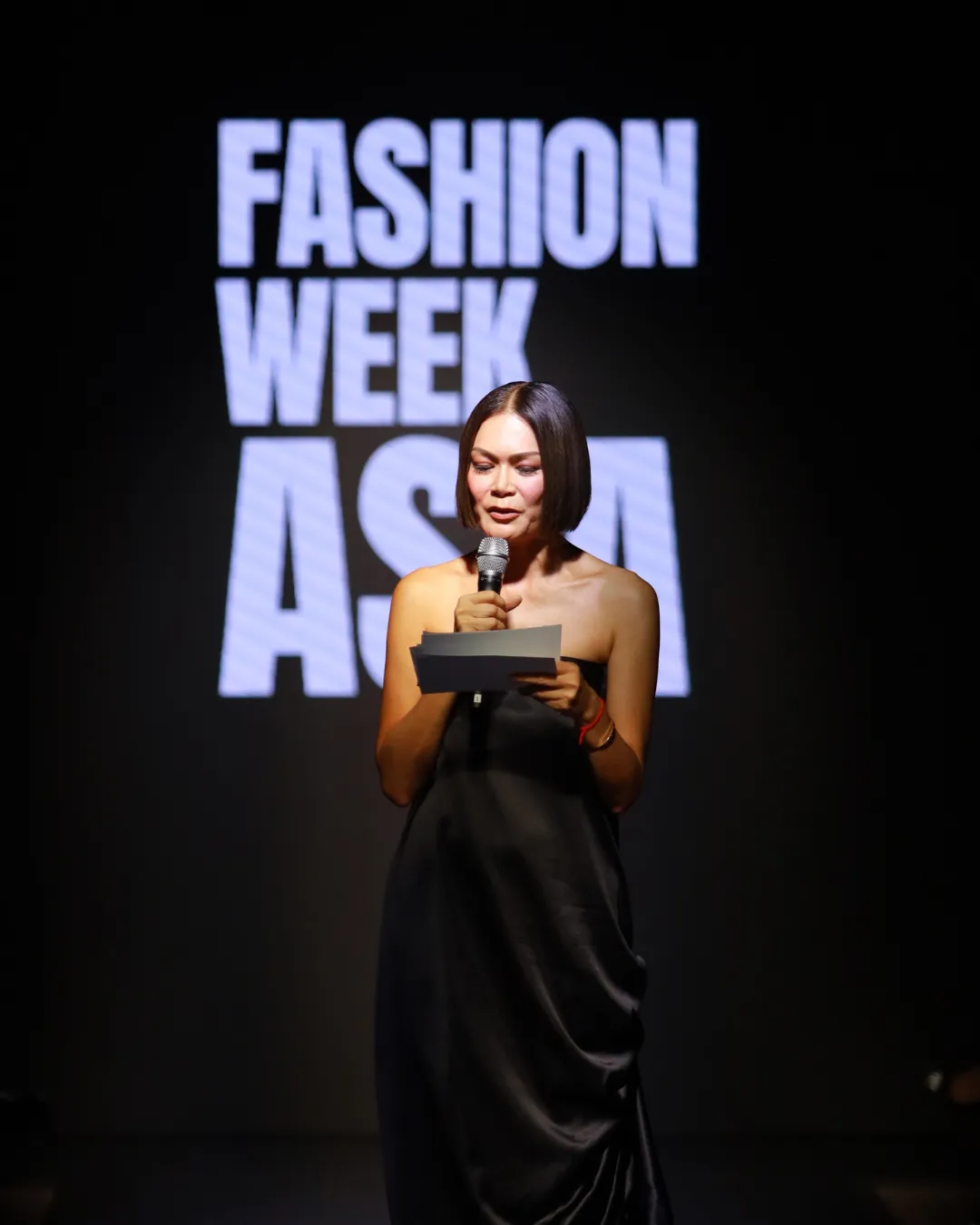
Fashion Week Asia opened with an intimate welcome brunch at Casa Buenas, bringing together the participating designers, the event’s founders, and members of the local and international media. Apples Aberin, Founder and Co-Chair of Fashion Week Asia and Vice President of One Mega Group Lifestyle Media, delivered the welcome remarks, joined by Newport World Resorts Head of Marketing Mitch Suarez and Marga Nograles of the Tourism Promotions Board Philippines.
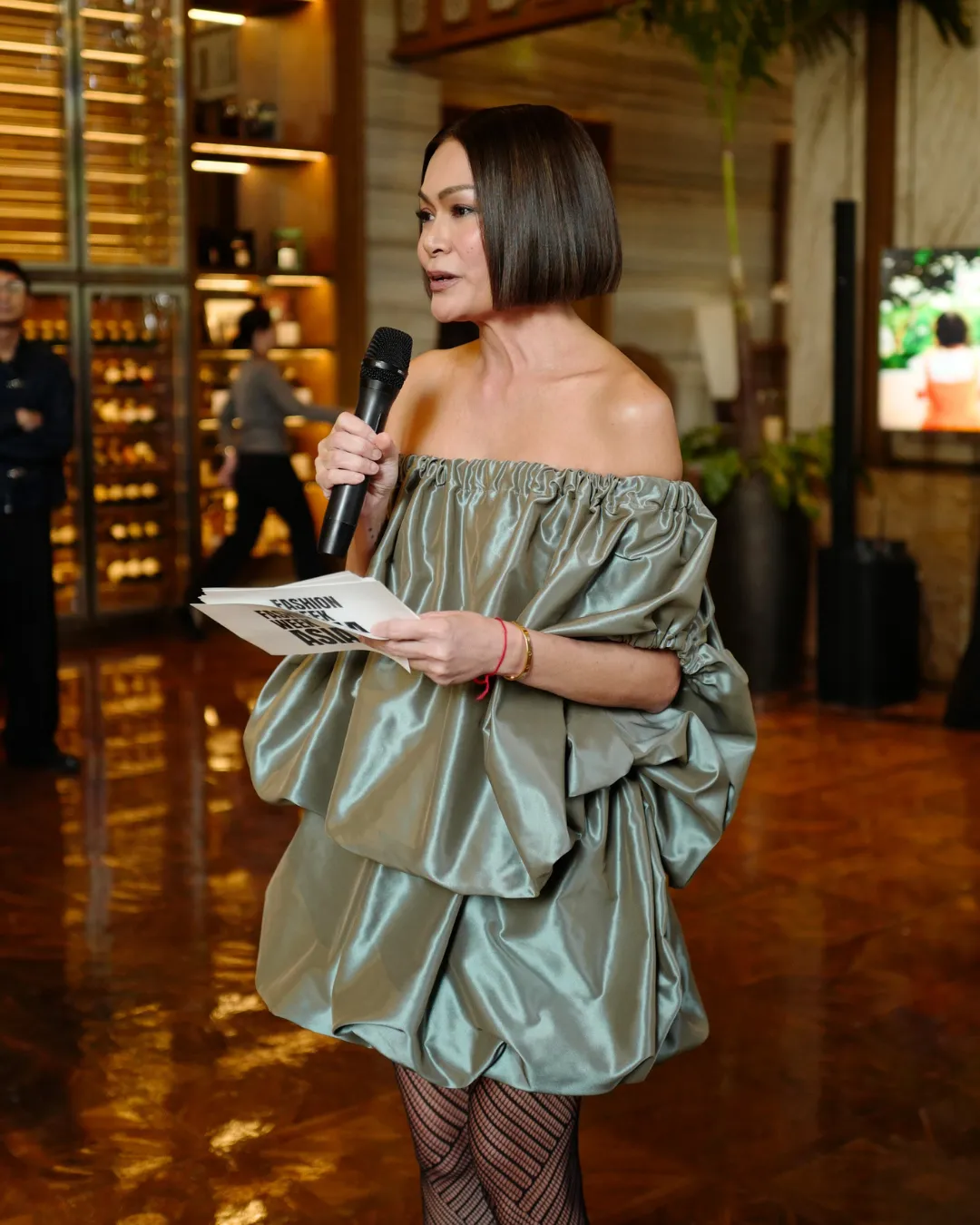
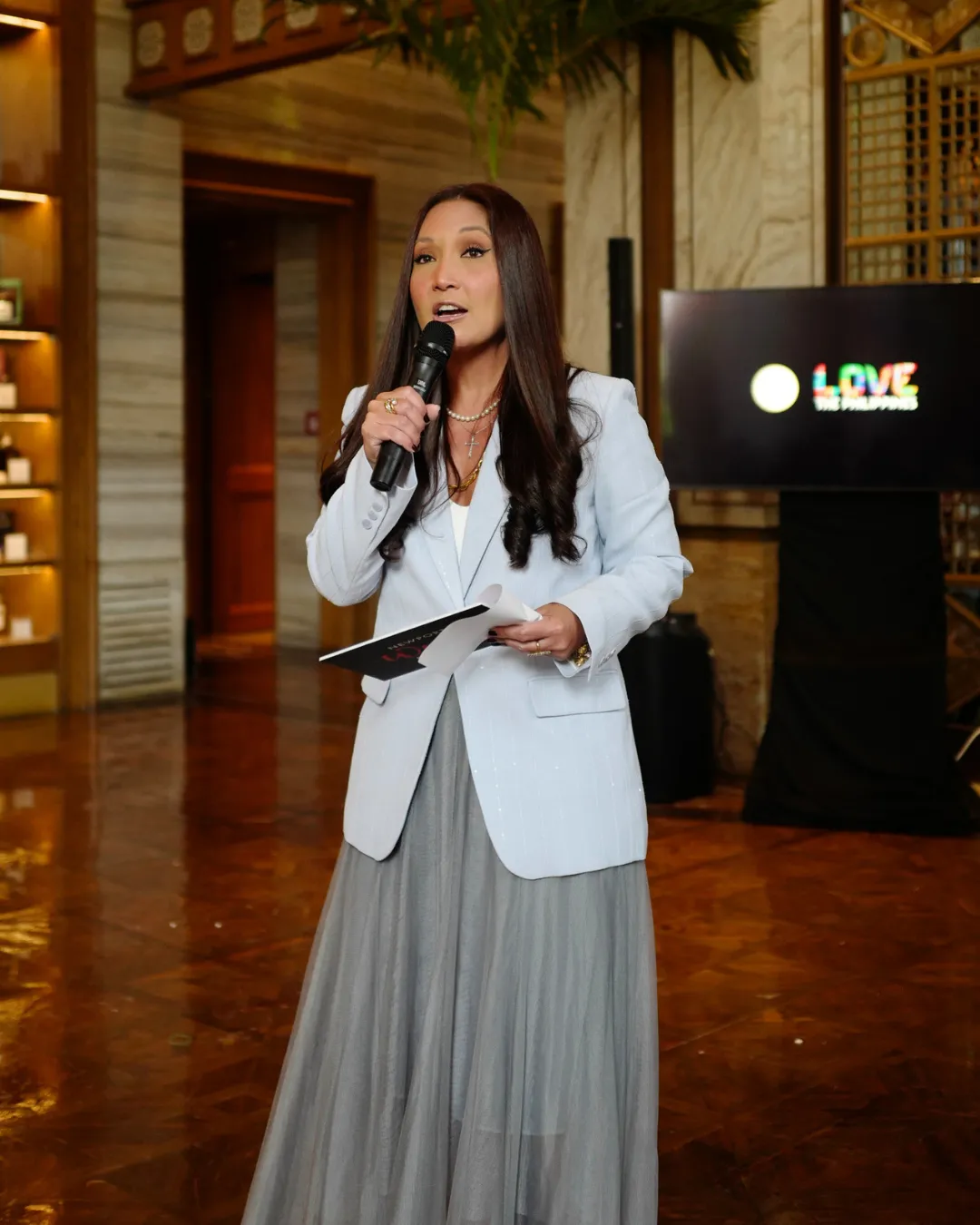
The gathering also offered a taste of the country’s culinary heritage. The brunch menu drew inspiration from the Philippines’ three major island groups, with dishes representing the country from starter to dessert. Beyond the table, the event gave members of the media an opportunity to speak with the designers about their creative processes and the collections they would soon bring to the runway.
The Runway
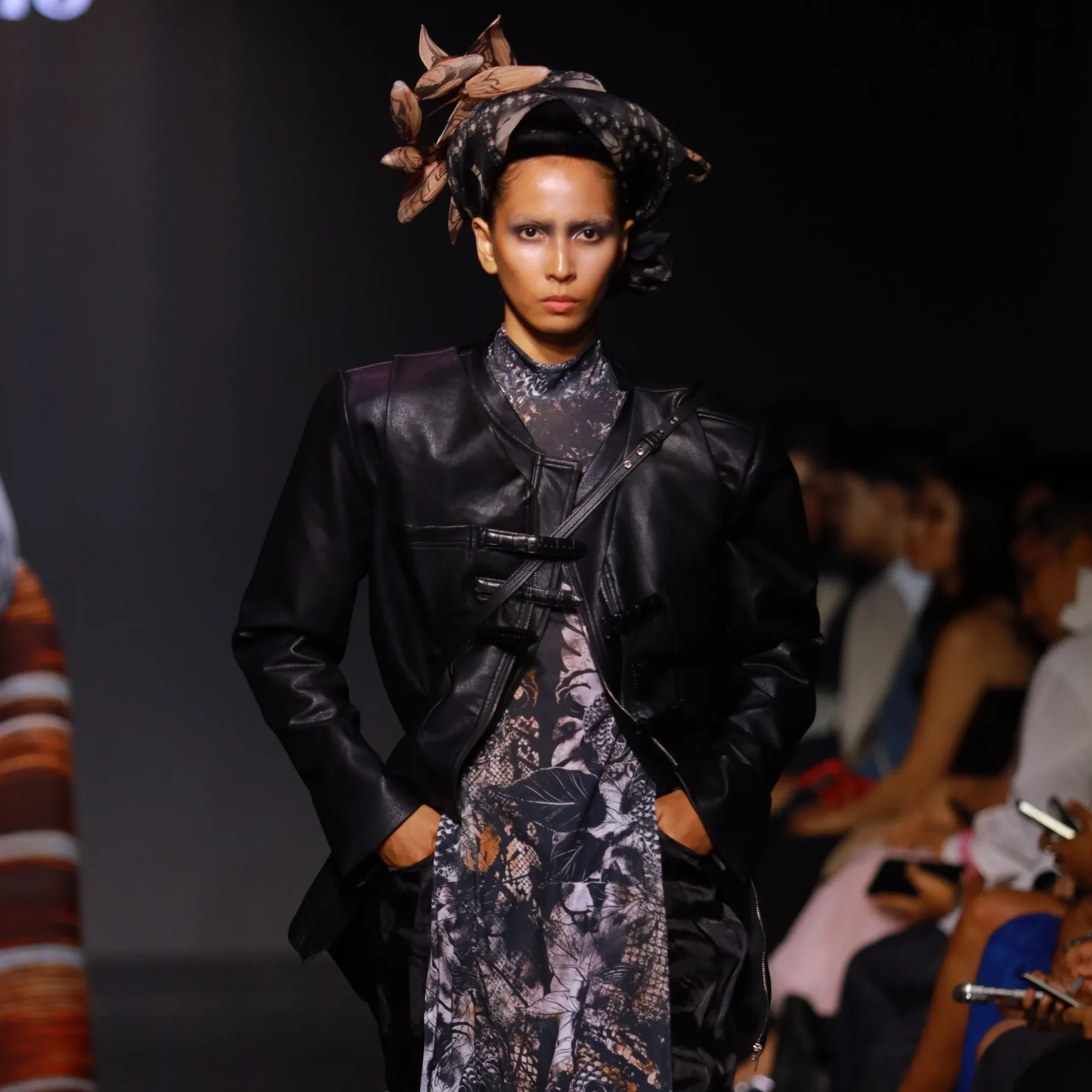
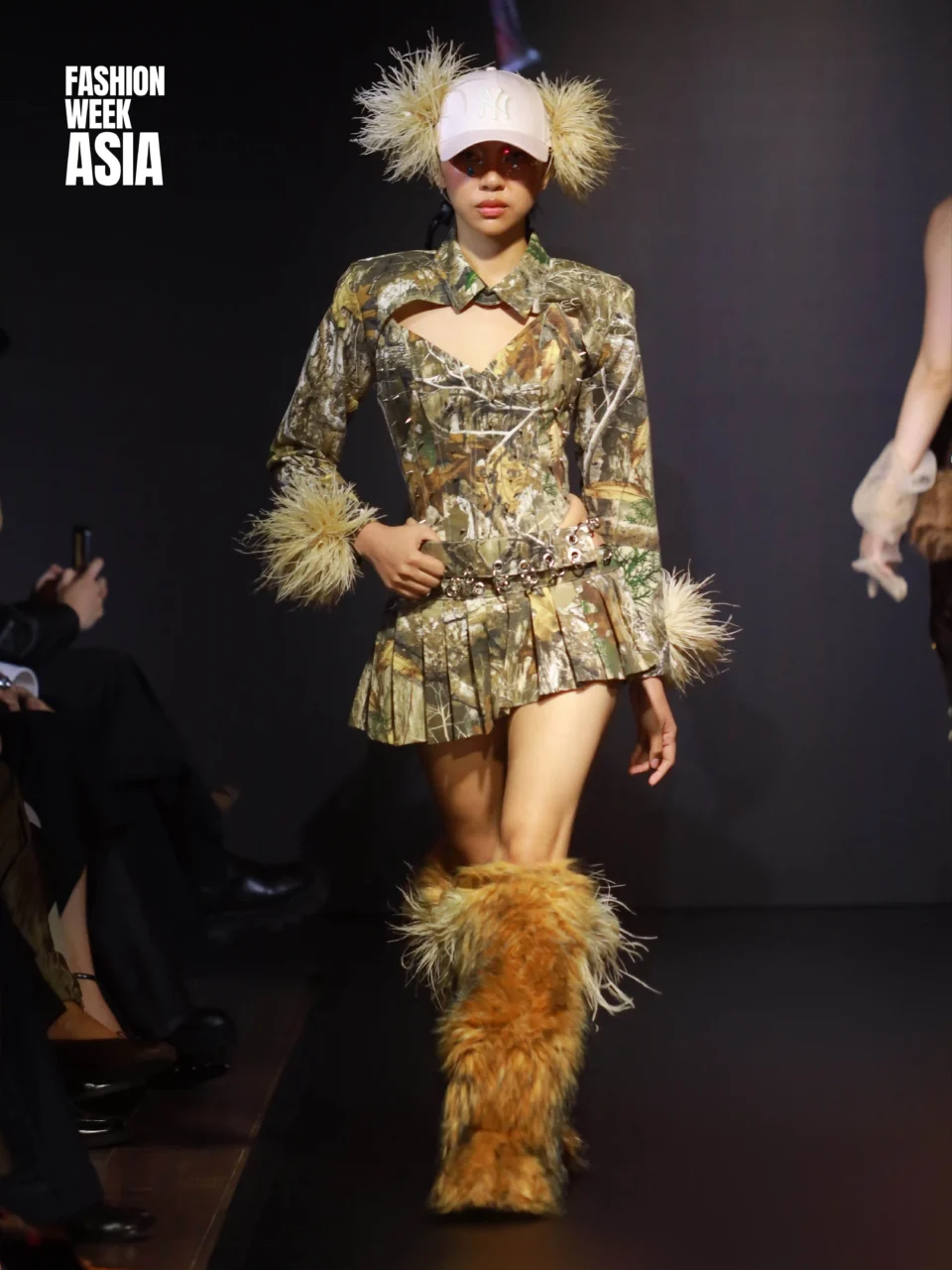
Maison Ignacio opened the runway shows by bringing sporting codes into high-glam territory. StreetwearStreetwearCasual fashion rooted in skate, hip-hop, and youth culture, defined by graphic tees, hoodies, sneakers, and limited-edition drops. Once an underground movement, streetwear now shapes luxury fashion through collaborations betweenGo to Streetwear Glossary staples met fur, studs, and reflective elements, transforming familiar athletic references into something bolder and more theatrical. The collection played with contrasts, blurring the lines between sportswear and statement dressing.
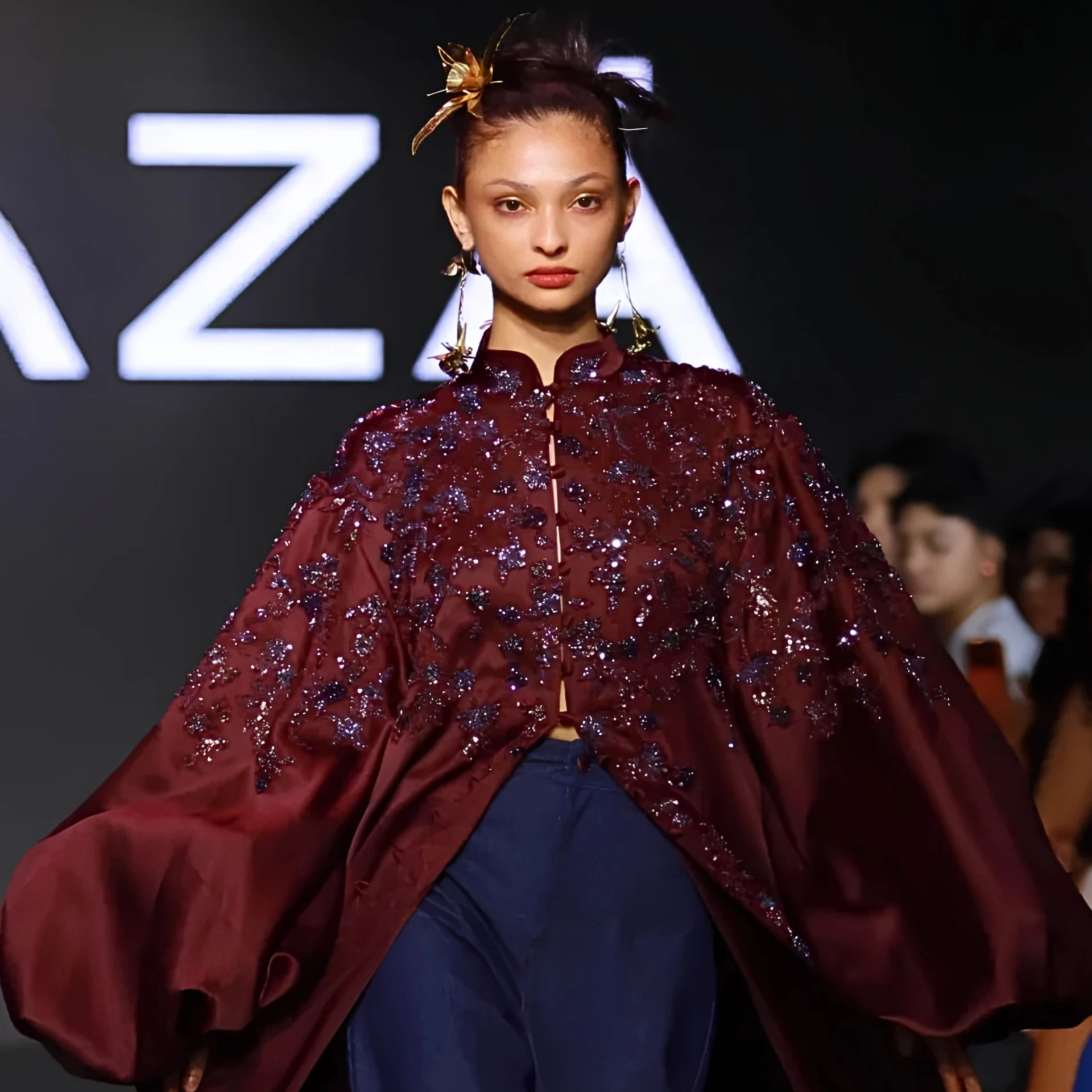
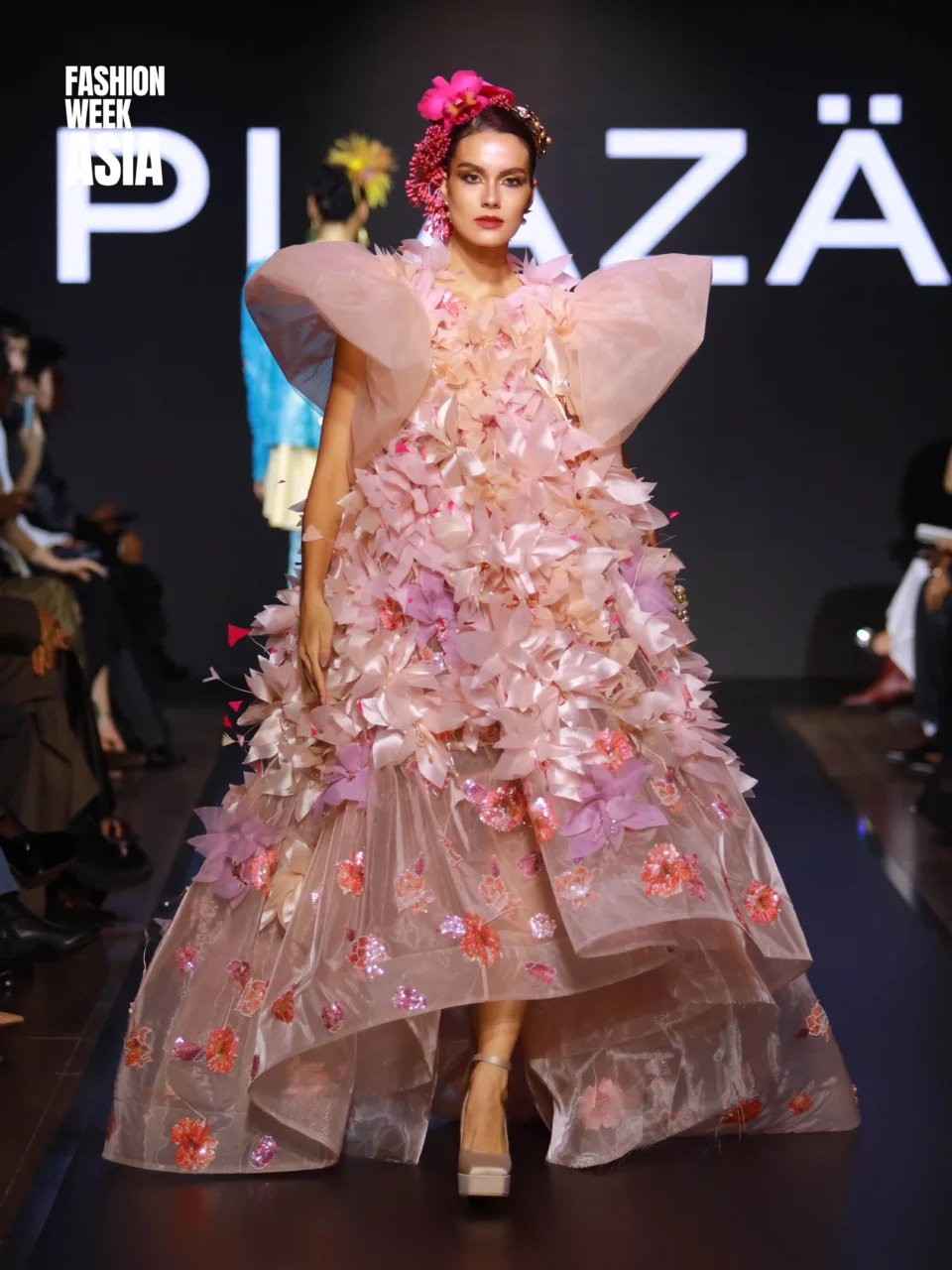
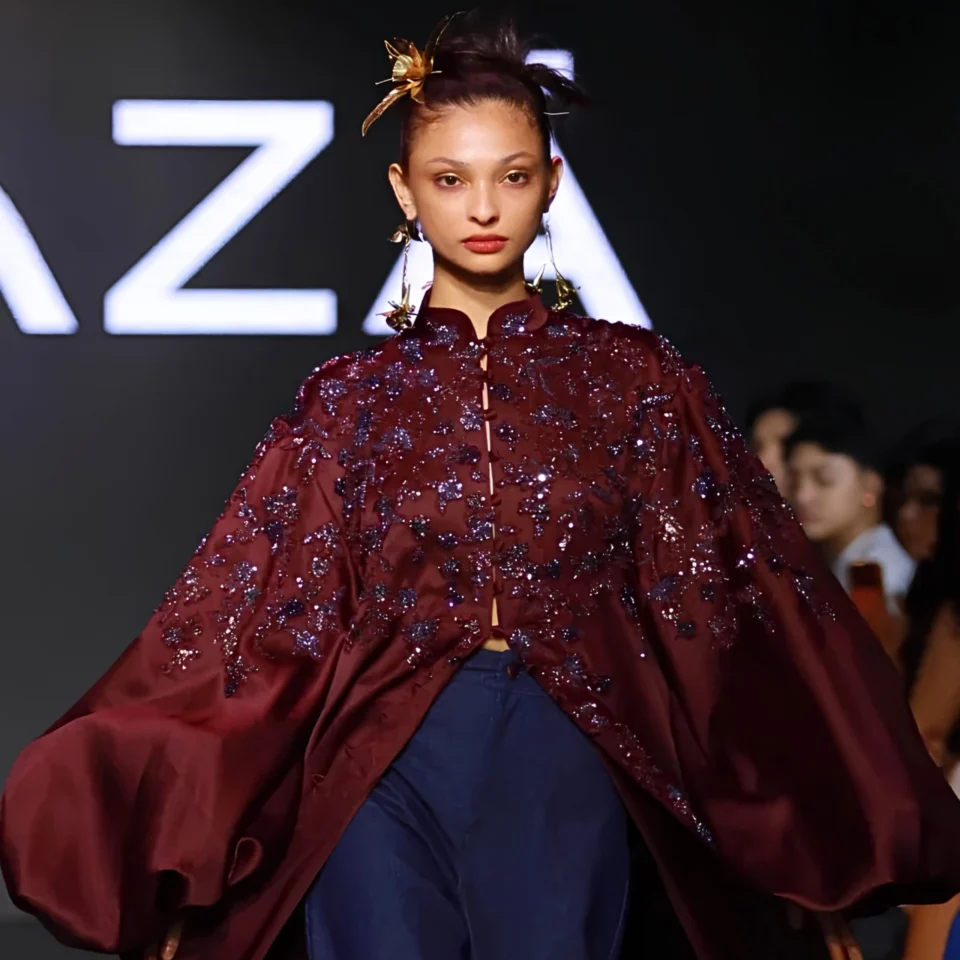
Next was Malaysian designer PLAZÄ, whose 25-piece collection embraced decorative artistry through golden floral motifs, gilded ornaments, and richly embroidered textiles. Where Maison Ignacio leaned into high-impact embellishmentEmbellishmentDecorative detailing added to a garment or accessory, such as beading, sequins, crystals, embroidery, appliqué, feathers, or pearls. Embellishment adds texture, sparkle, and craftsmanship, and is especially prized in bridalGo to Embellishment Glossary, PLAZÄ explored a more ornate visual language, placing intricate details at the center of its presentation.
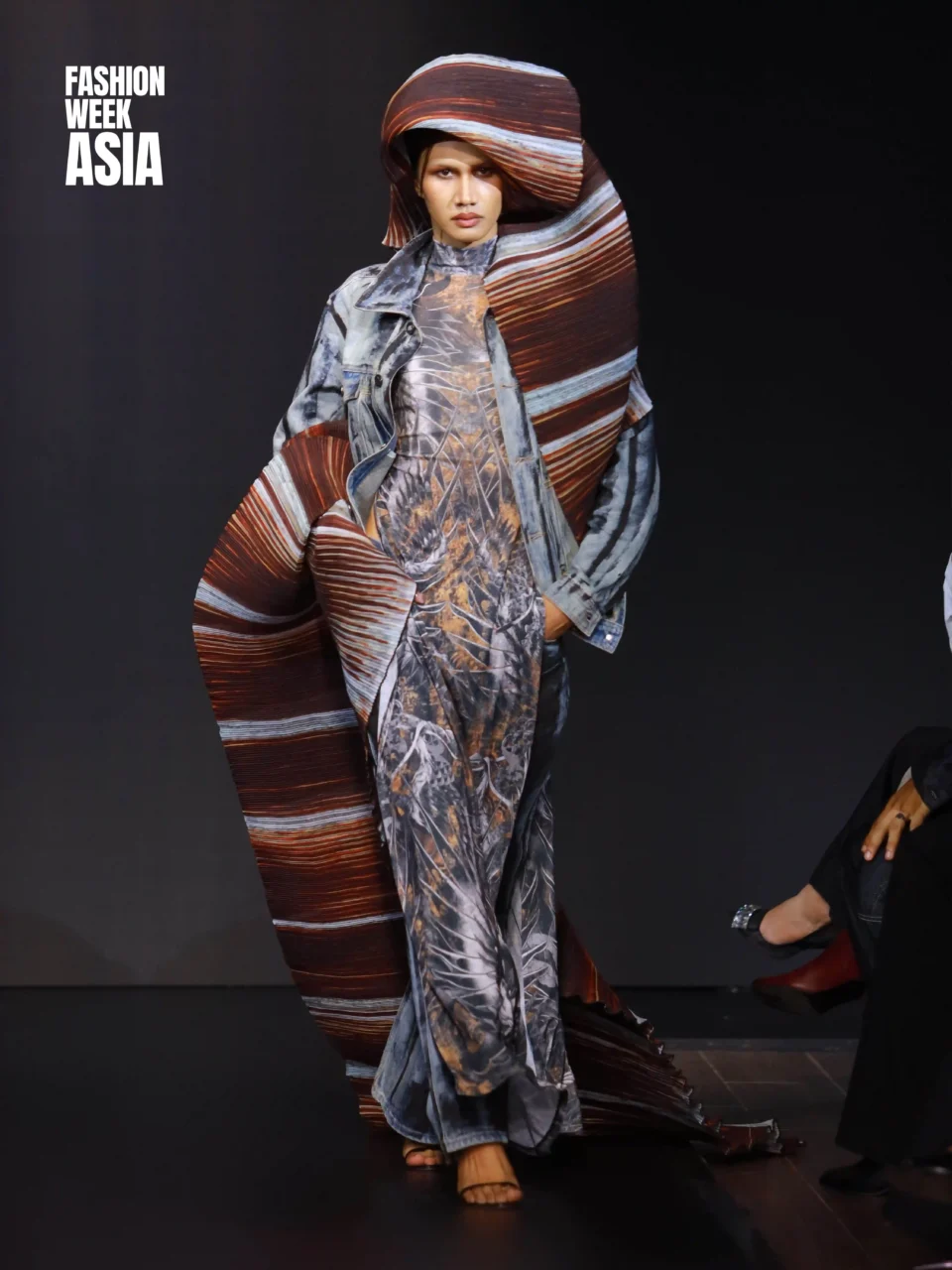
Vietnamese label Duc Studio followed with “MORALITY,” a collection informed by traditional garments such as the áo dài and áo bà ba. Reworking these cultural references through distorted tailoringTailoringThe craft of cutting, shaping, and fitting garments, especially suits, jackets, and trousers, precisely to the body. Good tailoring relies on structure, proportion, and careful hand and machine work, andGo to Tailoring Glossary, exaggerated volumes, and modern construction, designer Minh Duc Nguyen explored the tension between tradition and contemporary expression.
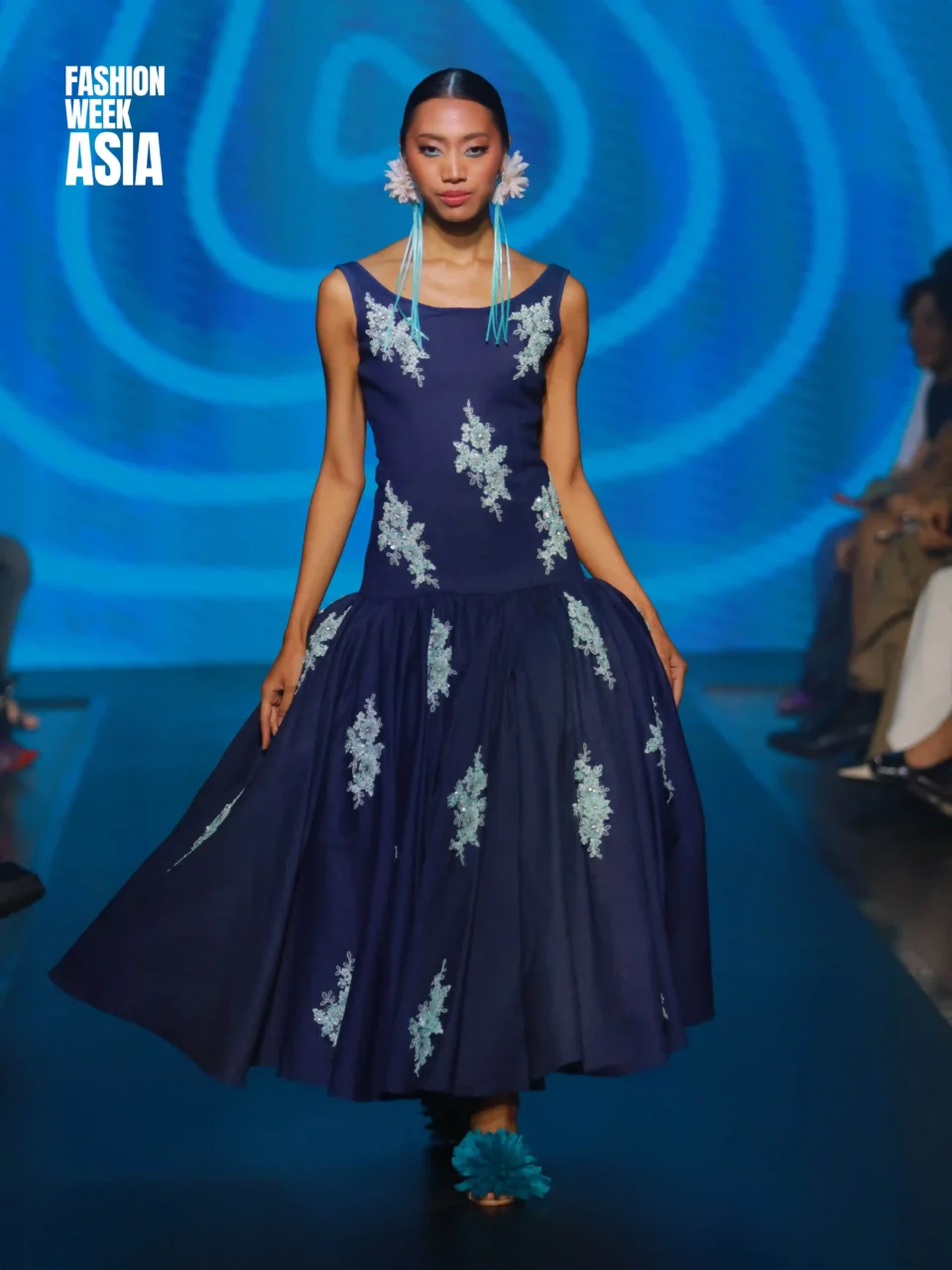
The Philippines’ Monohomme Studios brought a vivid burst of turquoise to the runway, pairing the striking color with butterflies and the label’s signature florals. The collection offered a playful visual statement, with its recognizable motifs giving the looks a distinct identity.
Kelvin Morales followed with a showcase of fabric manipulation and structured tailoring. His sculptural approach to clothing was balanced by softer, more feminine touches, creating a contrast between the precision of his silhouettes and their more fluid sensibility.
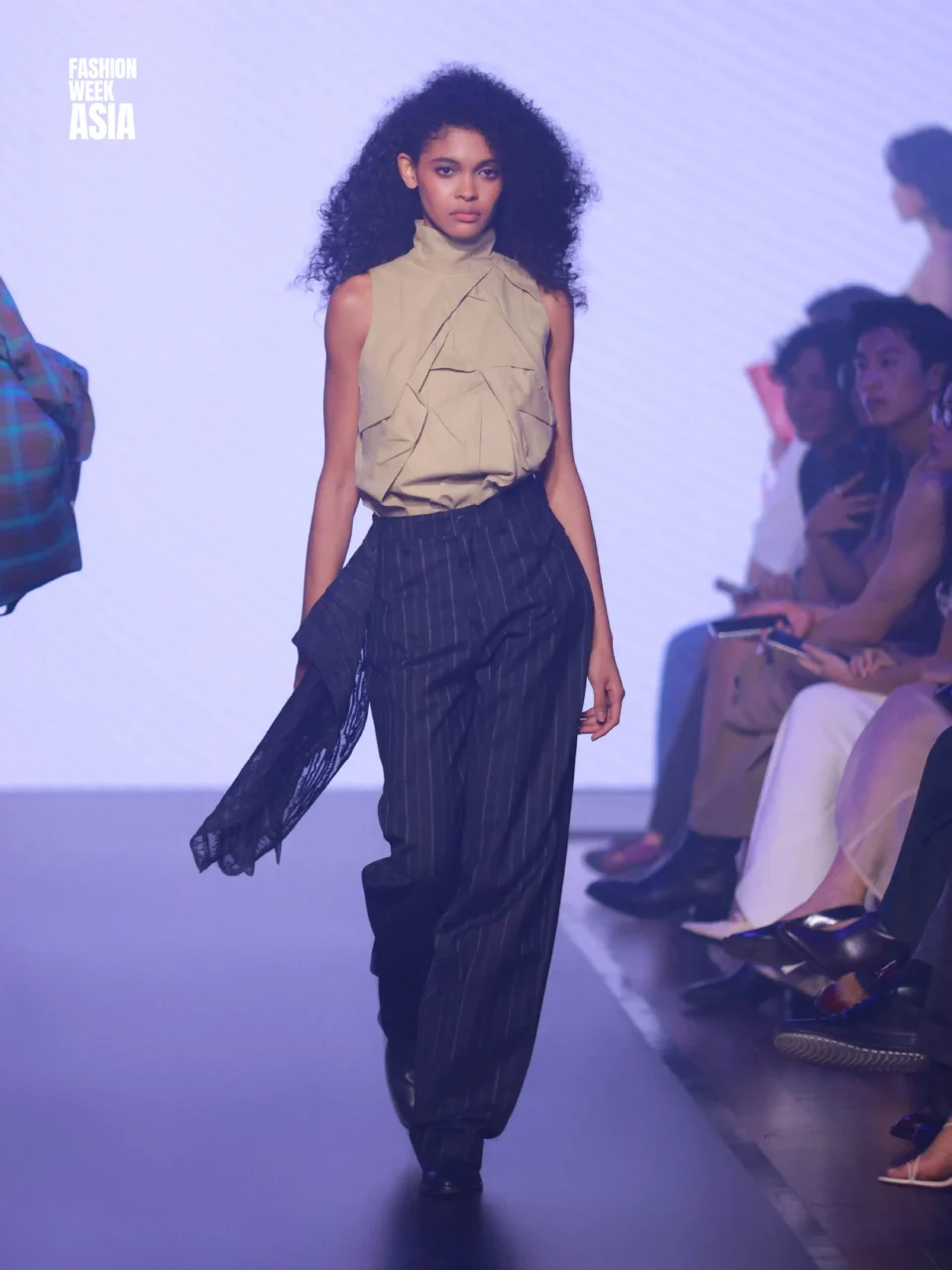
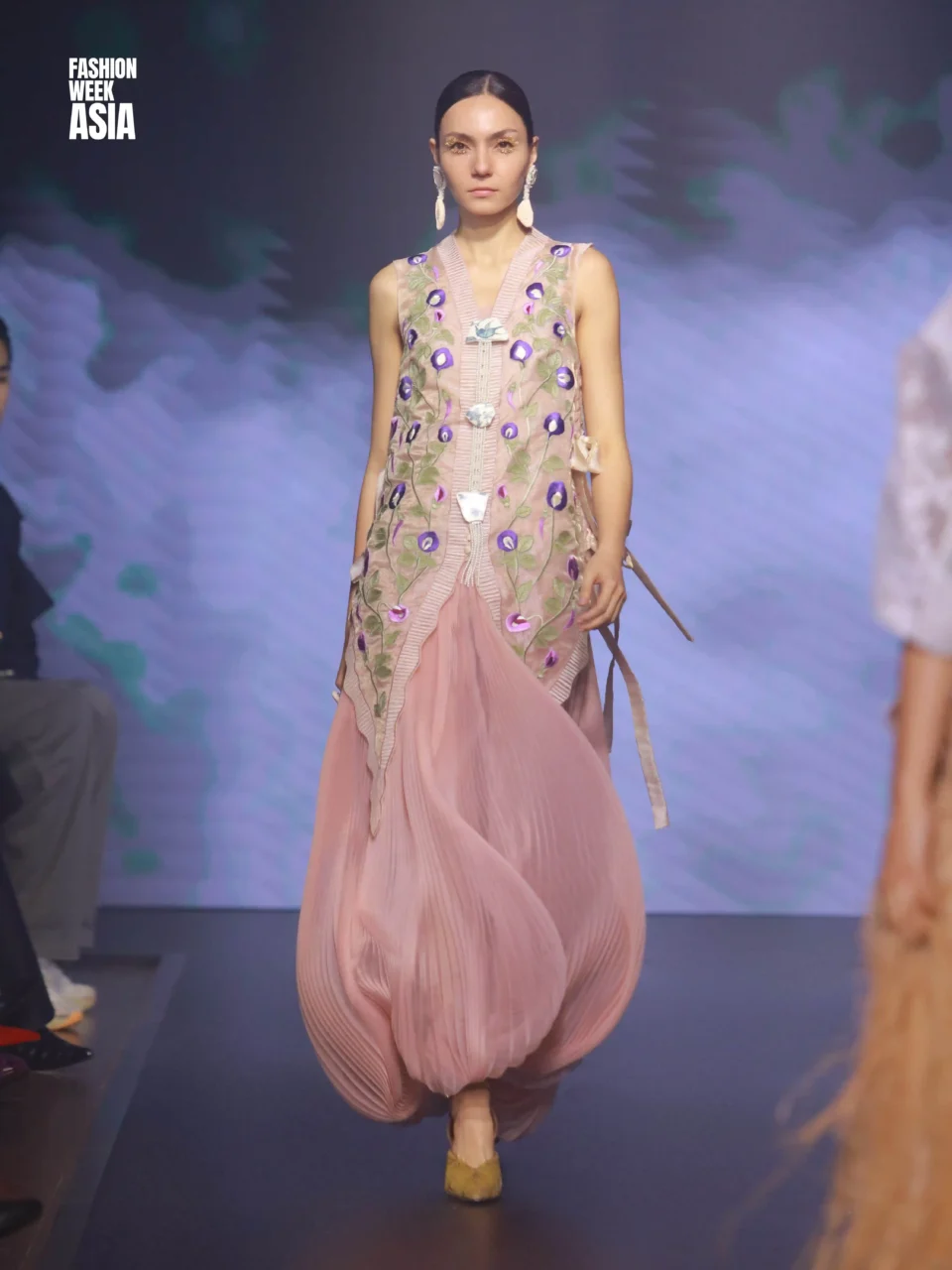
Rounding out the evening was Indonesia’s TOTON with “Kala,” a collection exploring time, tradition, and identity through Javanese mythology. Inspired by Batara Kala, a figure associated with time and destruction, the collection brought a deeper cultural narrative to the runway, closing the day with a reflection on the forces that shape how we understand ourselves and our heritage.
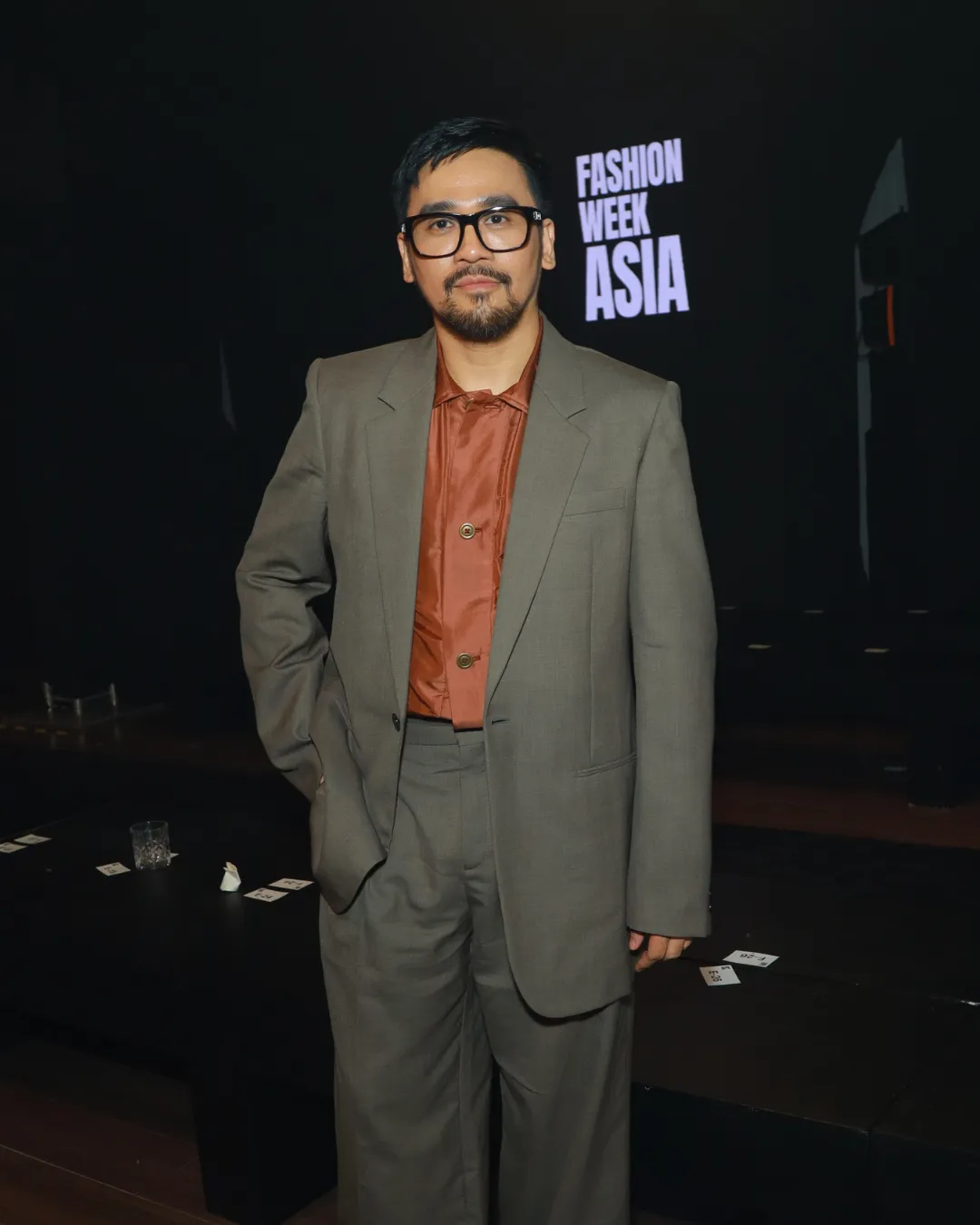
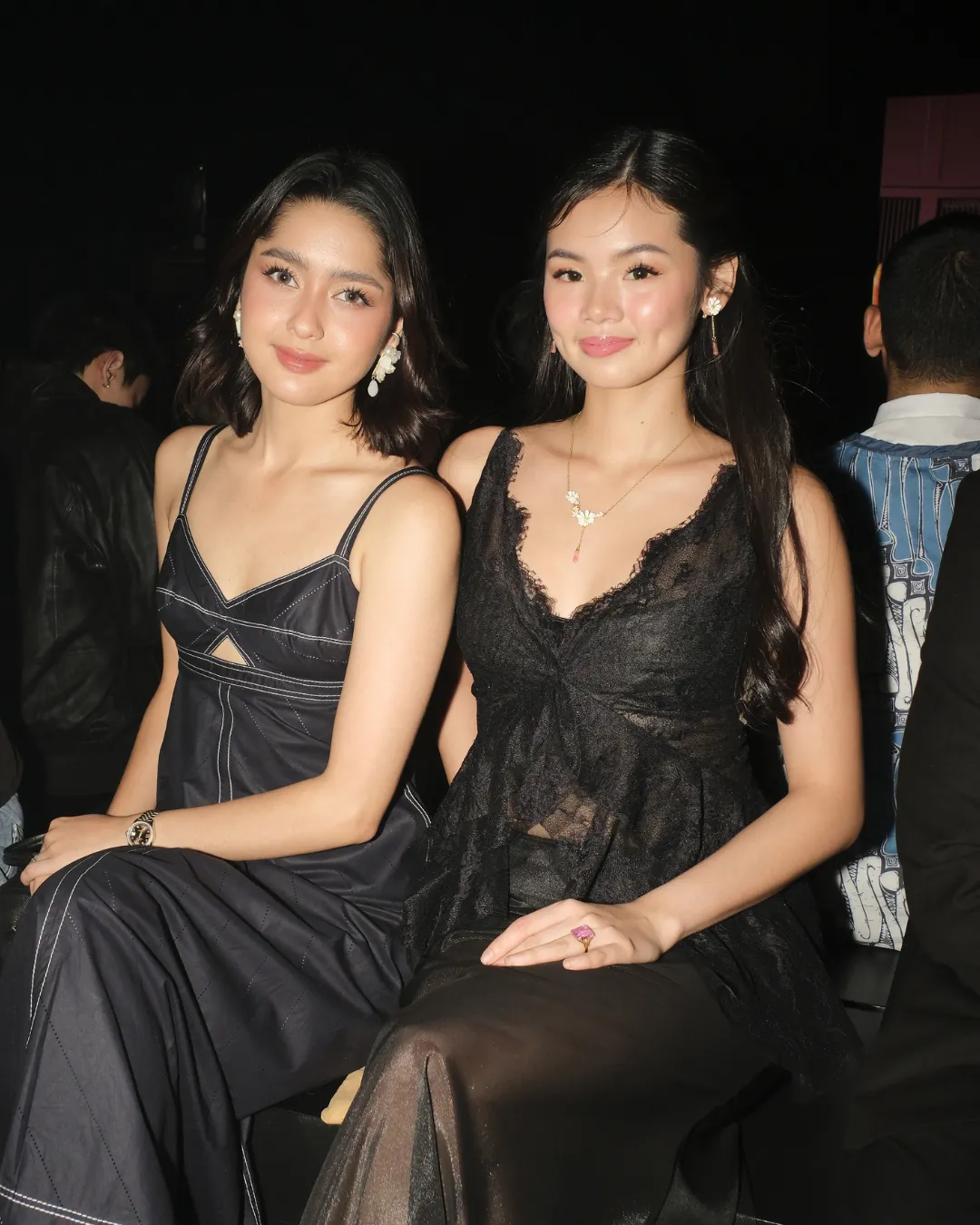
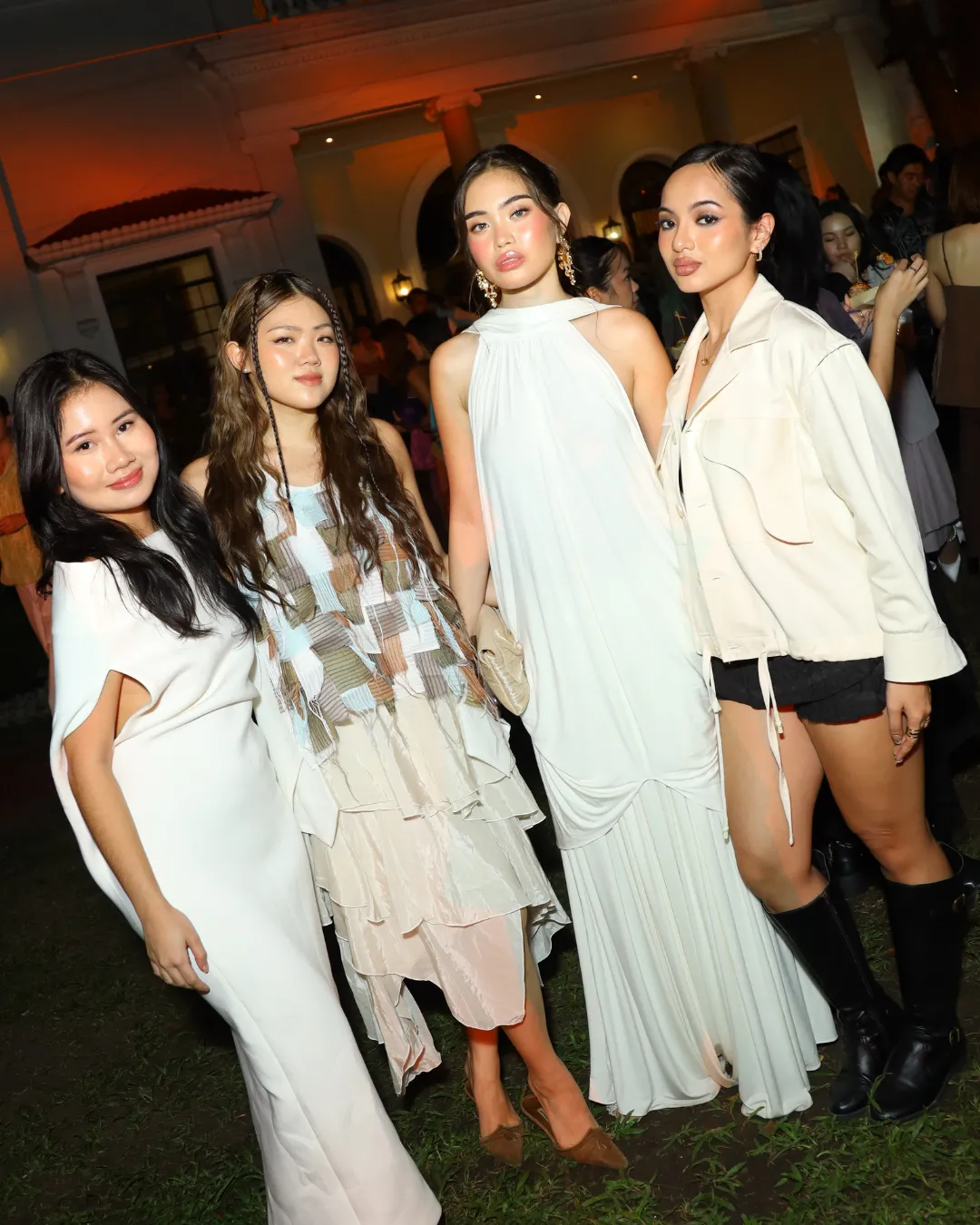
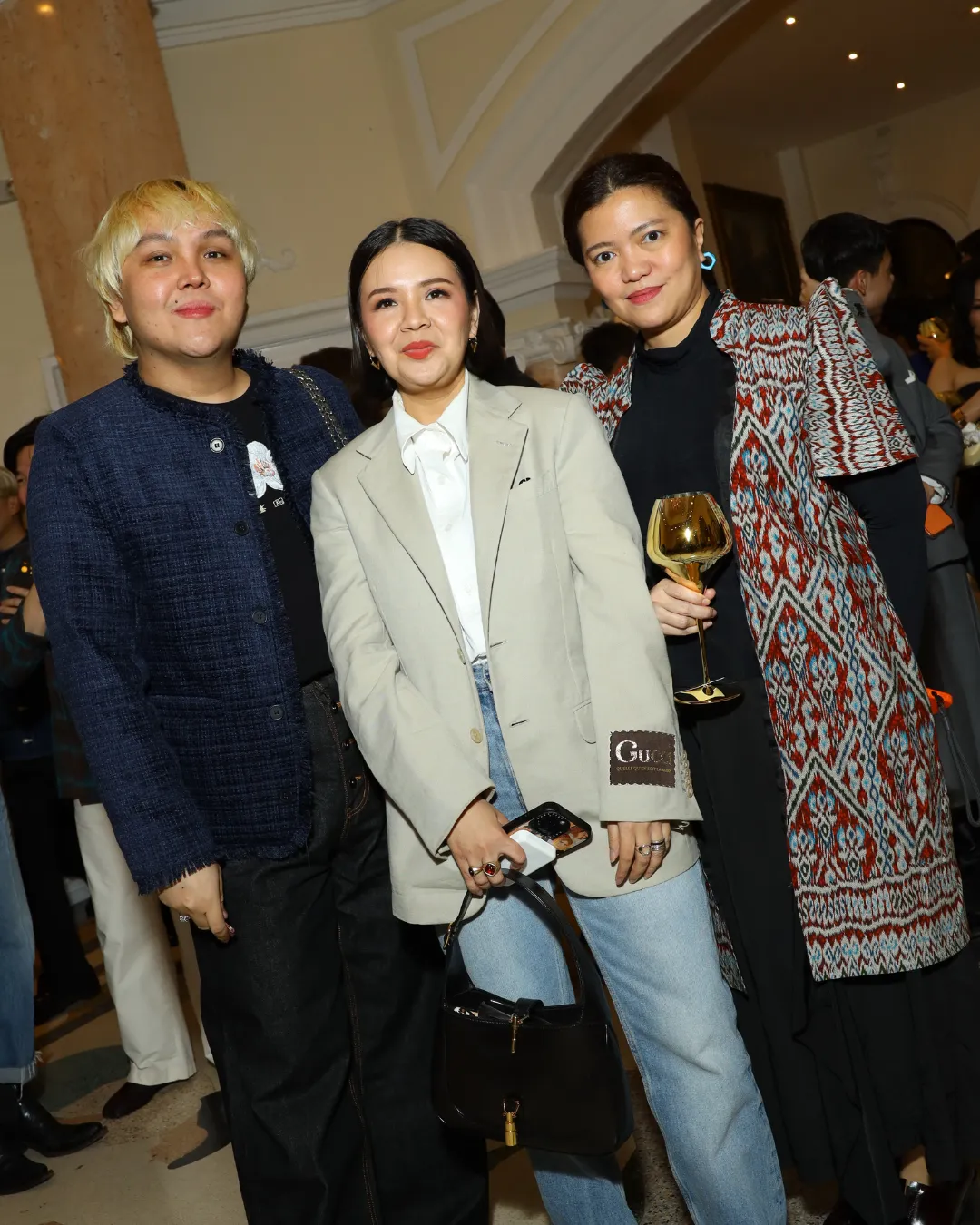
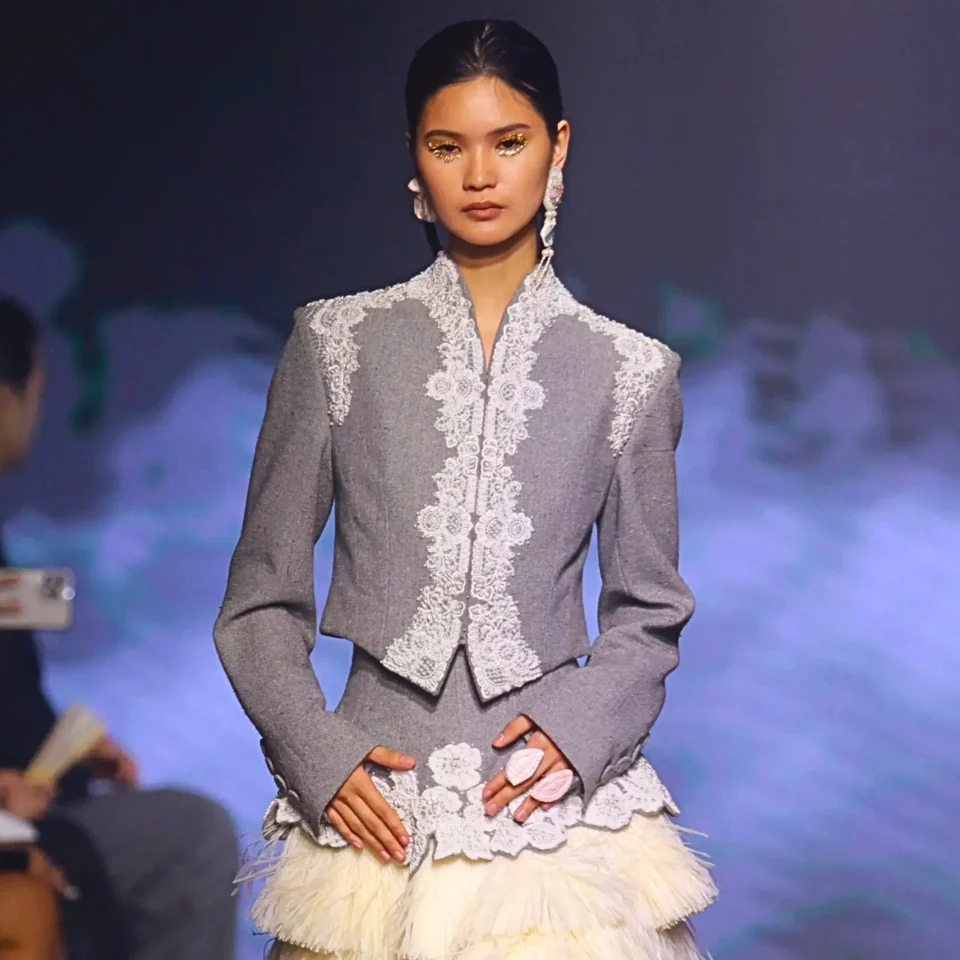
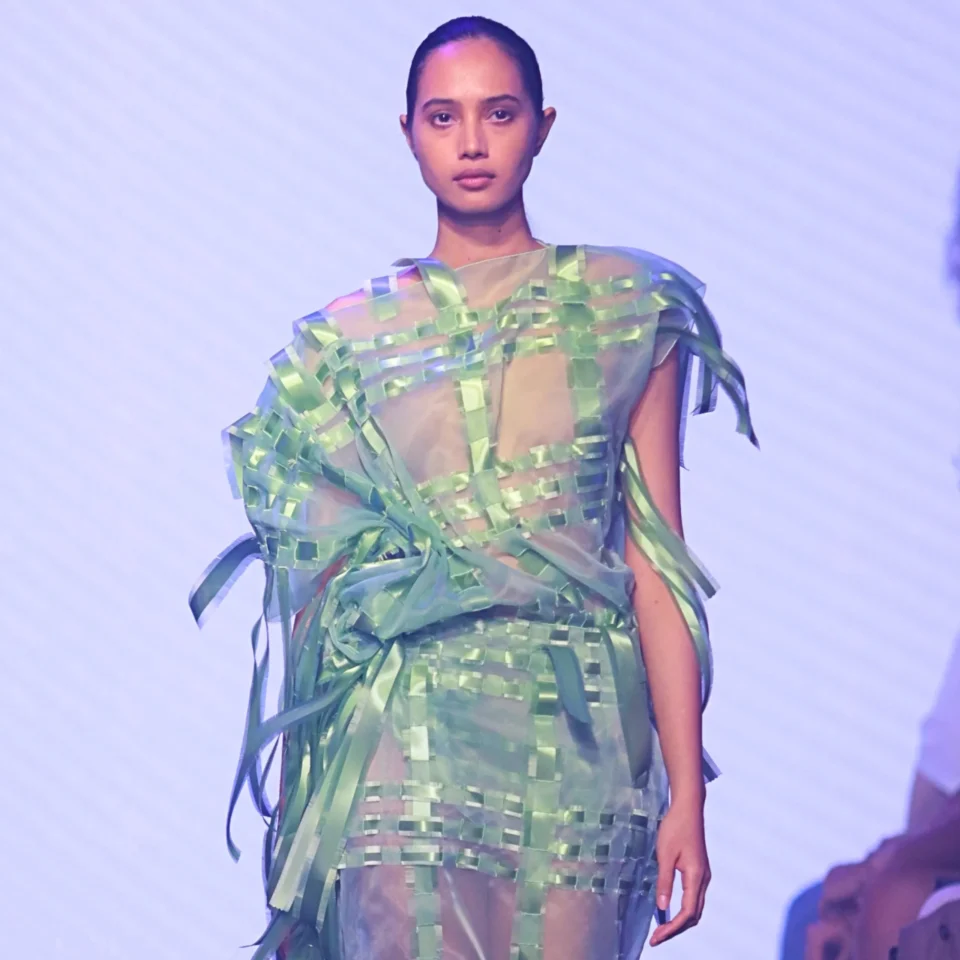
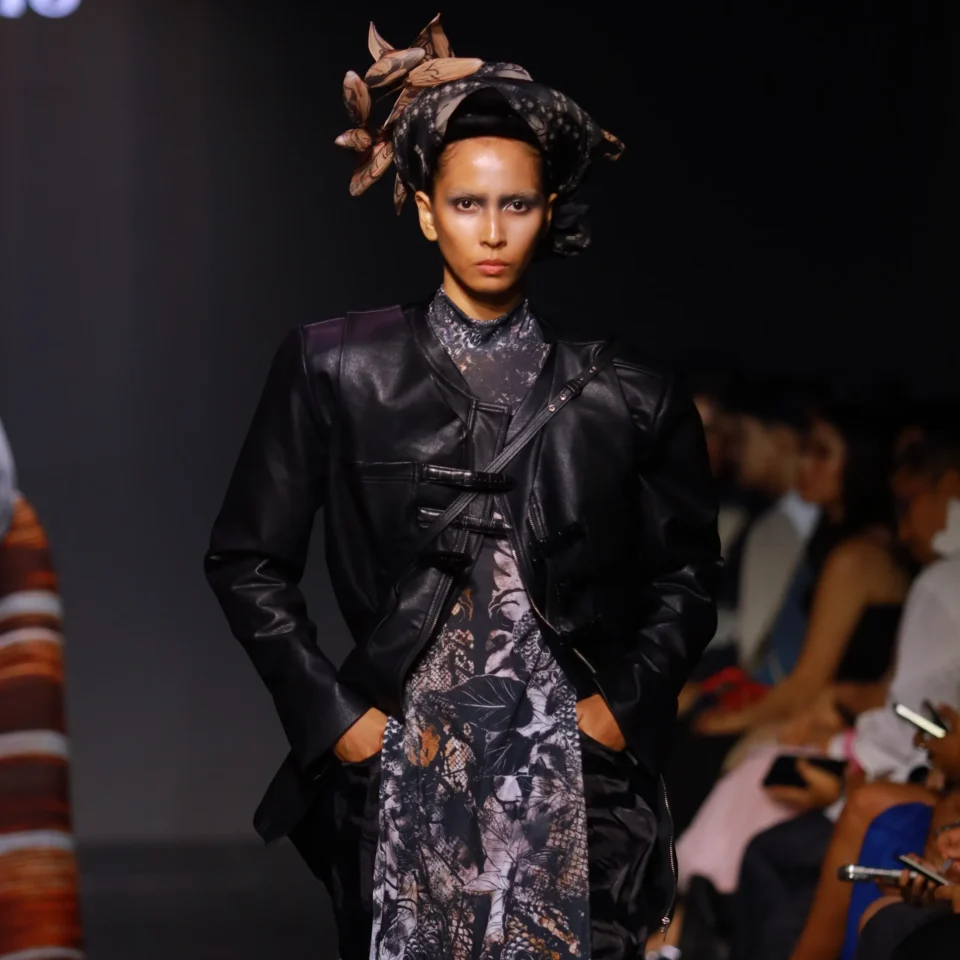
Once the final looks had made their way down the runway, guests were invited to stay for after-show cocktails and conversations. Yet beyond the day’s festivities, the opening shows made one thing clear: Asian fashion is not defined by a singular aesthetic. From experimental tailoring to intricate ornamentation and mythological references, each designer brought a different perspective to the runway, contributing to a wider fashion conversation that continues to evolve across the region.
Photos Courtesy of FASHION WEEK ASIA. Photographed by ED SIMONS and EXCEL PANLAQUE of KLIQ INC.
Recommended Video
Latest Posts
Latest Issue