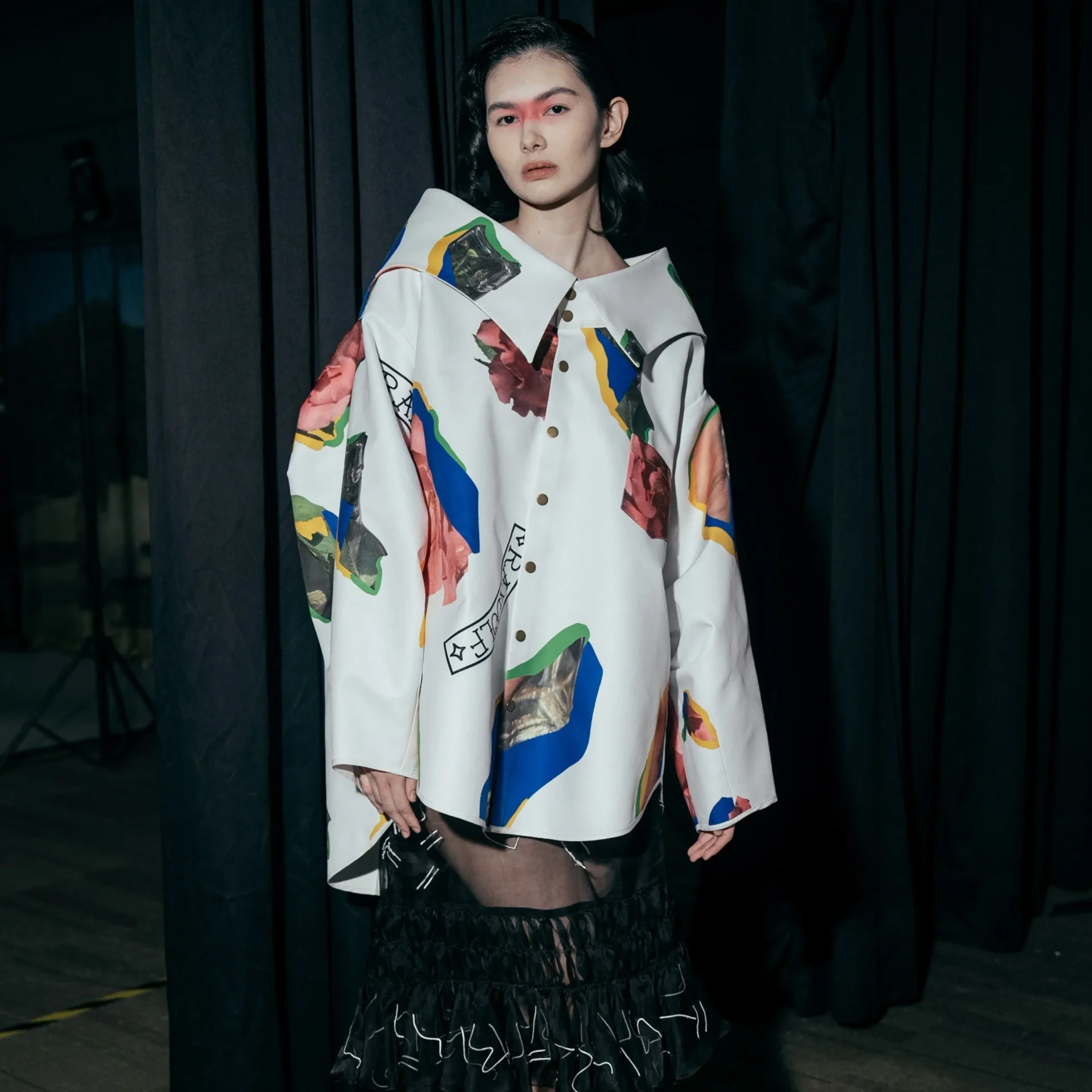




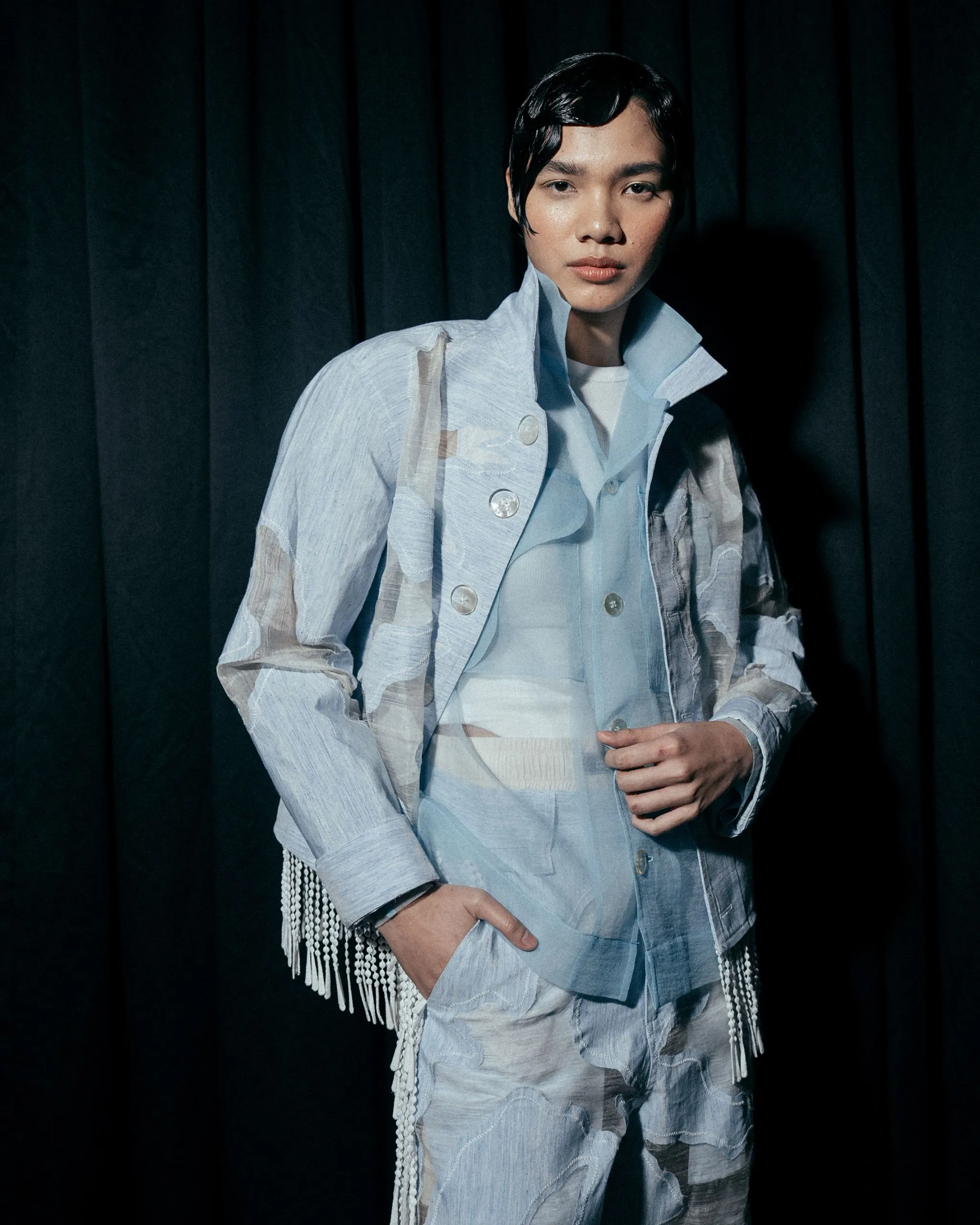
A boat waits in the dark. Its body is suggested rather than literal: a vessel-shaped runway framed by sheer panels, its imagined masts rising up ahead, while projected light moves across the space like water catching the last traces of daylight. In this imaginative scenario, past its constructed hull, birds disappear toward quieter skies and fish retreat beneath the surface. Then dusk settles, the blue deepens, and a warm glow begins to gather. At MNL Fashion Week 2026, nicolò finds suspension in the scene—the sensation of being carried somewhere without quite knowing where it will lead, or how big it might become once it gets there.
RELATED: MNL Fashion Week 2026: Randolf Finds a Way to Keep the People We Love Close
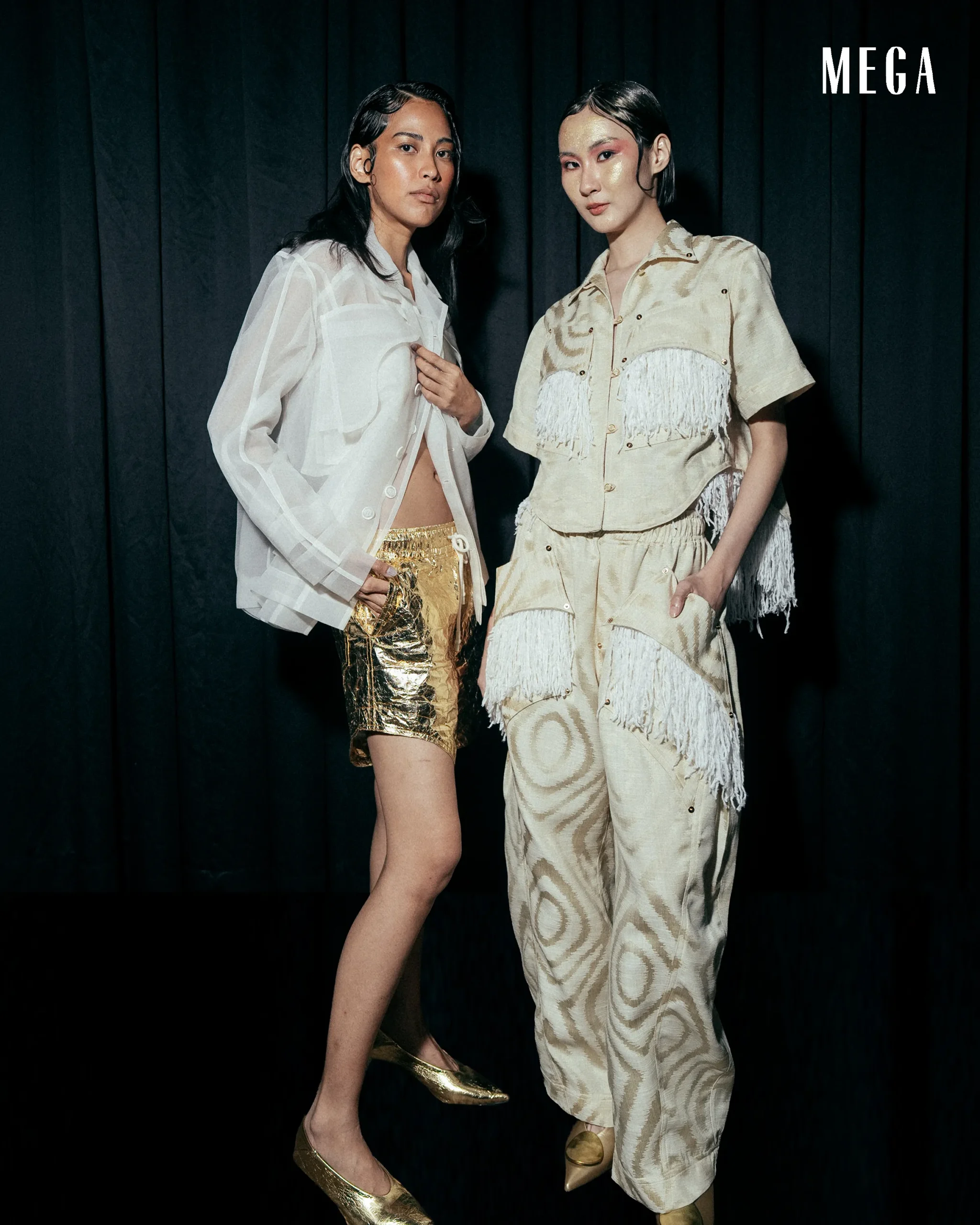
This is the setting for nicolò’s 6th collection flow state, designer Nicolò Perez’s latest study of work, ambition, and creative fulfillment. The nautical architecture is more than an atmospheric backdrop; it gives physical form to the collection’s central idea: the creative life as a passage through uncertainty, solitude, exertion, and, eventually, release. At the center of it all, in the witnessing of a body unbecoming through the detachment of a boat and a body becoming through the creation of a collection, is the heart: clothing itself, the manifestation of what is made, the vessel within the vessel.
Ambition In Three Acts
“How does one pursue meaningful work without becoming consumed by it?” The collection approaches the question through three mythological figures whose stories have endured precisely because their struggles are familiar: Sisyphus, Narcissus, and Icarus. Each becomes a different condition of contemporary ambition, from labor without meaning to the construction of an idealized self, and finally the intoxicating risk of exceeding one’s limits.
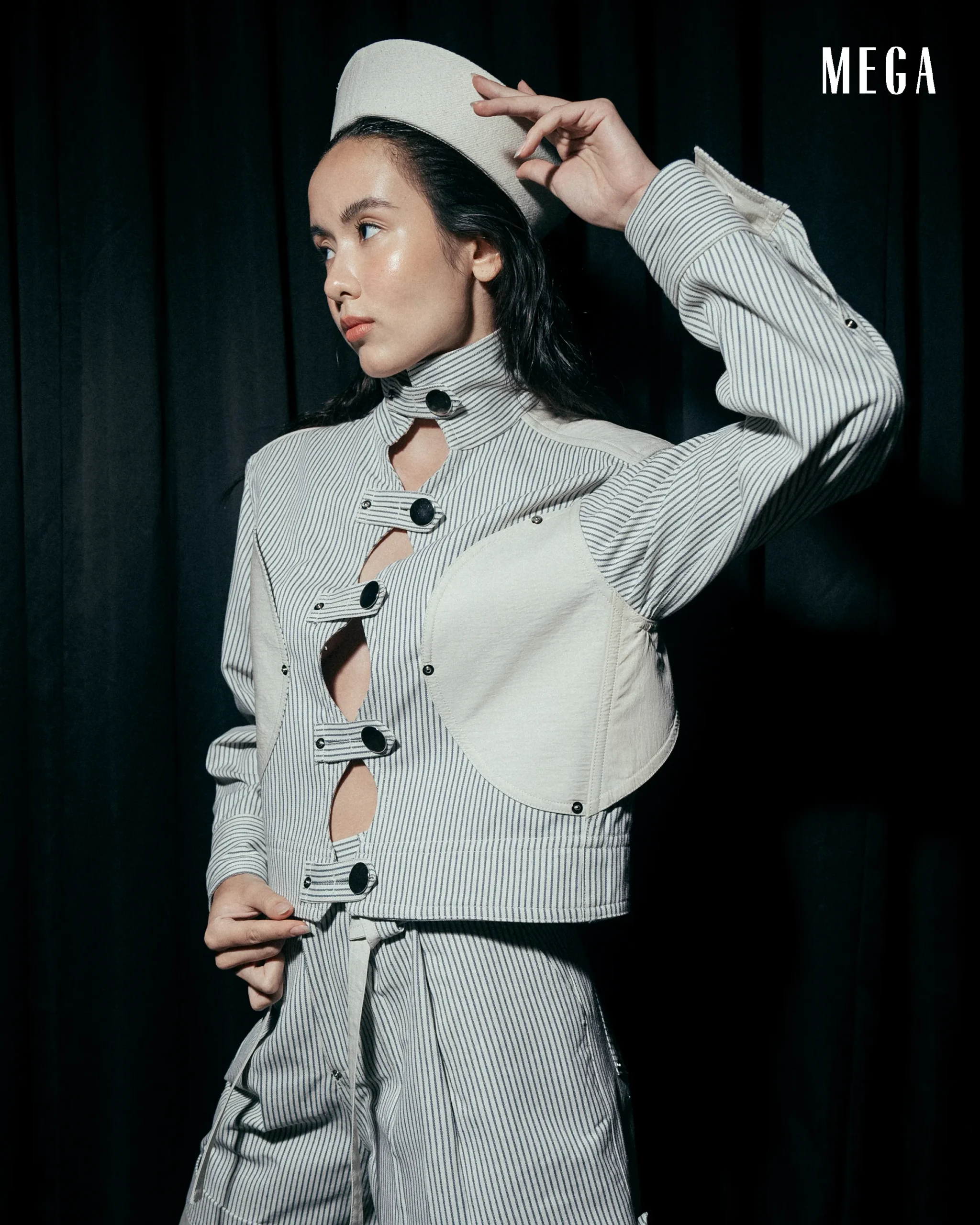
The first act belongs to Sisyphus, whose eternal labor finds its sartorial counterpart in workwear. Sailor uniforms and industrial clothing inform garments crafted around utility, layered construction, and an almost obsessive attention to detail. References to the sensual austerity of Querelle sharpen the collection’s physicality, while familiar workwear codes are expanded through functional details like pockets, closures, panels pushed to an almost obsessive degree. These gestures accumulate until the clothes begin to reflect the very labor they represent: repetition refined into ritual.
Then comes Narcissus, with the focus shifting from the work itself to the image it creates. Reflective water becomes a visual and material cue, expressed through translucent layers, fluid proportions, and embellishment. The section draws from the cinematic worlds of Purple Noon, The Talented Mr. Ripley, and Pink Narcissus, where beauty, identity, aspiration, and performance are closely intertwined. Here, the clothes seem to ask what happens when the person doing the work becomes inseparable from the person being seen.
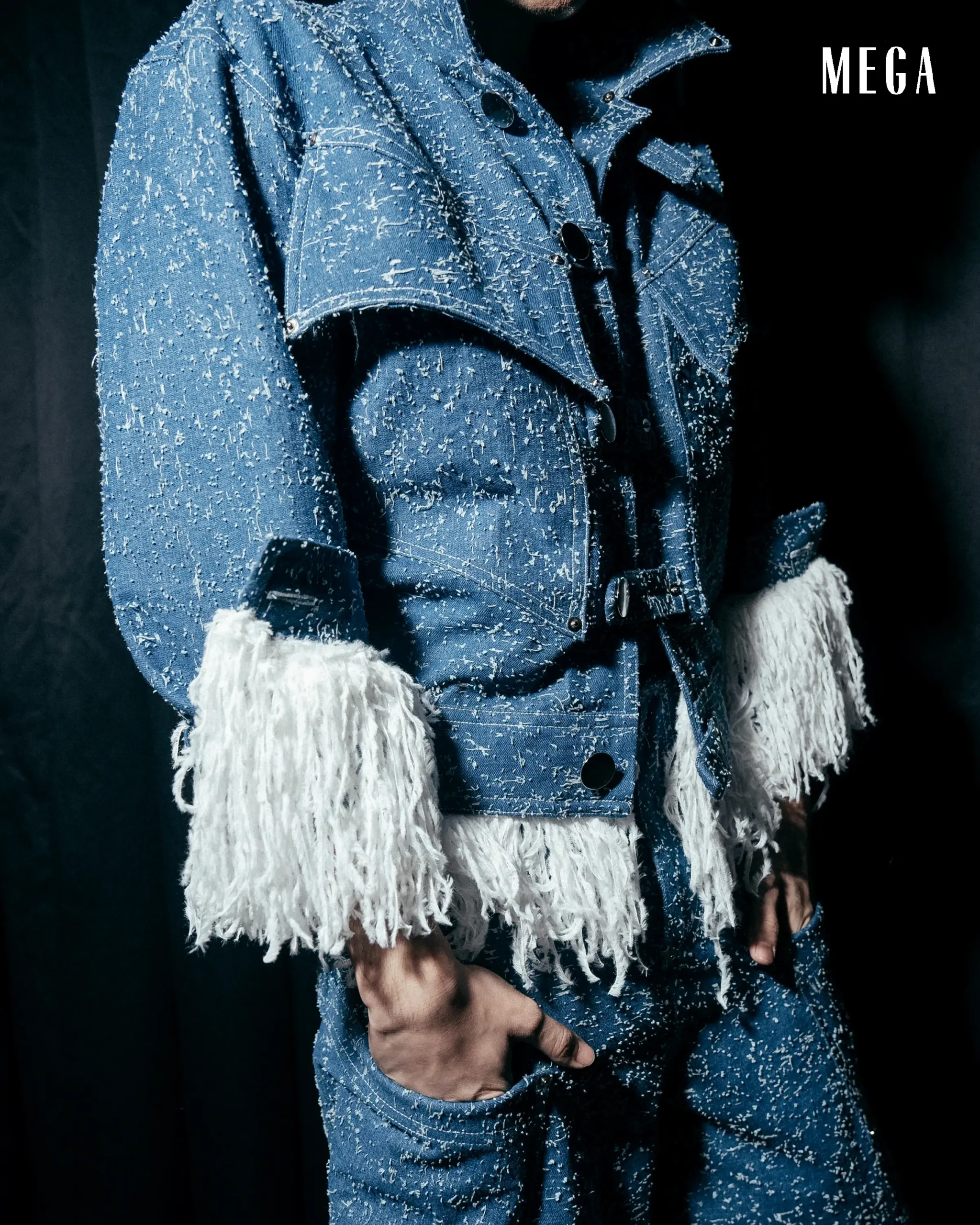
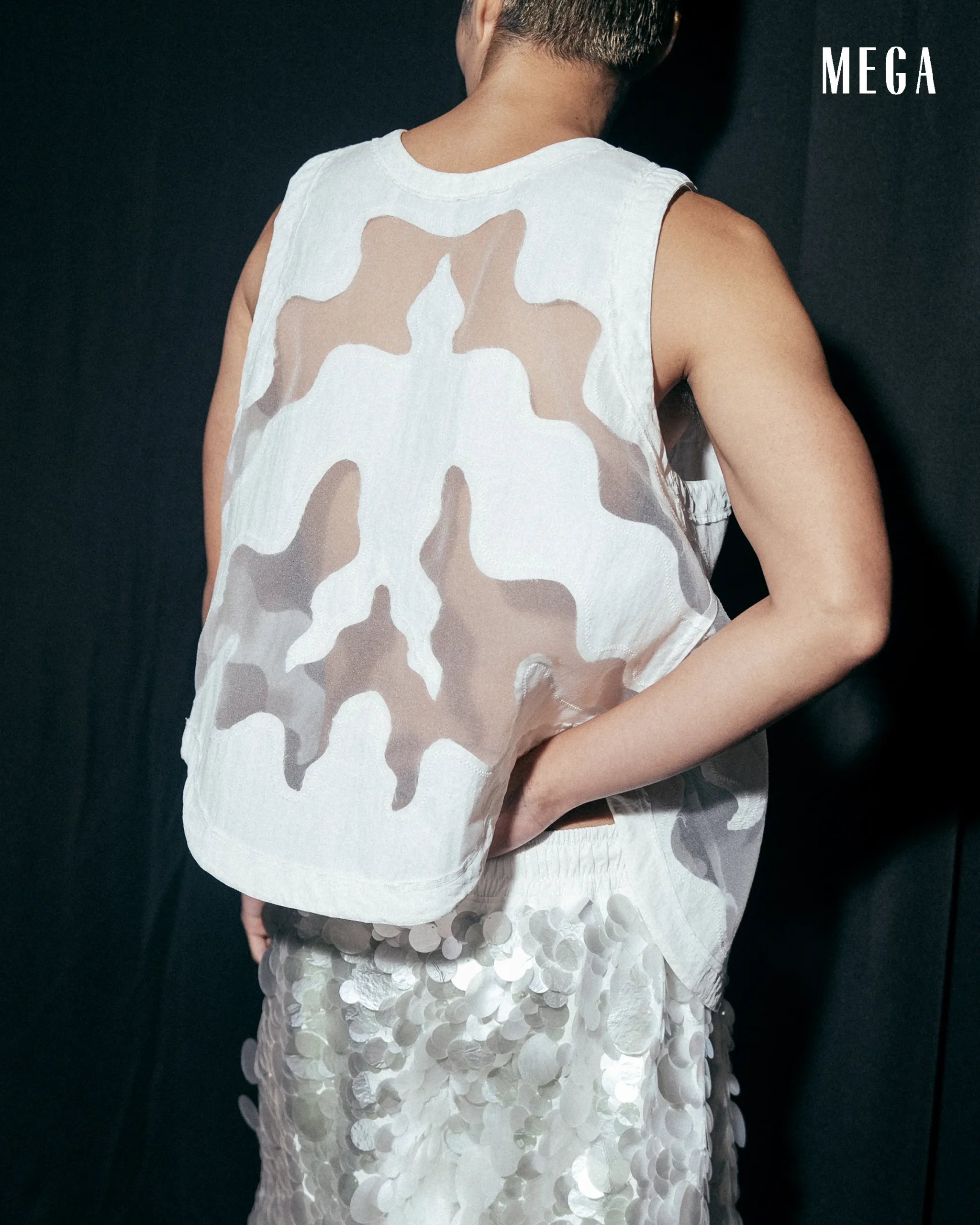
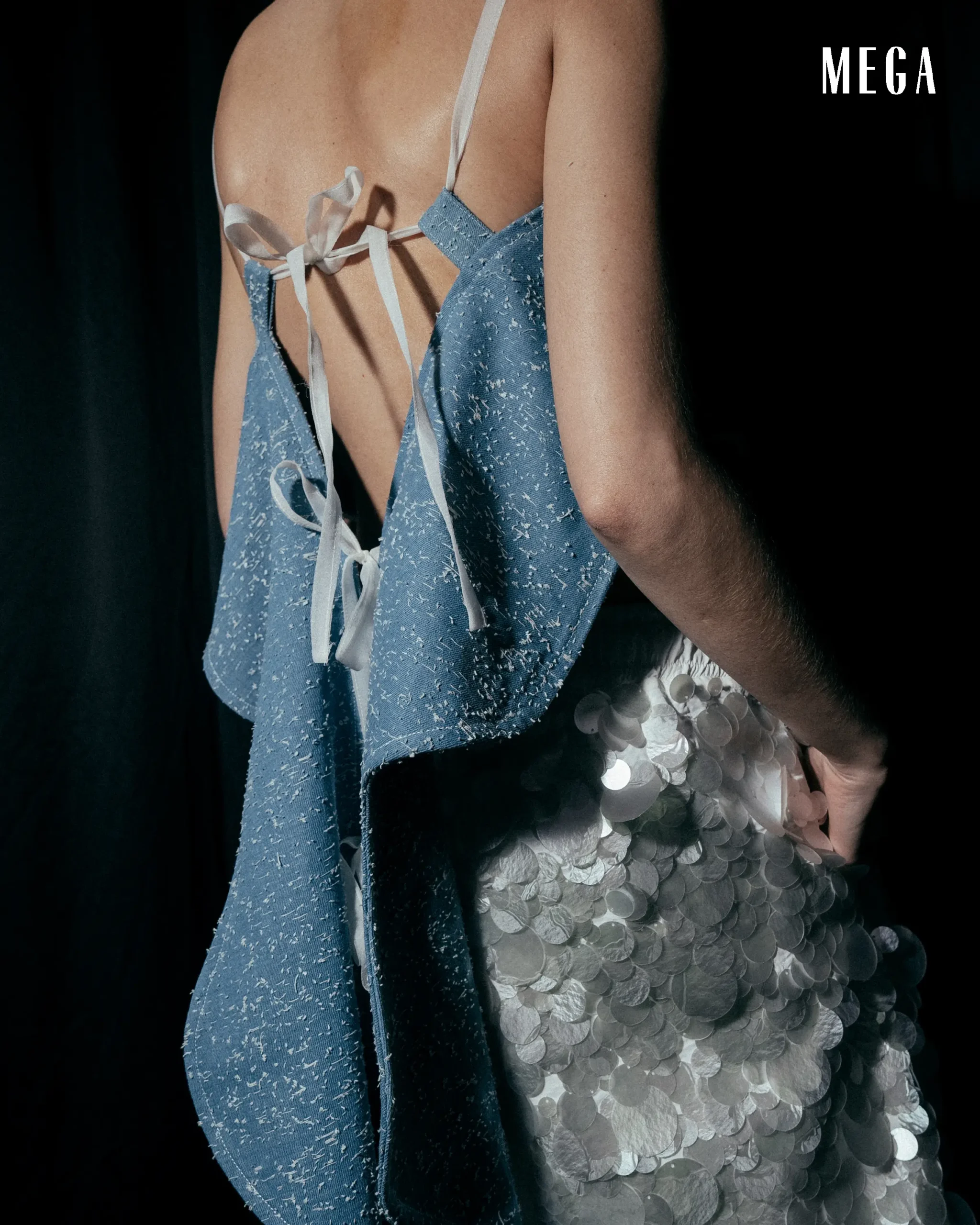
Icarus takes flight—quite literally in its references to artificial wings, Art Deco architecture, and Matisse’s cut-paper forms. Sweeping shapes and sculptural silhouettes give the final section its greatest sense of elevation, pushing ready-to-wear toward more ambitious proportions. Yet, as Greek mythology would have it, the figure of Icarus carries its own warning. Aspiration can liberate, but it can also consume. Failure, in this context, is less a deterrent than an unavoidable consequence of attempting the extraordinary.
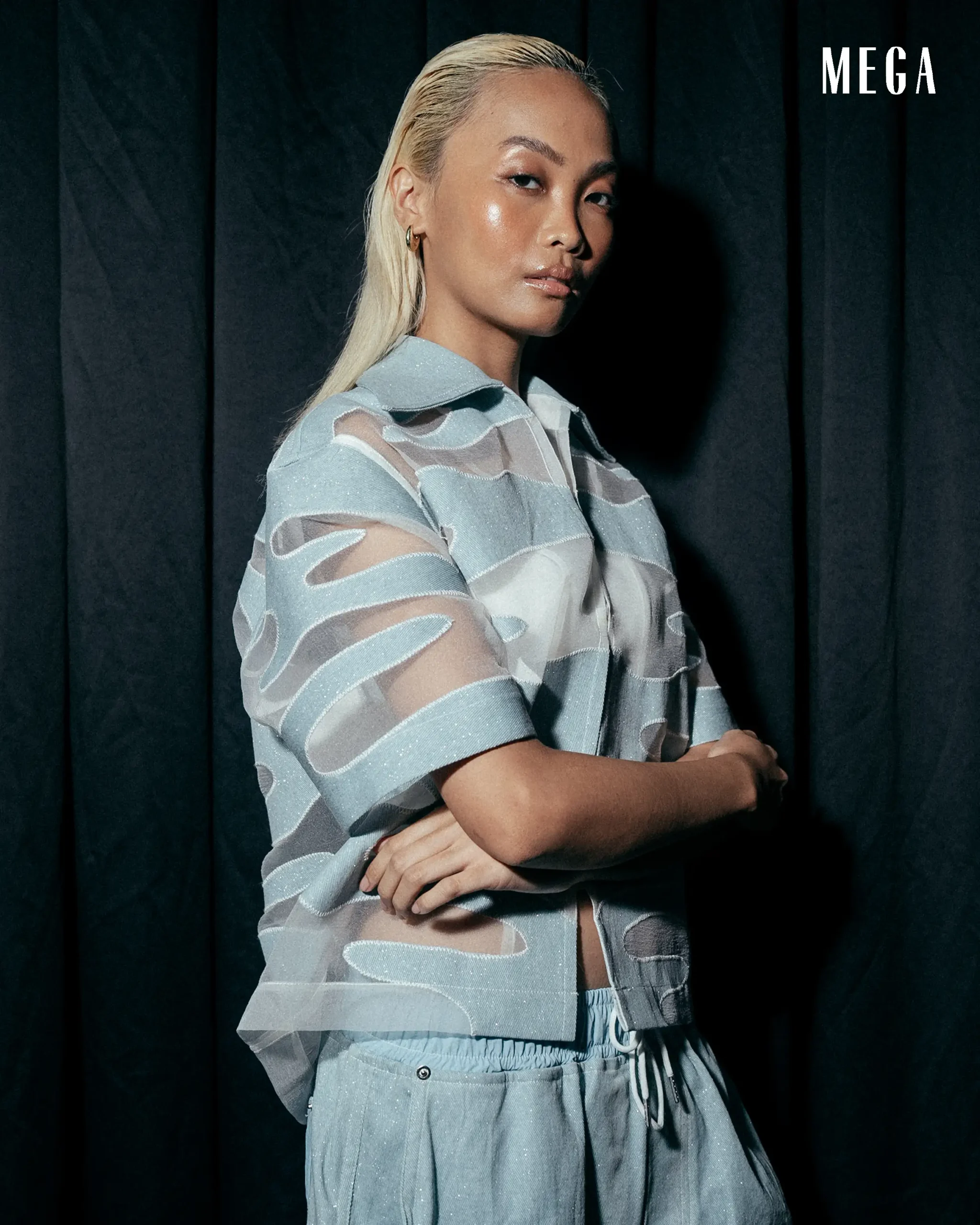
The progression gives flow state its particular rhythm: labor, image, transcendence. But Perez resists the idea that achievement must always culminate in grand exposure. The collection instead considers fulfillment as the existence within the act of making itself—a timely proposition in an industry increasingly governed by speed, visibility, metrics, and the relentless demand for something—anything—new, but still criticizing its newness by referencing it to something old. Thus, the irony of the new generation.
Finding Land
Fashion’s visual language is becoming increasingly maximal, with exaggerated accessories, embellished faces, unconventional footwear, sculptural volumes, and an endless stream of algorithmically accelerated references competing for attention. Against that churn, Perez allows his work to develop at its own pace. The result is a natural progression of the nicolò vocabulary: utilitarian tailoring, sheer construction, fluid shapes, and sculptural forms remain, but the textures have become richer and the proportions more assured. It is a more mature expression of a designer steadily tightening his grasp on what he wants to say—and, perhaps more importantly, what he does not need to say.
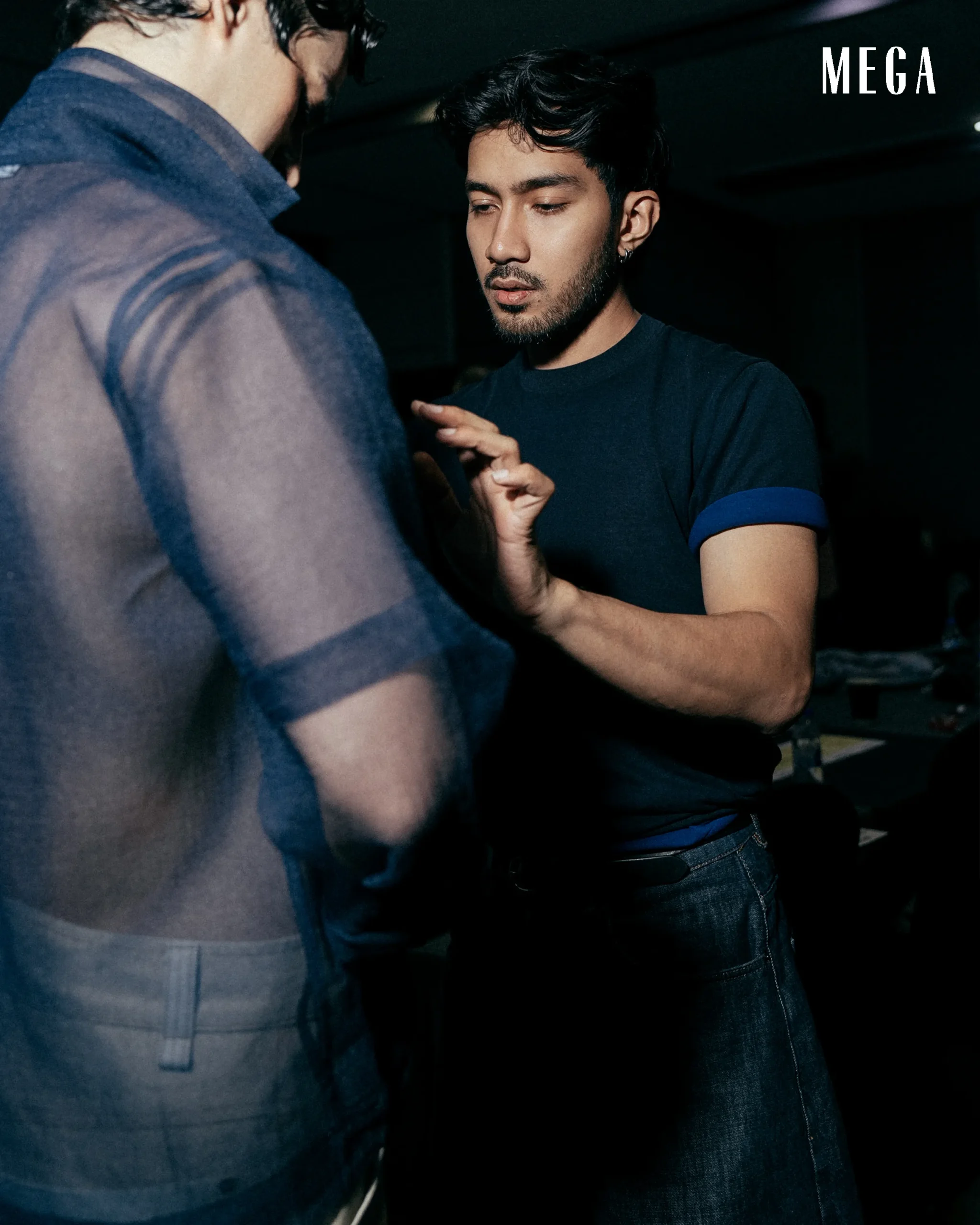
The staging makes that evolution tangible. Encased within the architectural suggestion of a yacht, the collection moves as though it were sailing through changing conditions: darkness giving way to sunset, water reflecting light, the horizon offering the first reassurance of land. The runway becomes a passage through Perez’s interior landscape, while the clothes become evidence of what happens when the destination matters less than the act of moving toward it.
There is comfort in that idea, though flow state never mistakes comfort for complacency. To be in flow is not to stop striving. It is to find a pathway in which striving itself becomes sustainable—a state where concentration replaces urgency and curiosity can exist alongside discipline.
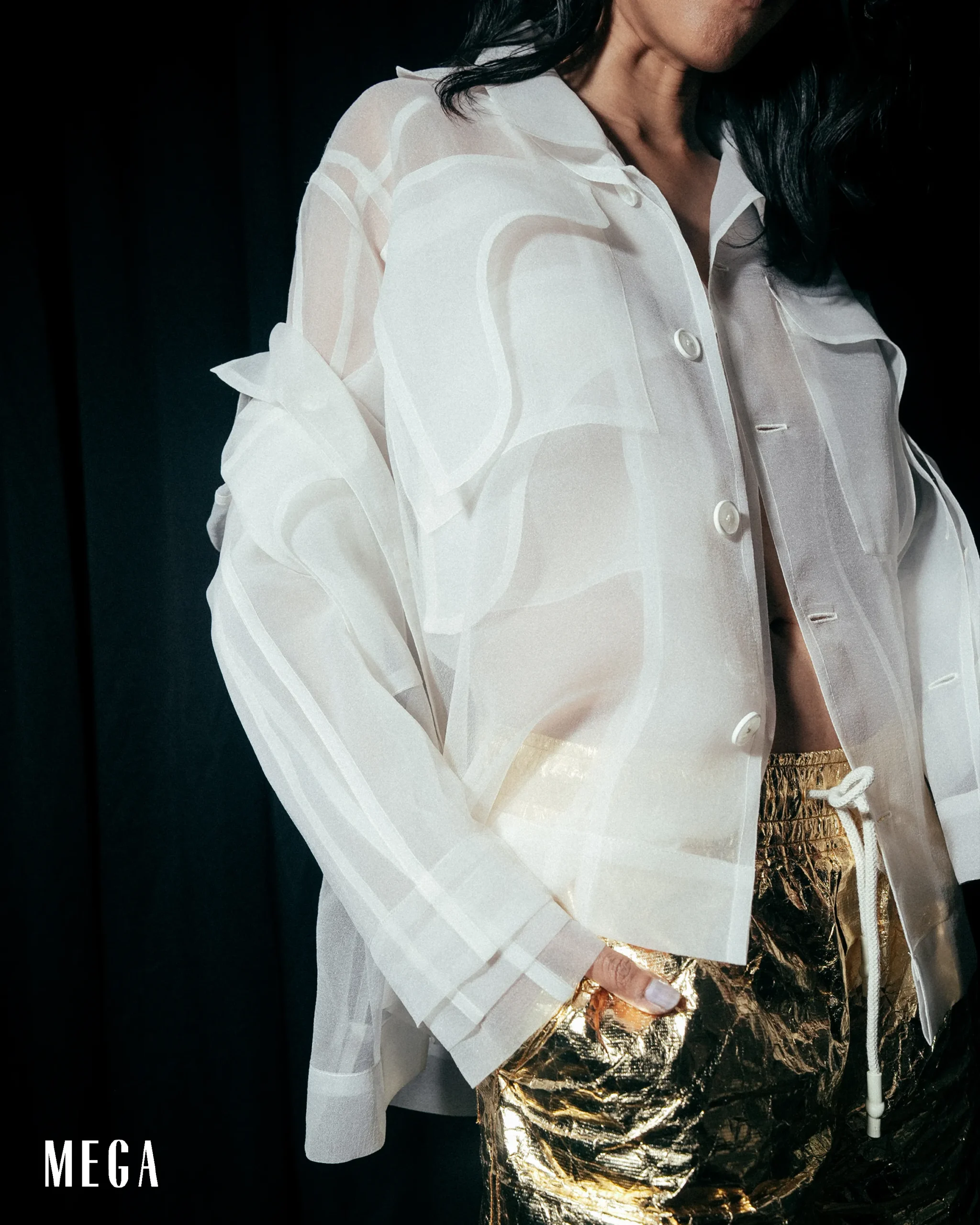
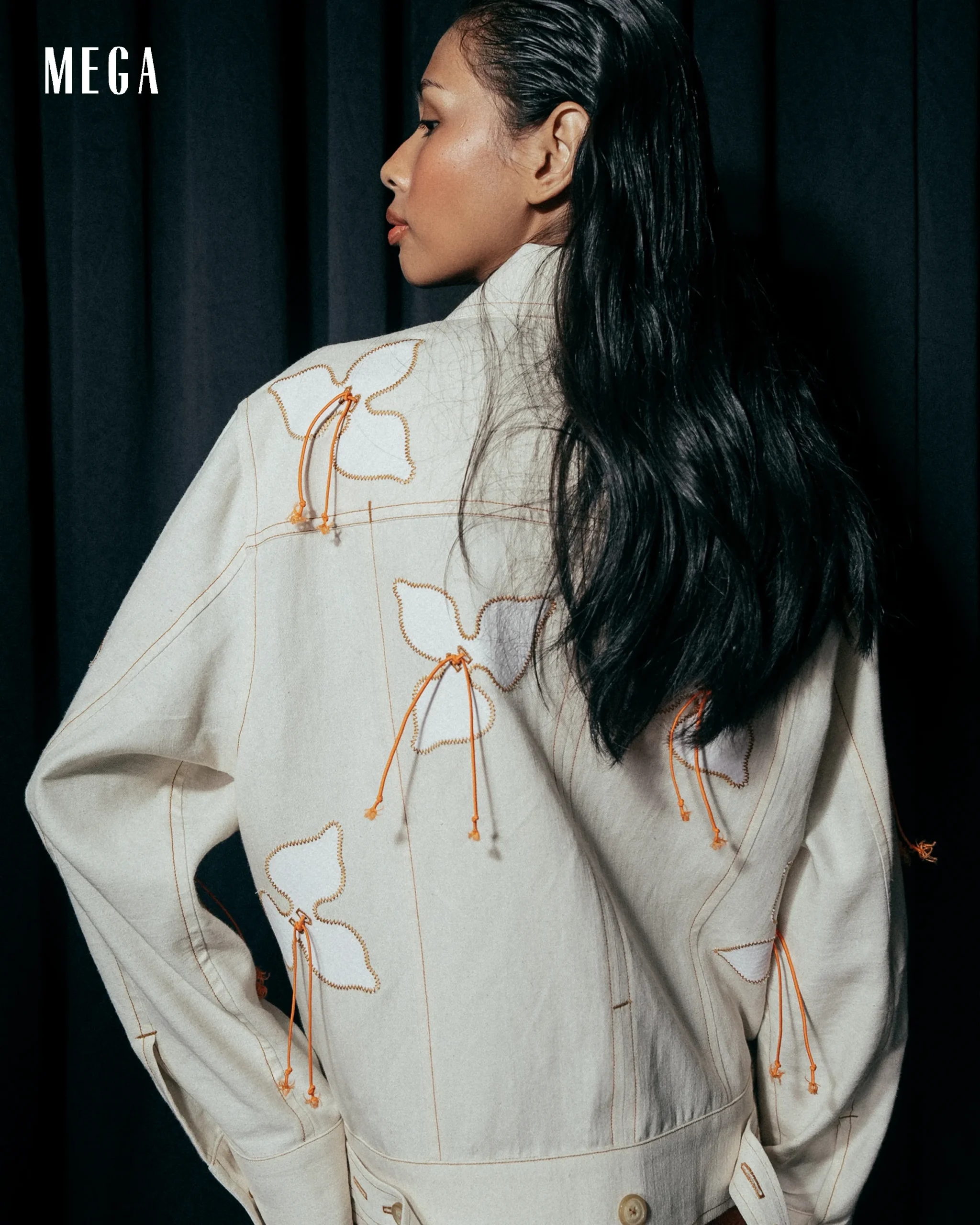
Perez’s sixth collection comes at an interesting point in his own evolution. It carries the codes that have made nicolò recognizable while allowing them room to mature, stretch, and breathe. There is still ambition here. There is plenty of it. But it no longer needs to be large.
The water rocks the boat. There will always be fear of the unknown, but ahead, the horizon separates sea from sky. The ground and being grounded is both a sign and a sigh of relief. There is landing here, and that’s what matters for Nicolo Perez. In this solitude, a reflection: there is knowing when to keep sailing and when to let the current carry you.
Photographed by KIERAN PUNAY of KLIQ, INC.
Frequently Asked Questions
Flow state is designer Nicolò Perez’s sixth collection for MNL Fashion Week 2026, exploring ambition, creative fulfillment, and the passage through uncertainty, using nautical, yacht-inspired staging to reflect a journey rather than a fixed destination.
The collection is structured around Sisyphus, representing labor without meaning through workwear; Narcissus, exploring image and identity through sheer, fluid pieces; and Icarus, representing ambition’s risk through sculptural, wing-like silhouettes.
The Narcissus section drew from Purple Noon, The Talented Mr. Ripley, and Pink Narcissus, exploring how beauty, identity, and performance intertwine, while the Sisyphus section referenced the sensual austerity of Querelle.
Flow state represents a more mature expression of Nicolò’s established vocabulary — utilitarian tailoring, sheer construction, fluid shapes, and sculptural forms — with richer textures and more assured proportions than before.
The show was staged within the architectural suggestion of a yacht, with the runway moving through changing conditions — darkness giving way to sunset — echoing the collection’s theme of sustained striving over dramatic arrival.
Recommended Video
Latest Posts


Latest Issue