




This is an excerpt from MEGA July 2026 Arts and Culture
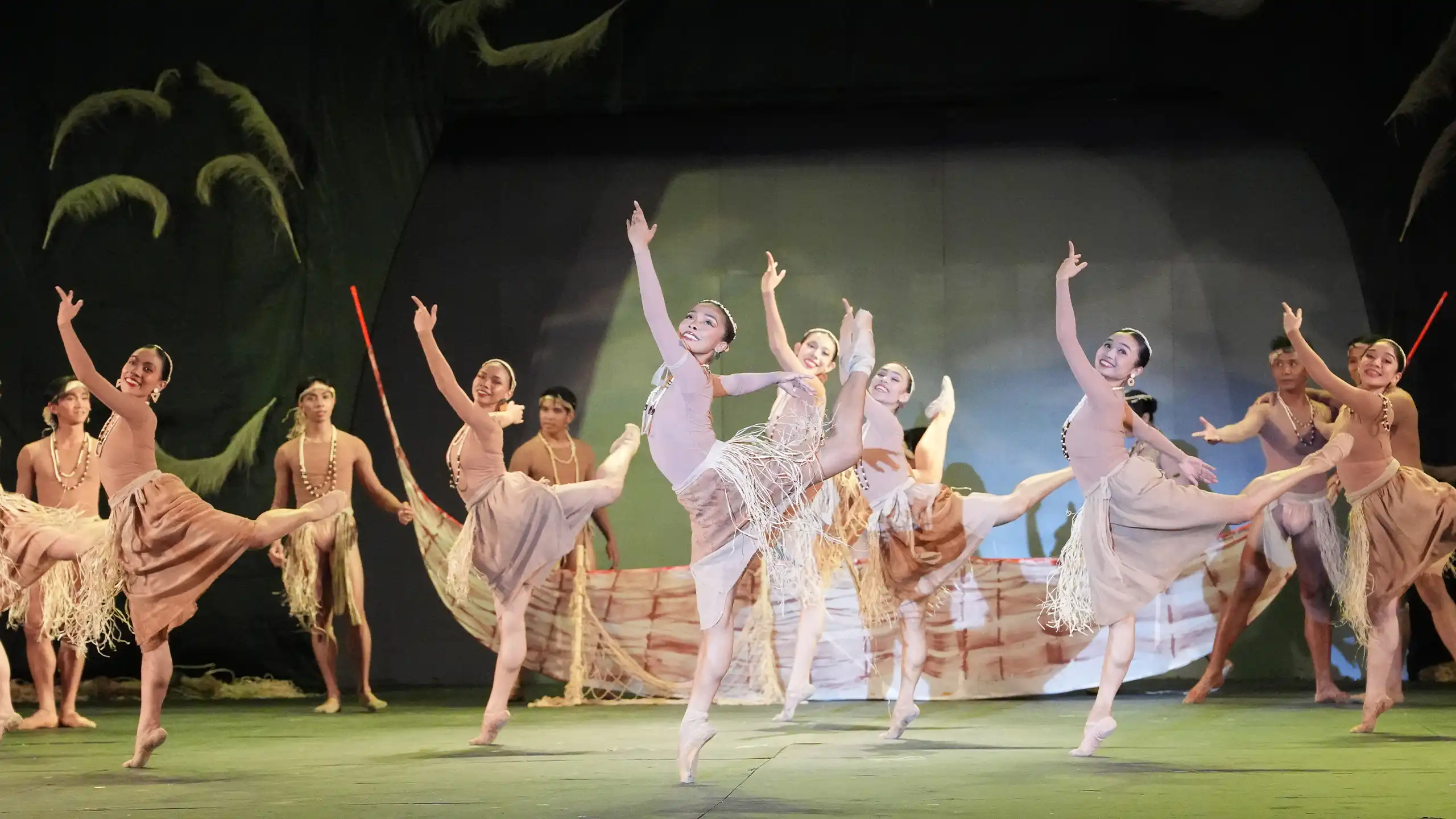
For 57 years, Ballet Philippines has remained a major force in the country’s artistic and cultural scene, reshaping how Filipino audiences experience performance. It has become a cultural institution that connects tradition with innovation and Filipino identity with international audiences.
RELATED: “A Chorus Line” Comes Home With a Cast of Filipino Talent
Founded in 1969 alongside the Cultural Center of the Philippines, Ballet Philippines transformed ballet from an art form largely associated with Europe into one rooted in local culture. Filipino narratives, music, and movement became central to its productions, allowing audiences to see their own stories reflected onstage.
Ballet Philippines’ Artistic Director Misha Martynuk believes this fusion is what defines the company. “Ballet Philippines has played a major role in shaping the country’s ballet culture by combining classical tradition with Filipino identity,” he explains. “The company demonstrated that ballet can be not only a European art form, but also a reflection of local history, music, and spirit.”
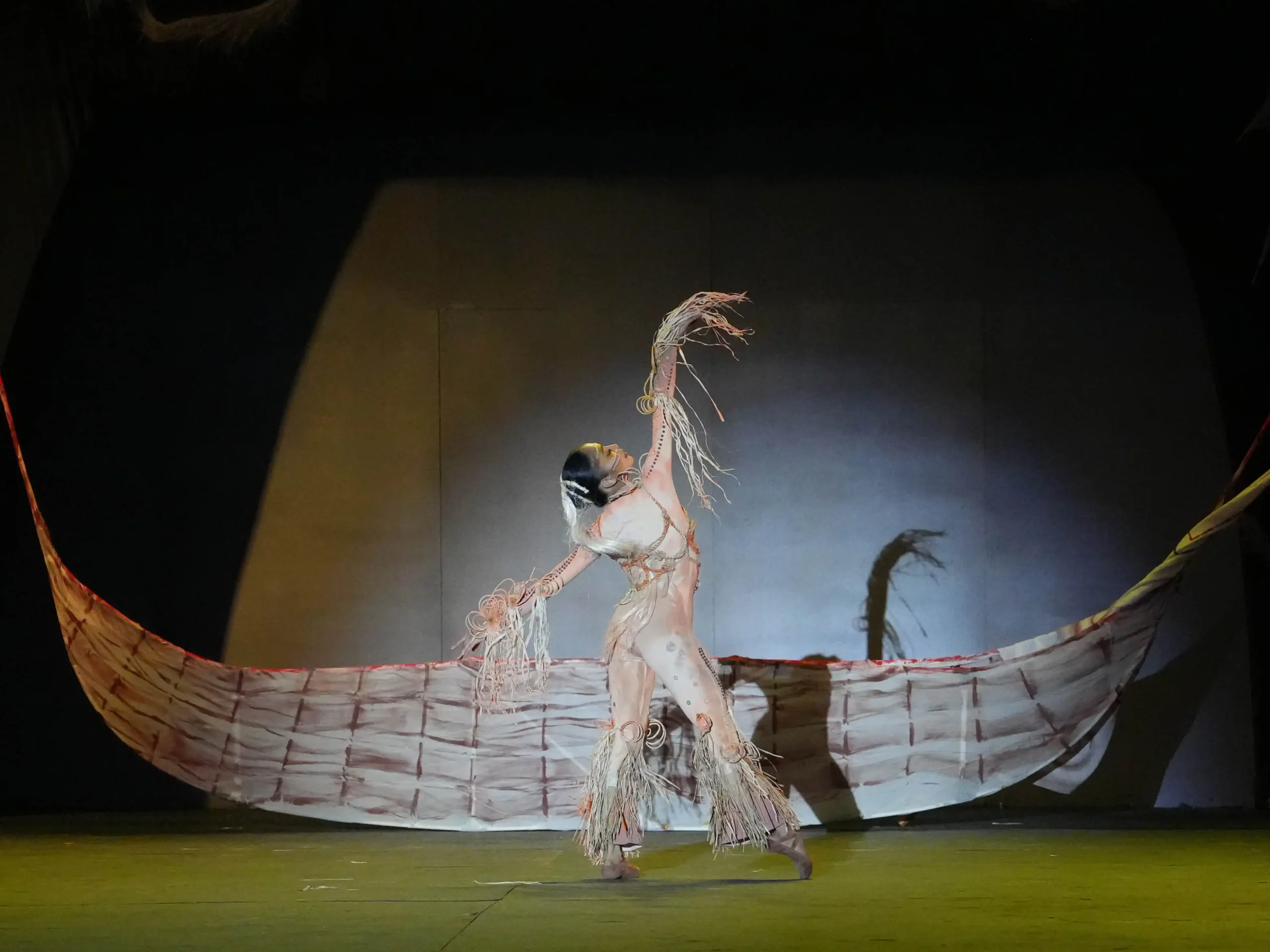
That blend of classical discipline and Filipino expression continues to define the company. According to Martynuk, Filipino ballet stands apart through its emotional openness and connection to storytelling. “Filipino ballet performances are distinguished by their emotional openness and humanity,” he says. “There is a strong connection to dramatic storytelling, musicality, and cultural energy, which makes the performances feel more alive and relatable to audiences.”
Since becoming President and CEO in 2019, Kathleen Liechtenstein has worked to expand Ballet Philippines’ presence beyond the local stage. “Ballet Philippines’ goal is to bring the name of the company as one of the best companies in the region,” she says. “When we put up a show, it immediately means that this is for the world.”
For Liechtenstein, today’s digital landscape has made performance a global conversation. “You cannot be isolated anymore,” she says. “And in that exposure, you tend to improve yourself.”
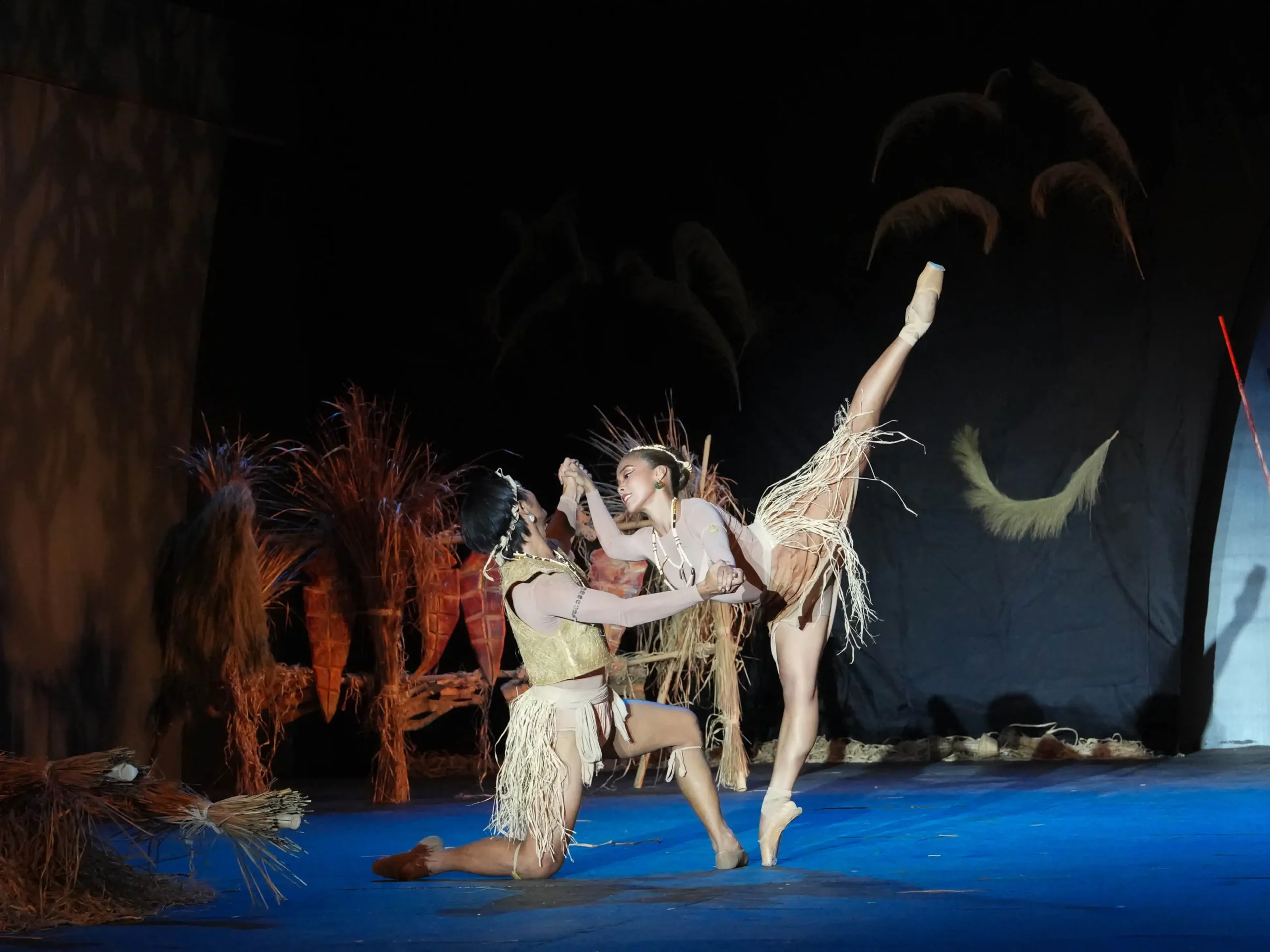
This international outlook has influenced many of Ballet Philippines’ recent productions, which often merge classical repertoire with modern Filipino works and visually ambitious staging. Martynuk notes that audiences today expect much more than technical mastery alone.
“People look not only for technical excellence, but for a complete visual and emotional experience — large-scale staging, lighting, cinematic atmosphere, and powerful storytelling.”
As a result, ballet has become increasingly immersive. Productions are shaped not only by choreography, but by the combination of movement, music, lighting, technology, and stage design.
“Stage design, lighting, and costumes are absolutely essential,” he explains. “They create the atmosphere and visual language of the production. The combination of movement, space, light, and music is what transforms ballet into a truly unforgettable experience.”
Still, despite an emphasis on spectacle in the ballet world, Ballet Philippines continues to prioritize emotional truth.
“Spectacles, as the word itself, can always get the attention of the audience, but it cannot hold it,” Liechtenstein says. “There’s always the story, the body movements that go with the story, and the relevance of the show itself.”
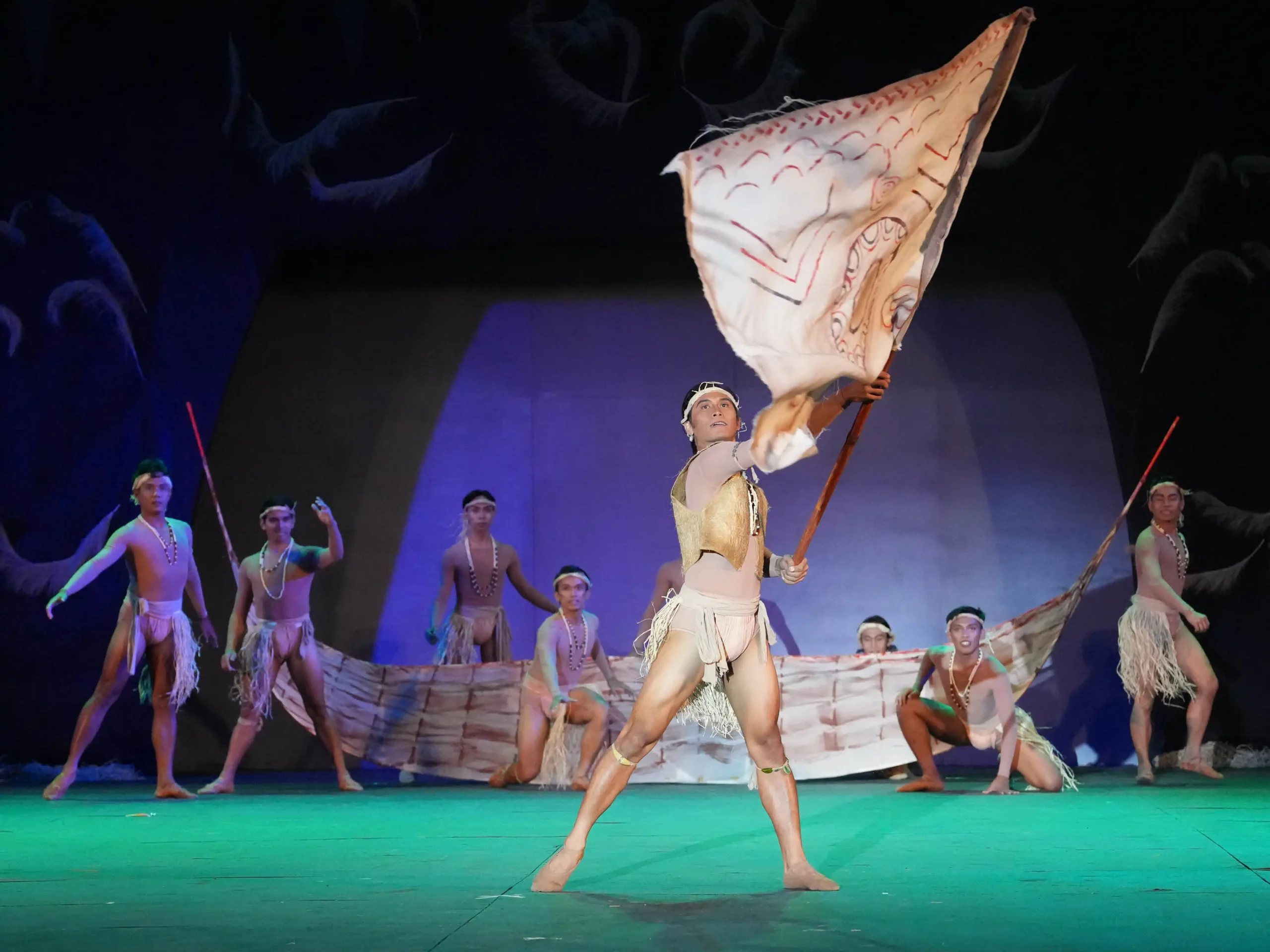
Martynuk shares the same philosophy. “Technical excellence is important, but it must serve the emotion and the story,” he says. “Real impact happens when the audience stops noticing the technique and starts feeling the characters and emotional world of the performance.”
Liechtenstein believes ballet possesses an authenticity that cannot easily be replicated. At a time increasingly influenced by artificial intelligence, the company’s ability to innovate while preserving its classical foundations has become one of its defining qualities. “When you see a ballerina on stage, in person, you will know it’s real,” she says. “It’s authentic. It’s natural.”
Liechtenstein has also encouraged collaborations with artists from different fields, including filmmakers, architects, musicians, and visual artists. “Since I’ve been with Ballet Philippines, I’ve put together several artists,” she says. “When you collaborate with like-minded people that are intensely passionate in their craft, nothing can stop you.”
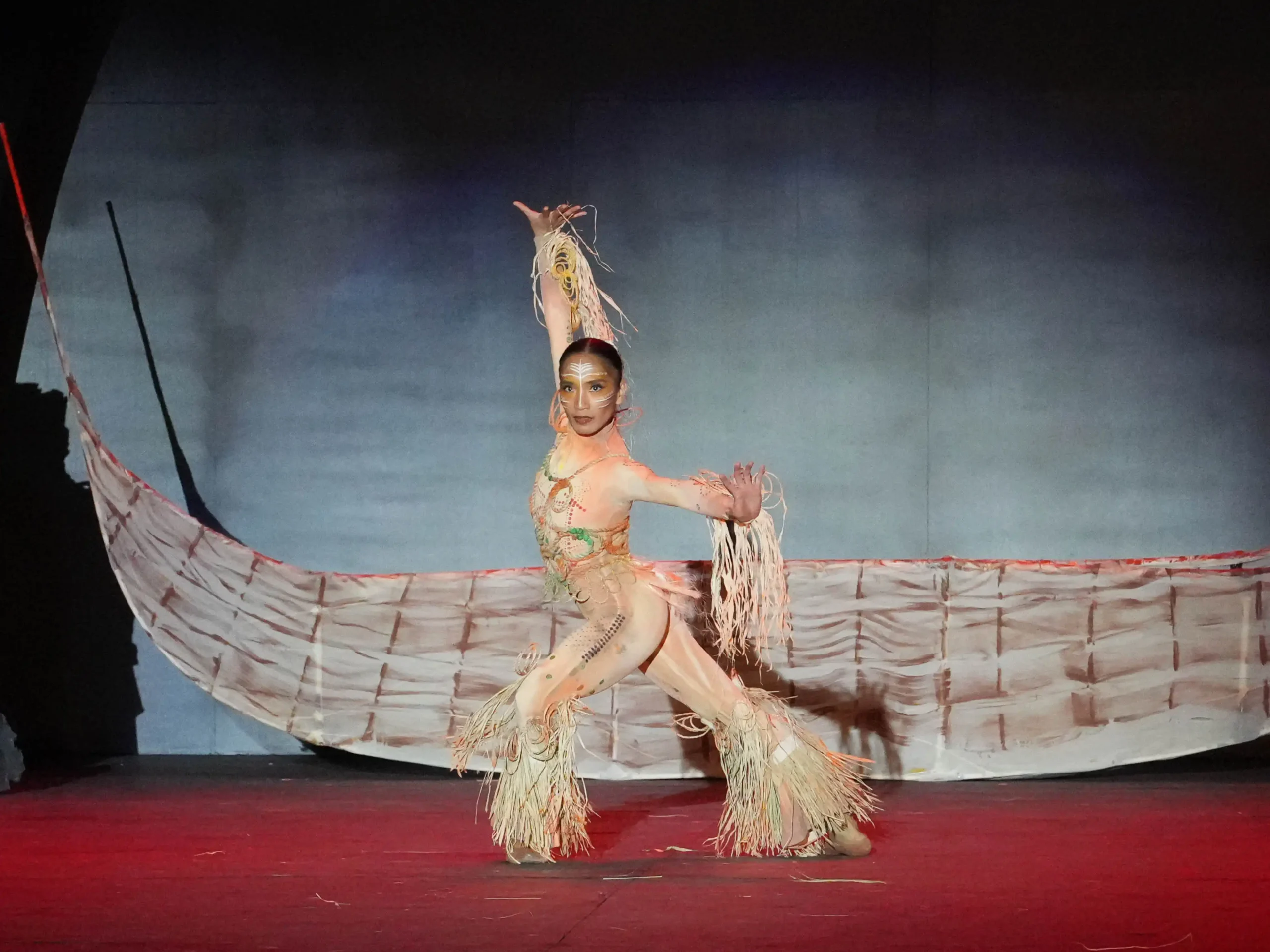
This openness has pushed Ballet Philippines toward more experimental projects, including the dance film Tabas ng Buwan, the upcoming holiday production Barbie in The Nutcracker, and the Filipino-themed ballet Filipinescas, slated for next year. “You cannot be insular at this point,” Liechtenstein says. “It’s tragic and it means your death if you continue to be the same as before.”
Martynuk agrees that change is necessary, especially if ballet wants to connect with younger audiences shaped by streaming platforms and social media. “To keep ballet relevant for younger audiences, it is important to speak through a contemporary visual and emotional language, explore new themes and technologies, and embrace modern forms of communication without losing artistic depth.”
At the same time, innovation creates challenges. “One of the biggest challenges is preserving tradition while continuing to innovate the art form,” Martynuk explains. “Ballet must respect its classical foundation while also responding to the present moment, new audiences, and an evolving cultural landscape.”
That balance between preservation and reinvention has allowed Ballet Philippines to endure throughout decades of change by continuously adapting while remaining grounded in its artistic identity.
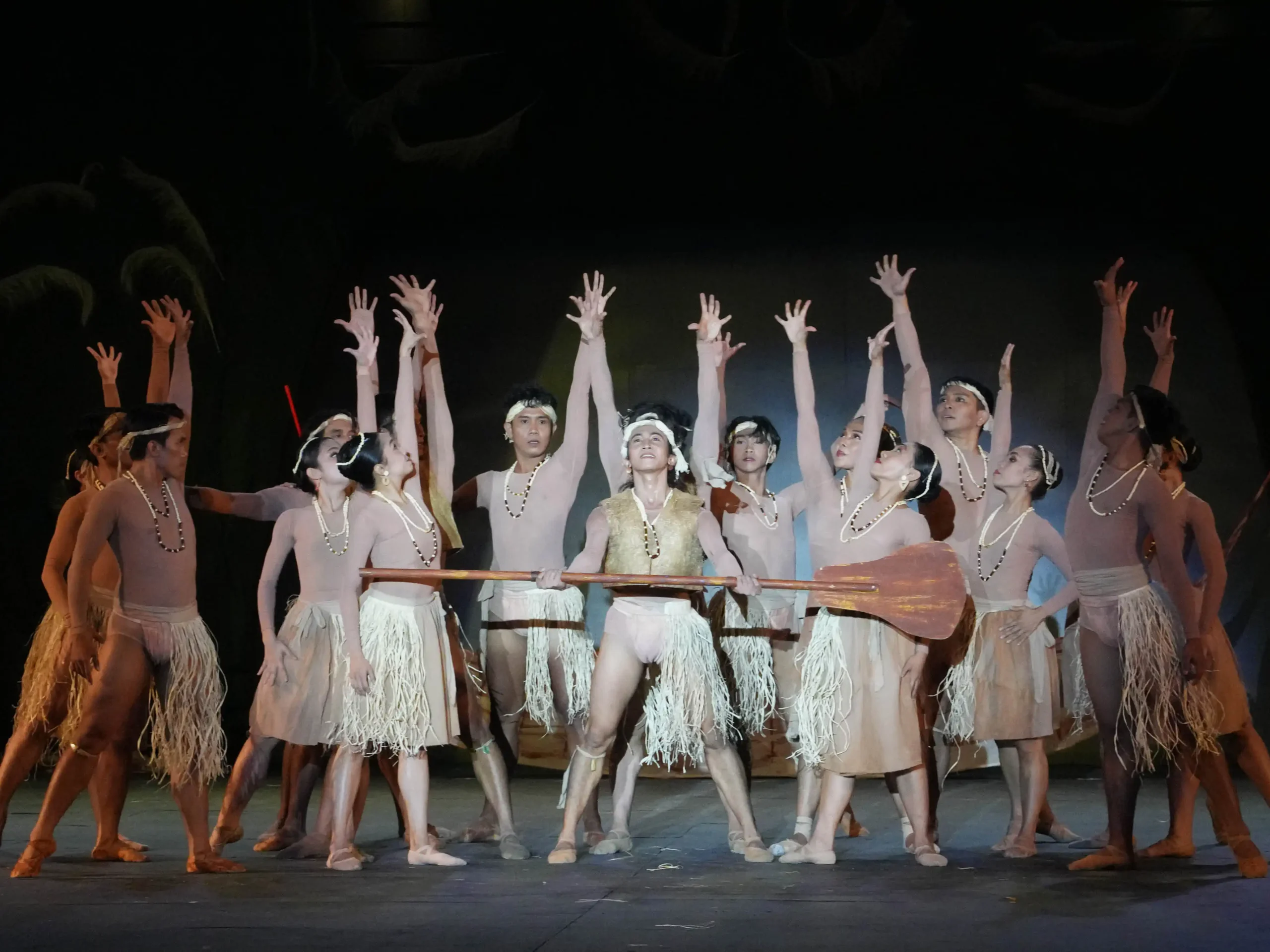
Some of Ballet Philippines’ most meaningful work takes place beyond the theater. One of the company’s most impactful initiatives is the Ballet Brigade, an outreach program that introduces ballet to indigenous communities and underserved children throughout the Philippines.
Ultimately, the idea of performance as transformation—not just entertainment—continues to define the company’s legacy.
“I hope audiences leave not only impressed by the beauty of the performance, but also emotionally moved,” Martynuk says. “The best ballet is the one that stays with people long after the curtain falls—making them feel, reflect, and remember.”
For Liechtenstein, the company’s evolution is inseparable from the changing world around it. “And in that exposure, in these situations, we tend to level up,” she concludes.
images courtesy of BALLET PHILIPPINES
Frequently Asked Questions
Ballet Philippines is the Philippines’ premier ballet company, founded in 1969 alongside the Cultural Center of the Philippines. Over 57 years, it has transformed ballet from a predominantly European art form into one rooted in Filipino identity, narrative, music, and cultural expression.
Filipino ballet is distinguished by its emotional openness, dramatic storytelling, and strong connection to local music and cultural energy, according to Artistic Director Misha Martynuk. Ballet Philippines has been central to shaping this distinctive approach, combining classical discipline with the emotional depth of Filipino performance tradition.
Misha Martynuk is the Artistic Director of Ballet Philippines. He leads the company’s creative vision, oversees productions, and has articulated the philosophy that technical excellence must always serve emotional truth — that the most powerful ballet is the one audiences feel, not merely observe.
Ballet Philippines’ upcoming productions include the dance film Tabas ng Buwan, the holiday production Barbie in The Nutcracker, and the Filipino-themed ballet Filipinescas, slated for 2027. The company continues to expand its repertoire through cross-disciplinary collaborations with filmmakers, architects, musicians, and visual artists.
The Ballet Brigade is Ballet Philippines’ community outreach program that introduces ballet to indigenous communities and underserved children across the Philippines. It represents one of the company’s most significant efforts to extend the reach of dance beyond the theater and into communities with limited access to the arts.