



The music industry can be a fickle place, especially in how it’s obsessed with finding the next new thing seemingly every day. It’s doubly so for female musicians who are constantly judged and whose platform can easily be negated by the powers that be. It’s a fact Lizzo has experienced firsthand. From the late 2010s to the early 2020s, Lizzo was one of the most popular contemporary female acts in the world with a roster of feel-good hit singles. But just as easily as the music industry saw her as the next major artist, it soon started to shun her for a variety of reasons.
Yet, even with all that going against the artist, Lizzo keeps it moving, and her third studio album, BITCH, is a testament to her tenacity and undeniable artistry. She named the album as a way to reclaim the derogatory term frequently used against women into an empowering one of strength and confidence.
Through a musically varied selection of 12 tracks, Lizzo navigates a tumultuous past few years with the goal of taking back the narrative that has formed around her on her own terms. “I feel like it’s therapy for me,” Lizzo tells MEGA Asia on what it was like working on the album. “I let a lot off my chest and off my shoulders.”
With a new approach to album-making and a clear message for the people who have something to say about her, the LP finds Lizzo at her most experimental yet, but also one whose confidence and self-assuredness triumph above the latest rumors and gossip. In a world that tried to tell Lizzo no, she stood up for herself and reminded herself that she is still 100% that girl. “You’re always in control of your narrative and your story, and don’t ever let nobody take that from you.”
Below, read the full interview as Lizzo breaks down her new album, navigating the music industry, her love for the Philippines, and more.
RELATED: Exclusive: This Filipino Designer Just Dressed Grammy-Award Winner, Lizzo!
Lizzo on Today’s Music Industry
BITCH is your third studio album, and you’ve been in the industry for well over a decade now. How do you approach your music in a way that you still find it exciting or still find new ways to make music?
You know what? I’m learning. I’m making a new recipe right now. I’ve been using the same recipe because, for a long time, that’s just what I was comfortable with, where it’s like work with your band, make your album, like get together for two years and really talk it out.
But I’m learning a new recipe, and I did it with My Face Hurts From Smiling, the mixtape I dropped last year. I made a song I was excited about, put it out, and then I went into the studio and made ten more like it in a week, and then put it out. And I think that’s kind of exciting to me, and I kind of want to chase that. Like I, if I could apply that to making an album, I think that could be really cool and interesting, and I think that’s where the future of music is going.
What was it like to really sit with and address those feelings and emotions this album talks about and to put it in a body of work?
I think it was really cathartic for me, and I did it, and I feel like as an artist, I kind of like earned that moment. And so I just feel good. I feel like it’s therapy for me. I let a lot off my chest and off my shoulders.
You named the album BITCH as a way to reclaim the title from being a derogatory term to being one of empowerment. So could you share the story of how you ended up with that title?
It’s the name of the song, and I felt like the song really summed up the album really well because it’s a little bit of a lover. It’s a little bit of a mess, a queen, it’s a little bitch. So it had all the things. And I thought that it was just like a strong declaration. But I also have been reclaiming the word bitch for a long time, like I’m 100 percent that bitch, you know what I mean?
You’re not afraid to speak your mind when it comes to your music and career. Where do you get the bravery and confidence to still keep on going?
You know, it’s funny that it’s the people who aren’t in the industry, I get the most backlash from people who aren’t in the industry. And it’s people in the industry who come up to me and they thank me privately and they’ll be like, thank you for saying that. This is my job. Like, I’m not going to tell someone who works at McDonald’s how to work the ice cream machine. Imma trust you. I think that what keeps me going is knowing that I’m right. I know what I’m talking about.
How would you describe your relationship with the music industry today?
I think that everyone has a strange relationship with the music industry right now because it’s changing so much. And I think everyone’s trying to observe it and keep up with it. The music industry is like a bad bitch. And we’re like trying to stay on our toes, trying to keep her in our lives. I think the music industry is a beautiful thing. And it’s on the cusp of evolving again. And I think that as someone who’s like a purveyor of culture and a surveyor, and I like to analyze, I’m just keeping an eye on it. And I’m vocal about it.
Lizzo on What Makes Her New Album Special
Where would you say your album lands for you in your discography in terms of what it means for you as an artist?
I would say that it’s my best album. But I would also say it’s probably my least Lizzo-y album. Like I’d say that Special is probably quintessential, like, this is why I’m on this earth. And then I would say Cuz I Love You is the most iconic album. And then I would say BITCH is probably like the best musically and creatively. So they’re all great.
Among all the songs that you made for his album, is there one that particularly stands out to you or is one that really speaks to your heart?
Right now, today, Whose Hair Is This. I mean, Whose Hair Is This doesn’t speak to my heart because it was something that I resolved already, but I just love singing like that.
If there’s a specific song on the album that you’d want people to hear, what would you recommend?
You know what, for the Philippines, I would recommend you listen to Whose Hair Is This. Because the Philippines, y’all love to sing, and y’all love a big old strong vocal. So I could already see y’all covering Whose Hair Is This.
Speaking of the Philippines, are you planning on touring for the album?
Yes, but you know what, I don’t think I’ve ever played the Philippines before. So I would love, love to play in the Philippines.
Since the album is all about empowerment and reclaiming your name, what advice would you give to young women out there on how they can do that for themselves?
Man, I think what I can hopefully show through my actions and through my life is like, it’s just, this word can have as much power and as little power as you give it. And then you can even take the negative power out of that word and empower it, you know, and you have the ability to do whatever you feel comfortable with.
You want to empower that word and reclaim it, go for it. You want to ignore that word because it’s not even real and doesn’t give it any power, do that. But remember, you’re always in control of your narrative and your story, and don’t ever let nobody take that from you.
The interview has been edited for length and clarity.
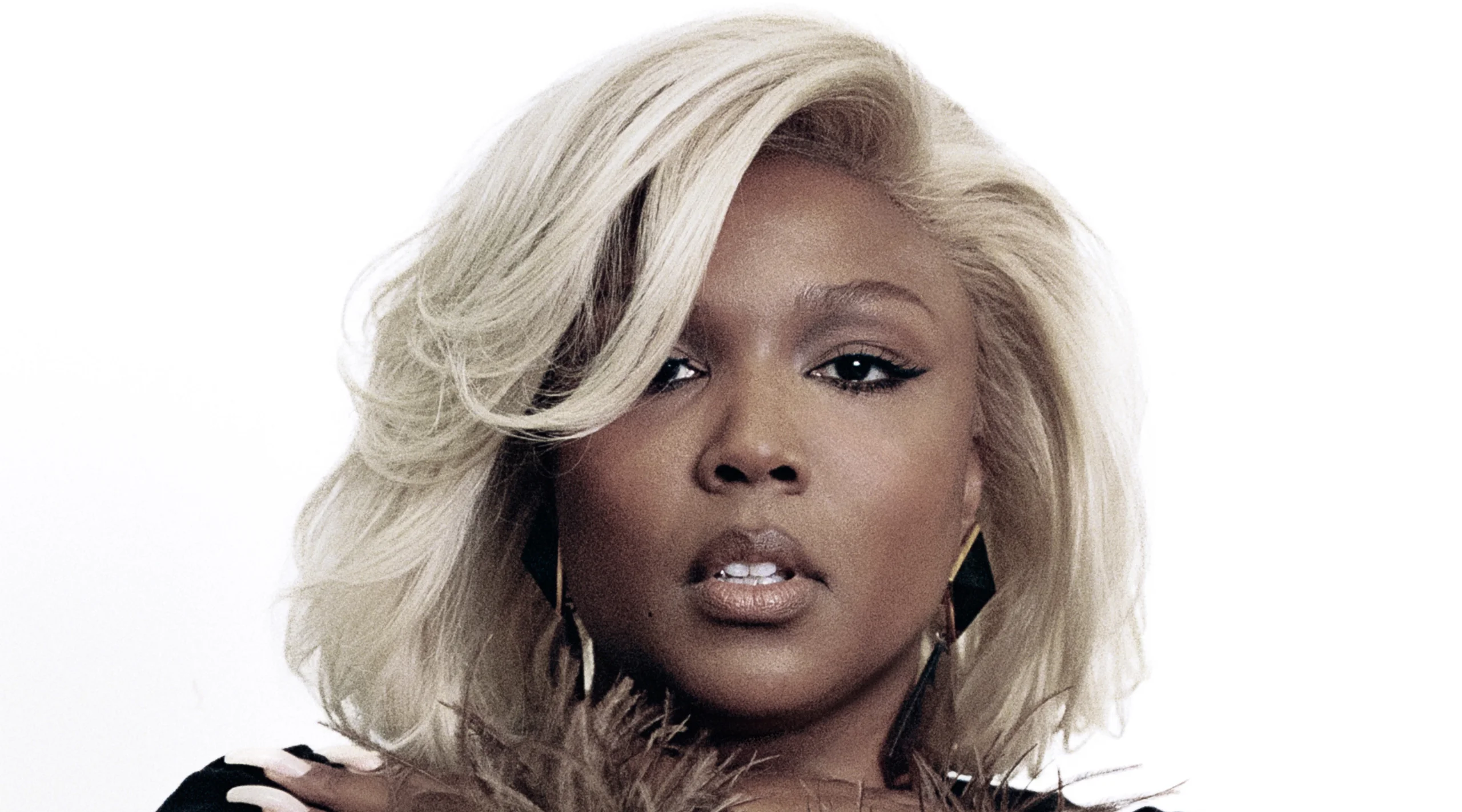
Featured Image: Courtesy of Warner Music, Taken by Jason Renaud
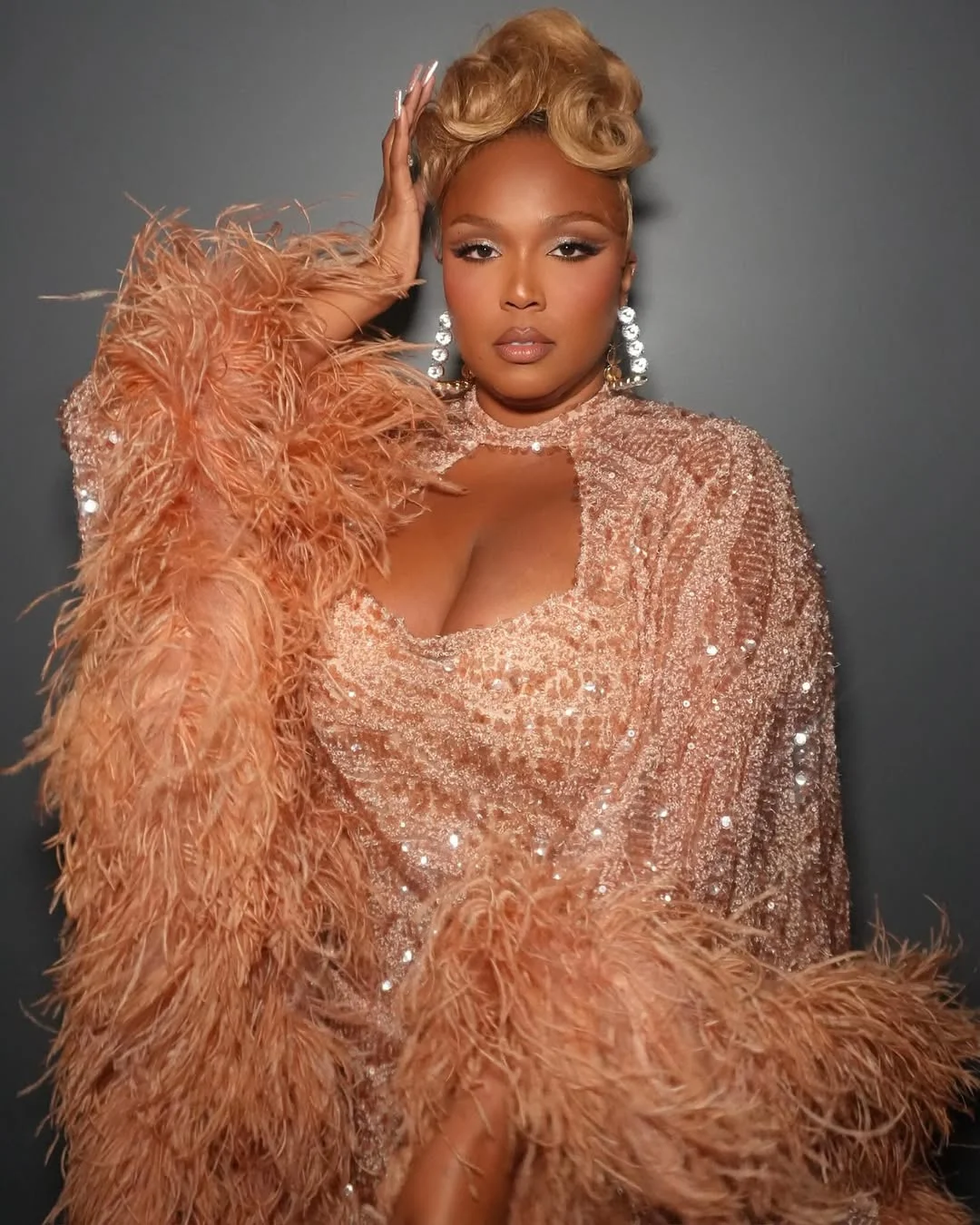
Photo: LIZZO (via Instagram)
Frequently Asked Questions
BITCH is Lizzo’s third studio album, released as a response to the public scrutiny and industry pressures she faced in recent years. Across 12 tracks, she reclaims her narrative on her own terms, describing the record as her most experimental and musically diverse work — and the one she considers her best to date.
The title comes from a track on the album that Lizzo felt best captured its overall tone. She has described the word as encompassing multiple identities — lover, queen, mess — and as a term she has long sought to reclaim from its derogatory use into one of confidence and self-assertion, in the tradition of her famous line “100% That Bitch.”
Lizzo describes the current music industry as being in a state of rapid change that affects everyone in it. She positions herself as an observer and analyst of those shifts, noting that the strongest support she receives often comes privately from peers within the industry, while public criticism tends to come from those outside it.
In her interview with MEGA Asia, Lizzo said she had never performed in the Philippines and expressed a strong desire to do so. She also singled out Filipino fans specifically, recommending the track “Whose Hair Is This” from BITCH as a song she believed would resonate with Filipino audiences given their love of powerful vocals.
Lizzo said that individuals have the power to determine how much weight a word or label carries, whether by reclaiming it as a source of strength or simply refusing to give it power at all. Her central message was that no one should surrender control of their own story: “You’re always in control of your narrative and your story, and don’t ever let nobody take that from you.