



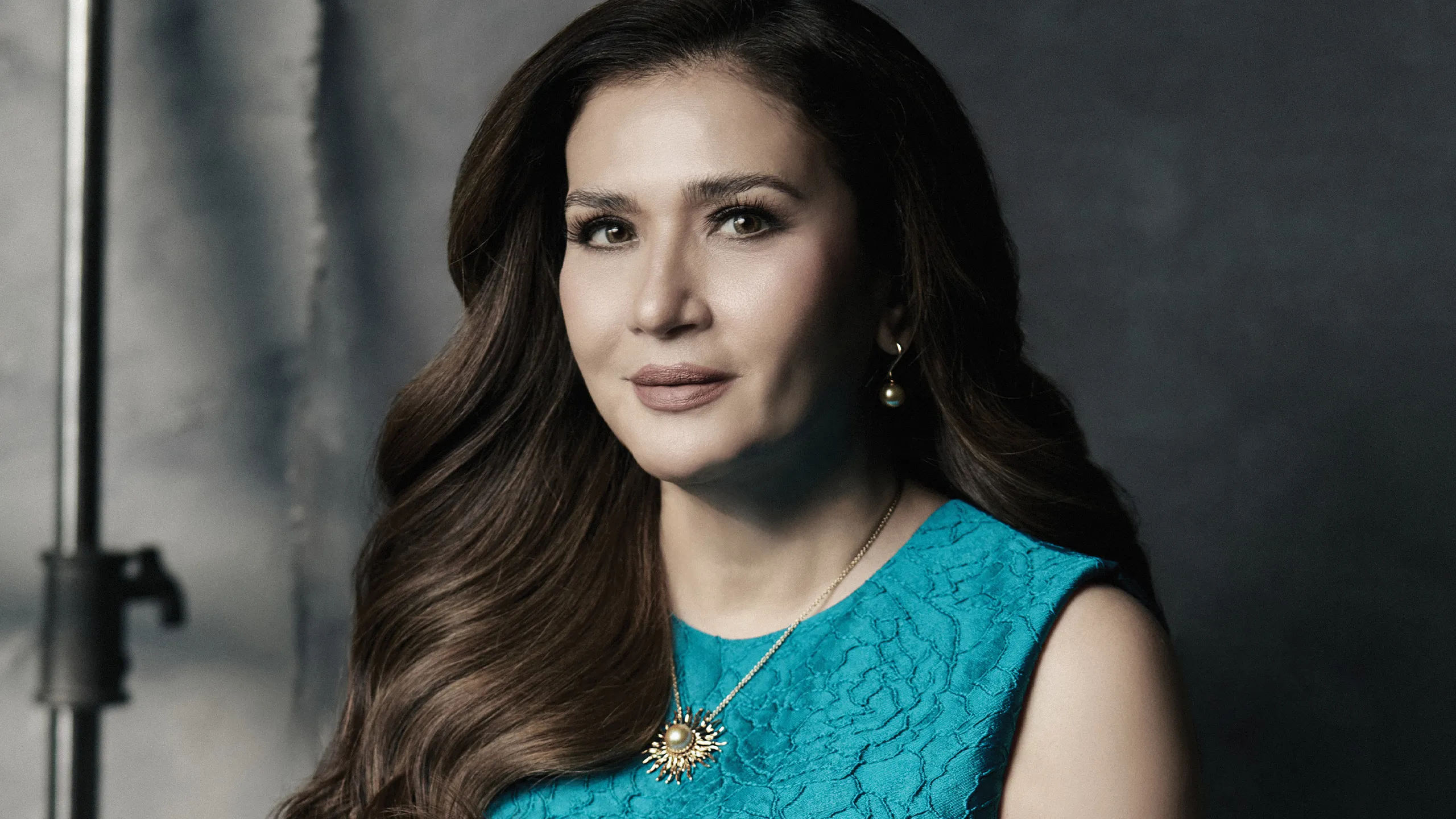
This is an excerpt from the June 2026 Special Issue. Subscribe to MEGA Digital All-Access to read the full story.
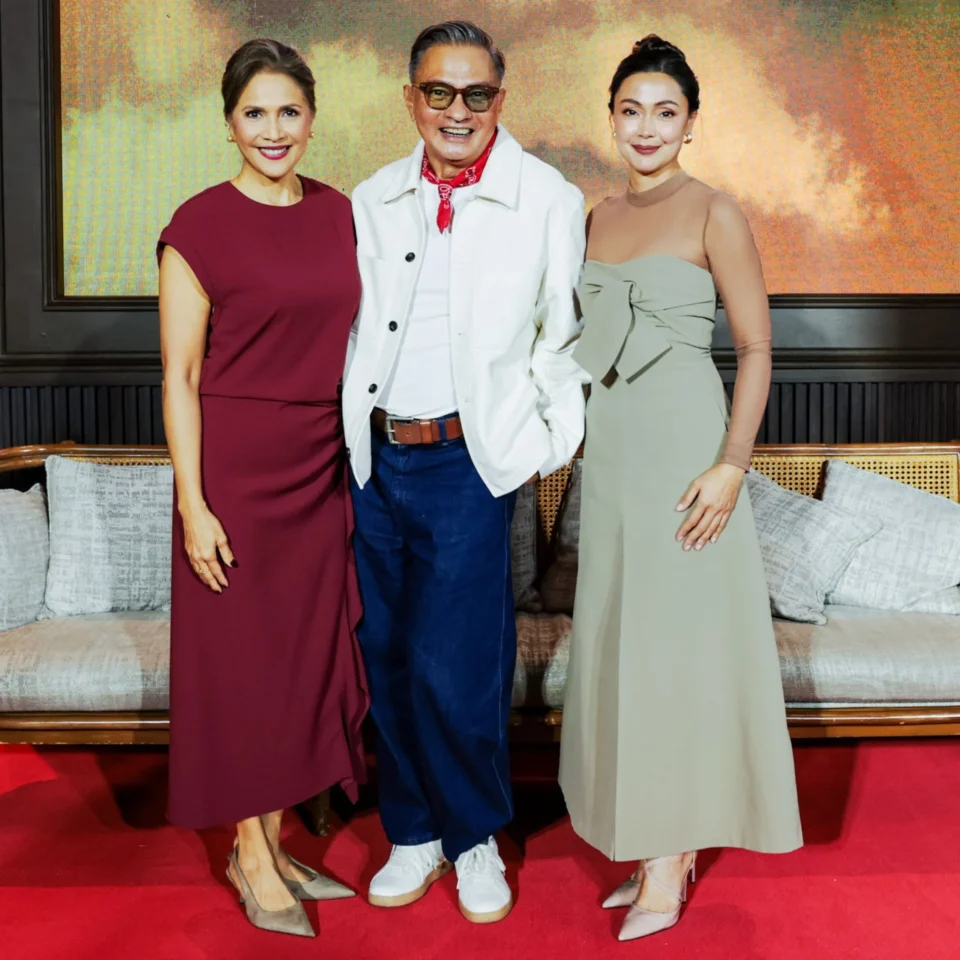
As someone who has spent decades within the entertainment industry, Zsa Zsa Padilla naturally speaks about acting with striking honesty and clarity. Listeners are immediately pulled in by her direct eye contact and her grounded honesty born from years of experience and the confidence to stop overcomplicating things. As she puts it simply: “I just try to be as natural as I can.”
RELATED: Gabby Padilla Finds Purpose in Vulnerability
Padilla first entered show business as a singer, which explains why performance came naturally to her early on. Her turning point as an actress, however, arrived when she starred in Magkano ang Iyong Dangal?, directed by Laurice Guillen. “That’s when I truly understood the craft,” she shares. “I thought, ‘Okay, this is serious so you have to give your best.’ And when I watched it, I was happy with my performance. I felt like I could do this. I can be a serious actress, and not just be a leading lady to the leading men of that era.”
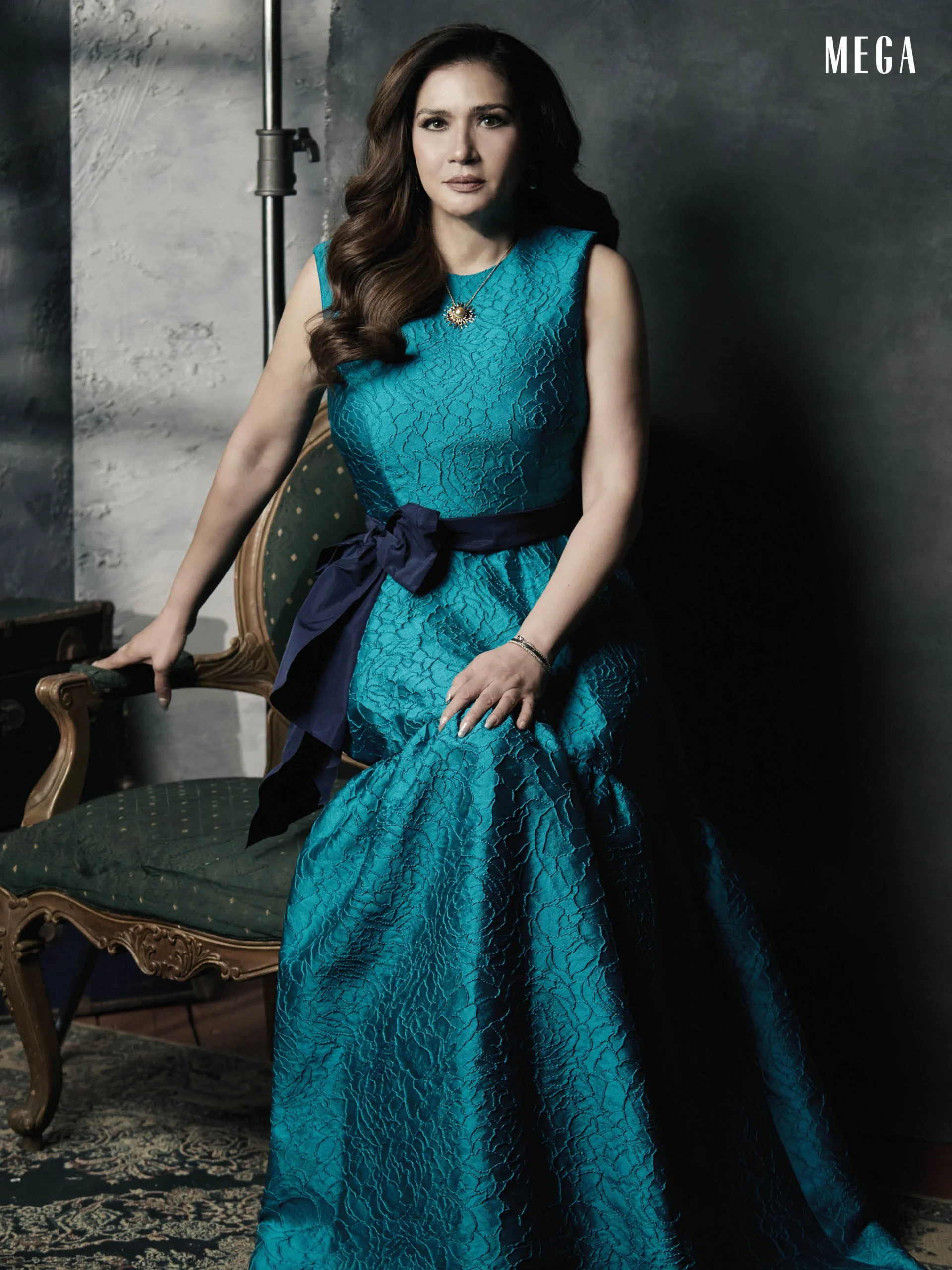
Singing had prepared her more than audiences might assume. “A lot of singing entails acting, and that’s why a lot of producers would say, ‘Oh, we like to get singers because they’re already halfway there,’” she adds. “But I also thought it would be nice to do something else. (Acting) was something that I could see myself doing until I got old. I thought it had more longevity to it because there will always be—in a Filipino setting—a couple, parents, and a grandmother, right?”
When discussing her approach, Padilla describes an almost stubborn resistance to exaggeration, rooted in how she observes others to embody her roles. Family members, strangers, and colleagues have all become reference points. Once, someone close to her even jokingly pointed out that she had borrowed one of her children’s mannerisms for a part. “Who else, right?” she laughs.
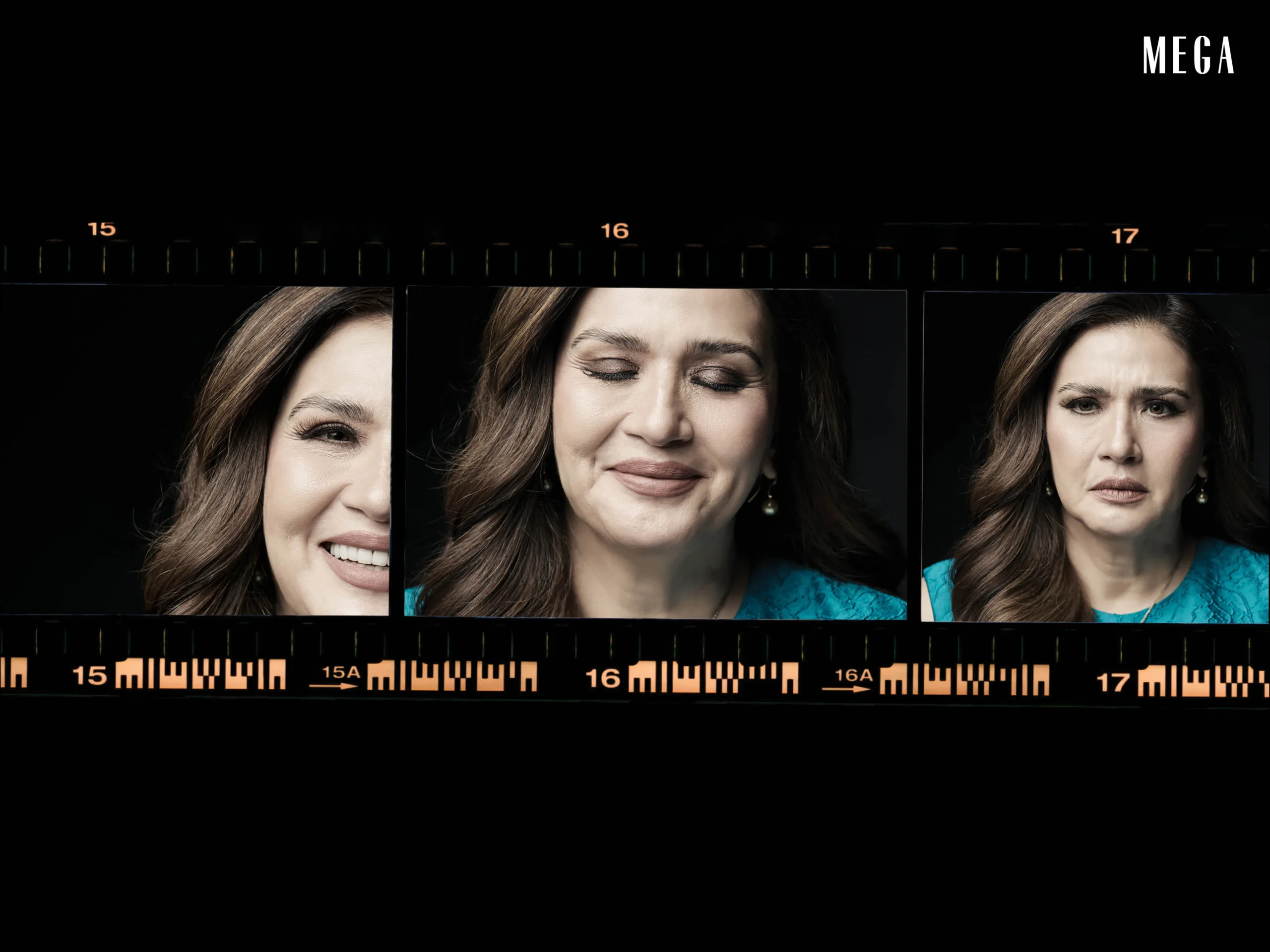
An actor’s paradox is an interesting one. While many might assume that performers simply switch masks, the process of becoming someone else often leaves them feeling vulnerable. “Because you’re just letting go,” Padilla explains.
Even after decades in the industry, Padilla remains hopeful about where the Philippine industry can evolve. For her, empowerment means safer working conditions, humane schedules, and the ability to speak up openly about treatment on set.
As for storytelling, Padilla enjoys the occasional campiness of teleseryes, but hopes that local productions continue moving toward more character-driven plots and settings audiences do not immediately recognize: “It would be nice to see the lives of people that you don’t really meet everyday.”
Frequently Asked Questions
Padilla has identified her role in Magkano ang Iyong Dangal?, directed by Laurice Guillen, as the project that made her take acting seriously. Watching her own performance gave her the confidence to pursue dramatic roles beyond her identity as a singer and leading lady to the male stars of her era.
Padilla has spoken about the overlap between singing and acting — noting that performance is already embedded in the craft of singing, which is why many producers seek out singers for acting roles. She has said she could see acting carrying her through the later stages of her career in a way singing alone could not.
Padilla describes her method as rooted in close observation of real people — drawing from family members, strangers, and colleagues to inform her performances. She resists exaggeration and aims for naturalness above all, describing the process of becoming a character as one of letting go rather than putting on.
Padilla has expressed hope that local productions continue moving toward character-driven storytelling and settings that reflect lives audiences do not typically see represented. While she appreciates the campiness of teleseryes, she advocates for more humane working conditions and a culture where performers can speak openly about their treatment on set.
Padilla describes acting as a process of surrender — one that leaves performers genuinely vulnerable rather than simply switching between masks. For her, the emotional exposure required by the craft is not a weakness but a condition of honest performance, shaped by decades of experience across both singing and acting.
Photographed by JERICK SANCHEZ. Creative Direction by PATRICK TY. Art Direction by CLARE MAGNO and BRIE VENTURA. Beauty Direction by AGOO AZCUNA-BENGZON assisted by MARA GO. Sittings Editor PEEWEE REYES-ISIDRO and TREISHA ROVERO. Produced by THESSMAR LECTURA. Image retouching by JONES PALTENG and TROY NONATO. Hair by JONATHAN VELASCO. Makeup by SHASHA TAGUD. Styled by STEVEN CORALDE, JERMAINNE LAGURA, and NIÑA CUYANA of QURATOR INC. Production Design by ARJ MADARANG of JAGGER STUDIOS. Photography Assistants KARL RIMANDO, BUDDY REYES, DAVE ORPILLA, RYAN ALBANO