



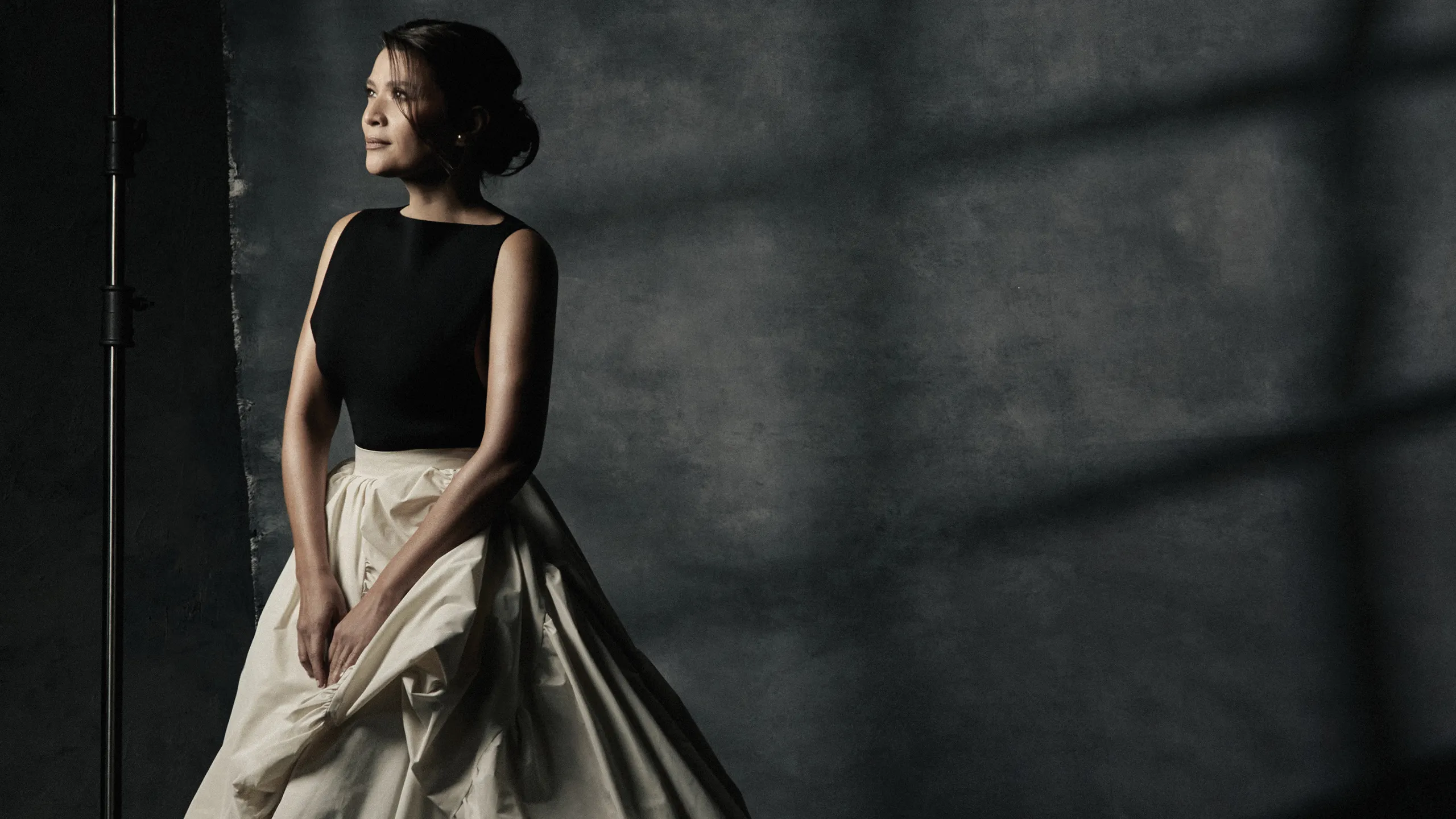
This is an excerpt from the June 2026 Special Issue. Subscribe to MEGA Digital All-Access to read the full story.
Some actors grow up in show business. Mylene Dizon was shaped by it. When she entered the world of film and television in 1996, acting was never something she considered a calling. She approached the industry with practicality, seeing it first and foremost as work. But somewhere along the way, that perspective shifted. Surprisingly, it was playing the kontrabida that changed everything.
RELATED: True Actors Don’t Look Away from Society, Says Agot Isidro
“I was in it for the money,” she admitted. But beneath the demands of the industry, she eventually found something more personal. “I found a little home on stage,” she says. “When I started doing kontrabida roles, I realized that I can be creative—that’s something I never thought I had.” She recalls that realization coming toward the end of Walang Hanggan.
Her lead role in Gata sa Dibdib ng Kaaway also marked a turning point in how she viewed herself as an actress. For the first time, acting no longer felt like simply showing up for work. “I started feeling like an actress now, more than someone who’s playing or just doing it for the money,” Dizon reflected.
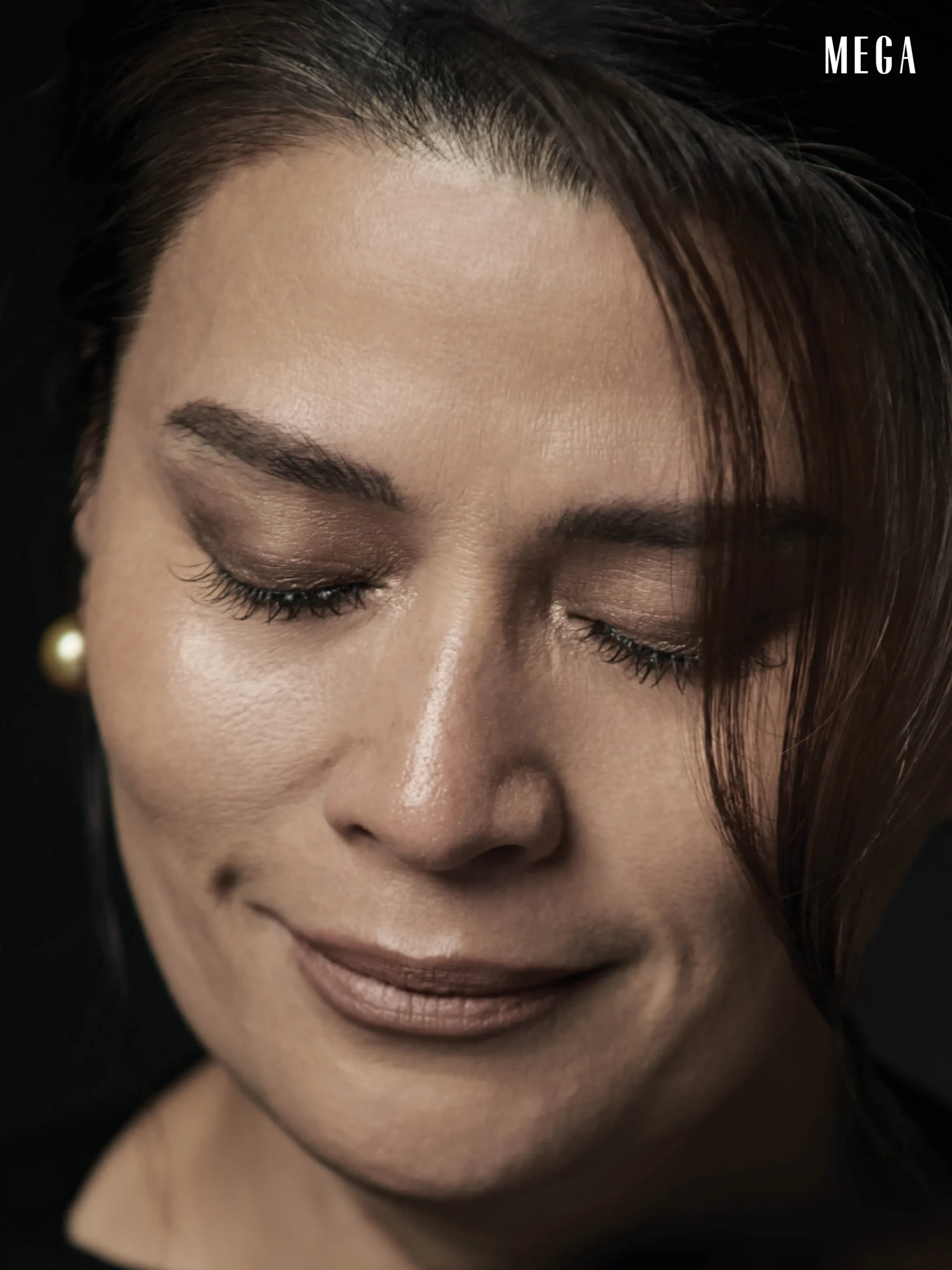
100 by Chris Martinez also stands out as a career highlight, pushing her understanding of performance beyond technique and into something more human. “I didn’t feel like an actress, but I felt that I was representing someone, telling somebody’s story. That materialized everything for me.”
But for Dizon, it wasn’t only the standout projects that shaped her career—it was the entirety of the industry itself. “I was 20 when I entered the industry, and I basically grew up here. Some say they did because they started as child stars, but I was shaped by the girls and women I had portrayed.”
Over the years, the women she embodied onscreen slowly became part of who she was offscreen. Their struggles, heartbreaks, resilience, and triumphs left lasting impressions that extended far beyond the set.
With decades of experience behind her, Dizon has also learned to distinguish performance from true artistry. For her, performance seeks validation, while artistry comes from honest expression—even when the outcome is uncertain. “When you’re performing, may hinihingi kang reaction [you’re looking for a reaction],” she pondered. “But artistry is expressing without knowing what the reaction will be.”
She recalls moments when scenes intended to feel joyful unexpectedly resonated with audiences in a completely different way. “I’ve experienced that, wherein the scene was supposed to be happy, but the action was not,” she shared. “And you only realize later when it touched the audience in a way that you didn’t expect.”
As conversations surrounding women continue to evolve, both onscreen and off, Dizon believes empowerment today comes from women finally being given more space to speak, move, and exist freely within society.
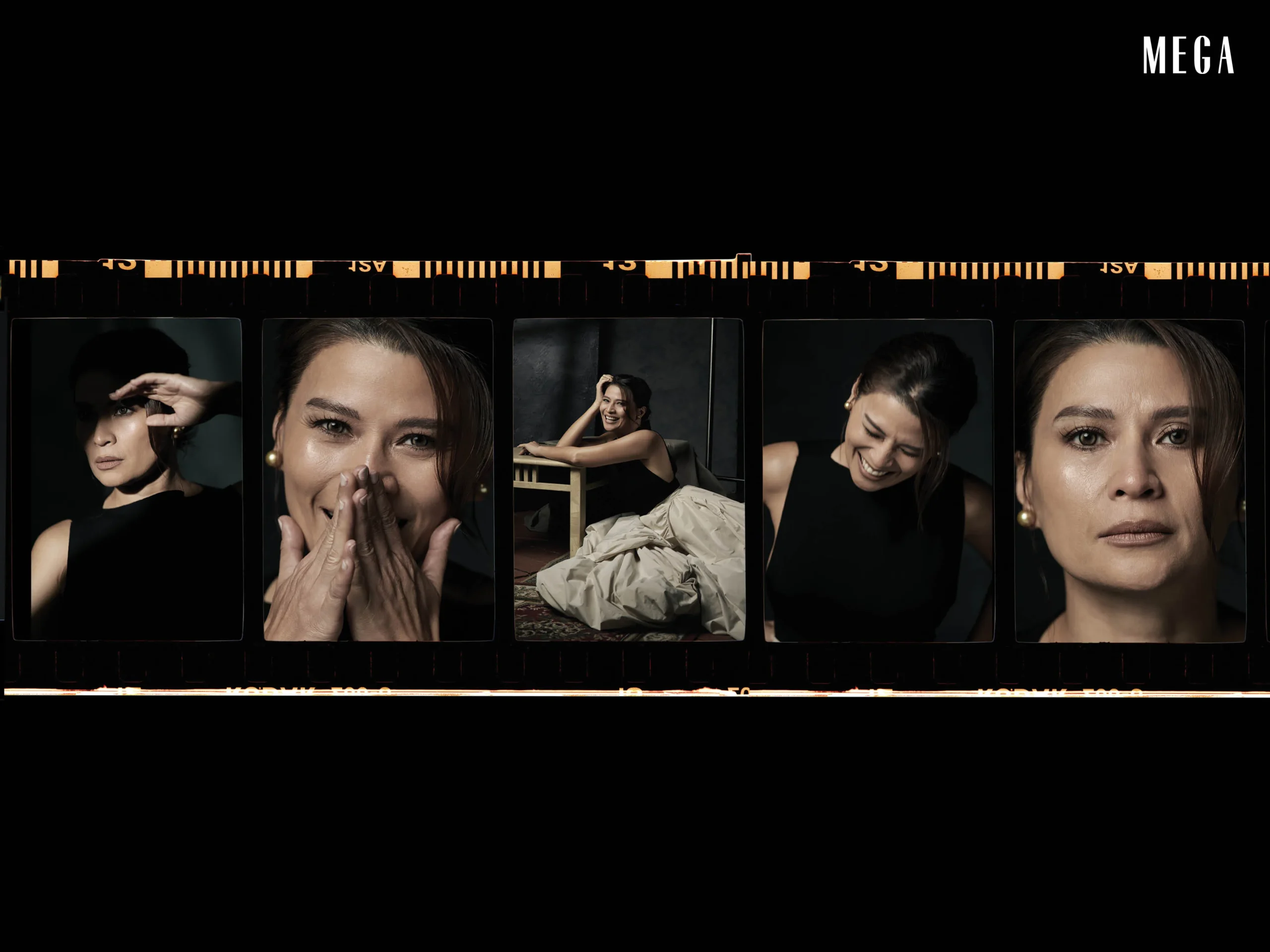
“For me, it’s not with the craft that I’m doing, but with everything that’s going on,” she explained. “I think we are more empowered because we can do things that women did not think that they were able to do, or voice out, or move before. Ngayon lang natin nagagawa [we could only do it now].”
Still, Dizon believes Filipino cinema has long understood the strength of women, even before society fully caught up. “Filipino films in the past portrayed women as strong before. Ahead of its time, I would think,” she observes. “Maski na pinapakita ko na lalamya-lamya, nagiging heroine sila in the end.”
Even women initially portrayed as fragile eventually emerged resilient, complex, and powerful—qualities Dizon continues to seek in the roles she takes today. Now decades into her career, she hopes to portray stories that carry purpose and emotional weight. “In Filipino, we call it makabuluhan. I want to make sense, hindi lang basta role.”
It may have taken years for Mylene Dizon to fully embrace acting as an art form, but in staying, she discovered not only her passion but also the kind of stories, and women, she wanted to give meaning to. In the process, she quietly became one of the finest actresses of her generation.
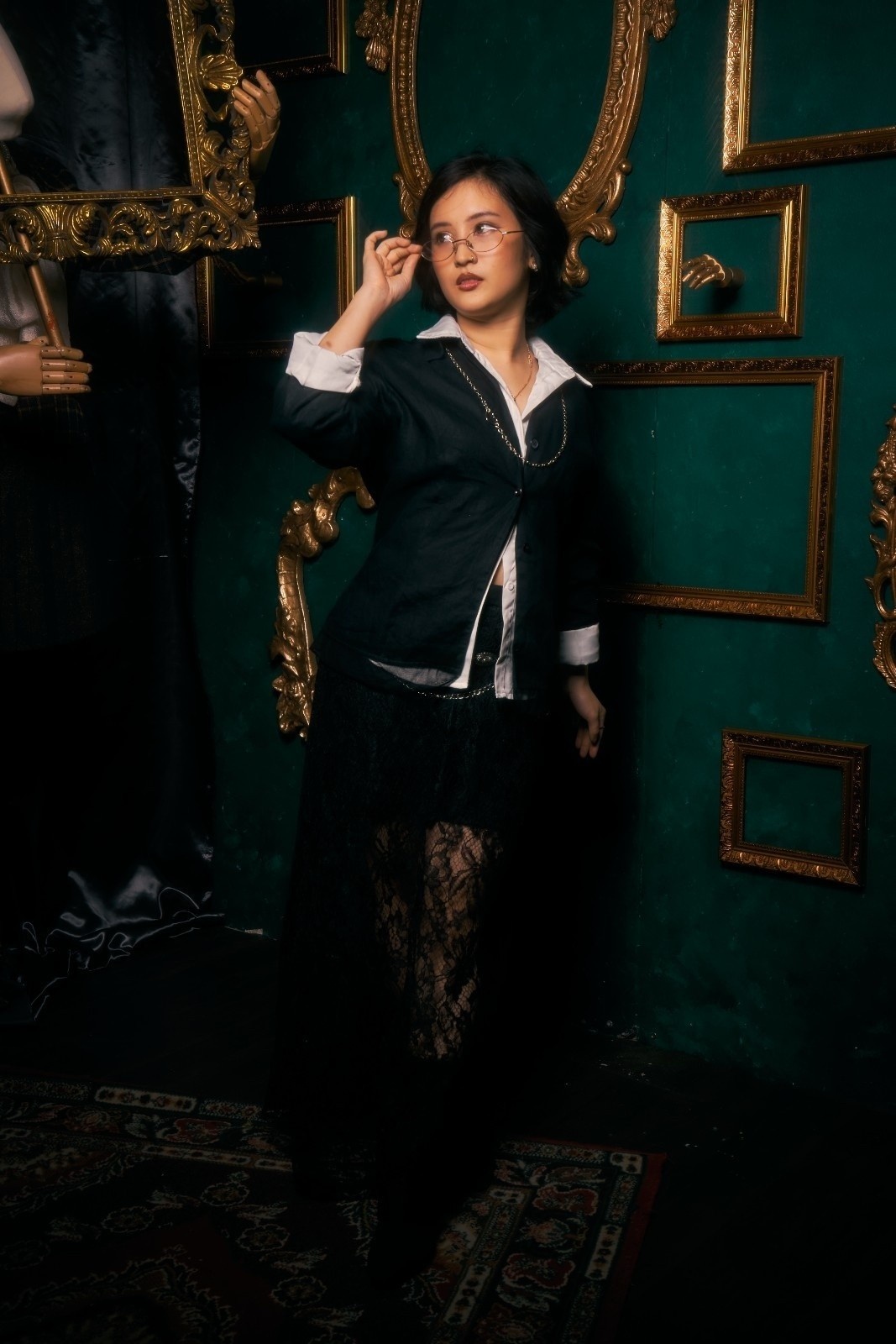
Photographed by JERICK SANCHEZ. Creative Direction by PATRICK TY. Art Direction by CLARE MAGNO and BRIE VENTURA. Beauty Direction by AGOO AZCUNA-BENGZON assisted by MARA GO. Sittings Editor PEEWEE REYES-ISIDRO and TREISHA ROVERO. Produced by THESSMAR LECTURA. Image retouching by JONES PALTENG and TROY NONATO. Hair by JOBEN DINGLASAN. Makeup by GERY PENASO. Nail Grooming by CRISTINE S. CRISTOBAL, ROWENA D. AYALA, RONA T. SALAZAR, and ANGELYN D. ALVERIO of THE GETAWAY BODY & NAILS SPA. Styled by STEVEN CORALDE, JIA TORRATO, and NIÑA CUYANA of QURATOR INC. Production Design by ARJ MADARANG of JAGGER STUDIOS. Photography Assistants KARL RIMANDO, BUDDY REYES, DAVE ORPILLA, and RYAN ALBANO