



This is an excerpt from the June 2026 Special Issue. Subscribe to MEGA Digital All-Access to read the full story.
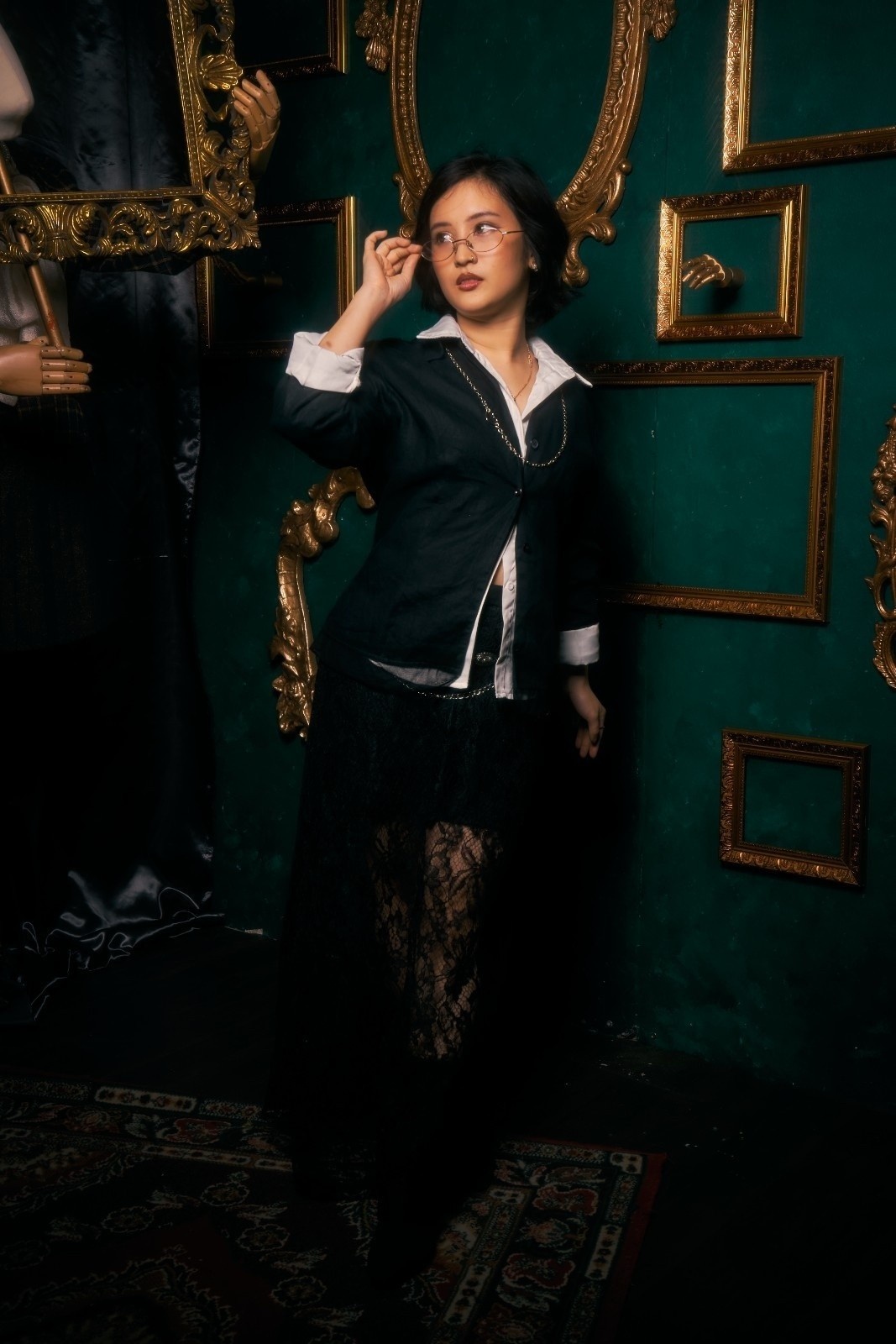
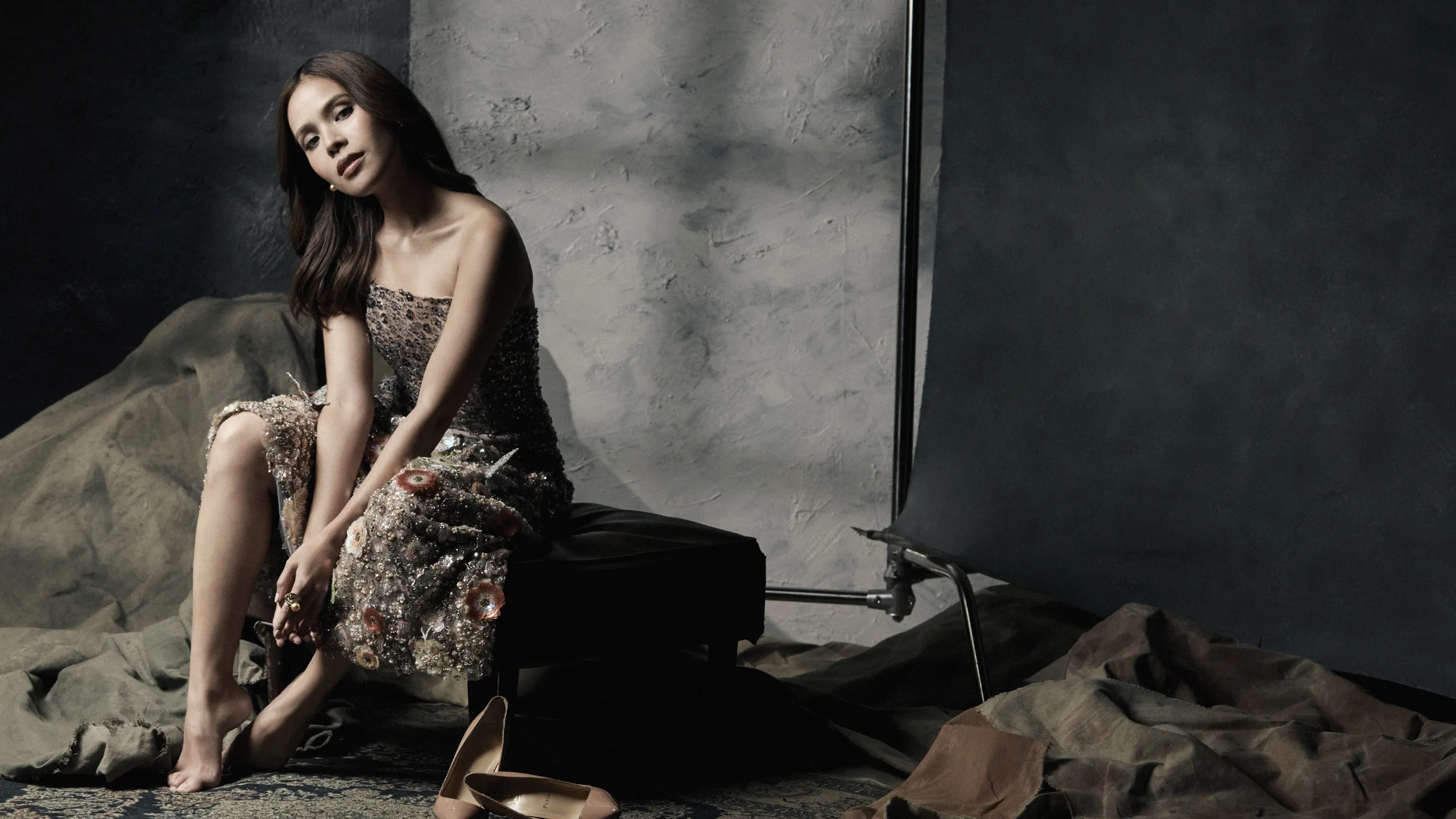
Gabby Padilla had been acting for years, but it was Billie & Emma that first made her feel like an actress. It was the only time she had considered herself as one, she admits. “It was also the first time I felt like the character was as much mine as it was Samantha Lee’s.”
RELATED: Eugene Domingo Sees Every Role as an Opportunity to Learn
The role earned Padilla a FAMAS Best Actress nomination and marked her arrival in Philippine independent cinema. More importantly, it shaped the kind of stories she wanted to pursue moving forward. “We really built Emma together,” she says of her collaboration with Lee. “It was the first time I felt like a working actor.” To this day, Billie & Emma remains deeply special to her—not only because of what it represented in her career, but because of the story it chose to tell.
The film resonated deeply with queer audiences and women alike, centering a young woman’s agency in a way rarely seen onscreen. Since then, Padilla has remained intentional about choosing projects that speak to something larger than herself.
Padilla approaches acting through two equally important forces: discipline and vulnerability. “Discipline in the sense that before I step on set, everything has to be done homework-wise so that I’m ready when I’m on set. And to be in that place of vulnerability where I can be open to just exploring and playing with the character,” she explains.
Still, vulnerability comes with its own weight. For Padilla, structure is necessary—not only for the performance itself, but for protecting her emotional well-being as an actor. “It’s a slippery slope because you’re dealing with real emotions, real experiences, real traumas,” she says candidly, crediting Kono Basho for helping her develop a healthier emotional process as an actor.
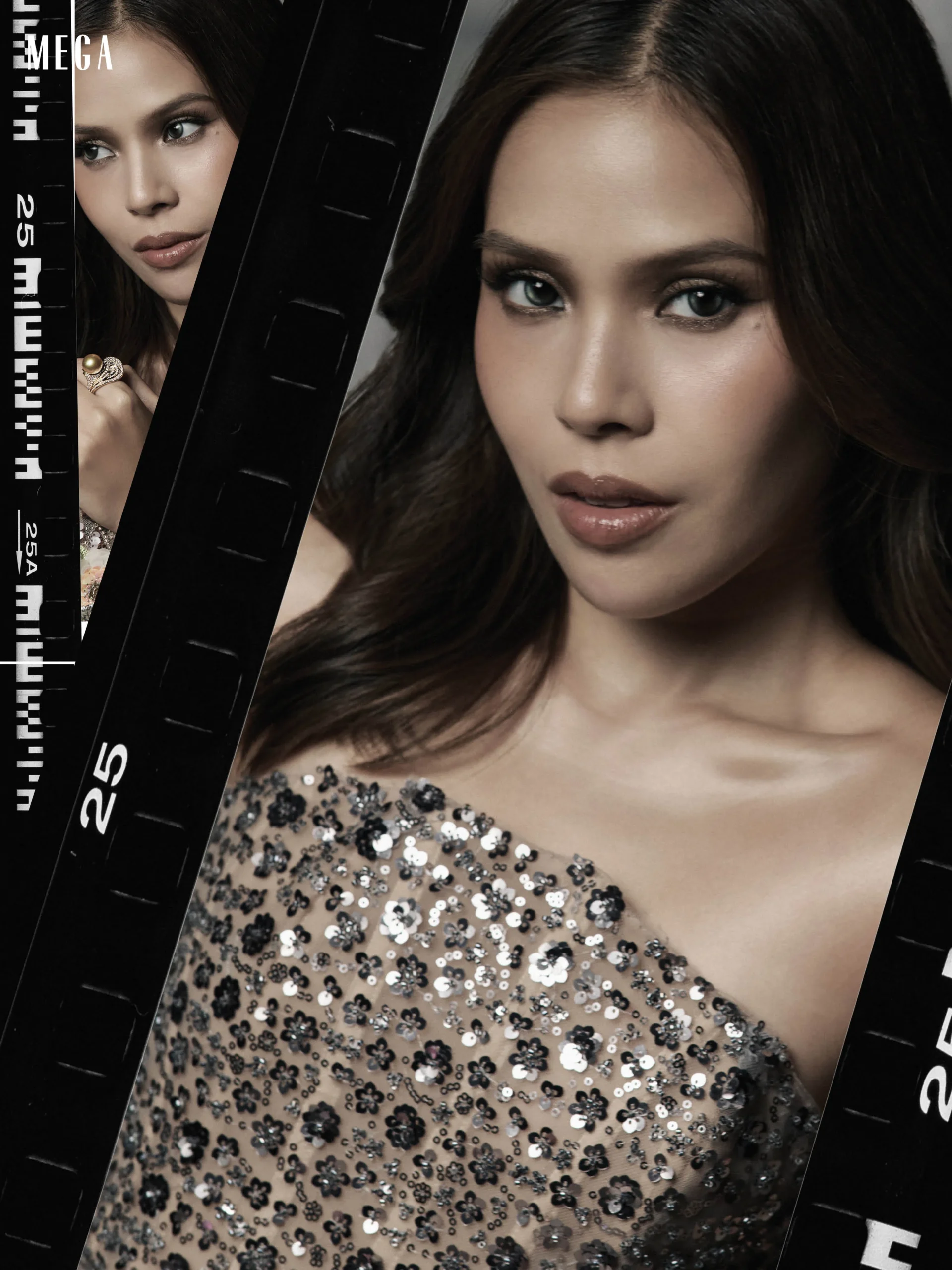
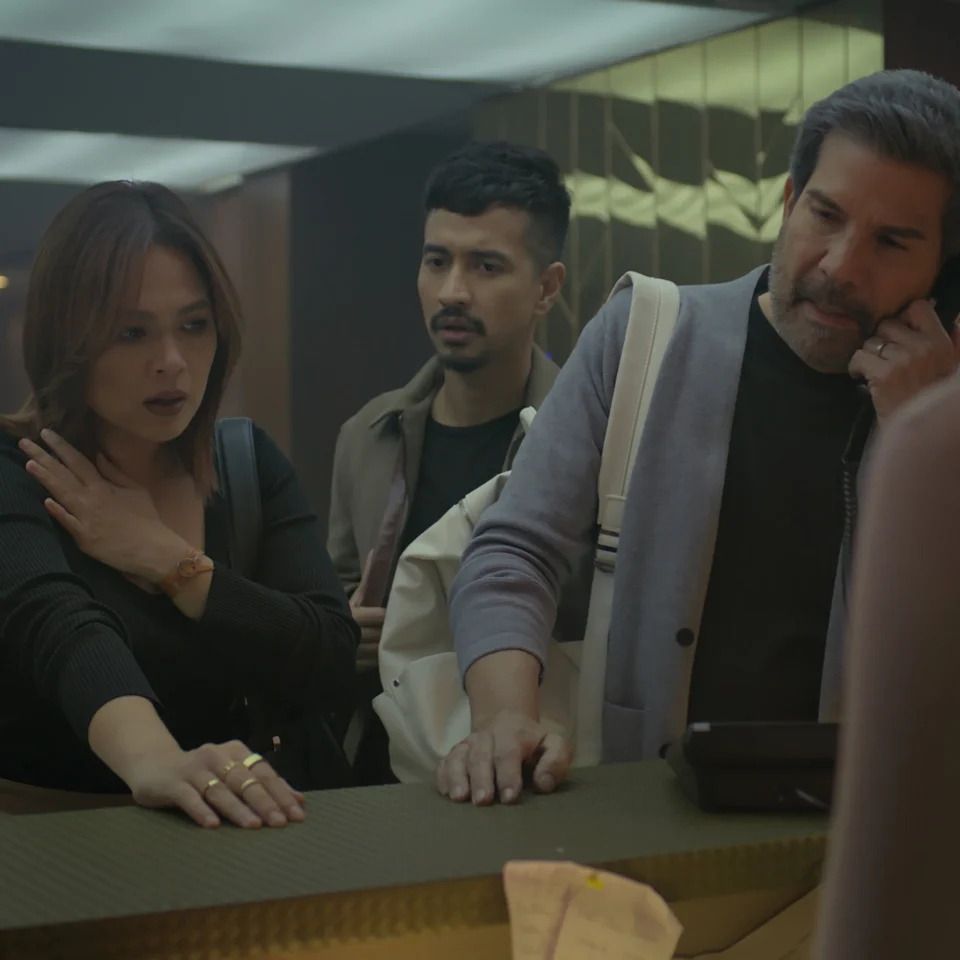
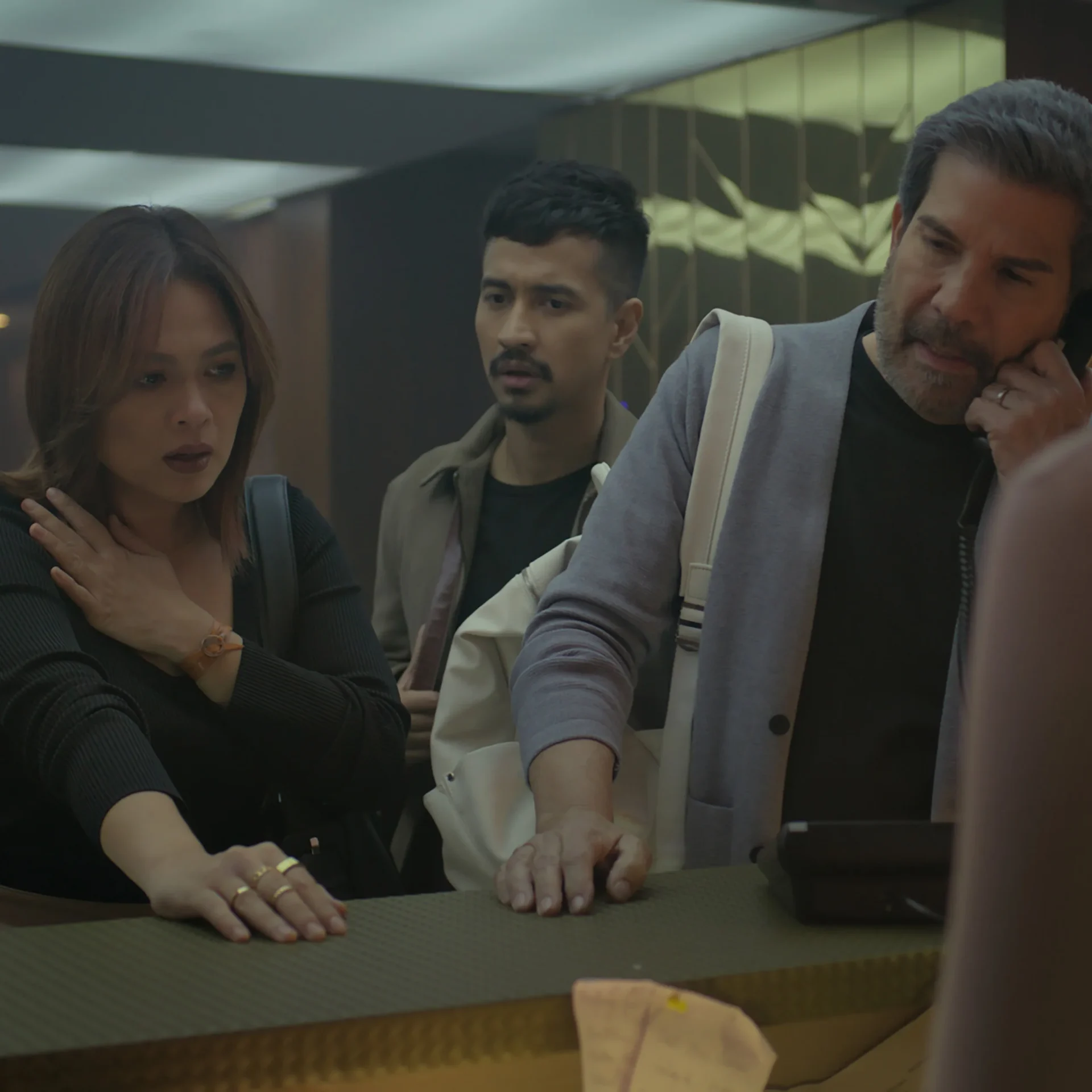
“It really hit close to home with Kono Basho. I had to return to a lot of my personal experiences with loss. But what made it easier was the team that understood that we needed to go there and come back together,” Padilla shares.
The aftercare following emotionally demanding scenes became just as important as the immersion itself. It reflects a larger understanding of sustainability in acting—knowing how to give emotionally without completely losing yourself in the process. “It’s knowing and understanding your instrument and what you need during and after a scene. And when you’re lucky, you have a team that is supportive and mindful.”
Now a decade into her career, Padilla remains deeply grateful to the filmmakers who first believed in her. Her first film, Dahling Nick (2015), directed by Sari Dalena, introduced her to the collaborative spirit of independent cinema—one that continues to define the kinds of creative spaces she gravitates toward today.
“I had my start in the industry thanks to a lot of women who took their chance on me,” she shares. “At this point in my career, it brings me joy when I get to work with young, up-and-coming filmmakers.”
In rooms filled with women, Padilla feels especially empowered. Beyond representation onscreen, she values the presence of distinct female voices behind the camera and within the storytelling process itself. “It matters who you see on the screen, but it also matters who’s in the room when we’re telling the story, and whose story we’re telling.”
As Gabby Padilla continues to evolve as an actress, she remains committed to telling stories that give women the complexity she once longed to see herself. Whether through queer cinema or intimate independent films, her work continues to move with intention—guided by the belief that storytelling can make people feel seen in ways that linger long after the screen fades to black.
Photographed by JERICK SANCHEZ. Creative Direction by PATRICK TY. Art Direction by CLARE MAGNO and BRIE VENTURA. Beauty Direction by AGOO AZCUNA-BENGZON assisted by MARA GO. Sittings Editor PEEWEE REYES-ISIDRO and TREISHA ROVERO. Produced by THESSMAR LECTURA. Image retouching by JONES PALTENG. Hair by MATT LEDESMA assisted by GABRIEL GARCIA. Makeup by GERY PENASO. Nail Grooming by CRISTINE S. CRISTOBAL, ROWENA D. AYALA, RONA T. SALAZAR, and ANGELYN D. ALVERIO of THE GET AWAY BODY & NAILS SPA. Styled by STEVEN CORALDE, JERMAINNE LAGURA, and NIÑA CUYANA of QURATOR INC. Production Design by ARJ MADARANG of JAGGER STUDIOS. Photography Assistants KARL RIMANDO, BUDDY REYES, DAVE ORPILLA, and RYAN ALBANO
Frequently Asked Questions
Padilla considers Billie & Emma, directed by Samantha Lee, her true arrival as an actress. The role earned her a FAMAS Best Actress nomination and marked her entry into Philippine independent cinema — a collaboration she describes as the first time she felt like a working actor, building the character alongside her director.
She works through two equally weighted principles: discipline and vulnerability. Discipline means arriving on set with all homework complete — research, character preparation, emotional groundwork. Vulnerability means remaining open to exploration and play once the camera rolls, trusting the preparation enough to let go of it in the moment.
Filming Kono Basho required Padilla to revisit personal experiences with loss, and she credits the production’s team culture with making that process sustainable. The experience reinforced her understanding of emotional aftercare — knowing what she needs during and after demanding scenes, and the value of a crew that actively supports that process.
Since Billie & Emma, she has remained intentional about choosing work that speaks to something larger than herself — prioritizing stories that center women’s agency and queer experiences rarely seen onscreen. She gravitates toward independent cinema and collaborative spaces shaped by distinct female voices both in front of and behind the camera.
For Padilla, representation is as much about the creative room as it is about the screen. She argues that whose perspective shapes the narrative — the writer, the director, the producer — determines whether women are portrayed with genuine complexity. Onscreen visibility without female authorship, in her view, is incomplete representation.