



This is an excerpt from the June 2026 Special Issue. Subscribe to MEGA Digital All-Access to read the full story.
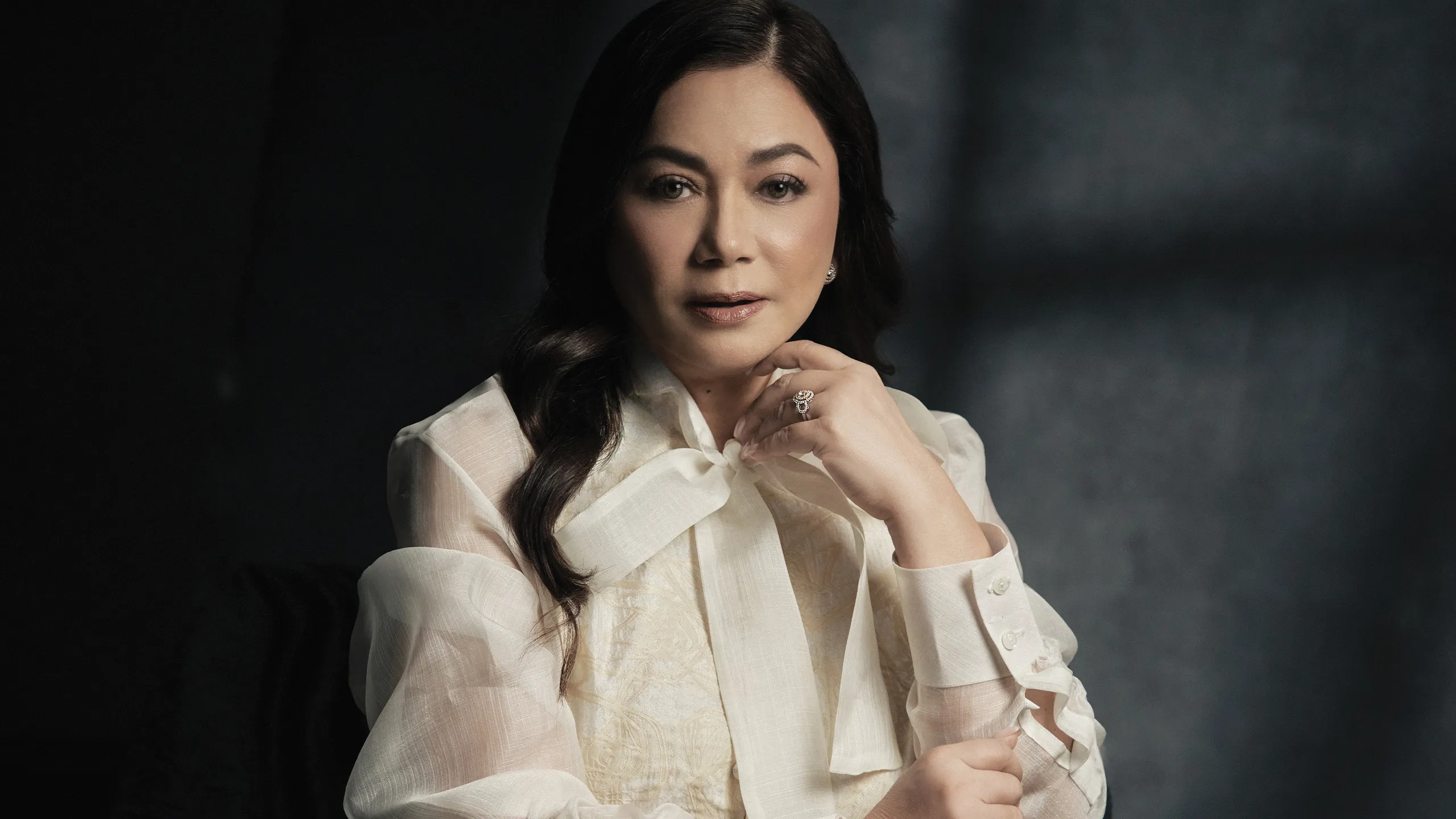
It is acclaimed Filipino director Lino Brocka that instinctively comes to mind when Dina Bonnevie is asked to recall a moment that affected her deeply. “I learned so much about the craft of acting, and he challenged me to go deeper, to be truthful, fearless, and intentional in every role I portrayed,” the actress shares. “(Acting) can also be a powerful platform to reveal truth and bring attention to issues society must confront.”
RELATED: The Shining Legacy of Maricel Soriano
With numerous Best Actress awards under belt, Bonnevie believes that her greatest achievement may be her enduring commitment to portraying stories with honesty. She specifically points to Orapronobis (1989) and Gumapang Ka sa Lusak (1990) where themes of corruption and dictatorship within Philippine history are explored. She faced consequences from being a part of those projects, including death threats. Yet rather than discourage her, the experience strengthened her commitment to faith.
To act is to be disciplined and vulnerable. Both are required: discipline for carefully preparing and studying the role you have been assigned, as Bonnevie states, and vulnerability for completely immersing yourself in the scenes and being genuinely moved by the emotions. Acting is essentially a state of being.
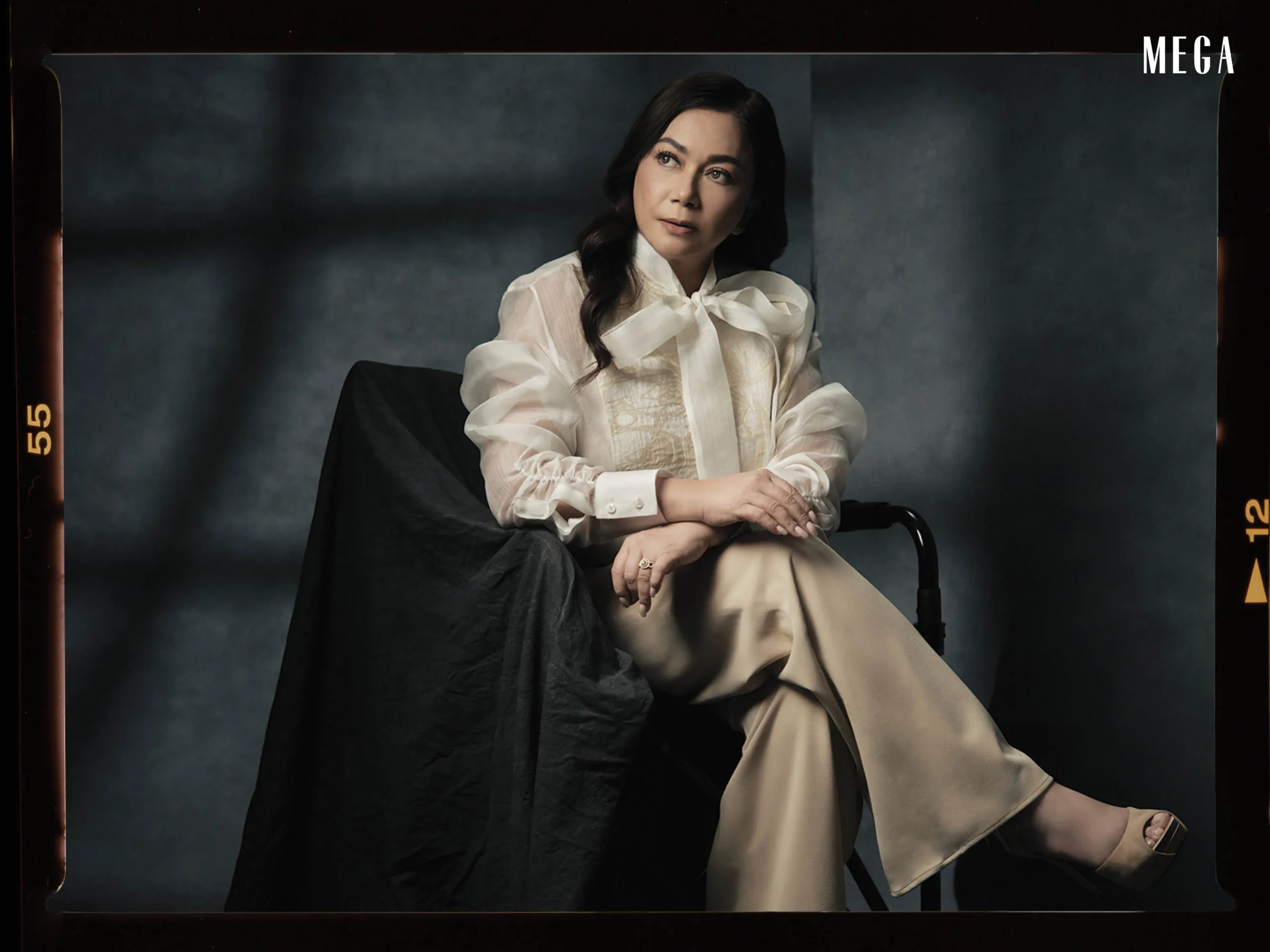
“I imagine a pair of shoes labeled with my character’s name—containing all the qualities of that role, both good and bad,” Bonnevie mentions, “wearing” the shoes before a take and removing them after. “At the end of a shooting day, especially after portraying darker or emotionally heavy roles, I intentionally meditate and separate myself from the character so that I do not absorb their negativity into my own life.”
After decades in the industry, philosophy has become one of her strengths. “There are moments when a scene partner gives very little emotionally, and yet you must still find a way to breathe life into the moment, to stimulate the scene and create something truthful,” Bonnevie says. “That, to me, is artistry.”
As women continue to shape the entertainment industry in new ways, Bonnevie views empowerment as having the confidence to contribute ideas and participate meaningfully in the creative process.
Dina Bonnevie remains utterly steadfast in her beliefs. Art, in her view, carries responsibility, and acting requires honesty. “For me, storytelling should always have purpose,” she affirms. “Every role, every performance, and every form of artistic expression should leave something valuable behind.”
Photographed by JERICK SANCHEZ. Creative Direction by PATRICK TY. Art Direction by CLARE MAGNO. Beauty Direction by AGOO AZCUNA-BENGZON assisted by MARA GO. Sittings Editor PEEWEE REYES-ISIDRO and TREISHA ROVERO. Produced by THESSMAR LECTURA. Image retouching by JONES PALTENG and TROY NONATO. Hair by MATT LEDESMA assisted by GABRIEL GARCIA. Makeup by PATRICIA ACEJO. Styled by KRISSIE TERUEL. Photography Assistants KARL RIMANDO and BUDDY REYES
Frequently Asked Questions
Bonnevie is a multiple Best Actress awardee recognized for her commitment to truthful, purposeful performance. She is particularly associated with socially and politically engaged films, including Orapronobis (1989) and Gumapang Ka sa Lusak (1990), both of which explored themes of corruption and dictatorship in Philippine history.
Bonnevie has described her work with the acclaimed Filipino director Lino Brocka as one of the most formative experiences of her career. Brocka challenged her to pursue greater depth, truthfulness, and fearlessness in her performances, reinforcing her belief that acting is a platform for confronting the issues society must face.
Bonnevie uses a visualization practice — imagining a pair of shoes labeled with her character’s name, which she mentally puts on before a take and removes after. Following emotionally demanding shoots, she intentionally meditates to prevent absorbing the character’s emotional weight into her personal life.
Bonnevie views acting as requiring both discipline and vulnerability in equal measure. Discipline guides her preparation — studying the role, its motivations, and its place within the narrative — while vulnerability allows her to fully immerse herself in scenes and respond with genuine emotional honesty during performance.
Bonnevie holds that every role and every form of artistic expression should leave something of value behind. She defines empowerment in the creative context as the confidence to contribute meaningfully to a project, and views purposeful, honest storytelling as the defining standard against which all performance should be measured.