




There is swimwear made for holidays, and then there is swimwear made from geography. For Rocio Zobel, that geography is Calatagan. The coastal town in Batangas gives CALA its name and, in many ways, its language. Land meeting sea, salt in the air, time moving at the pace of tides—the setting sits at the heart of her label, one that treats the Philippine tropics not as postcard fantasy but as material reference. CALA, she has shared, draws directly from her family’s ties to Calatagan and its coastal landscape.
RELATED: 5 Filipino Fragrance Brands That Should Be on Your Radar

How CALA Turns Tropical Textures Into Swimwear
What happens when a swimsuit holds the texture of place? Perhaps it becomes something between swimwear and an artifact. Its first collection, Likha—the Filipino word for creation and craft—starts there.
Crochet weaving becomes the collection’s signature gesture. The red crocheted bikini reads almost floral in construction, its stitched cups unfolding like hibiscus petals. Triangles come sculpted like shells and petals rather than cut from conventional swim fabrics. Shell embellishments fringe cream bikinis like seaside keepsakes collected into a hemlineHemlineThe bottom edge of a garment such as a skirt, dress, or trouser, and its length. Hemlines shift with trends, from micro-mini to floor-sweeping maxi, and can dramatically change anGo to Hemline Glossary.

Elsewhere, bamboo wood details and beadwork appear throughout the pieces. The olive-and-mustard pair with tassel accents recalls woven banig patterns translated into something sun-bound and modern.
Why CALA’s Swimwear Goes Beyond the Beach
Resortwear often borrows from the tropics as aesthetic shorthand: palms, sunsets, a splash of rattan, cue the beach club playlist. CALA approaches the tropics differently. The Philippines is not moodboard material here; it is construction, texture, and source.

The collection also lands at a moment when resort dressing is shifting. Swimwear increasingly leaves the shoreline: bikinis under linen shirts, crochet tops worn to dinners, beach pieces becoming city wardrobes. These are swimsuits for the ocean, certainly, but they also slip easily into the rest of summer. The line between swimwear and ready-to-wear softens.

Appropriately, “likha” means creation. Yet it also feels like a statement of intent. With CALA, Rocio Zobel introduces a label that looks inward—to local craftsmanship, native materials, and the coastline that shaped it. The result is tropical dressing seen through Filipino hands. Made in the Philippines, with saltwater still on its skin.
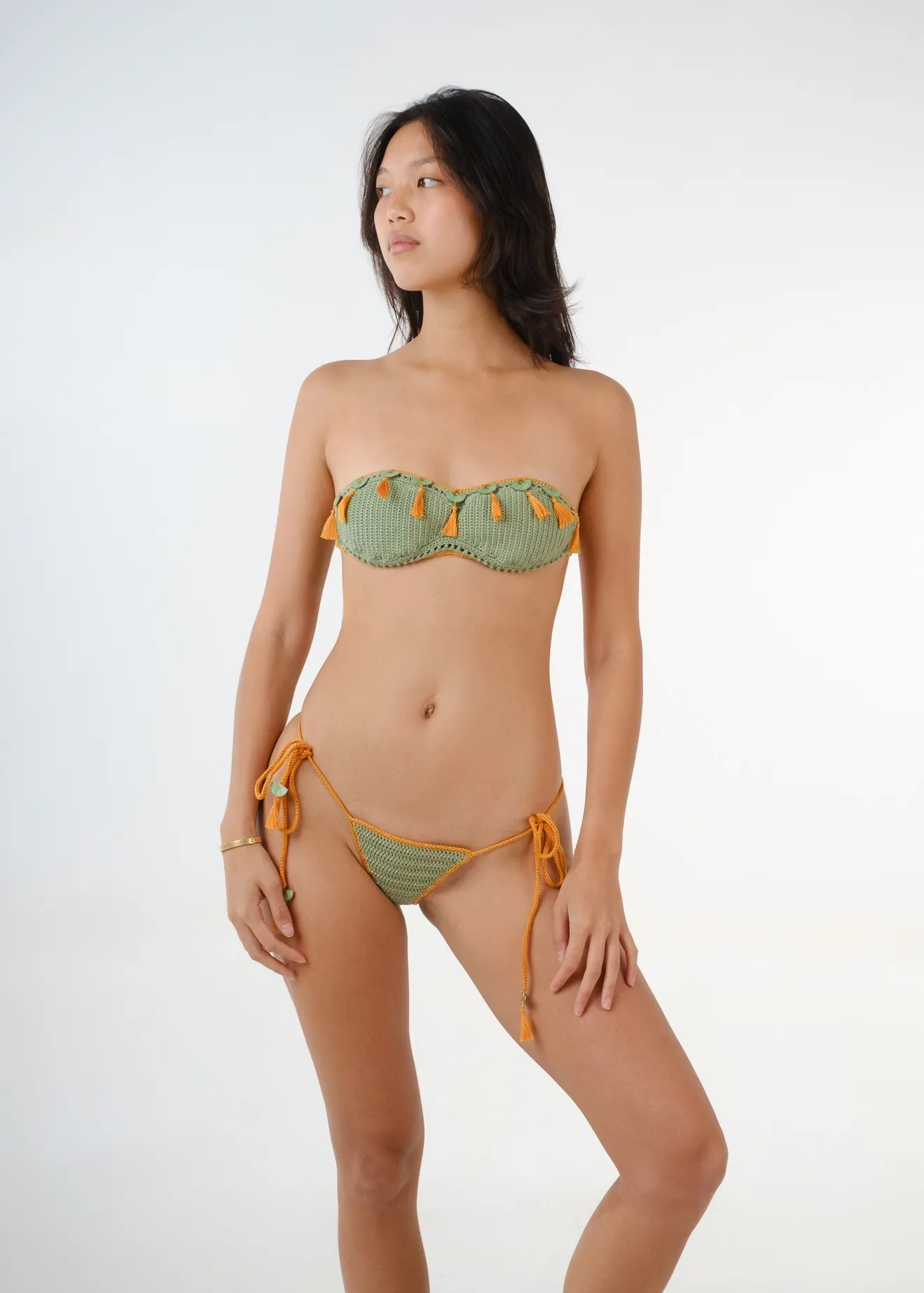
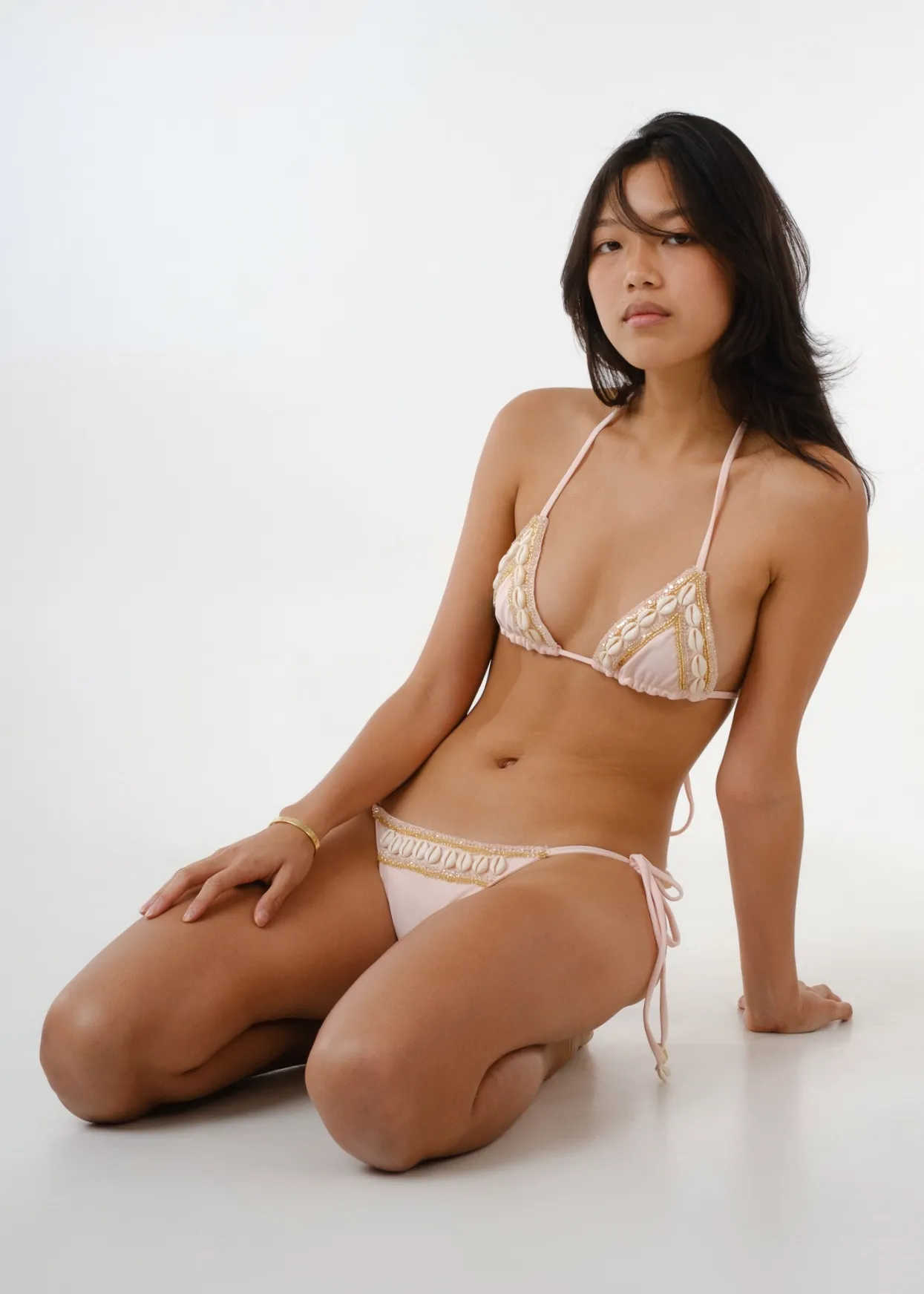
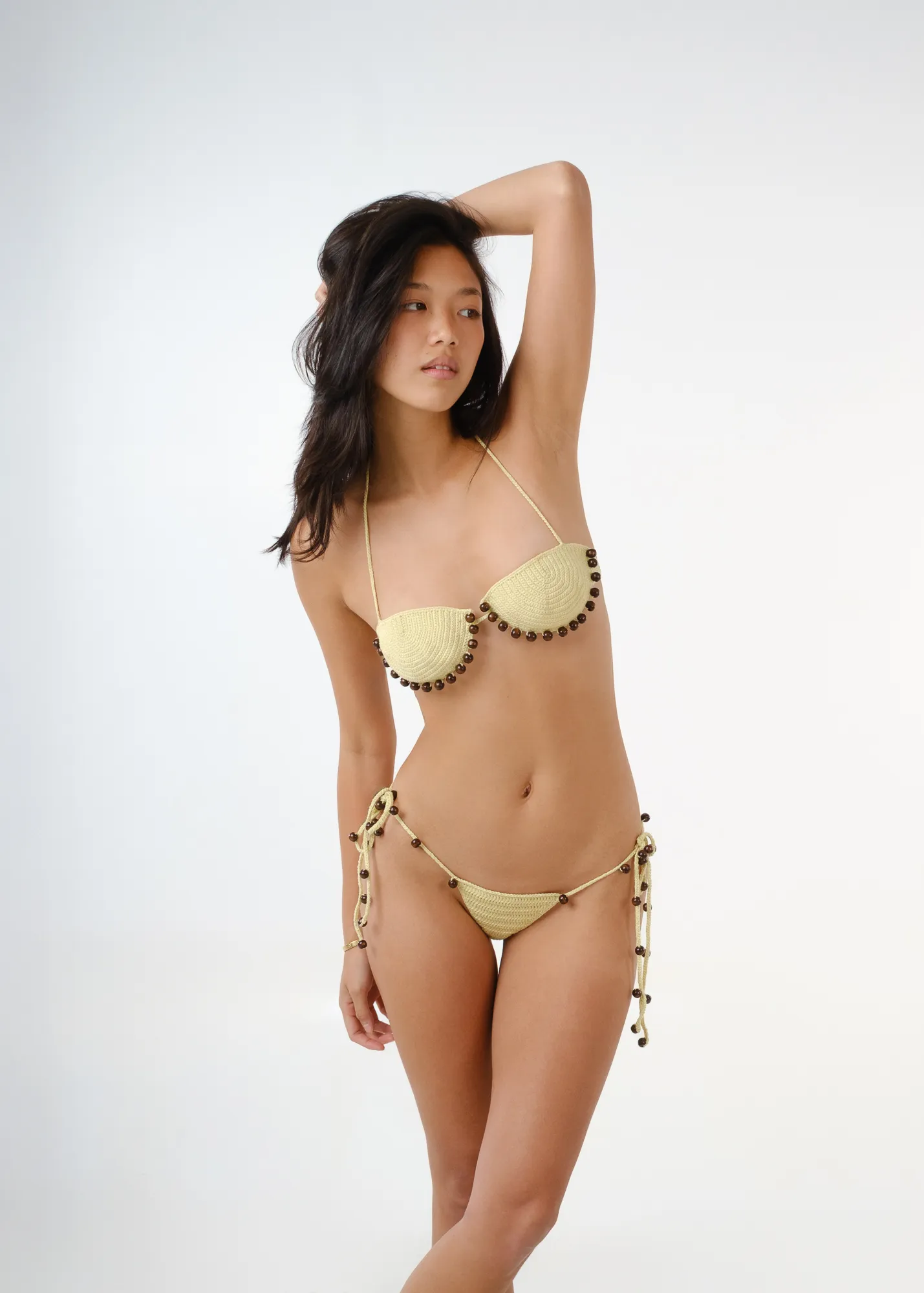


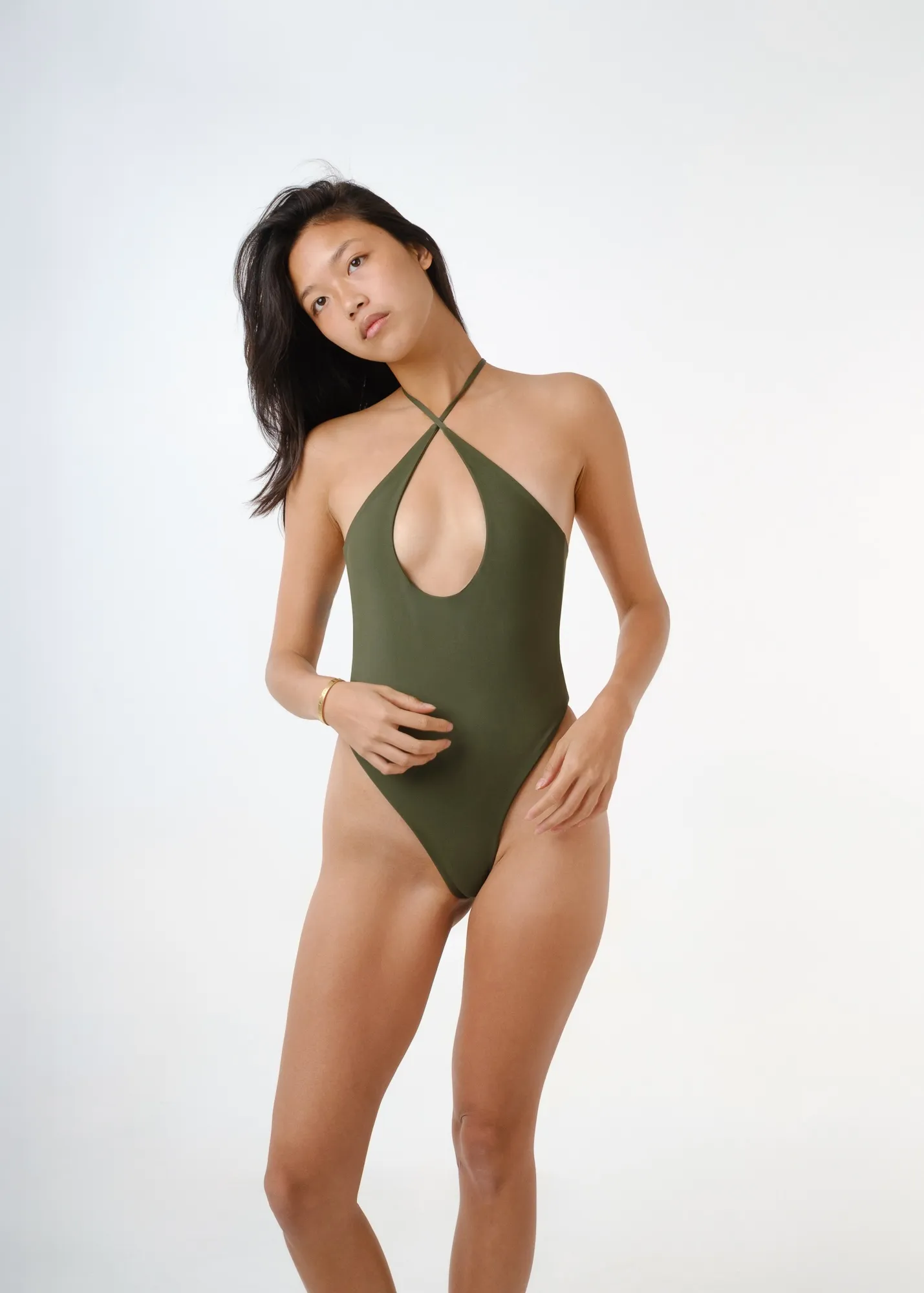
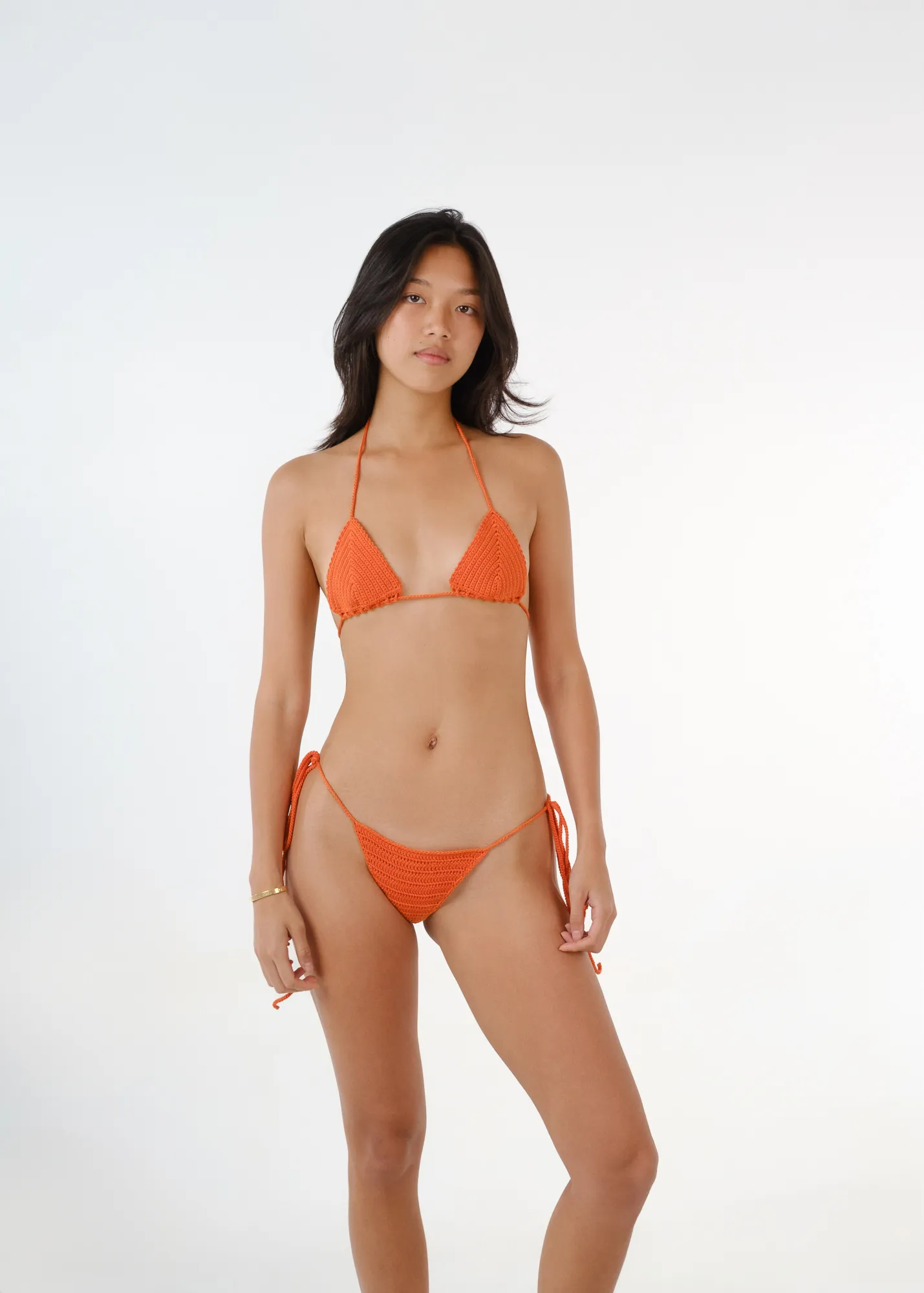
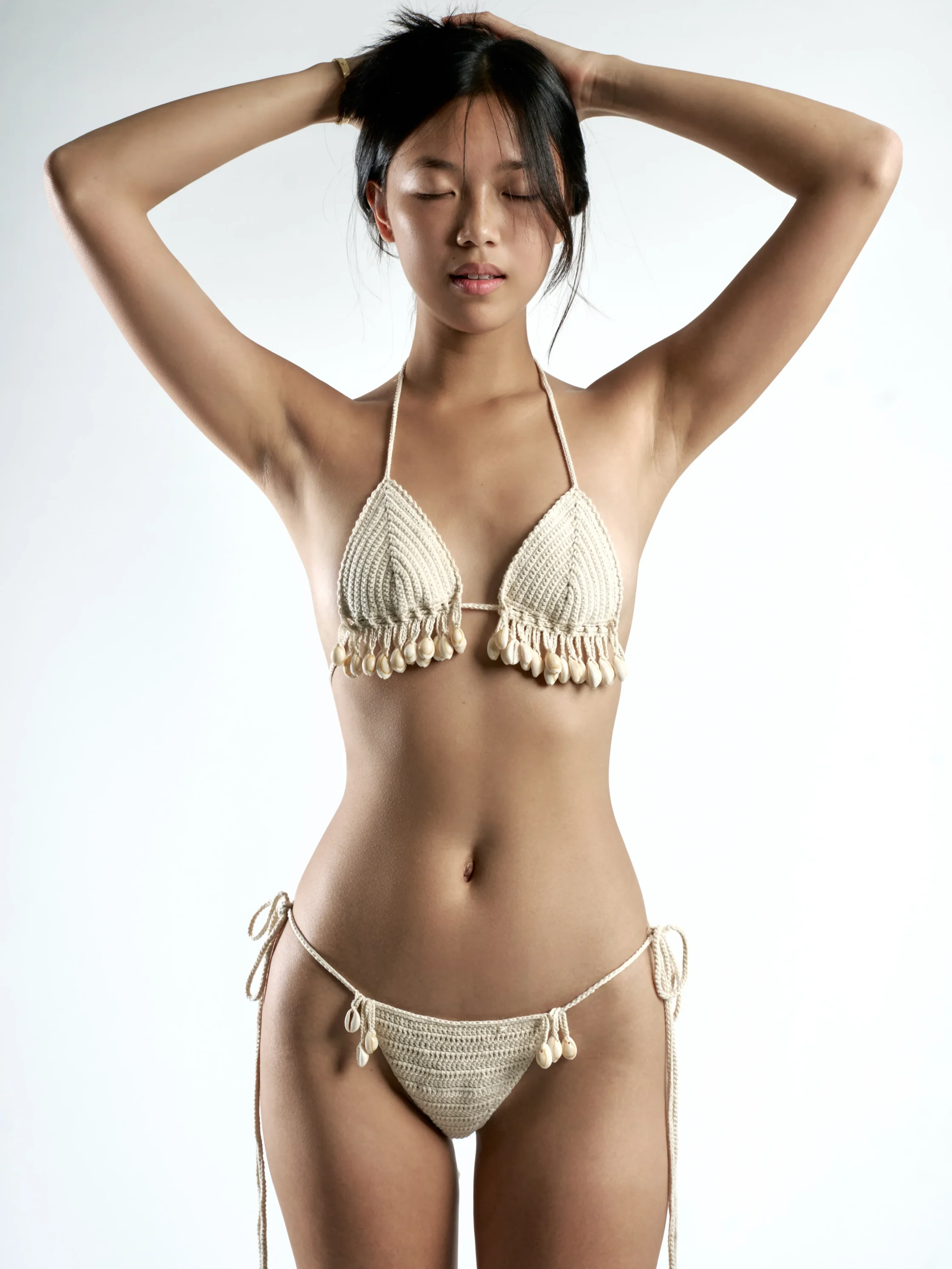
Swipe to see the CALA lookbookLookbookA curated collection of photographs presenting a designer's or brand's latest pieces, styled to show how they can be worn together. Lookbooks serve as visual catalogs for editors, buyers, andGo to Lookbook Glossary
Photos courtesy of CALA
Frequently Asked Questions
The brand gets its name and language from Calatagan, a coastal town in Batangas, Philippines. The swimwear line draws directly from Rocio Zobel’s family ties to the area, treating the local geography, coastal landscape, and tropical environment as a material reference rather than a postcard fantasy.
The debut collection is titled Likha, which is the Filipino word for creation and craft. The name serves as a statement of intent for the brand, highlighting a deliberate focus on looking inward toward local craftsmanship, native materials, and the specific Philippine coastline that shaped the label.
The collection features hand-crafted textures like crochet weaving, with pieces sculpted to look like hibiscus petals, shells, and geometric shapes rather than conventional swimwear cuts. It also incorporates physical seaside keepsakes and native design elements, including shell embellishments, bamboo wood details, beadwork, and tassel accents that recall woven banig patterns.
Instead of using the tropics merely as aesthetic shorthand or moodboard material—like generic palm prints and sunsets—CALA treats the Philippines as the core foundation for construction, texture, and source, showcasing tropical dressing directly through the lens of Filipino hands.
The collection embraces a shifting trend where swimwear increasingly leaves the shoreline and blends into everyday summer wardrobes. The pieces are designed to soften the line between swimwear and ready-to-wear, allowing items like crochet bikini tops to be styled easily under linen shirts or worn out to dinners away from the beach.
Recommended Video
Latest Posts


Latest Issue