




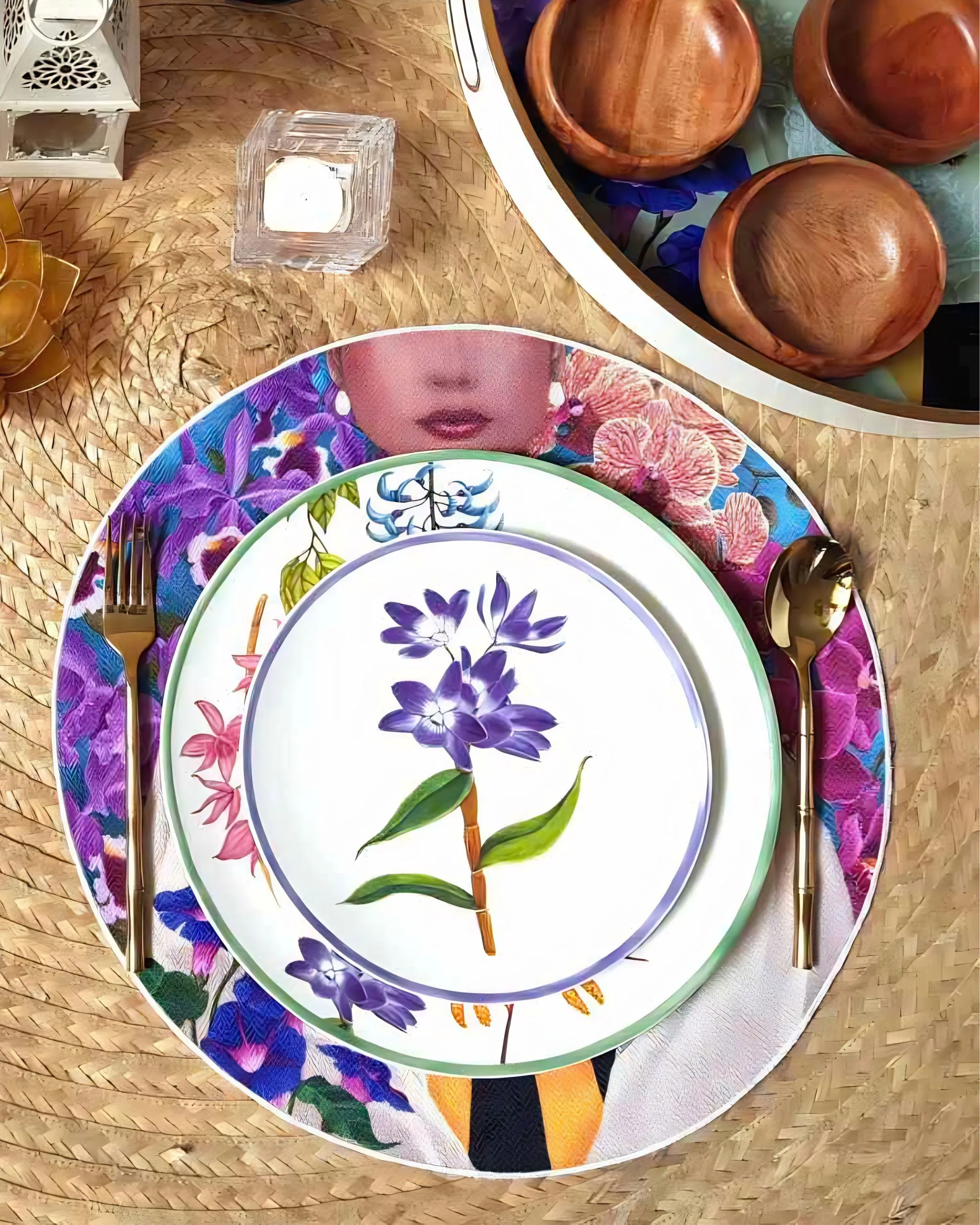
A kalaw perched at the edge of a saucer. Sorbetes rendered in bright, playful strokes. Orchids unfurling across porcelain like they’ve climbed straight out of a garden after the rain. There’s a certain whimsy to Casa Juan’s newest collections—one guided by the distinctly Filipino instinct to find beauty in ordinary things, then make room for them at the table.
RELATED: MEGA’s Favorite Art References at the Met Gala 2026
The homeware brand has always leaned into local identity, working with Filipino artists and artisans to translate culture into objects meant for daily life. Their latest releases turn endemic flora, street food staples, native birds, and even forgotten fruits into pieces that feel deeply familiar to anyone raised within the chaos and charm of the archipelago.
Filipino Native Flowers Inspire Casa Juan’s Porcelain
The “Bulaklak” collection turns the country’s biodiversity into something tactile and lived with. Sanggumay orchids spill across the surface in soft purples; the Renanthera monachica appears in bursts of yellow and red; the blue-violet Dendrobium victoriae-reginae stretches delicately across porcelain. Then, there’s the dramatic and claw-shaped jade vine, akin to science-fiction imaginations.
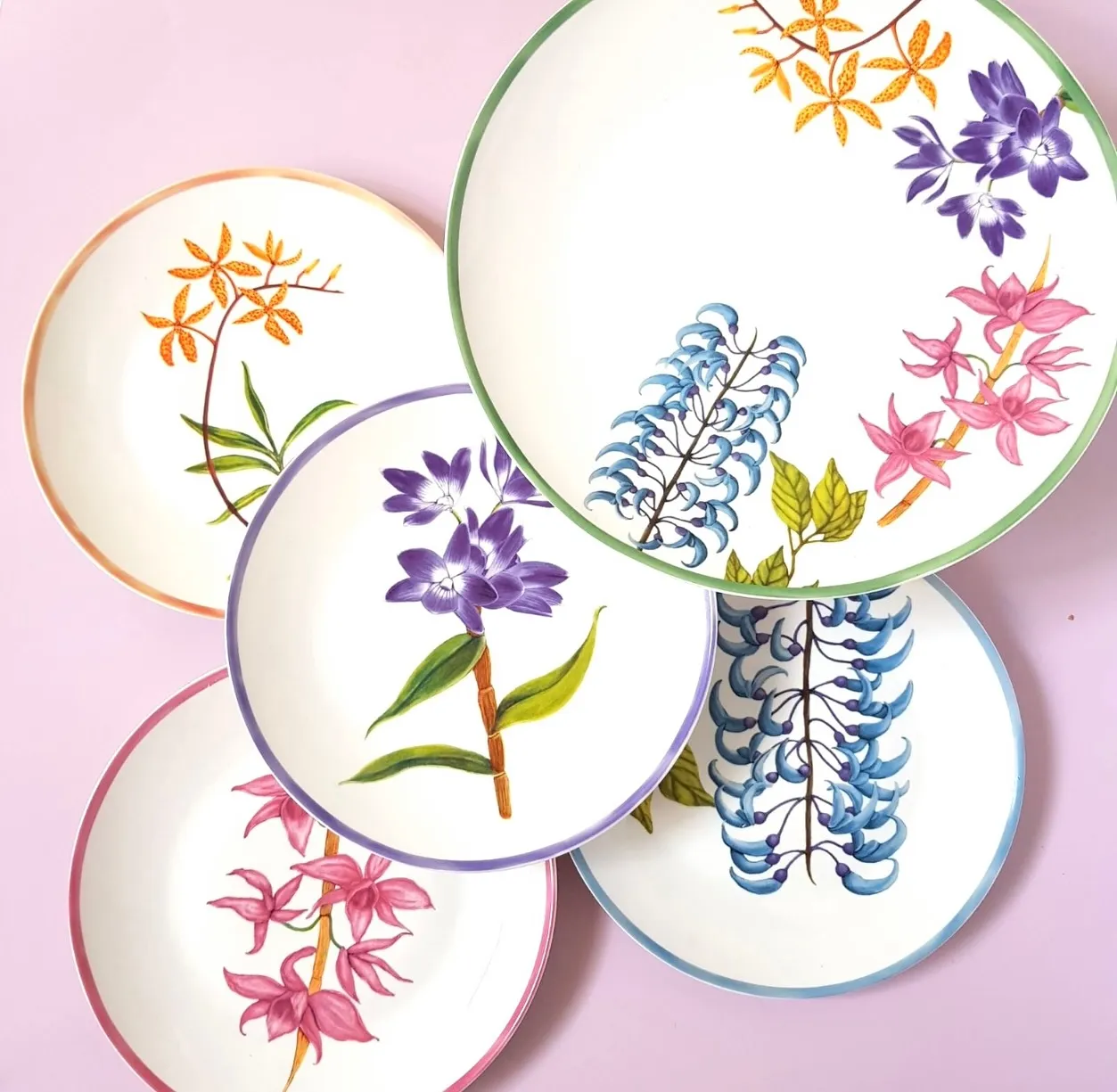
What makes these pieces land isn’t merely the botanical detail. Filipinos know these flowers instinctively, even if not always by name. They appear in gardens, roadside plant stalls, and old family homes with too many pots crowding the gate. The collection understands that memory often arrives visually first.
Filipino Street Food, But Make It Tableware
The “Pinoy Streetfood” series, illustrated by Kora Dandan Albano, trades refinement for play—and becomes stronger for it. Fishballs, taho, sorbetes: the holy trinity of childhood cravings and commuter survival.
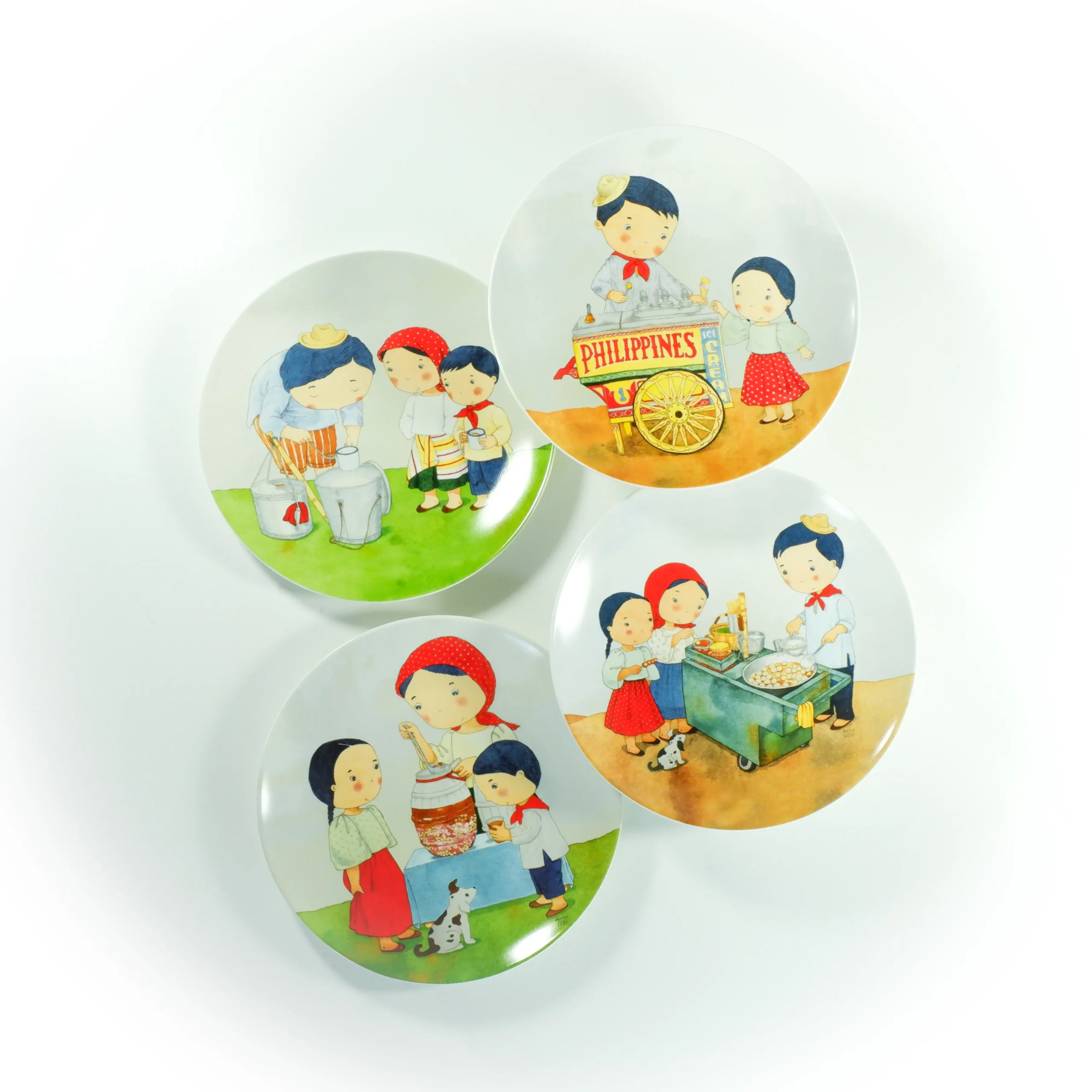
There’s humor here, but also affection. These are foods tied to routine, to sidewalks, to sticky afternoons outside school gates. Filipino street food carries the clang of metal tongs against a fishball cart, the balancing act of carrying taho while half-awake, the panic of melted sorbetes under brutal noon heat. Casa Juan captures that energy without turning it into parody.
Casa Juan Celebrates Philippine Birds, Fruits, and Everyday Folklore
Elsewhere, the “Kalaw” series centers on the Philippine hornbill, a bird known as “the clock of the mountains” because of its regular noontime call. It’s an inspired choice for tableware: a creature tied to rhythm, routine, and the passage of the day, now sitting quietly on cups, trays, and saucers.
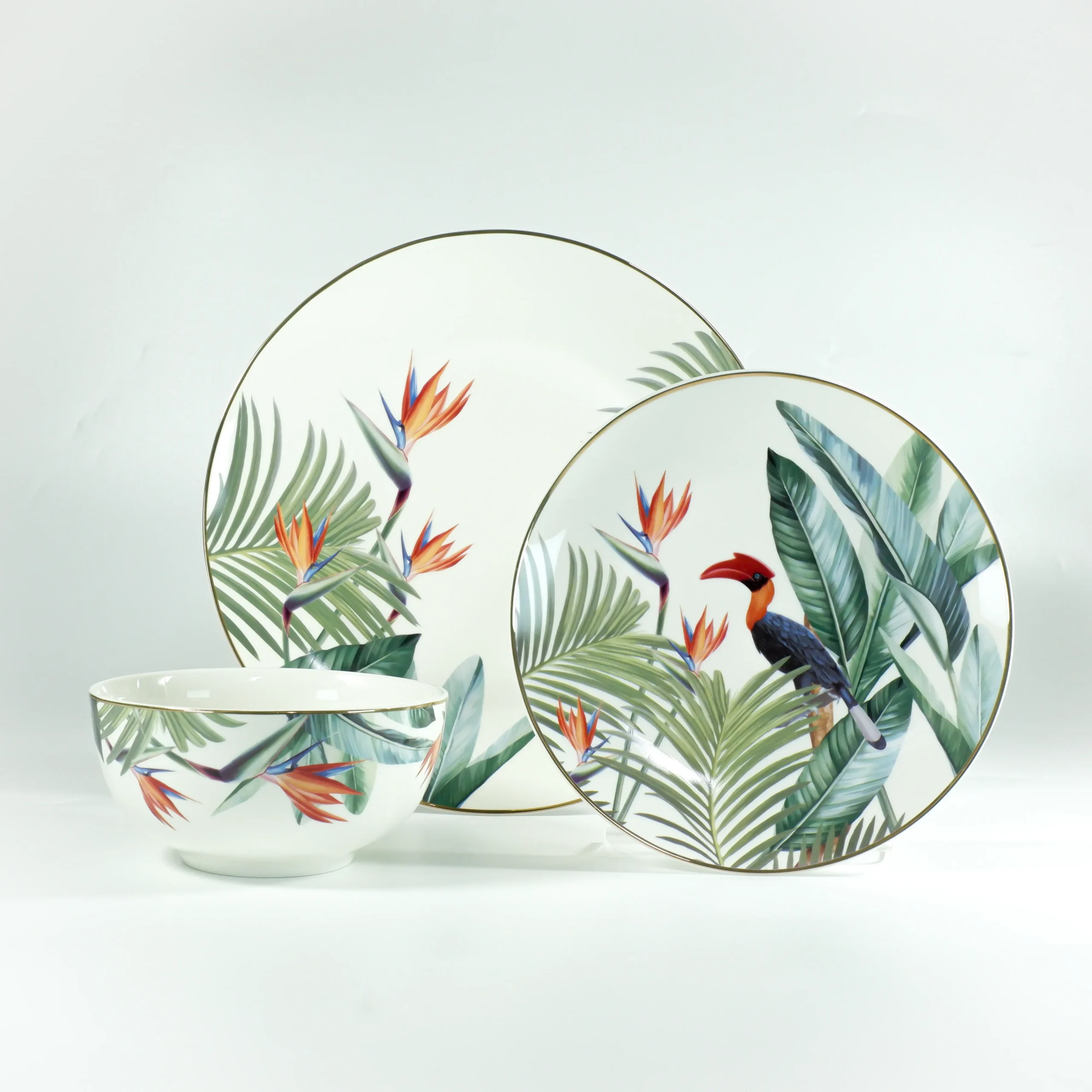
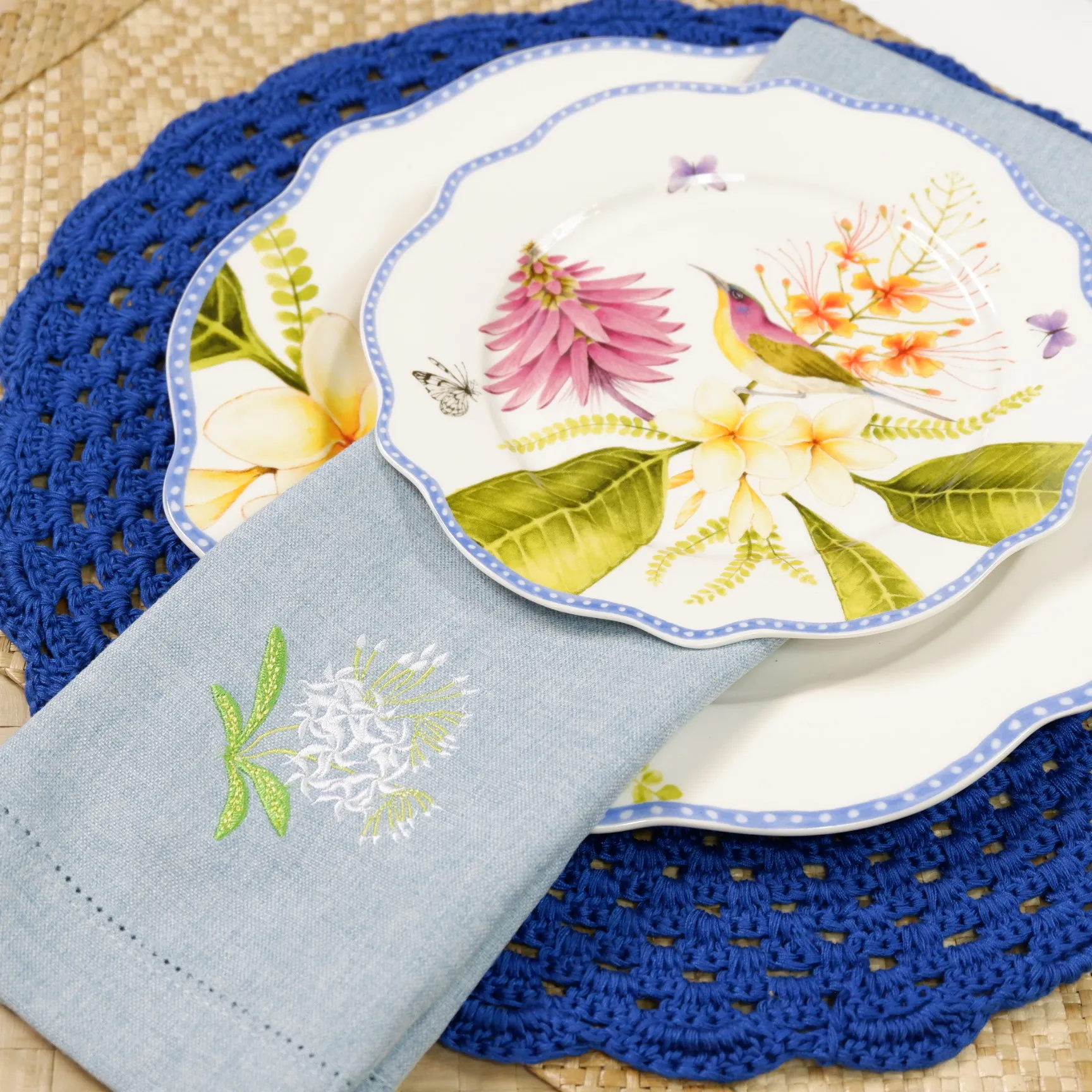
Then, the “Philippine Handsome Sunbird” plates may be the collection’s extroverts. Splashed with vivid yellows, reds, greens, and electric blue, the endemic bird appears perched among tropical flora like it fully understands it’s the best-dressed guest at the table. Its curved bill and jewel-toned feathers mirror the richness of the country’s biodiversity.
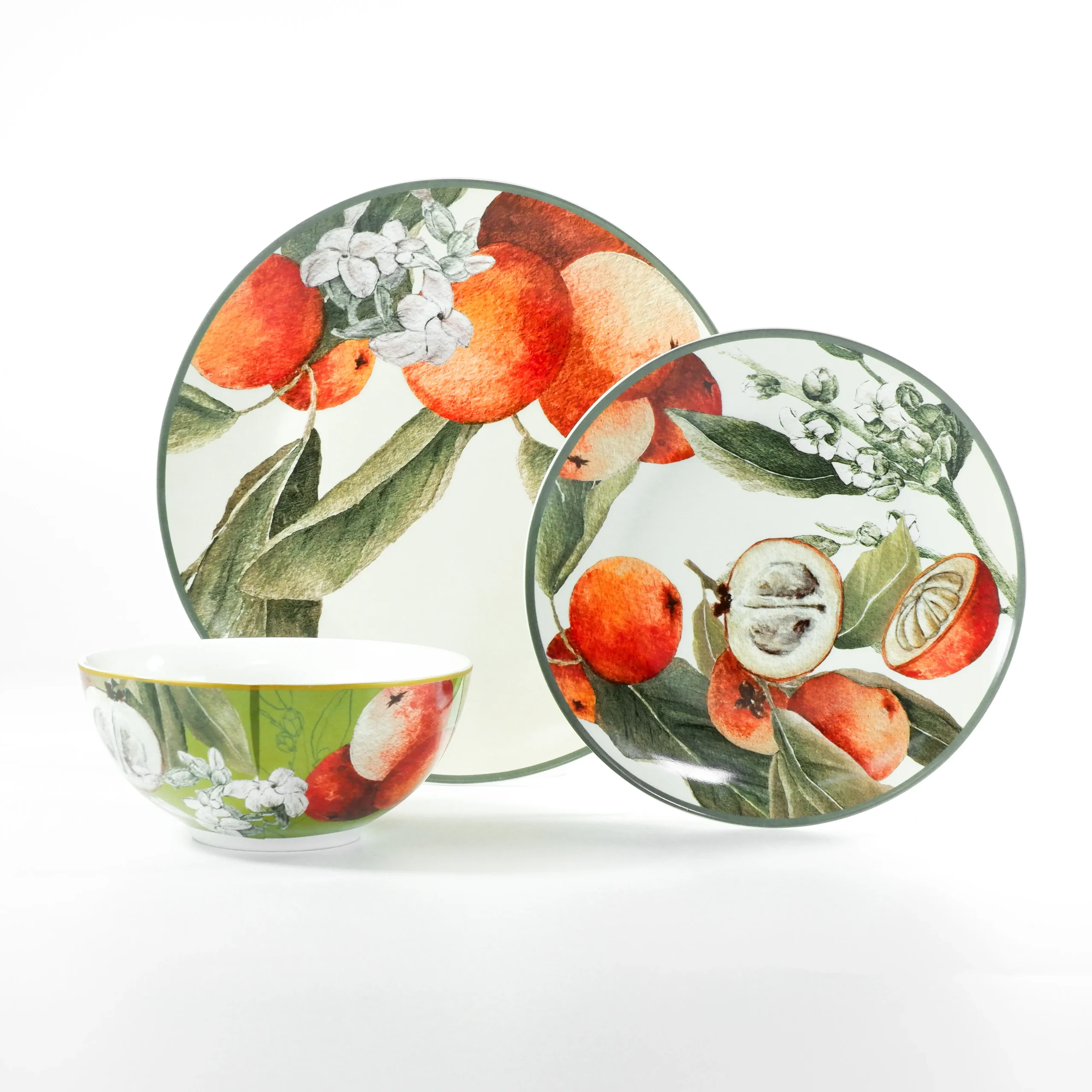
Finally, “Mabolo” collection revives another deeply Filipino curiosity—the velvet apple, soft and velvety with a scent somewhere between fruit and cream cheese, depending on who you ask and how brave they’re feeling. It’s the sort of fruit many Filipinos remember seeing more often than eating, tied to provincial summers, childhood afternoons, old gardens, and the particular heat of home.
That’s where Casa Juan succeeds most. These collections understand that local culture lives in details: in endemic birds, roadside snacks, flowers after rainfall, fruits with strange textures, and objects that quietly populate everyday life until they become part of how home feels. They hold the particularities of Filipino life with familiarity and affection, serving them back to us on porcelain well-loved merienda spread laid across the table.
Photos courtesy of CASA JUAN
Frequently Asked Questions
The brand follows a distinctly Filipino instinct to find beauty in ordinary, everyday things and elevate them for the table. By collaborating with local artists and artisans, Casa Juan translates cultural identity into functional porcelain, turning endemic flora, street food, and native wildlife into objects that evoke a deep sense of familiarity and home.
The collection features tactile renderings of native species like Sanggumay orchids and the dramatic jade vine. Beyond botanical accuracy, these pieces resonate because they mirror the plants found in roadside stalls and crowded family gates, acknowledging that for many Filipinos, memory is often tied to the visual landscape of their surroundings.
This series trades traditional refinement for playfulness, centering on staples like fishballs, taho, and sorbetes. It captures the energy and sensory details of Filipino street life—the clang of metal tongs and the heat of sticky afternoons—without turning these childhood cravings into parody, instead celebrating them as essential parts of the national routine.
As “the clock of the mountains” known for its regular noontime call, the Kalaw is a creature intrinsically tied to rhythm, routine, and the passage of time. Its presence on cups and saucers serves as a symbolic nod to the shared daily cycles of a household.
By featuring the velvet apple—a fruit often remembered from provincial summers and old gardens—the collection revives a specific cultural curiosity. It focuses on the textures and scents of childhood afternoons, using a “forgotten fruit” to anchor the collector’s connection to their personal history and the heat of home.
Recommended Video
Latest Posts




Latest Issue