



Whenever the Met Gala rolls around, most of the fanfare usually revolves around the celebrities in attendance and the glamour on display. But what many may not know is that the Met Gala is meant to raise money for The Metropolitan Museum of Art and welcome the opening of the museum’s spring exhibit.
This year, the exhibit is Costume Art, which explores fashion through centuries of art history, making the point that fashion is art and the relationship the two have had with each other over the generations. Running from May 10 to January 10, 2027, the exhibit will be housed within the newly-made Conde M. Nast Galleries and pairs one piece of art with one garment. But while the show explores decades of art and fashion history, it hopes to also move the industry forward, even if it’s ever so slightly, in the fact that new mannequins featuring different body types were commissioned for the exhibit.
RELATED: MEGA’s Best Dressed Women at the Met Gala 2026
The MET Museum and Its Work Towards Diversity
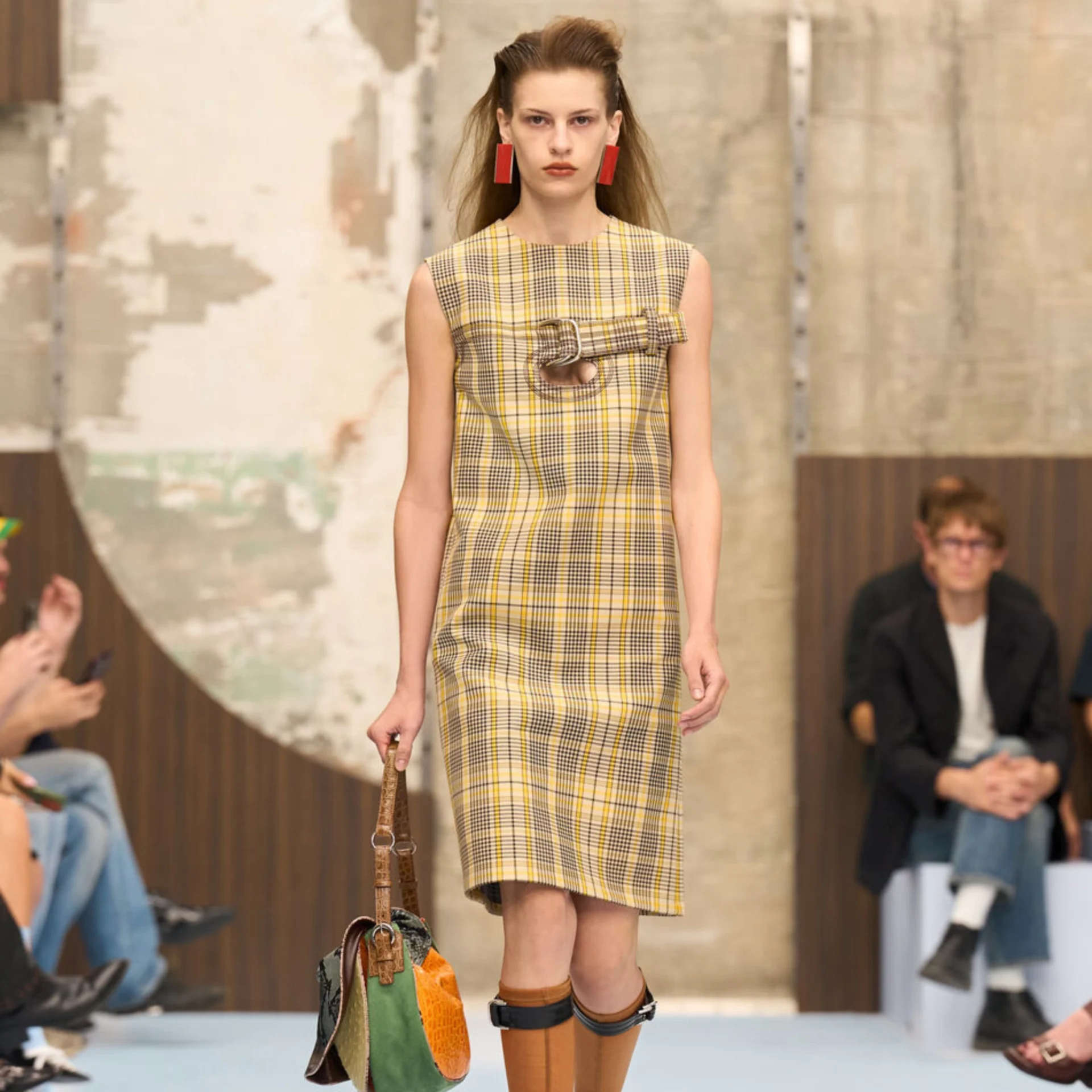
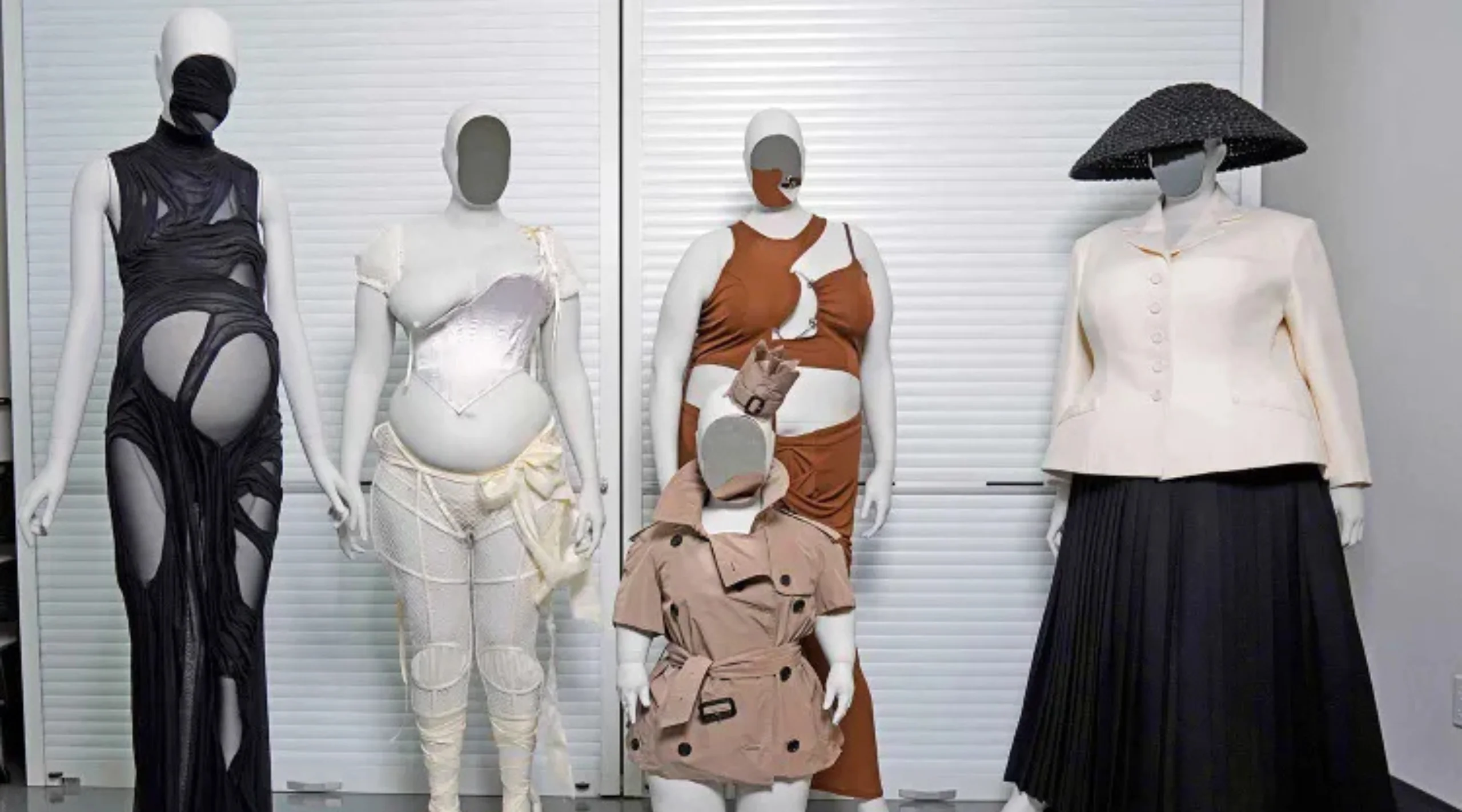
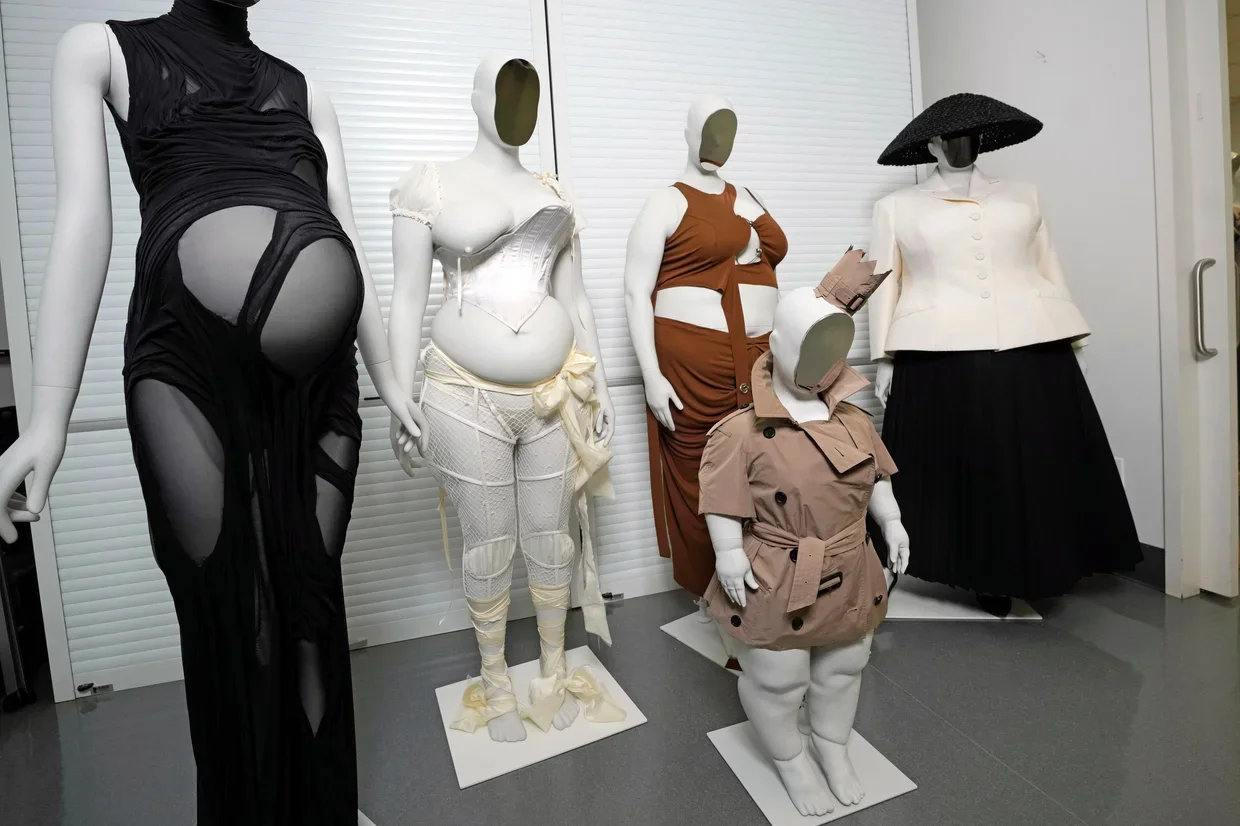
Spearedheaded by Andrew Bolton, the longtime curator at the Metropolitan Museum of Art’s Costume Institute, the Costume Art exhibit features 25 new mannequins based on 9 different body types, which feels like a breath of fresh air given how mannequins are typically displayed as thin, tall, and slender. Over 200 mannequins are in the exhibit, but not all of them will fall under the norm of the idea of what a mannequin usually looks like.
To some, this might seem like a small detail, but for this initiative to have happened at what’s about to become one of the most popular exhibits in the world, it’s a big deal and a step towards normalizing different body types and how they are still worthy of being displayed in major museums and exhibits. When one thinks of what a fashion exhibit should look like, the MET Museum is showing that there can be more than one standard.
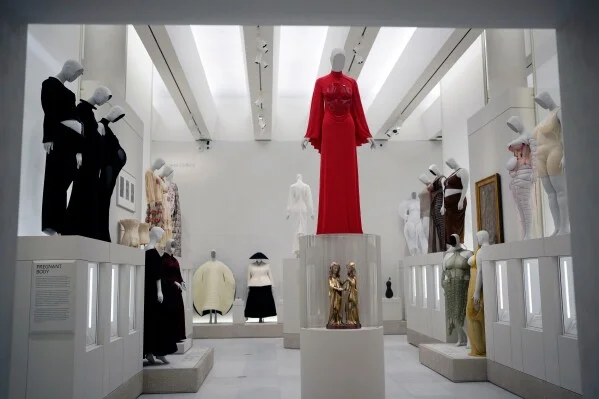
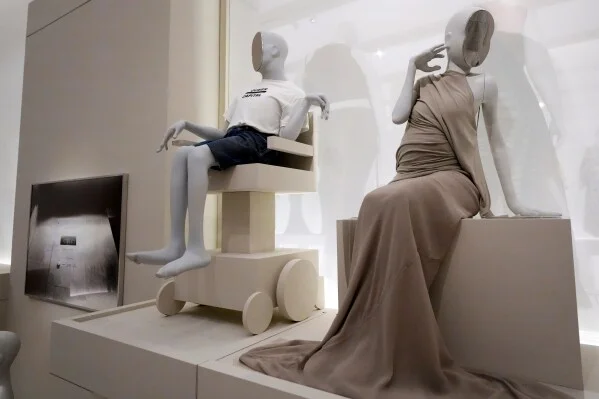
Seeing these bodies stand beside other traditional models is an effort to show how history, art, and fashion have ignored or excluded those beyond the typical standard but are still part of the story. These bodies reflect, in one way or another, the real, lived experiences of people who may not see themselves in what the industry has typically paraded, and also challenge stereotypes and misconceptions.
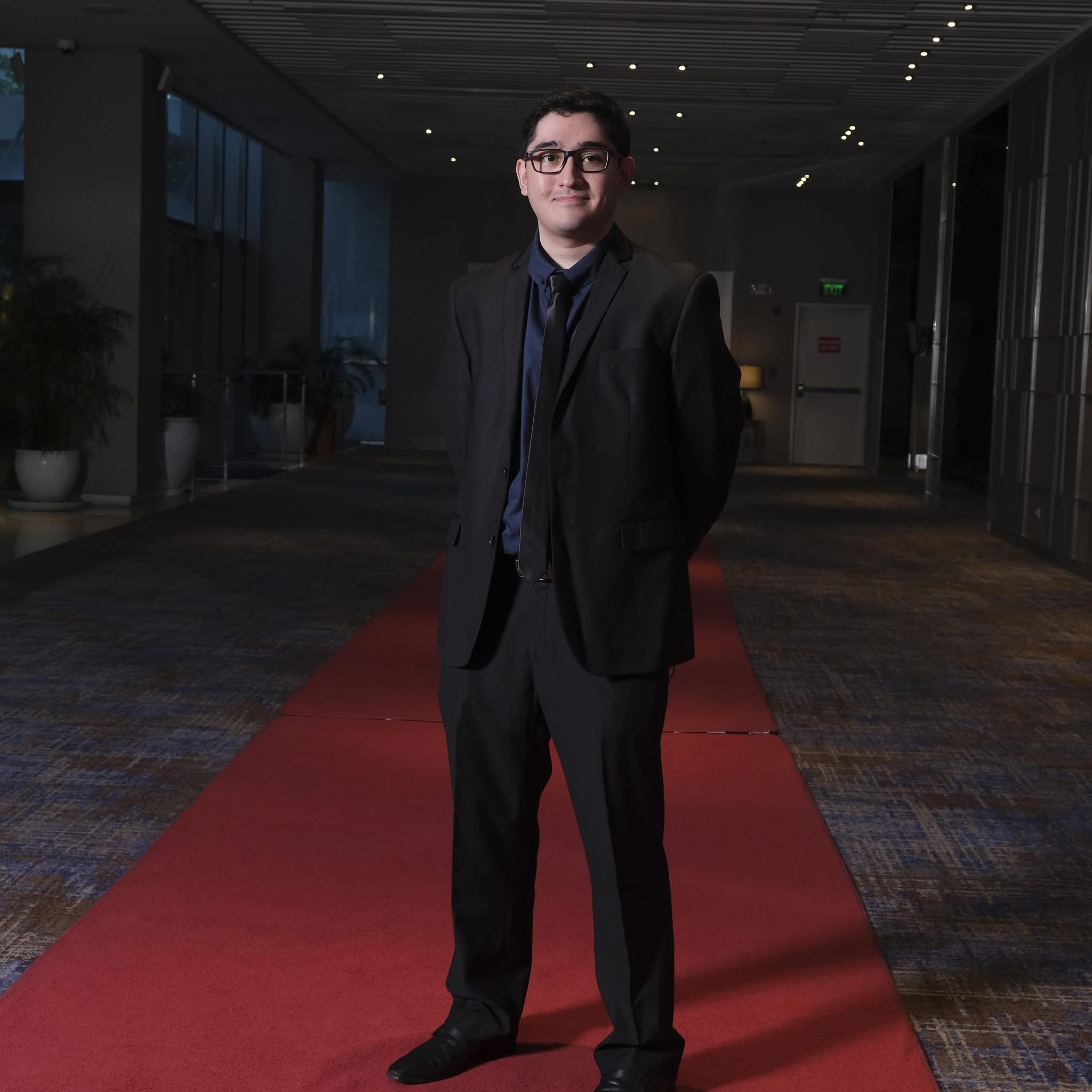
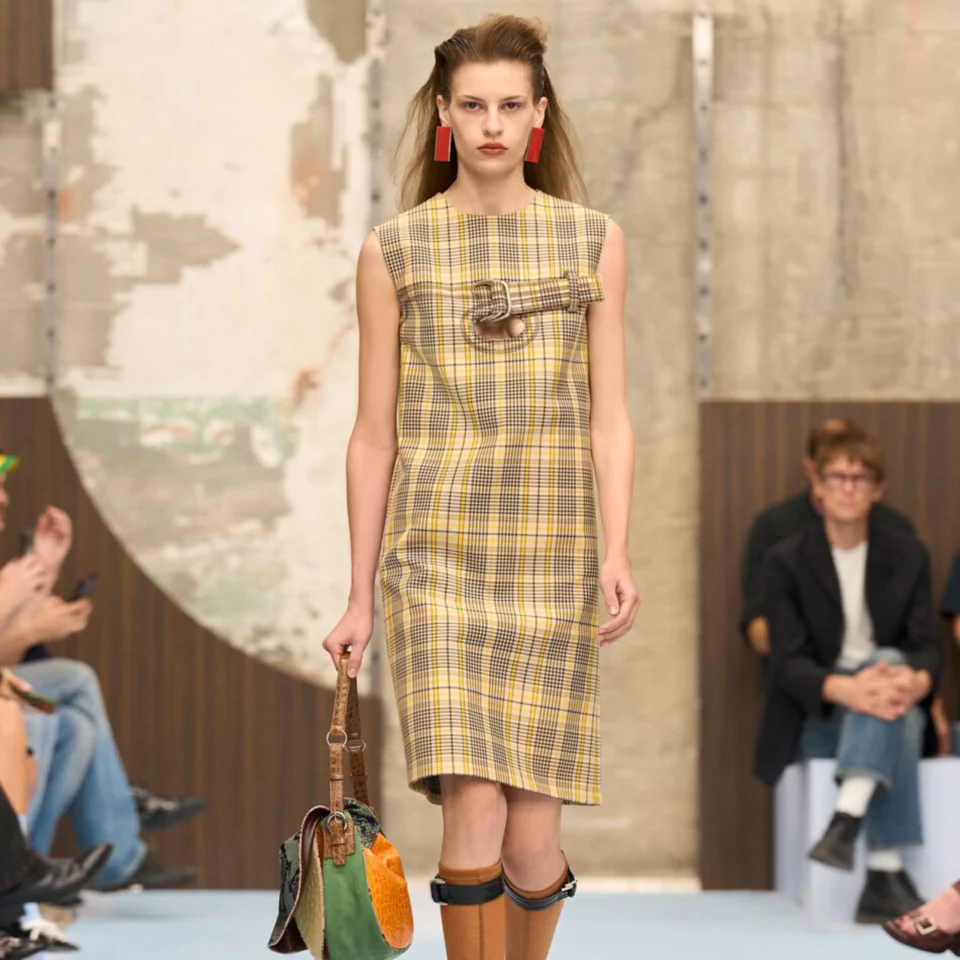
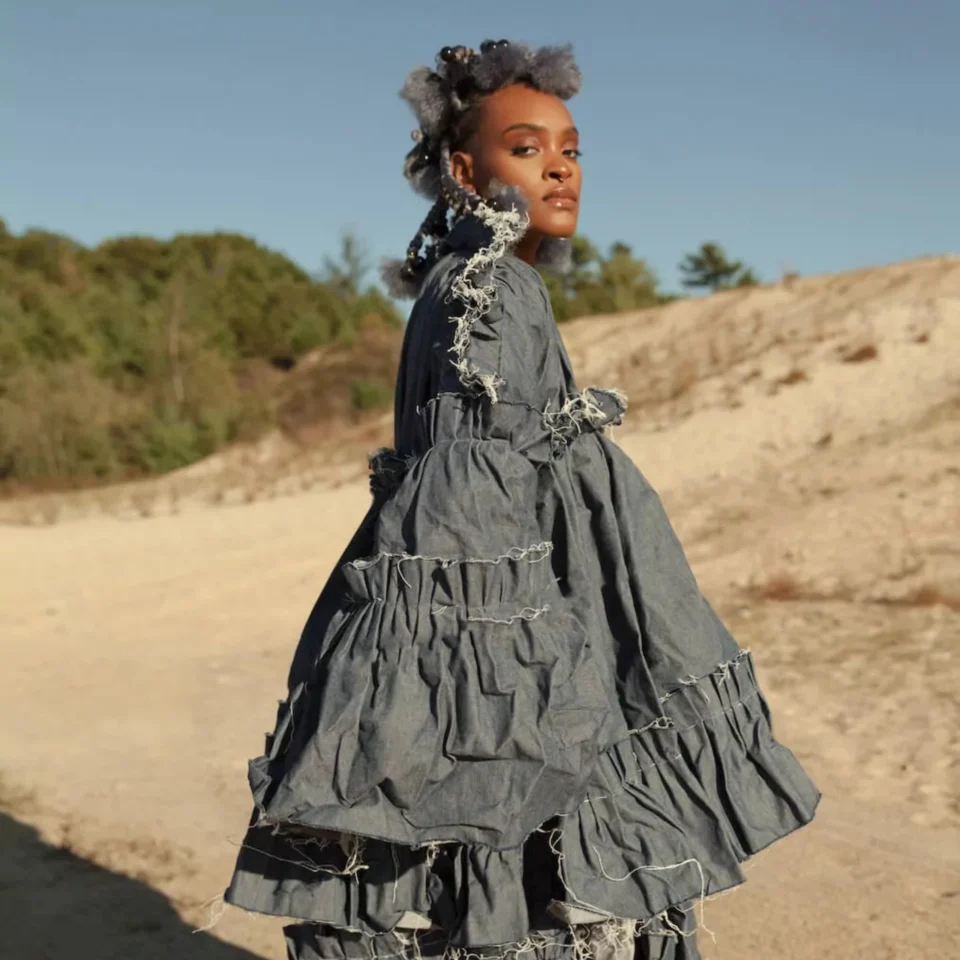
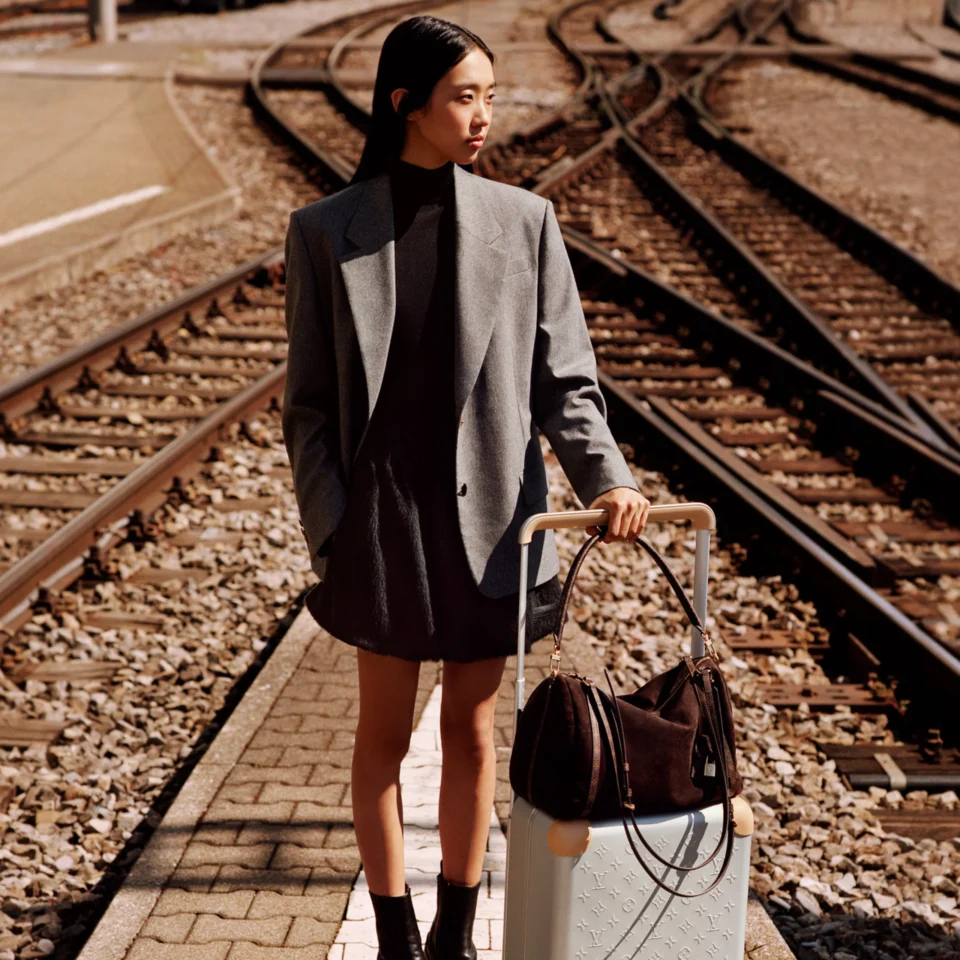
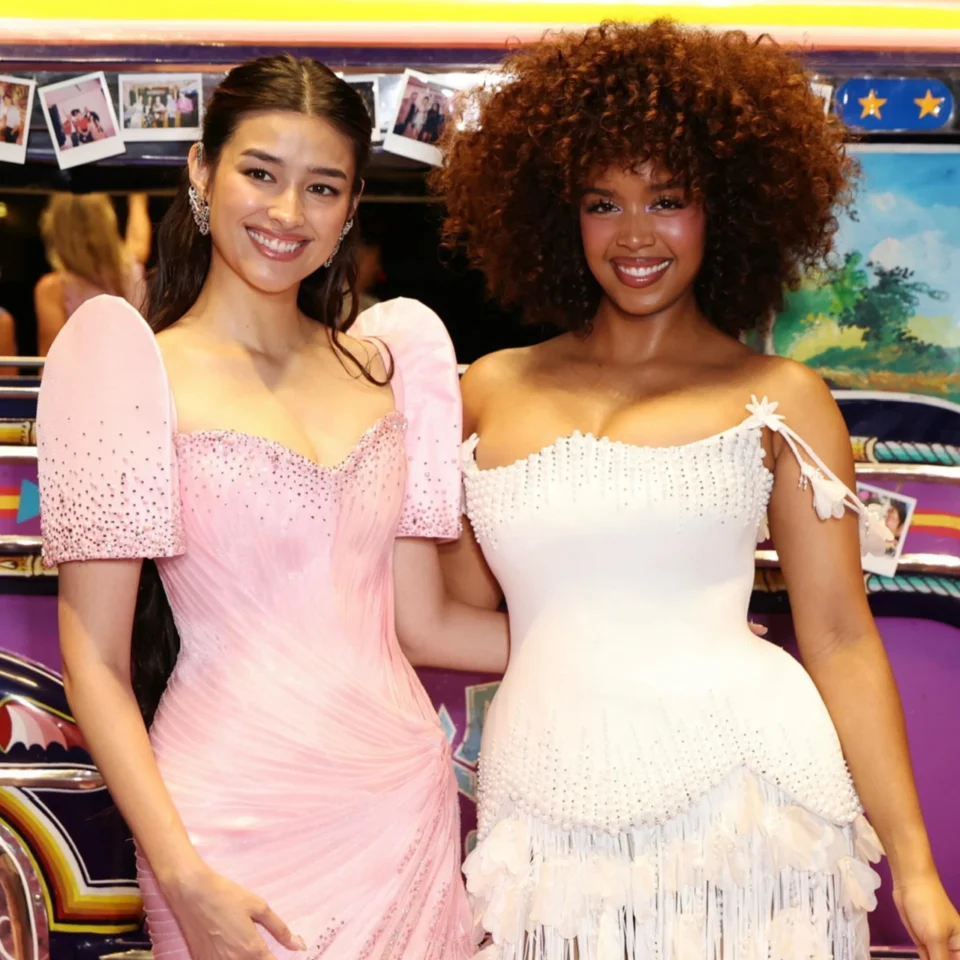
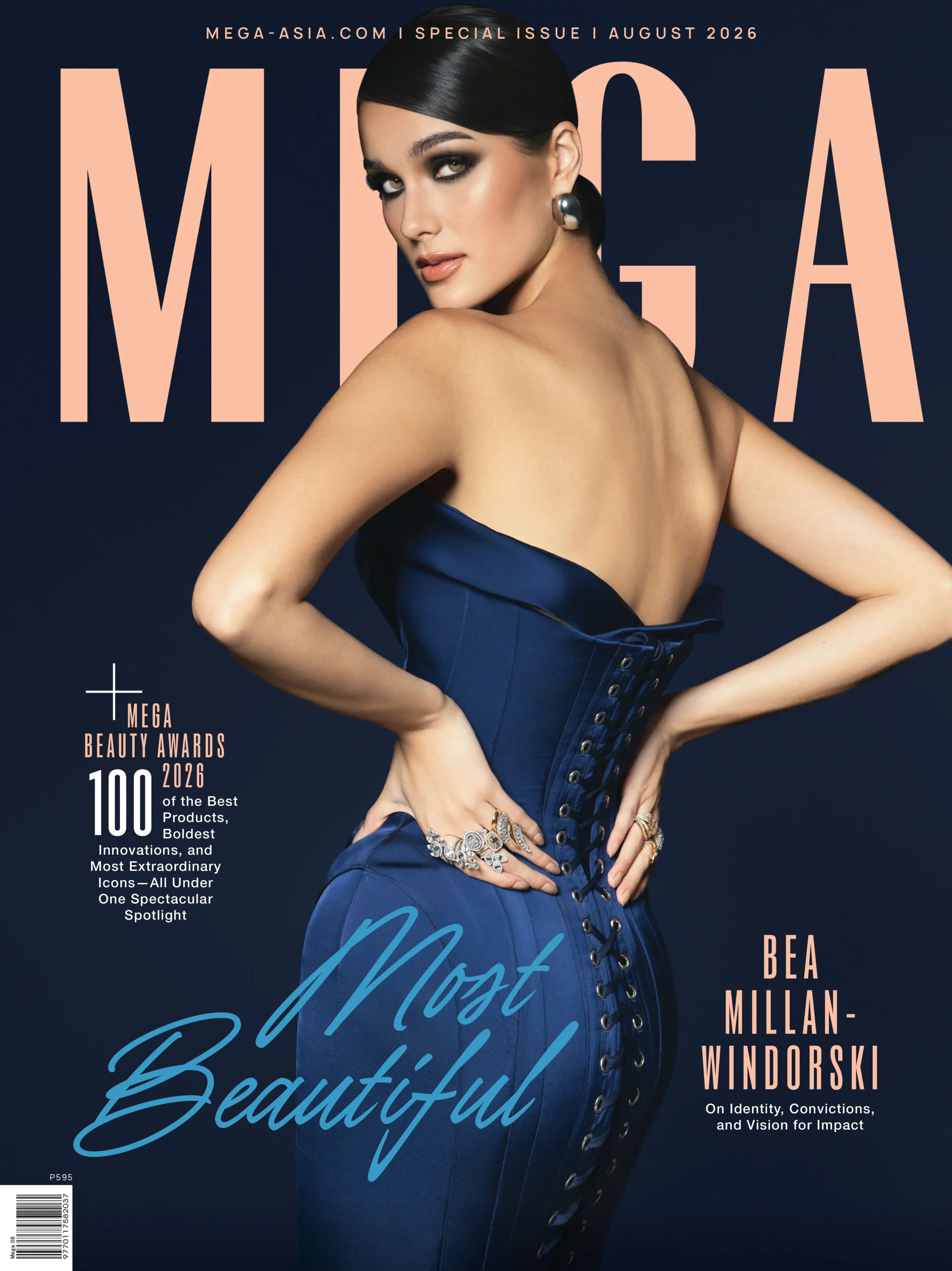
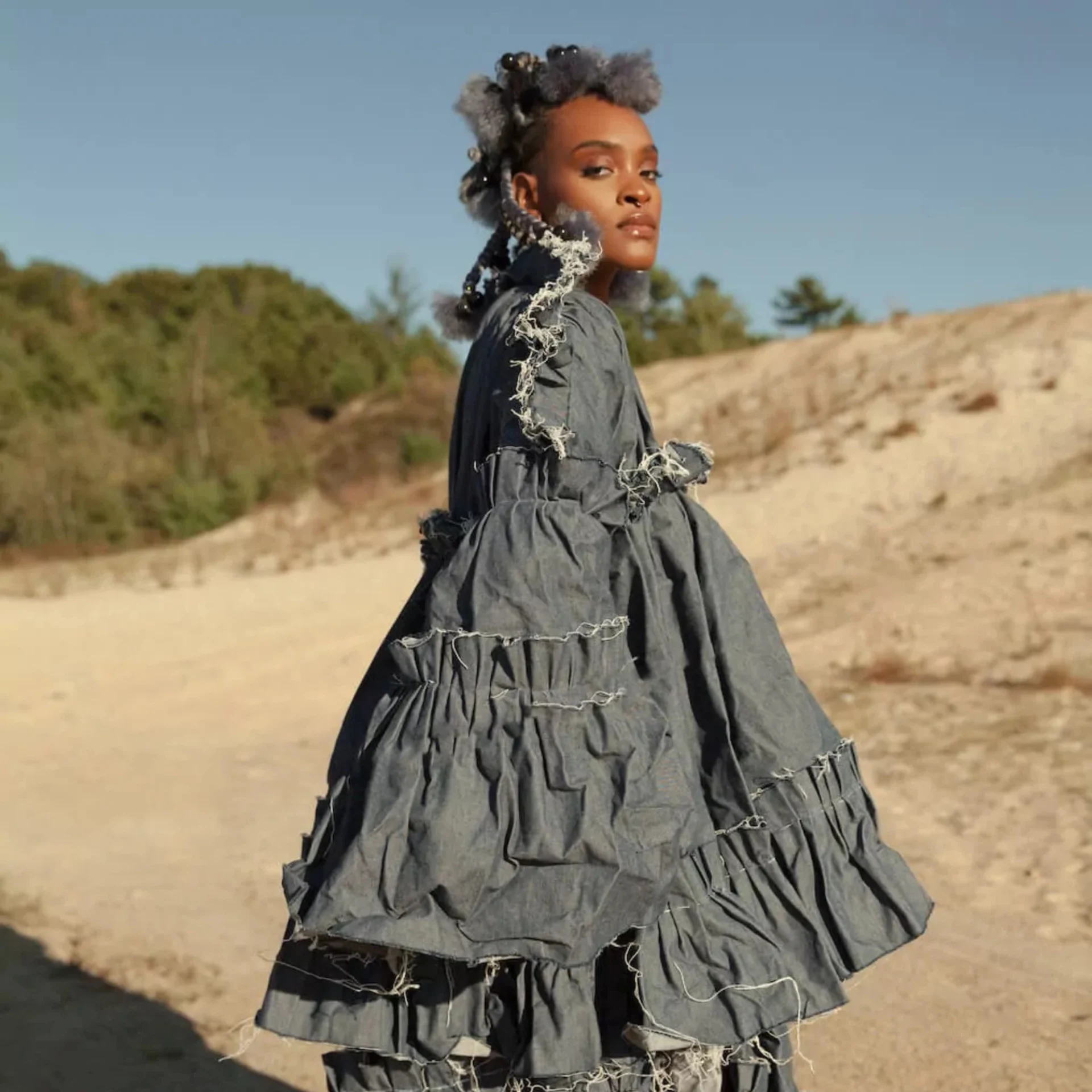
The diverse mannequins depict a variety of forms, like a pregnant woman, the aging body, curvy figures, plus-size, wheelchair-bound users, missing or misshapen limbs, and transgender individuals. To help achieve that goal, the MET Museum tapped nine different models to model, pose for, and serve as a basis for most of the new mannequins. Those chosen were model Michaela Stark, model, Irish disability activist, and host commitee member Sinéad Burke, athlete, model, actor, and activist Aimee Mullins, musician and model Aariana Rose Philip, who made history as the first wheelchair user and black transwoman to attend the Met Gala, model and artist Jade O’Belle, model Charlie Reynolds, paraplegic model and designer Antwan Tolliver, model and swimwear designer Sonia Vera, and singer-songwriter Yseult.
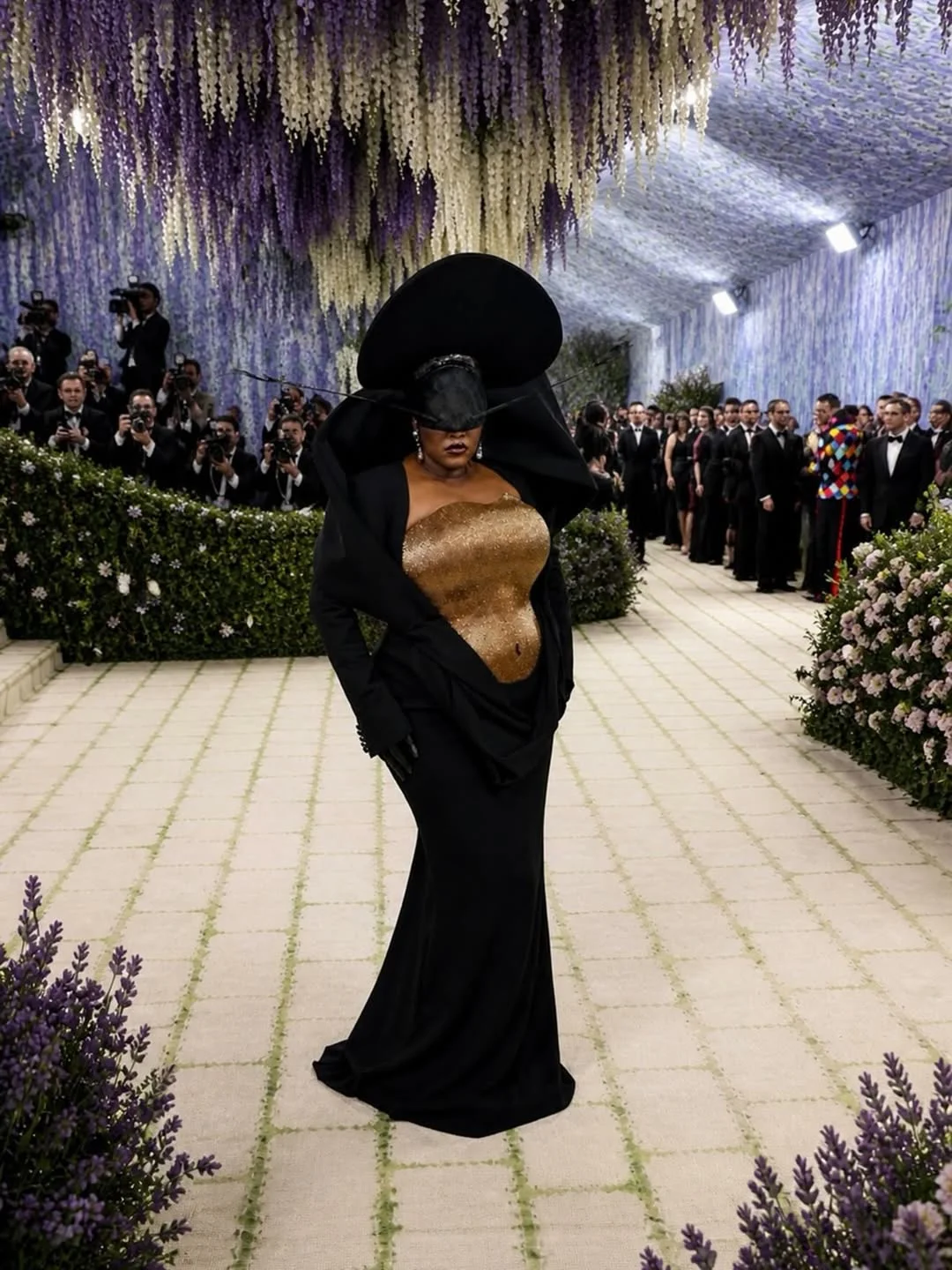
To further the MET Museum’s body-positive message, the new mannequins will be added to the museum’s permanent collection for future use after the exhibit ends in January 2027, instead of being placed in storage. Additionally, tour guides and staff have been trained to properly talk about the new mannequins and even the nuances of the language used to describe them.
Also, another unique feature in the exhibit is how all the mannequins have been fitted with a mirror-like steel surface on their faces, which were created by Palestinian-Canadian artist Samar Hejazi, so that visitors can see themselves in the mannequins and the clothes they’re wearing. The mannequins are also placed on different levels, with some on pedestals and others at the ground level, making the message of accessibility even more prevalent.
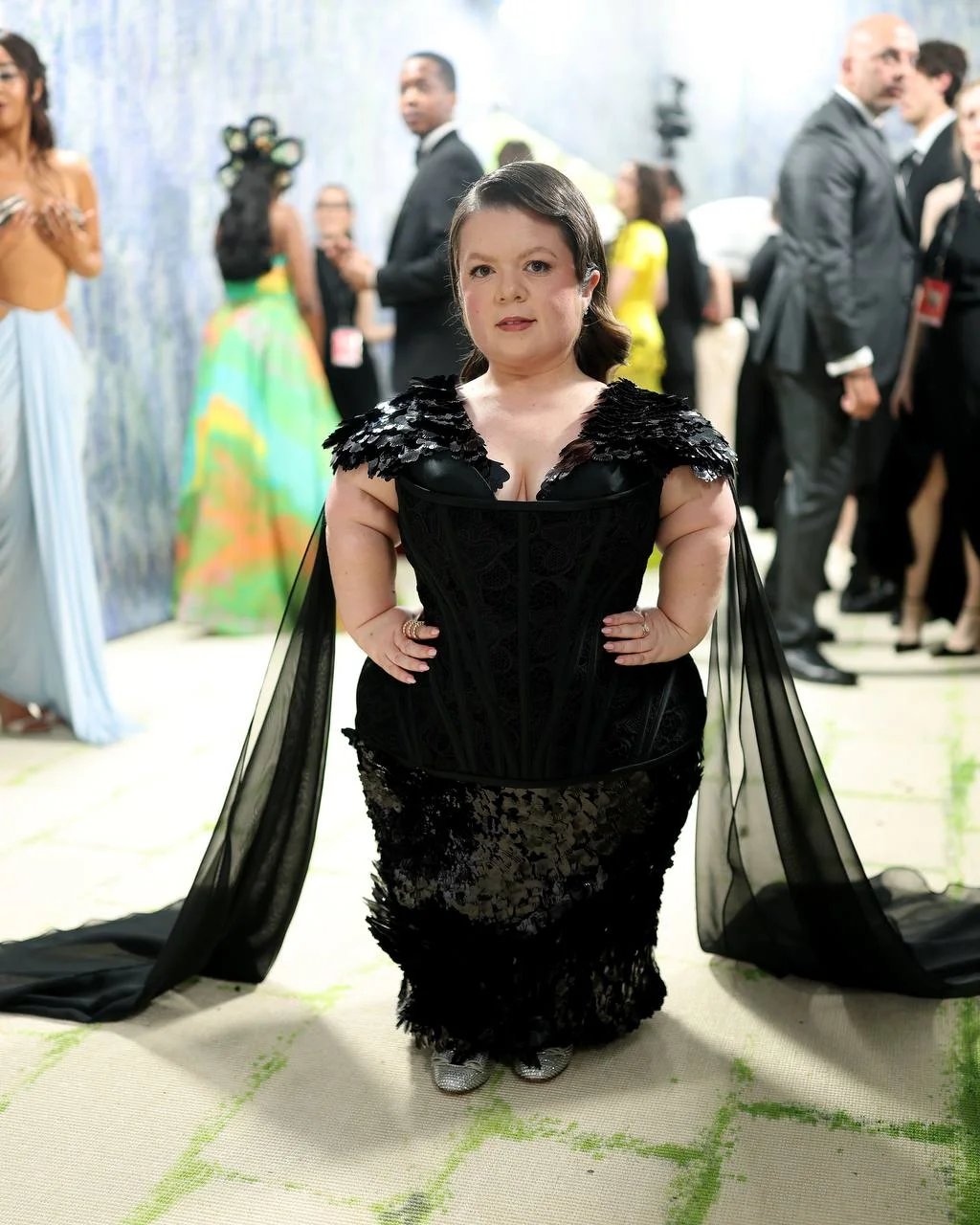
In a time when the fashion industry (or at least those at the top) feels like it’s retreating from the body positivity movement and reverting to the skinny and often white models of the past, the MET Museum’s action feels like a step in the right direction towards embracing different body types. The diverse mannequins aren’t just for lip service, but a way to help address history and fashion’s exclusions of different body types. And the fact that it’s happening at a museum like The MET can hopefully help lead to bigger conversations of inclusivity, representation, and acceptance.
Featured Image and Photos: CBS NEWS (via Website), PEOPLE (via Website), GORUNWAY, YSEULT (via Instagram)
Frequently Asked Questions
The new Met Museum mannequins display diverse human forms, including pregnant women, plus-size and curvy figures, aging bodies, transgender individuals, and wheelchair users or individuals with missing limbs.
The Costume Institute cast nine diverse figures, including disability activist Sinéad Burke, history-making trans model Aaron Philip, athlete Aimee Mullins, and singer-songwriter Yseult, to model for the mannequins.
Palestinian-Canadian artist Samar Hejazi created the unique mirror-like steel surfaces on the mannequin faces, allowing museum visitors to visually project themselves into the historical garments displayed.
Yes, the Met Museum is integrating the twenty-five new diverse mannequins directly into its permanent collection for future exhibitions rather than putting them into storage after the show.
The Costume Art exhibition at the Metropolitan Museum of Art runs from May 10, 2026, through January 10, 2027, housed within the newly established Condé Nast Galleries.