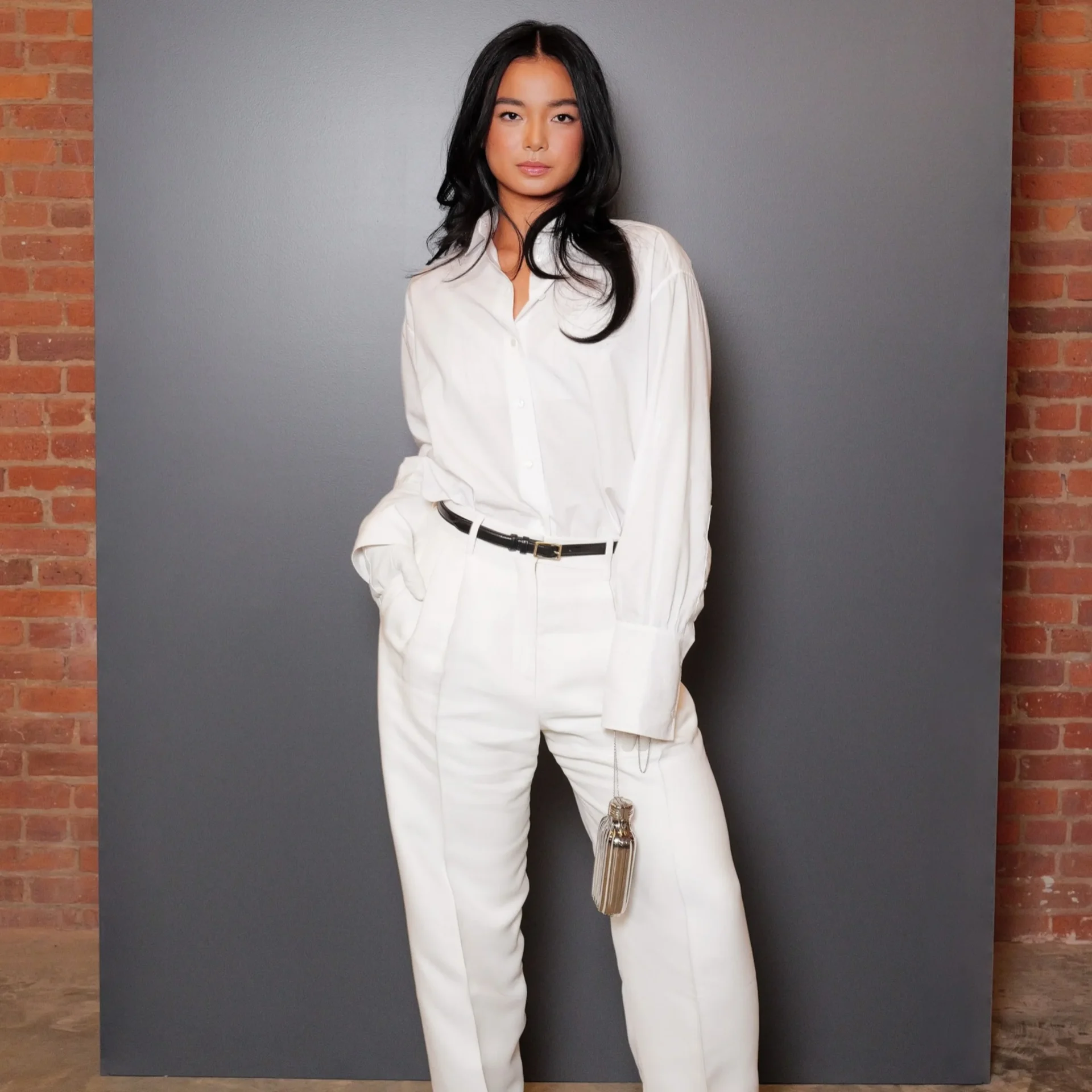




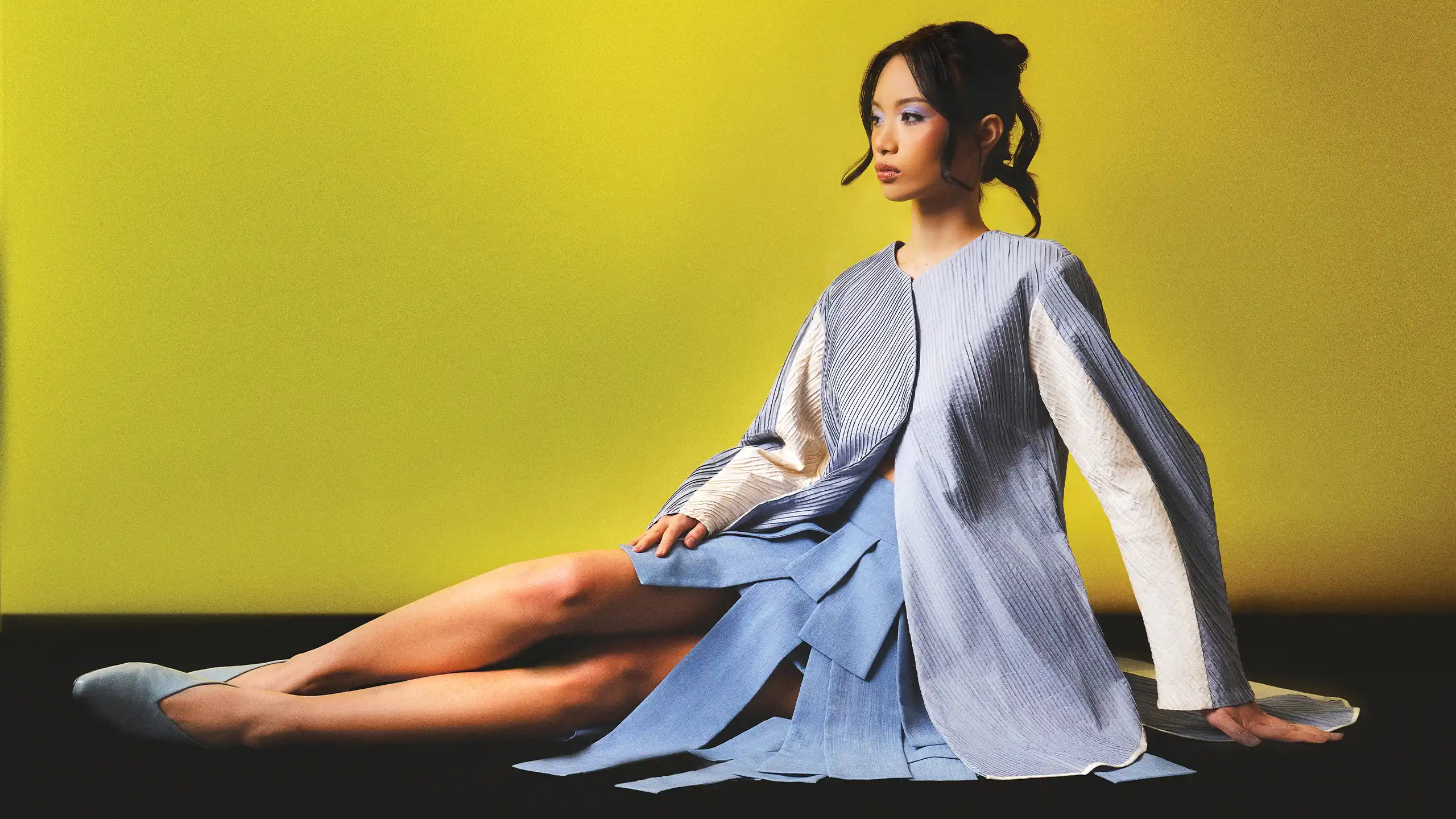
This is an excerpt from MEGA May 2026 Designer Profile
RELATED: Carmina & Cassy: Becoming, Together and Apart
TEN YEARS IN FASHION IS NO SMALL FEAT. LOOKING BACK, WHAT MOMENTS SHAPED YOUR SURVIVAL AS BOTH A DESIGNER AND A BUSINESSWOMAN?
The most defining moments were the difficult ones—times that forced me to balance creativity with practicality while staying rooted in purpose. One of my greatest fears has always been becoming a starving artist and resenting my own work, so I focused on slowly building a production team and turning my passion into a sustainable livelihood. Along the way, the support of the local fashion community and the trust of clients who value both the craft and the stories behind it reminded me that survival is really about adaptation, perseverance, and belonging.
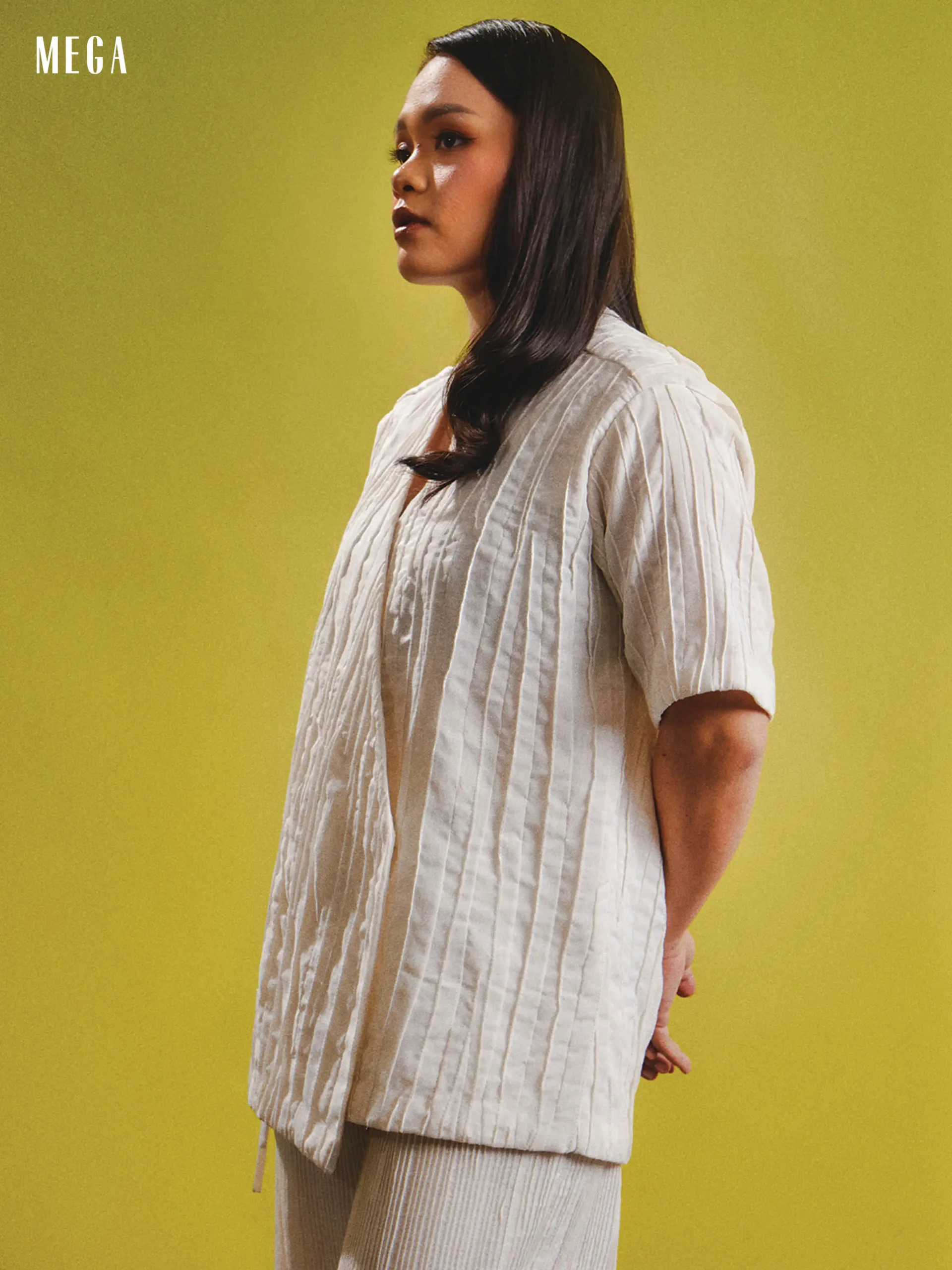
WHAT SHIFTED IN HOW YOU APPROACHED YOUR BRAND?
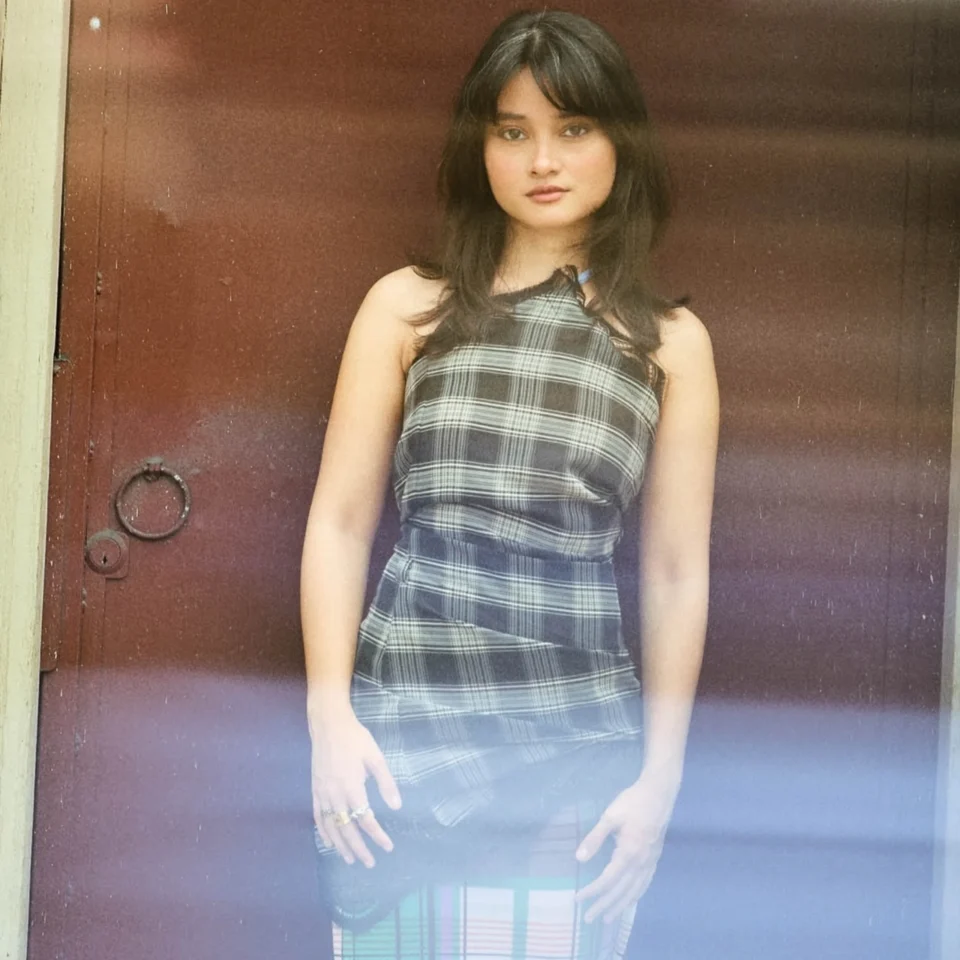
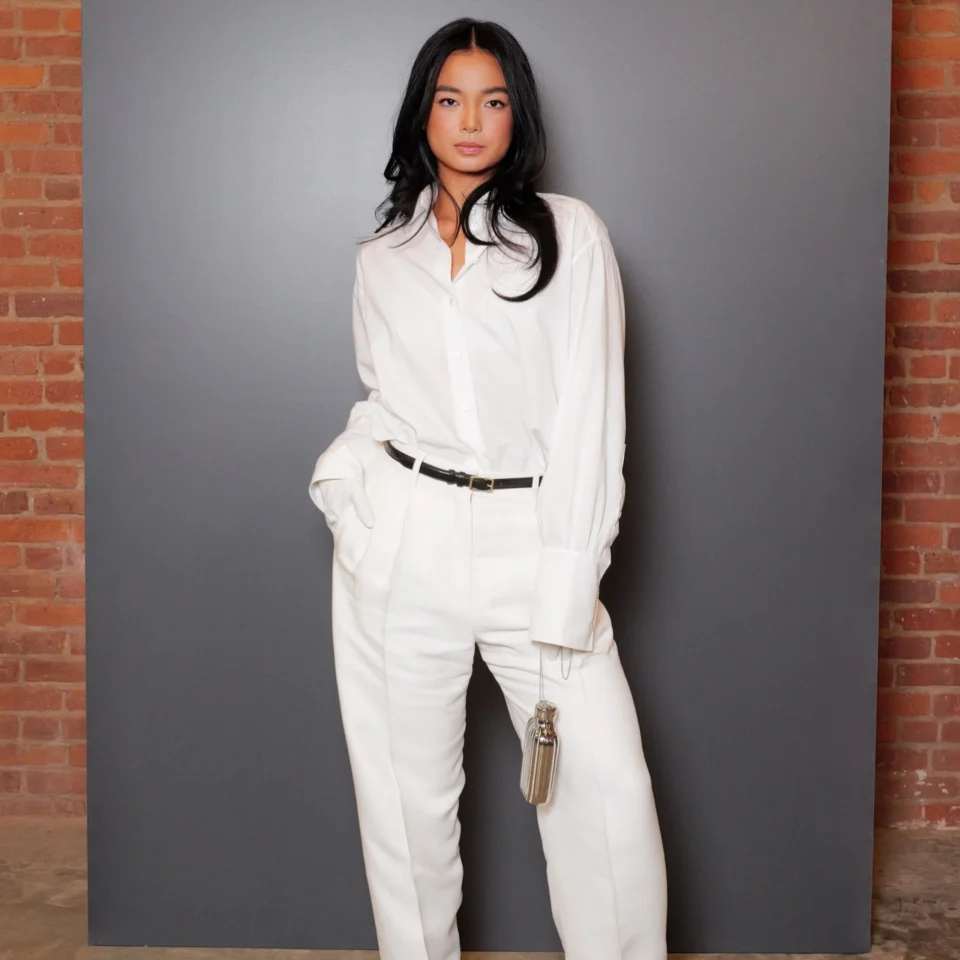
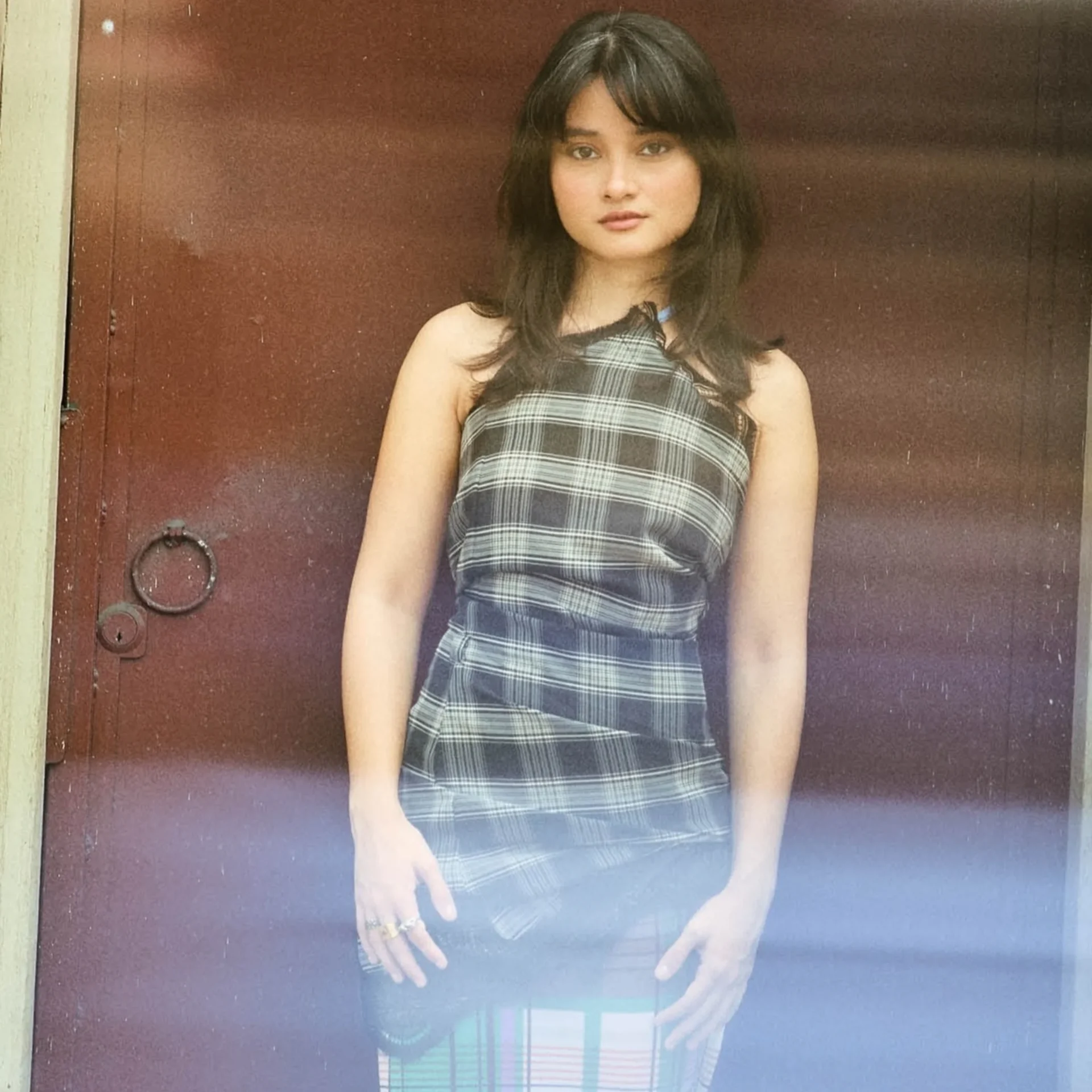
I think what shifted was my willingness to be seen, not just through the work, but also as the person behind it. Being in front of the camera this time was part of that, just being more open and confident in sharing who we are as a brand, and myself as the designer.
I also realized I don’t carry the brand alone. I owe so much to the people who’ve been with me and have loved the brand as much as I do. So if I choose to move forward and take these steps, it means all of us get to move forward too.
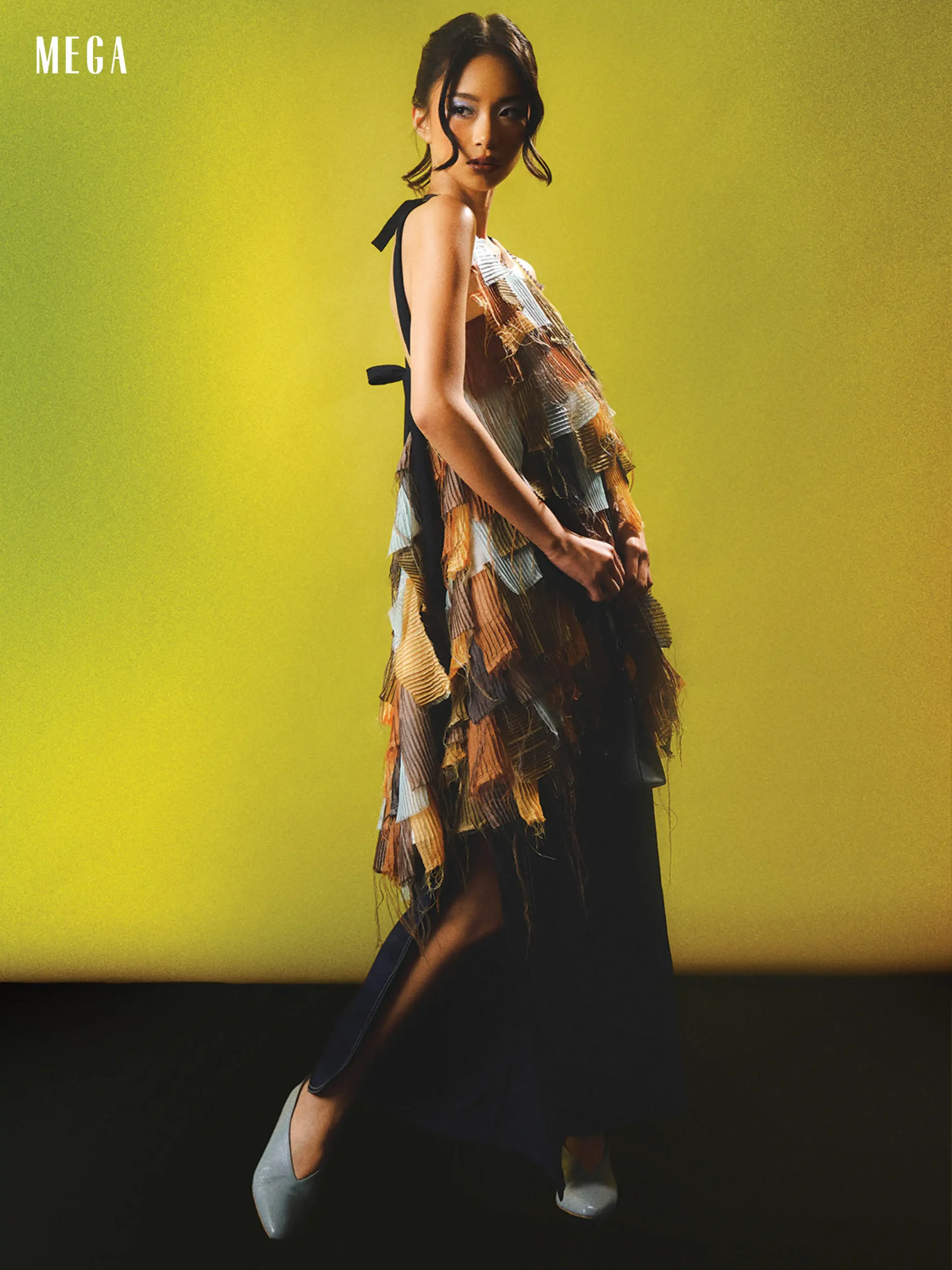
WHAT FELT NECESSARY TO SAY NOW THAT PERHAPS YOU COULDN’T SAY BEFORE?
It was finally allowing myself to be seen and to speak more openly about who we are beyond just the clothes. Before, I was more comfortable letting the work speak for itself. But now, it felt necessary to also share the person behind it, the process, and everything that’s shaped the brand over the years.
There’s more honesty in that, and I think I’m more ready for it now.
DID REACHING A DECADE MAKE YOU MORE PROTECTIVE OF YOUR IDENTITY, OR MORE WILLING TO TAKE RISKS?
I wouldn’t say I became more protective. It’s more that I’ve grown more confident in the identity we’ve built and continue to grow into.
That confidence made me more open to taking risks, but in a way that still feels natural to us. Not forced, just an extension of what’s already there.
I wasn’t exposed to fashion in the traditional sense growing up. My mother used to sew my clothes, and that was my first encounter with making. It wasn’t about glamour—it was about process.
Because of that, protecting our identity feels natural. I always return to where I started, and that keeps everything clear.
WHAT CHALLENGED YOU MOST IN CREATING THIS COLLECTION—CREATIVELY OR EMOTIONALLY?
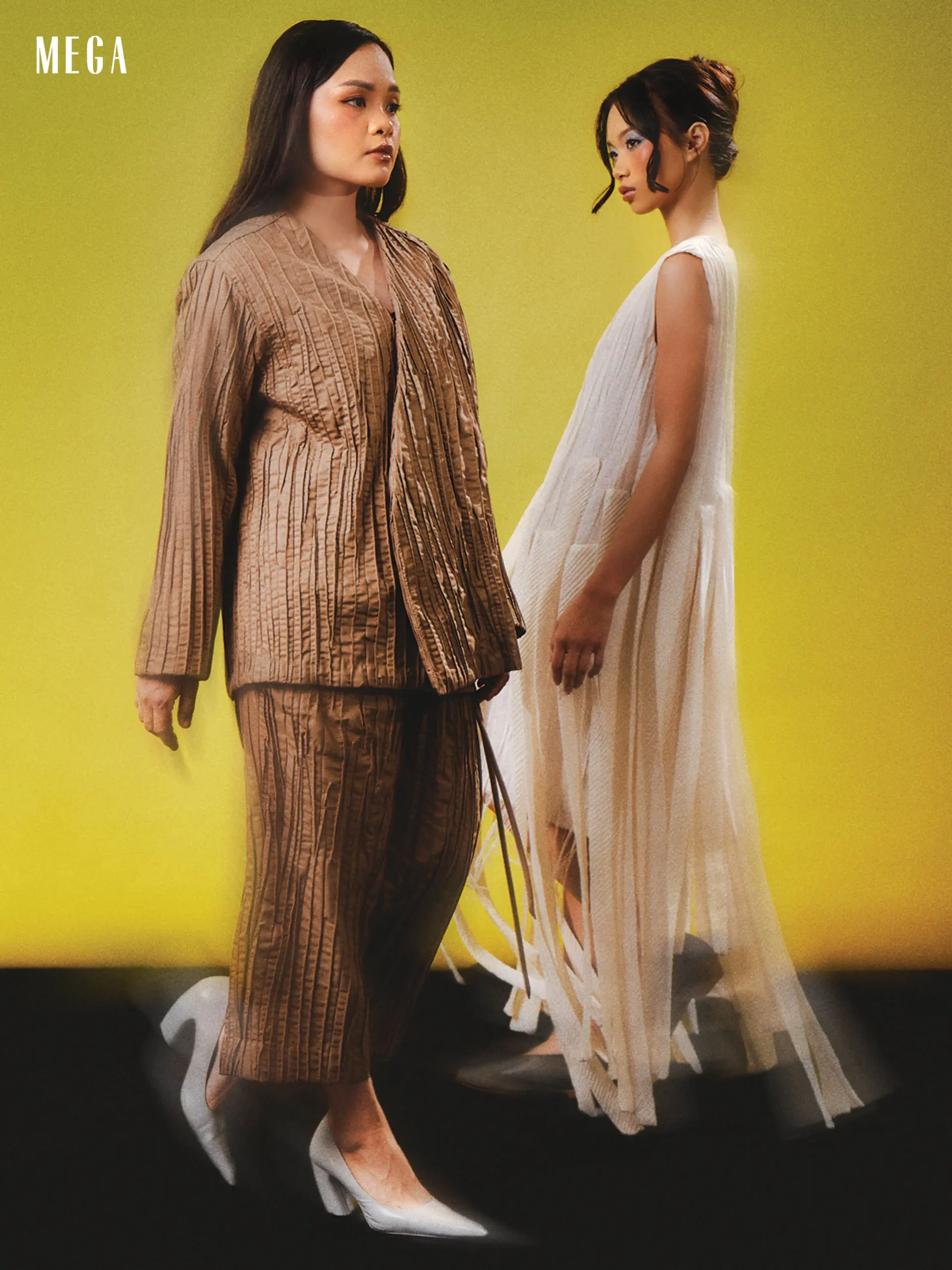
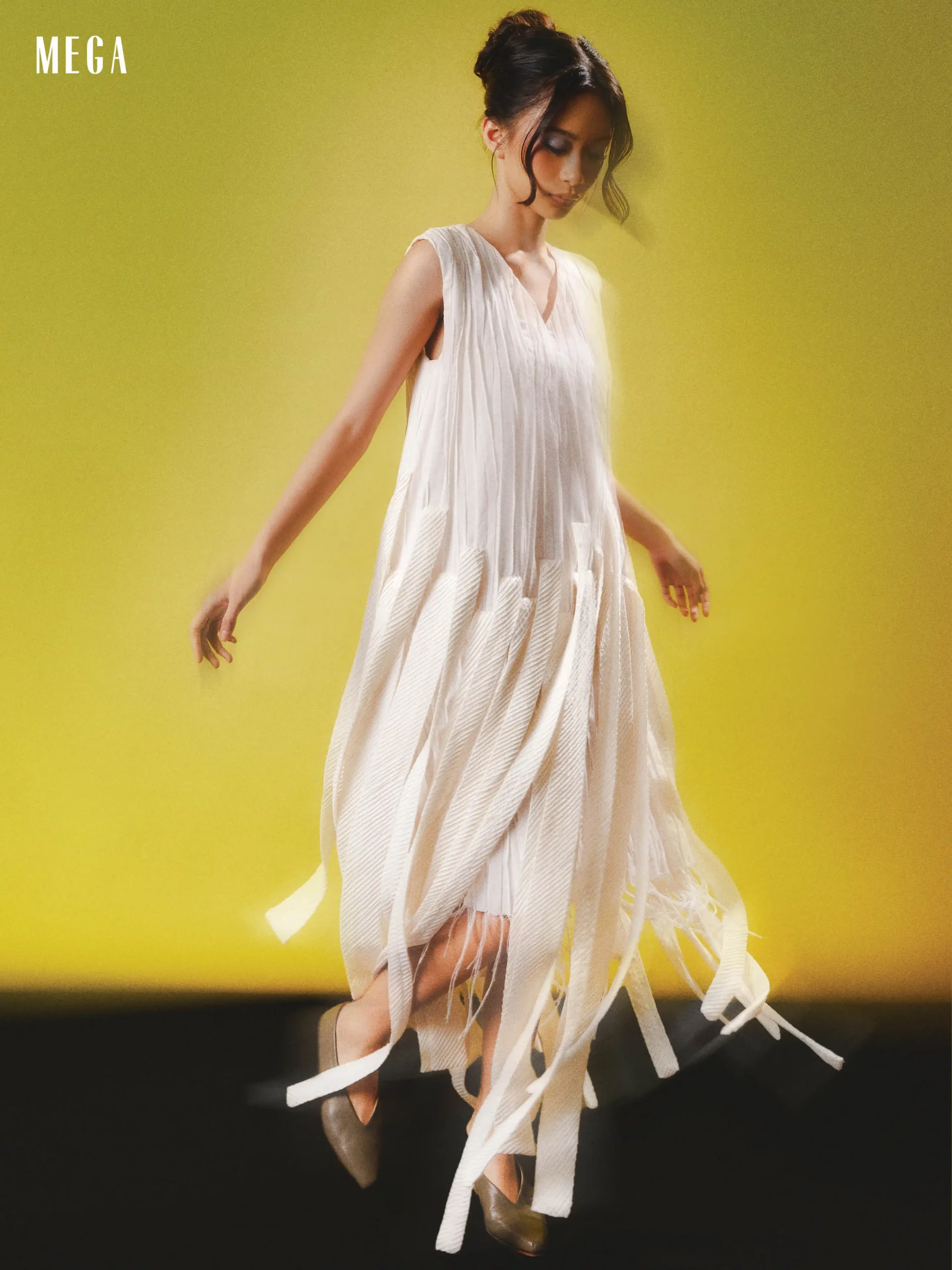
The collection is titled “Mga Bukas: Noon, Ngayon, at Bukas”. It revisits everything we’ve developed over the past ten years—our signature textures, fabrication, and techniques.
What challenged me? Honestly, it was learning to let go. To be more relaxed with the process and not feel like I had to control everything or push for something entirely new. I had to trust that what we’ve developed over the past ten years was already enough to build from.
It required a different kind of discipline to not overwork ideas, to let things land as they are, and to be okay with uncertainty. In doing so, I found confidence in the work. It became less about forcing outcomes and more
about allowing the collection to come together naturally.
Photographed by GRANT BABIA. Art direction by TROY NONATO. Fashion assistant KRISSIE TERUEL. Produced by THESSMAR LECTURA. Hair by MATT LEDESMA. Makeup by MIKI LIUSON. Photography Assistant HANSON ONG. Model TRISH PERTES of MONARQ AGENCY
Frequently Asked Questions
The collection is titled “Mga Bukas: Noon, Ngayon, at Bukas.” It serves as a retrospective that revisits everything the brand has developed over the last decade, specifically focusing on their signature textures, fabrications, and techniques.
The biggest challenge was learning to let go. Romero had to practice a new kind of discipline by not overworking ideas or forcing outcomes. She had to trust that the foundations built over the past ten years were enough to build from without feeling the need to control every detail.
Romero’s first encounter with making clothes was not through glamour, but through her mother sewing her clothes. Because of this, her focus remains on the process of creation. Returning to these roots helps her protect the brand’s identity and keep her vision clear.
Previously, Romero was more comfortable letting the work speak for itself. However, she has shifted toward a willingness to be seen. She now feels it is necessary to be more open and confident in sharing the person and the process behind the clothes, which she views as a more honest approach.
To Romero, survival is about adaptation, perseverance, and belonging. She avoided the “starving artist” trope by balancing creativity with practicality—specifically by building a production team to turn her passion into a sustainable livelihood while staying rooted in her purpose.