



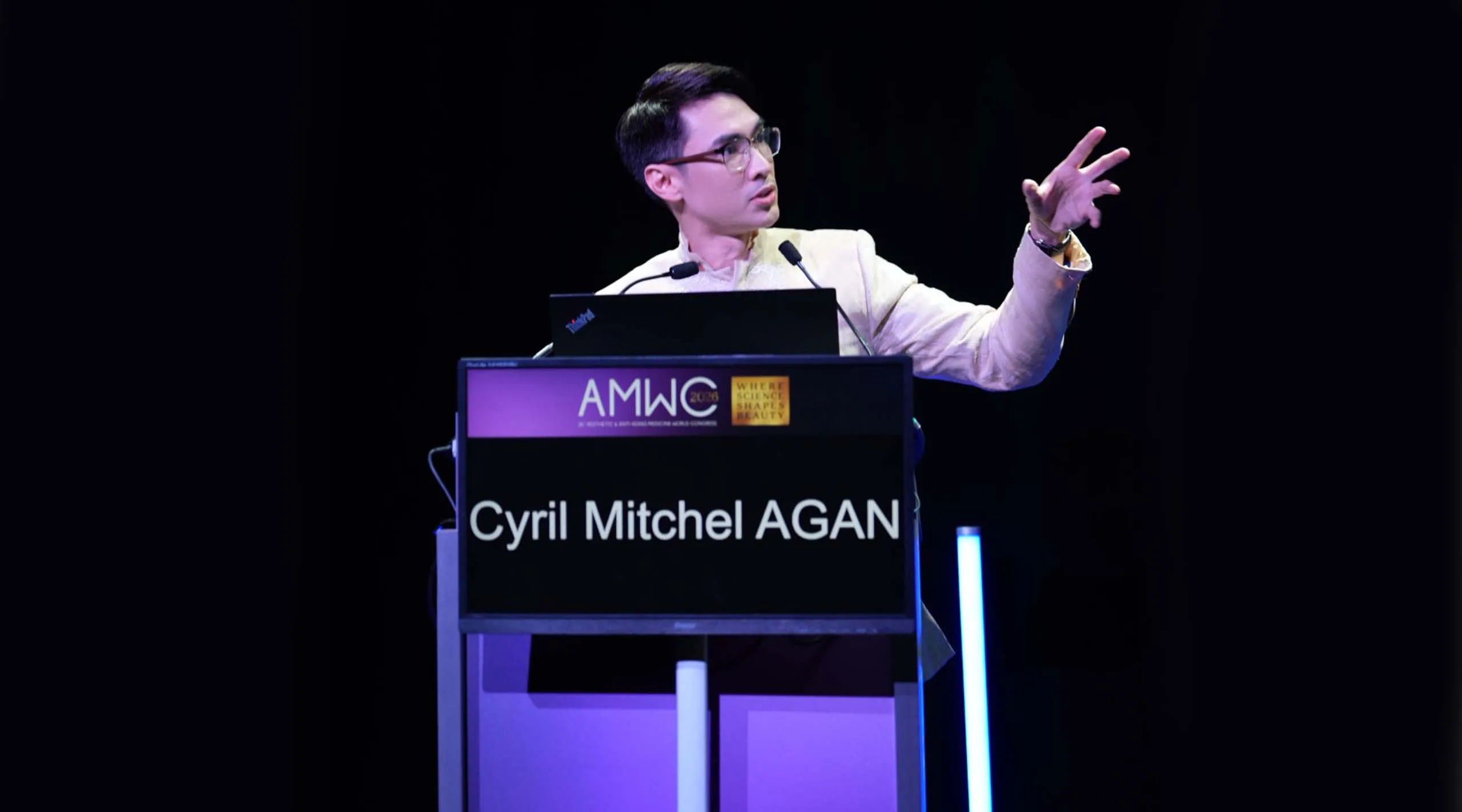
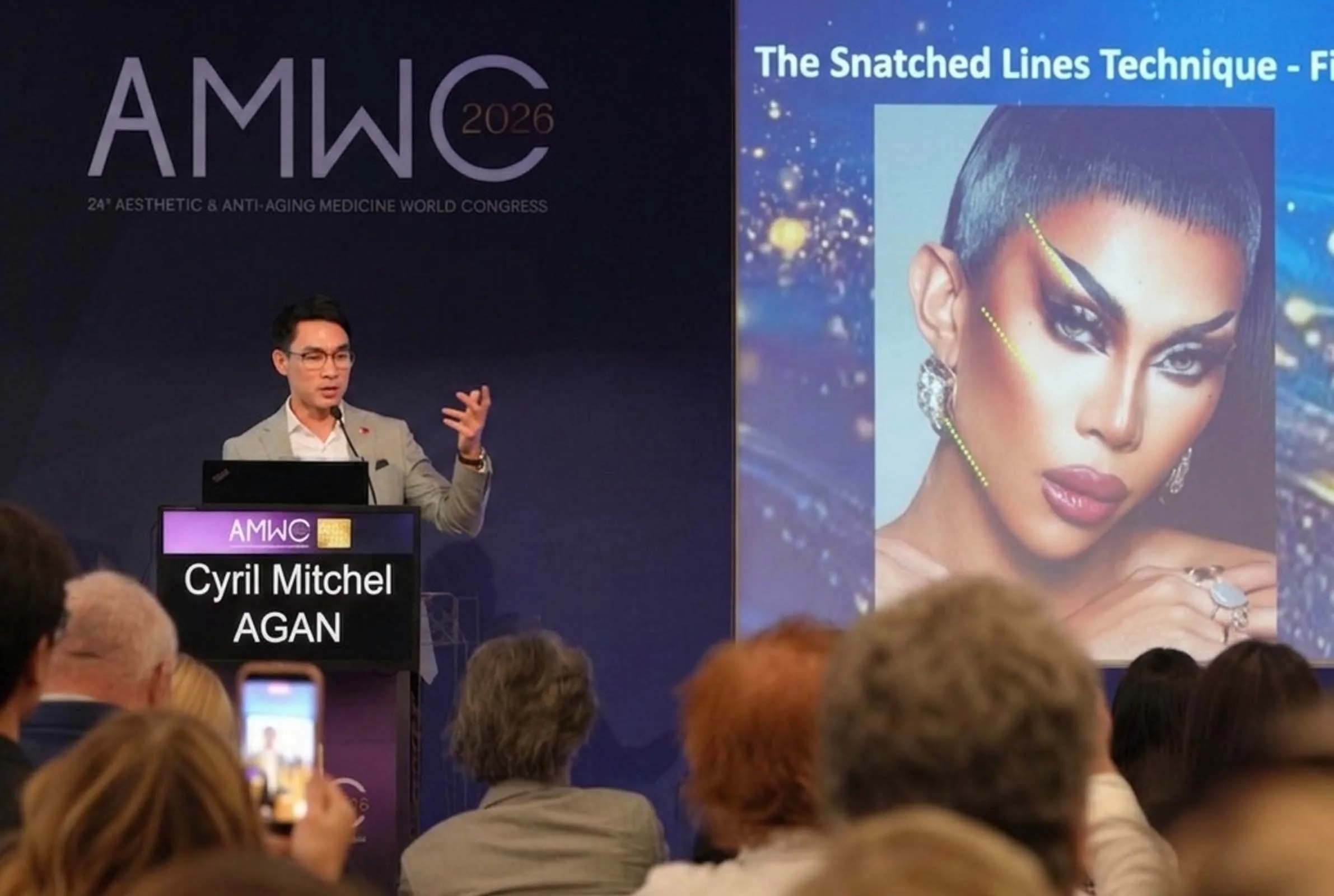
At the Aesthetic & Anti-Aging Medicine World Congress(AMWC), aesthetic medicine is stripped to its essentials: technique, evidence, and the ability to present something that feels both new and necessary. It is a space where trends are tested against rigor, and where innovation is measured not by novelty alone, but by whether it can be replicated, taught, and refined. For Dr. Cyril Agan of Lift Aesthetic Clinic, stepping onto that global stage came with a clear directive—to offer a perspective that moves beyond what practitioners have come to expect.
RELATED: This Is Where You Should Go to Get That Effortless Top Model Look
Across three lectures, Doc Cy as he is lovingly referred to by his clients, explored APTOS threadlift in transgender patients, the integration of Aptos threads with biostimulator Ellure, and the codification of what he calls the “snatched” look. Distinct as they are, the topics share a common throughline: a move toward more intentional, structurally-driven aesthetics.
“When I go up on stage, there’s something that they will learn,” he says, framing his lectures both as performance and education.
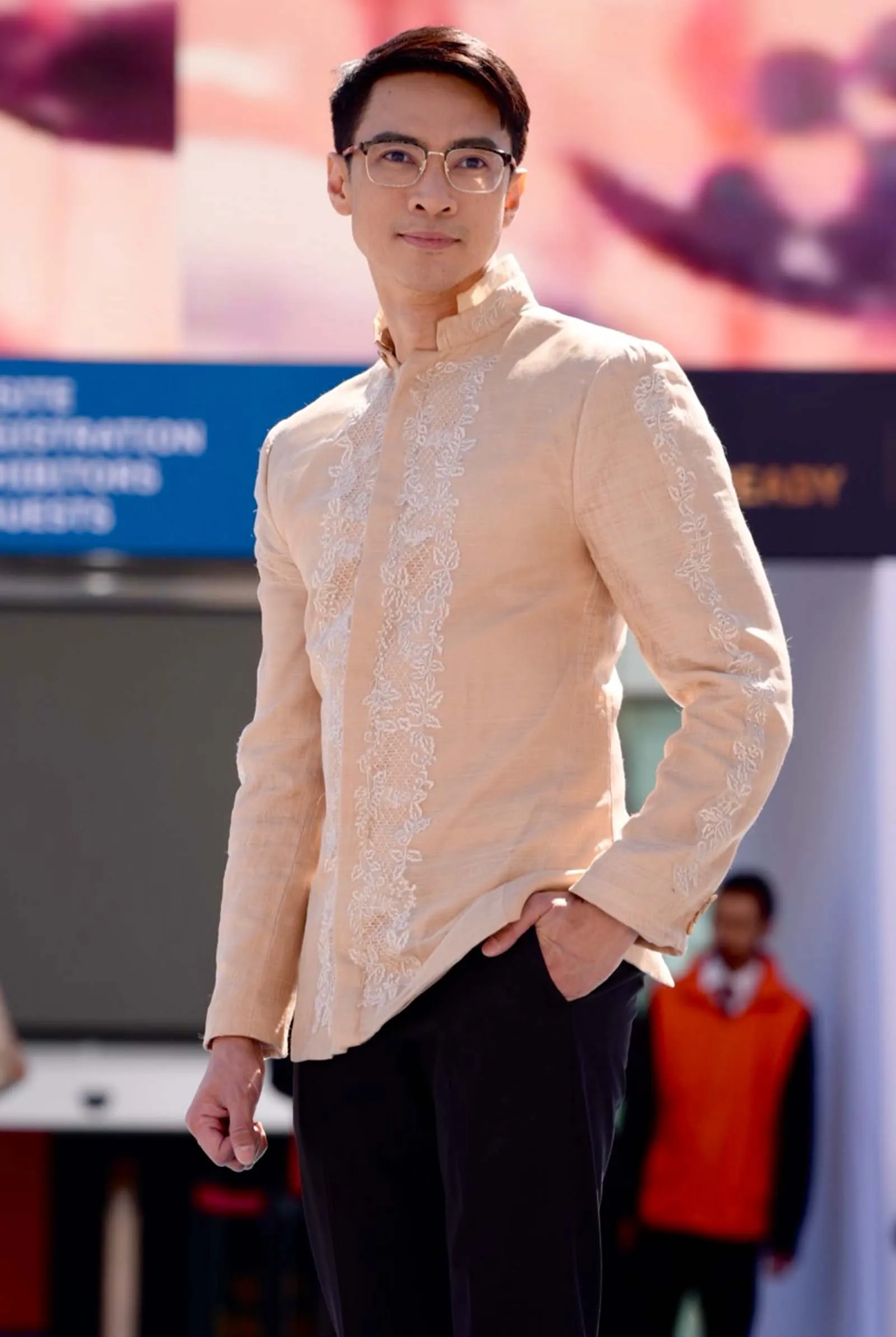
Part of that contribution lies in translation—taking ideas that exist within cultural or subcultural spaces and rendering them legible in a clinical setting. The term “snatched,” long familiar in beauty and drag communities, was one such example. “When I first mentioned ‘snatched’ on that stage, it’s like people don’t know what it is,” he recalls. The unfamiliarity, however, became an entry point. What followed was not just a definition, but a demonstration: how lift, contour, and tension could be applied across different areas of the face to achieve a result that is both defined and restrained.
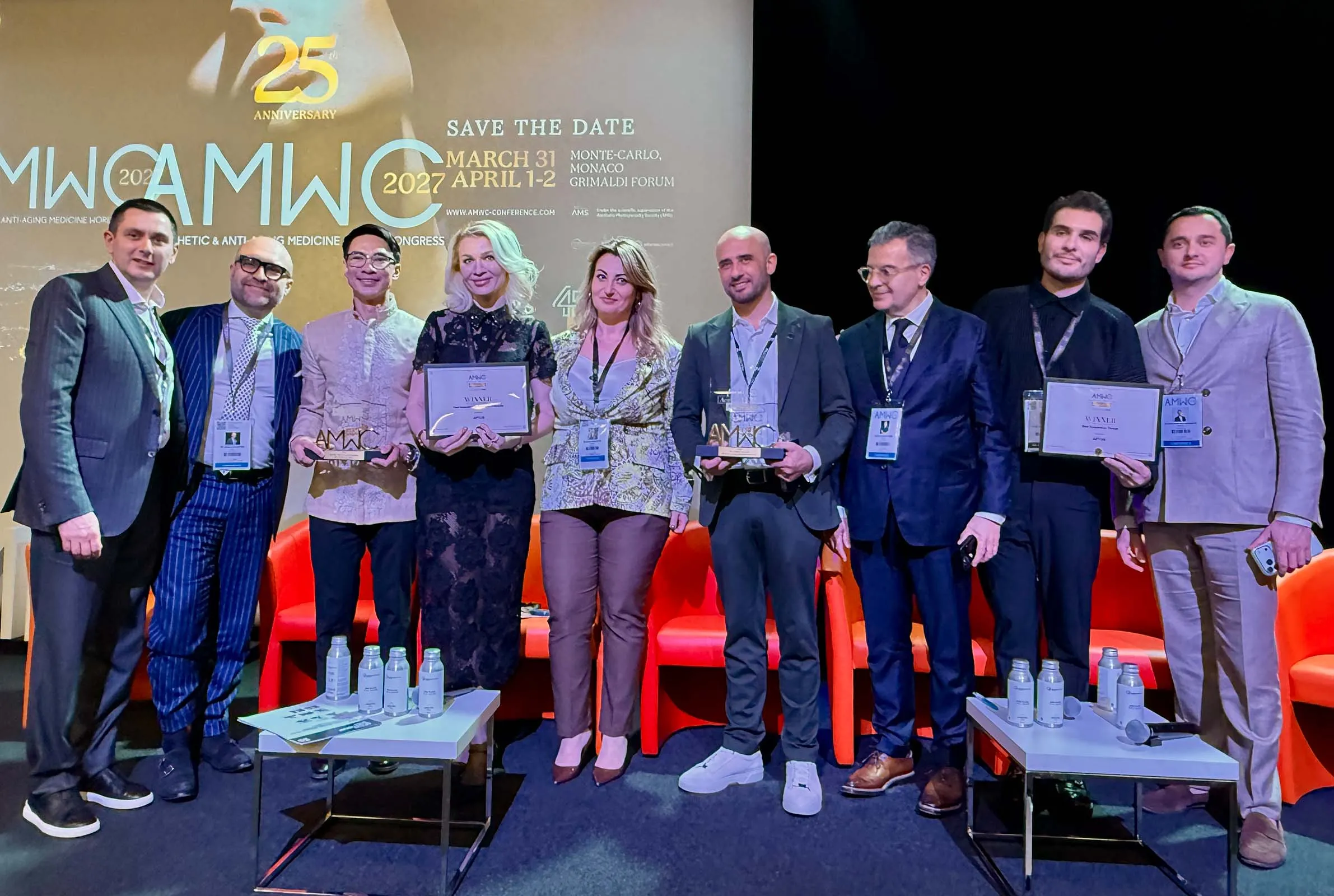
Recognition came in parallel. Out of thousands of global submissions to AMWC Aesthetic Awards 2026, three of his cases were shortlisted across categories, with one placing in the top three for threadlift treatment. The cases ranged from rejuvenation to beautification—evidence of a practice that operates across both corrective and aesthetic dimensions. “I was the only Filipino nominated… the only Filipino finalist,” he notes, situating the achievement within a broader context of representation.
Still, the value of the experience extends beyond accolades. In a field where repetition can easily become default, the ability to introduce a new framework—one that prioritizes structure over excess—signals a shift in how aesthetic outcomes can be approached, and understood.
The Faces He Shapes
If Monaco represents scale, the clinic reflects specificity. Here, the work becomes less about presenting ideas and more about applying them—patient by patient, face by face.
Central to this practice is his work with transgender patients, where aesthetic goals are often shaped by both identity and perception. Historically, the approach to feminization has leaned toward exaggeration—adding volume in ways that signal change, but not always coherence. Doc Cy’s method offers a counterpoint.
“The danger is being overly feminized to a point that it suddenly looks fake or unnatural,” he explains. Instead of relying on volume-heavy interventions, he turns to repositioning—using threads to lift and reshape existing structures, rather than layering over them.
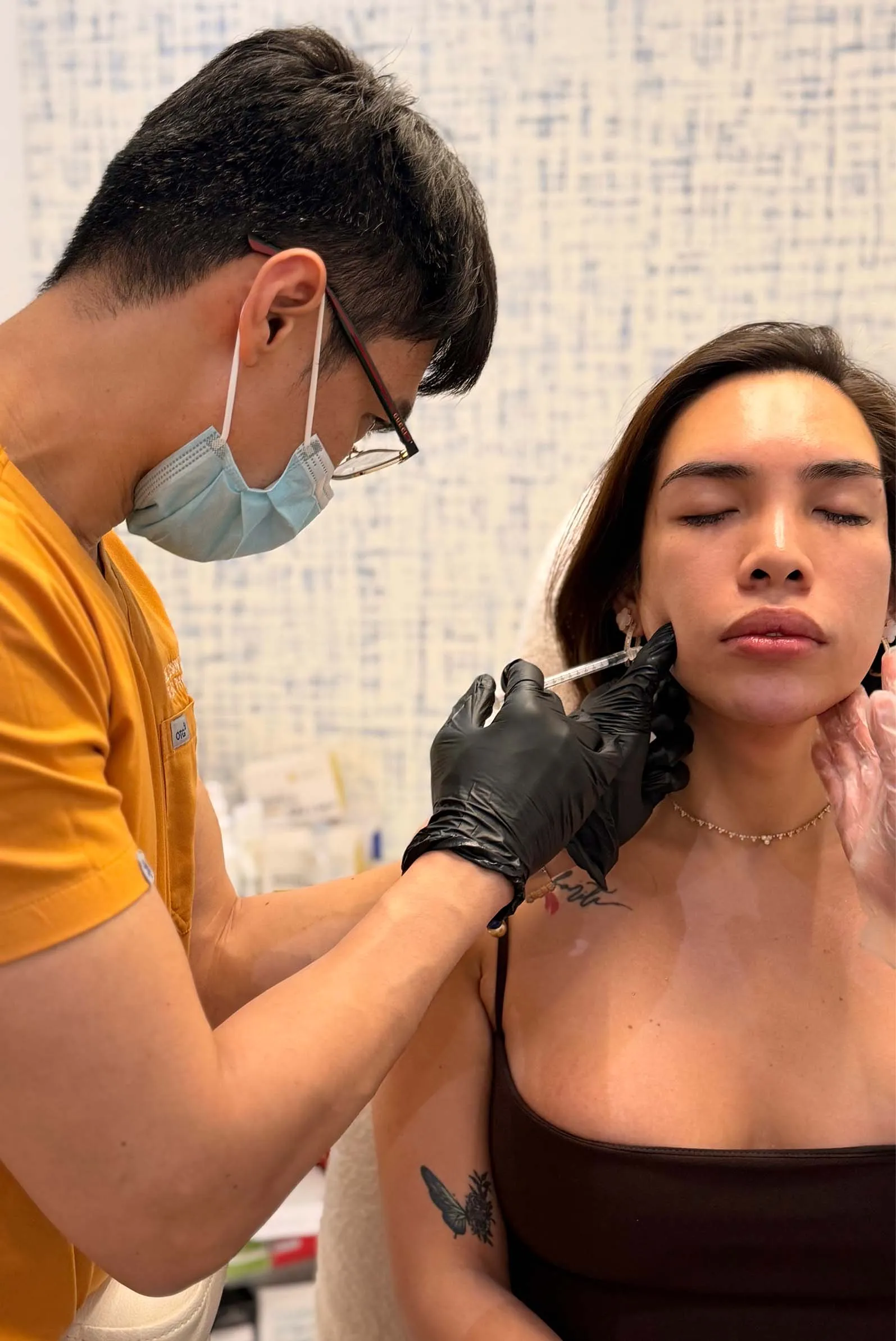
This distinction is not merely technical; it alters the pace of transformation. “To do treatments slowly over time… so that it looks very natural,” he says, describing a process that unfolds incrementally. Rather than delivering a singular, dramatic shift, the approach allows the face to evolve—each session building on the last, with results that settle into place rather than announce themselves.
In practice, this might mean elevating fat pads to create a heart-shaped contour, refining the jawline through lift rather than filler, or adjusting proportions in a way that aligns more closely with the patient’s sense of self. The outcome is less about achieving a fixed ideal, and more about arriving at a version of the face that feels internally consistent.
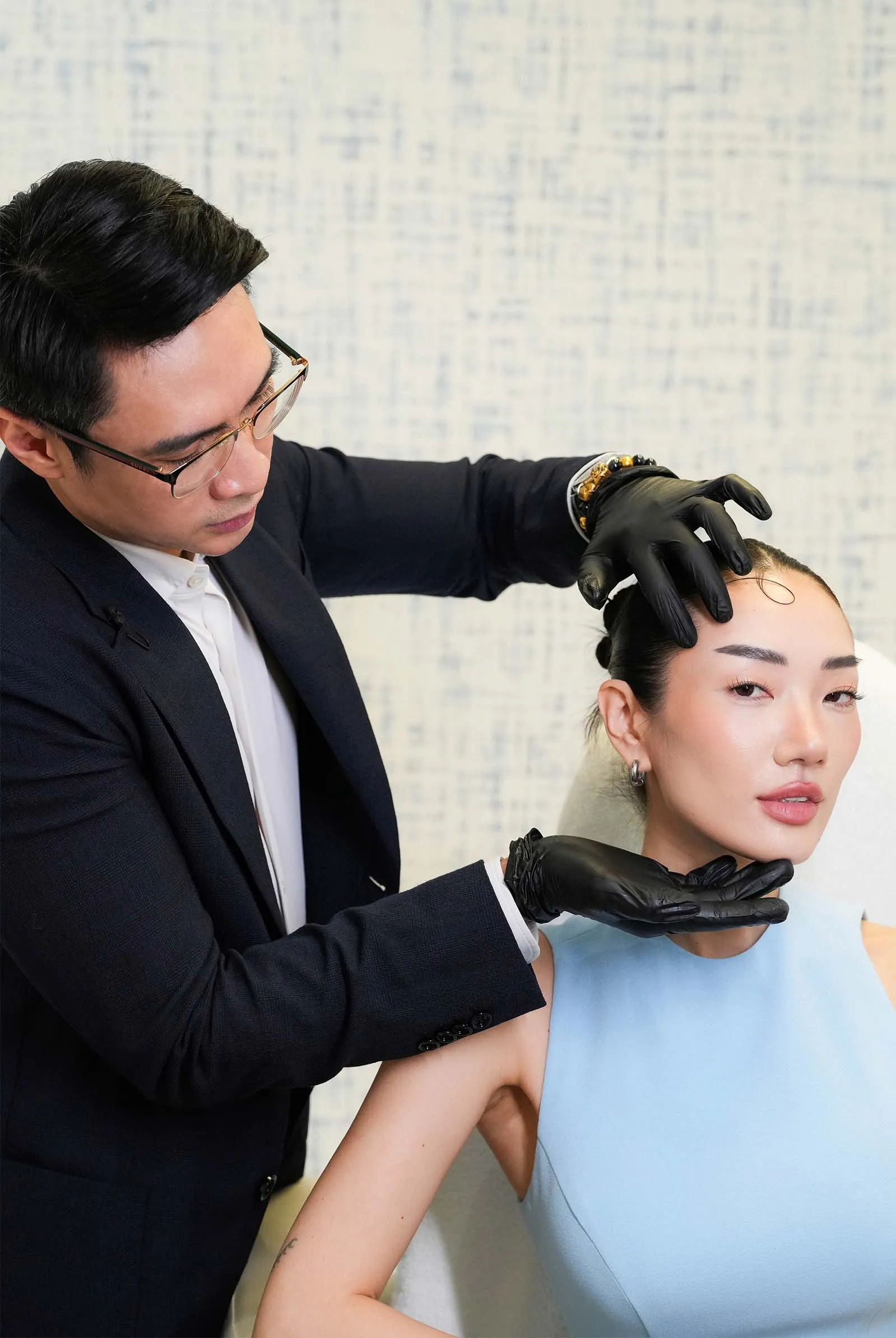
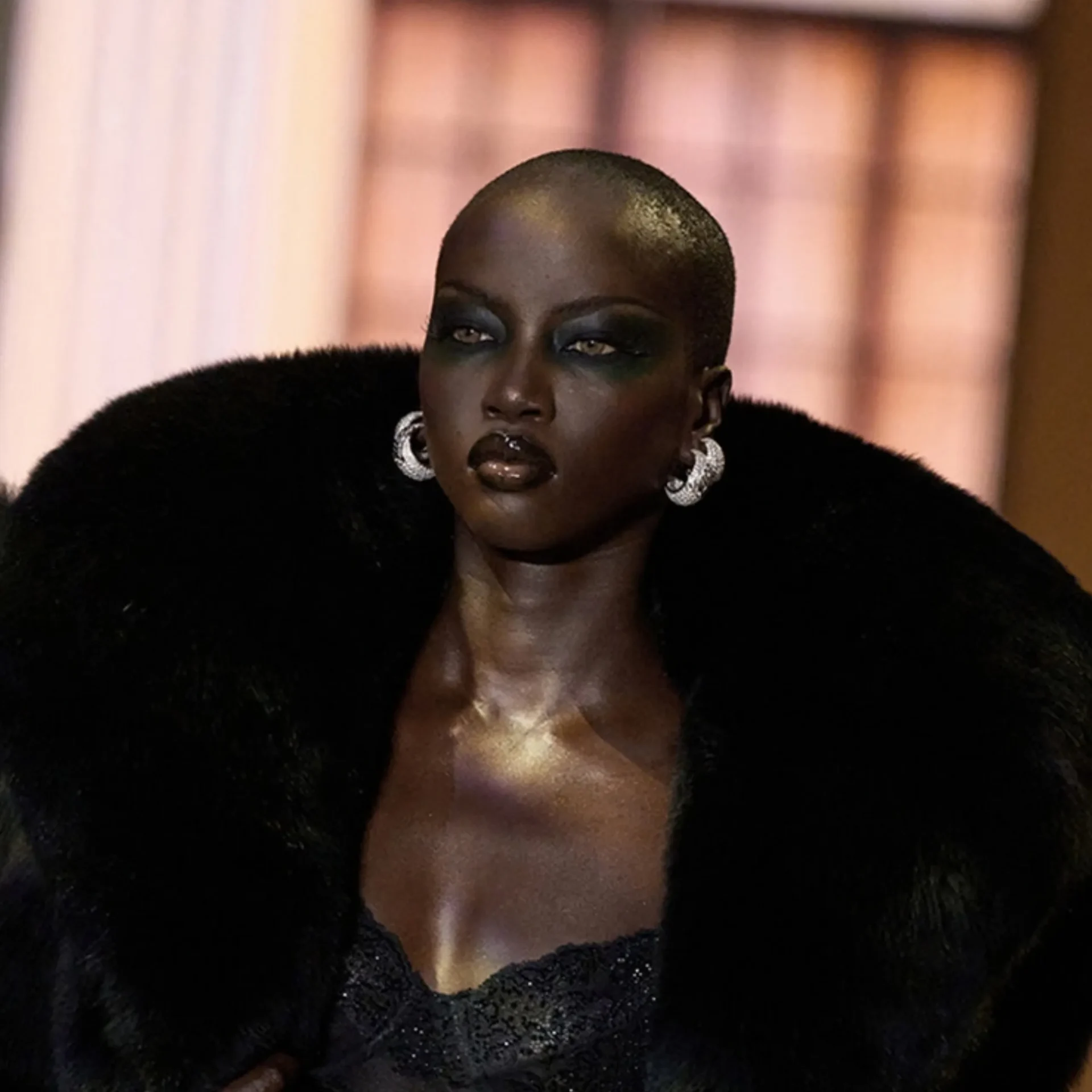
There is, inevitably, an artistic dimension to this work. “It’s art,” he says—an observation that becomes particularly visible in his collaborations with models, including those from the Professional Models Association of the Philippines (PMAP). In these contexts, the face operates as both subject and surface, where even subtle adjustments can recalibrate how features register under lighting, on camera, or in motion.
Yet what anchors the practice is not aesthetic ambition alone, but adaptability. “I don’t actually… ask gender,” he shares. “I look at the patient and treat what they need.” The statement gestures toward a broader shift in aesthetic medicine—one that moves away from rigid binaries and toward a more fluid understanding of beauty.
In this framework, the role of the practitioner is not to impose a predetermined outcome, but to navigate between intention and possibility. Consultations become conversations, where patient preferences are weighed alongside structural considerations. Even refusal is reframed—not as a closed door, but as a redirection. Instead of outright denial, alternatives are offered, aligning what is desired with what can be achieved.
The result is a practice that is both responsive and controlled—guided by expertise, but shaped in dialogue.
A Practice that Enhances Generations
That dialogue extends across generations. Within his clinic, the range of patients is notably broad—from young models to individuals of age navigating the visible markers of aging. Among them are his own parents, whose presence in his work introduces both familiarity and complexity.
“They’re my most difficult, most demanding patients,” he says, half in jest. But the treatments themselves reflect a more comprehensive understanding of how the face changes over time.
Aging, as he outlines it, operates on two fronts: loss of volume and descent of structure. Traditional approaches have often addressed these concerns with fillers—restoring volume in an attempt to create lift. But the result, when overdone, can feel disproportionate.
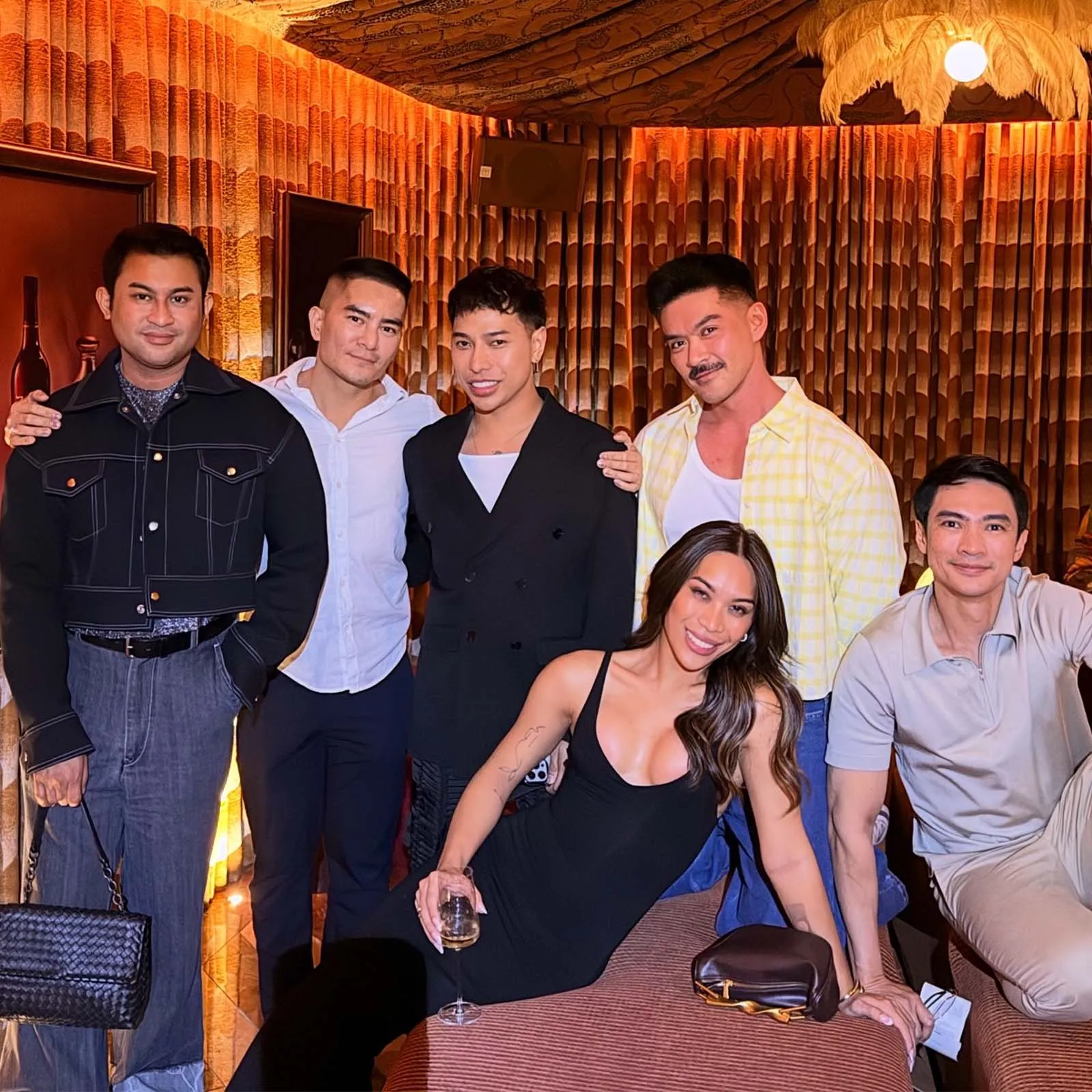
His alternative lies in combination. Threadlifting provides the structural lift, repositioning sagging tissue, while biostimulators like Ellure address volume loss at a cellular level, stimulating collagen production and subtly restoring fullness.
“It becomes intentional… and as well, artistic,” he explains.
This dual approach reframes aesthetic work as a system rather than a series of isolated interventions. Instead of treating lines, folds, or volume loss independently, the face is mapped as a whole—each area considered in relation to the others. The goal is balance, not correction; cohesion, not accumulation.
It is also what allows his practice to remain inclusive in the fullest sense—not only across gender identities, but across age groups and aesthetic goals. A model seeking sharper definition, a transgender patient seeking alignment, and a senior seeking restoration all enter the same framework, but leave with outcomes tailored to their specific needs.
For patients, this translates into a more measured experience. Treatments are often staged rather than immediate, with results building over time. The emphasis shifts from instant transformation to sustained refinement—a process that mirrors the philosophy underpinning the work itself.
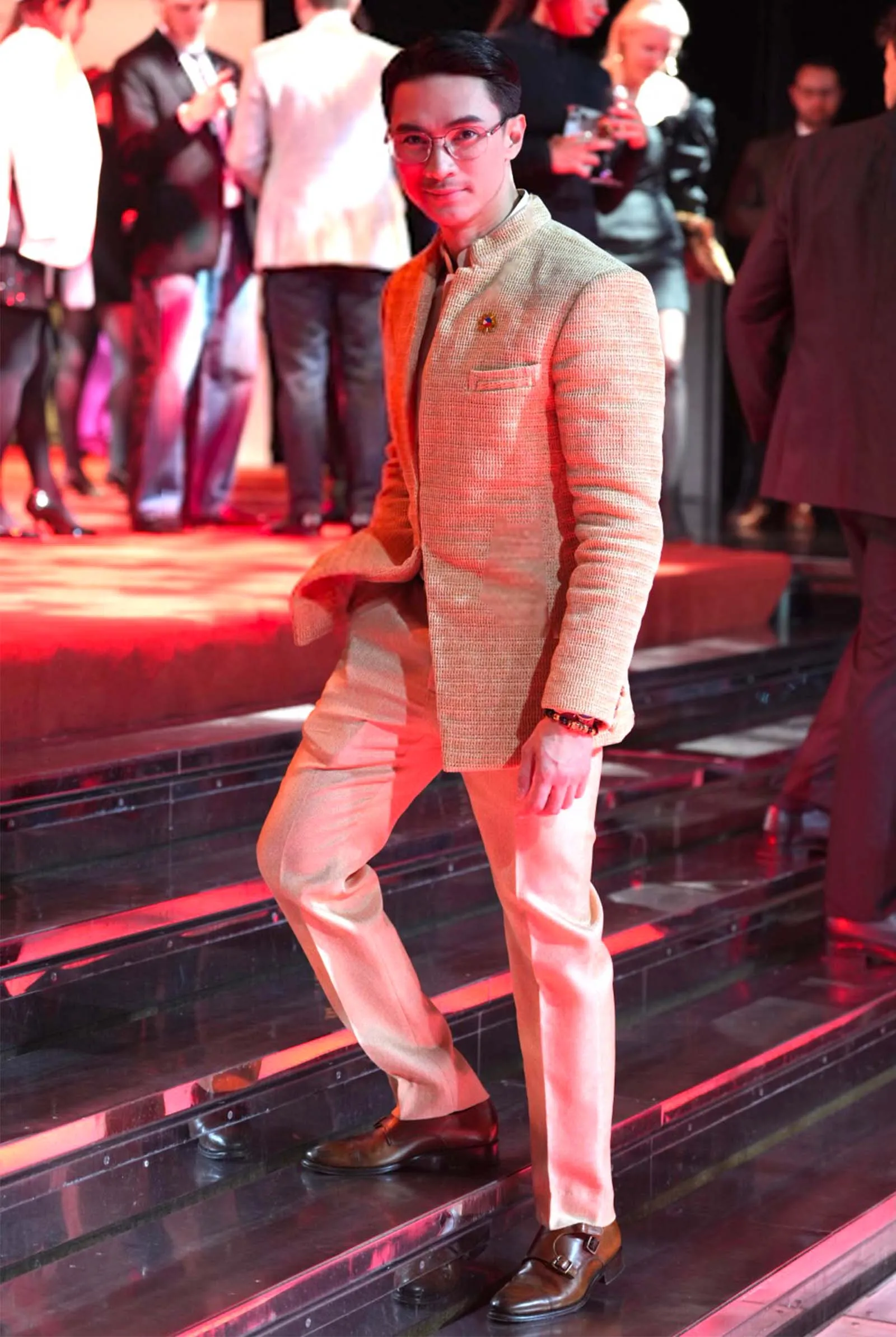
As Lift Aesthetic Clinic prepares to expand into a larger, more design-forward space at Ore Central in BGC, that philosophy remains intact. Conceived as a luxuryLuxuryrefers to a state of exceptional comfort, elegance, and quality, often characterized by premium craftsmanship, exclusivity, and superior experiences.Go to Luxury Glossary, art-driven experience and designed by. creative directorJan Conadera, the new branch reflects Doc Cy’s more elevated vision of aesthetic care—one that is both immersive and highly personalized.
The scale may change, but the approach does not: a continued focus on structure, restraint, and the subtle calibration of form. Alongside this expansion, new services in longevity, performance, weight management, and fitness will be introduced, further positioning the clinic as a space where expertise meets a more holistic, future-facing approach to beauty and well-being.
In the end, the most convincing aesthetic work is not the kind that announces itself—but the kind that settles so naturally, it feels as though it was always there.
Refine your look with a visit to their clinics in either Kapitolyo, Pasig or BGC. For inquiries, check their Instagram (https://www.instagram.com/liftclinicph/)or call 09156848487.
Follow Doc Cy on Instagram at https://www.instagram.com/dr_cyril_mitchel/.
Frequently Asked Questions
It refers to a technique prioritizing structural lift, contour, and tension rather than excessive volume, creating a result that is both refined, defined, and naturally balanced.
He focuses on repositioning existing structures with threads rather than layering volume, ensuring results evolve incrementally to look natural rather than exaggerated or overly feminized.
This combination approach provides immediate structural lift while simultaneously stimulating collagen production for deeper volume restoration, leading to a more cohesive and long-lasting aesthetic outcome.
Staged treatments allow the face to evolve slowly, ensuring that improvements settle into place naturally and align with the patient’s features rather than announcing themselves too forcefully.
No, his practice is inclusive, applying his philosophy of structure and restraint across diverse groups, including models, transgender patients, and individuals seeking restoration from visible signs of aging.