



When summer arrives in the Philippines, it’s to be expected that bodies will become a topic of discussion. “Your current physique is already summer-ready,” one article reassures. “How to get the summer bod of your dreams on a deadline,” another column chimes in. Naturally, the talk inevitably circles back to the Body Positivity Movement.
And immediately, the eyes roll.
Mentioning body positivity nowadays feels a bit like inviting that one overly passionate relative (like the writer of this piece) to a family dinner. People know the stories are rooted in something important, but they’re also bracing for a lecture that goes on too long and leaves everyone uncomfortable.

RELATED: Body Politics: The Cost of Chasing the Perfect Body
In 2026, the movement has taken quite a beating in the court of public opinion. There’s a clash within the community. You’re either complicit for “promoting unhealthiness” or a traitor for losing weight. And between the Ozempic chatter and the looksmaxxing edits on everyone’s For You Page, the very concept of loving your body feels like it’s being shoved toward the door.
But before bidding farewell entirely, maybe just glance back at where it all started.
Resistance & Neutrality

Back in the 1800s, during the very first wave of feminism, women decided they were done with two things: suffocating in corsets just to achieve a socially acceptable waistline and being told they couldn’t wear pants. Acceptance of all body types, regardless of waist measurements, was a major theme, and it was the first of its kind.
The ‘60s arrived, and an engineer named Bill Fabrey was appalled that his wife, Joyce, was being treated poorly for her size. He found an essay by a man named Lew Louderback, and they started a group that became the National Association to Advance Fat Acceptance (NAAFA). By 1972, Californian feminists grabbed the baton, ensuring women led their own fight. The cause kept growing until it became global.

This brings us to the present and the rise of Body Neutrality. It’s easy to see the appeal. Body Neutrality says, “You don’t have to love your rolls, yet your vessel deserves respect because it carries you through your life.” It’s the chill cousin who doesn’t demand. It prioritizes function over form. And after years of being told to “love yourself” until blue in the face, it’s nice to just take a deep breath and exhale.
The Catch
Neutrality sounds more catered to the individual than the collective. While body positivity stems from fat acceptance, it has grown beyond that. If the discourse feels exhausting, consider that most of the world still cultivates this discriminatory environment while also profiting from it. It’s a conversation that has yet to stop for pregnant and postpartum women, differently-abled folks, the aging population, or anyone who deviates from the “ideal” standard.

Are you the enemy for being conventionally attractive? Of course not. Is it bad to wish to improve yourself? If your reasoning comes from a mentally grounded place, then not at all. That being said, we cannot let the Body Positivity Movement die. Beyond the noise, the reminder that you deserve fair treatment as you are—unapologetic and unmodified—is worth keeping.
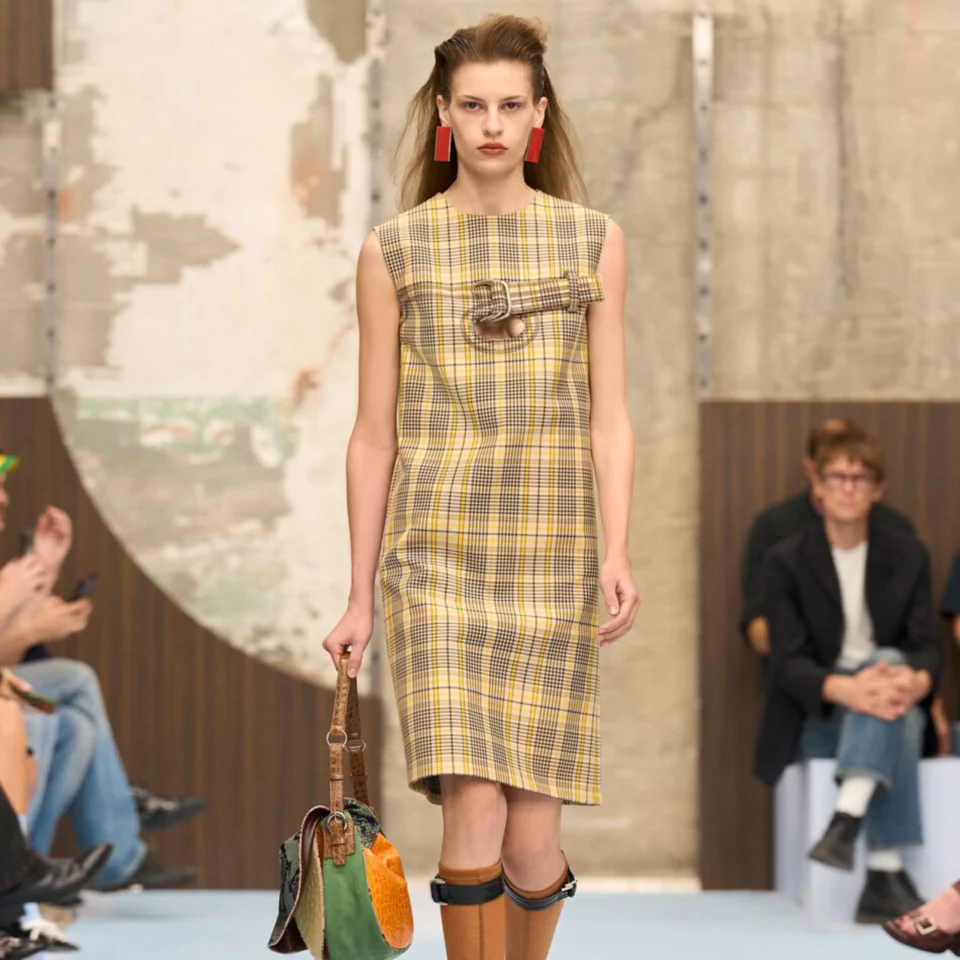
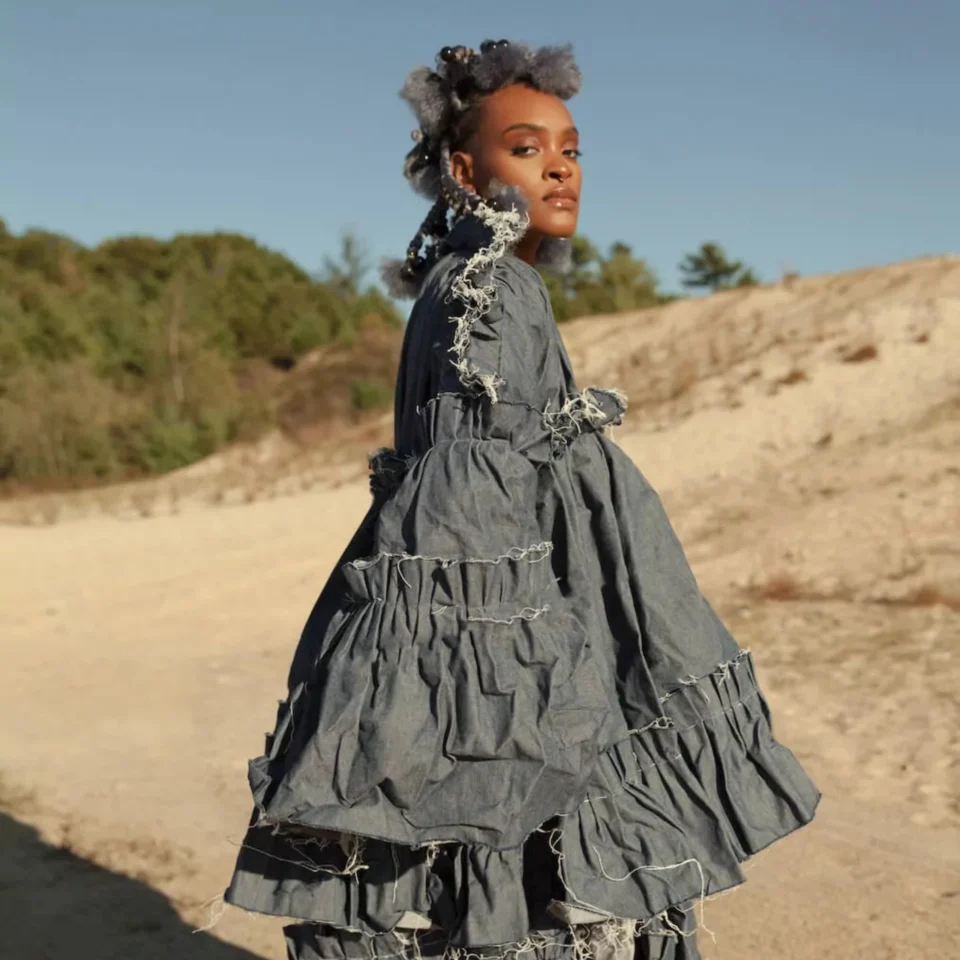
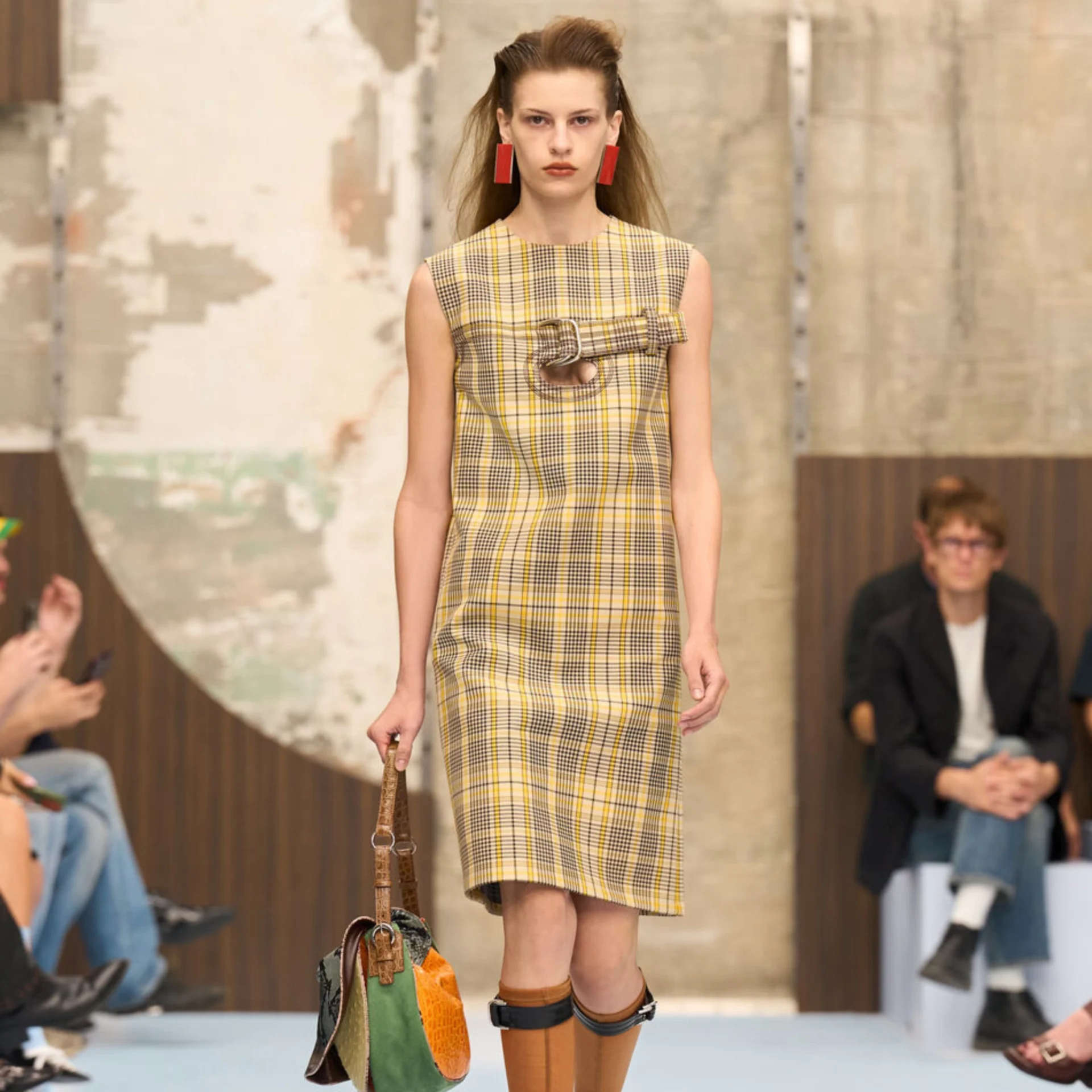
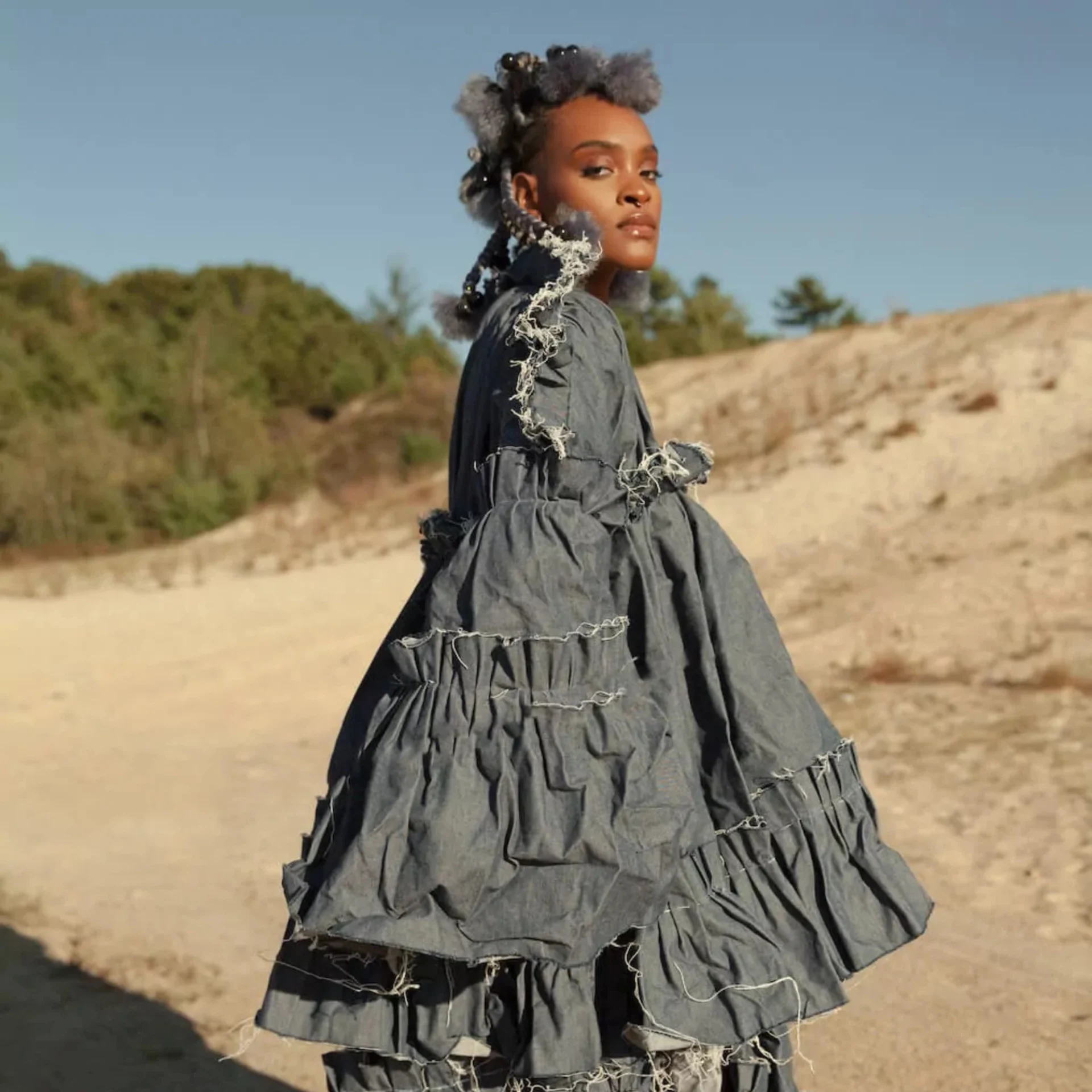
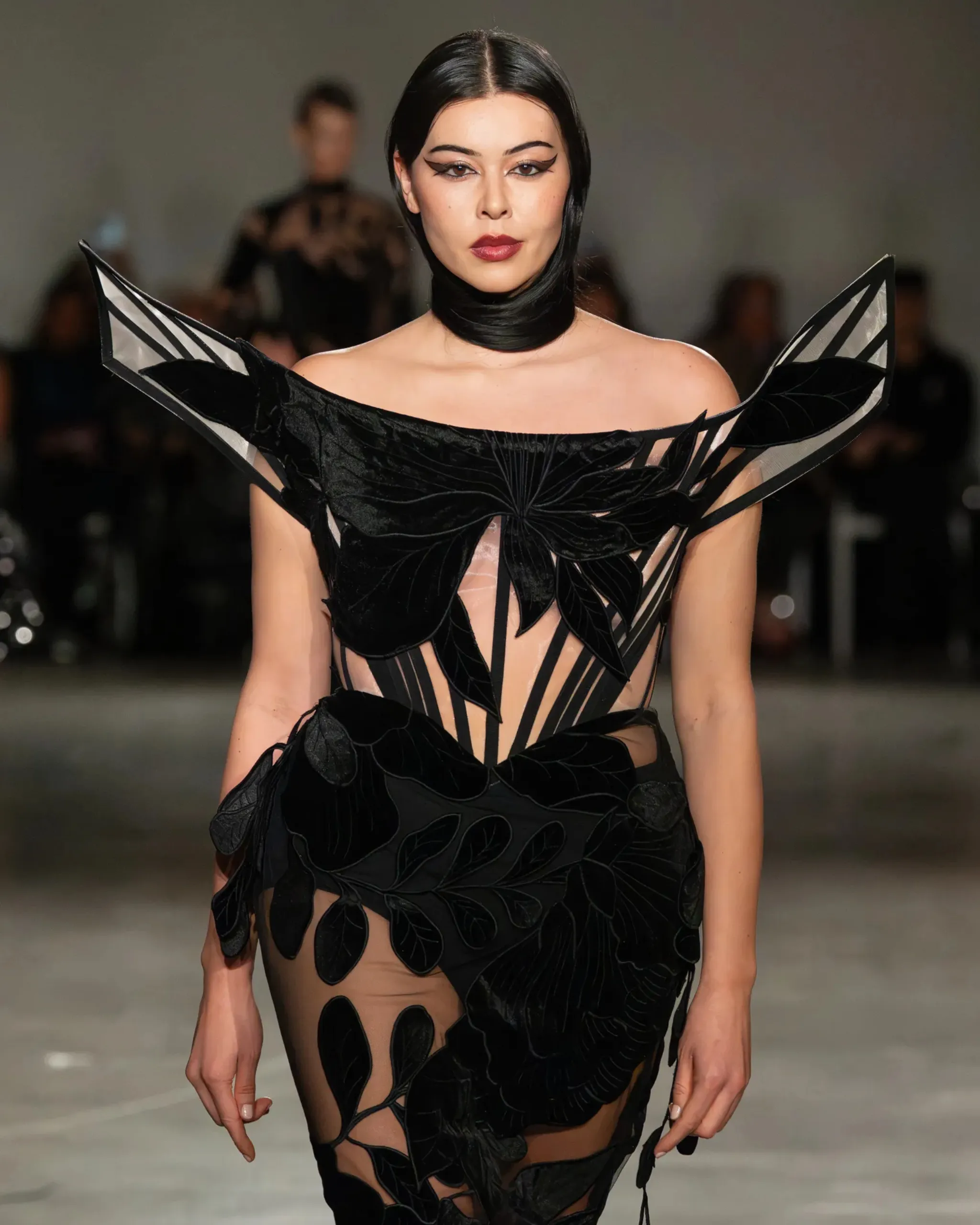
Photos: CHRISTIAN SIRIANO (via Instagram) and NAAFA (via Website)
Frequently Asked Questions
The Body Positivity Movement traces its roots to the first wave of feminism in the 1800s, when women began rejecting corsets and socially imposed waistline standards. It gained formal structure in the 1960s when Bill Fabrey and Lew Louderback founded what became the National Association to Advance Fat Acceptance (NAAFA). By 1972, Californian feminists had taken over leadership of the cause, and the movement continued to grow globally through to the present day.
Body neutrality is the position that you do not have to love your body, but should respect it for what it does rather than how it looks. It prioritizes function over form and removes the pressure to feel positive about one’s appearance at all times. Body positivity, by contrast, is rooted in fat acceptance and advocates for fair treatment of all body types, particularly those historically marginalized — including people who are plus-size, differently-abled, aging, or pregnant.
The Body Positivity Movement is under cultural pressure in 2026, facing criticism from multiple directions — accused of promoting unhealthiness on one side and being co-opted or watered down on the other. The rise of Ozempic discourse, looksmaxxing content on social media, and the growing appeal of body neutrality have all contributed to a sense that the movement is losing ground. The argument of this piece, however, is that the movement’s core message — that people deserve fair treatment regardless of body type — remains too important to abandon.
Looksmaxxing is a social media trend centered on optimizing one’s physical appearance through various means, from skincare routines to more extreme interventions. It has become a prevalent part of online culture in the mid-2020s and represents a counterforce to body positivity — reinforcing the idea that appearance is something to be constantly improved rather than accepted. Its prevalence on platforms like TikTok has contributed to the cultural fatigue around body acceptance messaging.
The piece argues that wanting to improve yourself is not inherently incompatible with body positivity, as long as the motivation comes from a mentally grounded place rather than shame or external pressure. Body positivity does not demand stasis — it demands fair treatment. Being conventionally attractive or pursuing personal change does not make someone the enemy of the movement; what matters is whether the broader environment continues to discriminate against bodies that deviate from an idealized standard.