




We were at the playhouse once. A few seasons ago, Marc Jacobs sent out silhouettes so inflated they were faintly surreal—hair askew, shoulders jutting, skirts orbiting the body like personal satellites. You could knock over a cocktail just by turning around. It was delirious, funny, and knowingly excessive. Fashion is a fever dream. Now, the fever has broken for Spring/Summer 2026.
RELATED: Maybe You Keep Dating People Who Need “Fixing” Because You’re A Parentified Child


After the Playhouse Lights
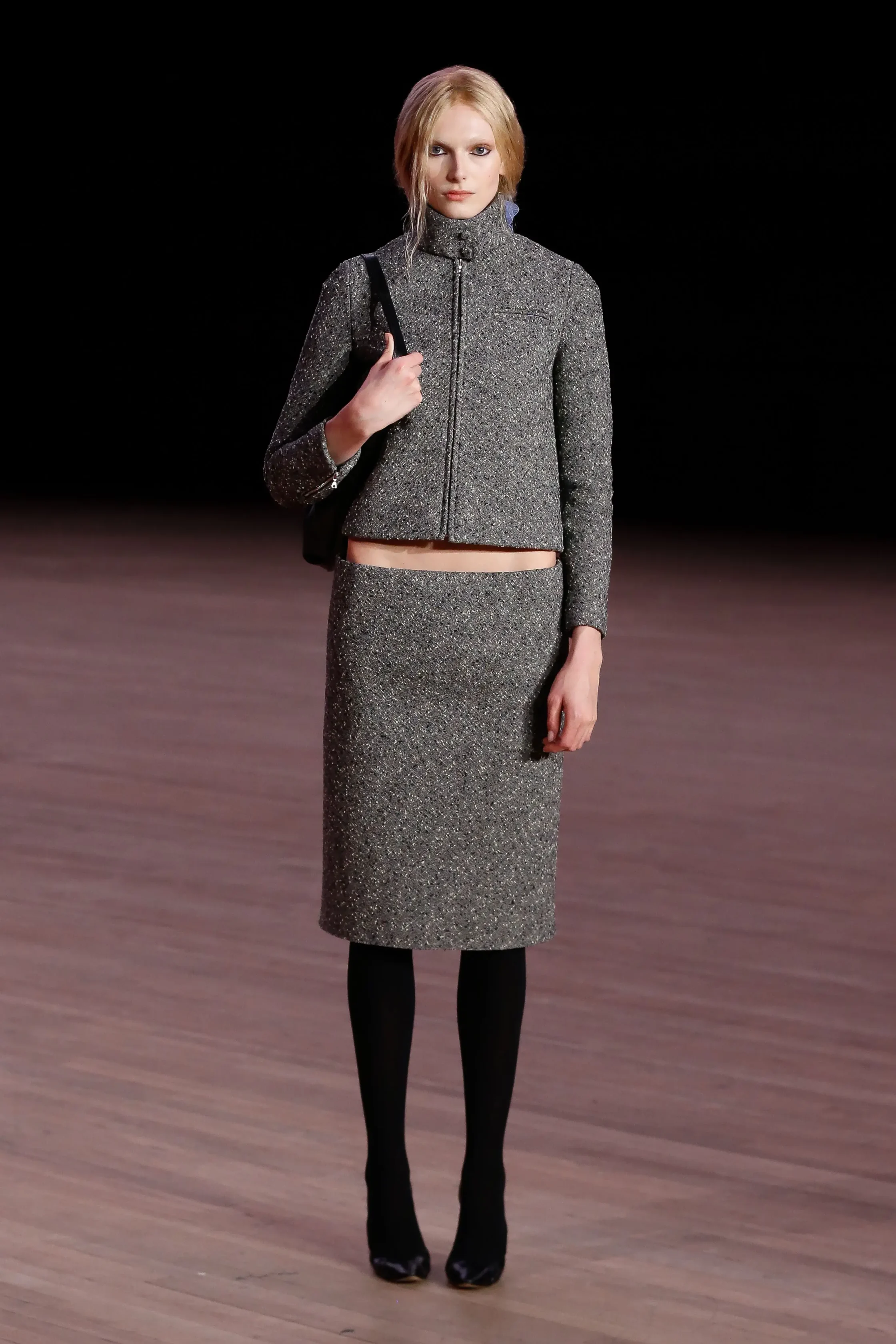
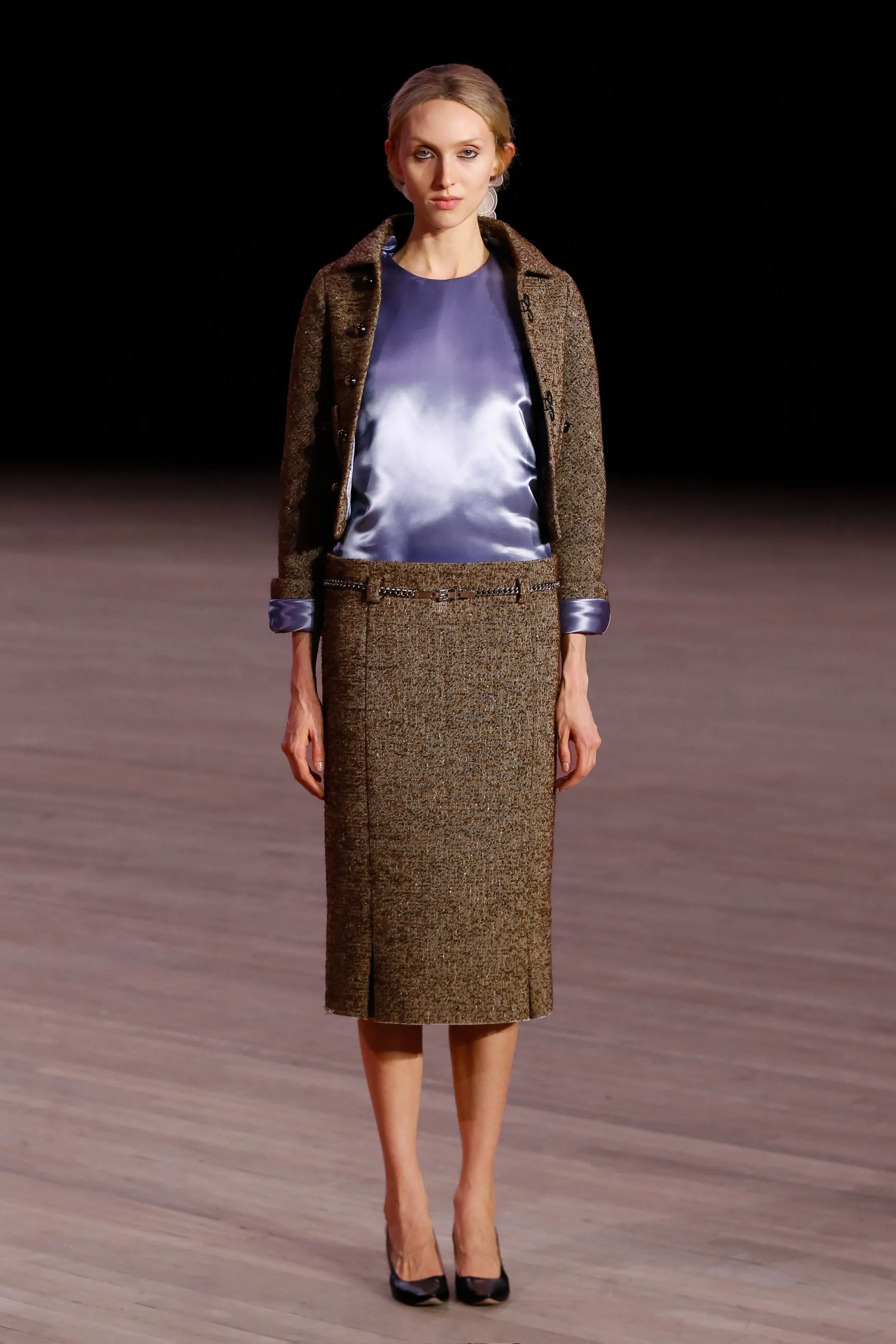
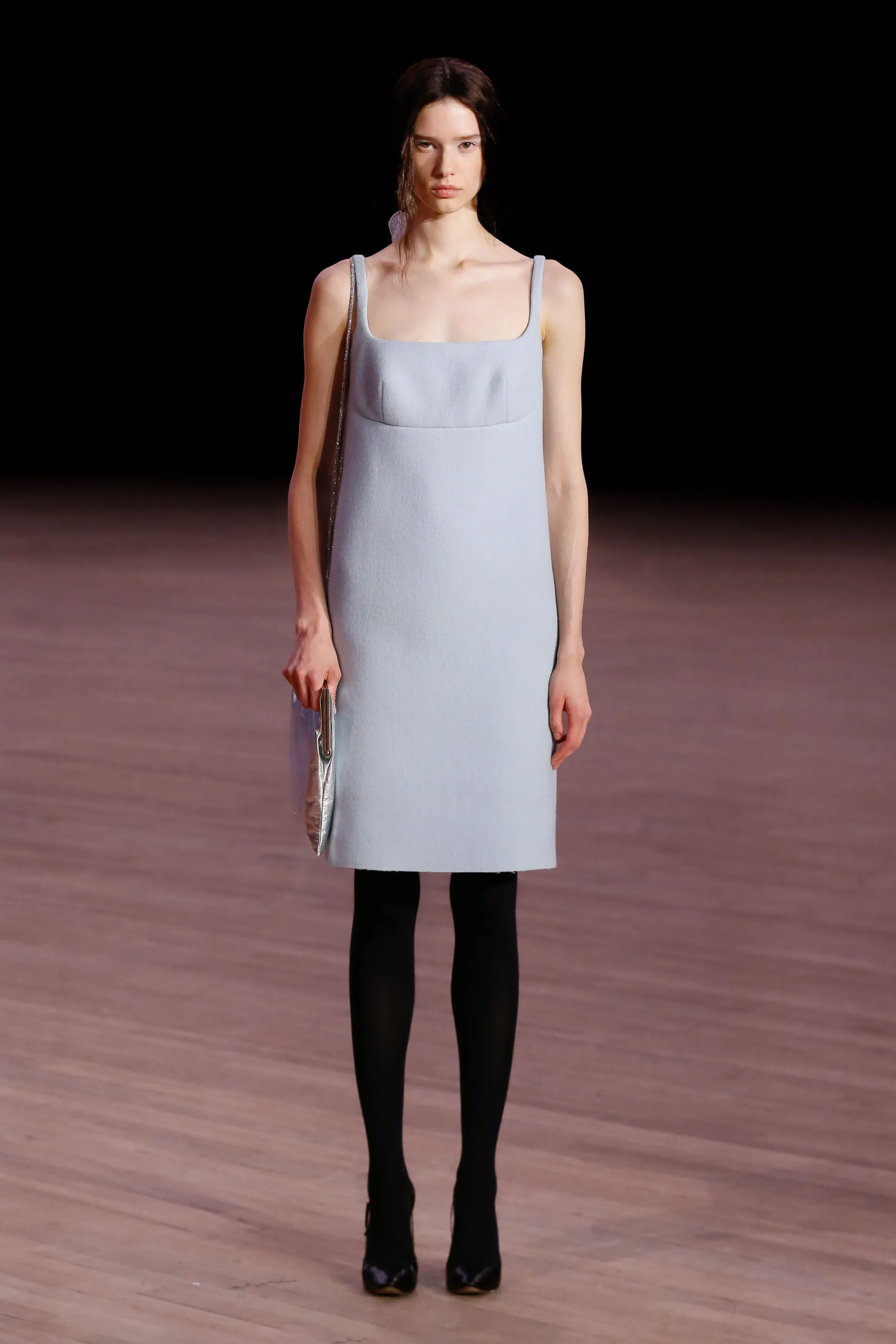
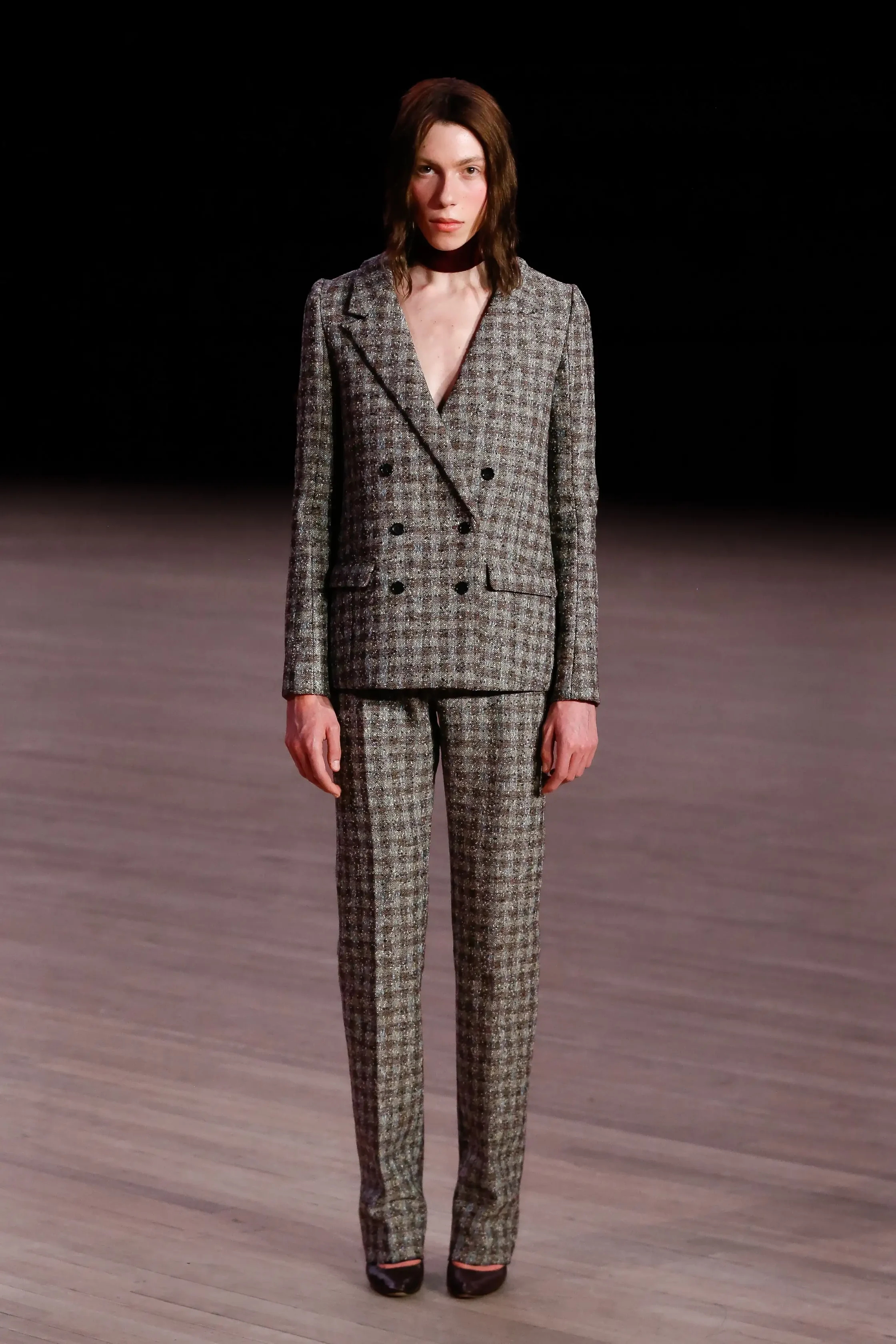
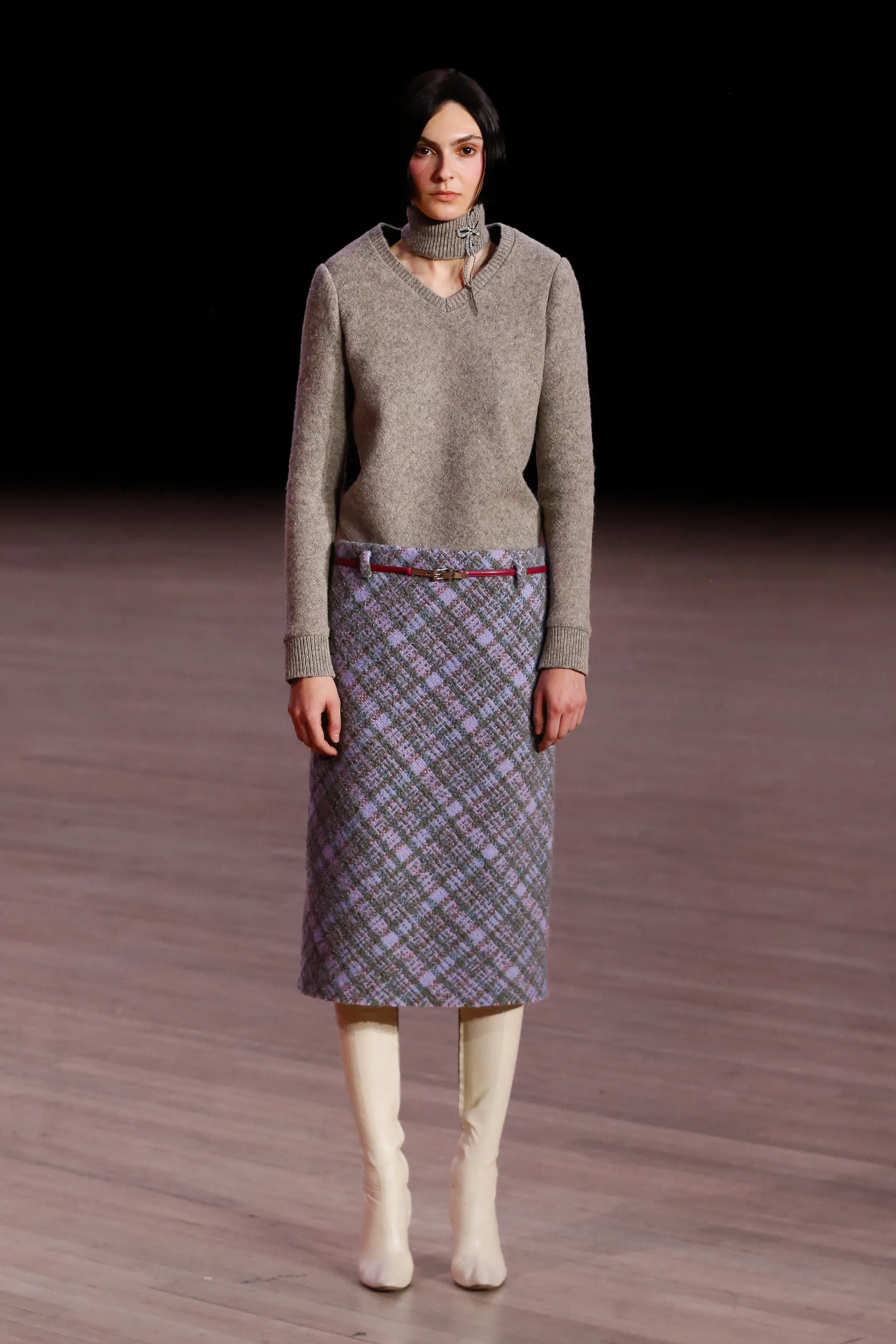
Marc Jacobs doesn’t necessarily follow the fashion calendar; hence, here we were for what is the final collection for the S/S26 season. It arrives like the morning after: flushed and reaching for ice water—not for the mouth, but for the mind. The dolls have stepped off their shelves. We’re no longer playing with them; we are them. Or perhaps we always were. What was a costume—red-carpet sensation, whimsical distortion—has softened. The volume has lowered. Hemlines settle. Jackets skim instead of engulf. At first glance, they look like ordinary clothes.
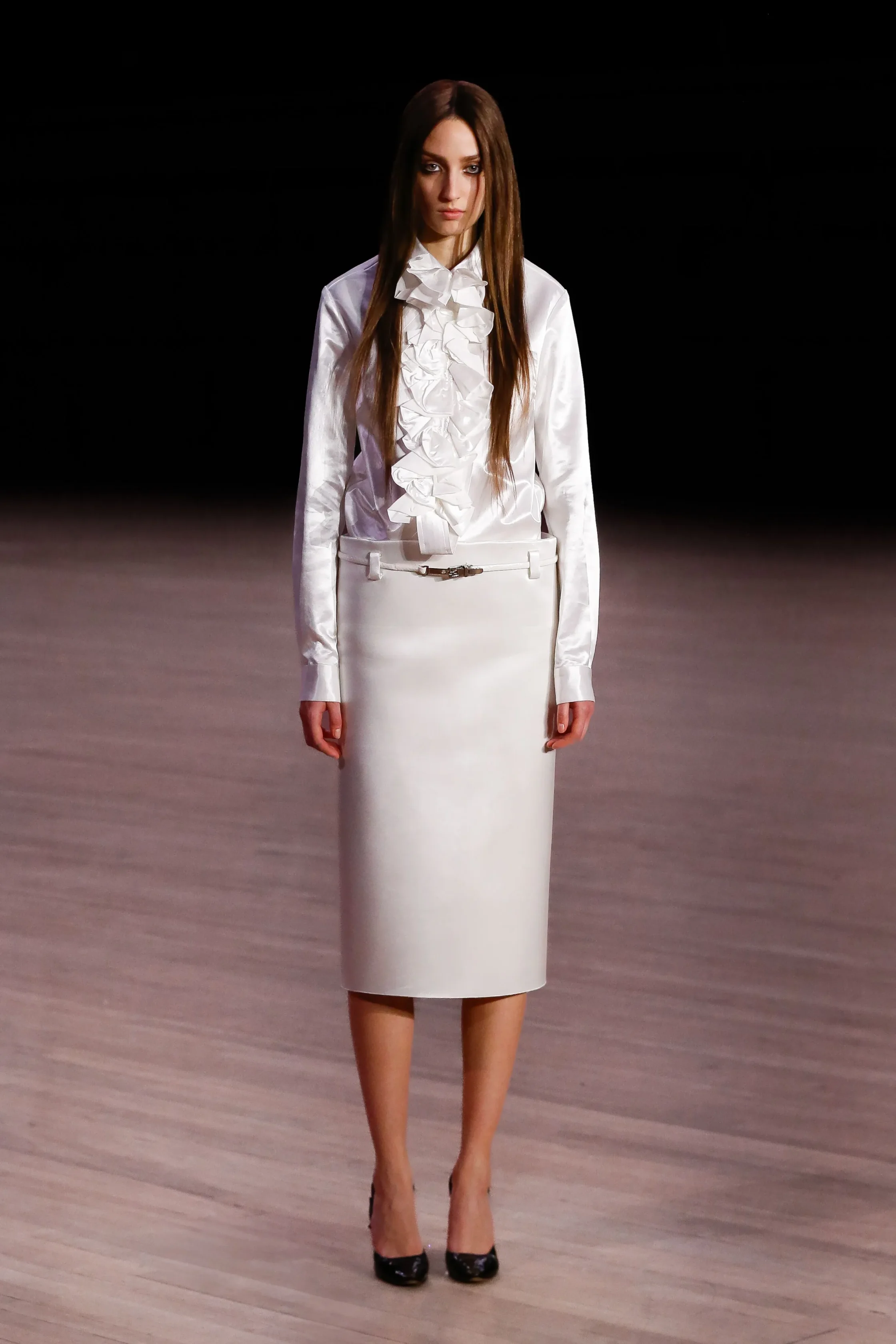
After seasons of zaniness, Jacobs pivots toward something real, relatable, wearable—dangerous territory in an industry that often confuses spectacle with substance. Wearability without a point of view can feel like surrender. Jacobs, however, never surrenders. This collection is an epilogue to chaos, a thesis concluding that control can follow excess. Memory becomes the architect.
“Memories, both bittersweet and beautiful, are a faculty of purpose influencing current and future actions—who we are, what we create, what we leave behind and what we carry forward,” Jacobs wrote in his show notes.
Tailoring the Timeline
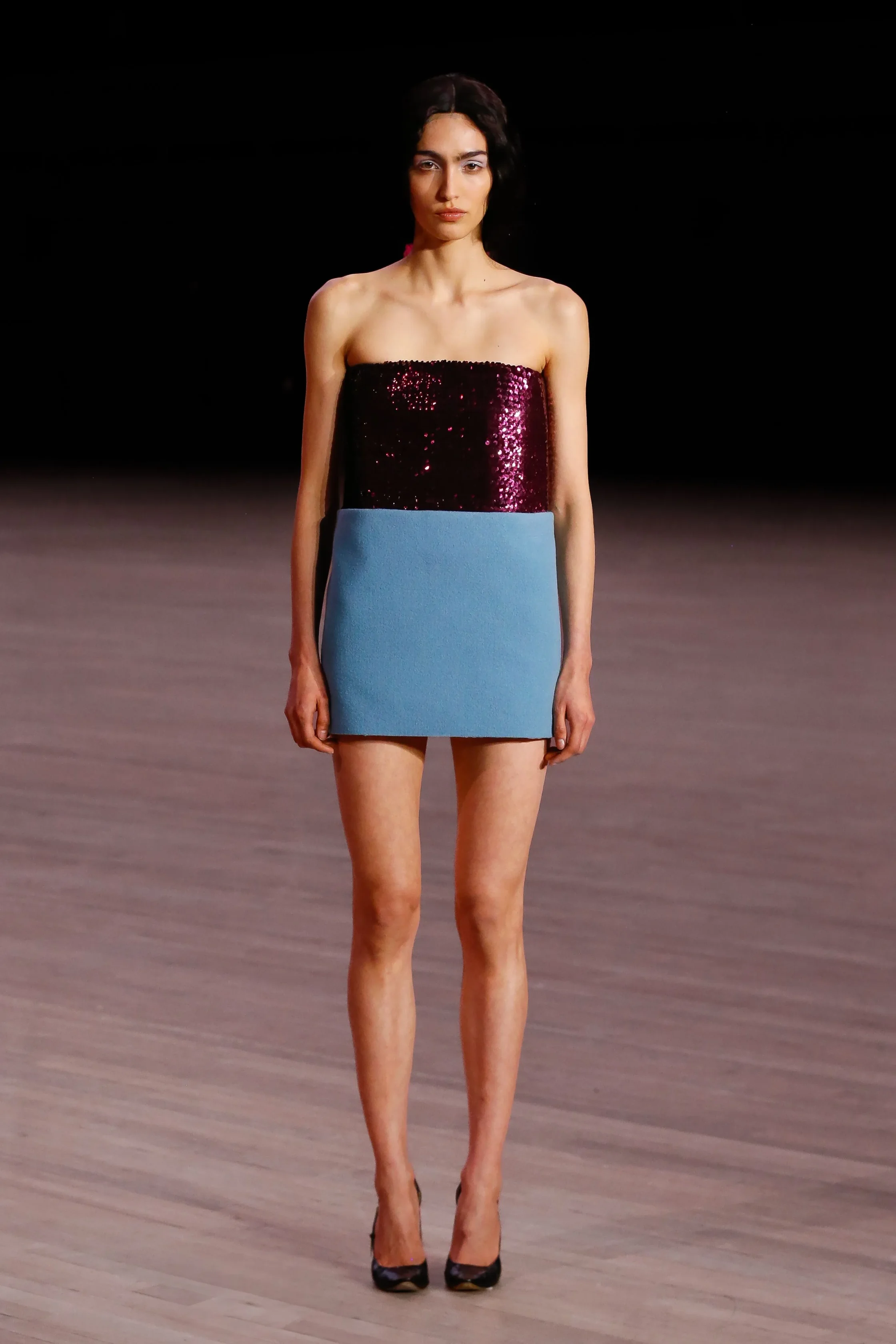
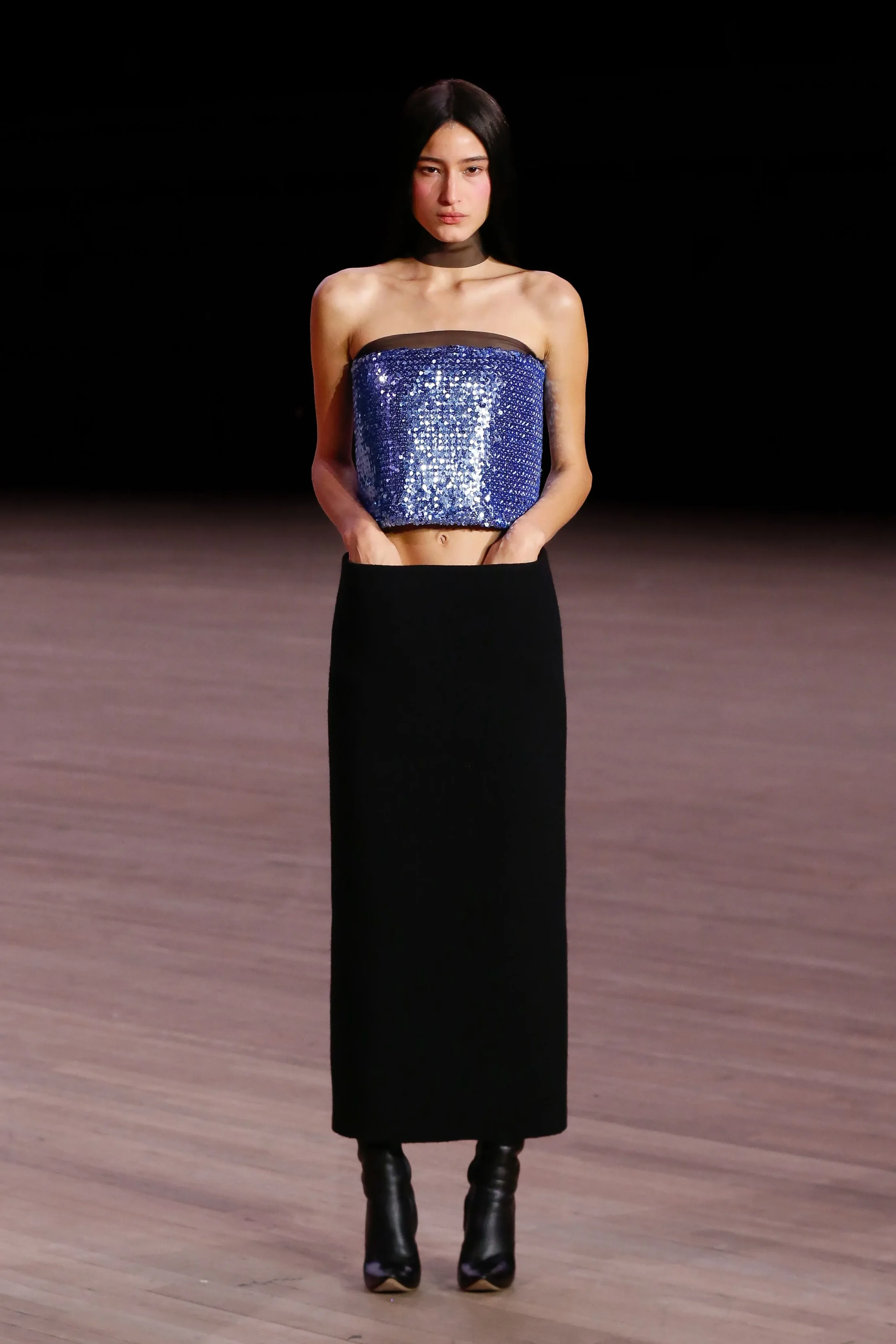
There’s a ’90s current running through it, though not in the algorithmic way nostalgia often circulates online. Waistbands sit loose enough for hands to slip into; minis hike up with a shrug. Double-breasted blazers cut sharp, boxy, deliberate. Plaid suits recall his Perry Ellis era—the risk that got him fired now canonized as fashion folklore. Each look feels tethered to a moment in his own timeline—grungeGrungeA style that emerged from 1990s alternative rock, featuring flannel shirts, ripped denim, oversized knits, band tees, and combat boots. Deliberately rumpled and anti-glamour, grunge has been revisited by designersGo to Grunge Glossary rebellion, Parisian polish at Louis Vuitton, the stripped-back cool of American minimalism.
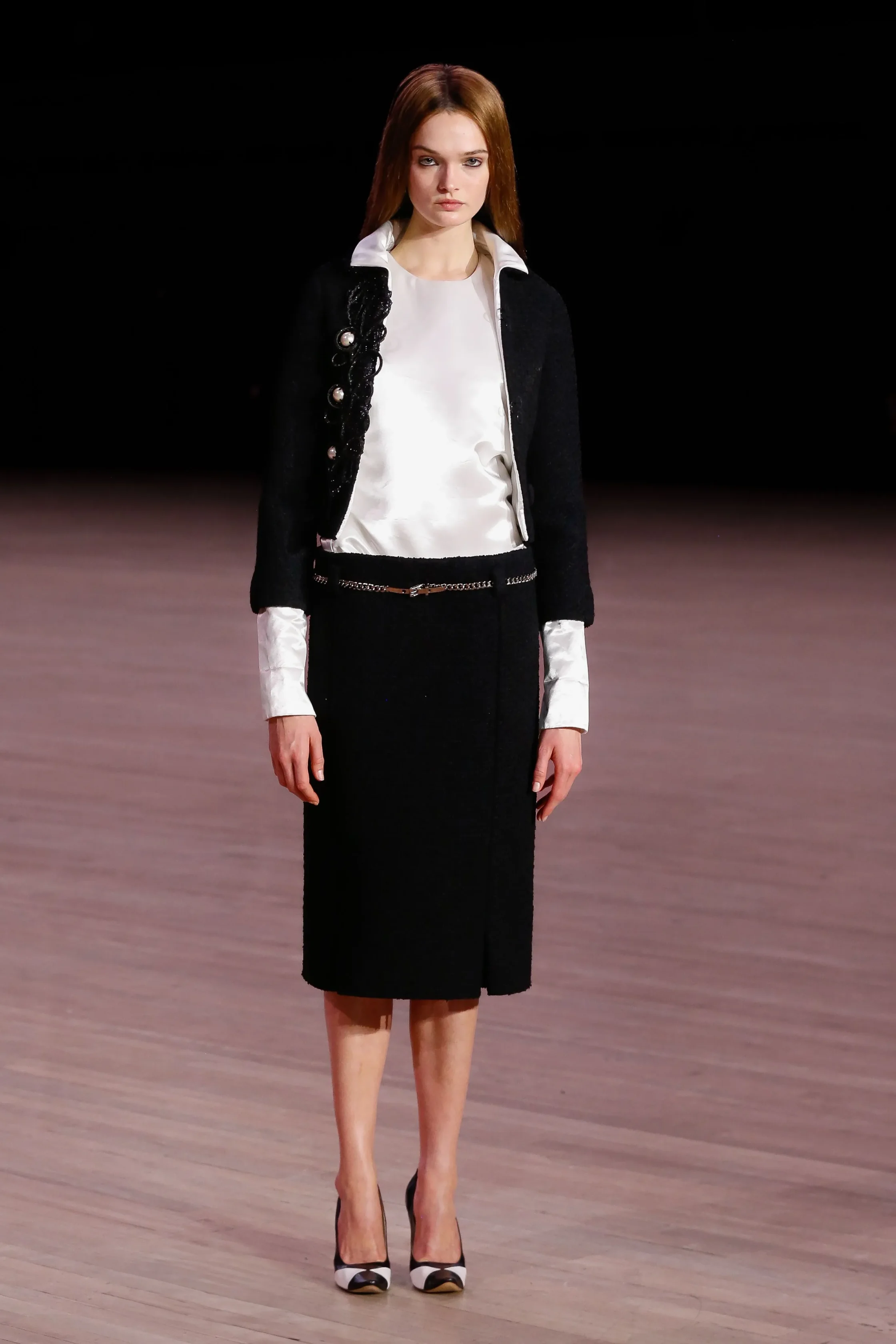
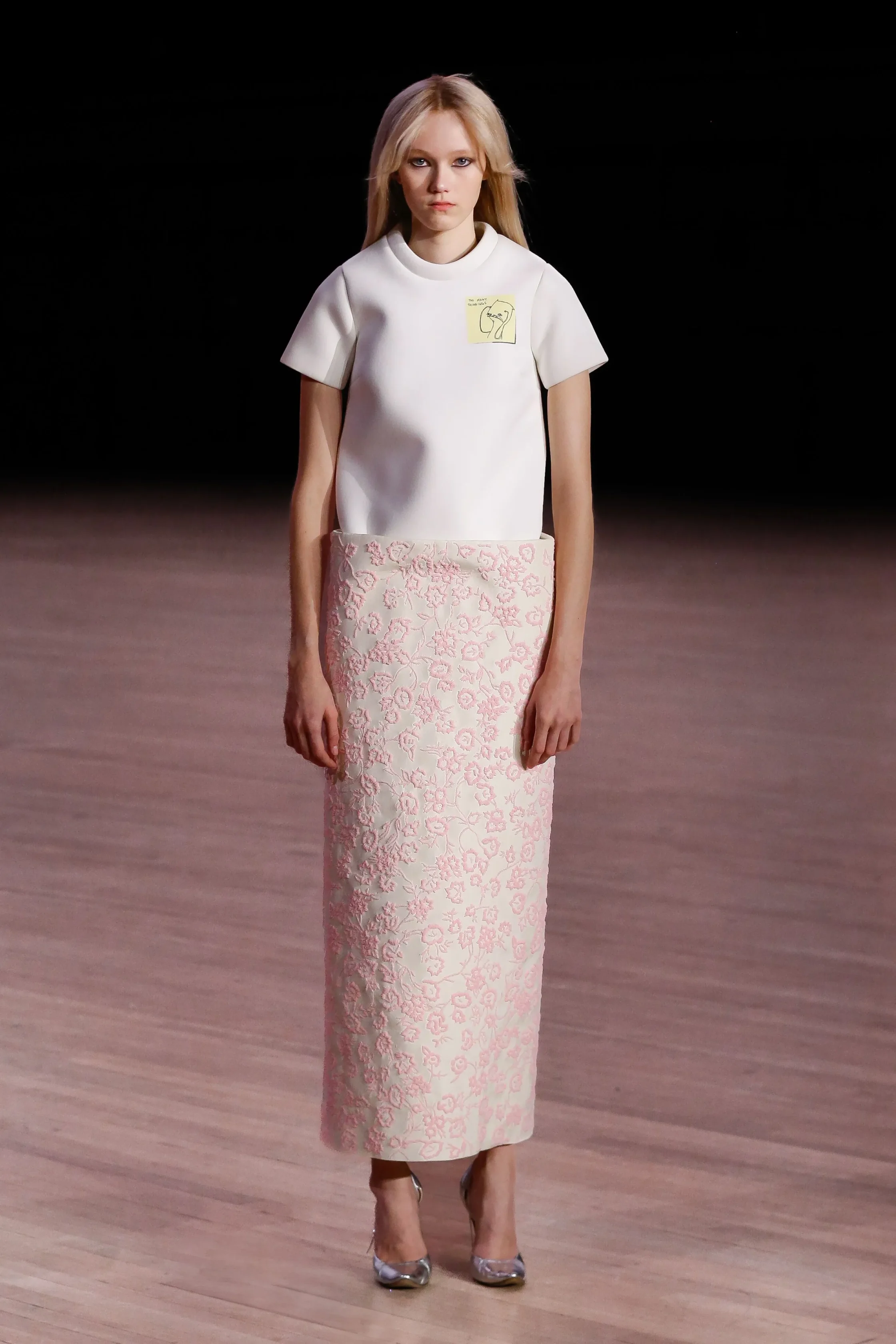
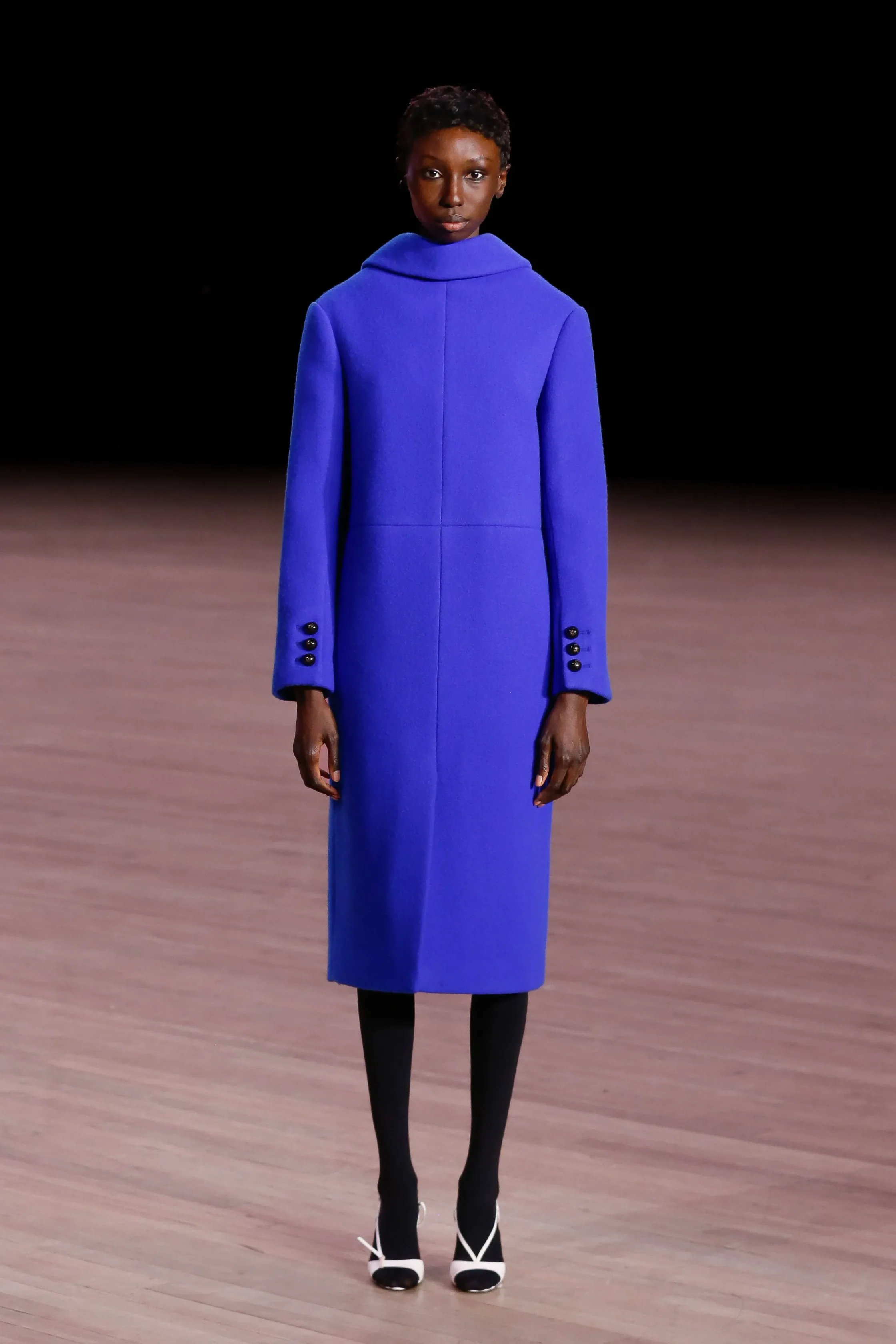
Proportions skew just enough to keep things unsettled. Coats flip back-to-front, buttons marching up the spine. Frogging on jackets glints with a near-digital sheen. Skirts square off in geometry, a subtle echo of last season’s sculptural experiments.
Then, after dark. Sequined bandeaus peek out beneath tailored coats, like someone leaving the office and heading straight to a downtown dance floor. Workwear, clubwear, memory-wear—they collapse into each other.
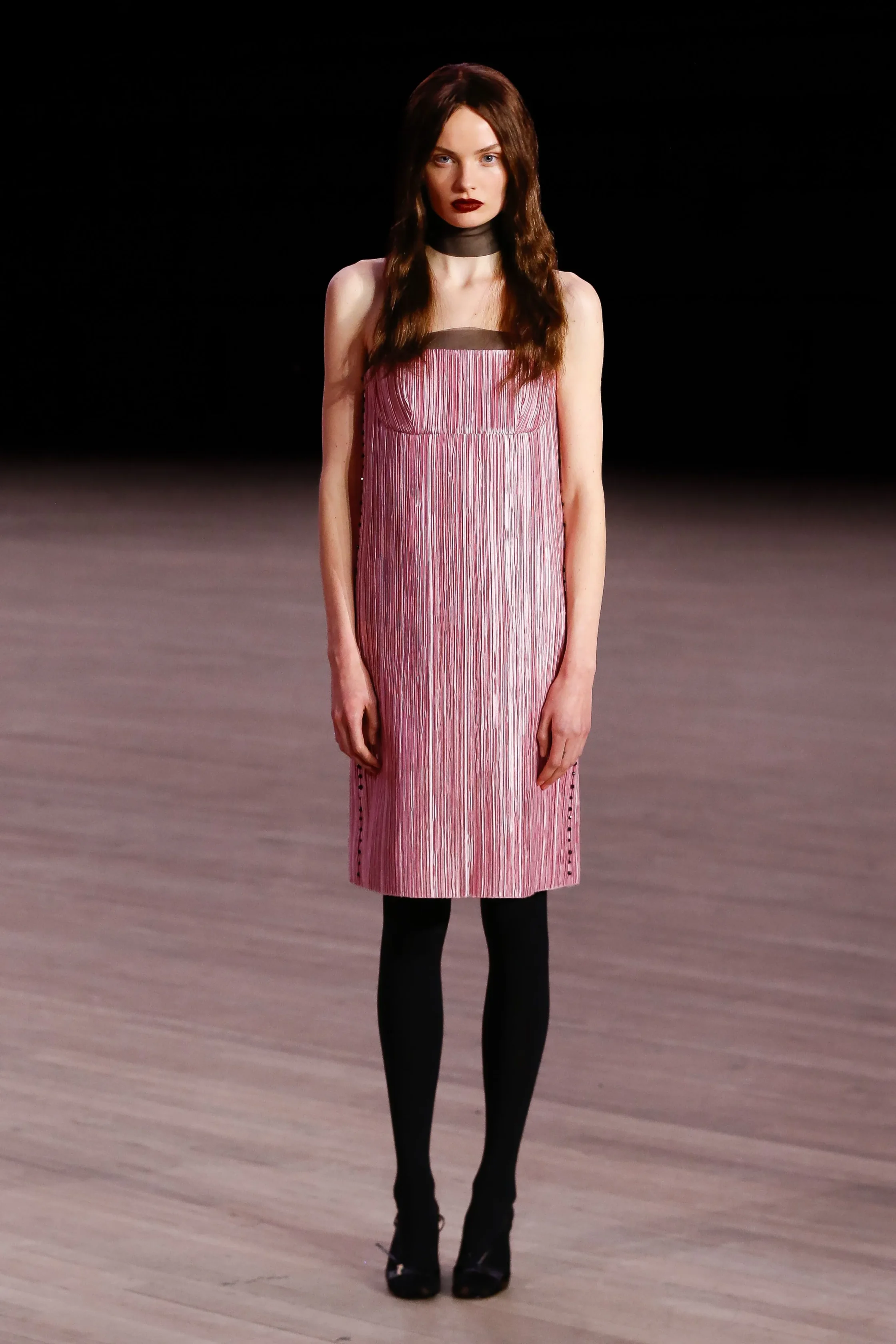
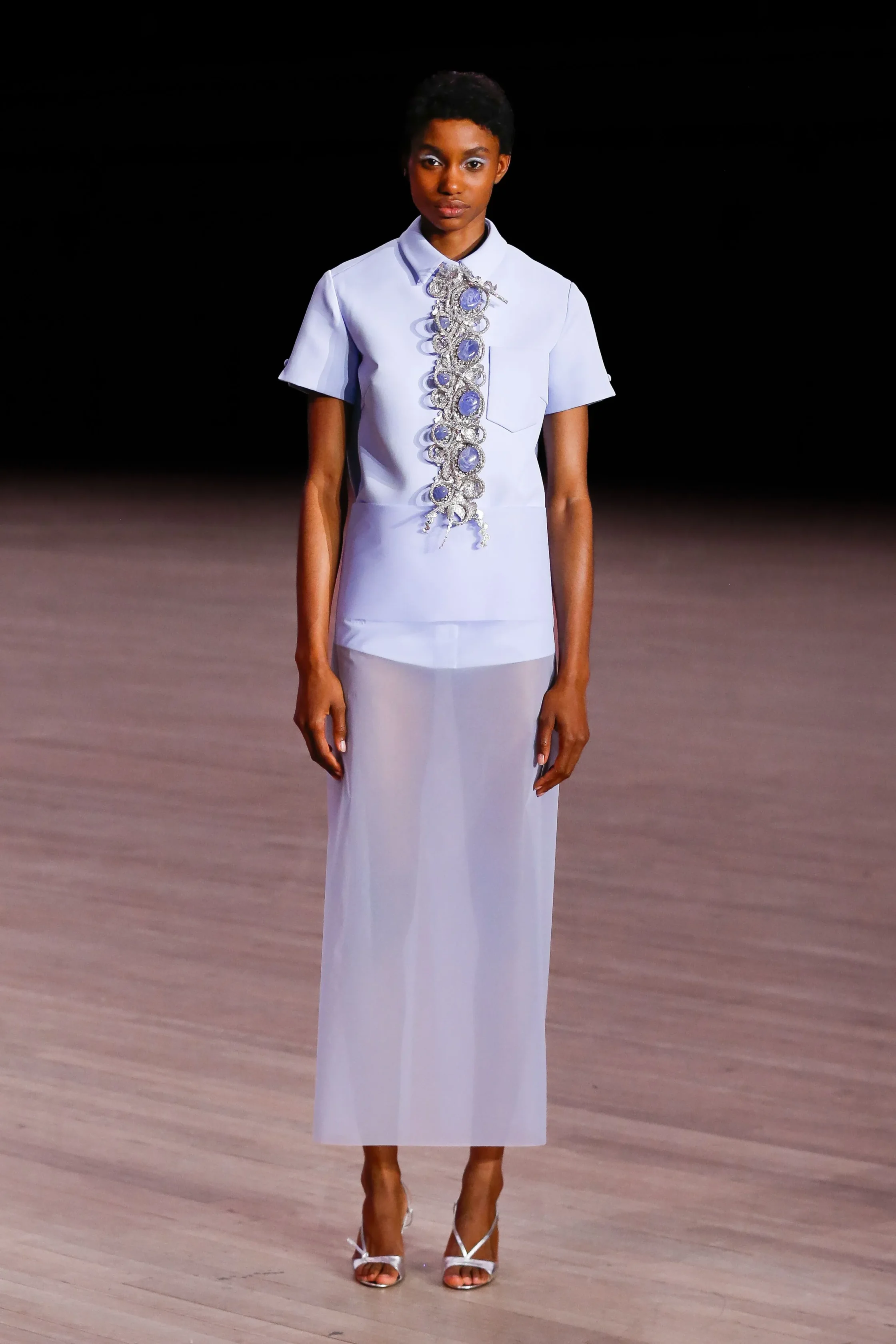
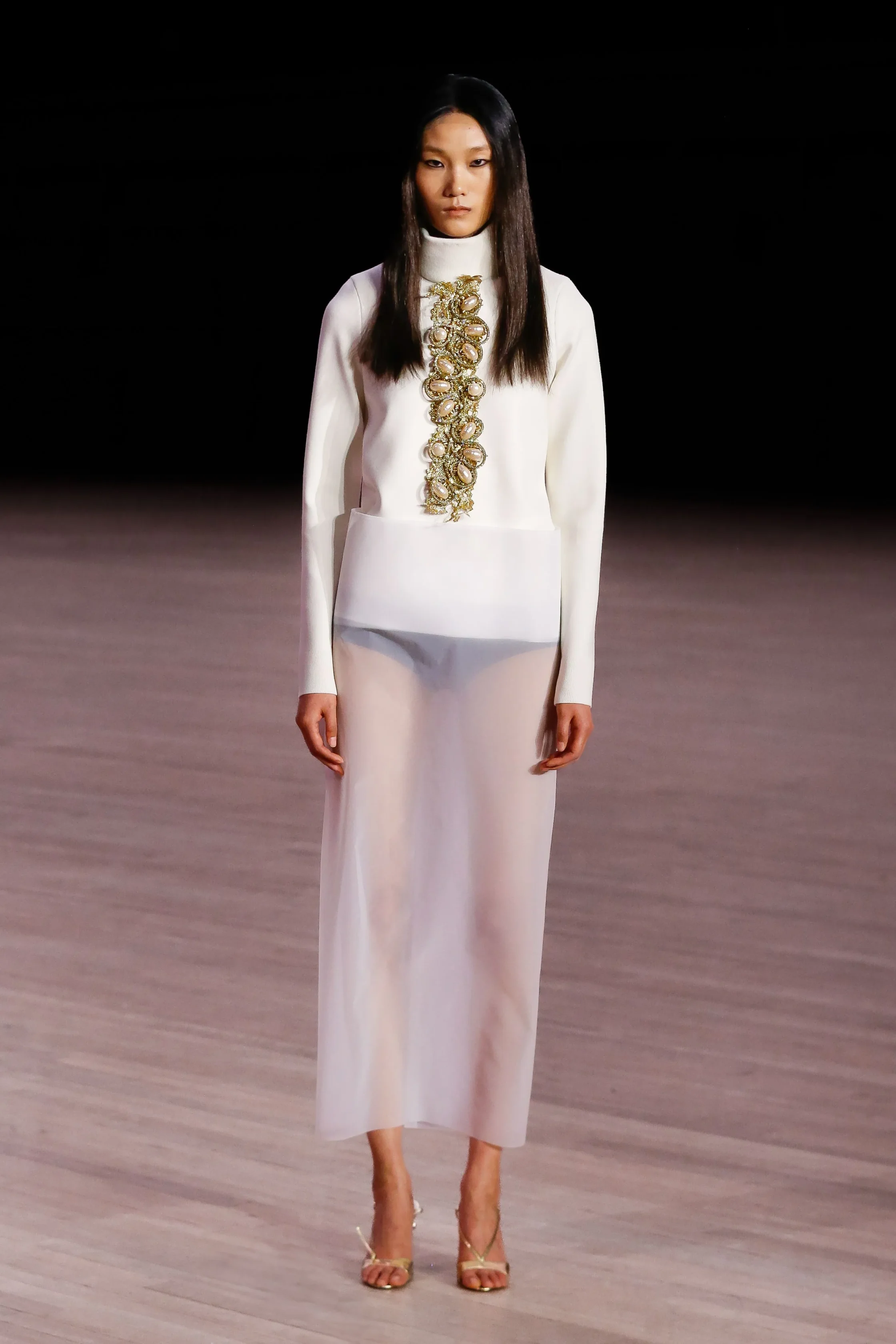
It almost feels Prada-esque in its narrative logic: clothes that appear simple until a coffee-stained cuff or a skewed proportion reveals the entire thesis. The beauty lives in the edit.
The Self, Edited
In recent years, Jacobs veered toward doll-like silhouettes, Victorian exaggerations, sculptural feats. Here, he looks inward instead of outward. Razor-sharp tailoring, low-slung silhouettes, shoulders with intention, fixed with sophistication. The sensuality is subtle yet persistent.
Strip away the references, and this is obvious: Jacobs isn’t revisiting a decade. He’s revising himself. What does it mean to look back when the internet flattens every era into aesthetic shorthand? Jacobs answers by reclaiming authorship.
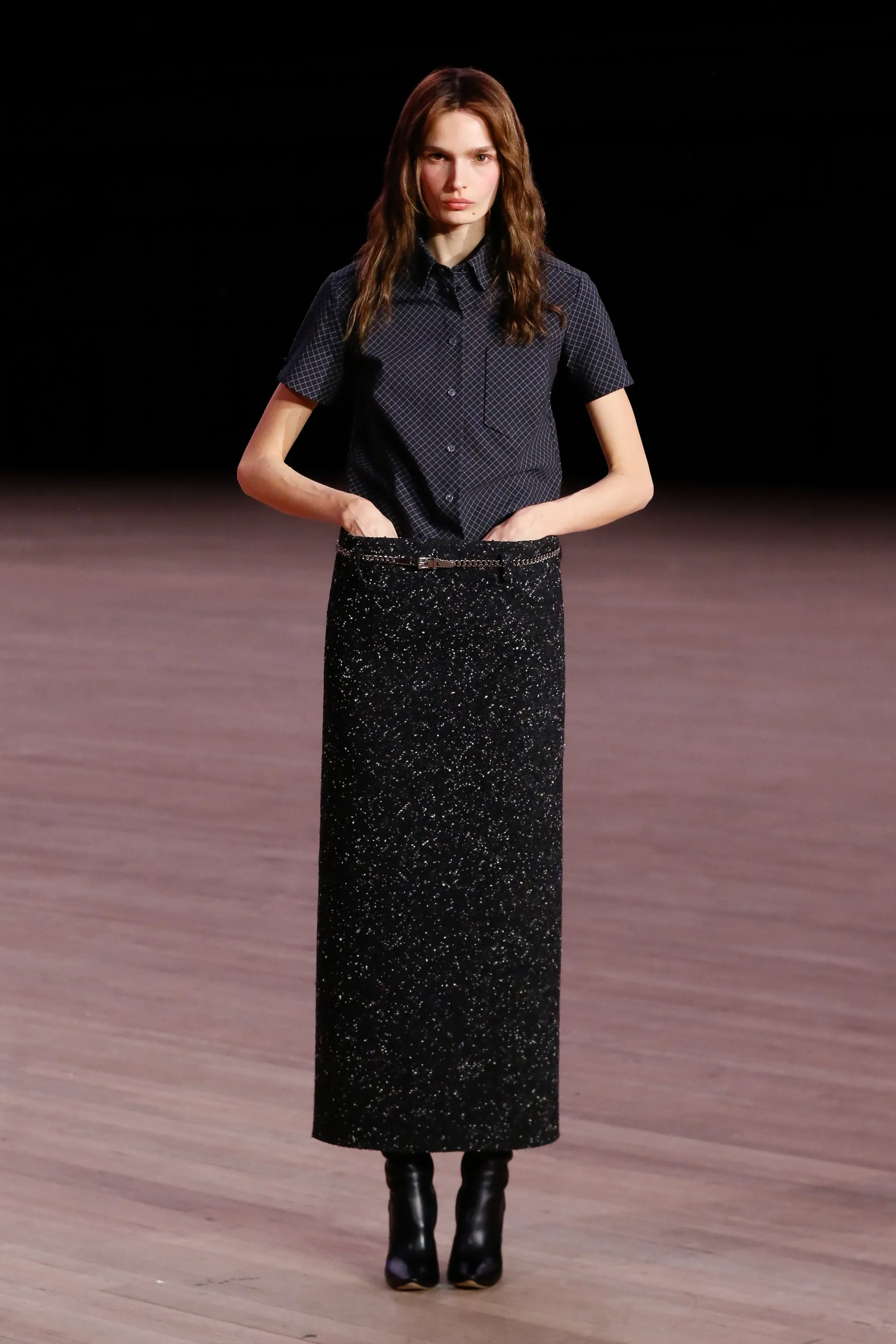


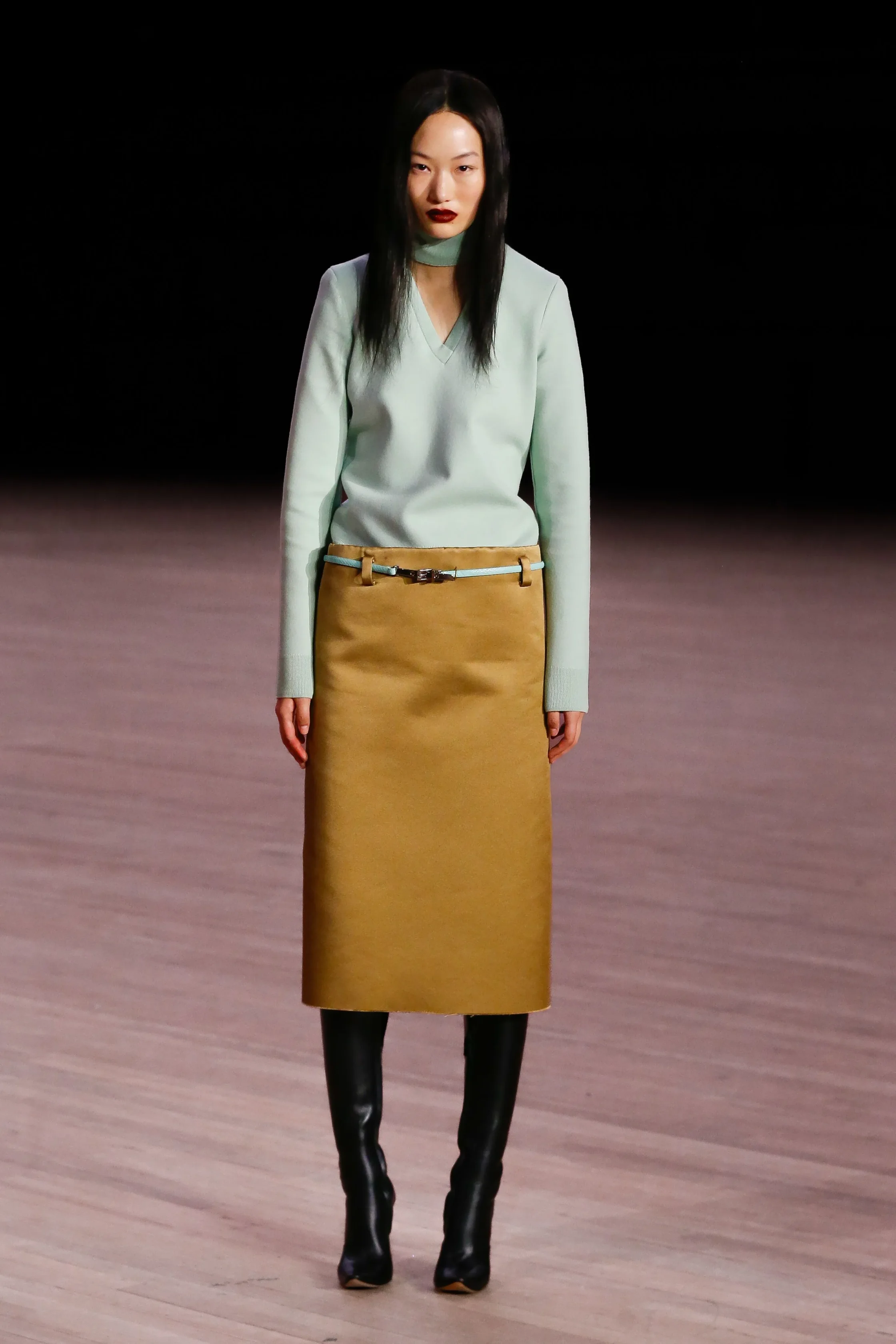
The dolls are gone. What remains is something steadier: fashion history, refracted through its own maker. After the chaos comes clarity. In that light, Marc Jacobs finds clothes that carry forward the past without drowning in it and locking it up in a box.
Photos: MARC JACOBS
Frequently Asked Questions
The Marc Jacobs Spring/Summer 2026 collection centers on memory and self-revision, trading the designer’s recent avant-garde, inflated doll silhouettes for clear, structured, and highly wearable everyday tailoring.
Marc Jacobs incorporates ’90s design elements by utilizing low-slung waistbands, sharp double-breasted blazers, and plaid suits that directly evoke his historic, canonized Perry Ellis grunge era fashion folklore.
The collection features boxy blazers, back-to-front coats with buttons tracking the spine, geometric structured skirts, and glistening frogging details that update classic American minimalism with a modern digital sheen.
The runway presentation fluidly collapses the boundaries between day and evening attire, pairing sharp corporate workwear and tailored coats alongside high-visibility sequined bandeaus designed for downtown club wear.
Moving away from theatrical, oversized proportions and surreal costume designs, this collection serves as a disciplined epilogue to chaos, emphasizing sophisticated realism, wearability, and razor-sharp structural tailoring.
Recommended Video
Latest Posts
Latest Issue