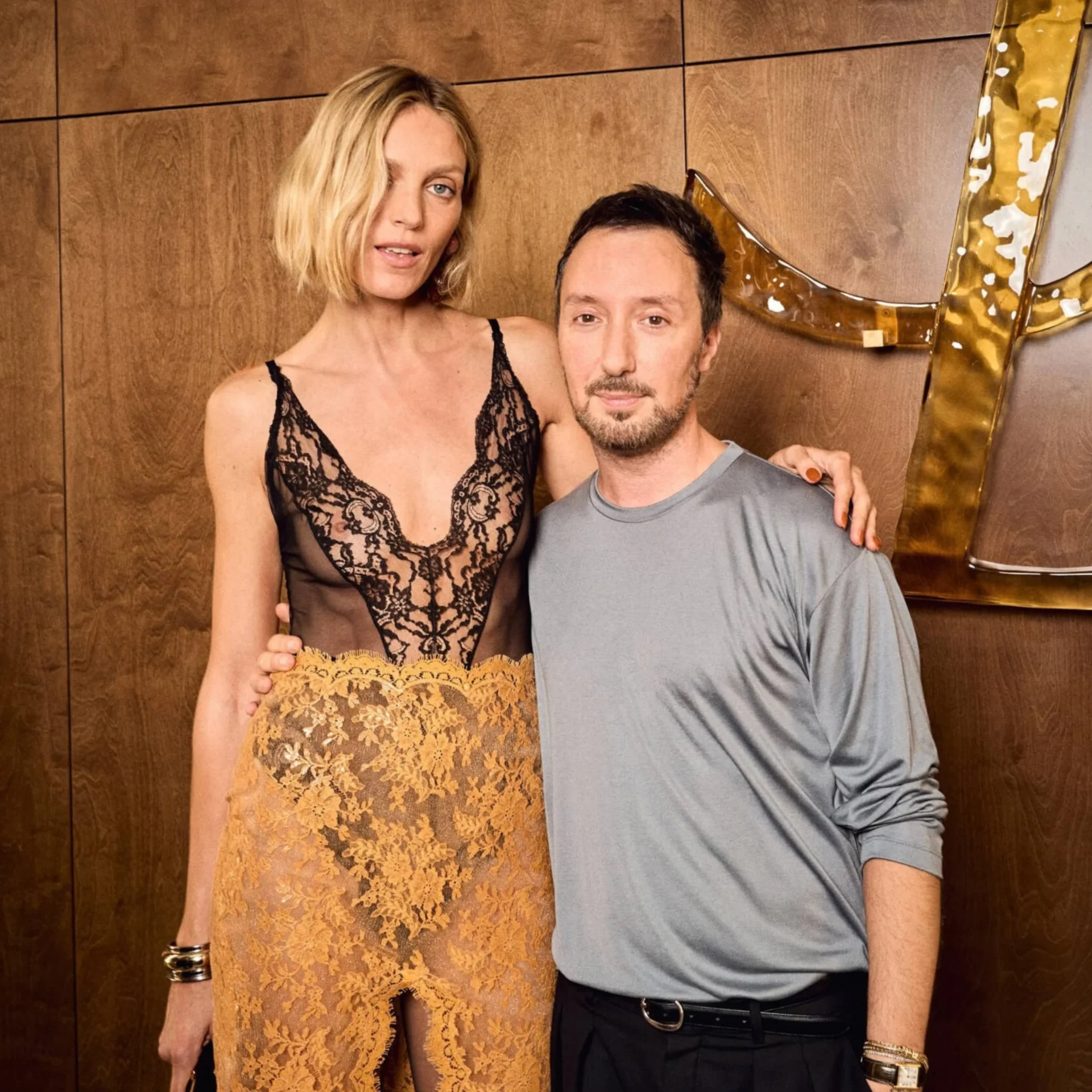




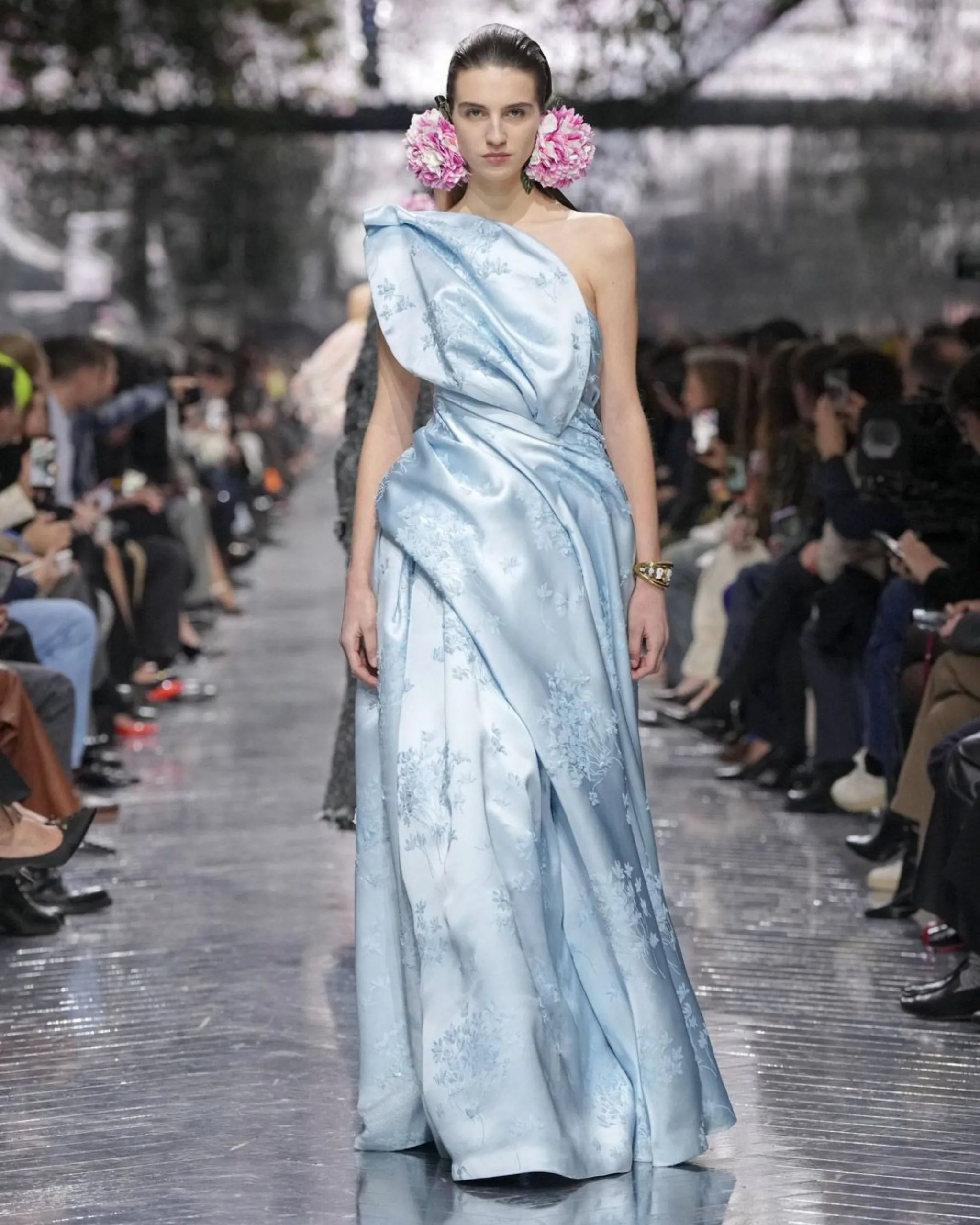
The highest room in fashion does not reward noise. It rewards clarity. Jonathan Anderson entered the most demanding fashion design practice through a collection that functions as a vow to the house and its craft. For Dior Haute Couture S/S26, the creative director treated couture as a discipline rather than a fantasy machine. The clothes did not beg for awe (although they are couture — it is imperative they get noticed); they earned it through form, touch, and care. This was couture as commitment: to making, to people, to the intelligence of hands.
RELATED: ALT ART 2026 Widens the Frame in Expansive New Showcase
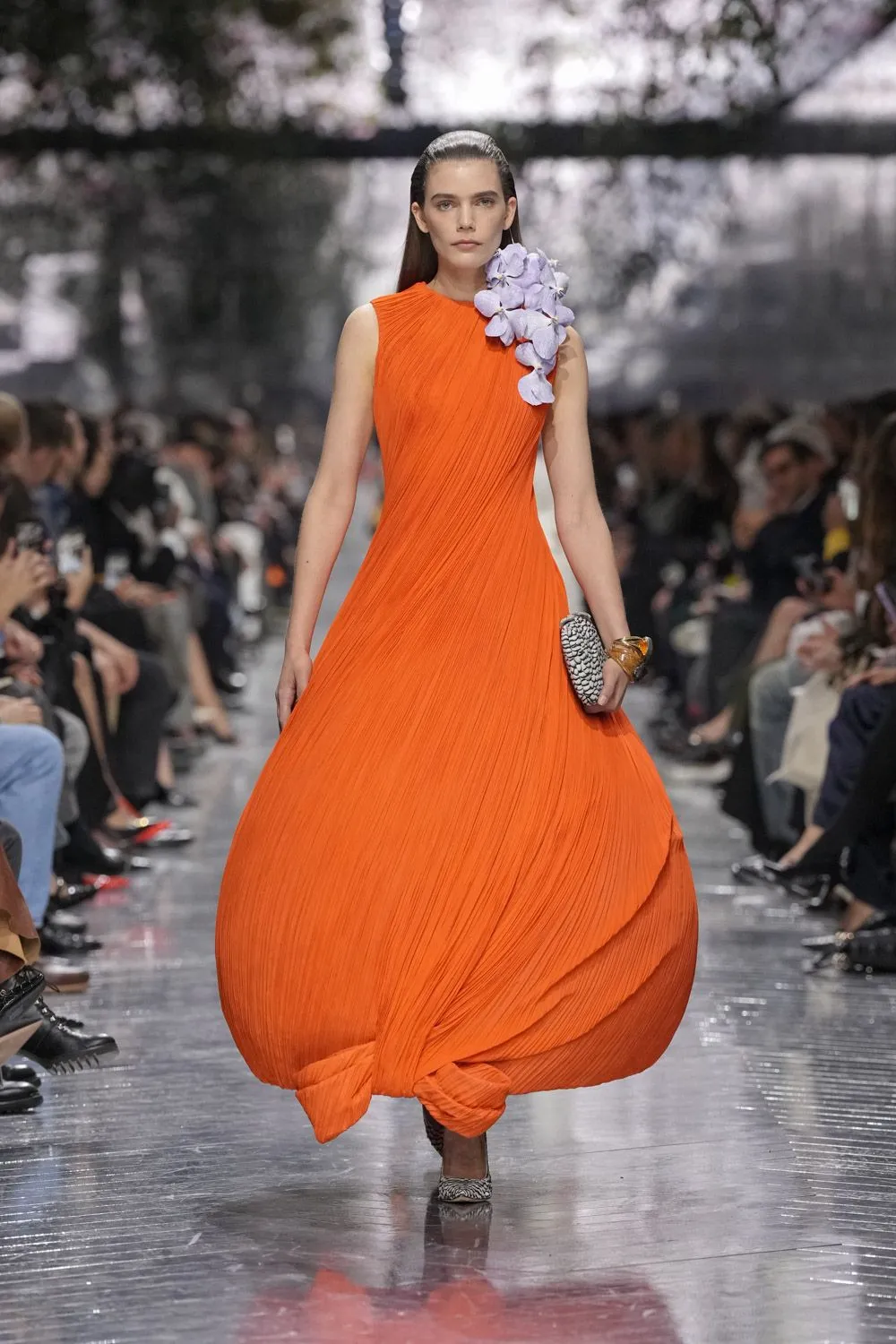
Form Before the Body
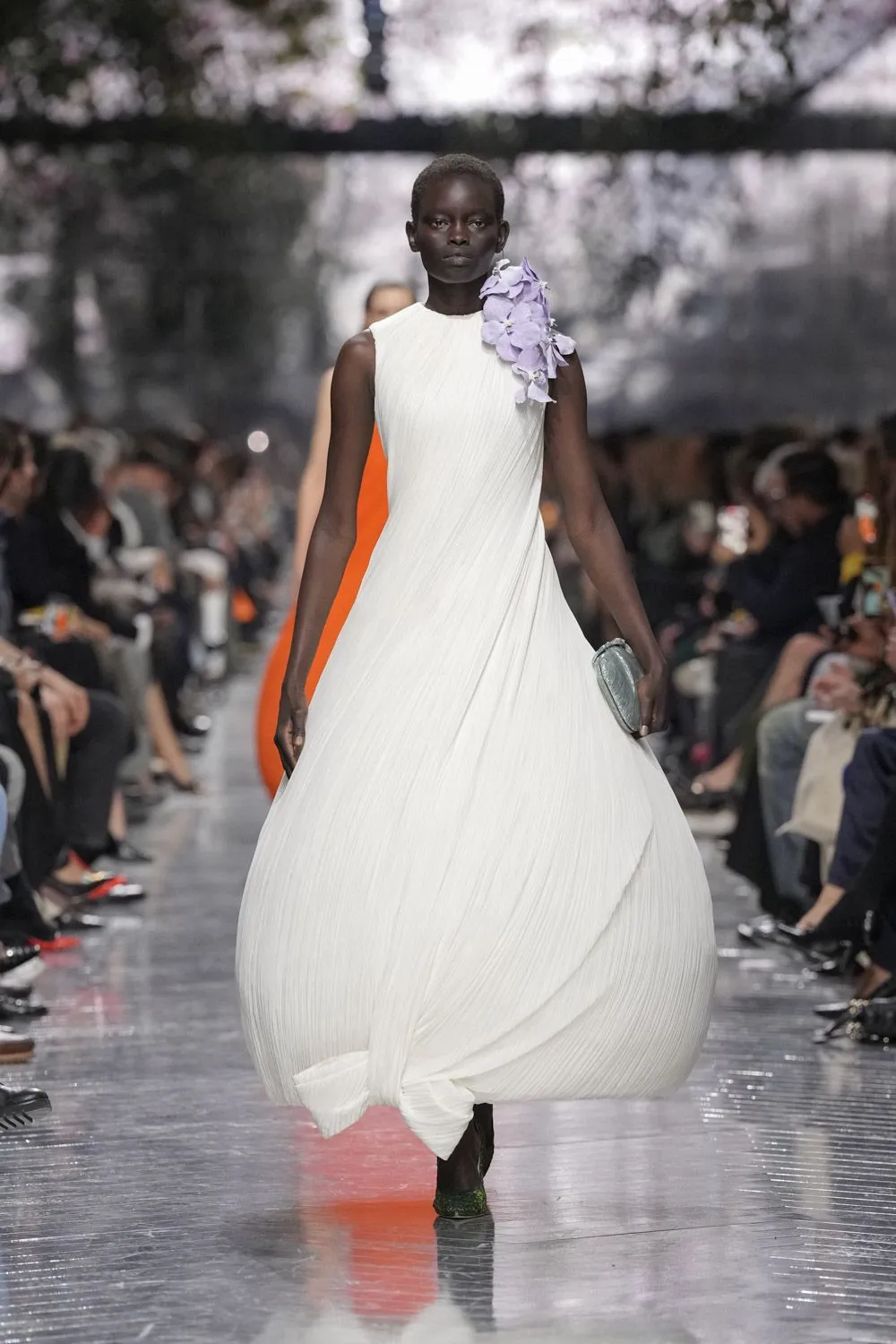
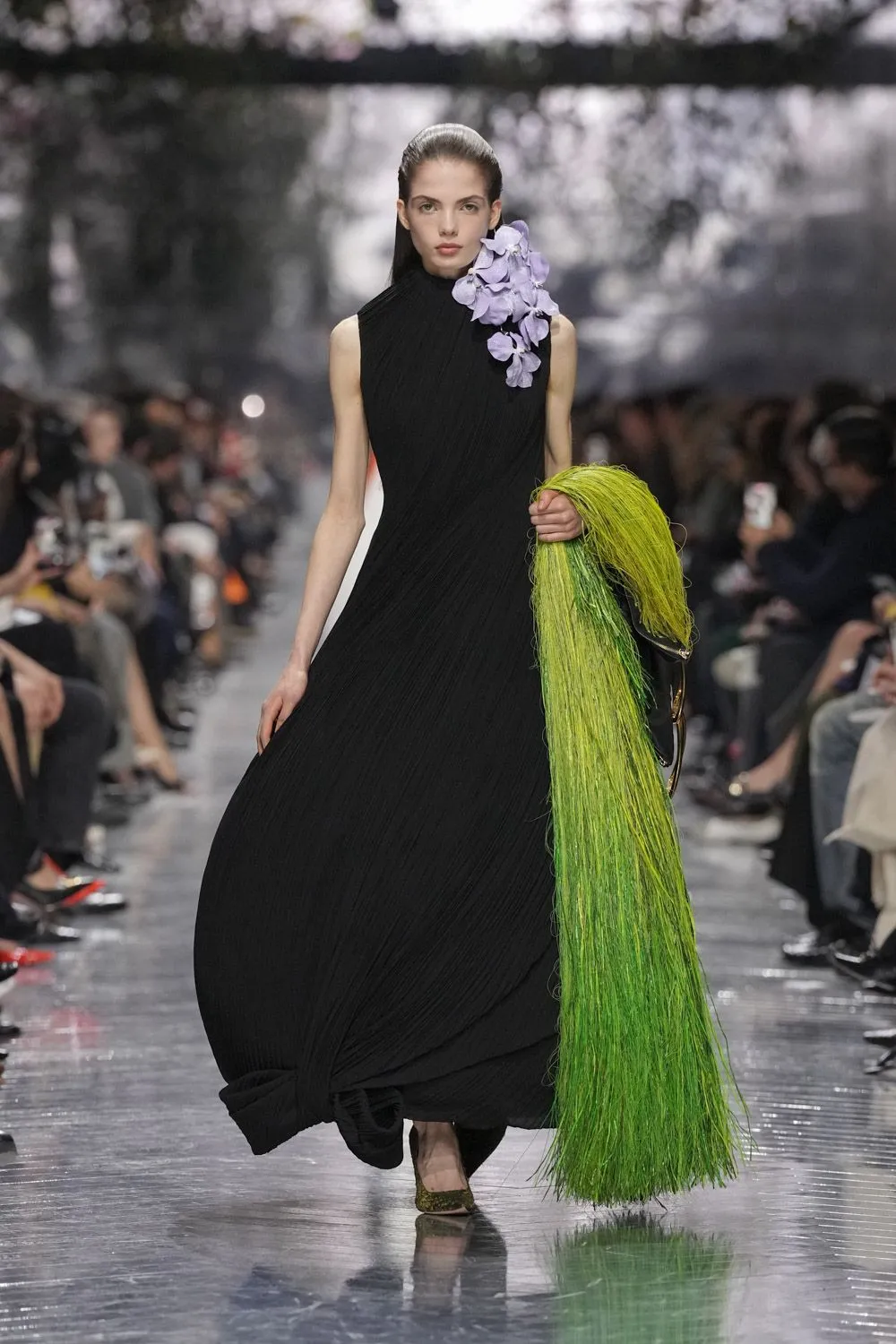
At the heart of the collection was a sculptural logic drawn from Anderson’s long dialogue with Magdalene Odundo. Her ceramic vessels—rounded, grounded, tough—became a blueprint. Dresses behaved like objects first, silhouettes shaped before they were worn. Pleats swirled like clay on a wheel. Volume held memory. Structure curved instead of clung.
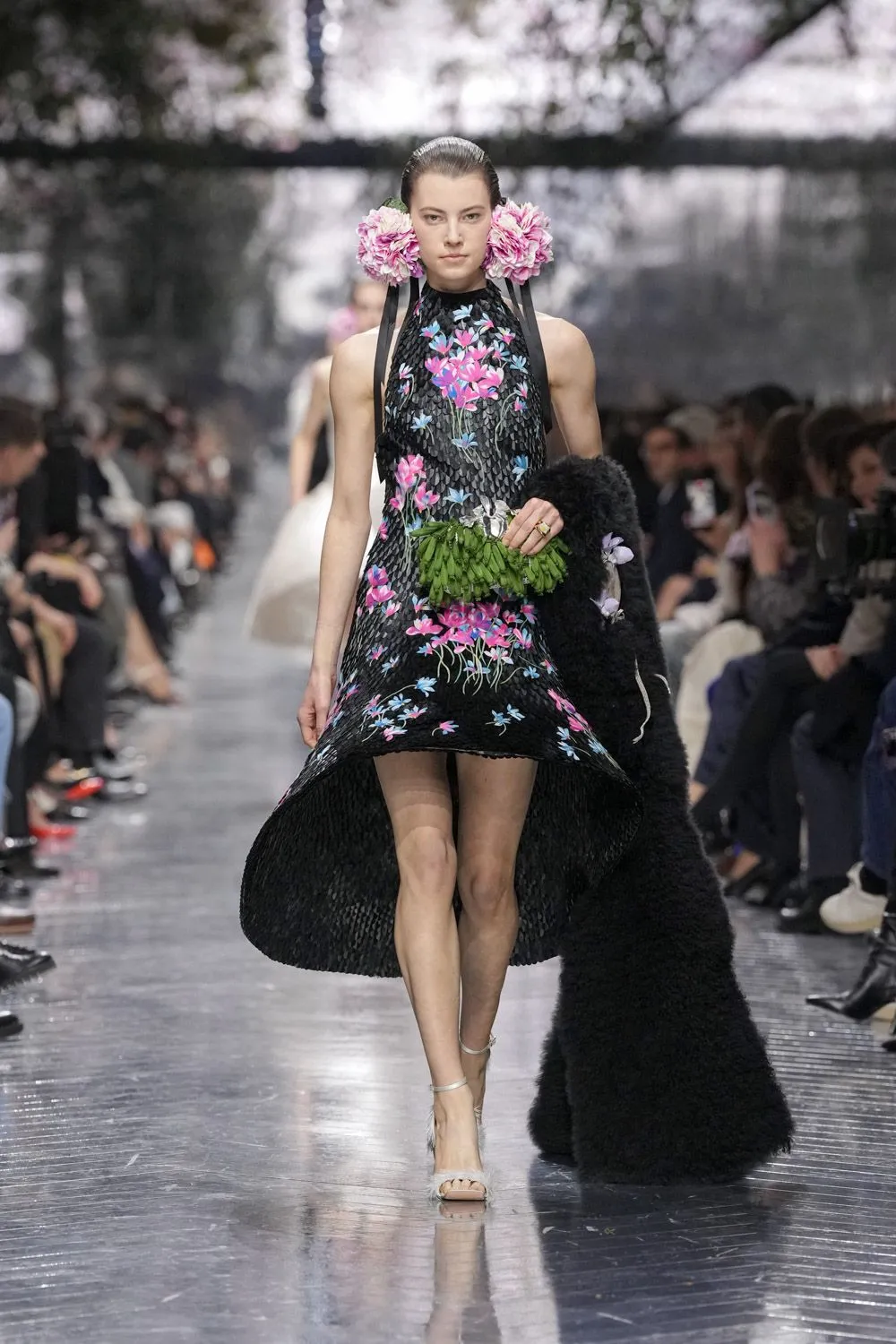
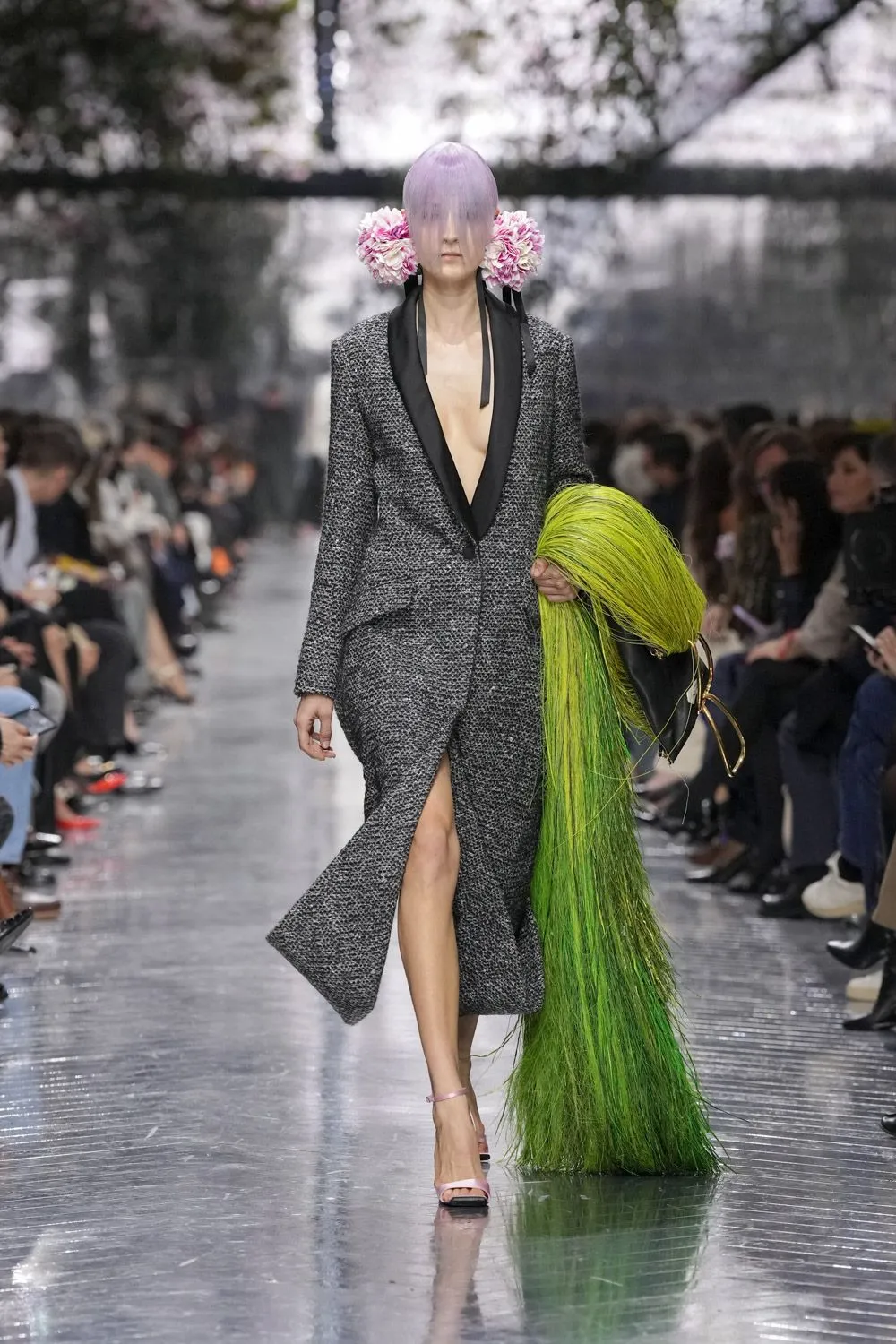
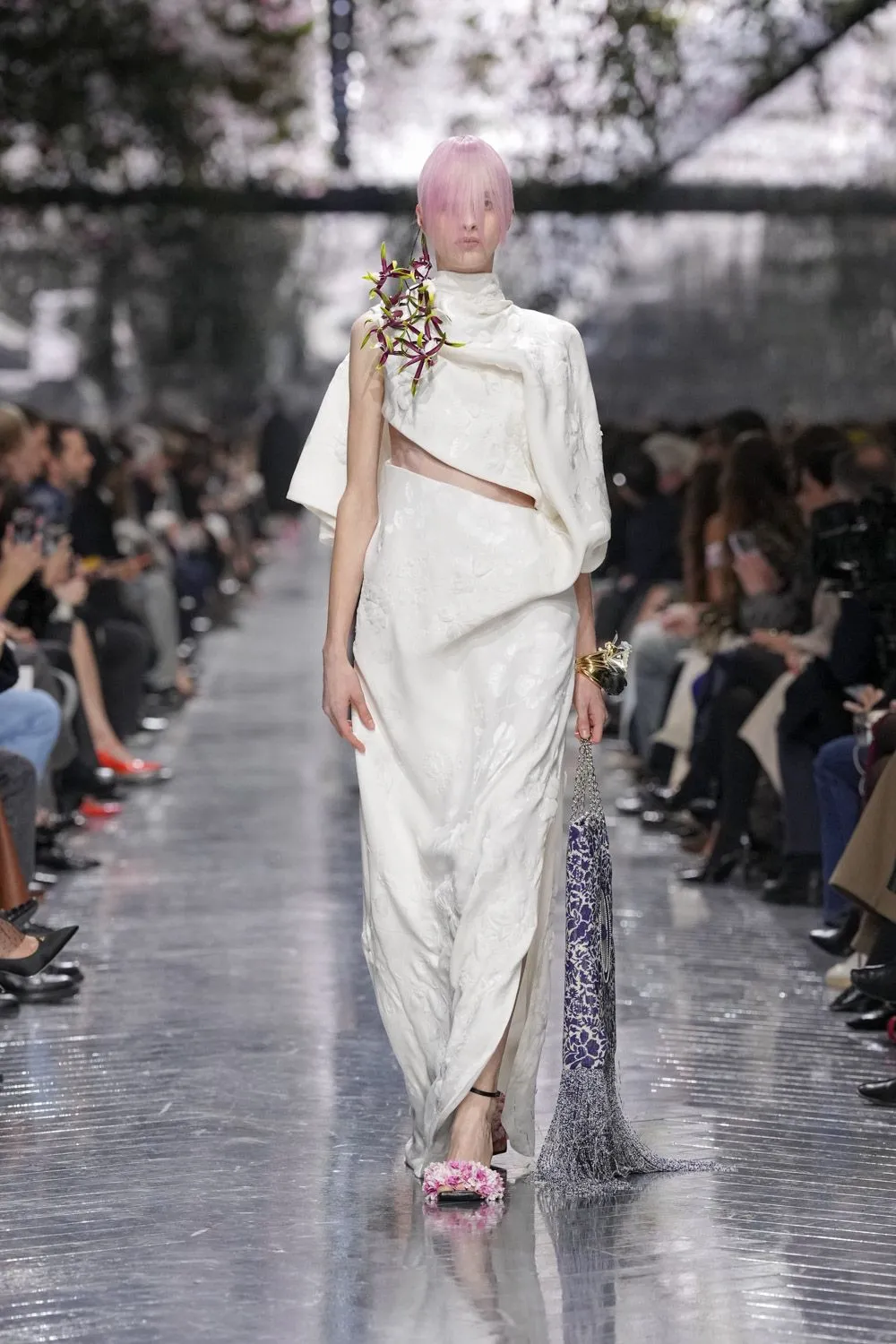
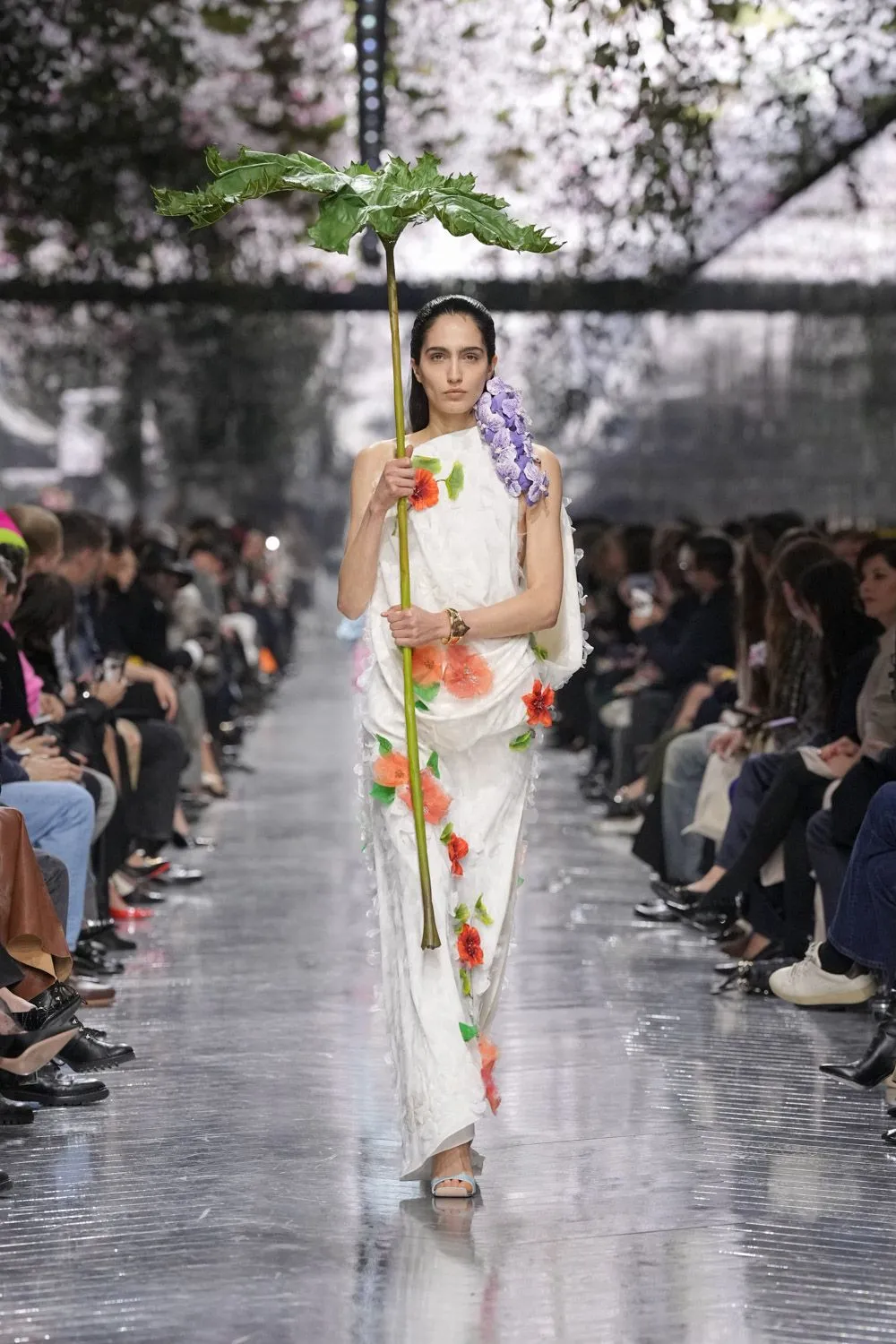
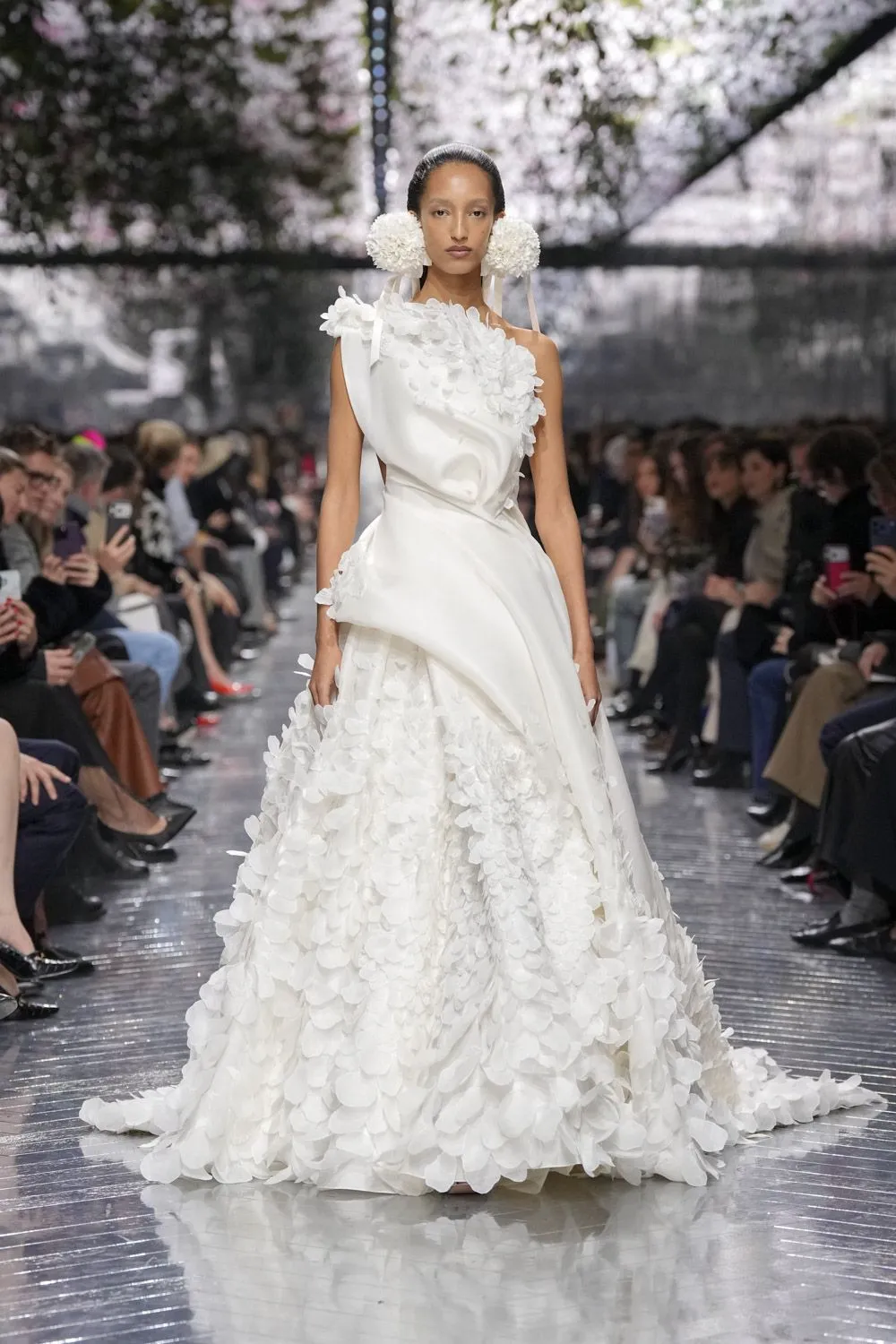
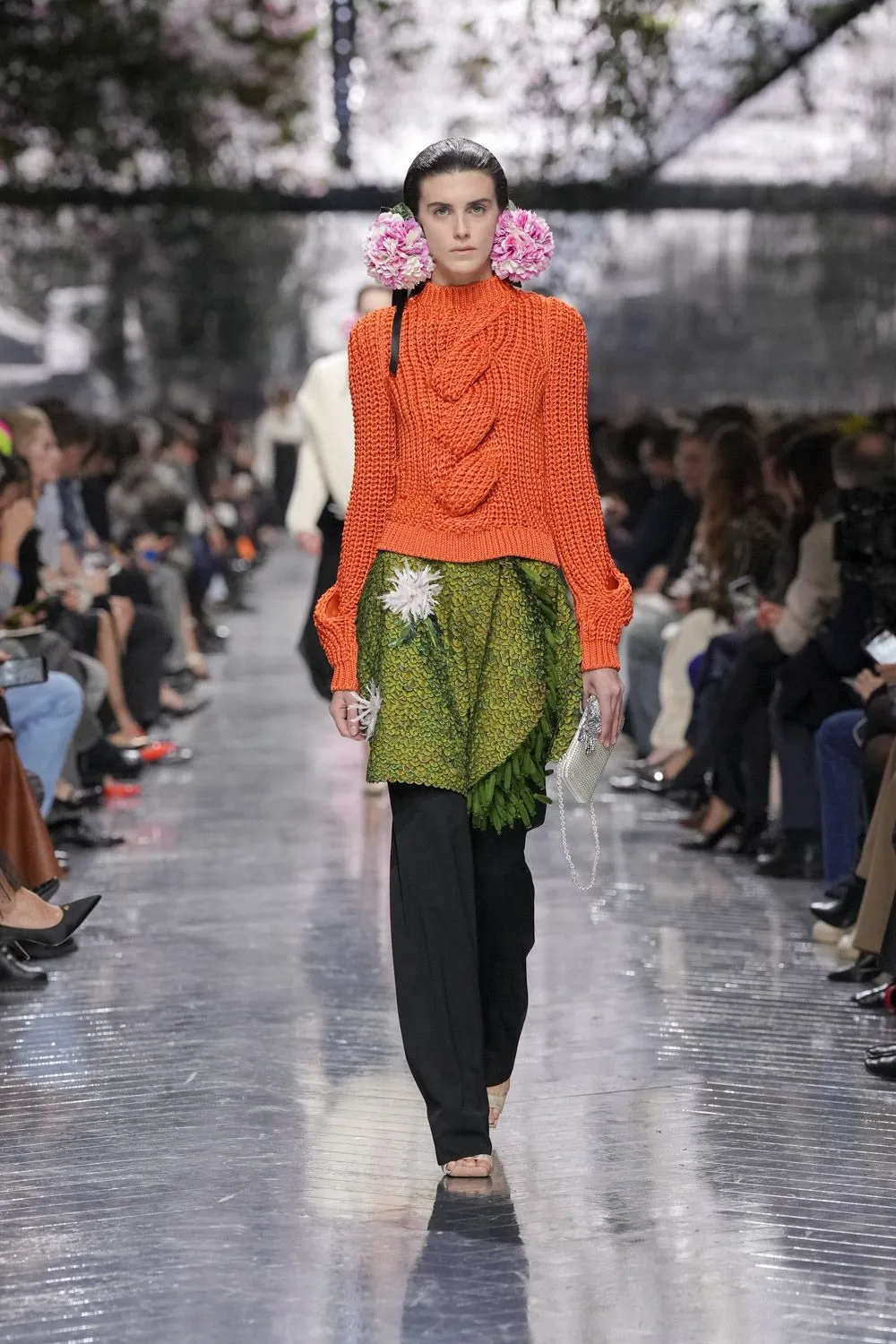
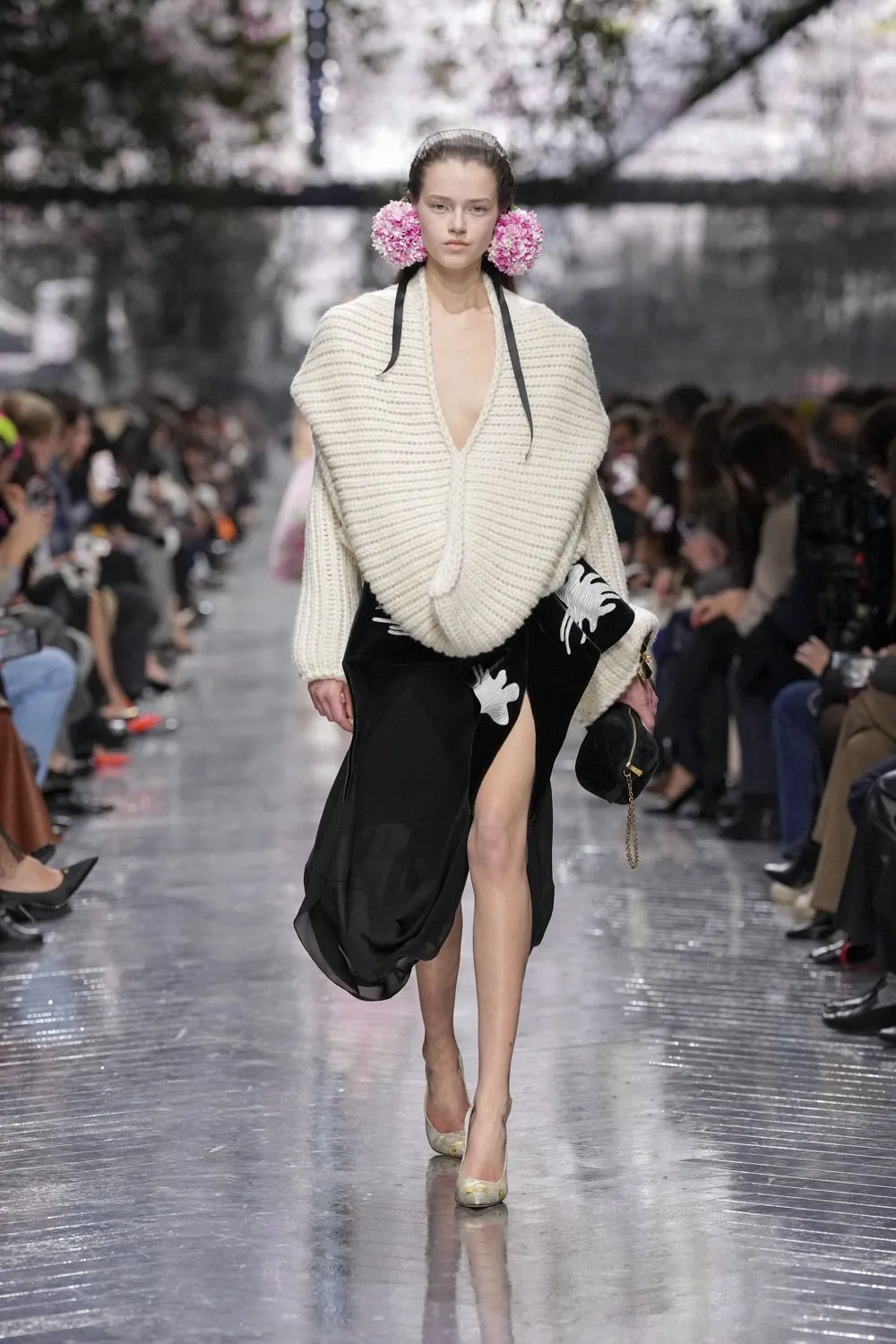
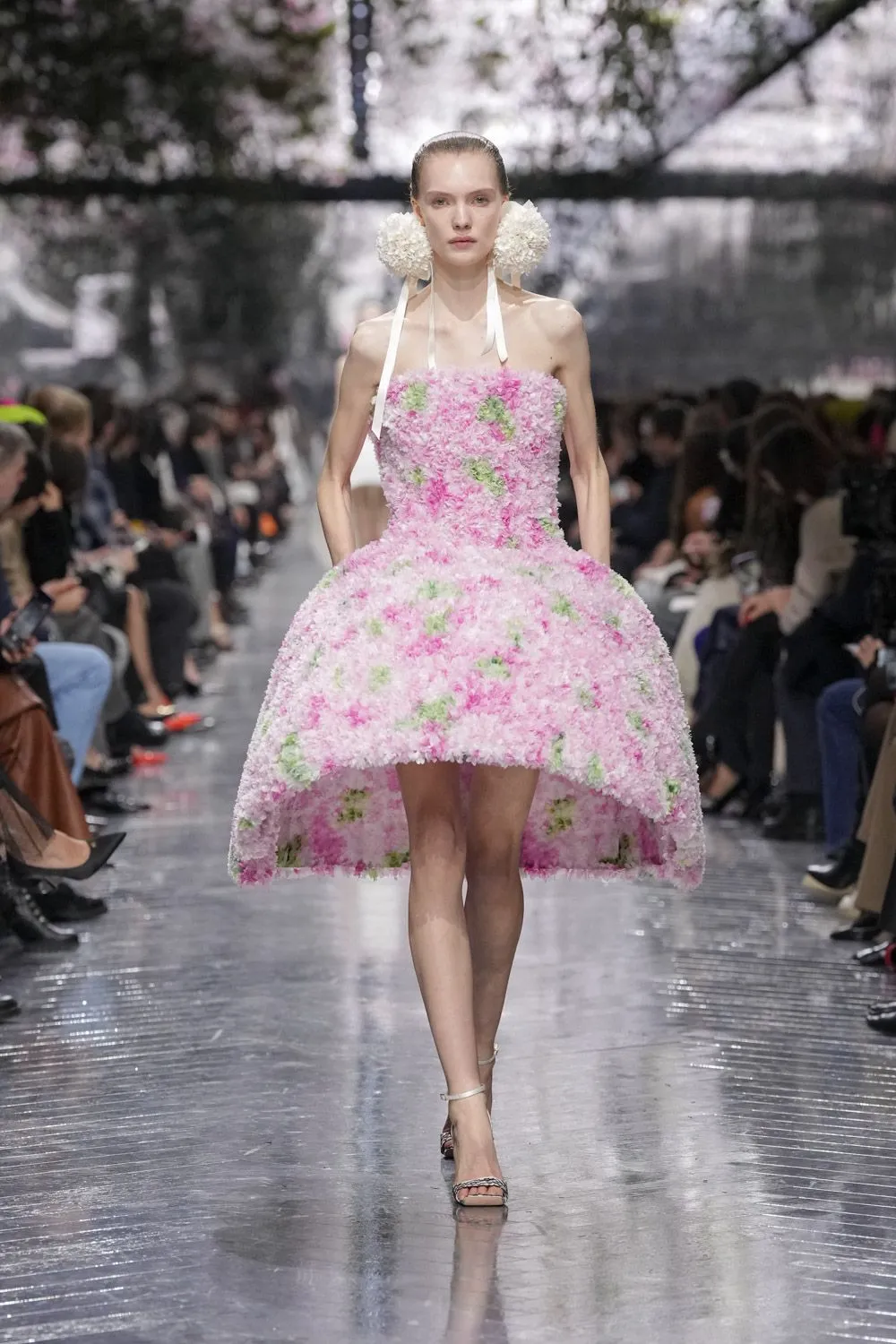
More than flattering the body, it animated it. The wearer became the final element. In this way, couture felt architectural, but never cold. It was sensual in its patience.
It’s Giving Galliano
Then, there was the presence—felt even when unseen—of John Galliano.
During fittings, the former creative director visited the atelierAtelierA designer's private workshop or studio where garments are conceived, cut, fitted, and finished, often by hand. The term is closely tied to couture and made-to-order fashion, evoking craftsmanship, exclusivity,Go to Atelier Glossary bearing flowers and sweets, a gesture both ordinary and loaded. That moment folded itself into the collection’s emotional core. One line lingered with Anderson: the more you love Dior, the more it gives back. The thought expanded—Care for the people inside it, invest in the work, listen closely. The direction begins to reveal itself.
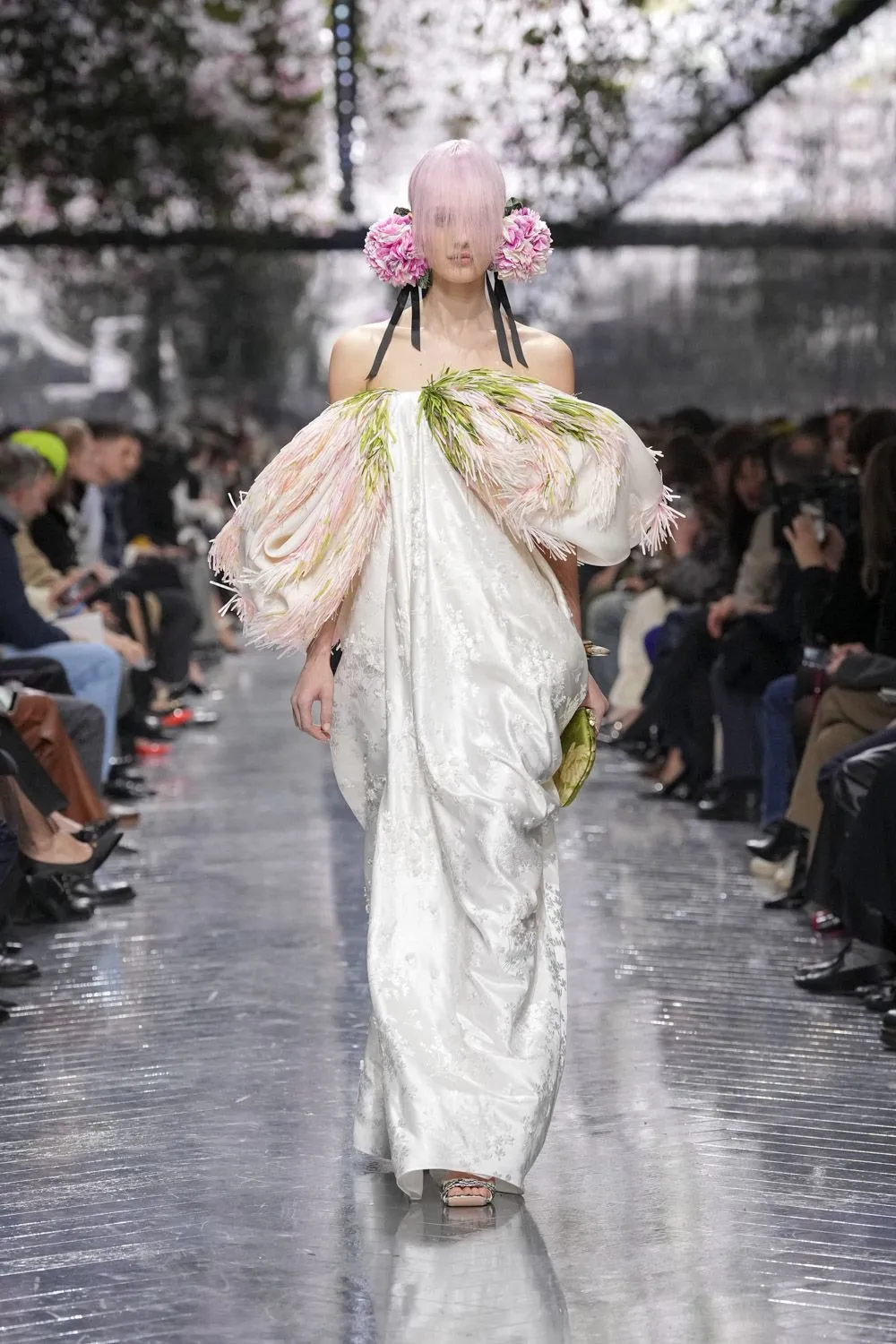
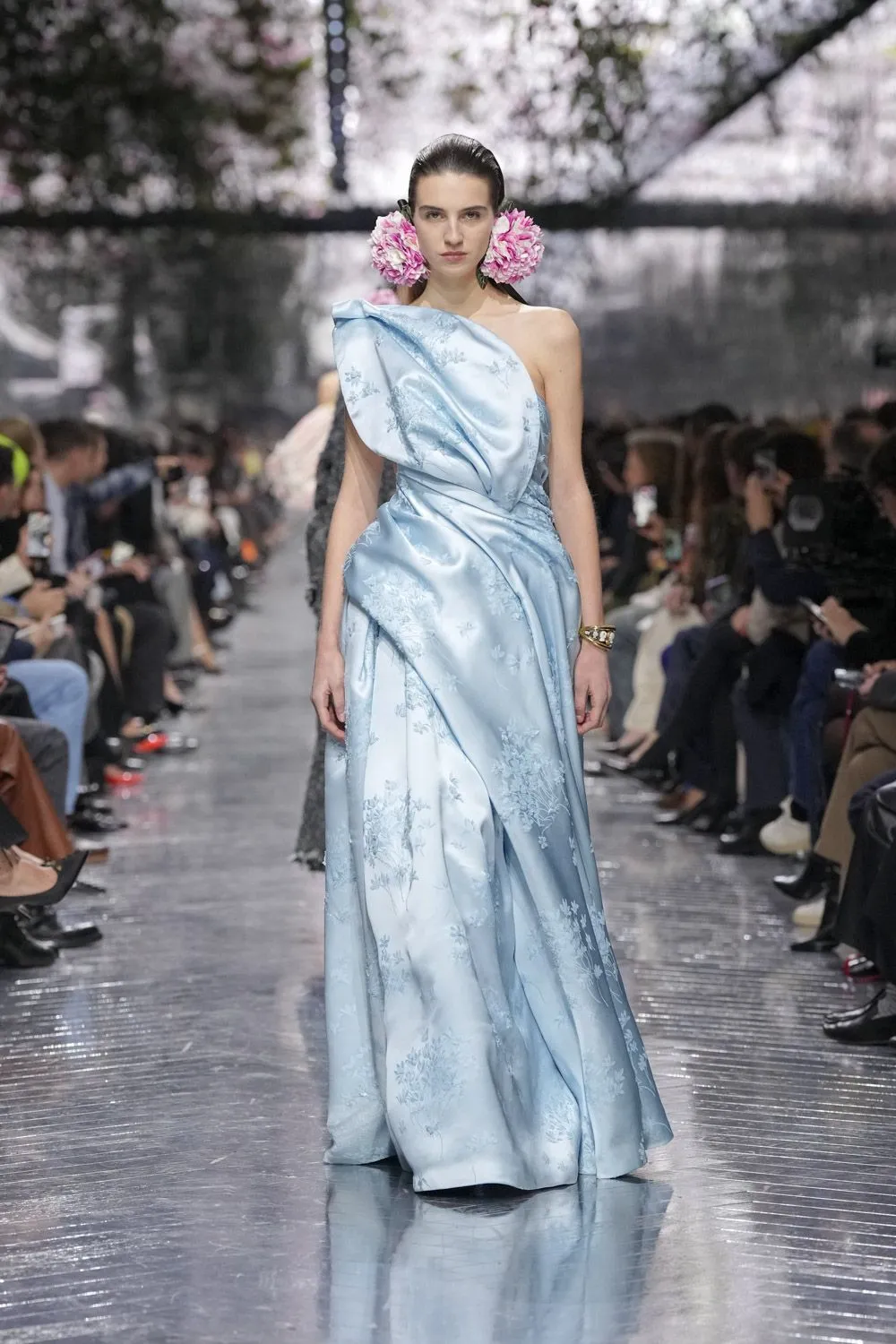
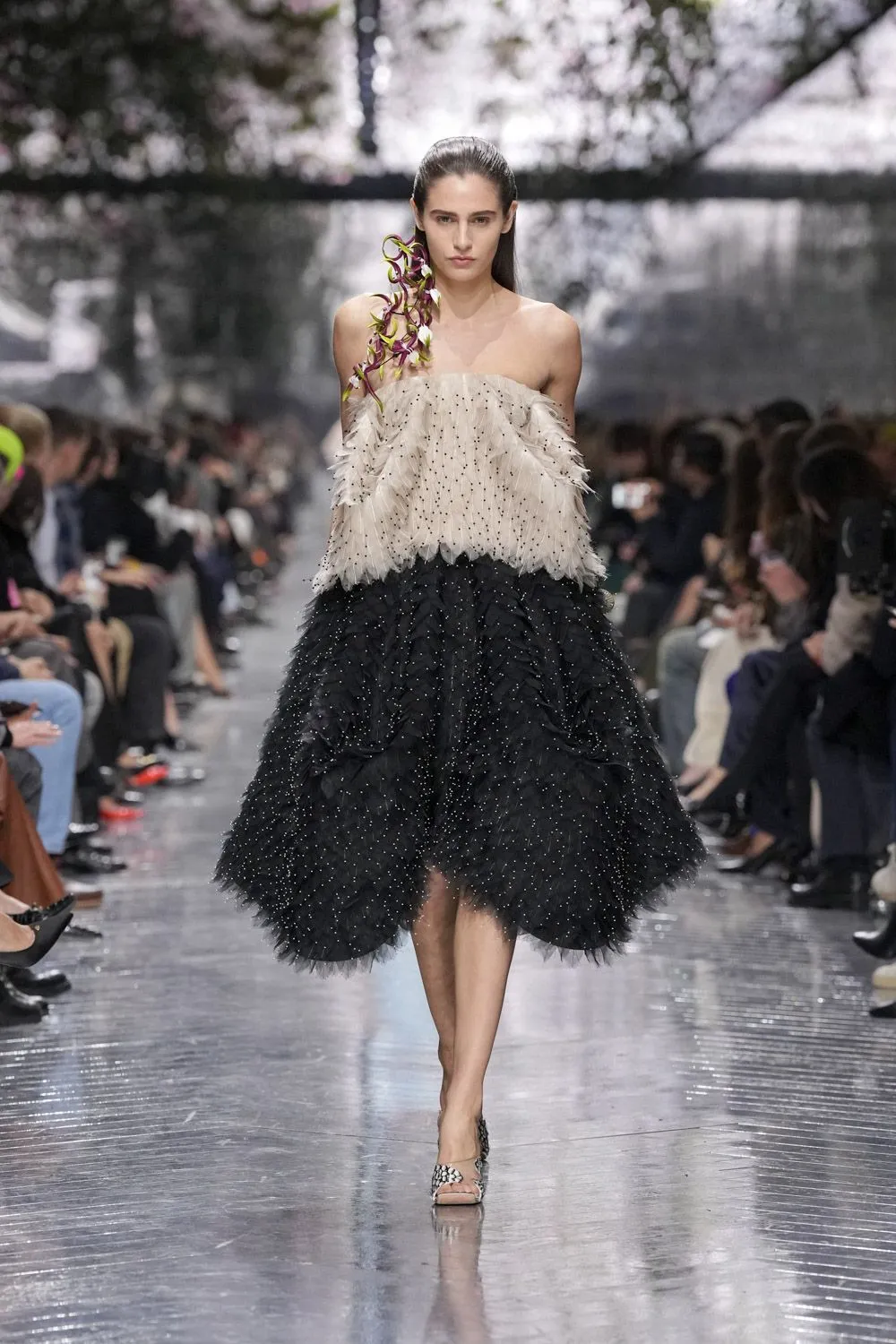
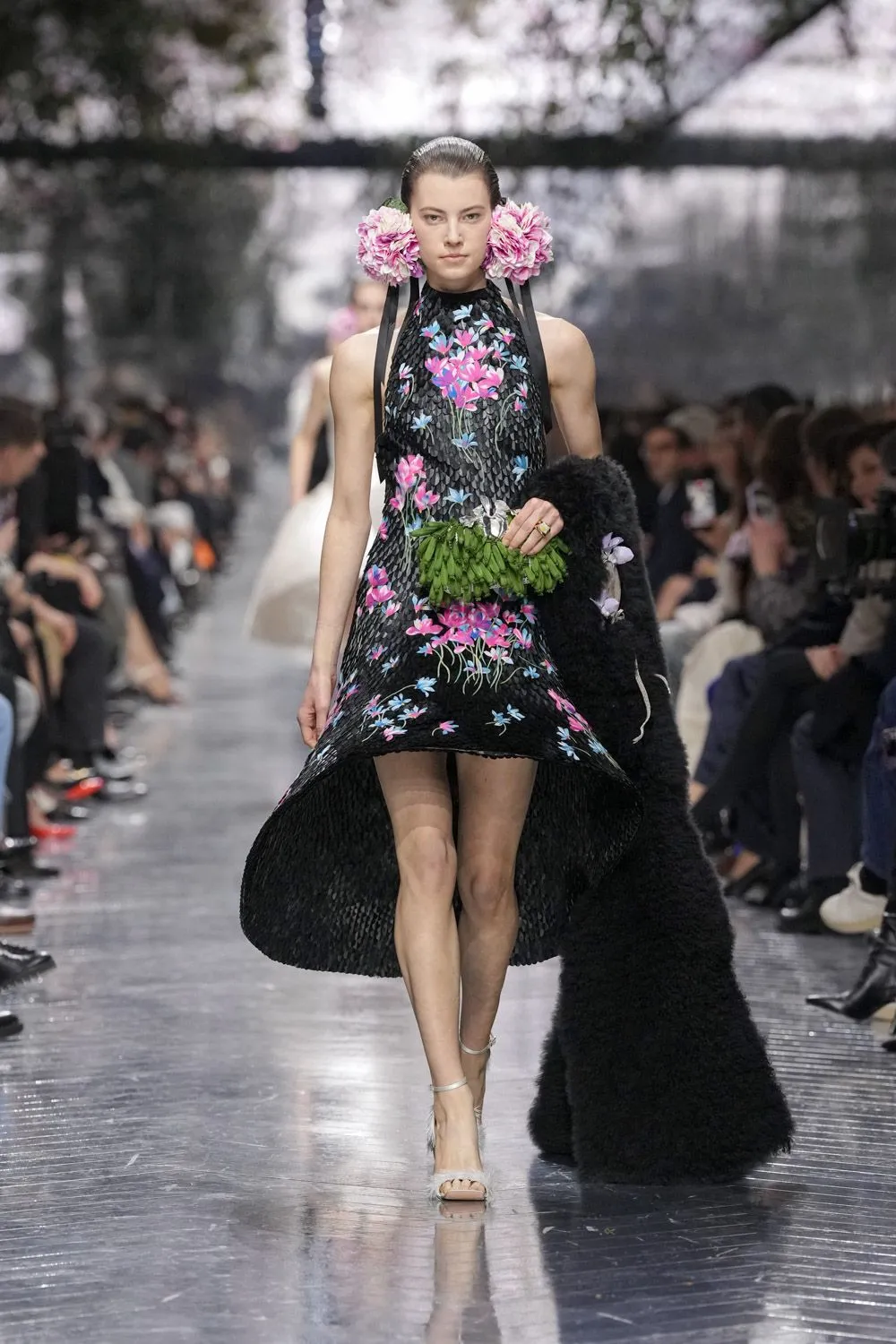
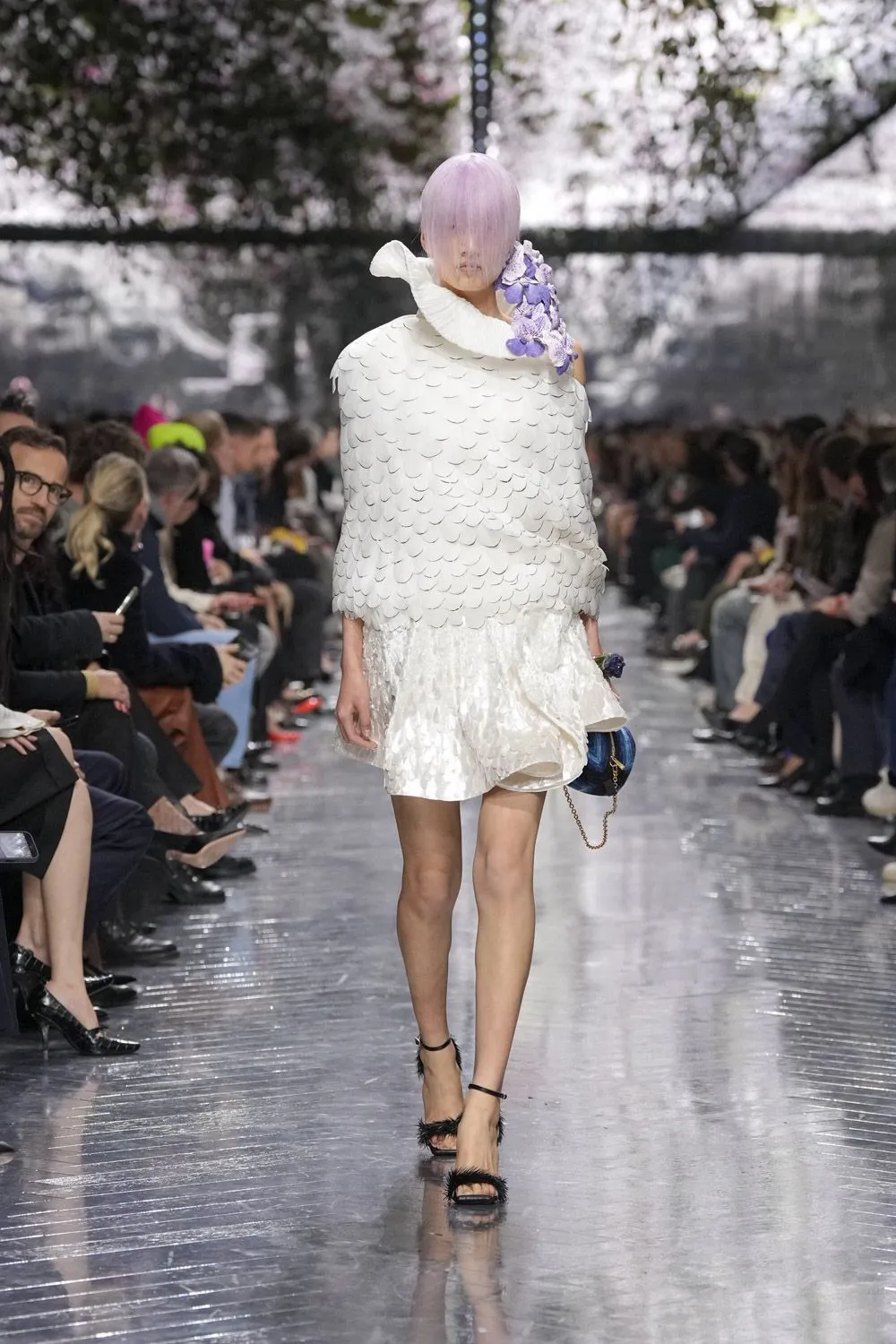
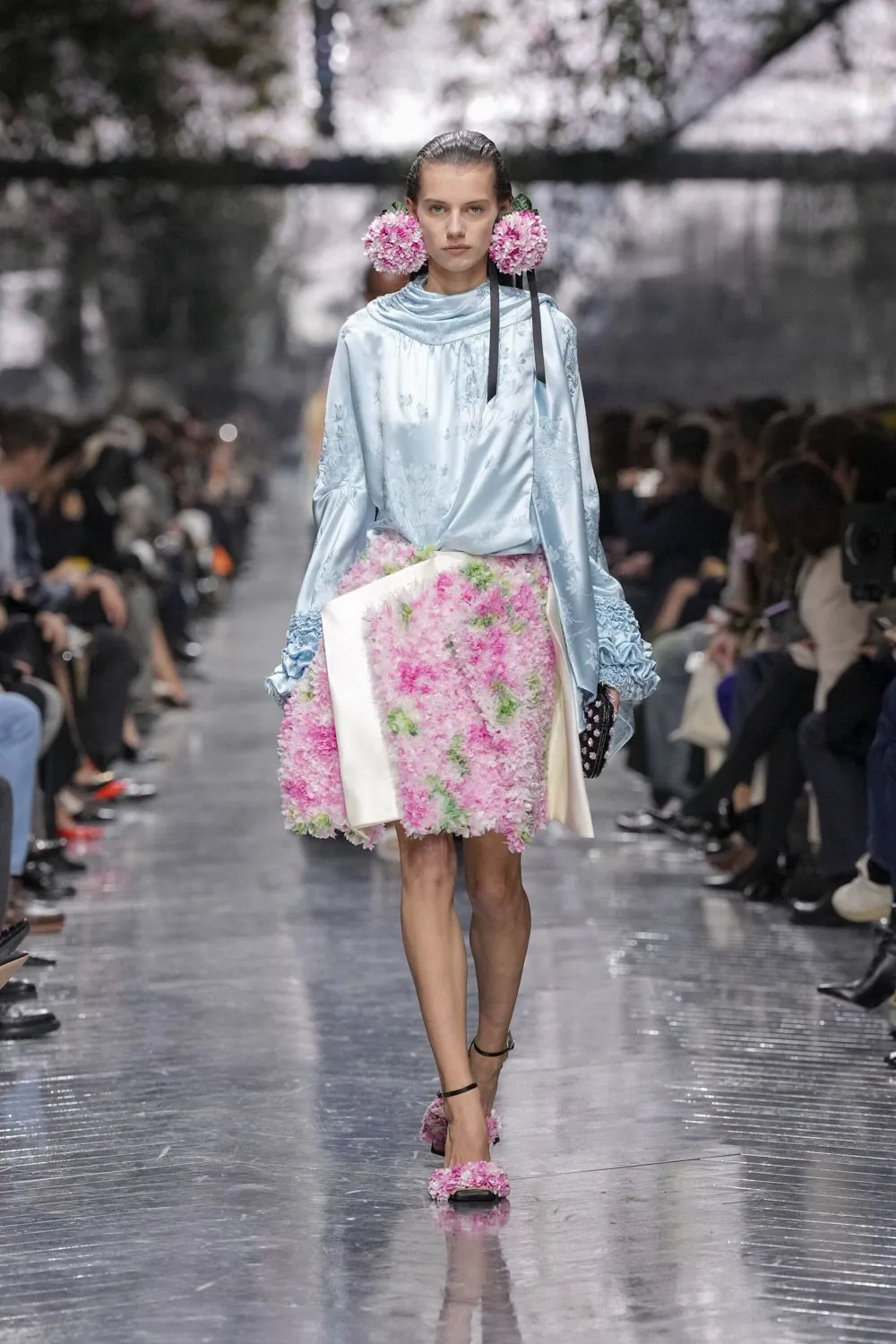
And suddenly, you could see it. Certain silhouettes carried echoes of Galliano’s Dior—not copied, not quoted, but felt. Candy-coated hues, blooming surfaces, romantic excess held in check, just to name a few. Alas, it was gratitude revealed.
Flowers, Fully Open
Flowers appeared everywhere, unapologetically. Not pressed. Not symbolic in the academic sense. They bloomed.
They arrived as embellishmentEmbellishmentDecorative detailing added to a garment or accessory, such as beading, sequins, crystals, embroidery, appliqué, feathers, or pearls. Embellishment adds texture, sparkle, and craftsmanship, and is especially prized in bridalGo to Embellishment Glossary, as gesture, as offering—passed from hand to hand, from atelier to runway. These were acknowledgements of time, labor, and continuity.
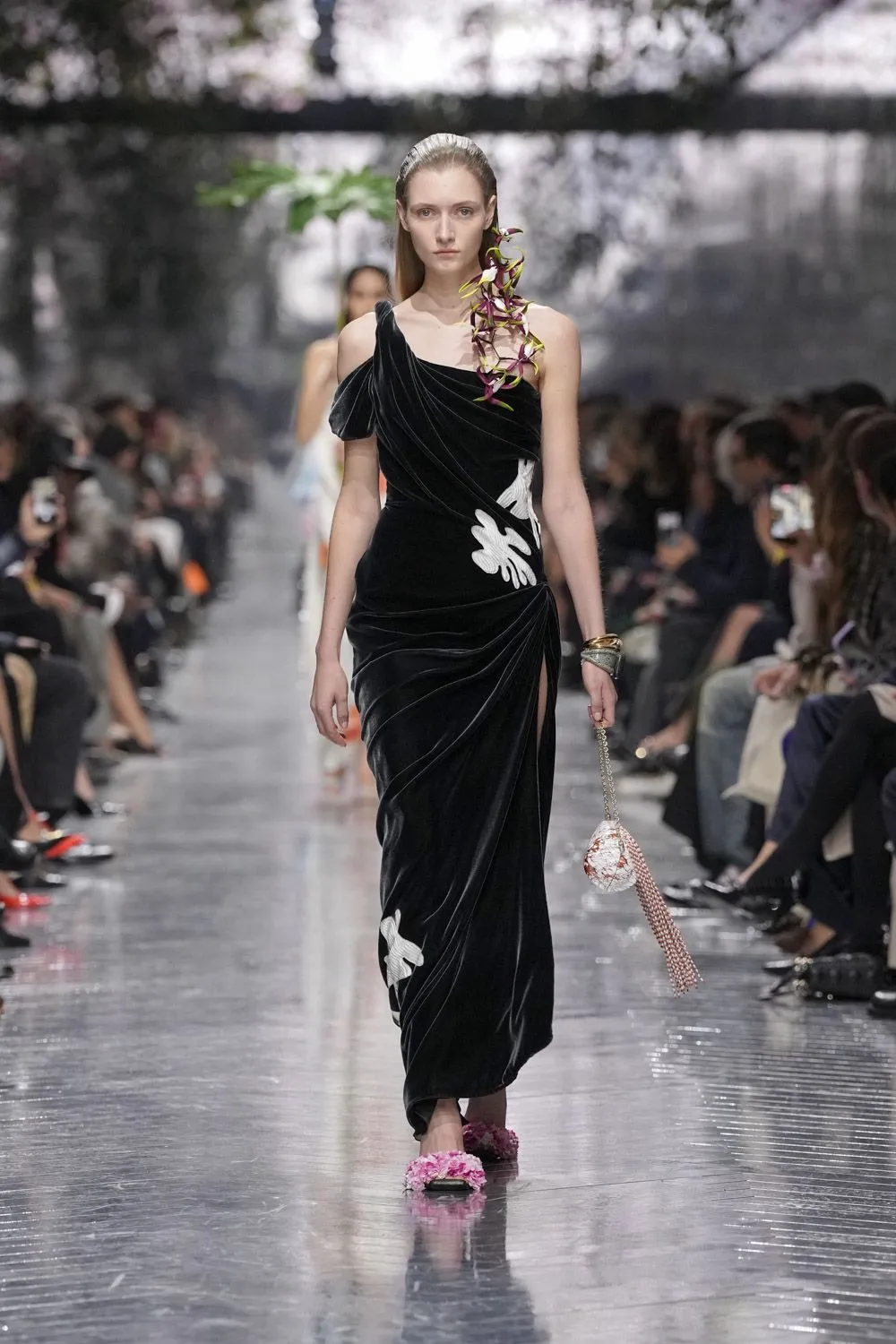
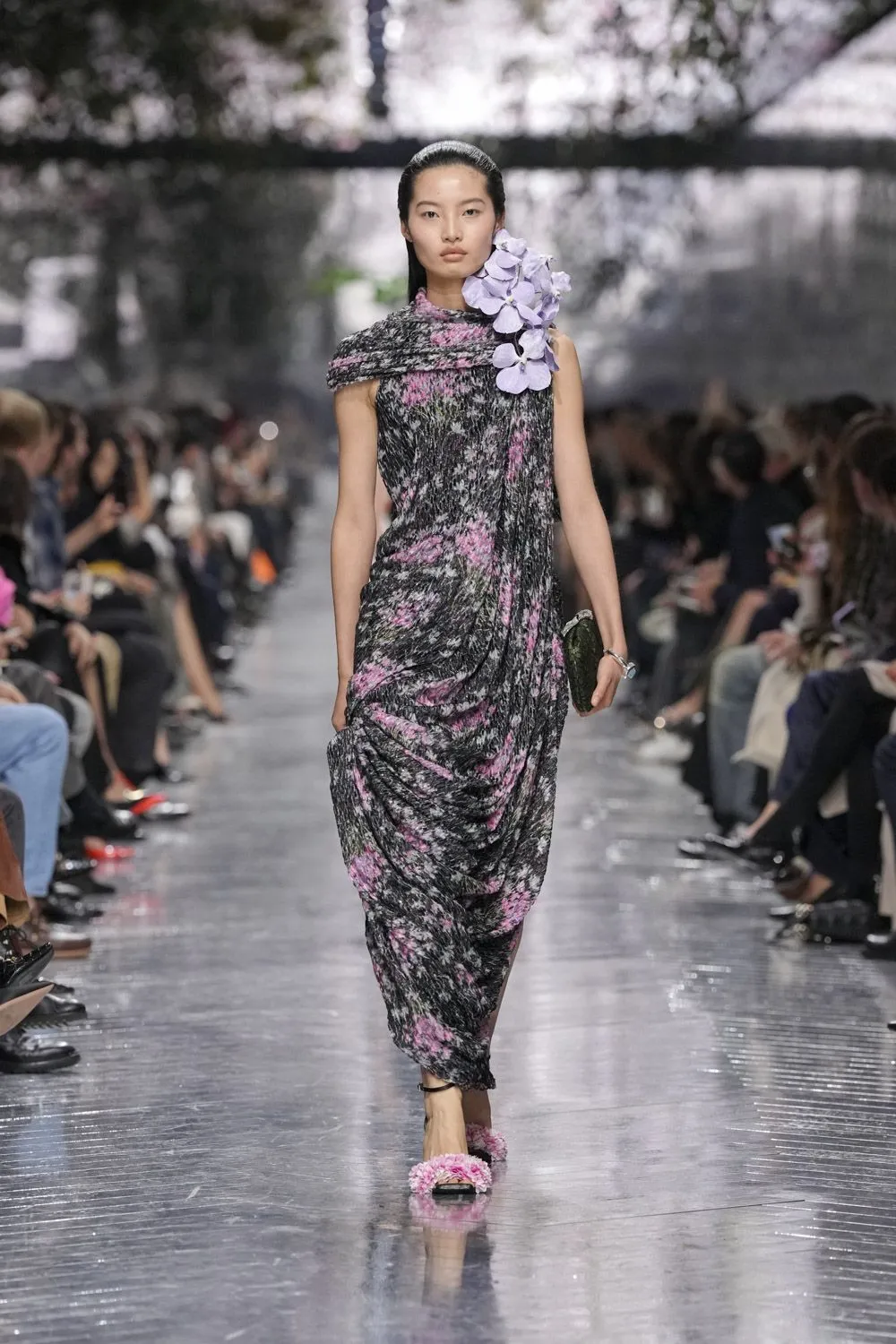
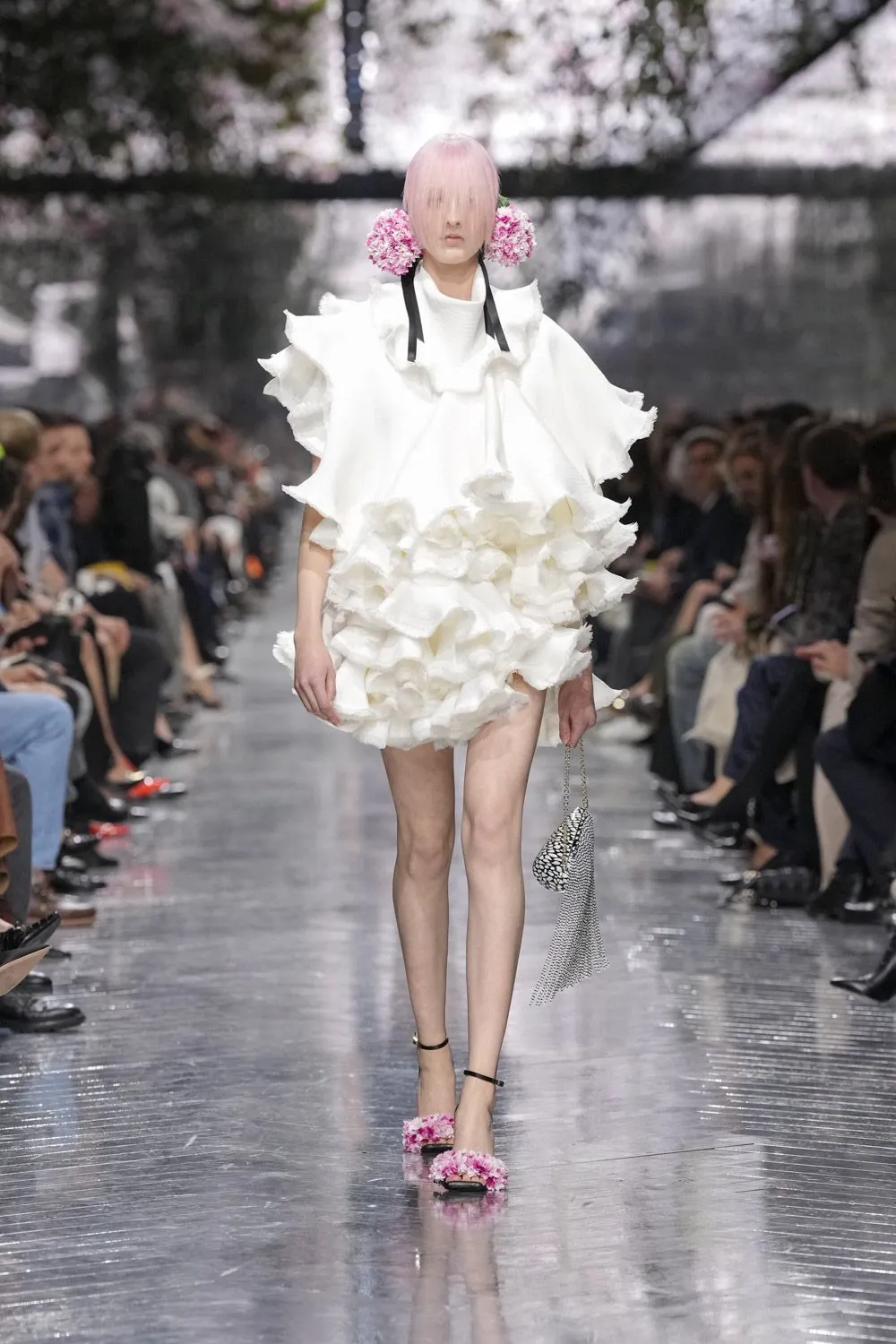
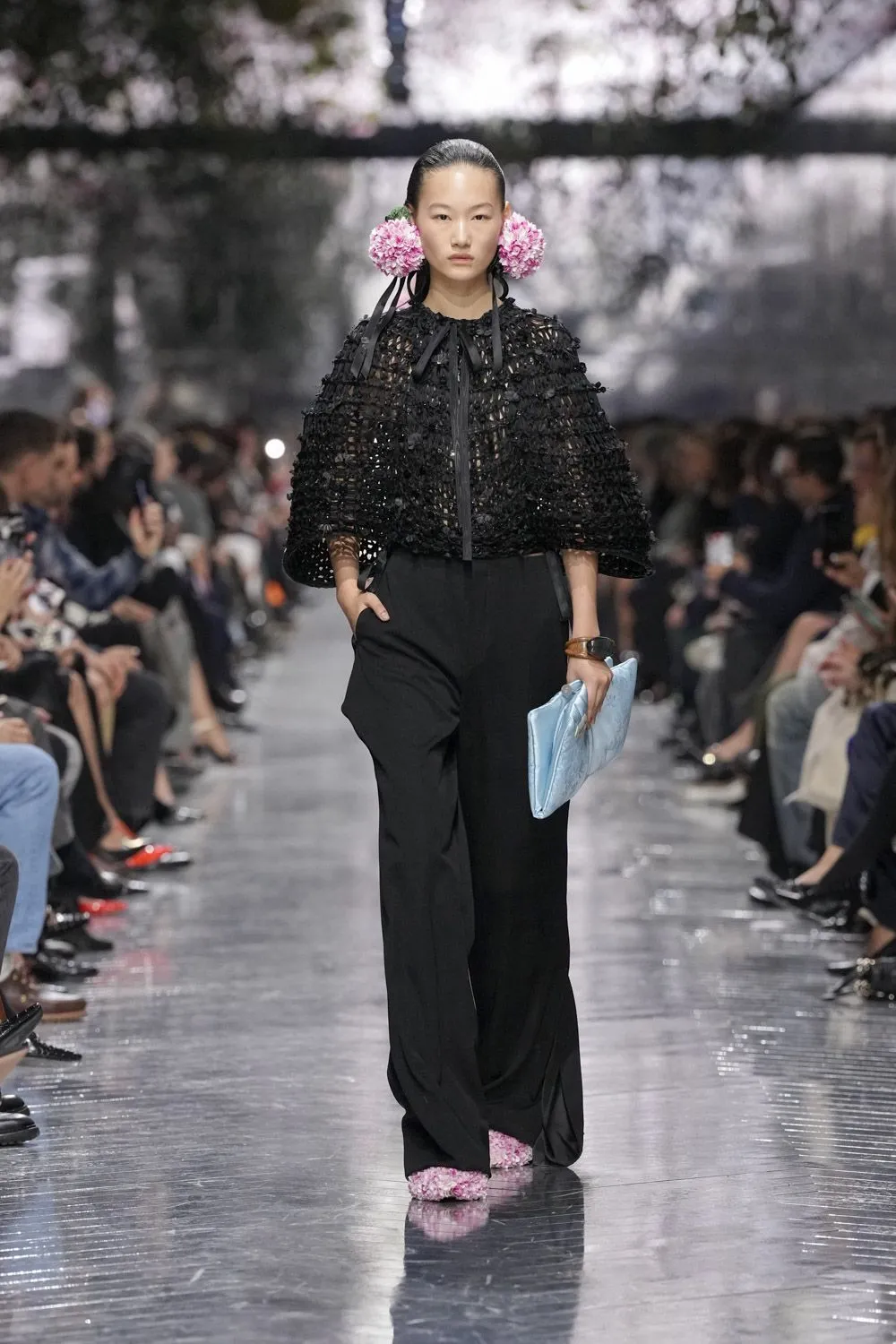
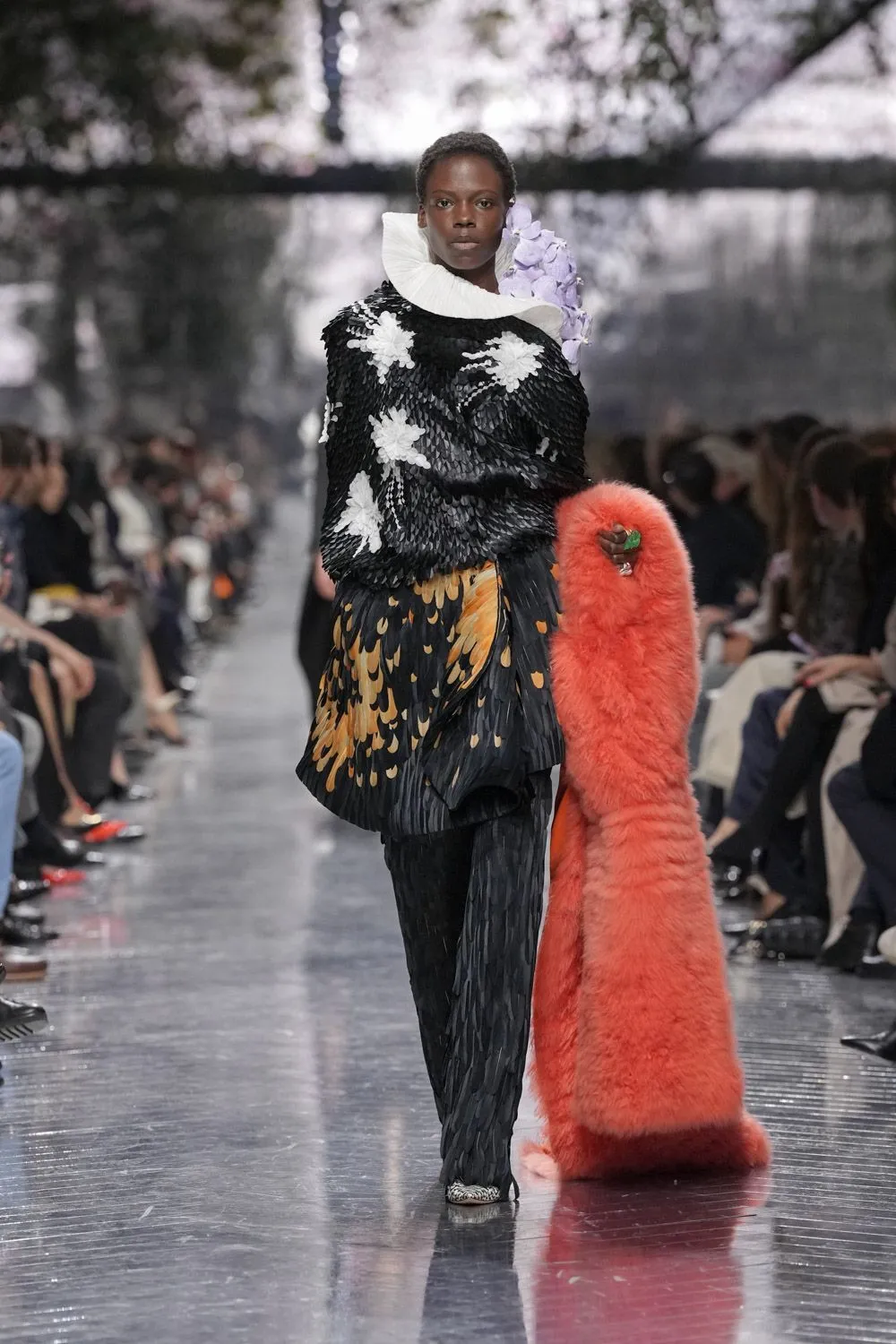
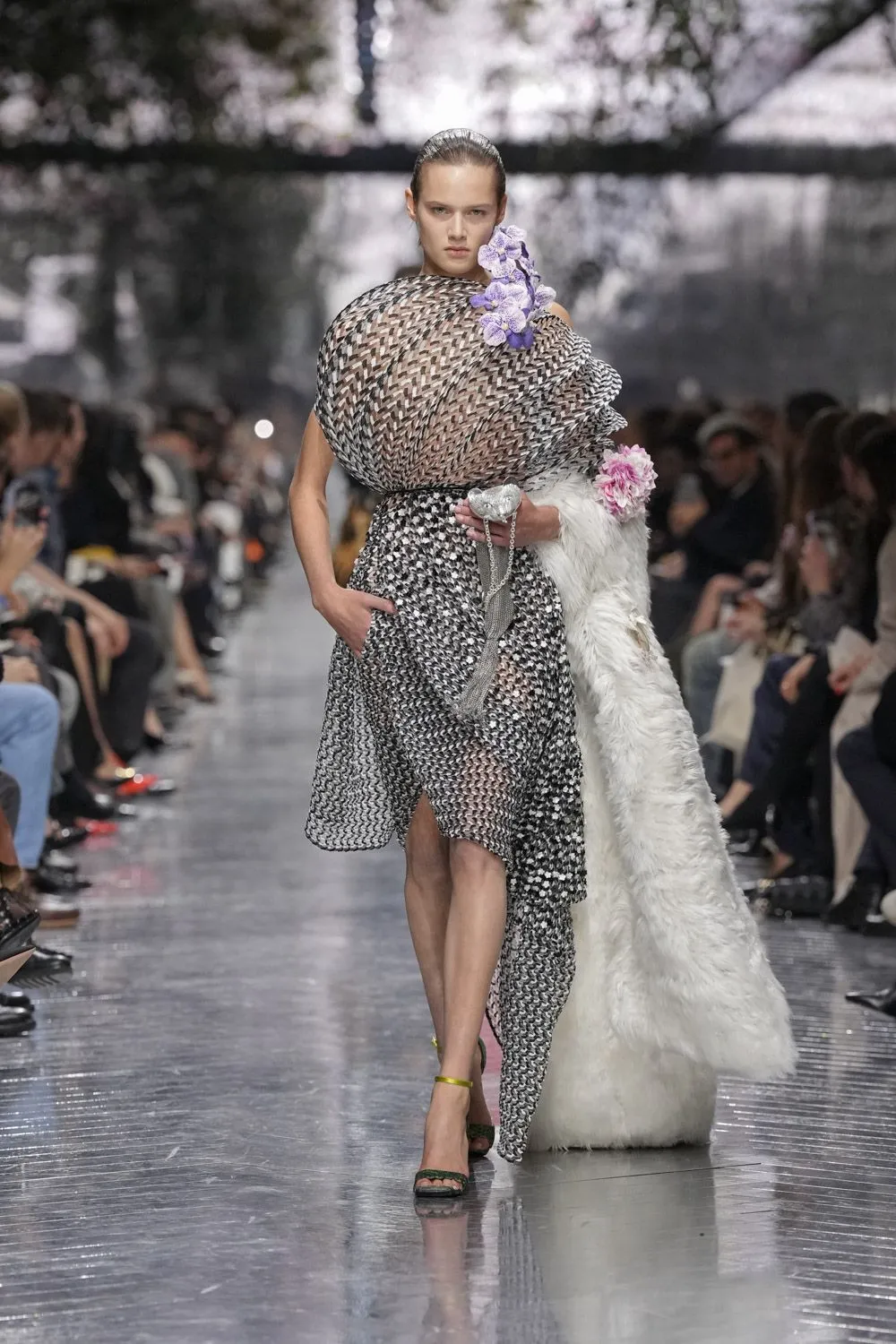
This collection understood something essential: couture survives only if it is practiced with meaning. Here, responsibility replaced excess and craft-led glamour, where even emotion existed in the work.
In the end, Jonathan Anderson’s first couture collection asks not to be adored. Rather, it invited understanding. Couture was a system of care. In a house built on love for beauty, perhaps that is the most Dior thing of all.
Photos: DIOR
Recommended Video
Latest Posts

Latest Issue