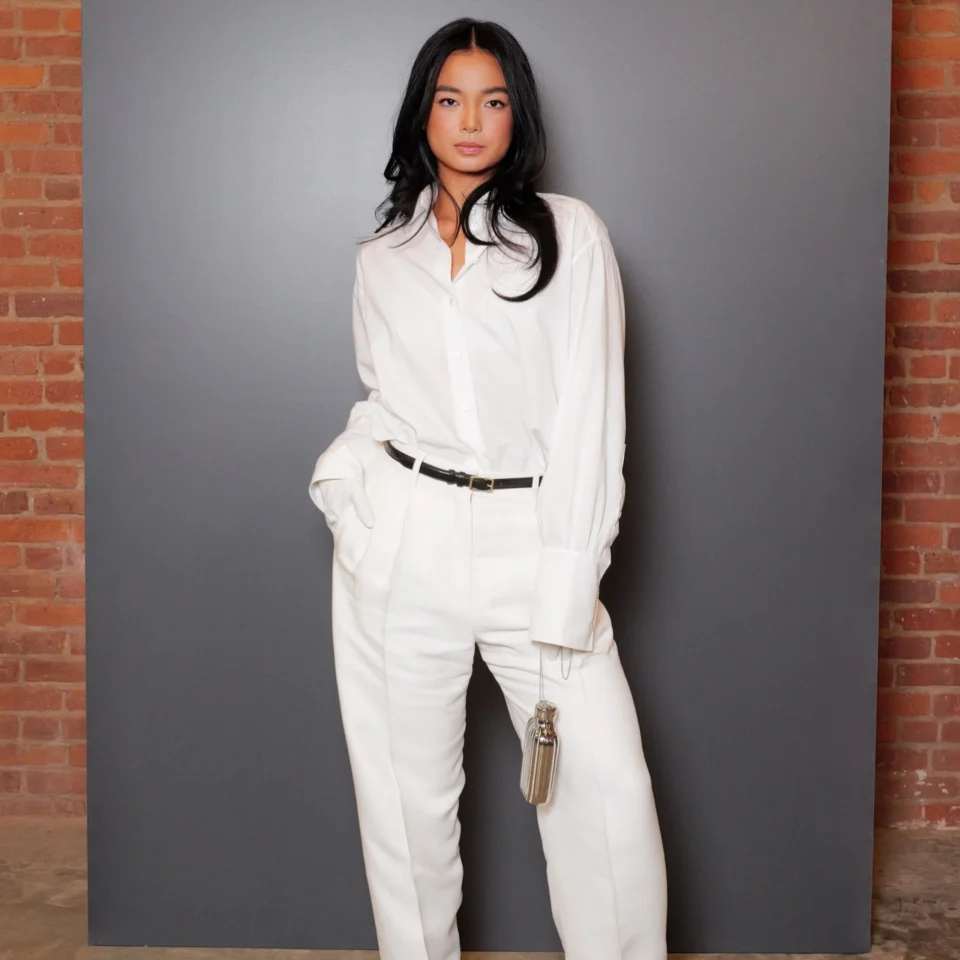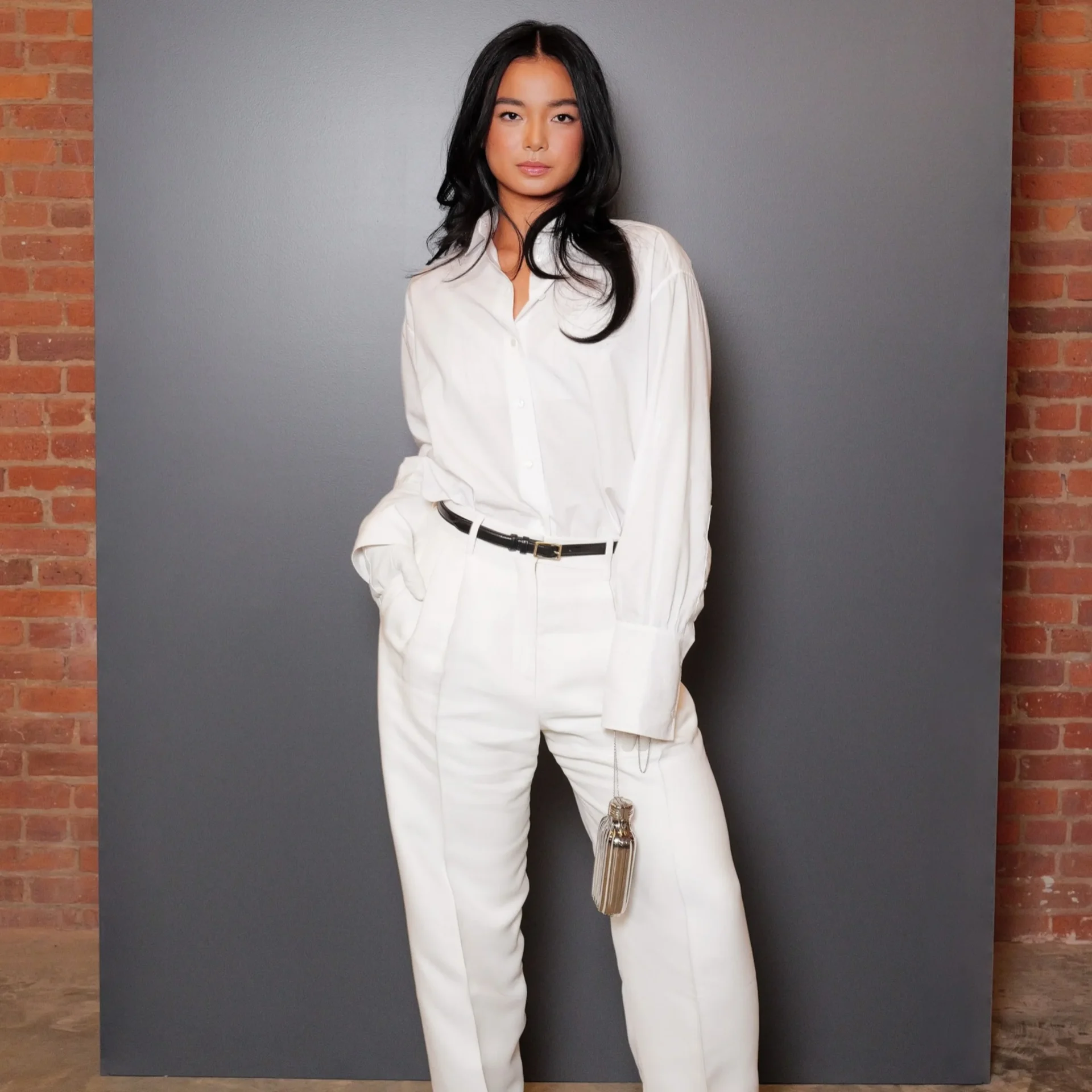





The Kimona does not ask to be admired from afar. It asks to be worn, often and easily, with no special occasion to mark other than ourselves. For Dennis Lustico, that is the point. “Our identity, the richness of our culture, the distinction we possess from other nationalities—that is the real treasure,” he says. “And the best way to tell our story is by wearing it.” The FilipinianaFilipinianaThe traditional national dress and style of the Philippines, encompassing garments such as the terno, Maria Clara gown, barong Tagalog, and baro't saya. Celebrated for handwoven fabrics and intricate embroidery,Go to Filipiniana Glossary belongs to the body the way heat belongs to noon: naturally, without expectation.
RELATED: Who Runs the House Now? Fashion’s New Creative Directors Set to Debut in 2026
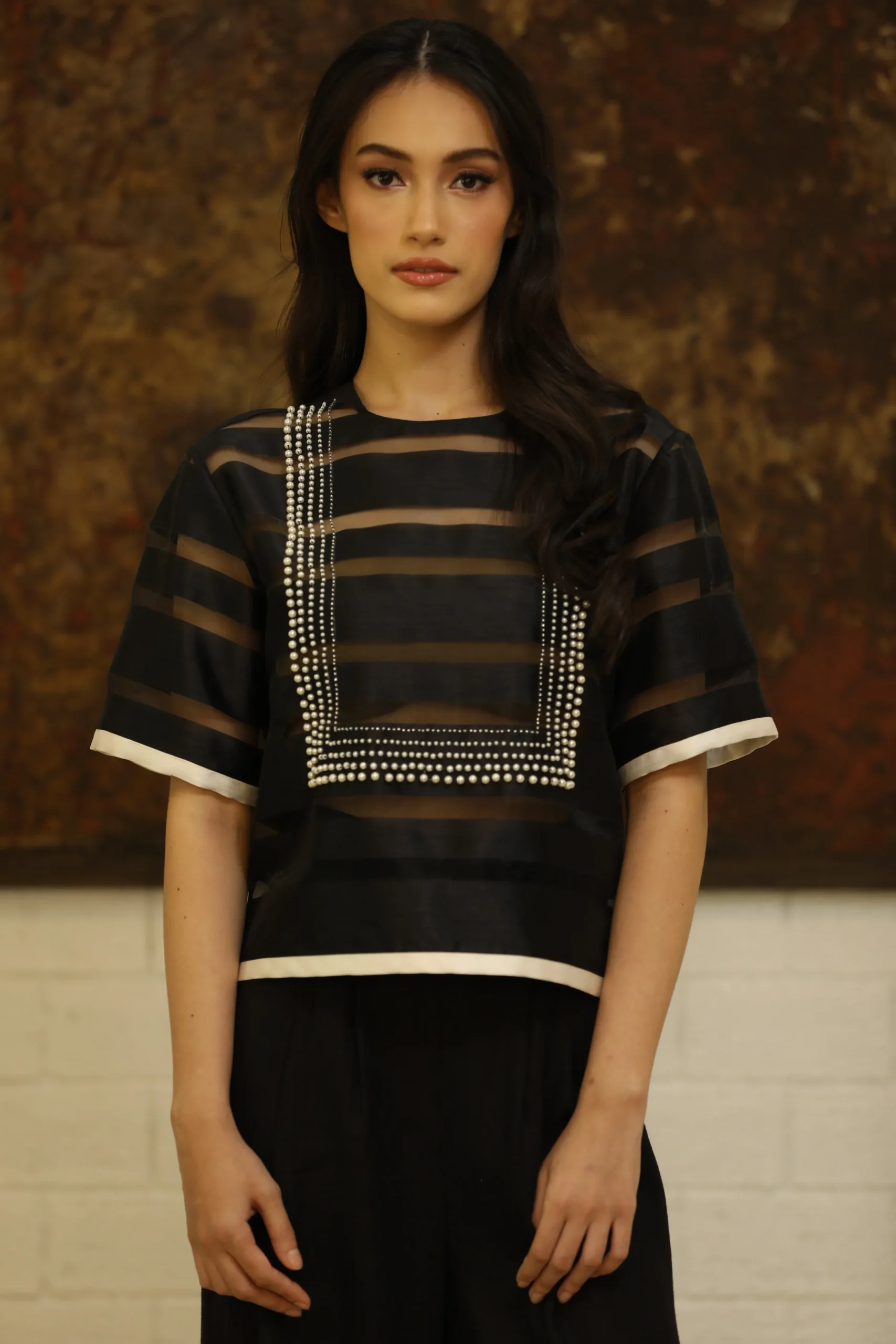
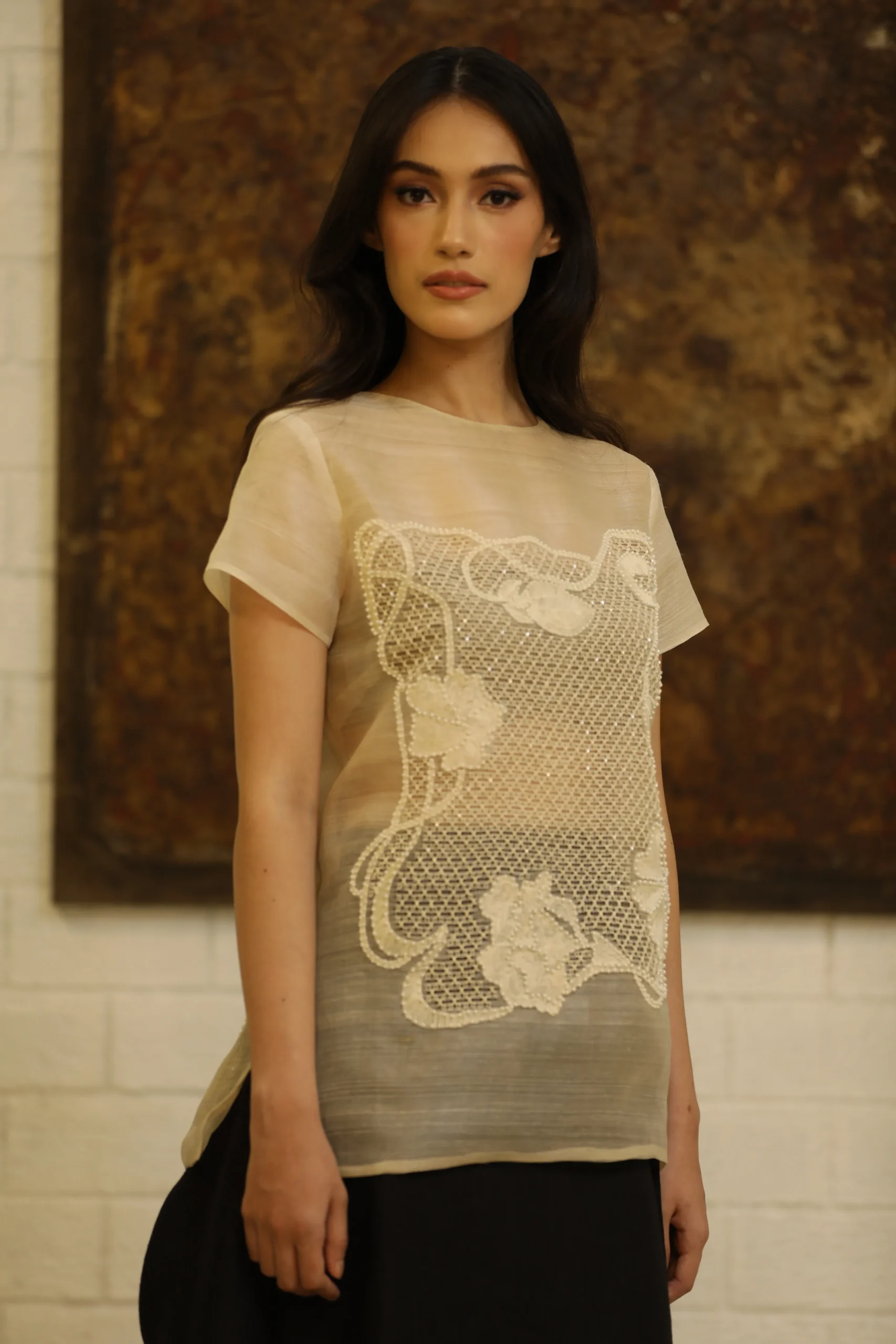
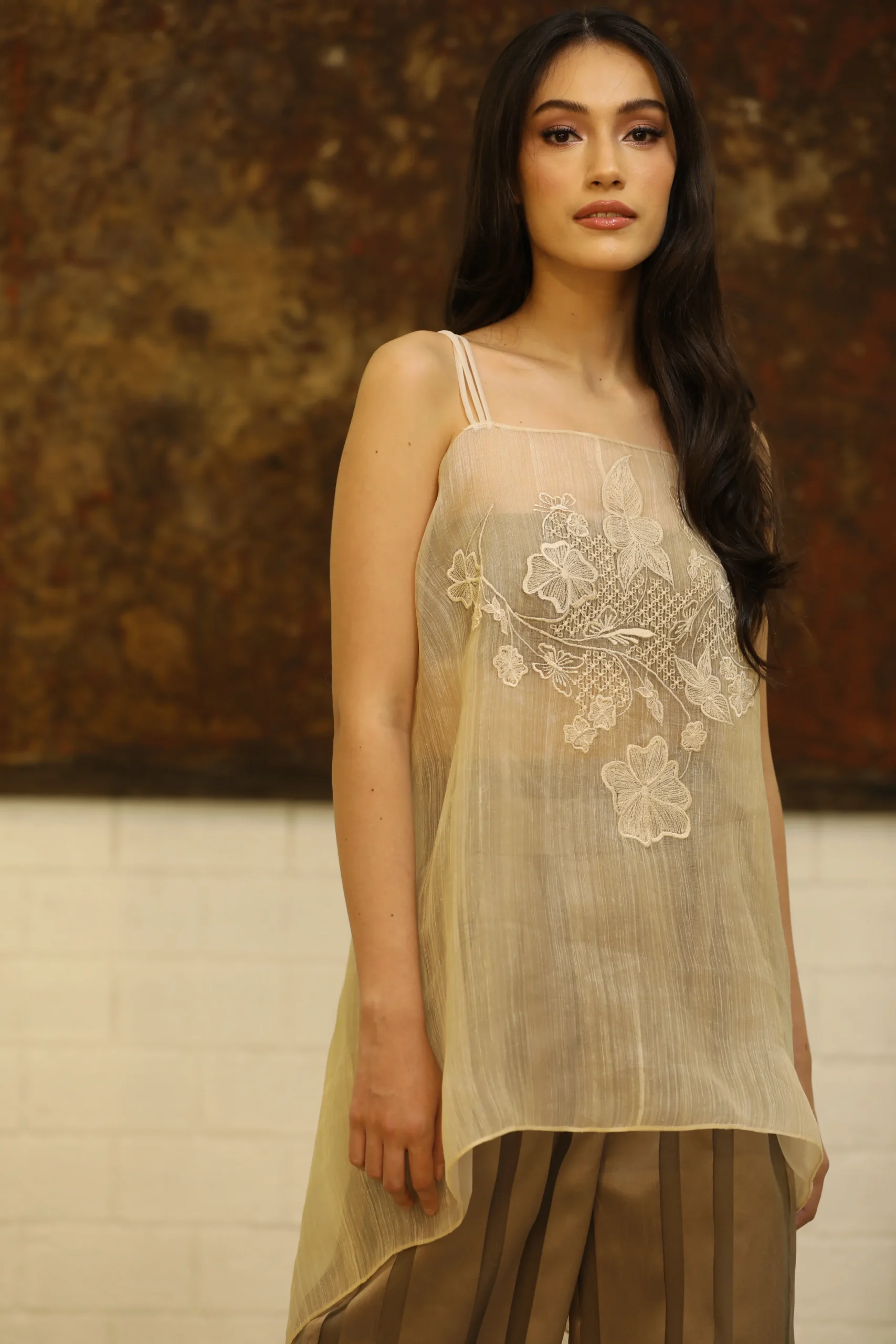
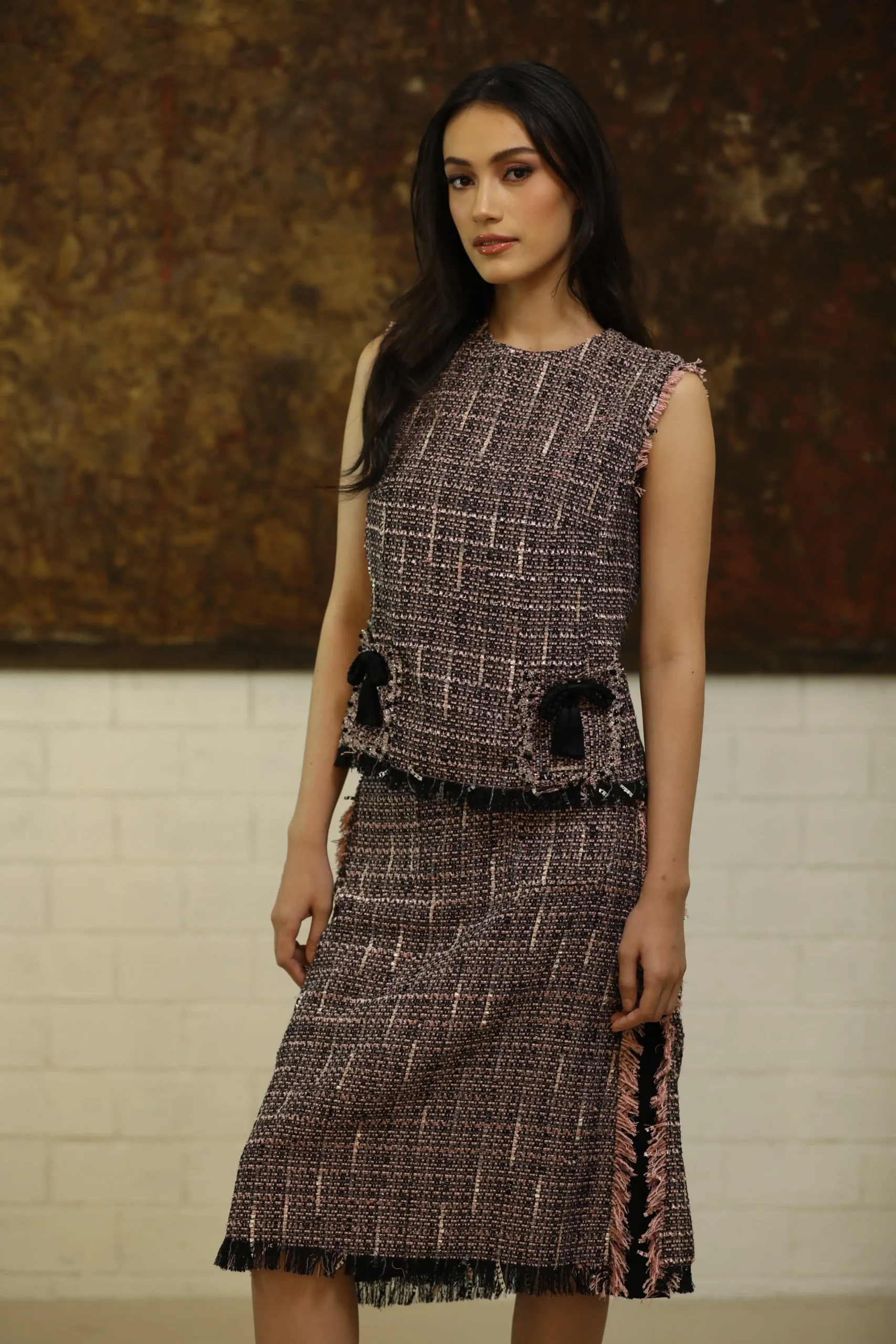
At his pop-up space in Powerplant Mall—running until the end of January— the designer introduced his FilipinianaFilipinianaThe traditional national dress and style of the Philippines, encompassing garments such as the terno, Maria Clara gown, barong Tagalog, and baro't saya. Celebrated for handwoven fabrics and intricate embroidery,Go to Filipiniana Glossary Collection midway through the holiday season, just as he planned. Brass racks that first held capes, vests, pencil skirts, and tassel-tipped satin tops soon welcomed a shifting star: the Kimona.
The Kimona, Close to Home
The Kimona is a traditional garment from the Visayas, a light, cape-like form of the camisa, usually paired with a patadyong or wrap skirt. Lustico remembers it from childhood—women in his province moving through days dressed in something that felt both practical and graceful. “It is a garment I remember vividly,” he says. “In a way, this collection is a return to basics, and an ode to my roots.”
His Kimona comes in five designs, some with callado bibs, all hand-embroidered in Laguna. Motifs grow from local flora and everyday objects like fans. Piña becomes the base, while tapis skirts and sarongs complete the look. Each piece works with the others—layered, shifted, worn again and again.
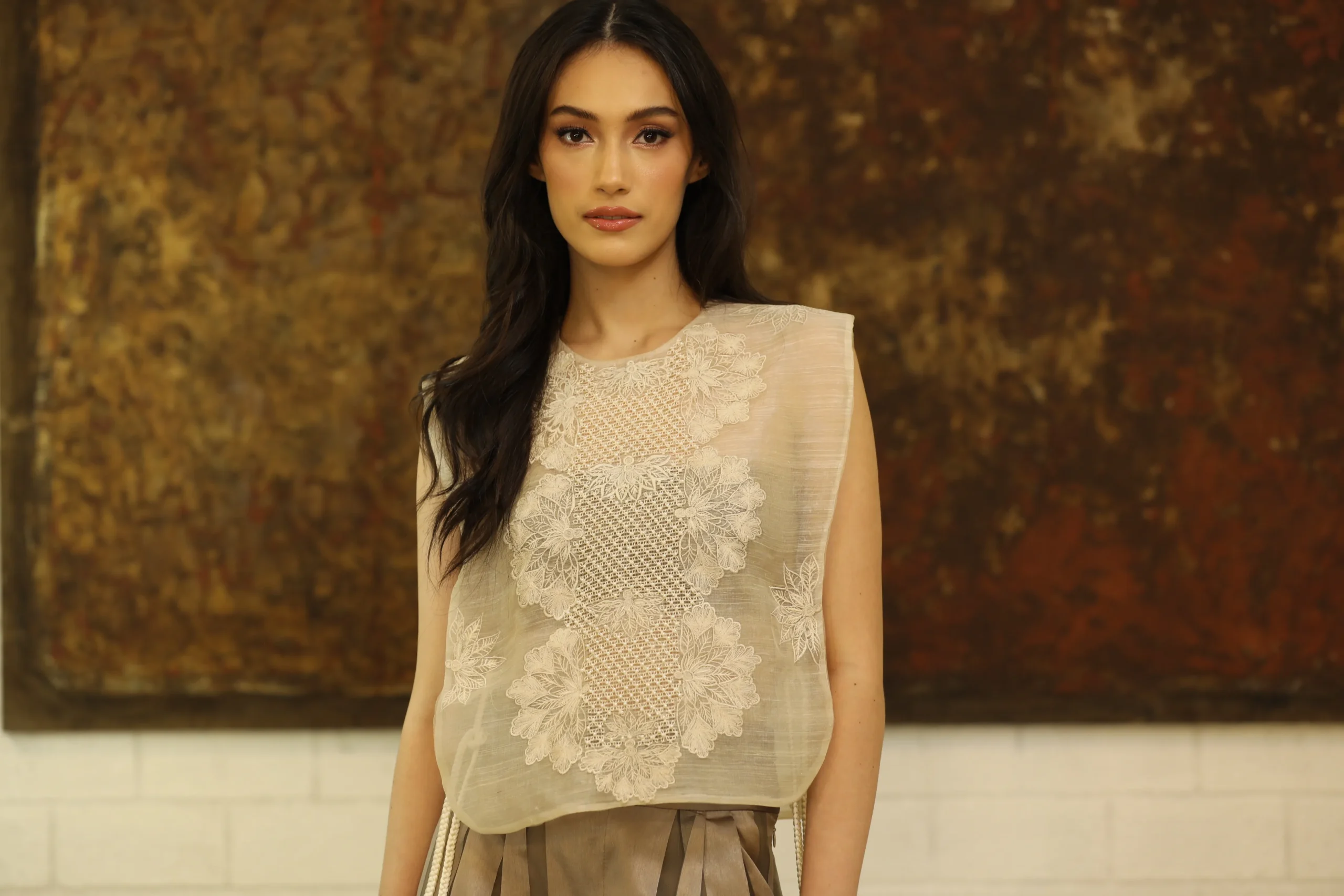
“I want heritage to live through use,” Lustico says. “FilipinianaFilipinianaThe traditional national dress and style of the Philippines, encompassing garments such as the terno, Maria Clara gown, barong Tagalog, and baro't saya. Celebrated for handwoven fabrics and intricate embroidery,Go to Filipiniana Glossary is just as comfortable, functional, wearable as any modern clothing.” He designs these pieces in one size, meant to adjust through movement and styling. They suit many bodies because they were never meant to cage one.
He learned something clear during the pop-up. “In a sea full of brands and modern styles, the only way to stand out is to offer what is truly yours,” he says. “I had to offer the Filipino in me—my heritage, my identity, my craft.”
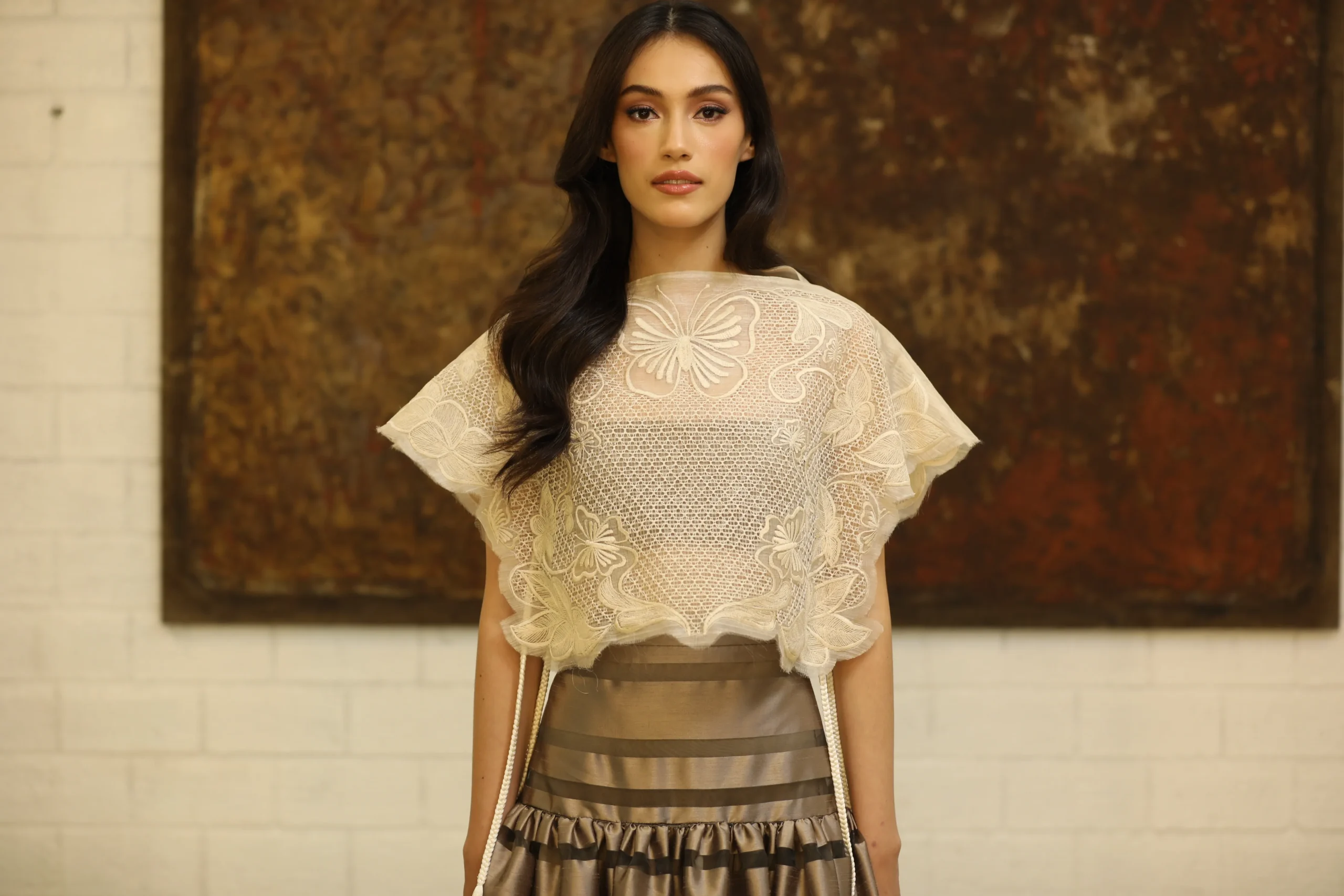
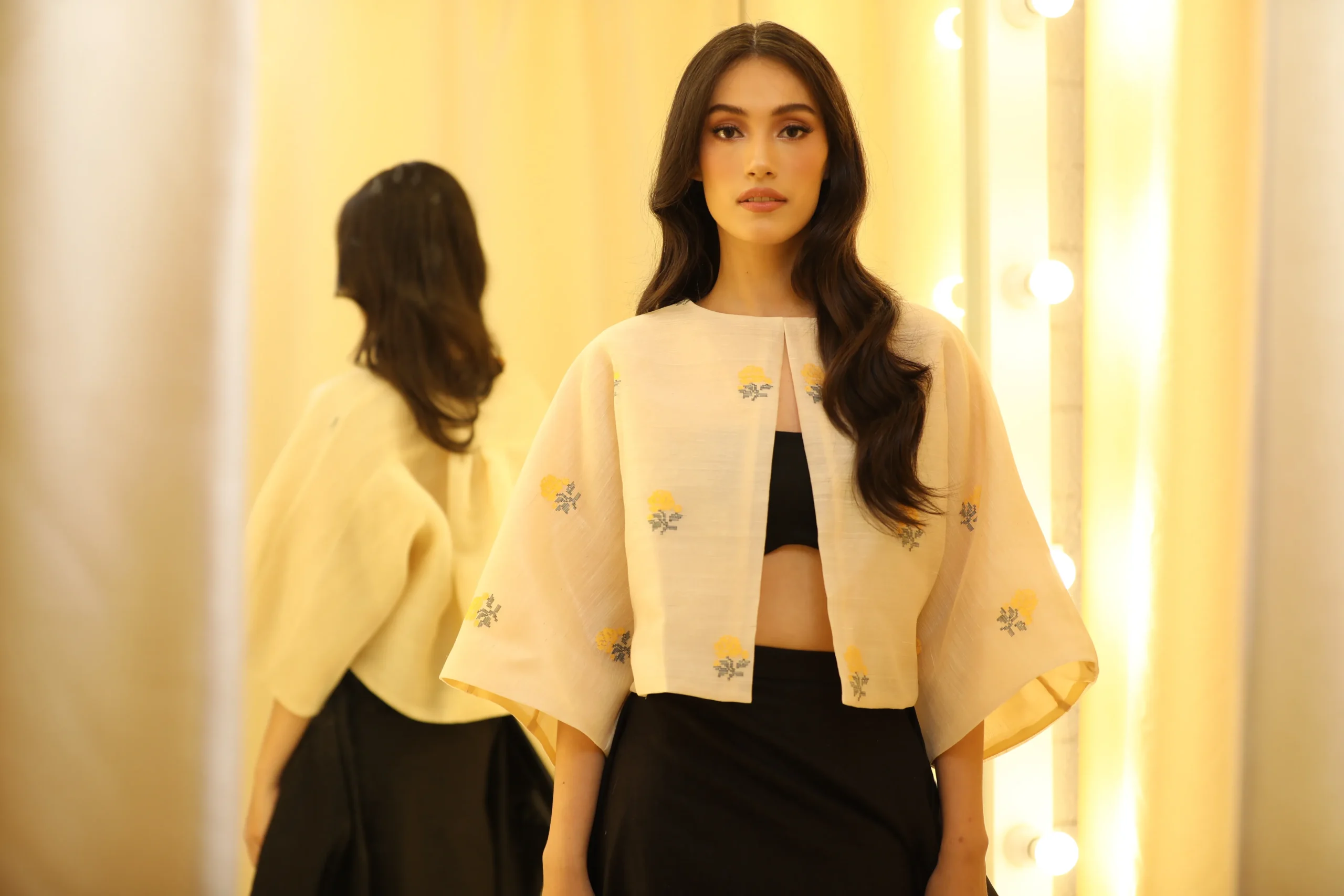
Wearing Filipiniana often strengthens it. Lustico believes that each time someone reaches for a Kimona on an ordinary day, the story of being Filipino gets told again. It rides through traffic, eats lunch, waits in lines, scrolls on phones, and walks through heat. It becomes part of daily life, not something kept aside.
Subtlety matters to him, yet so does use. A Kimona earns its meaning when it has felt the sun on its cloth, sweat on its seams, and the weight of long days on its shoulders. In its stains, there is pride. The garment works like a vest, shifting with how it is styled. It adapts to the wearer rather than ruling over them. That flexibility makes it strong.
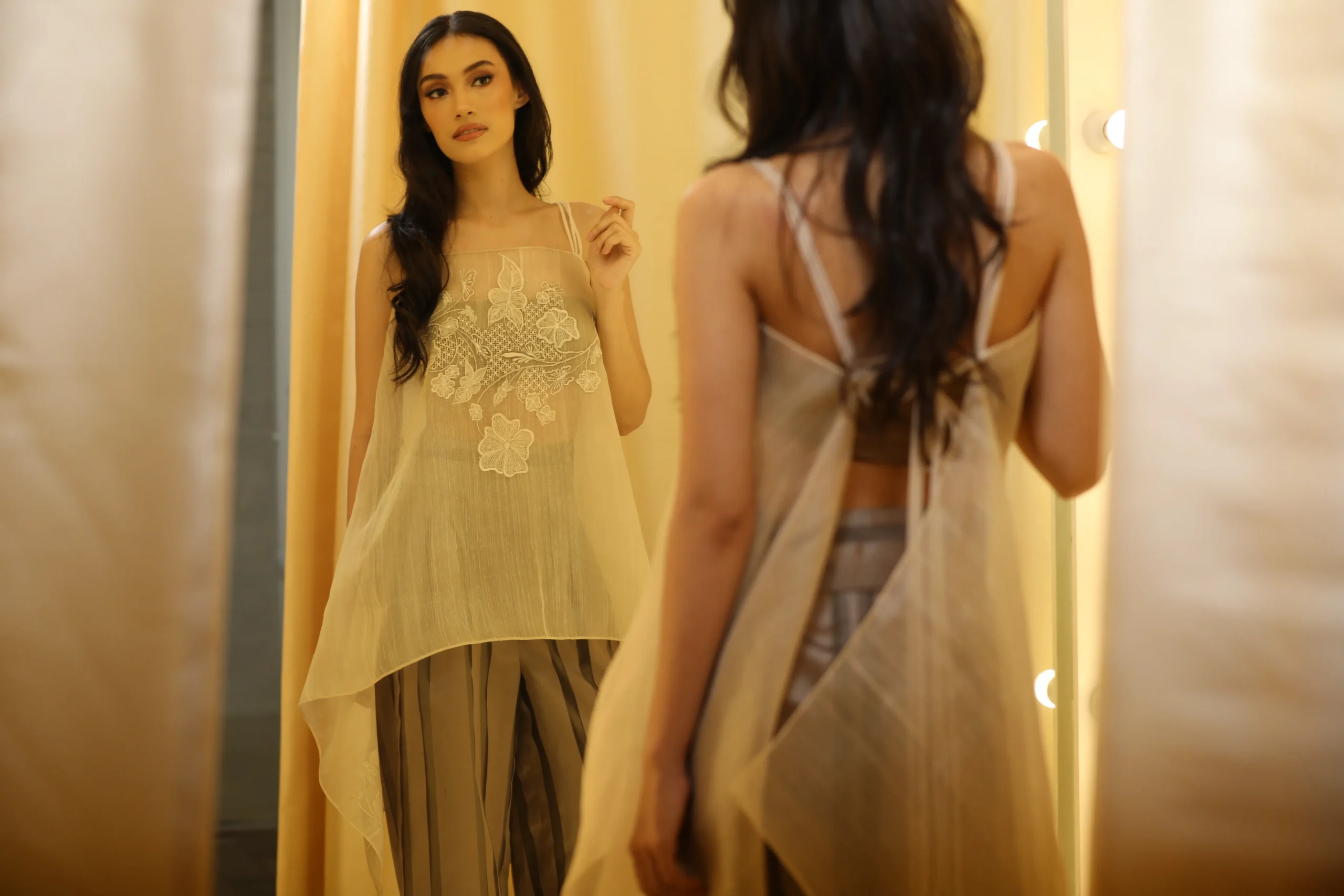
Still, tradition has form. Lustico learned this deeply during Ternocon, where designers trained in the rules of Balintawak and Terno—their sleeves, their ratios, their fixed parts. A single-sleeved blouse, he says, cannot be called a terno. Names come with shape, as history istory has grammar. The Kimona also has its own structure. Design may grow, yet it grows from something already formed.
Dressed for Tomorrow
What excites him most is seeing these pieces worn often, mixed freely, passed on. He speaks of them like heirlooms in training—meant to age, soften, and gather stories. “They are special because they are handmade,” he says, “but they can be worn many times in different ways. They can be passed on.”
There is pride in that idea. A pride that feels solid, almost unshakeable. Wearing Filipiniana becomes a reminder that we come from people who knew how to make beauty from land, fiber, and hand. We are heirs to that work. Our descendants will inherit what we choose to wear, keep, and pass forward.
In a life shaped by screens, speed, and endless updates, Lustico’s Kimona leans toward something slower. It feels almost like time folding—past meeting present, craft meeting daily need. It proves that heritage does not belong to museums. It belongs to the people who live in it.
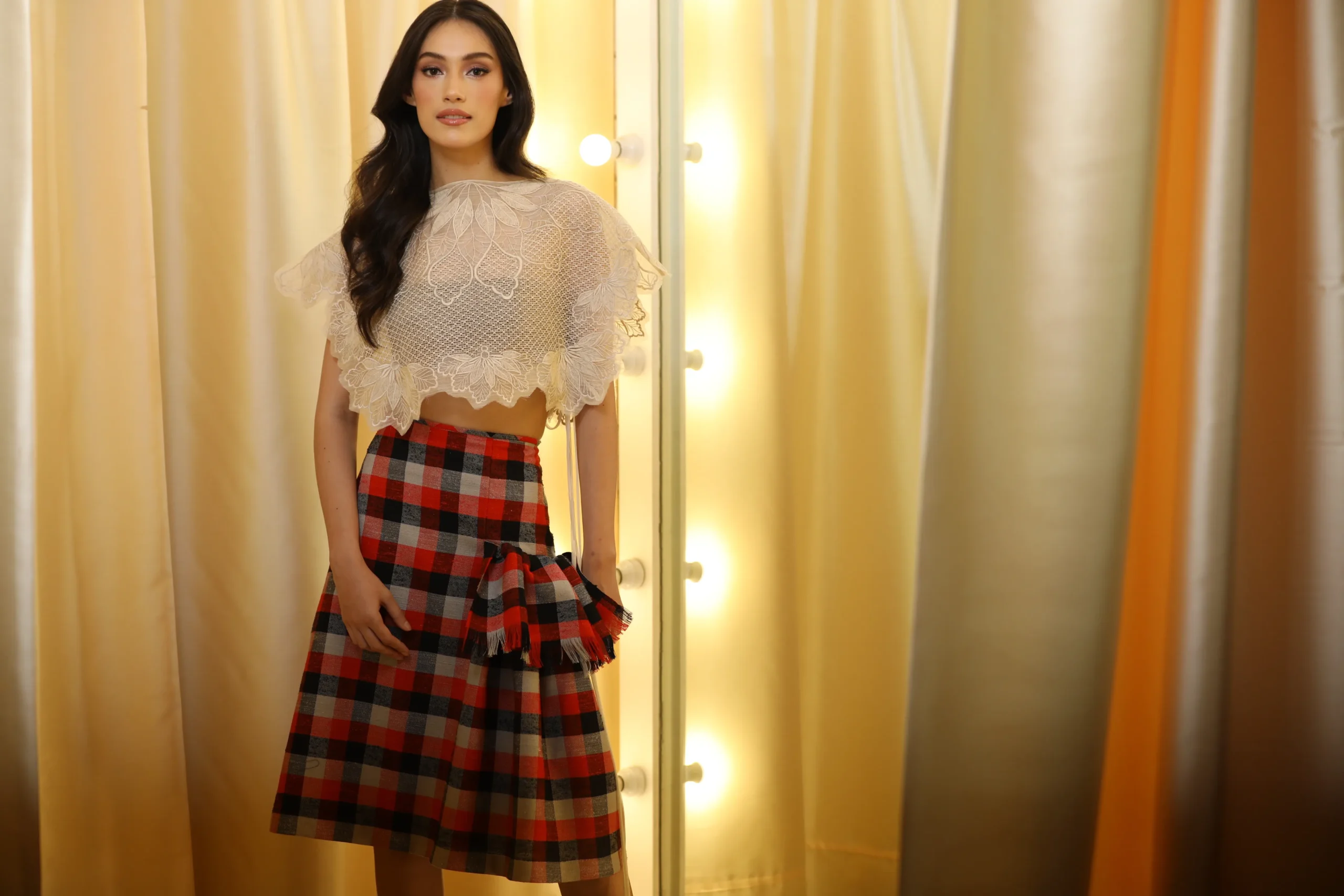
And when Filipinos wear their story often enough, it becomes part of the air around them—something steady, something proud, something that feels as though nothing could break it.
Photographed by JO ANN BITAGCOL