



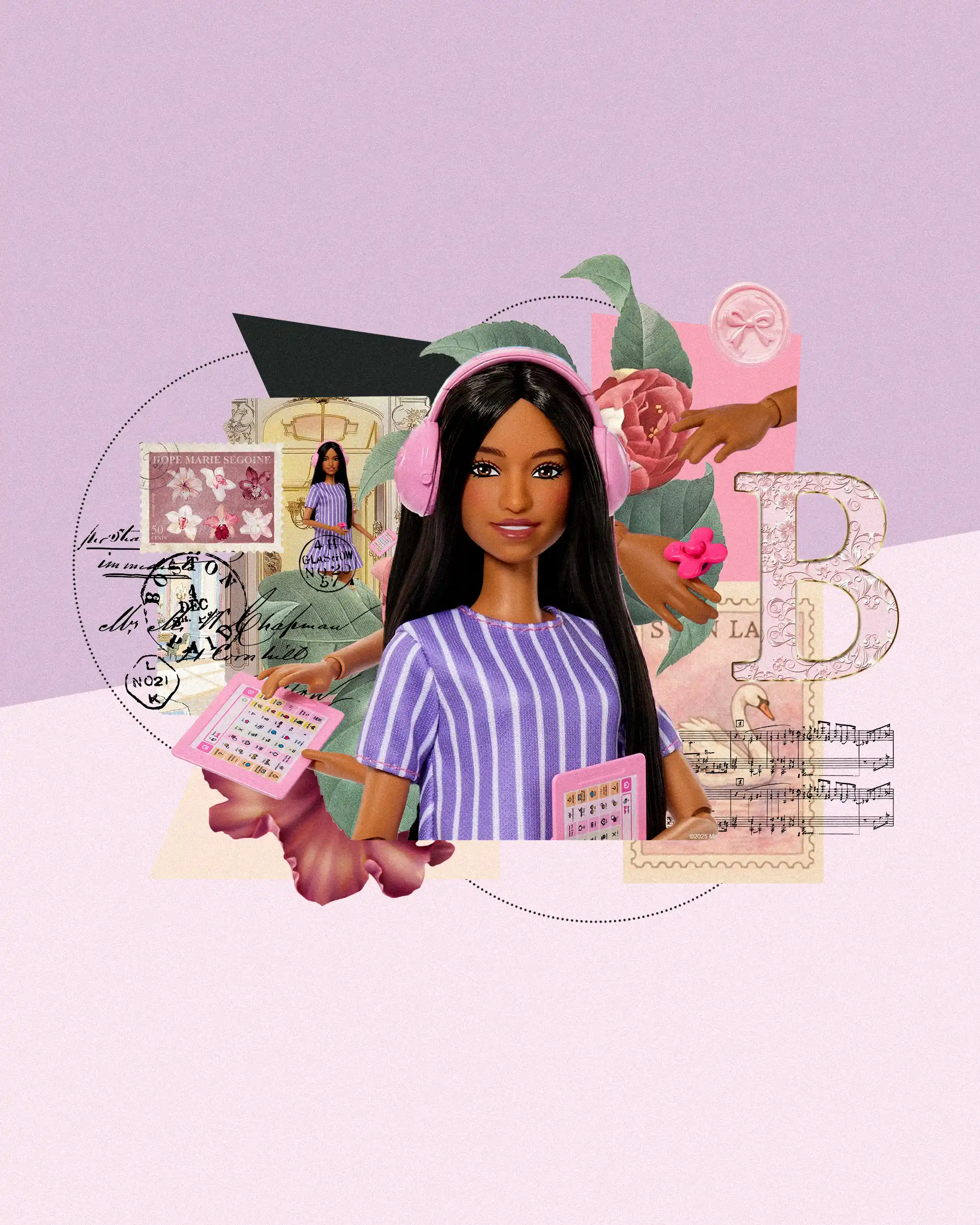
Barbie is often seen as the idealized woman. From doctor to astronaut and everything in between, Barbie has been it. Think of any occupation, and there’s probably a Barbie doll for it. But even when it comes to dolls, representation matters, as young girls and children in general deserve to see themselves in the toys they play with. It’s a belief that Barbie has showcased over the years with different Barbie dolls featuring different disabilities, and their newest doll is the latest addition to the special collection.
RELATED: EXCLUSIVE: How Lovely Geniston Transformed Passion into a Barbie Collaboration
Barbie on the Spectrum
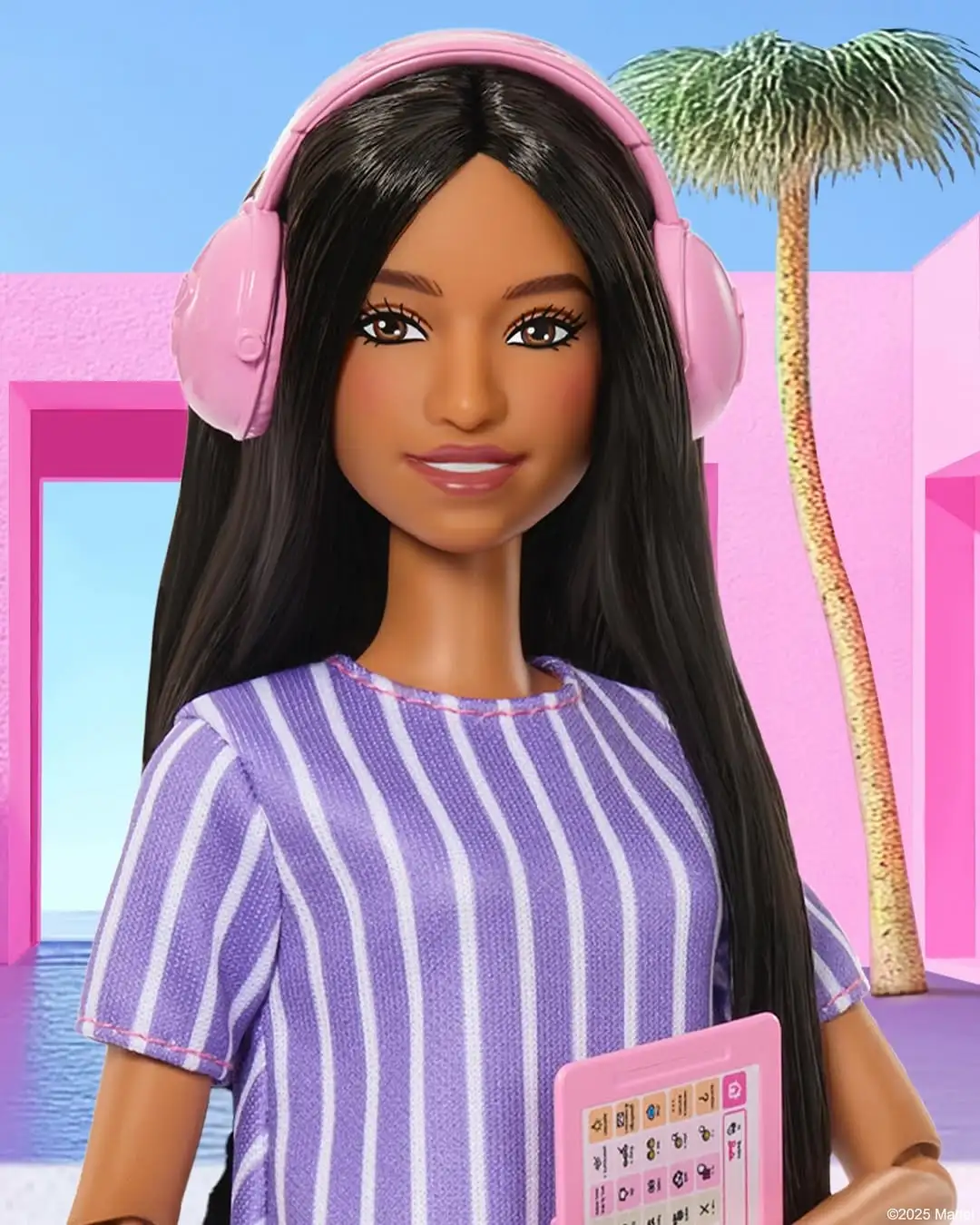
Recently, Mattel introduced autistic Barbie to its Fashionistas collection, which highlights different body types and skin colors. While autism, like many disabilities, does not have a one-size-fits-all visual depiction, Mattel worked with the Autistic Self Advocacy Network, a nonprofit organization that advocates for the rights and better media representation of people with autism, for 18 months to create a Barbie doll that reflects some of the ways autism may look like and be experienced.
To that end, the Barbie doll’s eyes shift slightly to the side to represent how some people with autism sometimes avoid direct eye contact. Unlike most Barbies, the doll has elbow and wrist joints, allowing it to make gestures and movements that some autistic people may use. It also comes with a sensory stress-relief toy, a pink fidget spinner that actually spins, wears noise-canceling headphones to reduce sensory overstimulation, and carries a pink tablet that serves as its augmentative and alternative communication, or AAC, device, which is a device some autistic people use to communicate with people.
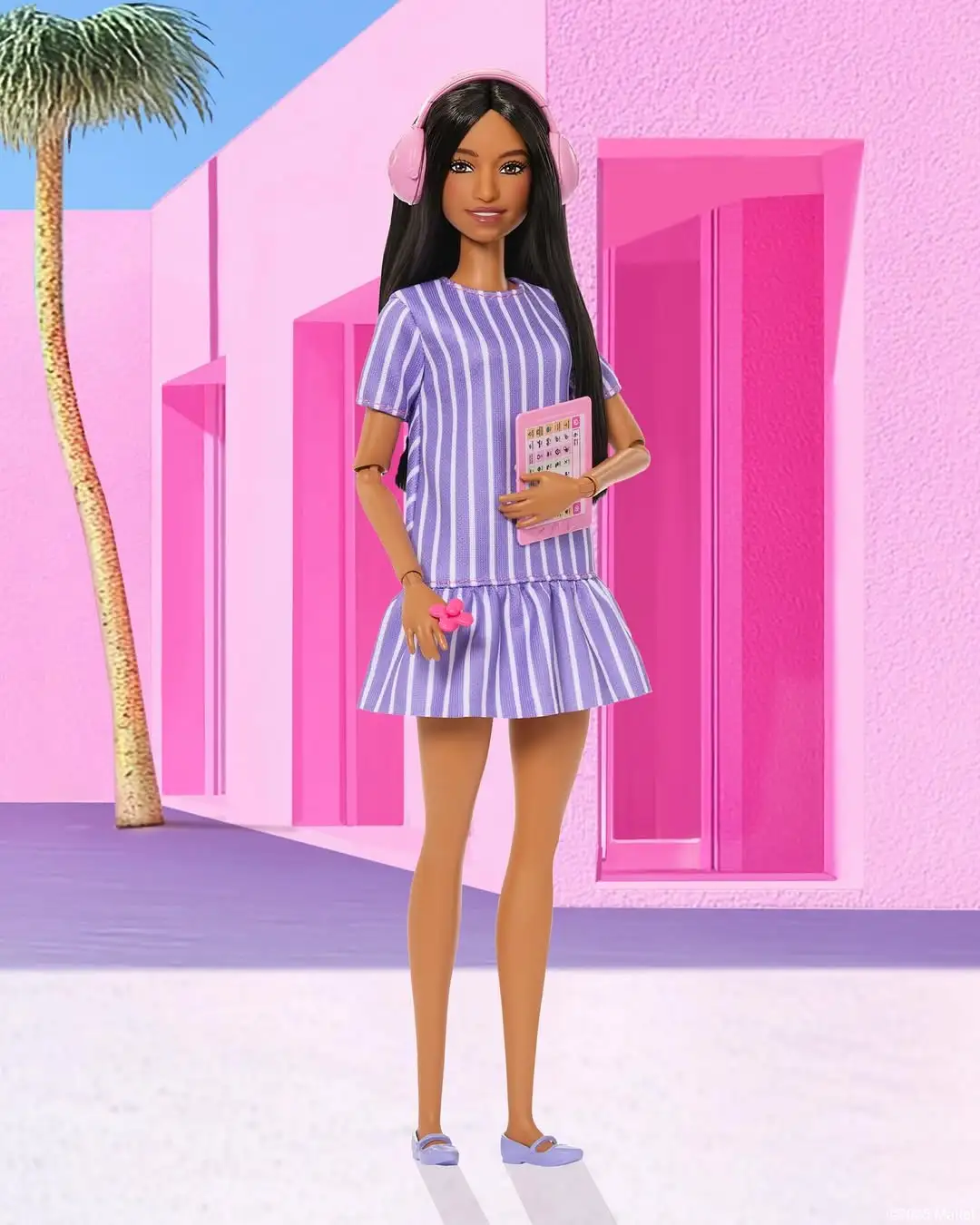
As for her look, autistic Barbie is dressed in a cute and sensible A-line purple pinstripe dress with short sleeves and a flowy skirt. The ensembleEnsembleA complete, coordinated outfit in which each garment and accessory is chosen to work together as one look. Stylists build ensembles around a theme, color story, or occasion, and theGo to Ensemble Glossary is complete with matching purple flats that, aside from complementing the look, also promote stability and ease of movement. According to Mattel, the choice of going with loose-fitting clothing for the doll represents how some people with autism prefer to have as little fabric-to-skin contact as possible.
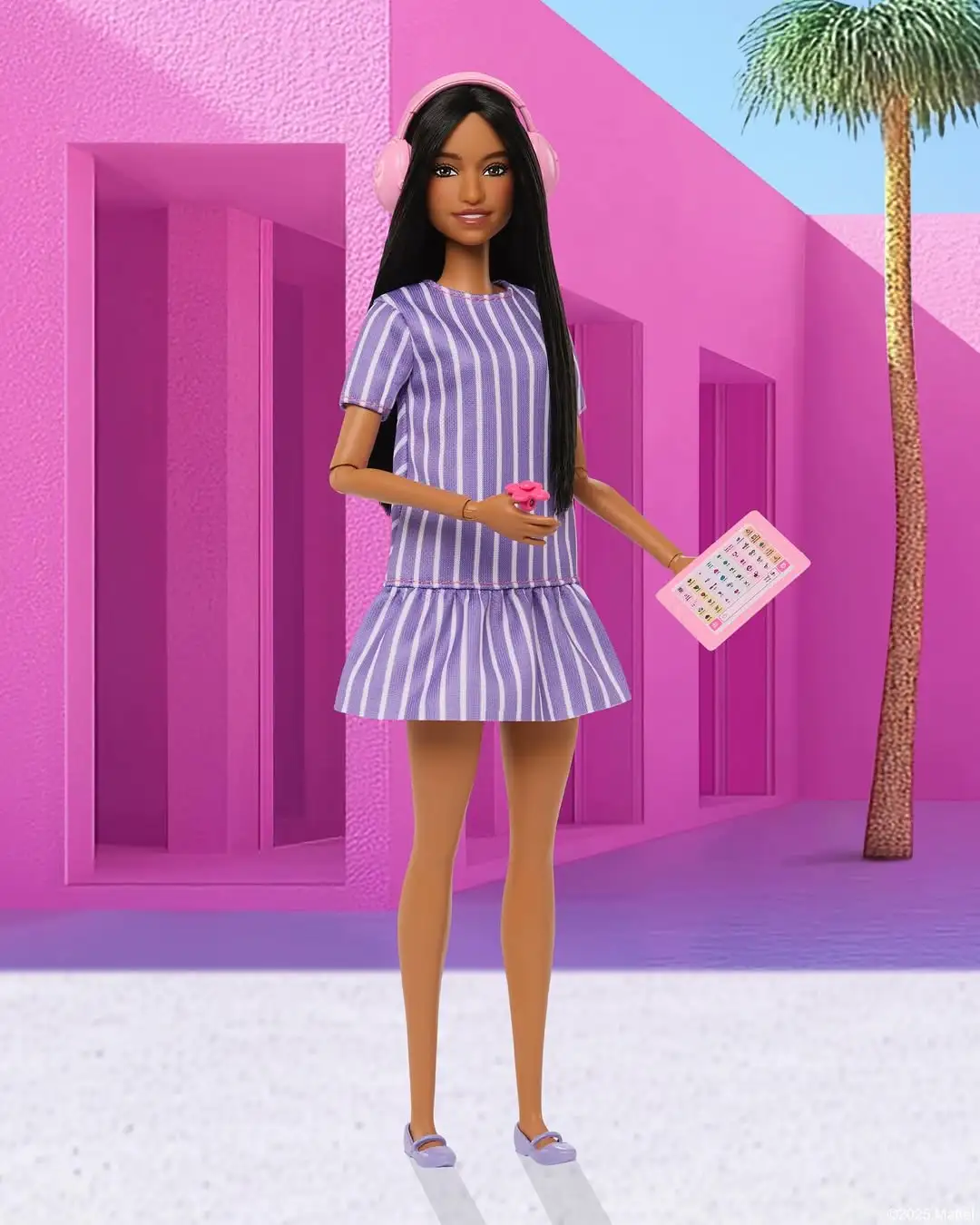
With autistic Barbie, Mattel adds another doll that represents more diverse and inclusive backgrounds, looks, and physical features. Since 2019, the toymaker has released Barbies with type 1 diabetes, Down syndrome, blindness, a Barbie and a Ken with vitiligo, a Barbie and a Ken with a prosthetic leg, and a Barbie with hearing aids, among others.
Kids on the spectrum may already have a tough time as it is, so autistic Barbie is another way for them to feel seen and potentially see themselves in their favorite toys. It sends a message that being different is not bad, nor should one be ashamed of it. They can still be beautiful, and they aren’t alone as they grow up navigating their condition. At the very least, the doll can help educate people who may not know a lot of or hold stereotypical views on autism on what it more accurately is.
Photos: MATTEL (via Instagram)

Recommended Video
Latest Posts
Latest Issue