



How do we celebrate style and creativity as Filipinos when the world around us feels so unsteady?
To live and work in fashion is to exist in contradiction. We are asked to imagine futures, sell aspiration, and dress optimism—while navigating a reality that repeatedly tests our faith in progress. We hustle, we create, we rally, and still, the weight remains. Not invisible, not forgotten—just heavy.
RELATED: What They Don’t Tell You About Becoming A Career Woman
They say Filipinos forget. But forgetting has never been the problem. What we know too well is exhaustion—the kind that comes from demanding accountability in a system designed to delay it. From flood control projects that fail the people they were meant to protect, to corruption laid bare in numbers too large to feel real, the question is no longer, “what happened?”, but how long we are expected to endure it.
So what does it mean to end the year honestly, rather than optimistically?
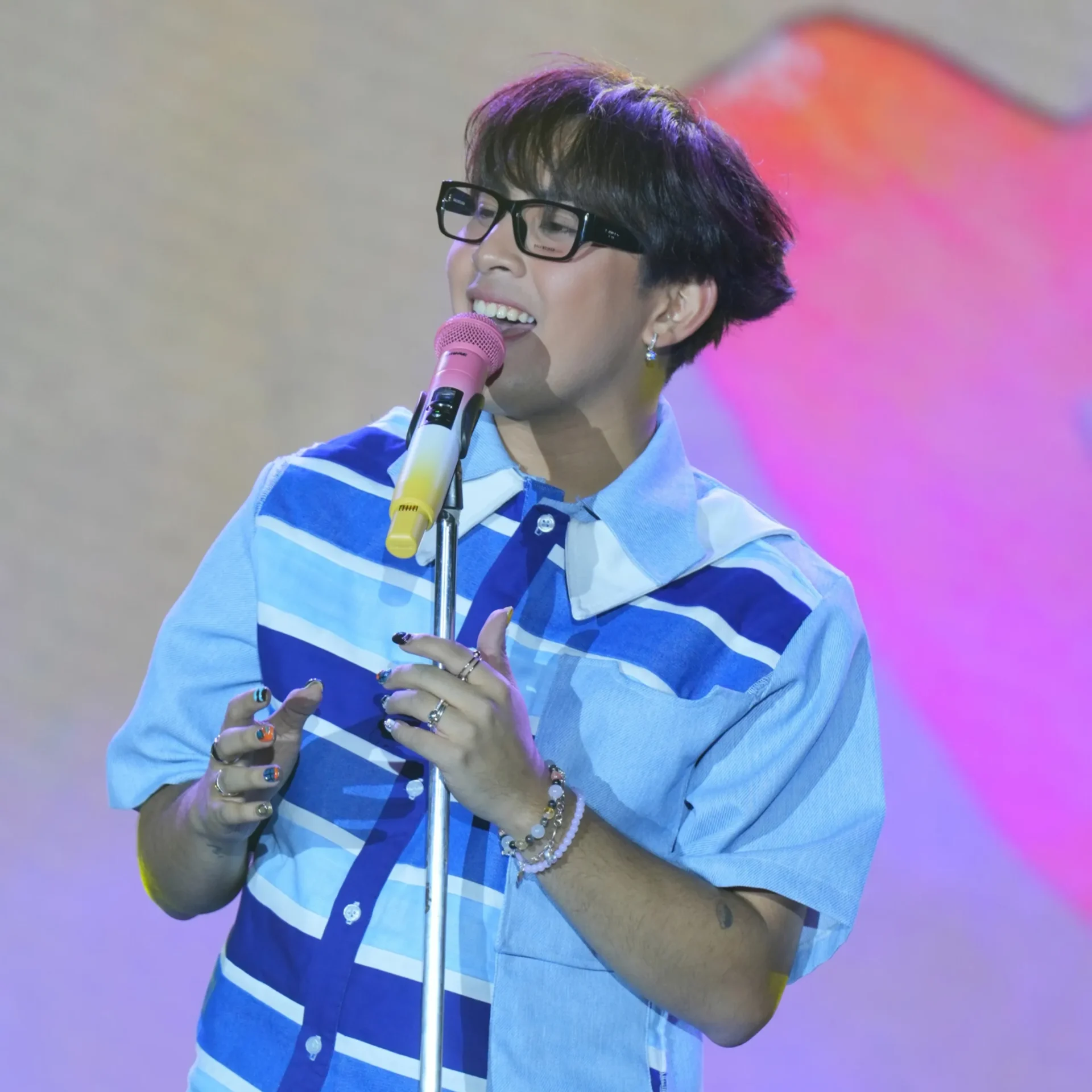
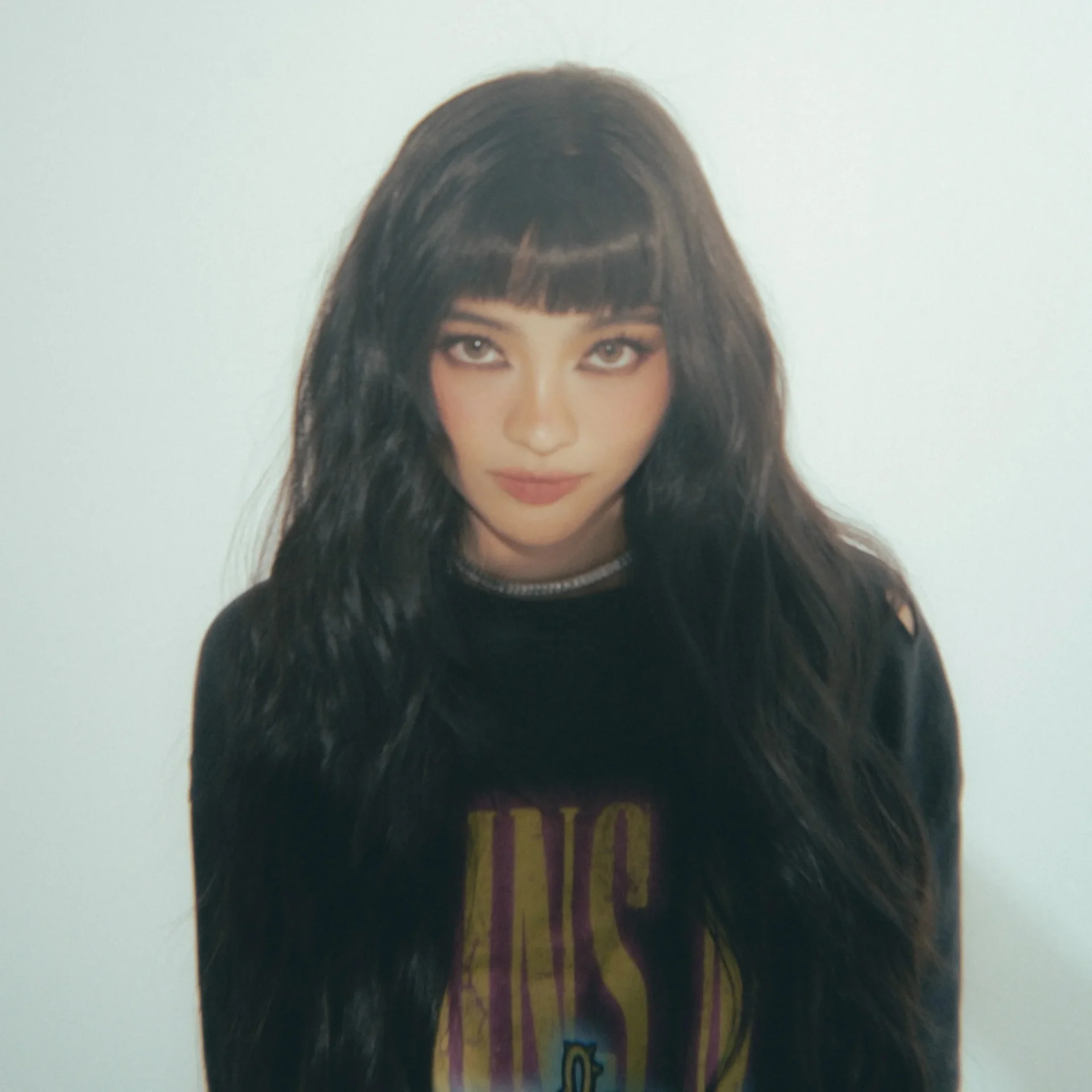
It is a question that extends far beyond the newsroom. It reaches students, creatives, designers, media personalities, and cultural workers—anyone whose work exists in public view, shaped by both privilege and responsibility. We pose this question to designer Rajo Laurel, media personality Bianca Gonzalez, and photographer Jan Mayo: as Filipinos who create, influence, and endure, how do you close a year like this—and what do you carry forward?

Creation Under Pressure
It’s tough working through the fractures. Guilt arises, resentment sets in—and it’s not just you. “It’s frustrating to see decades of the same story with different personalities, and it makes the work of service all the more important and meaningful,” Gonzalez started. Working in media, she sits close to these realities.
She admitted how difficult it can feel to continue in an industry often dismissed as superficial or disconnected. “It’s often a real life ‘people are dying, Kim‘ moment, but I remind myself that television, social media, podcasts, can be used as a tool to empower and inspire, and that we all have different tasks at hand to try to make a positive difference in the world.”
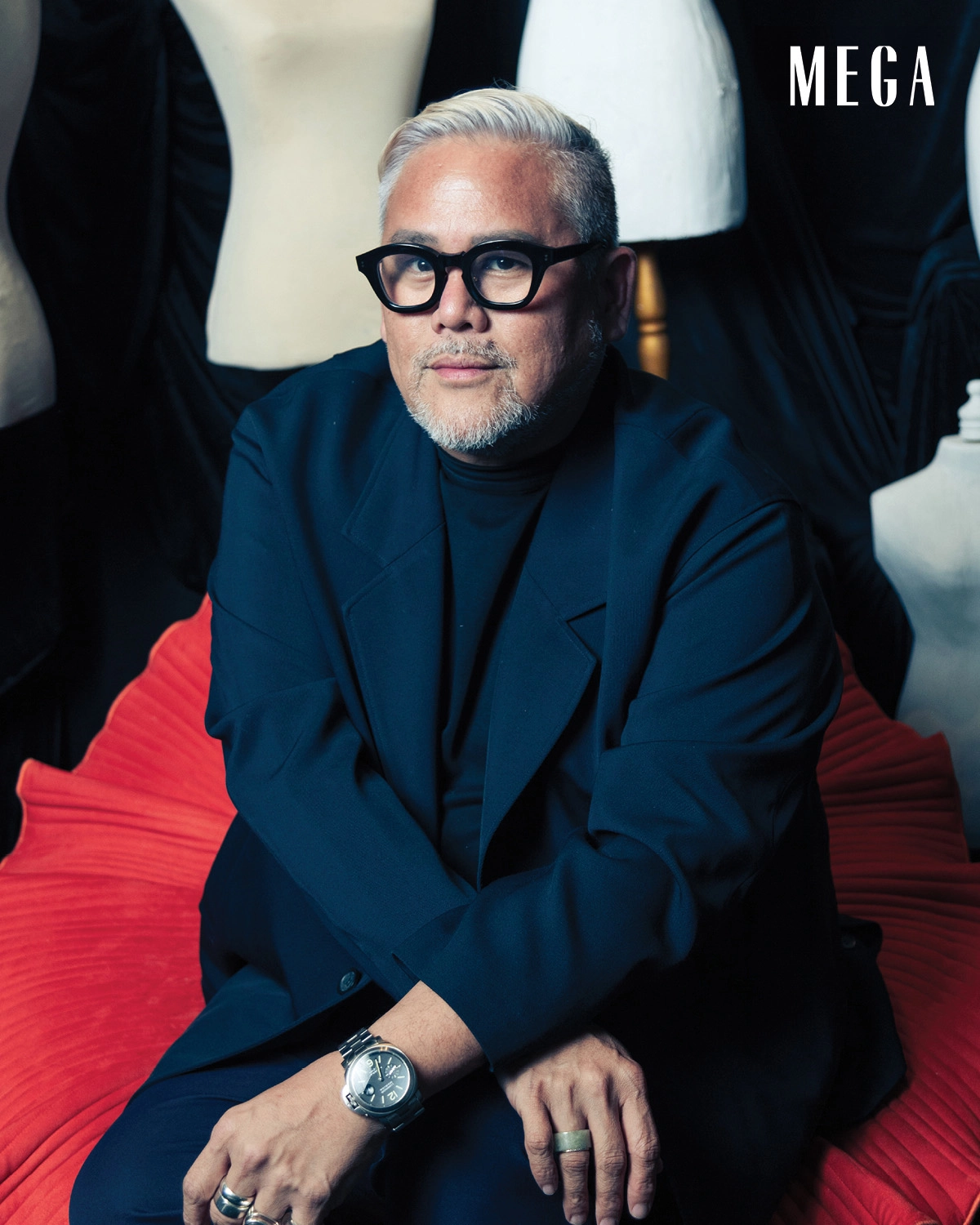
For Laurel, the tension is immediate—and personal. “I see it everyday. I work with these people everyday,” he reflected. Rather than trying to correct the entire system, he focuses on what he can control: treating employees fairly, paying them properly, and providing security—not only for them, but for their families.
The designer doesn’t romanticize endurance. He simply recognizes that stopping is not an option. “If I stop, people will go hungry. There are so many people who I’m responsible for.”
“We have to keep creating despite the flawed system because we can’t stop. There are people who depend on me.”
– Rajo Laurel on working through a flawed system
Meanwhile, Mayo has long sought to bridge art and social responsibility—echoing the legacy of National Hero José Rizal, whose works became instruments of truth and awakening. “As a creative, I always have to ask myself: what can I do to help change the system using my artistic voice? How can I protest and inform through my art?”
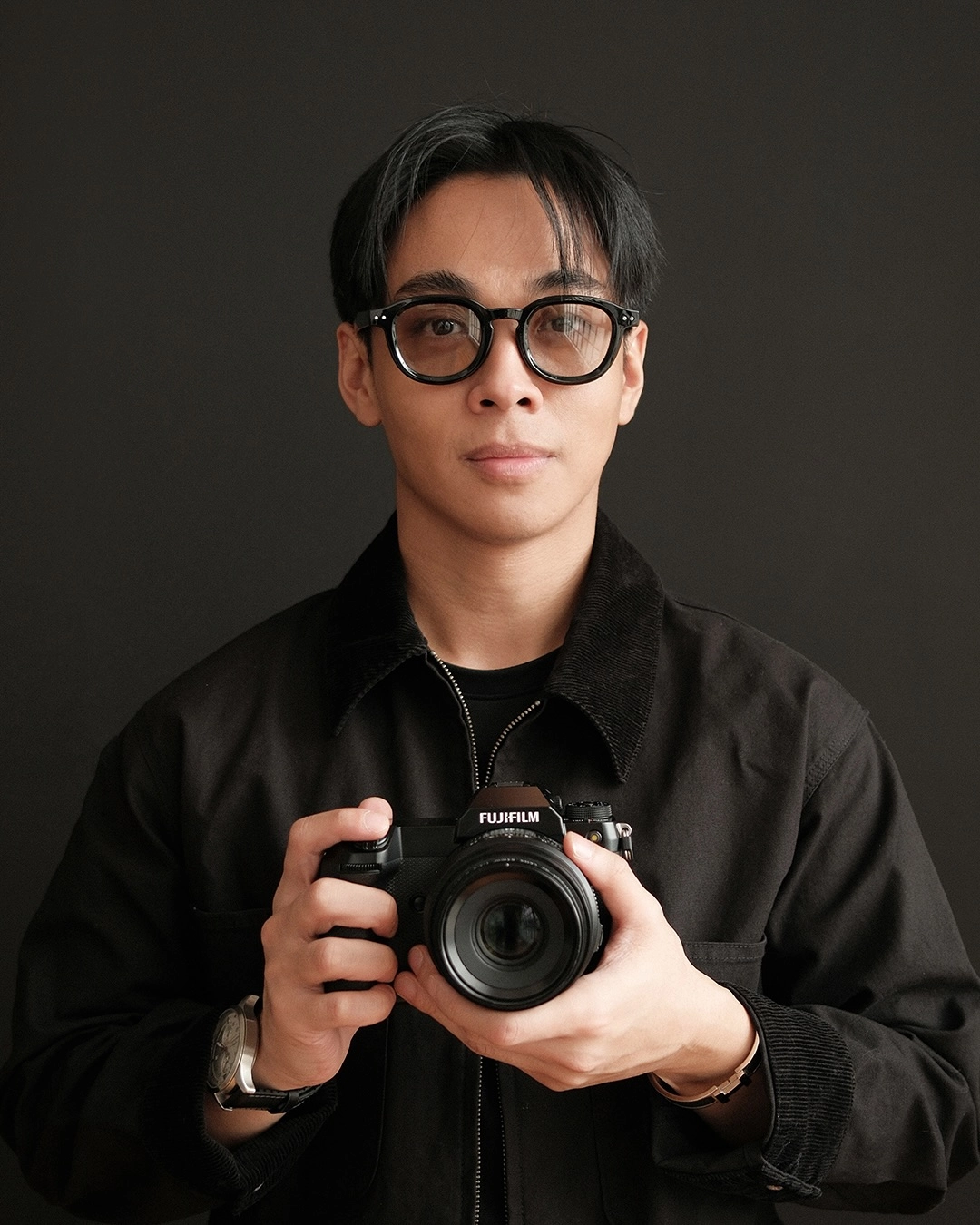
As a photographer, Mayo places himself where truth outweighs comfort. He chooses to confront systems rather than soften them—resistance over complacency. Like a true artist, his work is meant to reveal, challenge, and disrupt the status quo.
Truth Over Comfort
As 2025 draws to a close, looking back requires more honesty than optimism.
“It’s very difficult to remain optimistic, especially to this day. You feel so hopeless,” Laurel admitted. “At the same time, we need to find that glimmer. We must continue to fight, for the sake of our children and our country.”
Gonzalez echoes this sentiment.”I have been open and vocal about how 2025 was tough and I am honestly glad to say goodbye to it,” she shared.
“It’s tough to be optimistic, but that doesn’t mean I have lost hope.”
– Bianca Gonzalez on ending the year honestly
For Mayo, ending the year honestly has always been the norm. “I’m a realist,” he said. “As a freelance creative, I wait for new work and new invitations to bid, and then the cycle begins again.” There are good years, and there are years he’s simply grateful to survive. His optimism is only reserved for the quiet privilege of being able to keep creating despite the prevalent hardships in the country.
What Hope Requires
As we enter 2026, hope demands clarity—and responsibility. Asked what kind of hope feels most truthful now, Gonzalez turns inward. “I can’t control how others act,” she says. “But how I respond—that’s always in my hands.”
Mayo’s is plain and simple: “I hope that there will always be people who are willing to help change the system.” And we hope for the same, because if no one will, who?
As for Laurel, hope is inseparable from accountability. “We deserve better. our country deserves better. Hope still resonates—and I continue to pray and wish for it.”
“If you love our country, you need to continue to call for action, justice, accountability.”
– Rajo Laurel
This is a reminder that hope isn’t naive—it’s deliberate. Even in the face of challenges, integrity and courage carry us forward. Ending the year with honesty, we hold our experiences with purpose and use them to shape the year ahead.
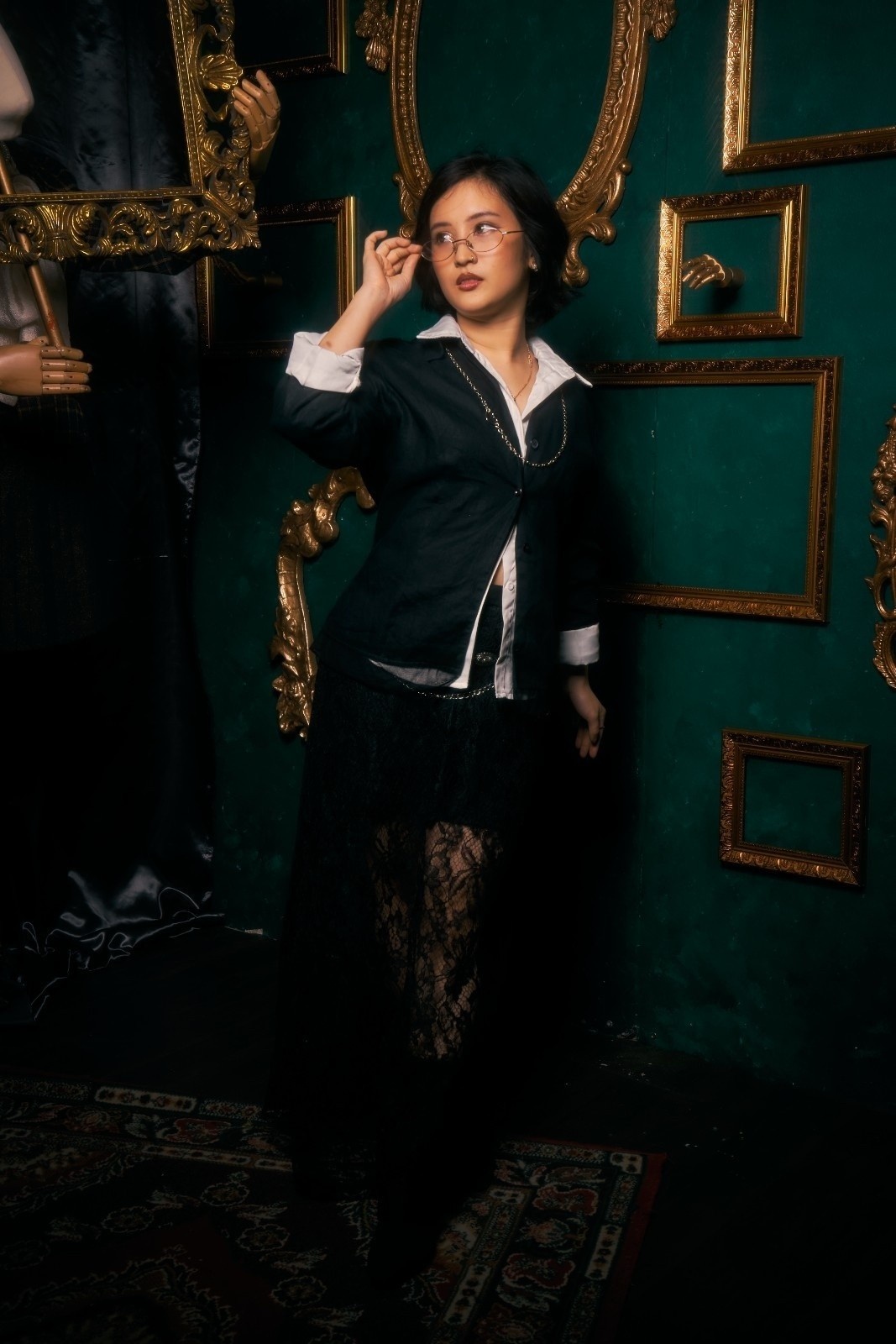
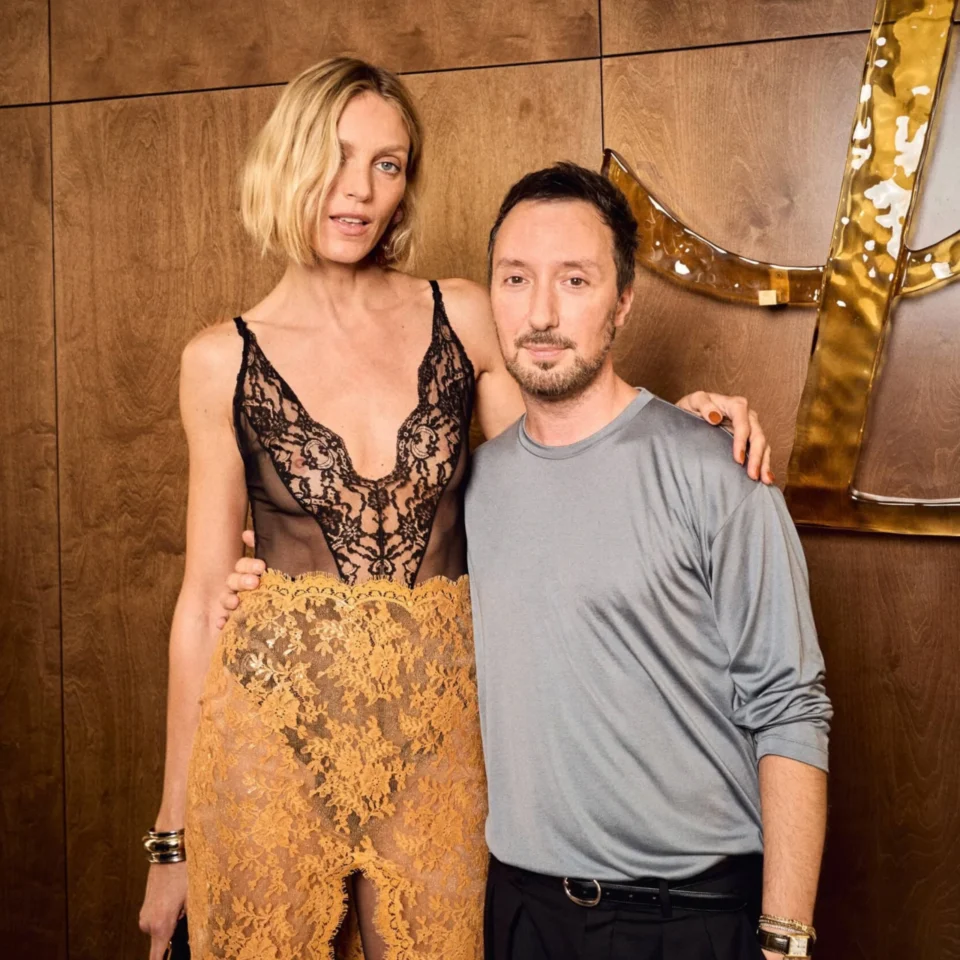
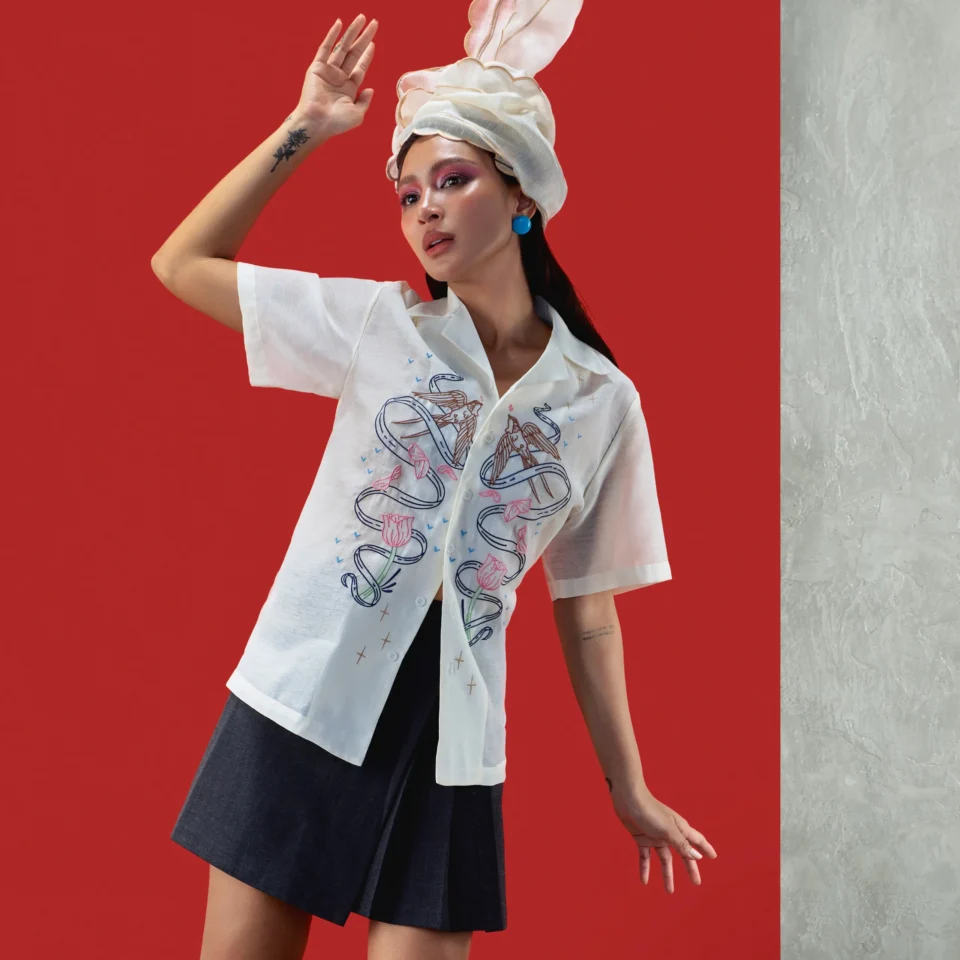
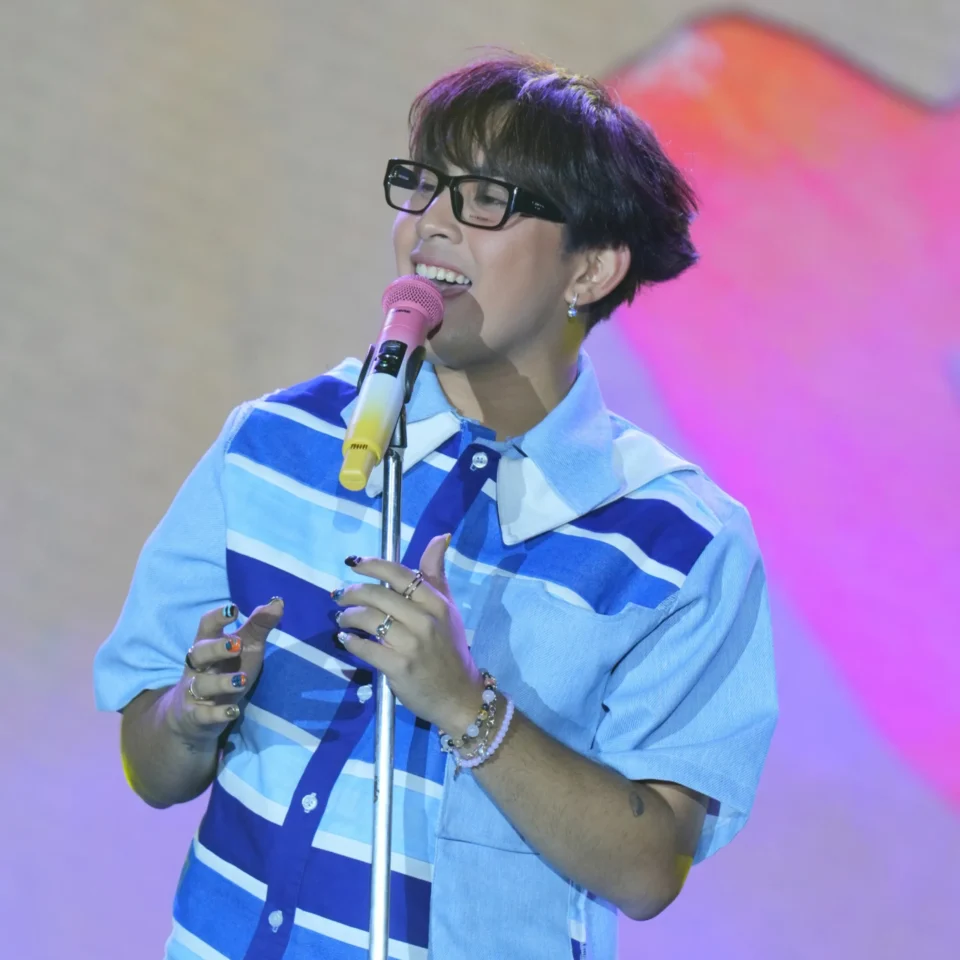
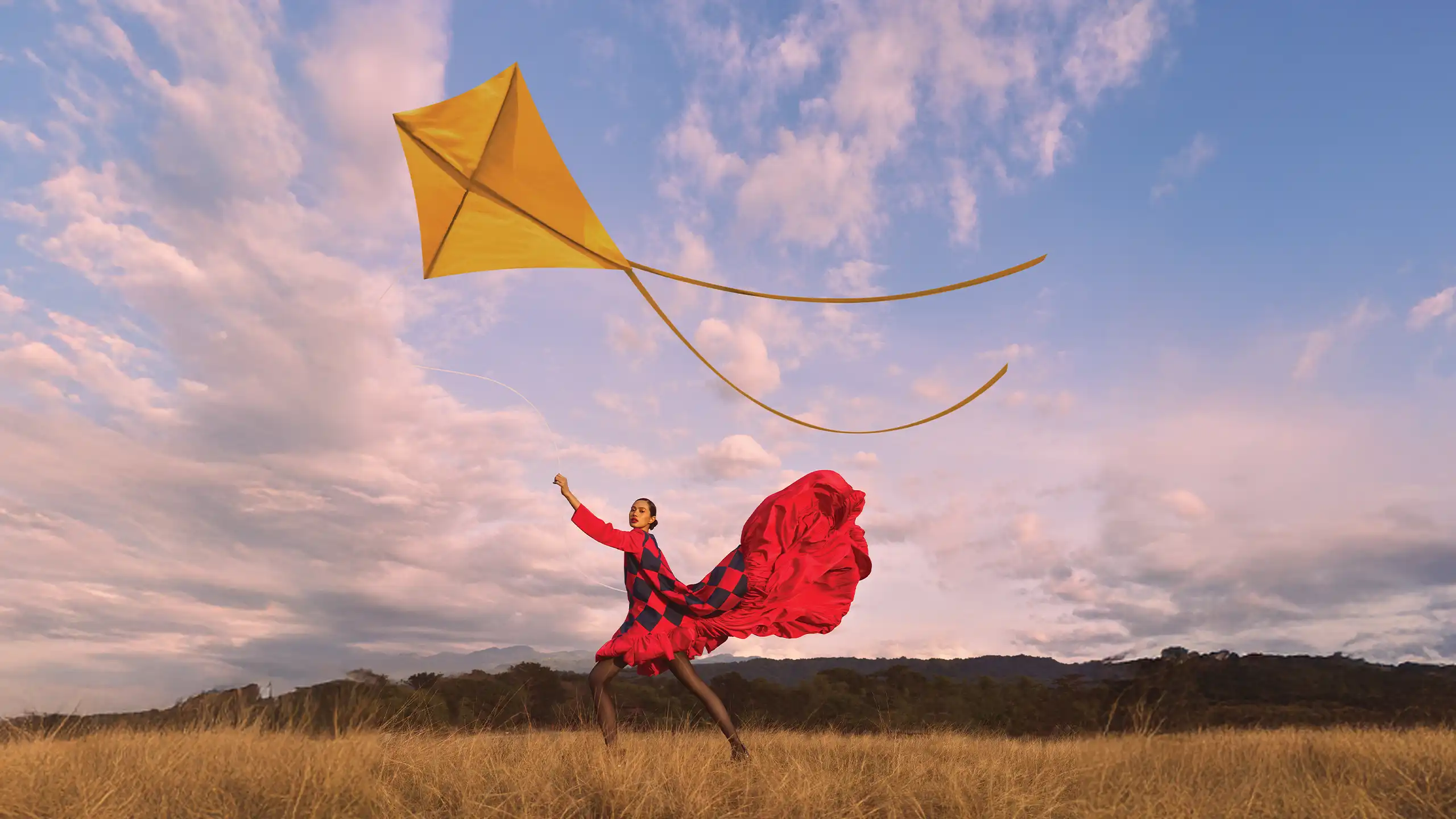
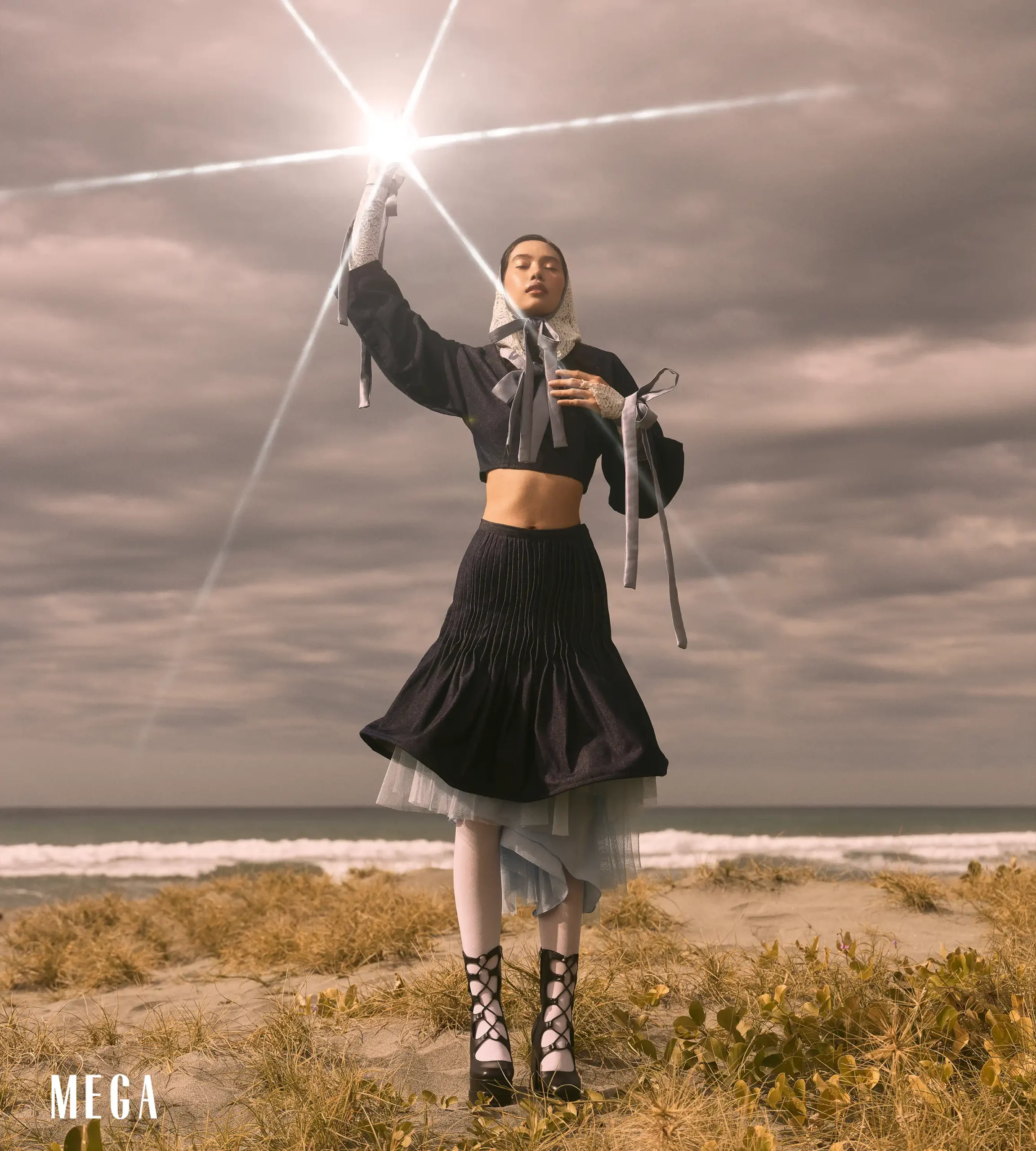
Featured Image and Photos: MEGA ARCHIVES. Photography and Creative Direction by JOSH TOLENTINO. Production and Art Direction by JONES PALTENG. Fashion Direction and Styling by ROKO ARCEO, assisted by ERICA TEROL. Makeup by ANGELINE DELA CRUZ. Hair by PATTY CRISTOBAL.
Additional Photo: JAN MAYO (via Instagram)