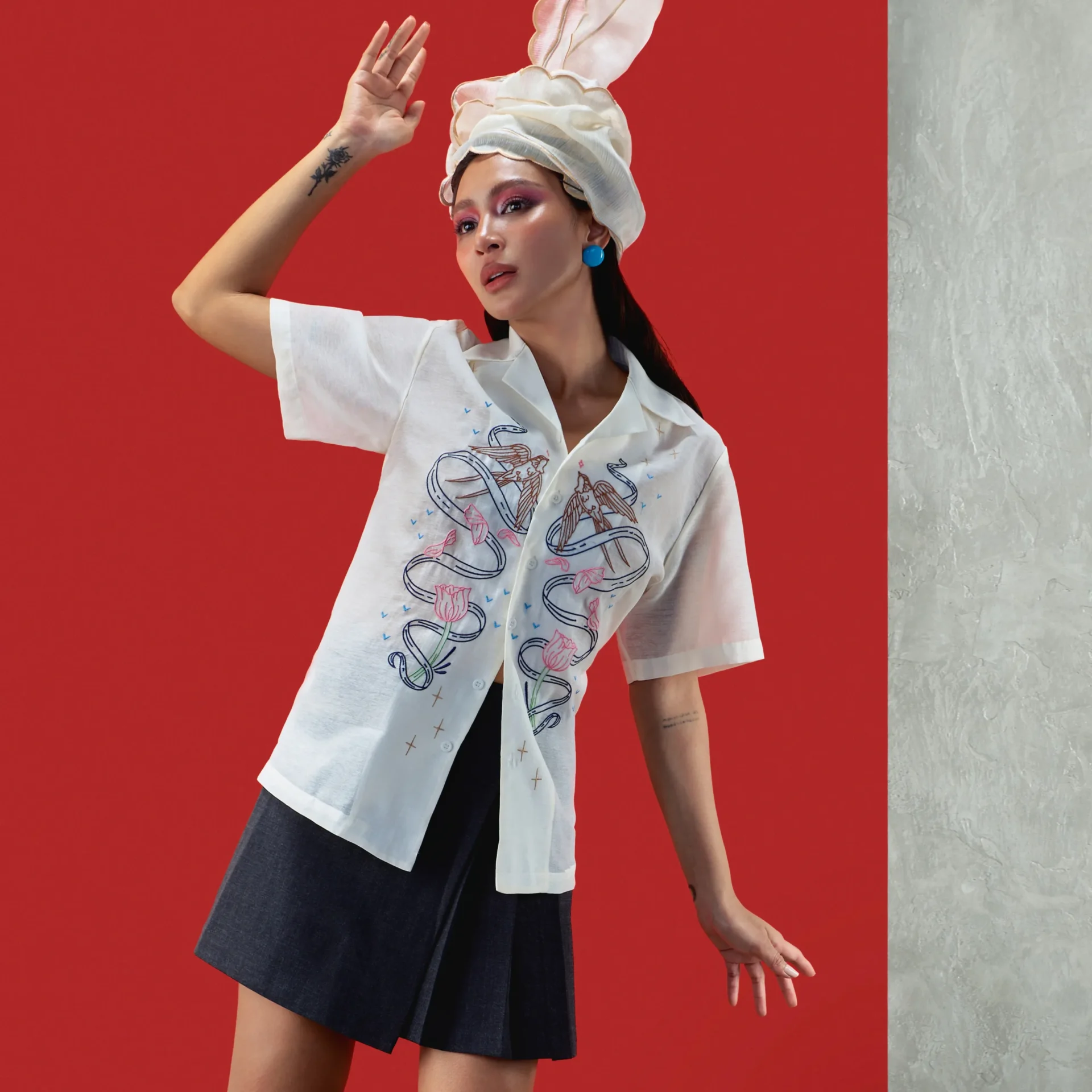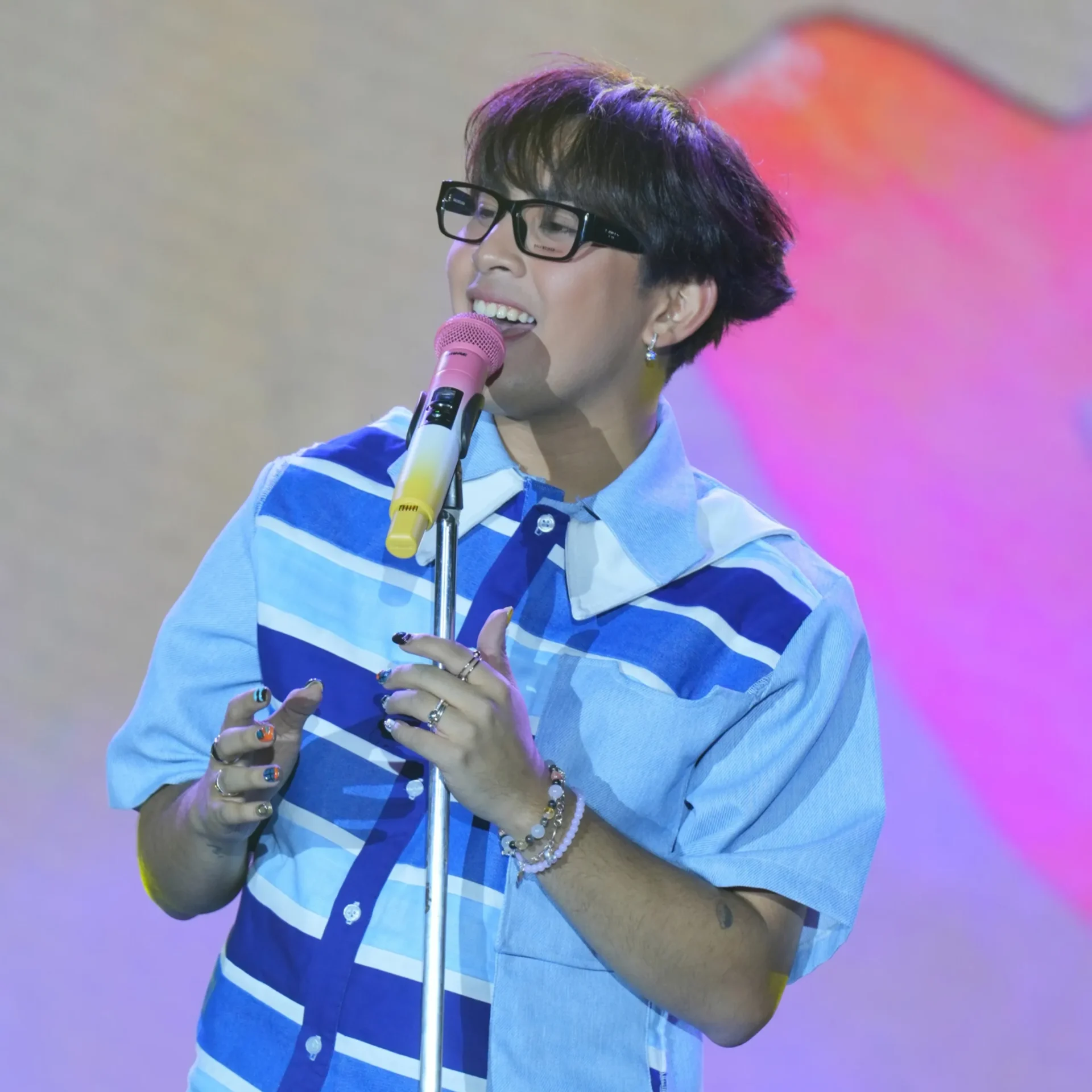




In a country where corruption thrives and amnesia is practically a national pastime, the word “ignorante” often becomes a weapon flung at those who don’t belong, who arrive without pedigree. The insult once clung to Jaggy Glarino: the probinsyano in Manila with no fashion training, no industry ties, only grit and curiosity. But instead of swallowing the shame, he chewed it into something else entirely. With IGNO, he reframed ignorance not as a dead end, but as the beginning of hunger, survival, and transformation.
RELATED: Not Your Average Uniform: Day 2 of BENCH Fashion Week Holiday 2025
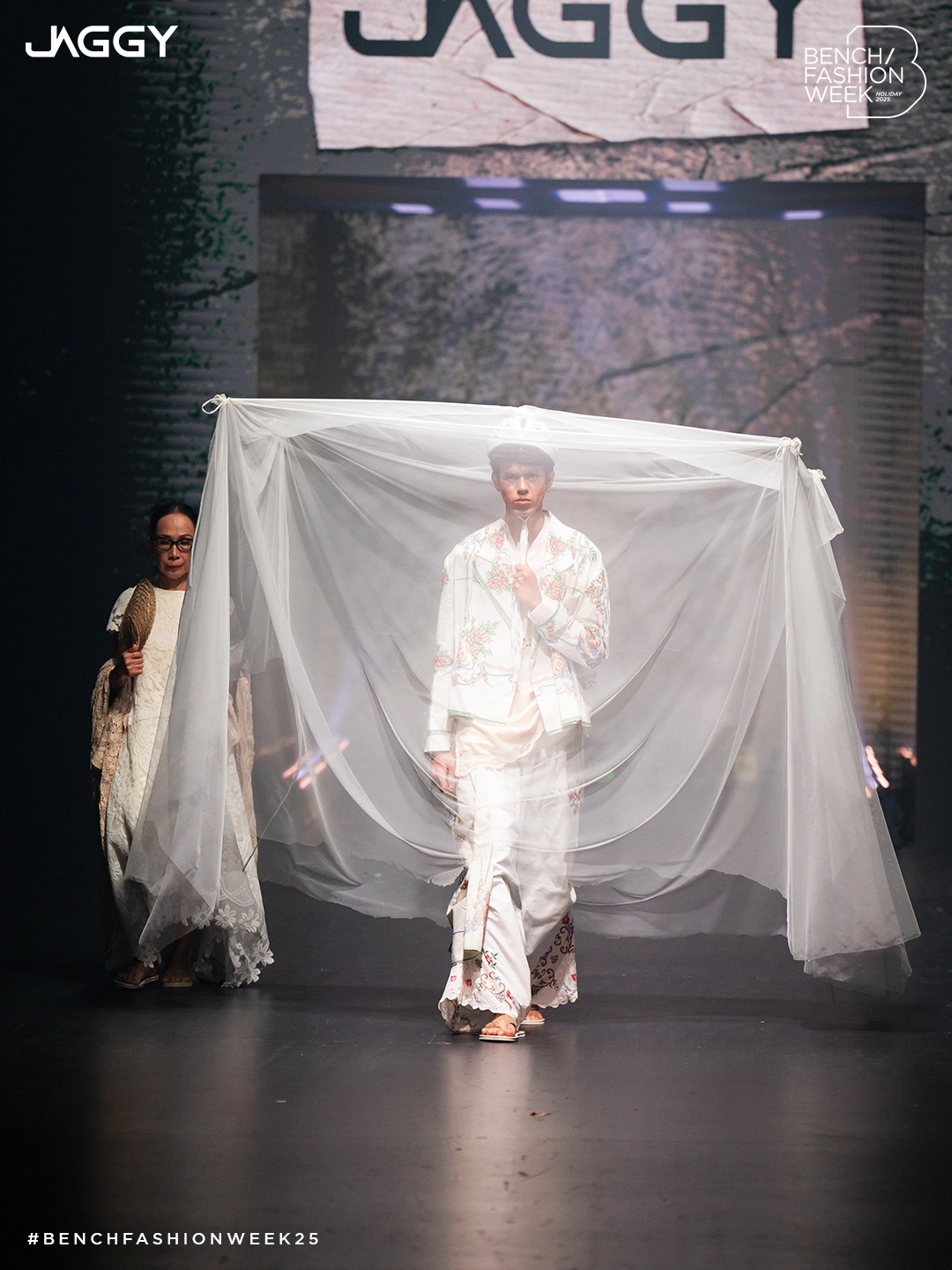
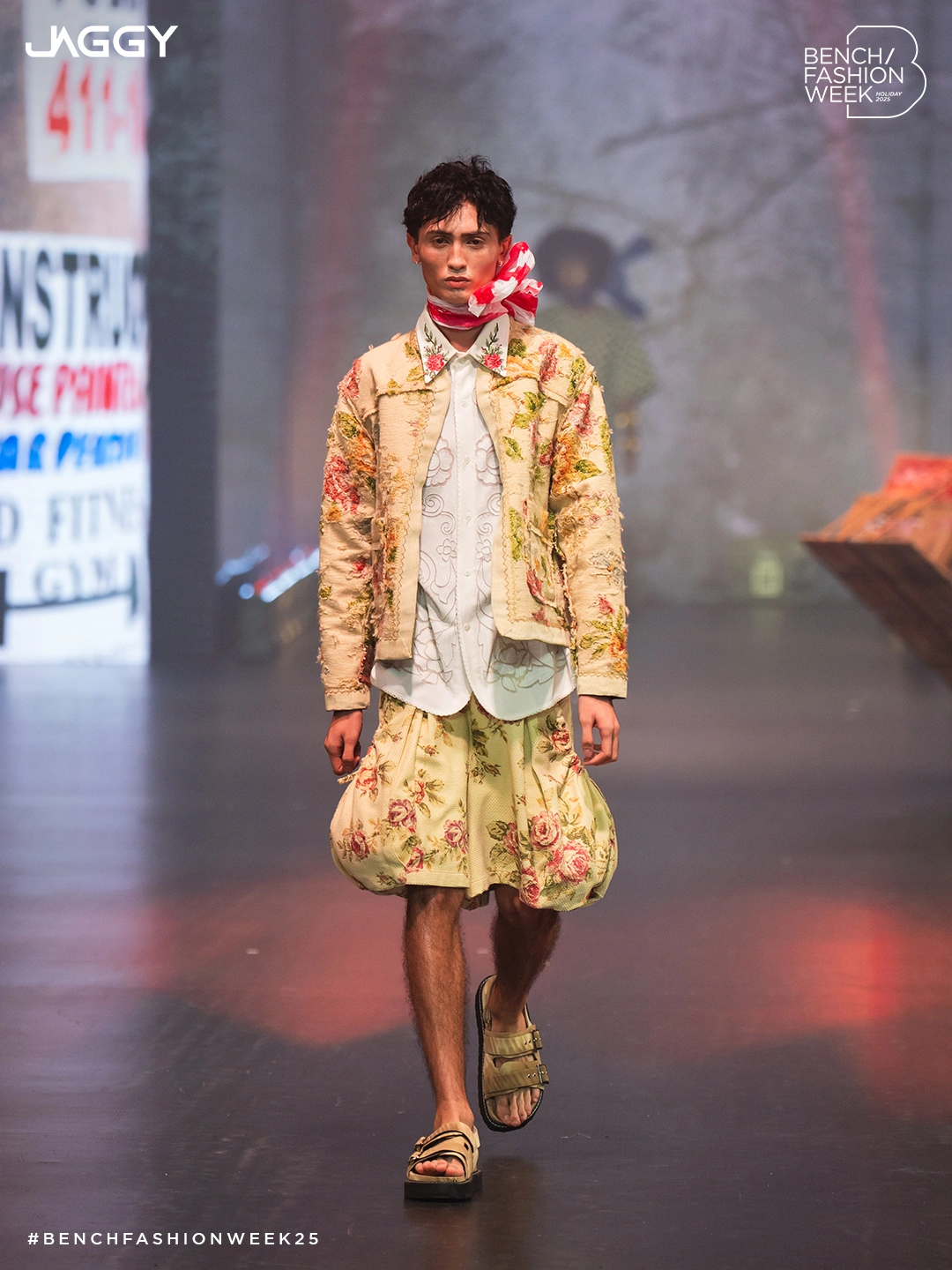
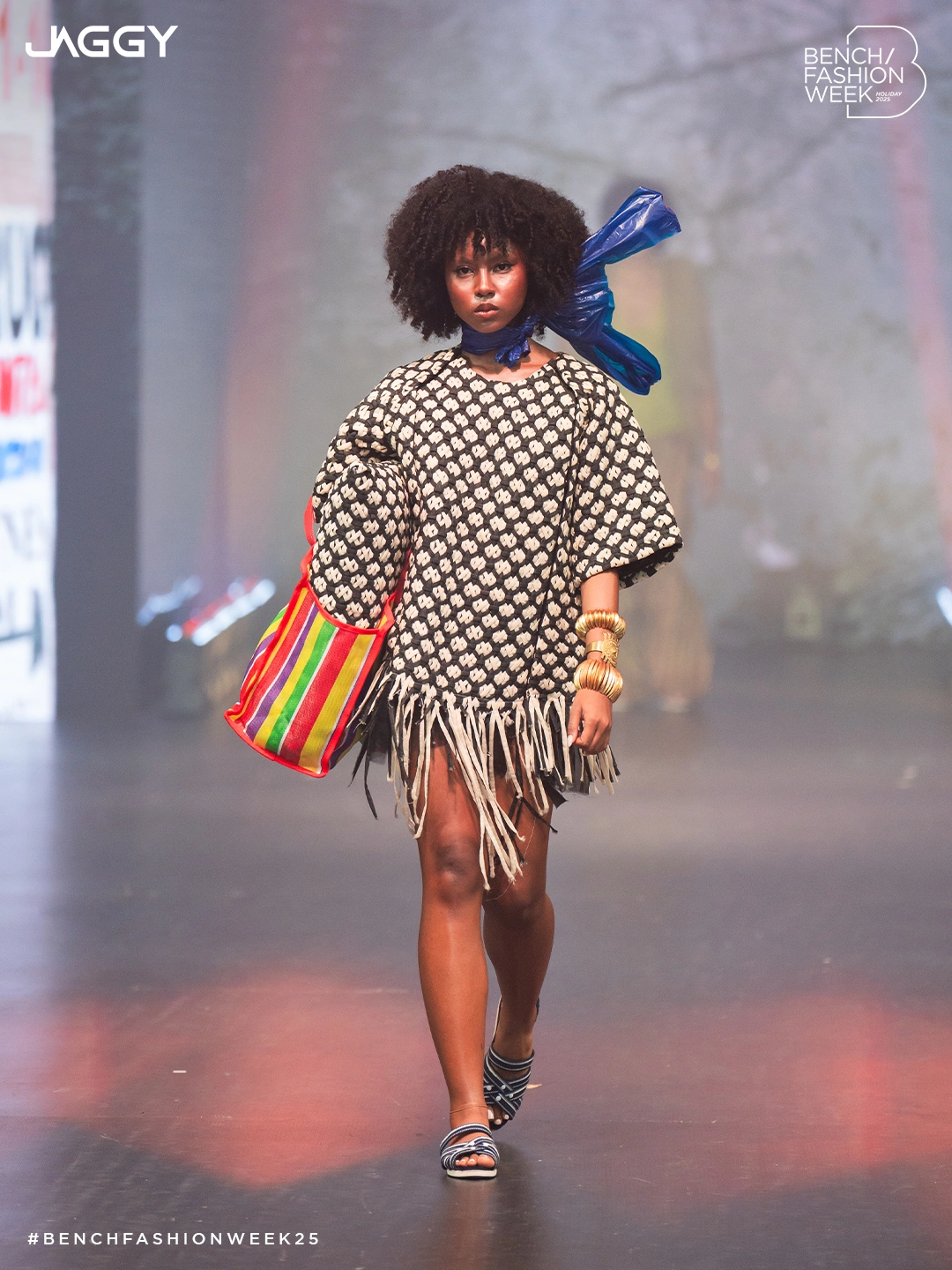
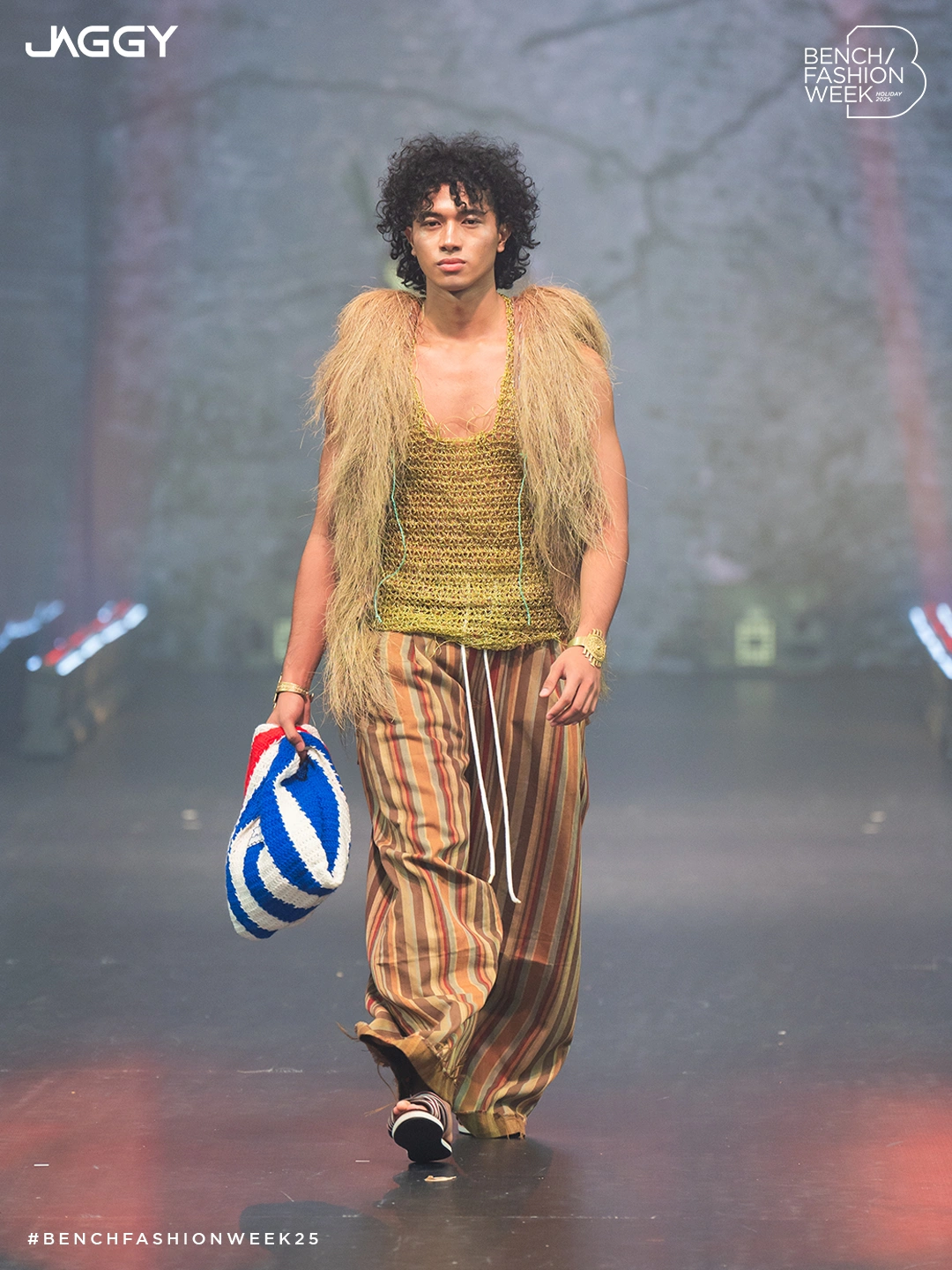
“The most revealing part was realizing that ‘ignorante’ was me,” the designer admitted to MEGA. “At first, the word felt like a dismissal, but I understood that being unfamiliar didn’t mean being incapable.” What he carried with him was discipline, resourcefulness, and values that tethered him to his roots; what he shed were the doubts, the need for approval, and the fear of being unwearable. That tension—between what strengthens and what suffocates—became the lifeblood of the collection.
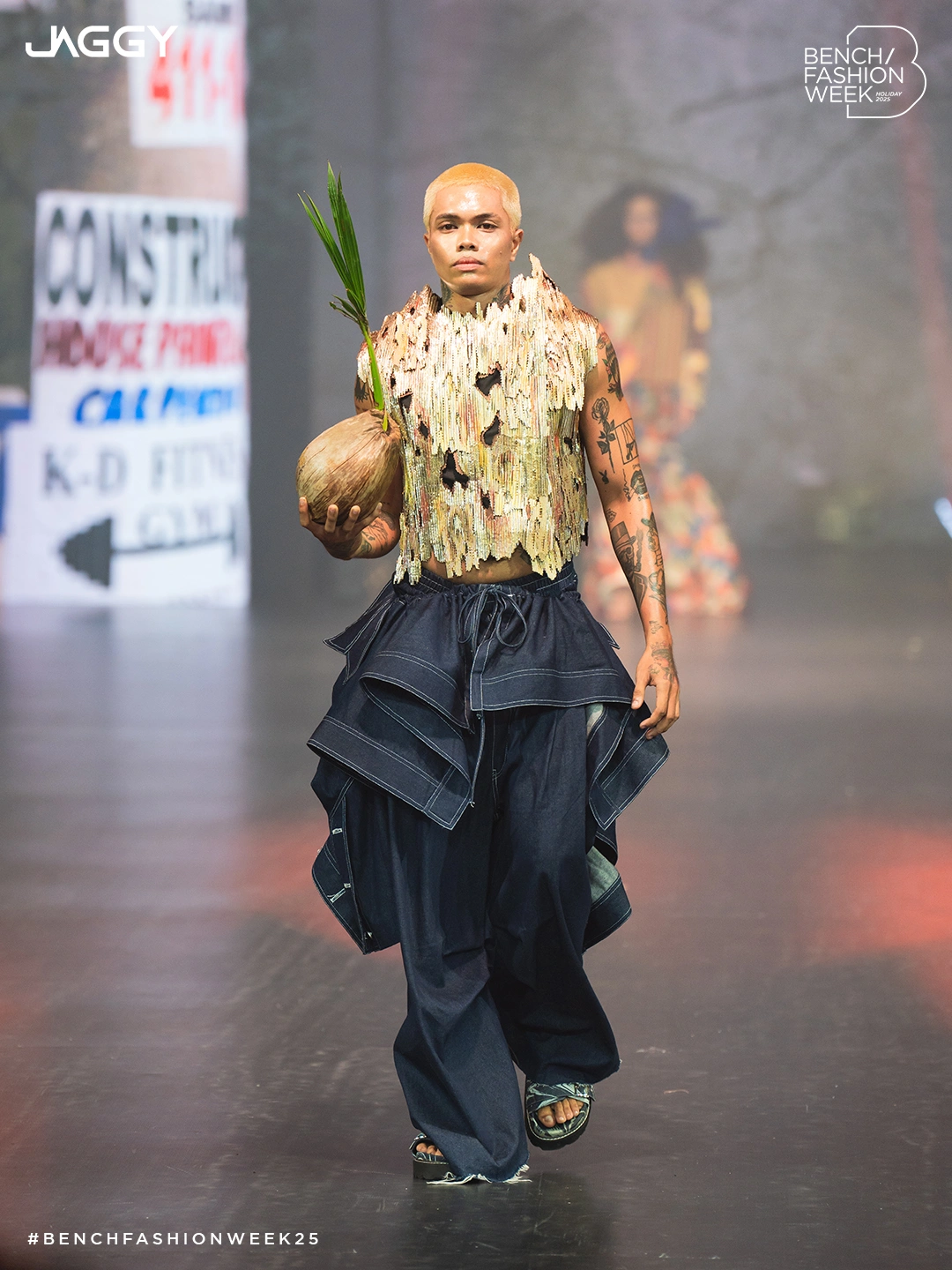
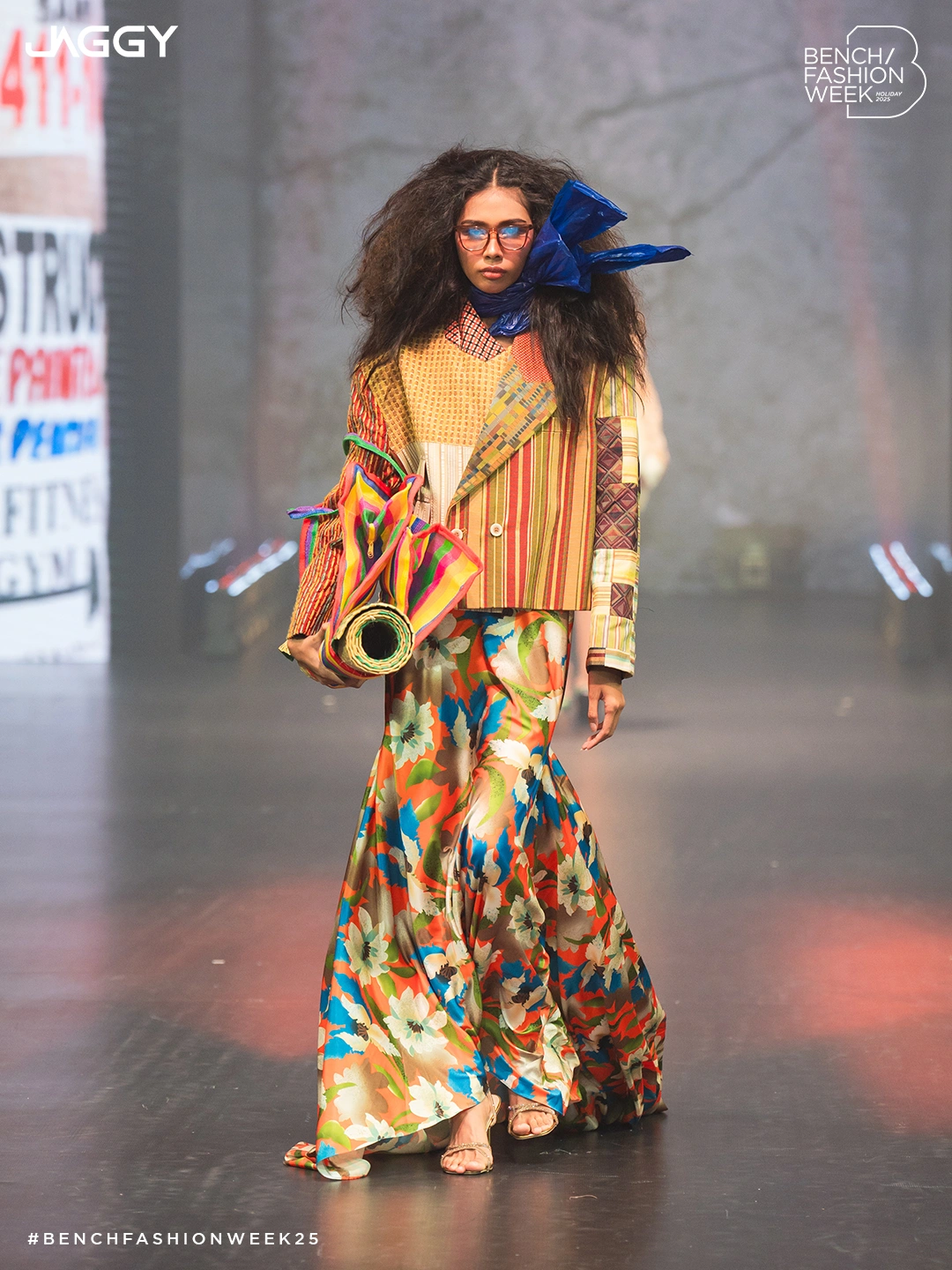
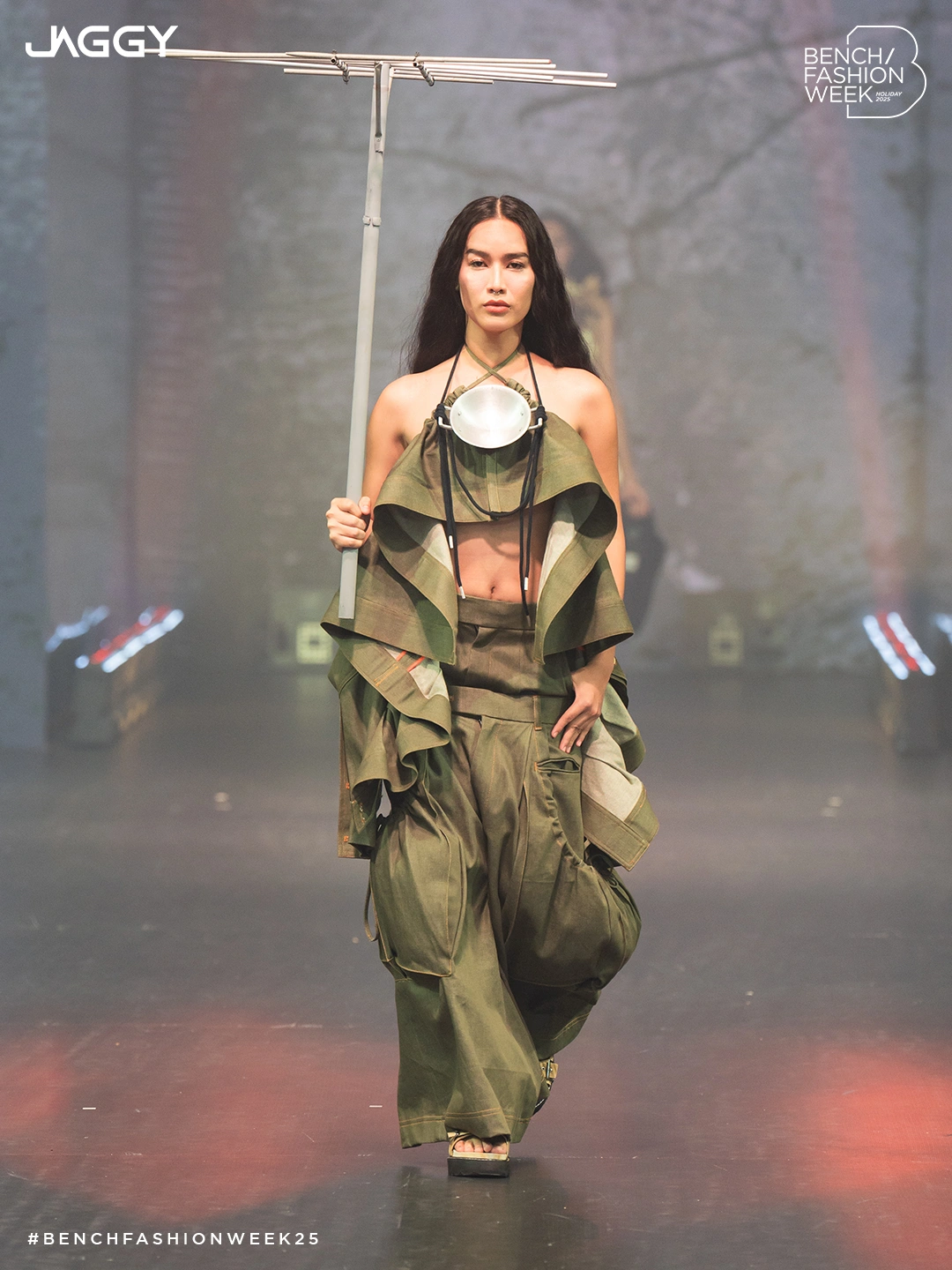
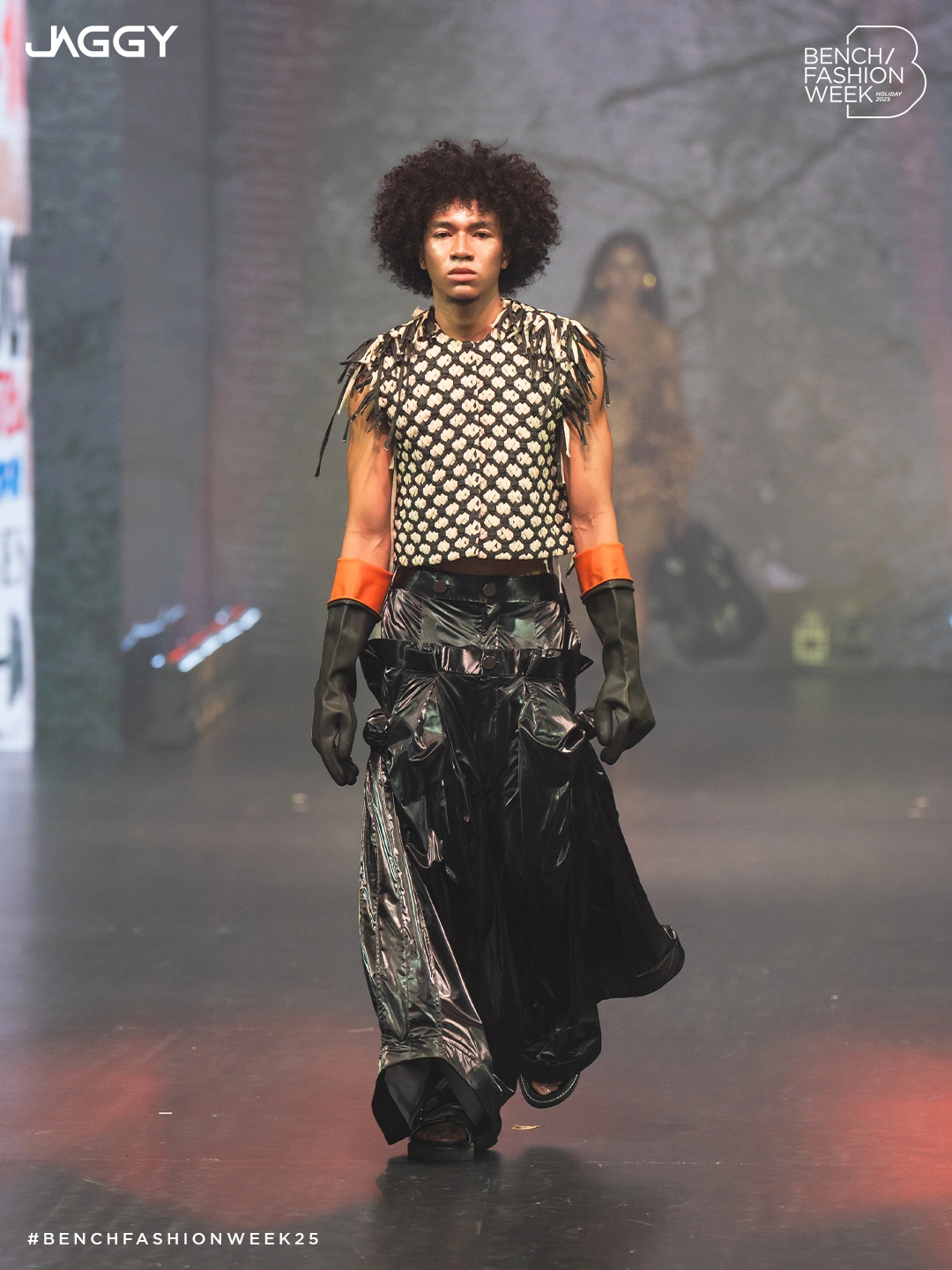
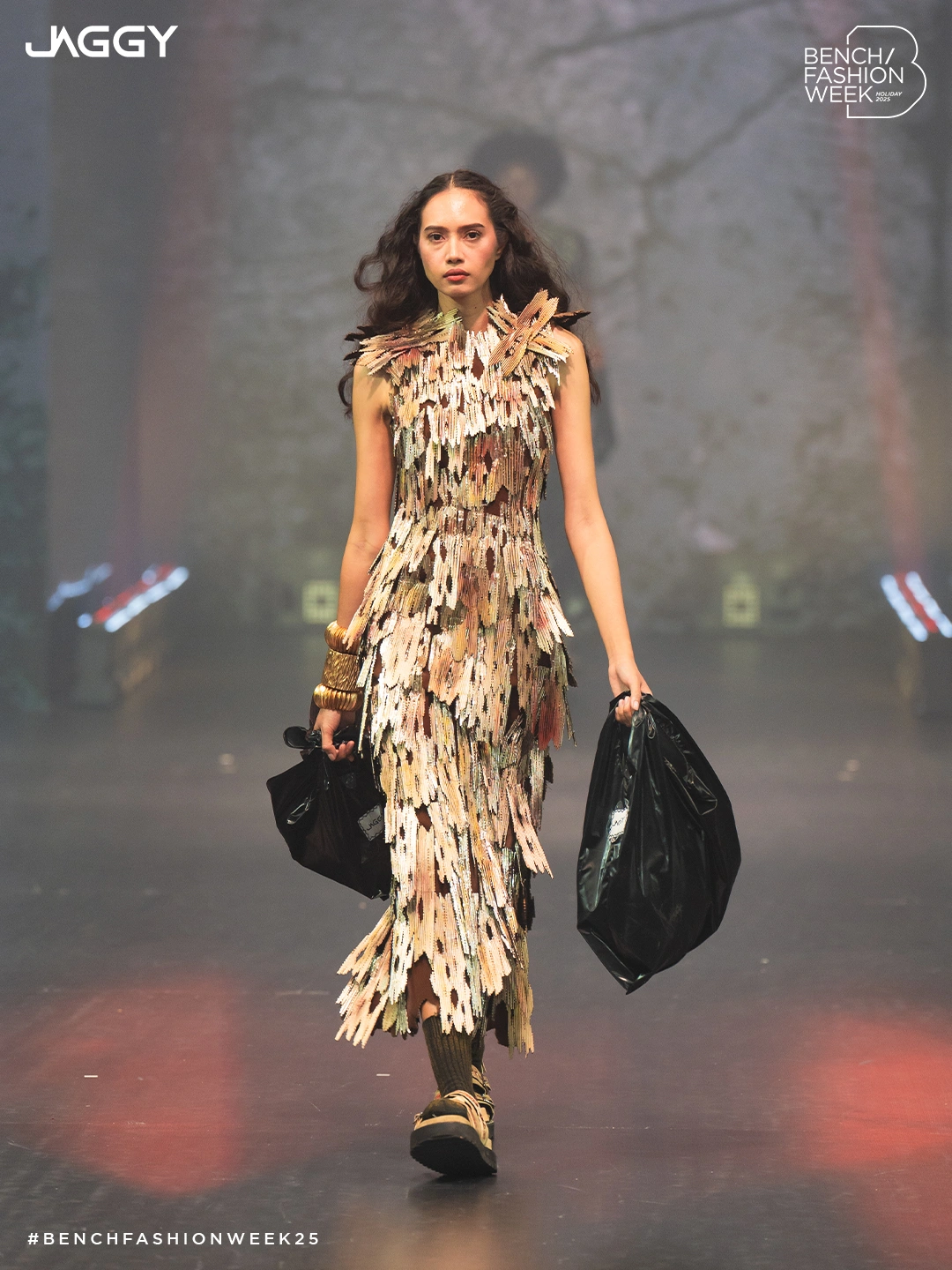
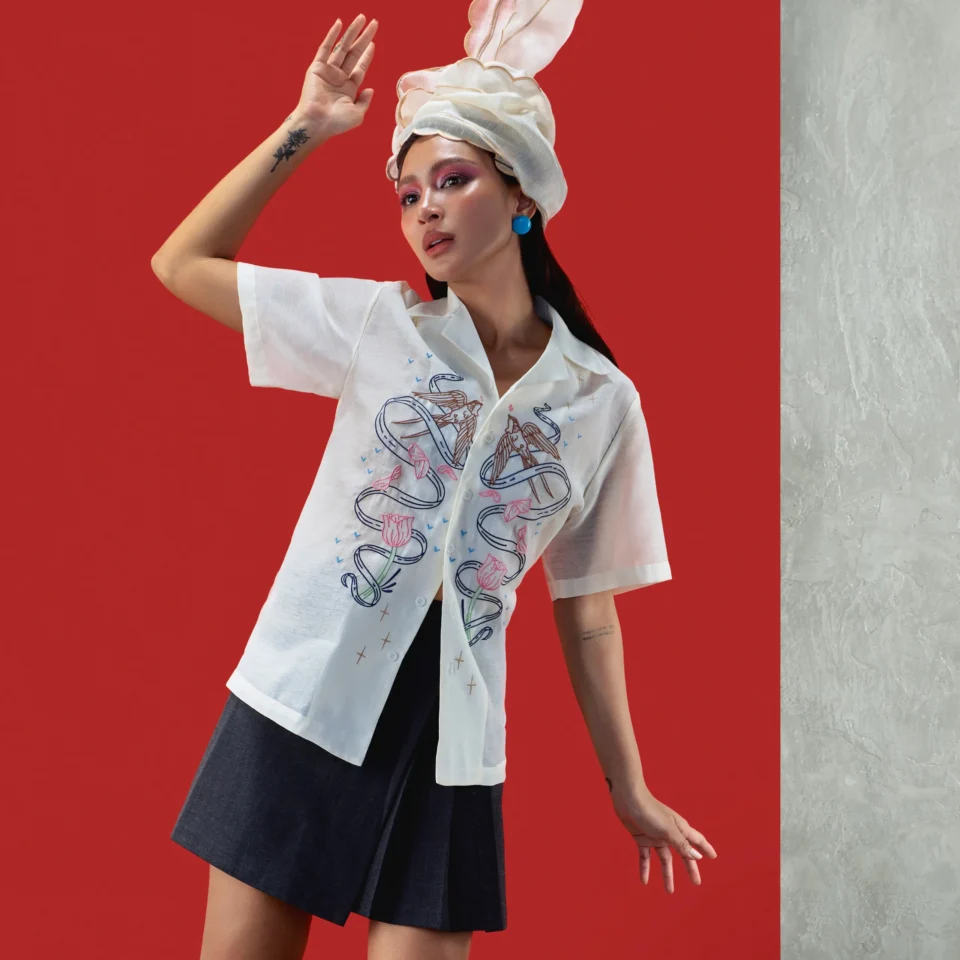
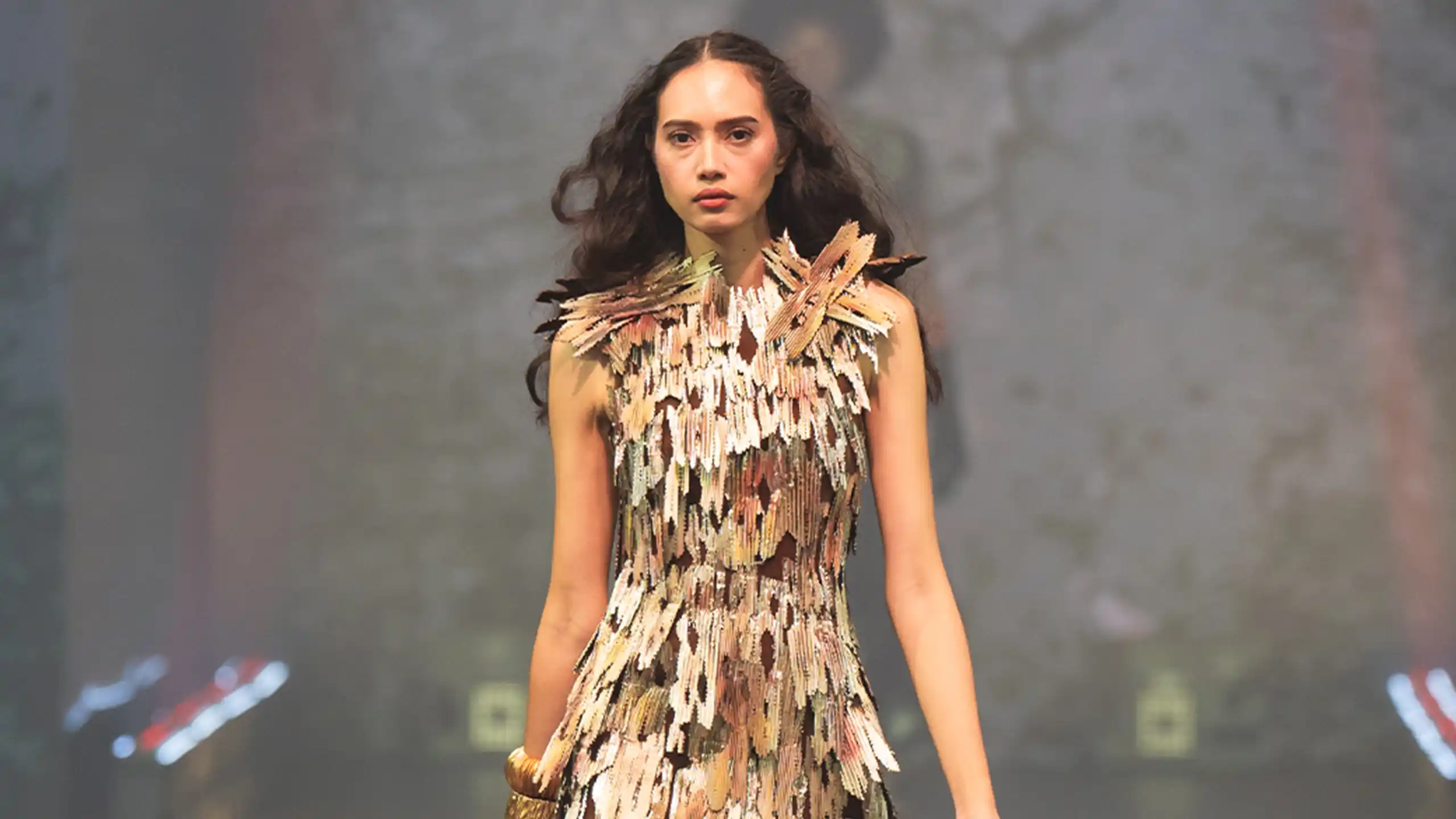
IGNO resists the easy glamorization of survival. Glarino and stylist Roko Arceo leaned into the rawness, pitting rough textures against refined tailoringTailoringThe craft of cutting, shaping, and fitting garments, especially suits, jackets, and trousers, precisely to the body. Good tailoring relies on structure, proportion, and careful hand and machine work, andGo to Tailoring Glossary, jagged edges against clean lines. “Survival isn’t glossy,” Glarino said. “It’s both beautiful and ugly, and I wanted to show that tension honestly.”
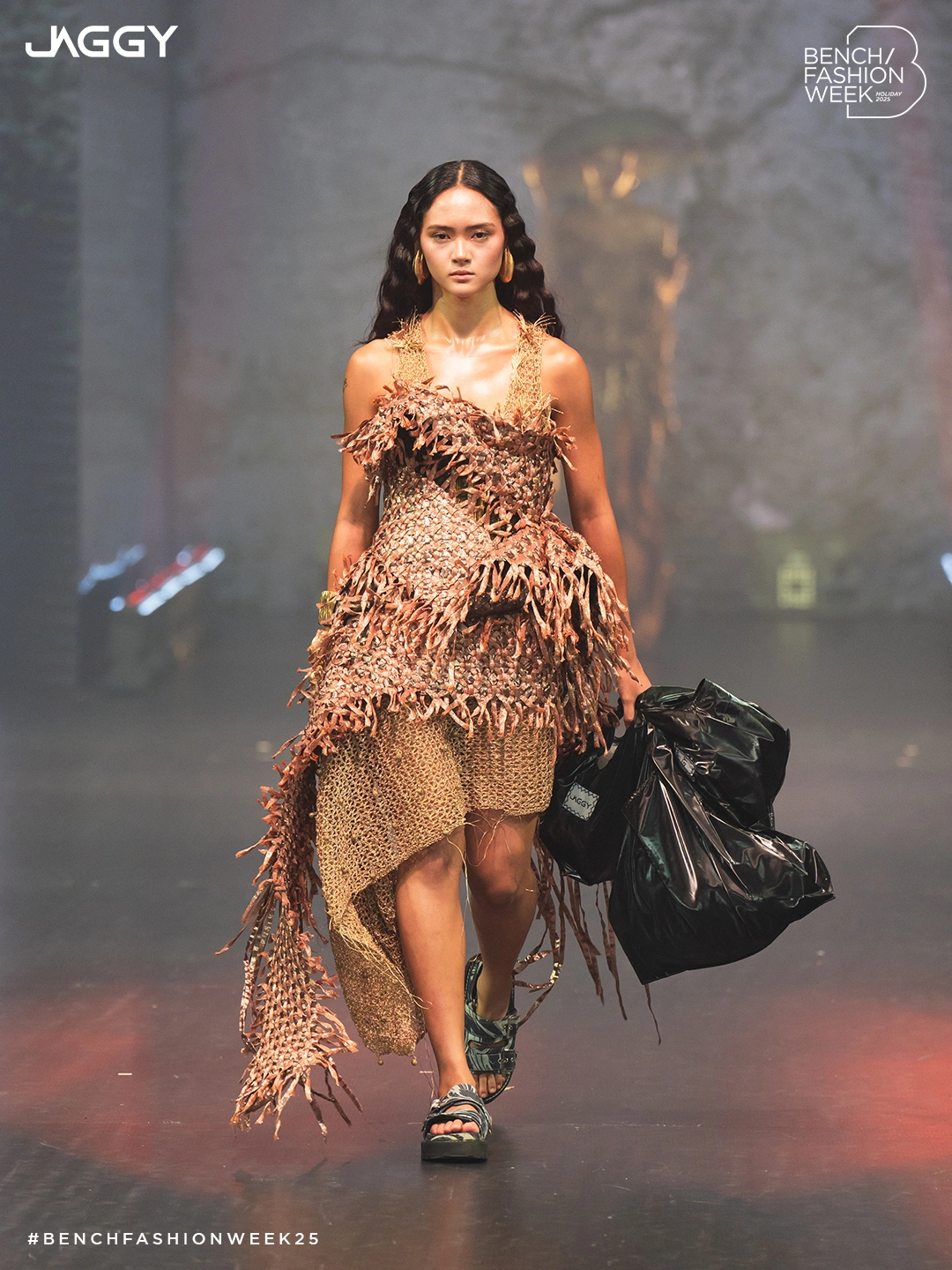
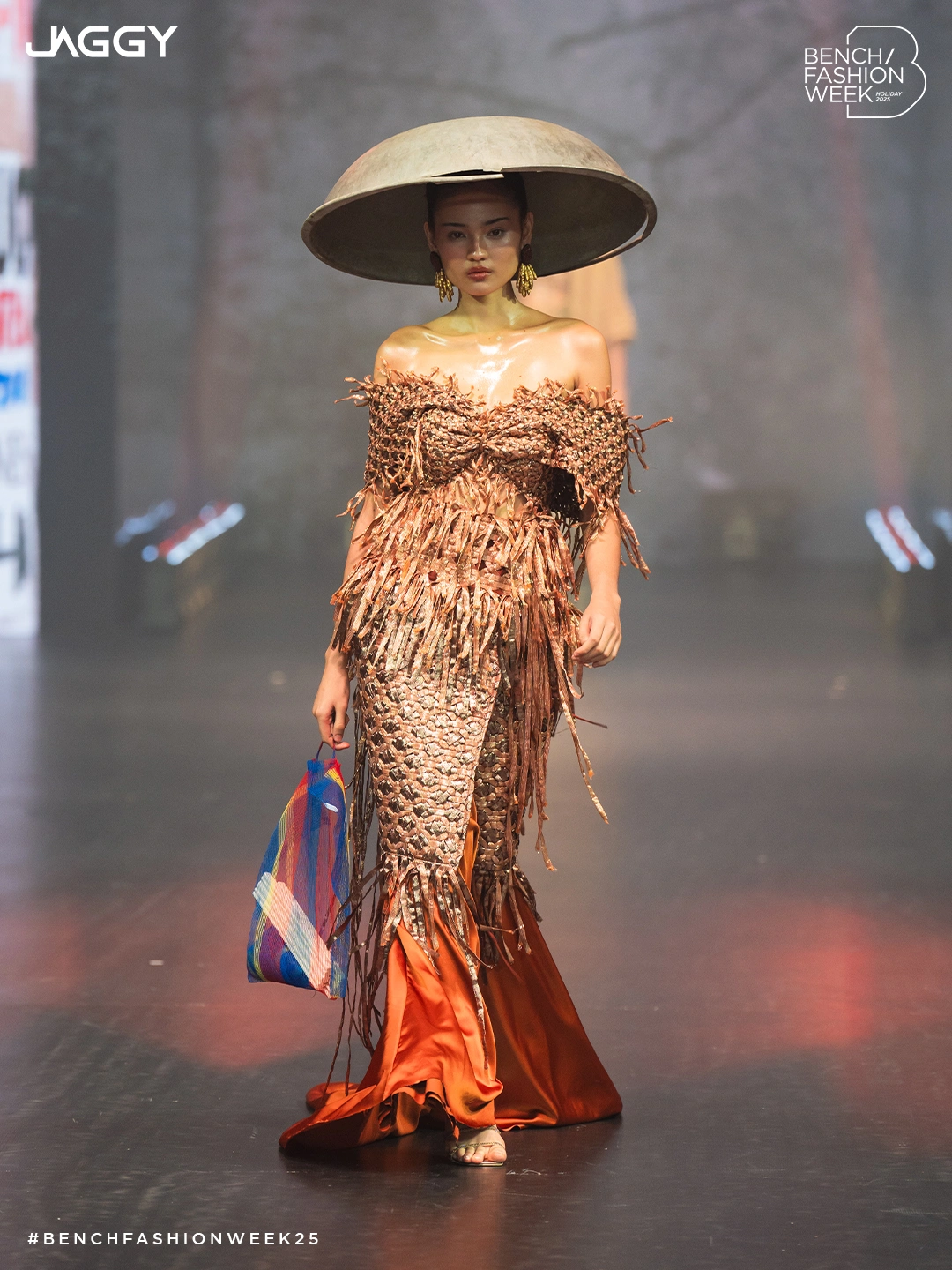
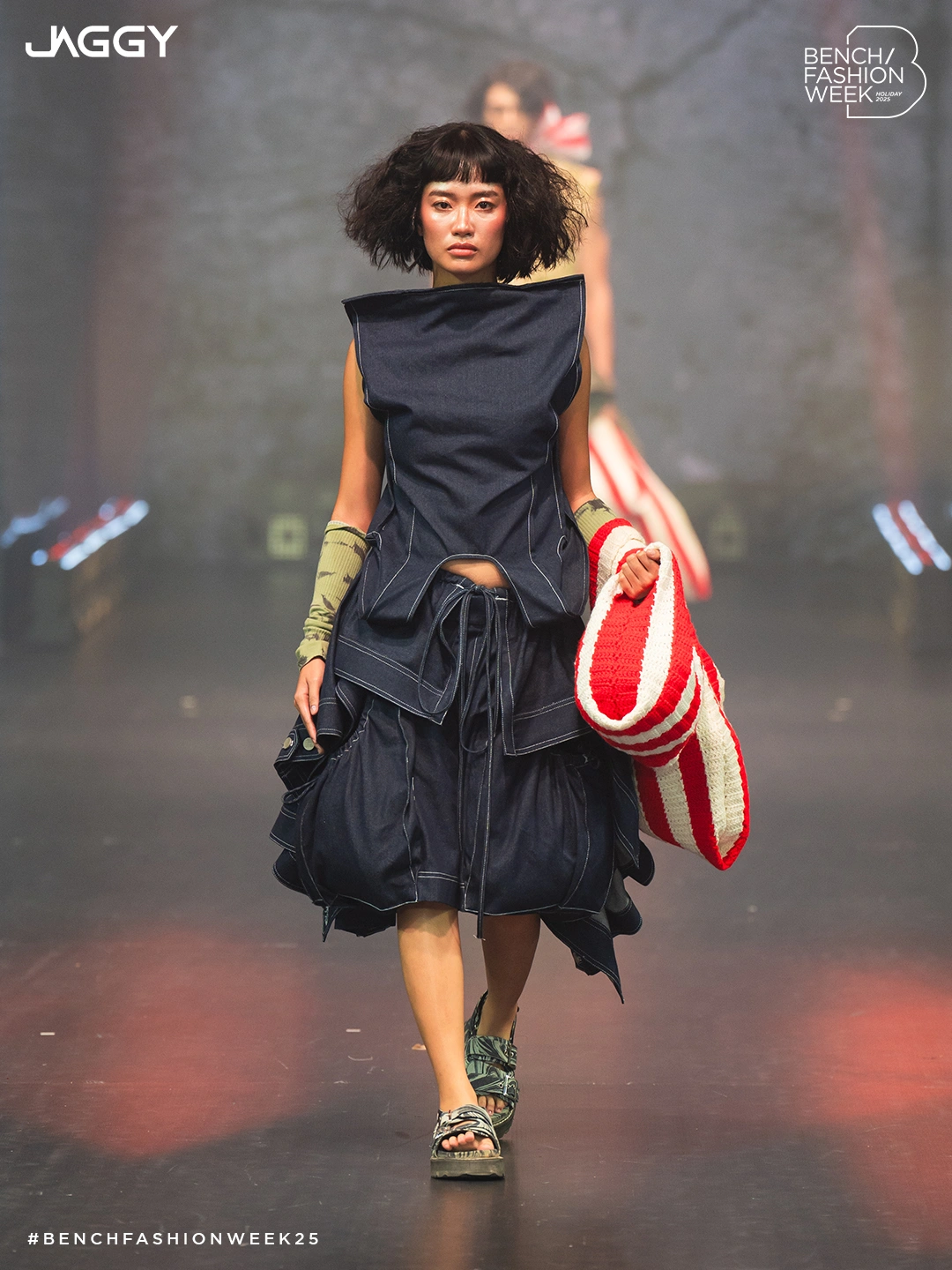
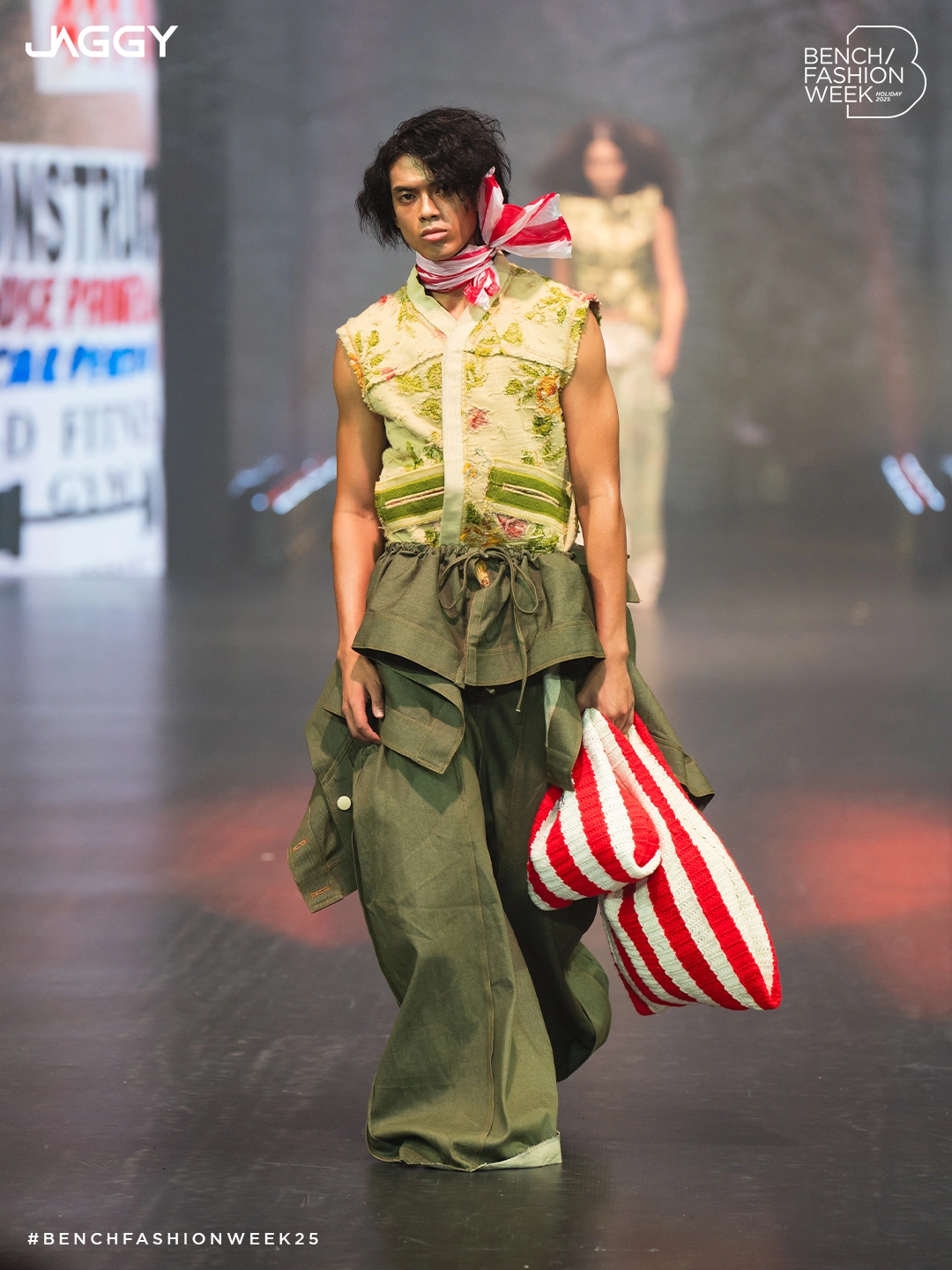
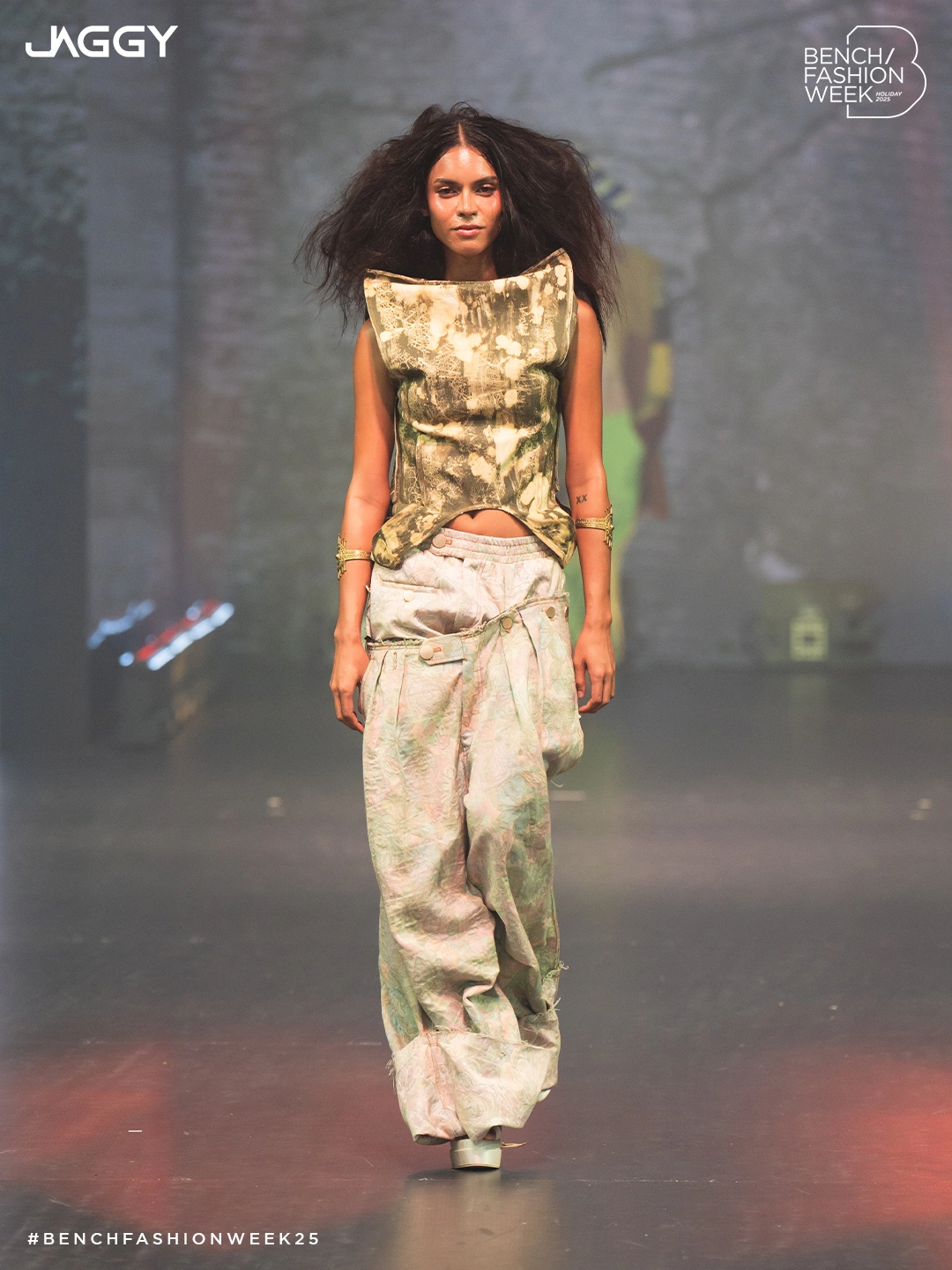
Woven, armor-like garments punctuated the show, less as camouflage than as insistence. “I want the wearer to feel that there’s power in owning your flaws,” he explained. Those imperfections now hardened into protection, into ground claimed where ground was not freely given. “The rough textures against refined tailoringTailoringThe craft of cutting, shaping, and fitting garments, especially suits, jackets, and trousers, precisely to the body. Good tailoring relies on structure, proportion, and careful hand and machine work, andGo to Tailoring Glossary, raw details layered with more polished cuts. That clash was intentional, because survival is never one-sided— but there’s also resilience and beauty in it.”
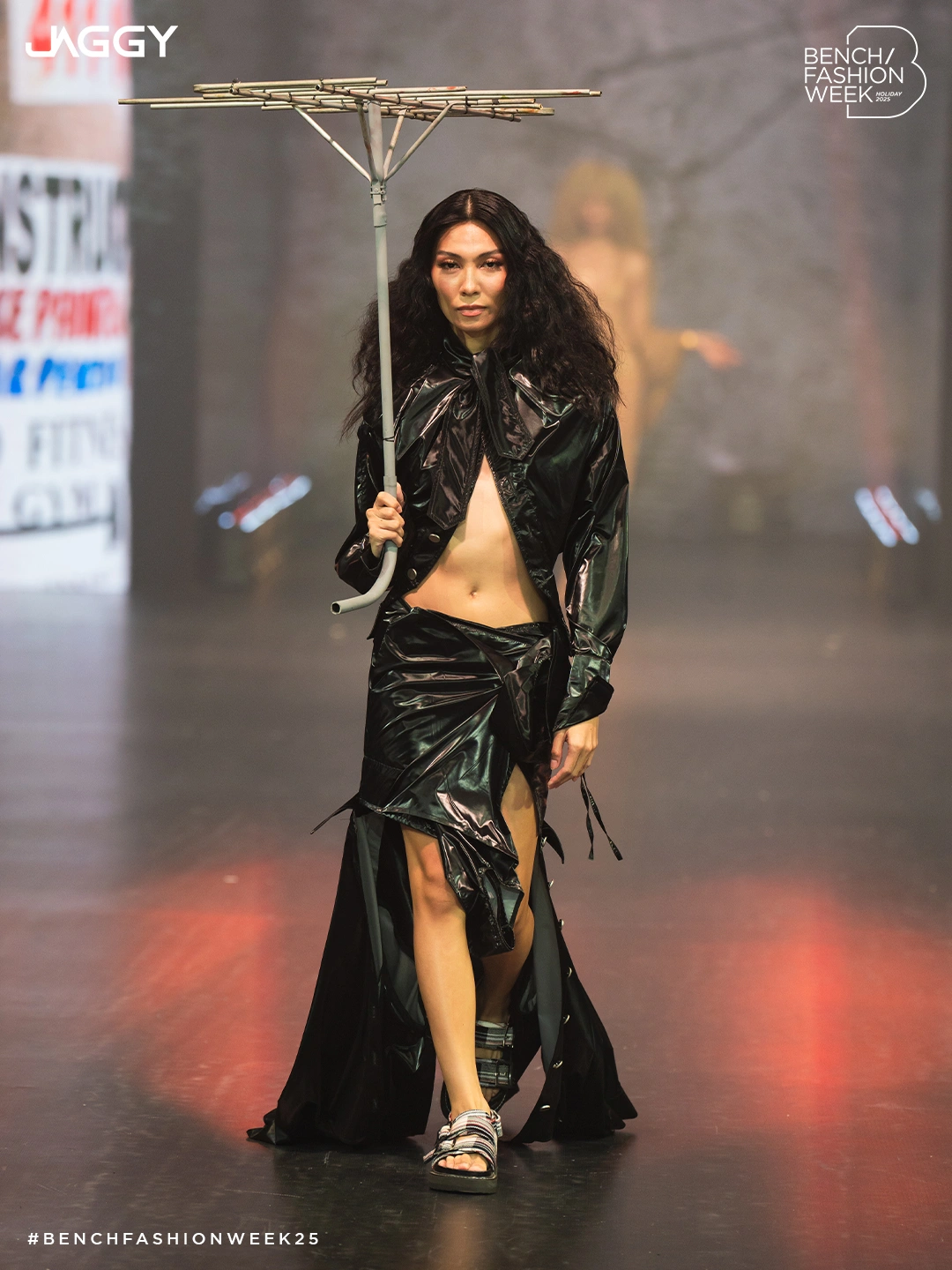
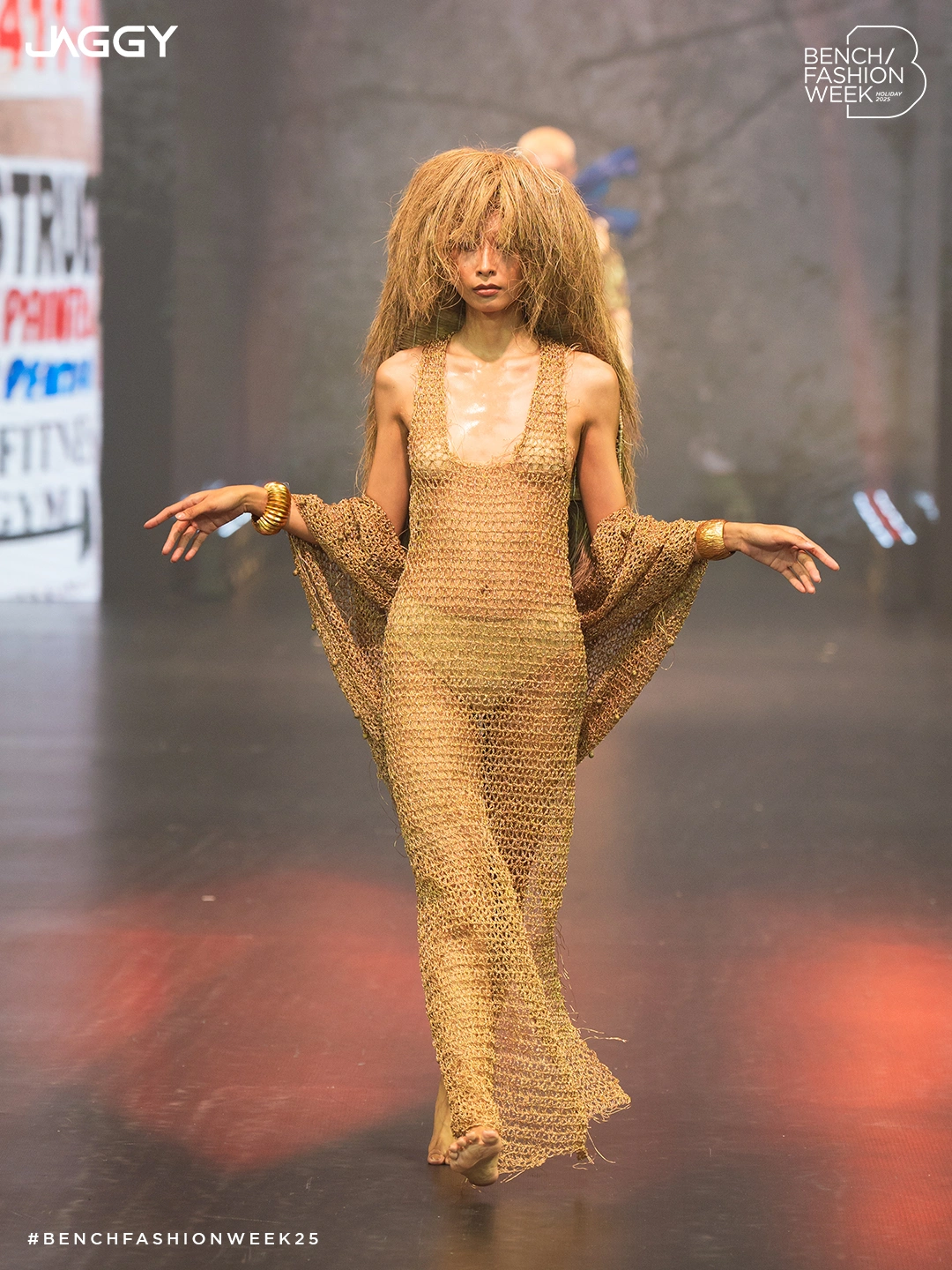
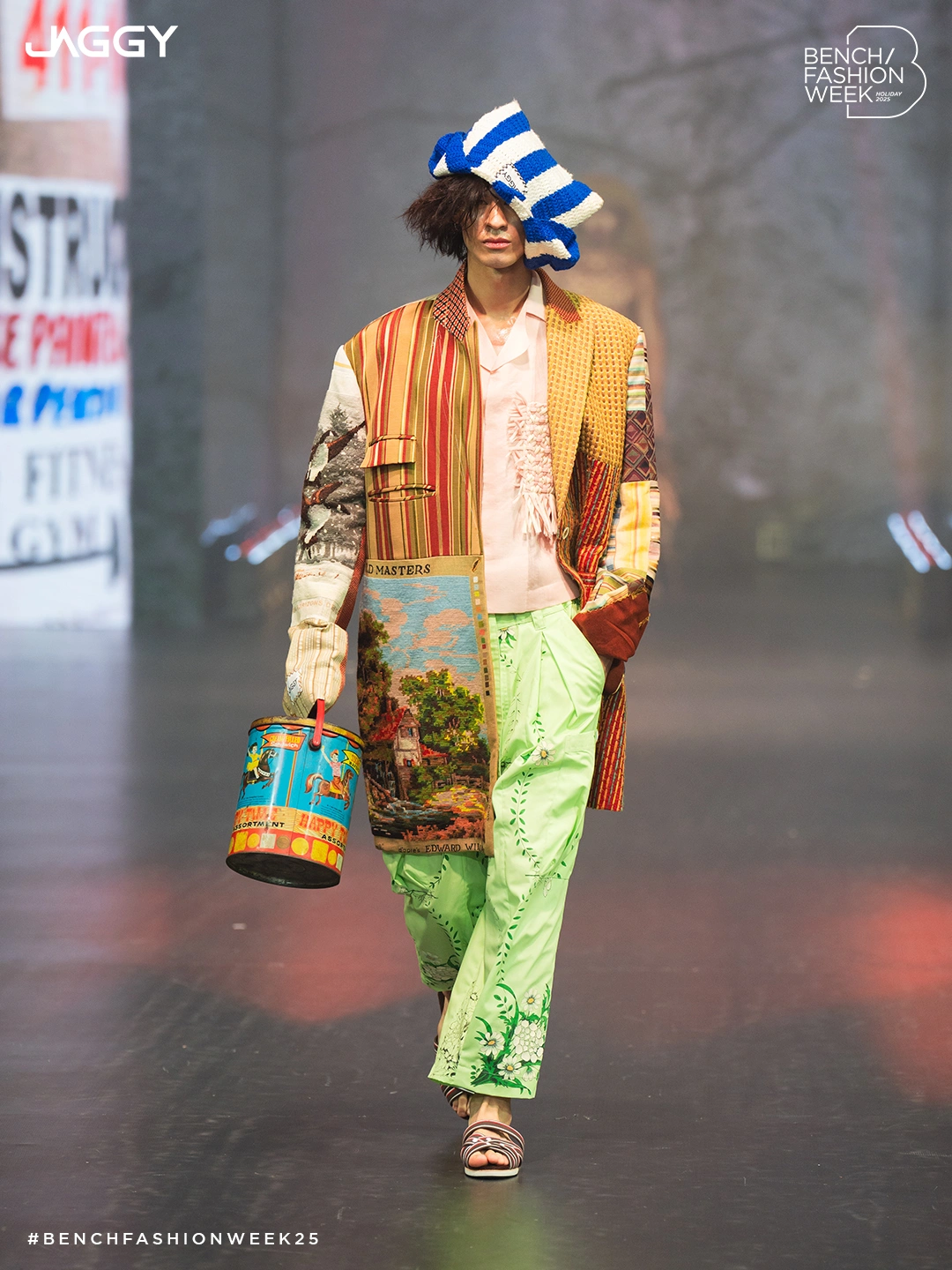
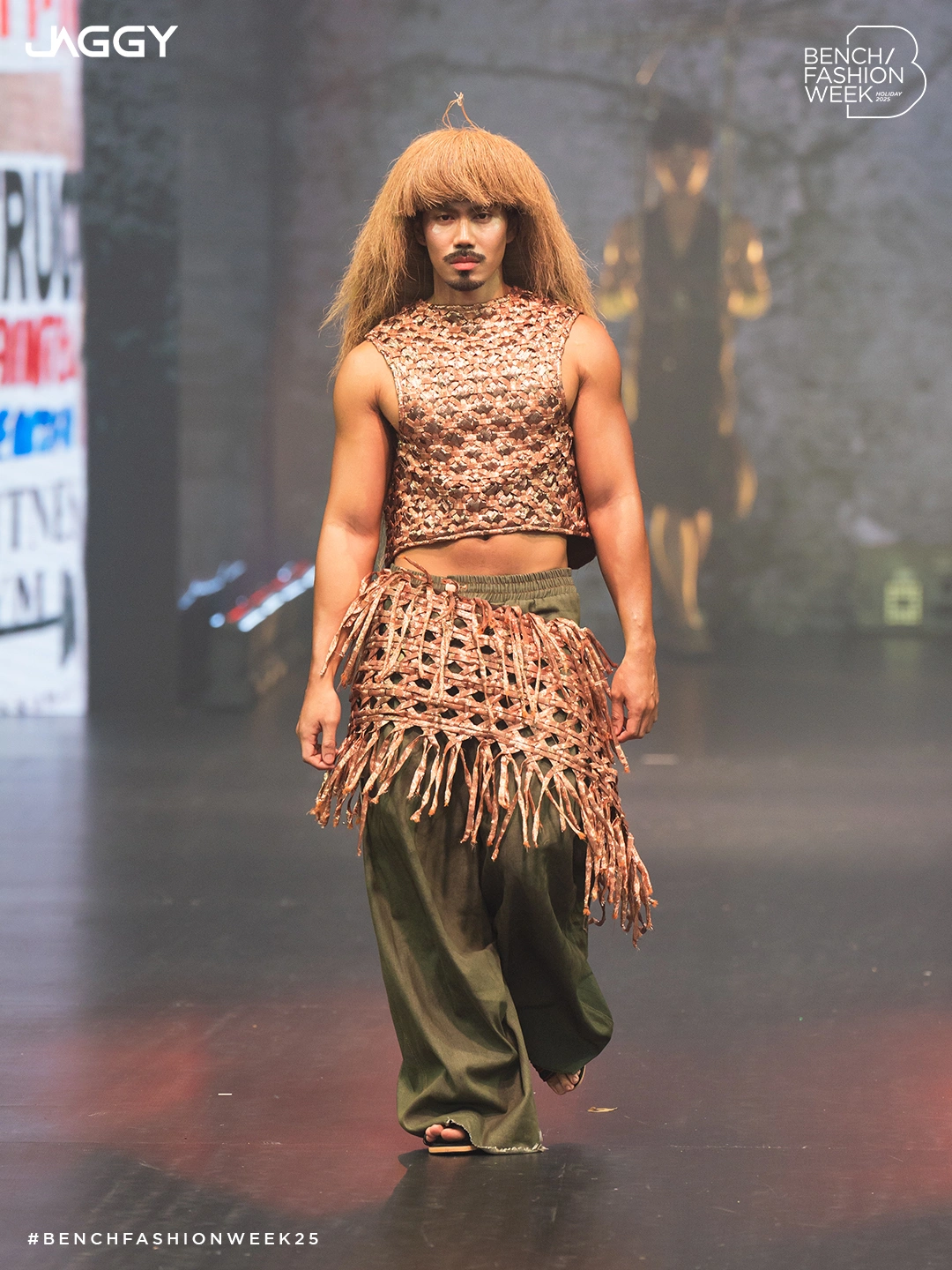
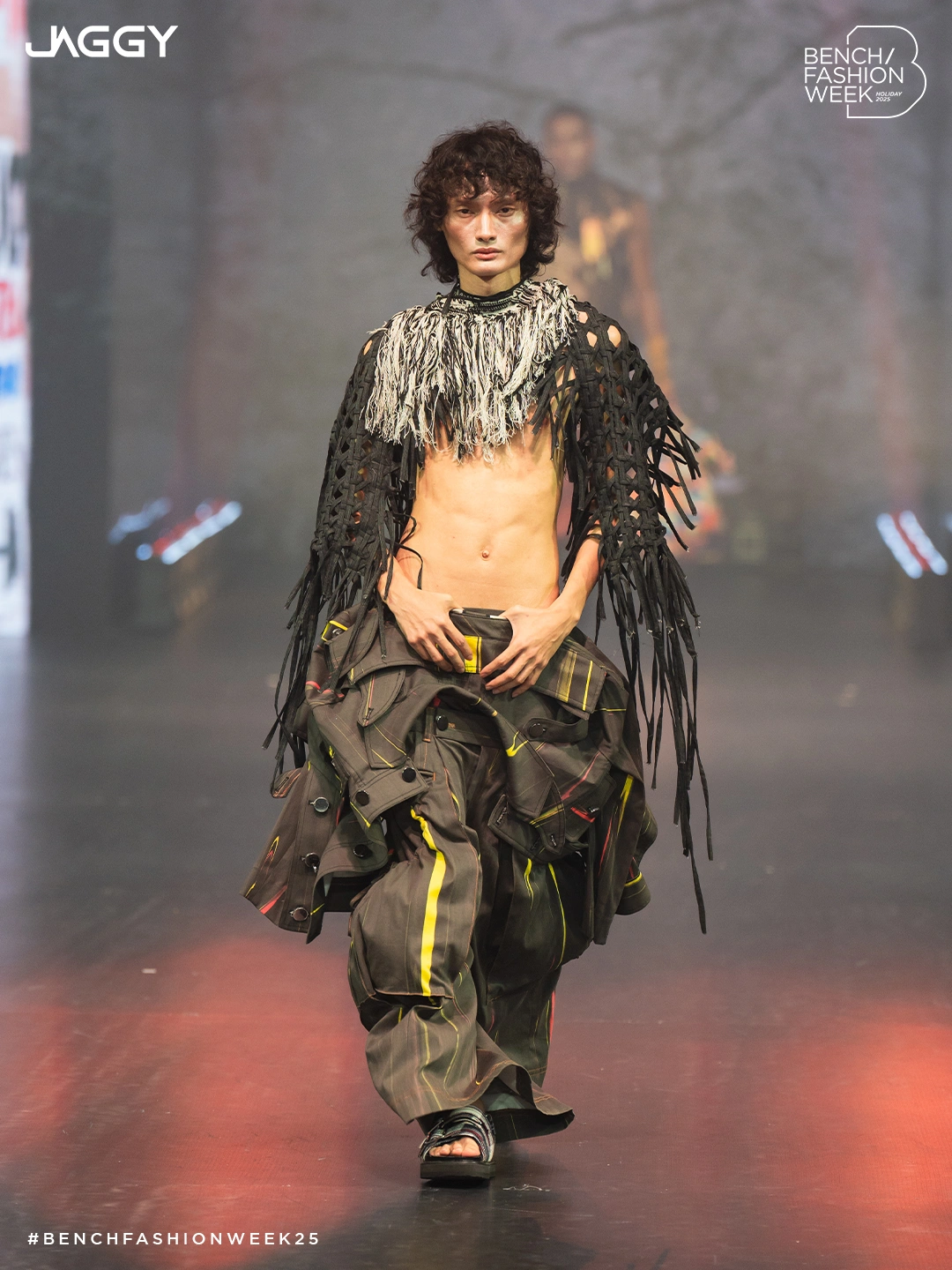
In a time when the Philippines feels fractured—when truth is buried beneath corruption, when ignorance is exploited instead of dismantled—IGNO stands as both mirror and relief. It doesn’t sugarcoat the struggle, but it doesn’t surrender either. It documents, remembers, resists.
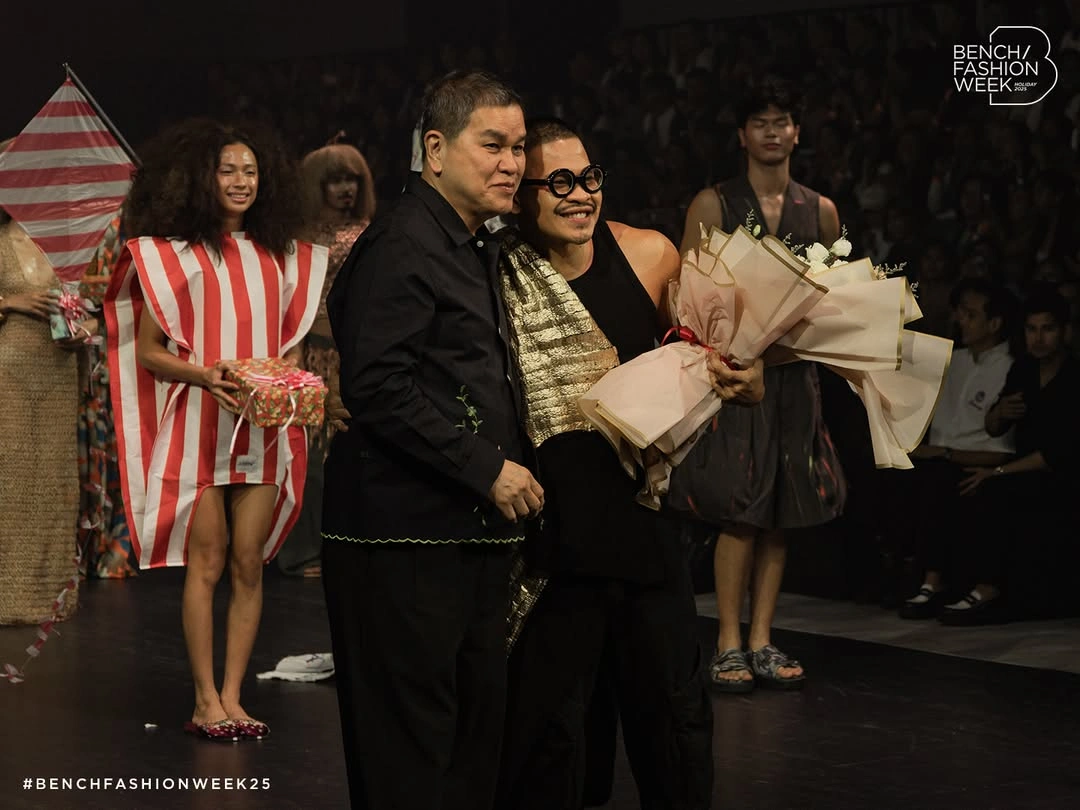
IGNO is akin to a call for community, a rallying cry for togetherness, for refusing to vanish into the city’s machinery or the country’s political script. In Jaggy Glarino’s hands, survival becomes something more than enduring—it becomes art, wit, and defiance. The most political thing you can do is simply refuse to bow your head, and instead, keep moving—louder, hungrier, unafraid.
Photos courtesy of BENCH