




This is an excerpt from the MEGA September 2025 MEGA Matters Feature
In an industry built on speed, trend cycles, and mass production, Natalie Chow is walking a different path—one defined by clarity, care, and conscience. For her, a fashion brand can be built from the ground up with compassion, intention, and a quiet but unwavering commitment to doing good.
That belief became KIBO, the Hong Kong–based sustainable footwear brand she co-founded in 2020 at the height of the pandemic. Named after the Japanese word for hope, KIBO is more than a shoe label; it’s a quiet revolution in conscious consumption and social responsibility, one that restores dignity to people and the planet with every step.

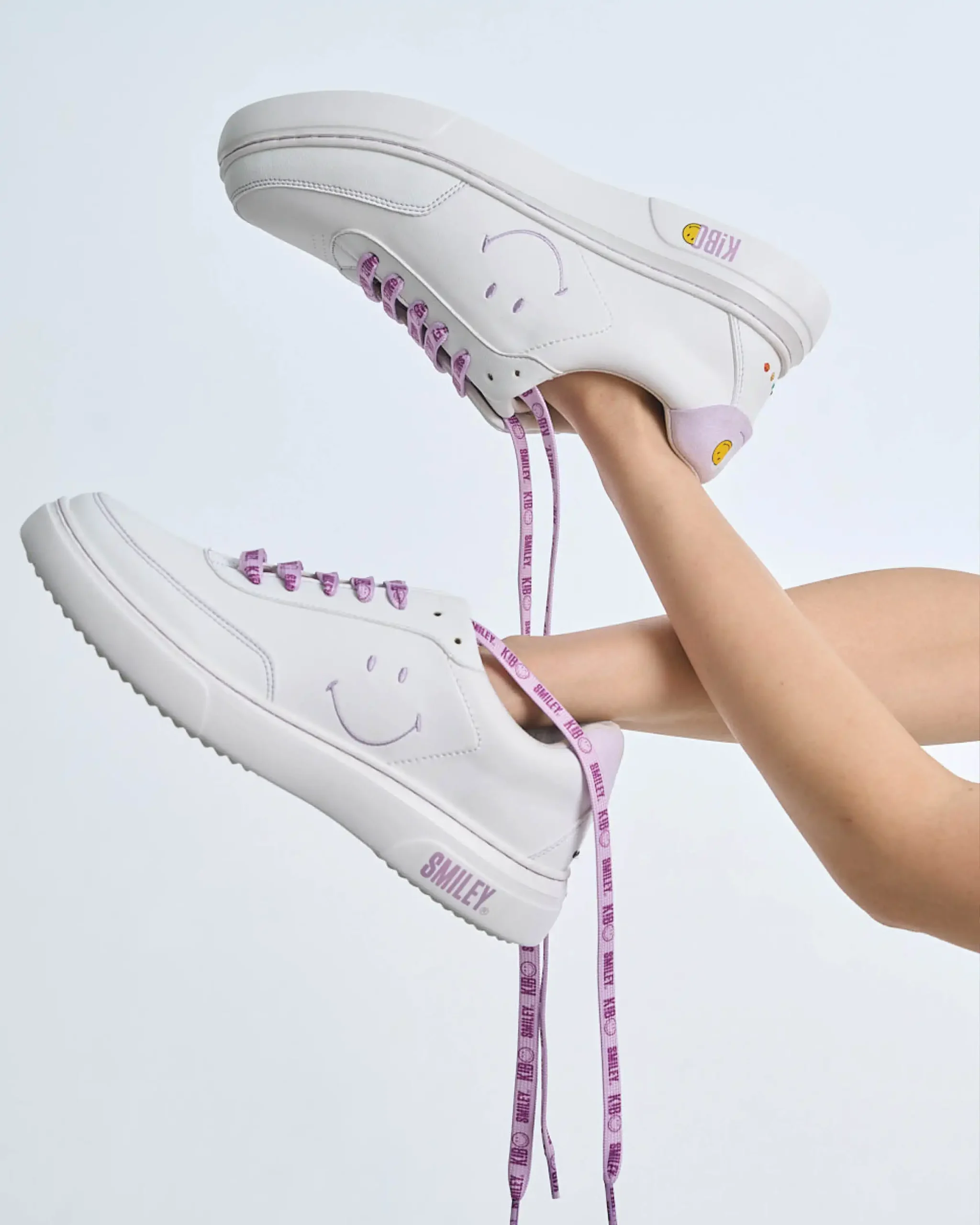
Today, KIBO is widely recognized as Asia’s first footwear label to transform waste, like apple peels and factory scraps, into sneakers and safety shoes with minimal environmental impact. Each pair is hand-assembled using repurposed materials like upcycled leather trimmings, post-consumer plastic bottles, recycled cork, and innovative plant-based alternatives.
The spark for KIBO was ignited a decade into Natalie’s career with major brands, when she read the 2009 groundbreaking book Half the Sky, which exposed the systemic oppression of women around the world. “Living in a privileged place like Hong Kong, the realities of human slavery felt distant, something from the past,” she shares. “That awakening planted a seed: I couldn’t unsee it.”
From there, Natalie began to rethink how she lived, consumed, and created. She envisioned a brand with the power to move, one that would tread lightly on the planet while making a tangible difference in people’s lives.
But building KIBO, something so purpose-led, meant unlearning much of what Natalie had mastered in her years with multinational companies. “There, everything came with structure, brand guidelines, global systems, and clear roles,” she says. “Starting KIBO was the complete opposite. It was like standing in front of a blank canvas—exciting, but also humbling. I had to roll up my sleeves and go far beyond marketing: from budgeting and sourcing to forging partnerships and managing production.”
DESIGNED TO MATTER
At KIBO, every material, partnership, and message is chosen with care. “We rethink every component,” Natalie explains. The uppers are made from apple waste from the juicing industry—an alternative to cow leather, saving water and reducing CO2 emissions. The linings and laces are crafted from post-consumer recycled plastics, and the insoles are made from recycled rubber compounds and cork. Even the packaging is made from FSC-certified recycled paper.
To push back against greenwashing, KIBO goes a step further by using blockchain technology to verify its materials and certifications. “Every pair of shoes comes with a QR code—scan it and you can see exactly what went into your product, from source to shelf. It’s our way of empowering customers to trace the impact of their purchase.”

KIBO aims to be both sustainable and accessible. Natalie acknowledges the challenge of balancing pricing with fair wages and quality materials: “It can be tough. We price honestly—not cheap, but fair. We don’t do huge markups or chase endless sales cycles. Paying fair wages and sourcing better materials is non-negotiable, but we work hard to streamline everything else so prices remain accessible.”
Her advocacy even extends to tackling one of the biggest challenges in sustainable fashionSustainable FashionClothing designed, produced, and worn in ways that reduce harm to people and the planet, through eco-friendly materials, ethical labor, minimal waste, and longer garment life. It includes rewearing, repairing,Go to Sustainable Fashion Glossary: what happens to products at the end of their life. Through KIBO’s sister brand, Light Treads, which produces sustainable safety footwear for workers in hospitality and construction, Natalie is piloting circular solutions. The team is developing a take-back program in Hong Kong, where used soles are downcycled into rubber pellets that can be reused or converted into energy.
It’s an ambitious effort, but not without roadblocks. True circularity, Natalie explains, requires an infrastructure that largely doesn’t exist. While the lack of accessible facilities remains one of the industry’s biggest hurdles, that hasn’t stopped her and KIBO from forging ahead.
But sustainability, for Natalie, is only one part of KIBO’s story.
Read more of Natalie Chow’s mission for sustainability in MEGA’s September 2025 issue now available on Readly, Magzter, Press Reader and Zinio.
Images courtesy of NATALIE CHOW.