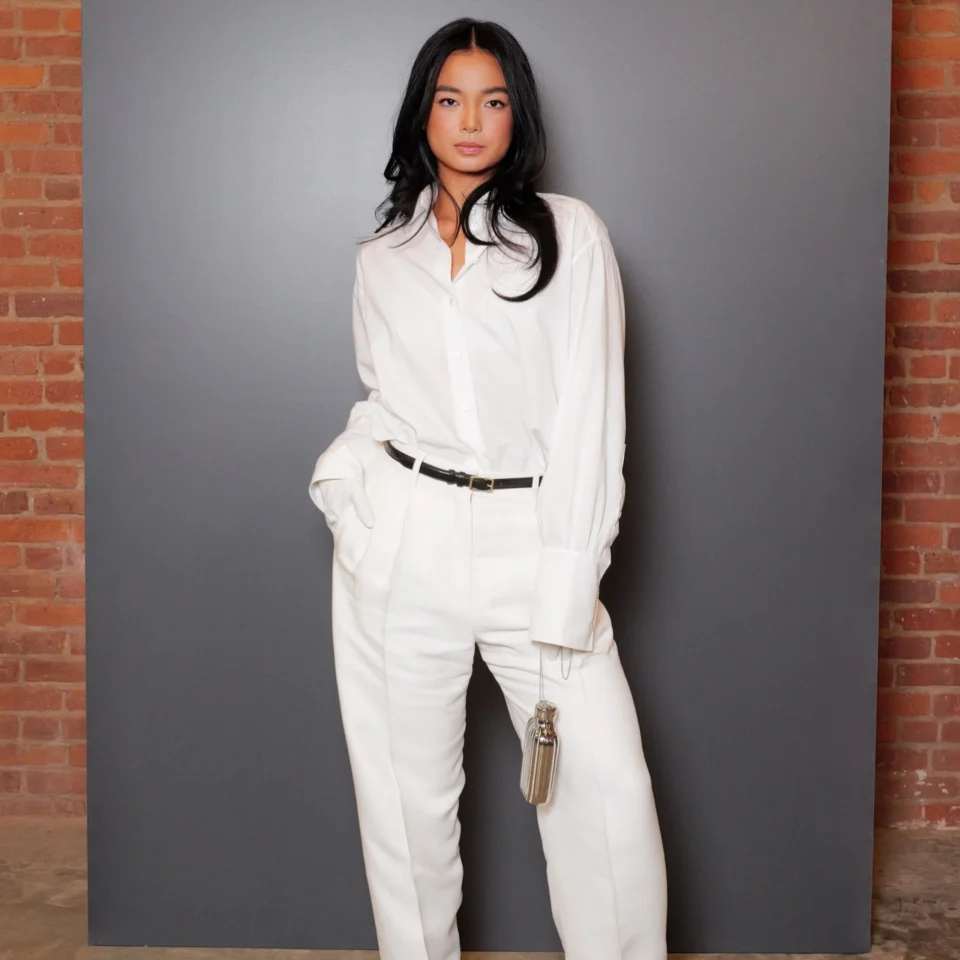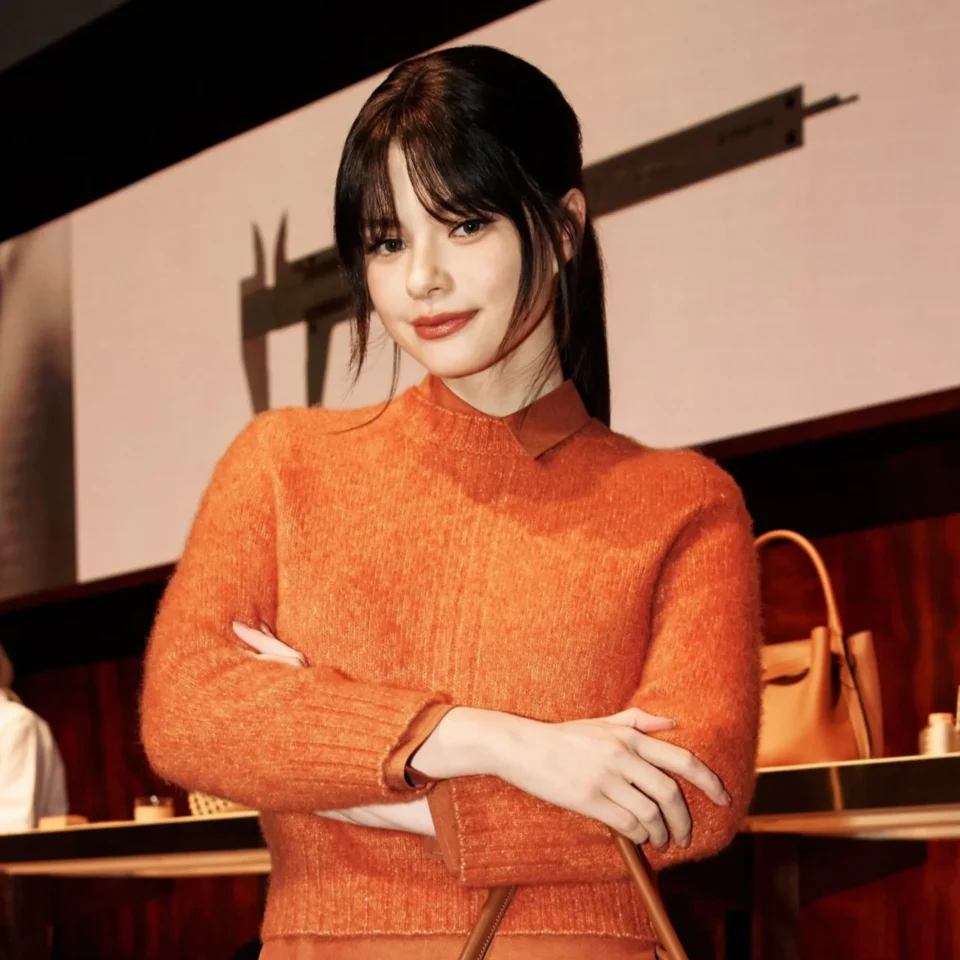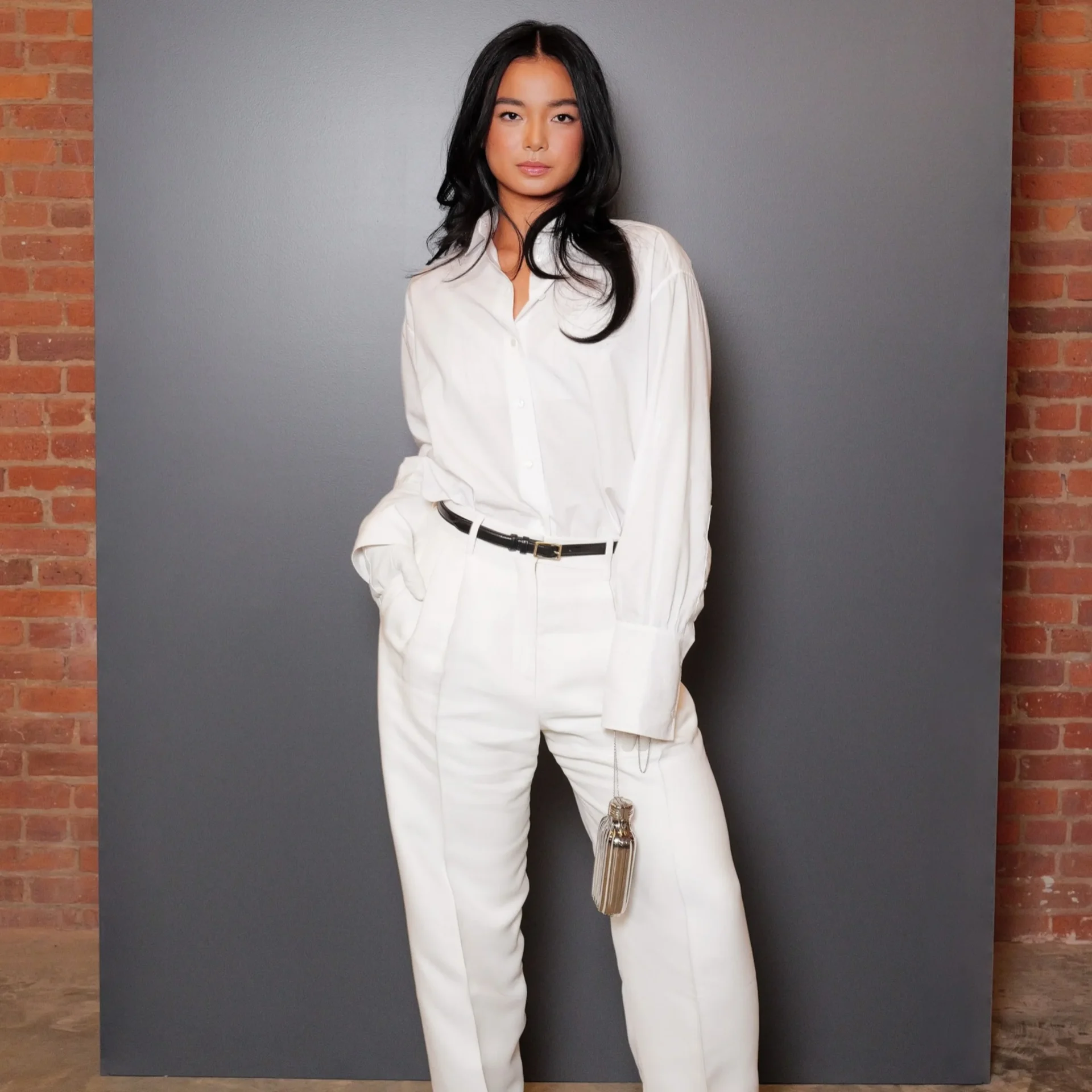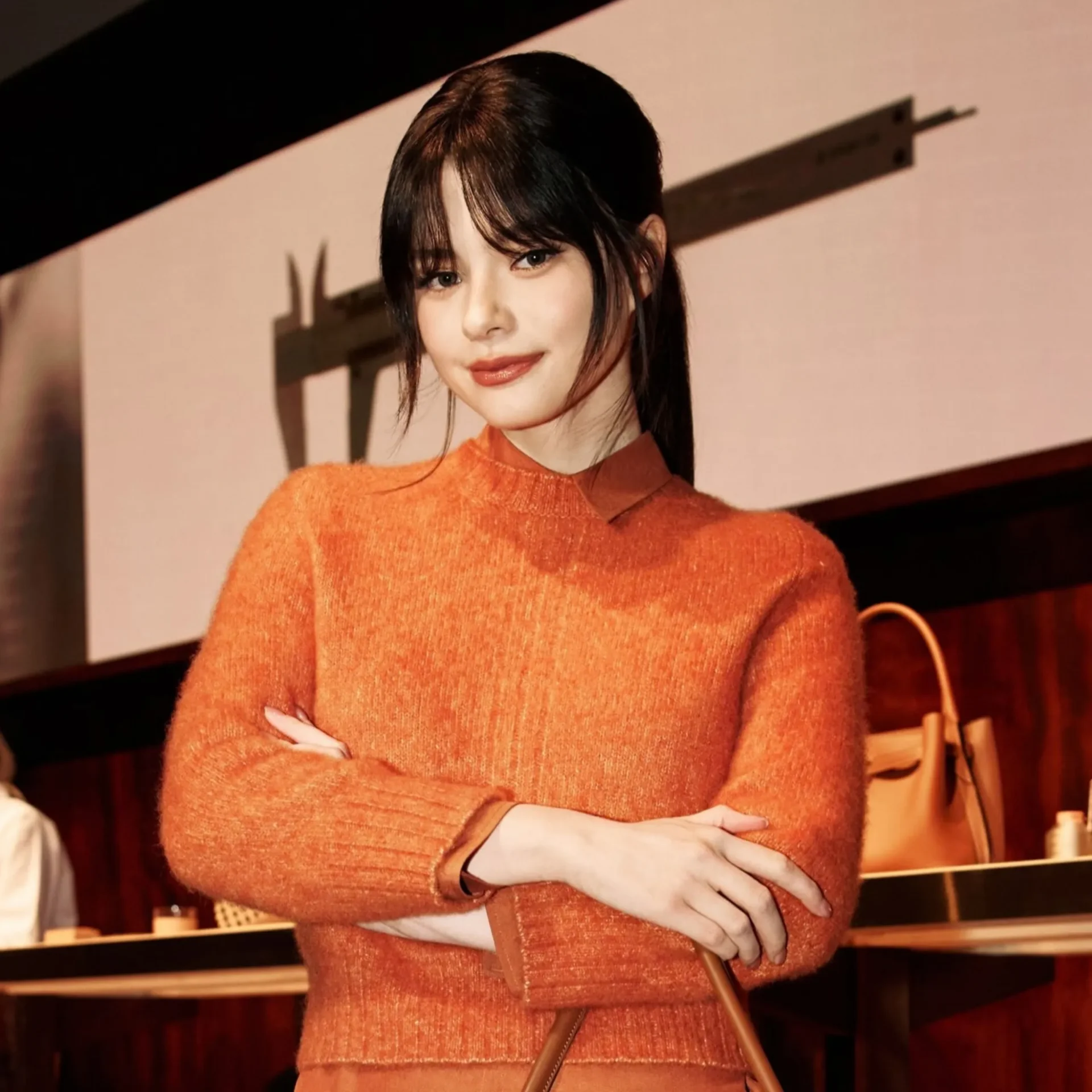




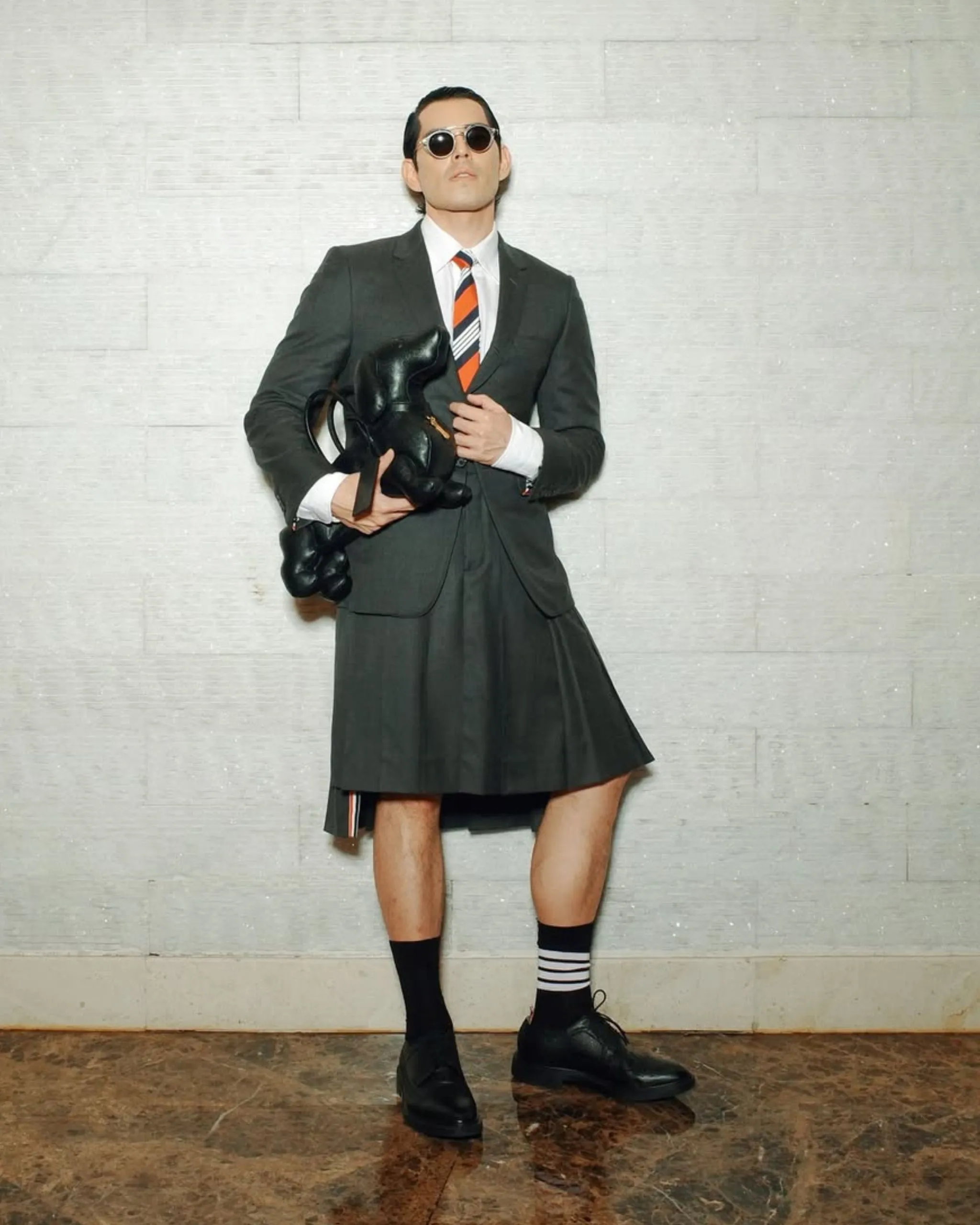
The fashion world loves to pat men on the back for “bravely” borrowing from women’s closets. A male celebrity dares to wear a crop top, and suddenly he’s a revolutionary. But do men actually know how to dress better when it comes to womenswear? Do men dress better in womenswear? Hardly. What they do offer, however, is disruption.
RELATED: Louis Vuitton Launches La Beauté, and It’s As Desirable As Expected
He knows he’s being watched—crop top, sequins, or silk blouse included—and he leans into it anyway. Performance has always been part of fashion, after all. The difference is that when men do it, the outcome reads as daring, even refreshing, like a TikTok skit in outfit form. It’s not necessarily conquering womenswear, but putting on a show—and sometimes, that’s exactly what style needs: a little theater.
The Six Who Wear It Well
A guard of stylish men has been catching attention for their unconventional looks.
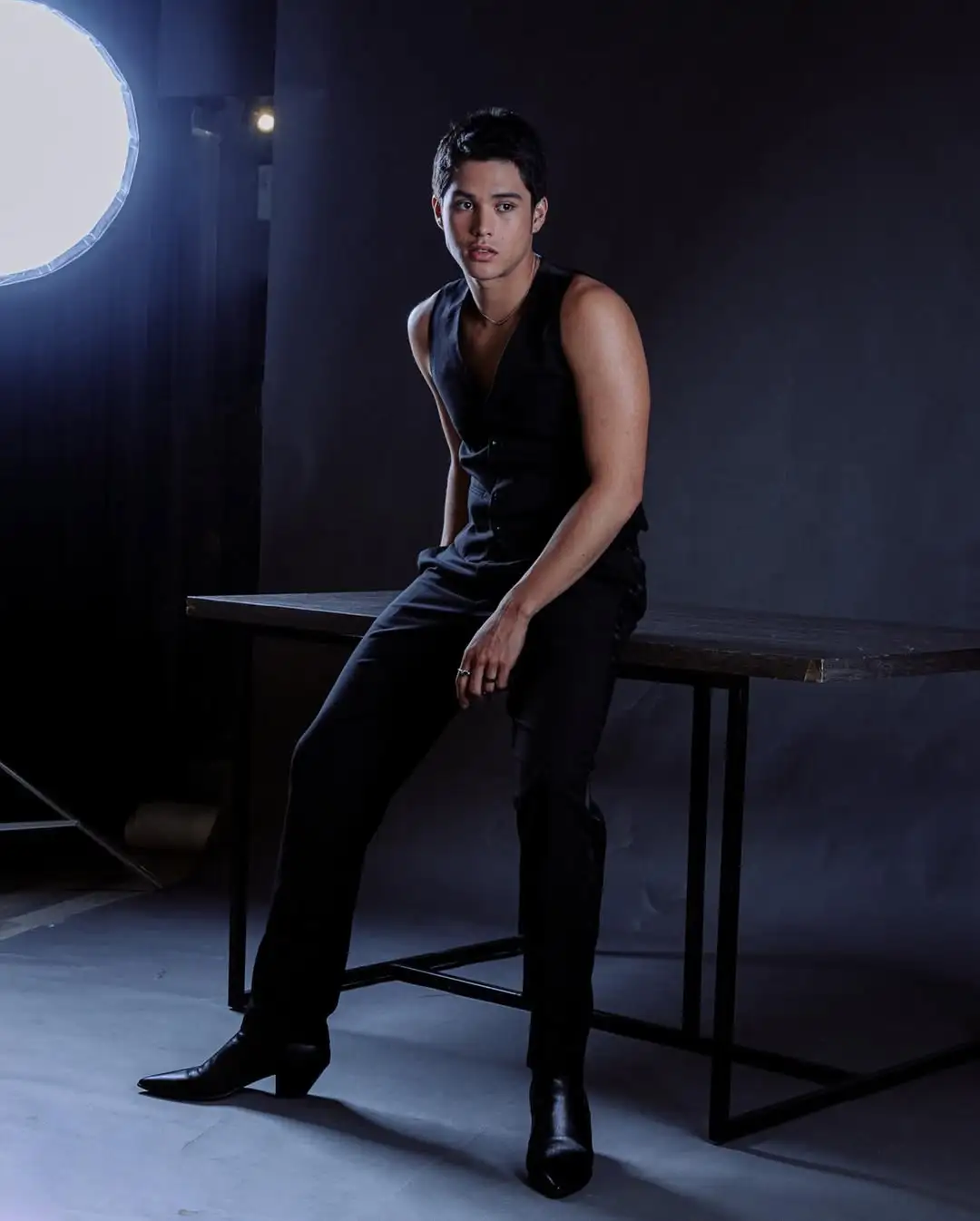
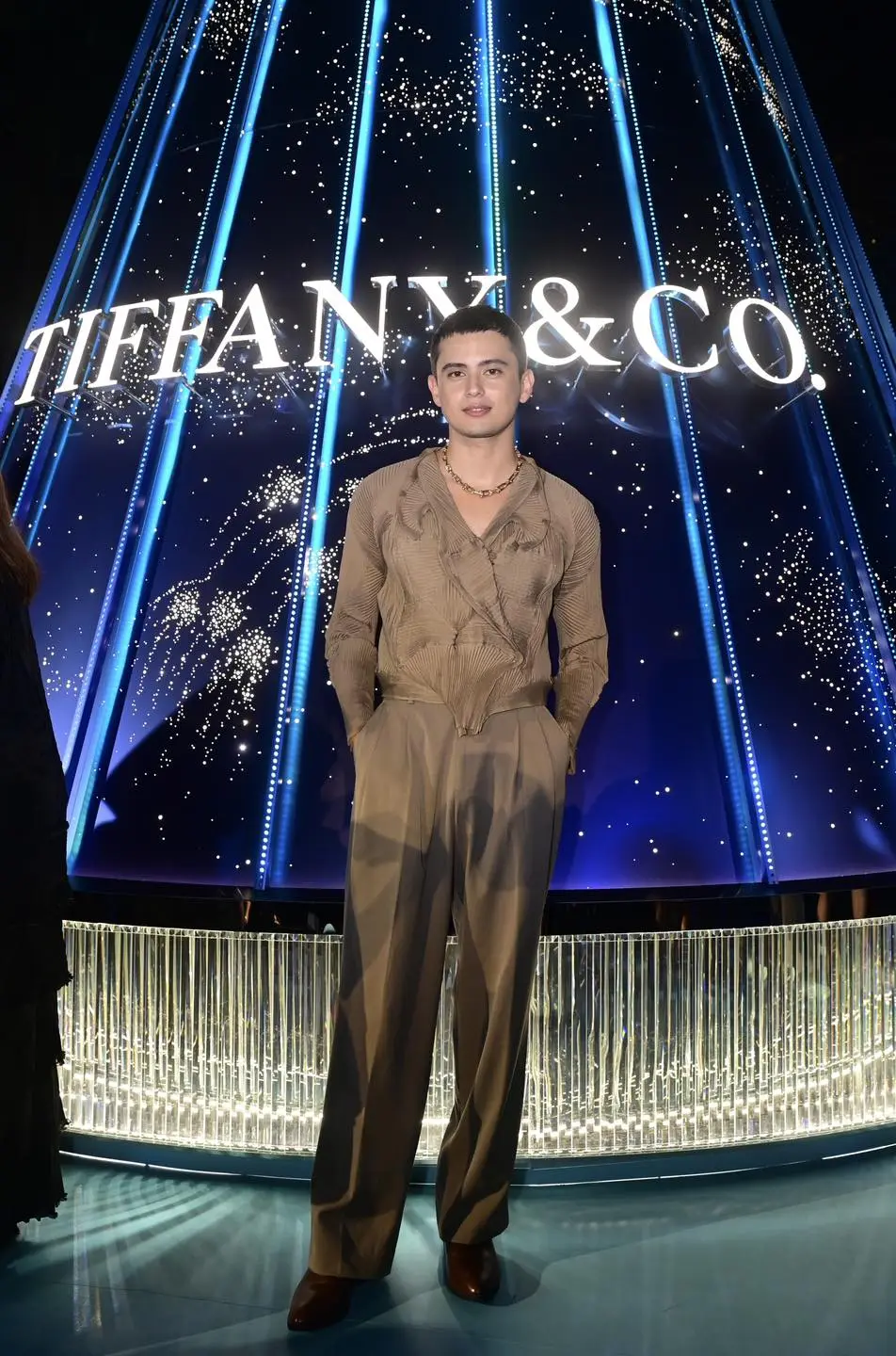
Actor Kyle Echarri toyed with lipstick and cropped silhouettes, model Craig Uy embraces fluid tailoringTailoringThe craft of cutting, shaping, and fitting garments, especially suits, jackets, and trousers, precisely to the body. Good tailoring relies on structure, proportion, and careful hand and machine work, andGo to Tailoring Glossary, and musician James Reid isn’t afraid of sequins, silk, or plunging cuts. Style-setter David Guison turns local textiles into streetwear vocabulary, entrepreneur Mond Gutierrez self-identifies as a “mood dresser” who wears what feels authentic, and content creator Karlo Carranza, muscular yet experimental, brings sharp contrasts to the table with boundary-pushing fits that play with proportion, texture, and polish.
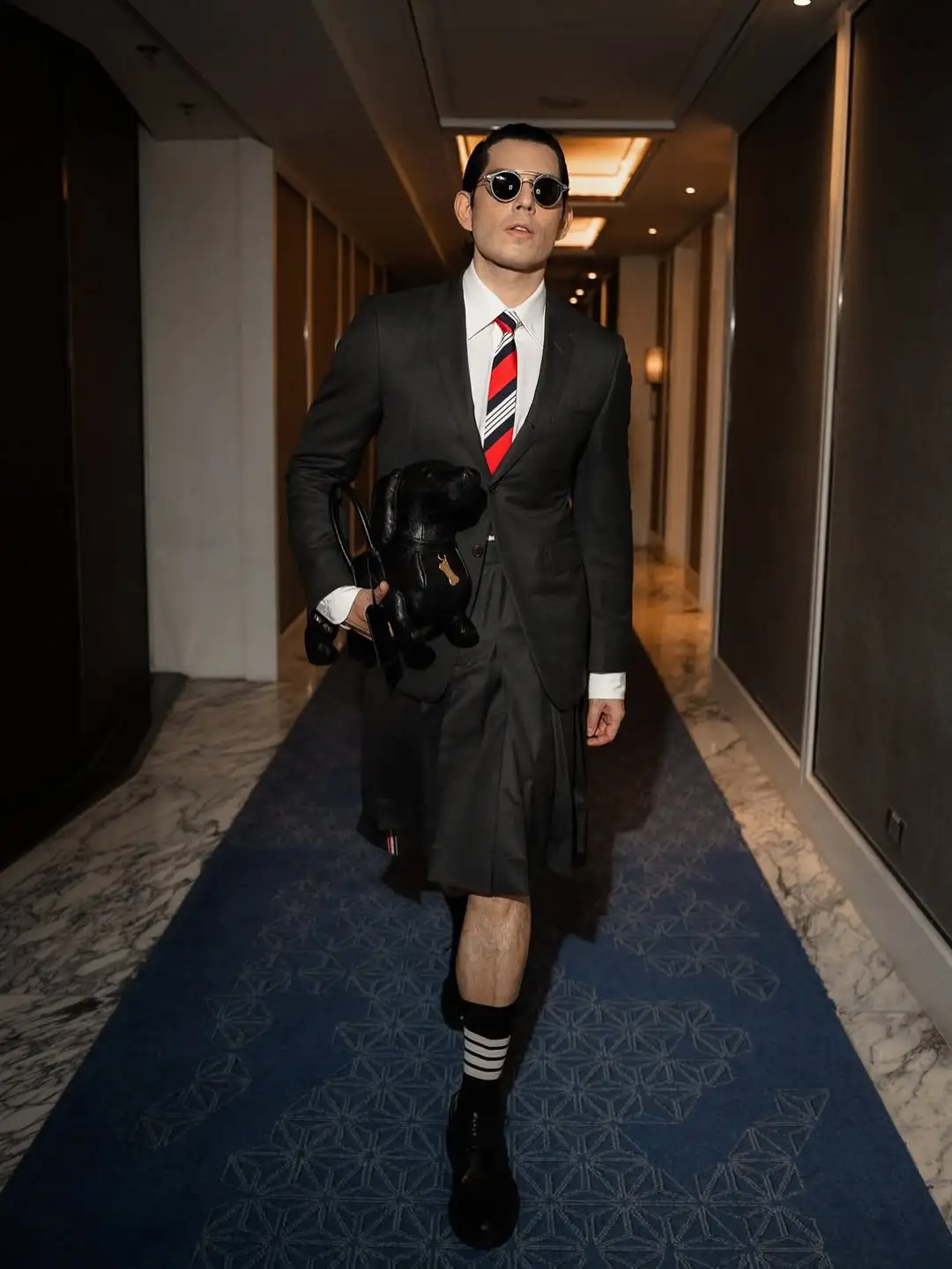
What ties them together is not conquest of “womenswear”, but a refusal to let categories dictate taste. They’ve been photographed in looks that a decade ago would have raised more eyebrows than applause. Now, those same outfits contribute to a broader, more liberated idea of menswear.
Who Owns What, Anyway?
Philosophically, the distinction between men’s and women’s clothing has always been shaky. Suits began as armor for men, but women weaponized them in the workplace. Skirts, centuries ago, were standard male attire. Today’s “genderless” fashion tries to neutralize those histories, but true freedom lies in acknowledging that all clothes are already genderless—the tags were always the fiction.
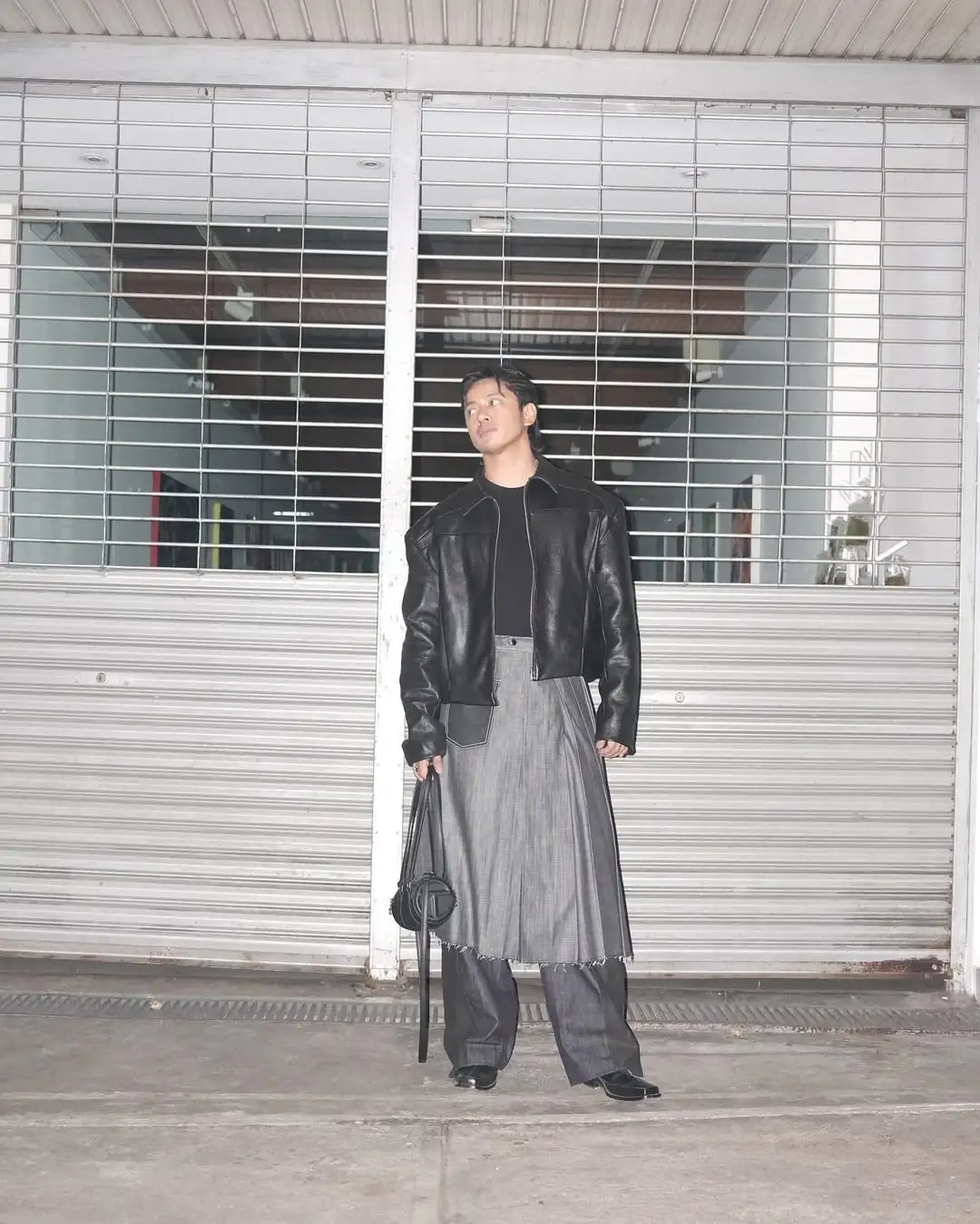
The irony is, women often wear menswear better than men themselves. A tailored suit on a woman can feel sharper, more intentional, and more transgressive than when worn by a man. Meanwhile, a man in a gown or blouse is often celebrated for daring to try, even if the styling lacks the same fluency.
Privilege, Not Style, Is the Real Accessory
When men experiment with ‘feminine’ clothing today, the applause isn’t guaranteed but is met with a mix of fascination, fatigue, and critique. What was once shocking has become familiar, sometimes derivative, boring even.
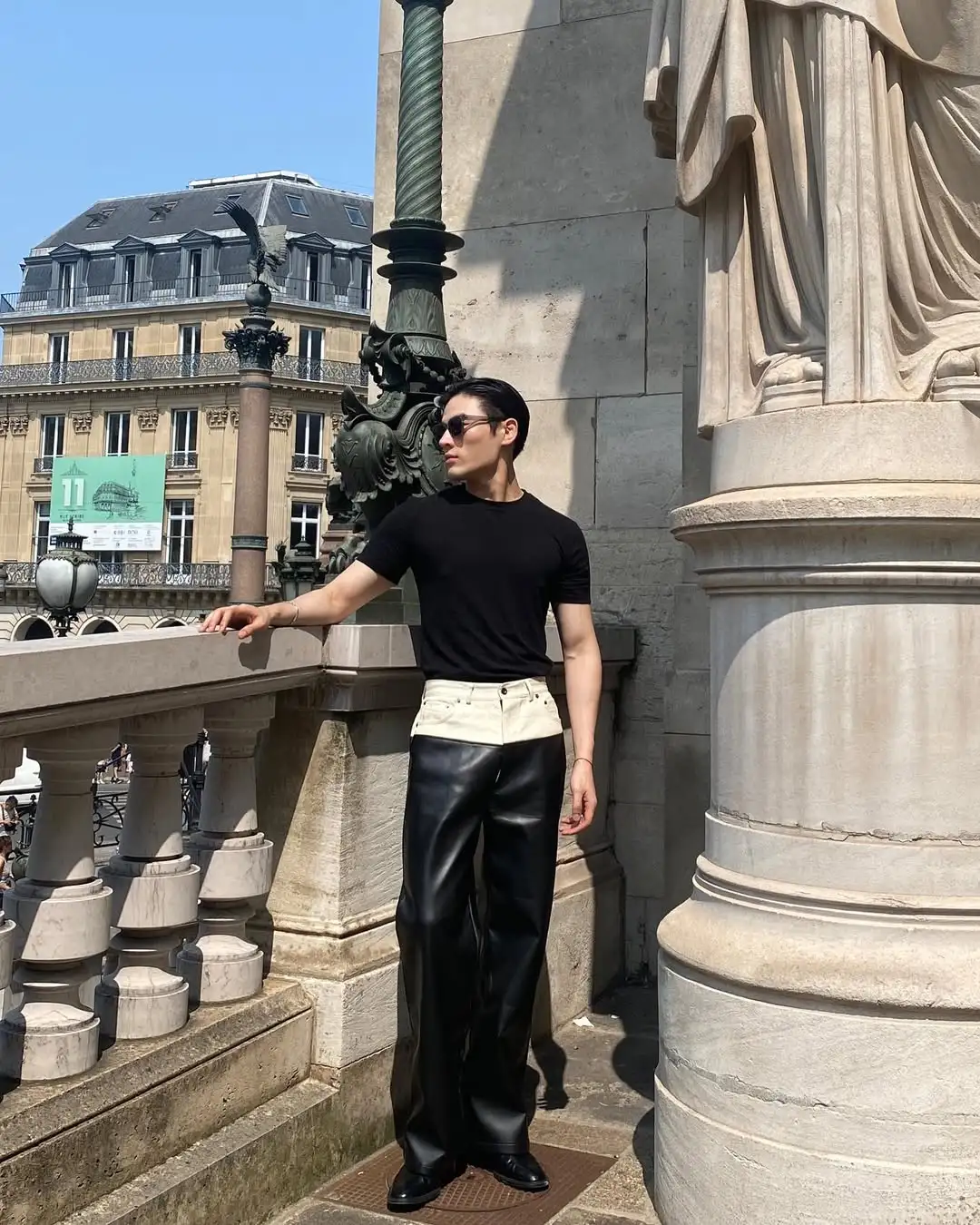
When women wear the same things—or when queer communities pioneer these styles—they’re dismissed, policed, or ignored. Fashion doesn’t exist in a vacuum; it reflects systemic power imbalances. A man in a skirt may look “cool” on a magazine cover, while a trans woman in the same skirt might face ridicule on the street.
The issue isn’t whether men dress better in womenswear, but whether society grants them the privilege to play dress-up without consequence. That double standard, not the hemline, is what needs undoing.
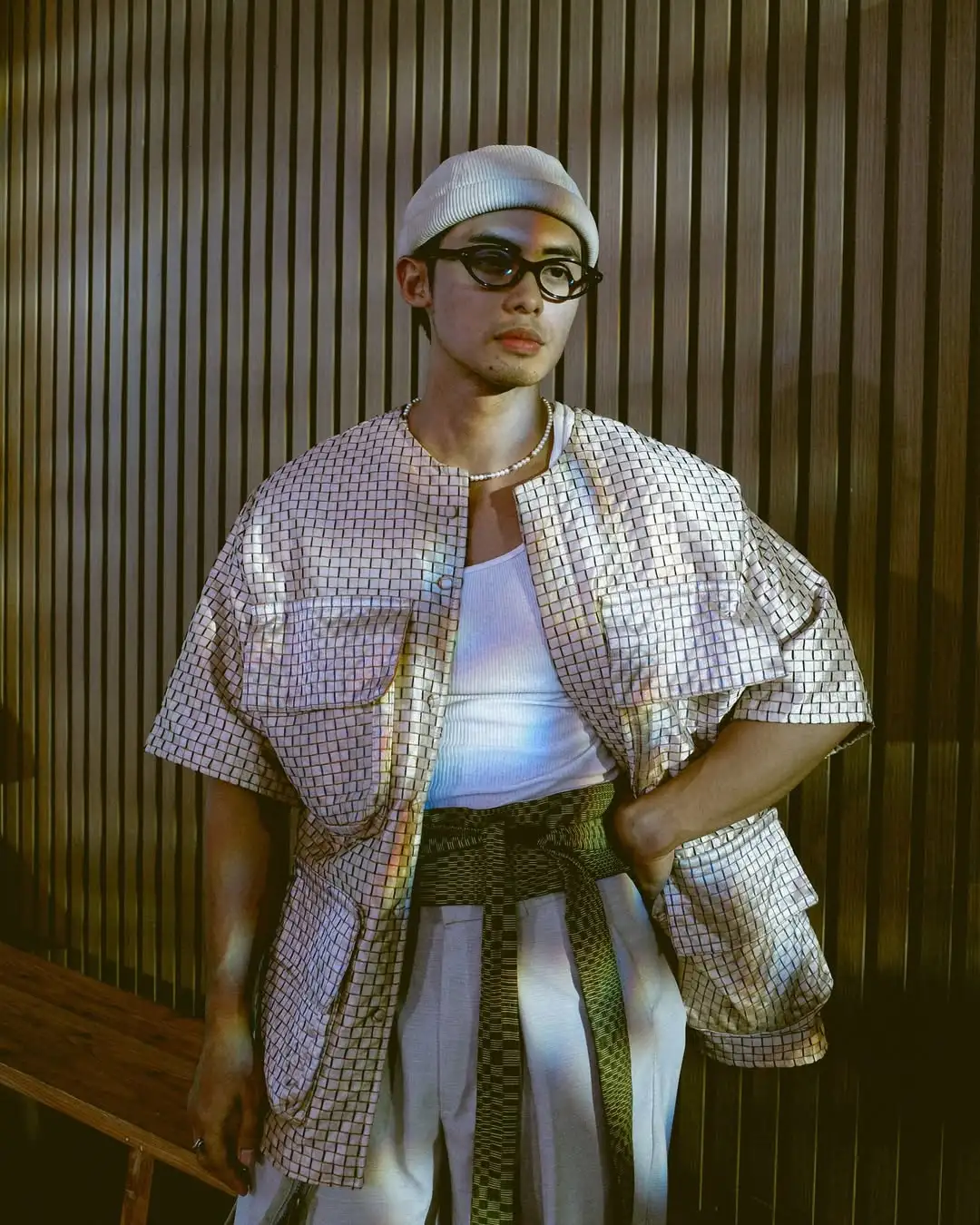
Style, after all, was never gendered; it was only ever judged. At the end of the day, style is a conversation. Sometimes men speak a stanza in pink chiffon; sometimes women wear power suits with sharper angles. Neither “owns” the other’s voice—they’re just part of a broader, unsettled dialogue.
Photos: MOND GUTIERREZ, KYLE ECHARRI, CRAIG UY, JAMES REID, DAVID GUISON, and KARL CARRANAZA (via Instagram)