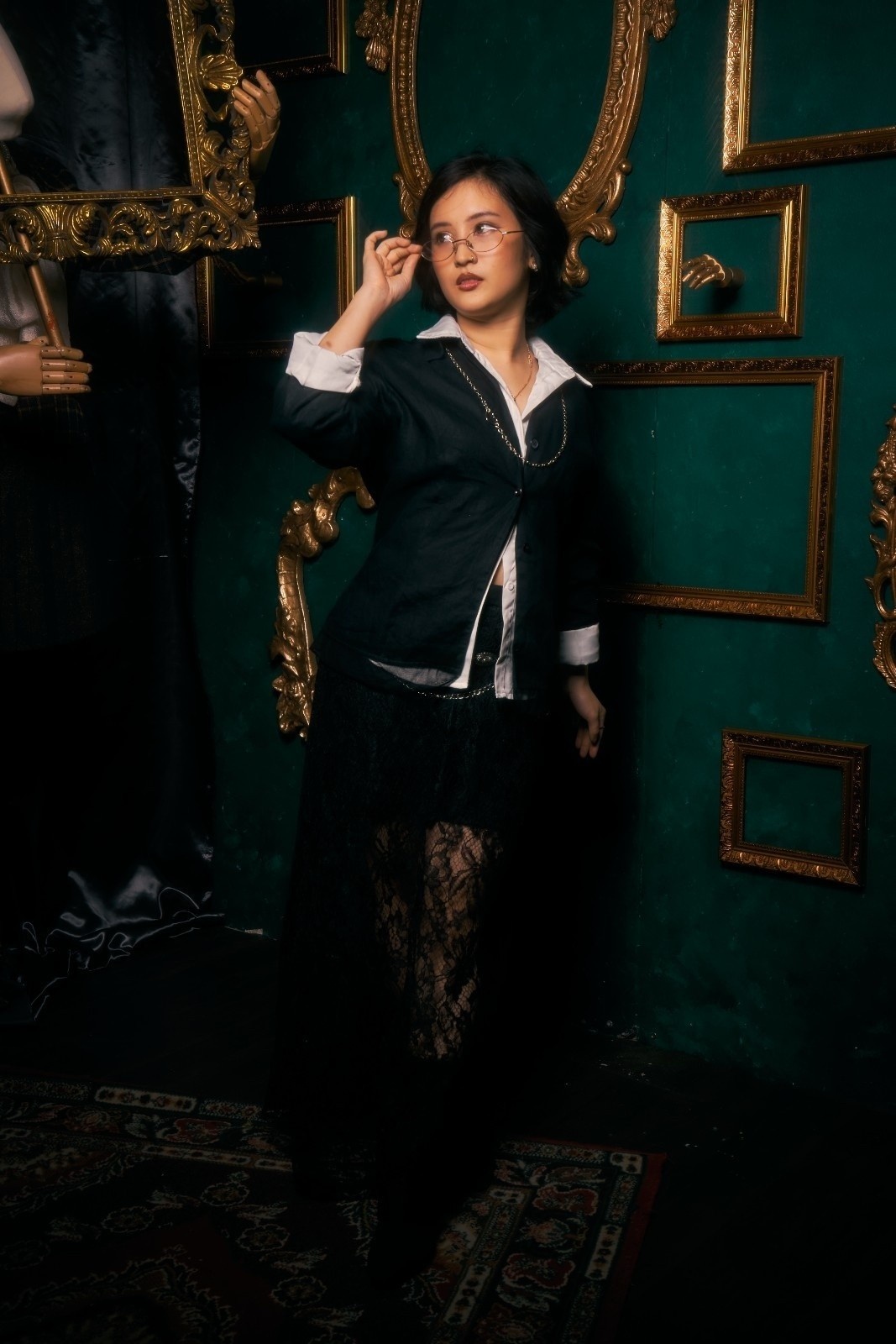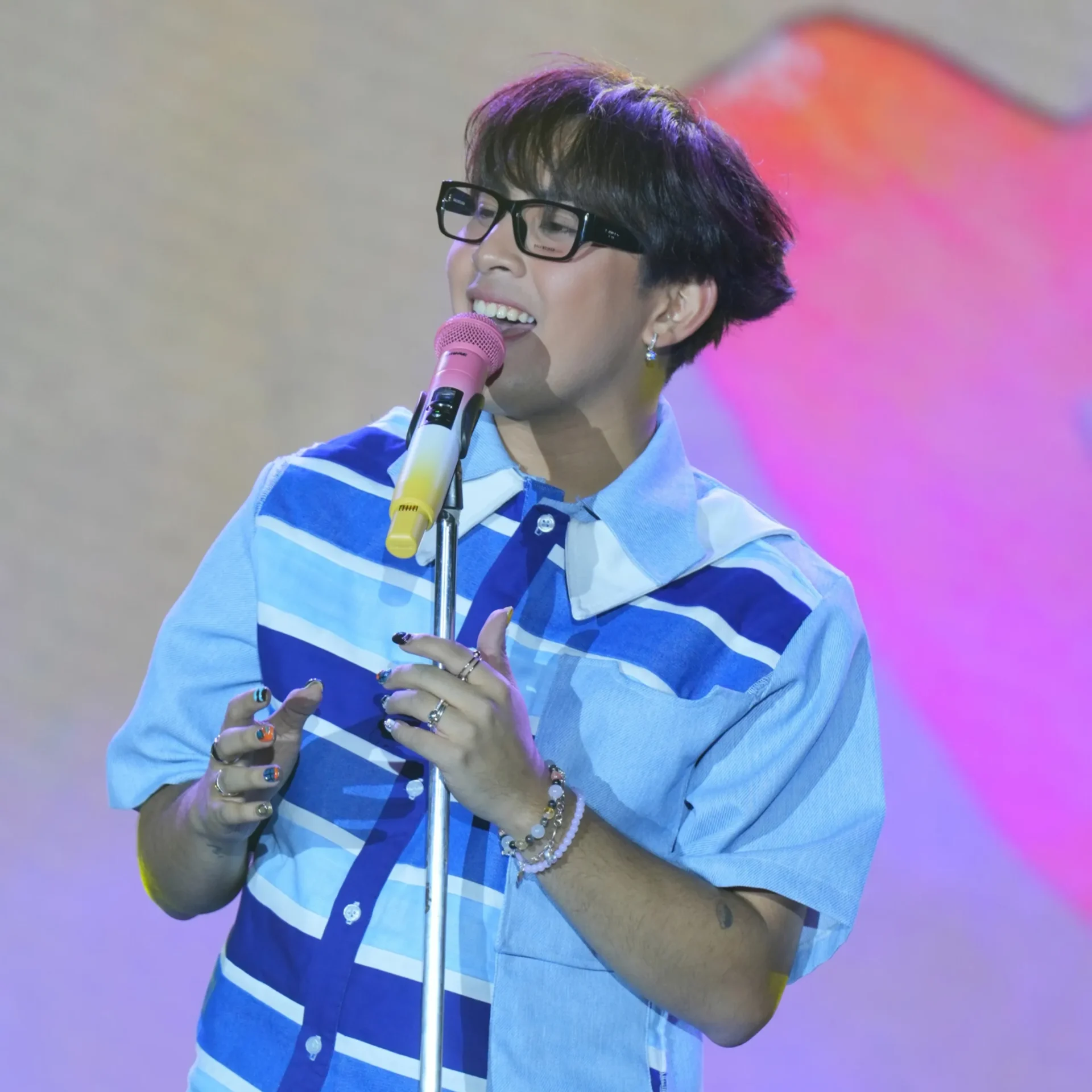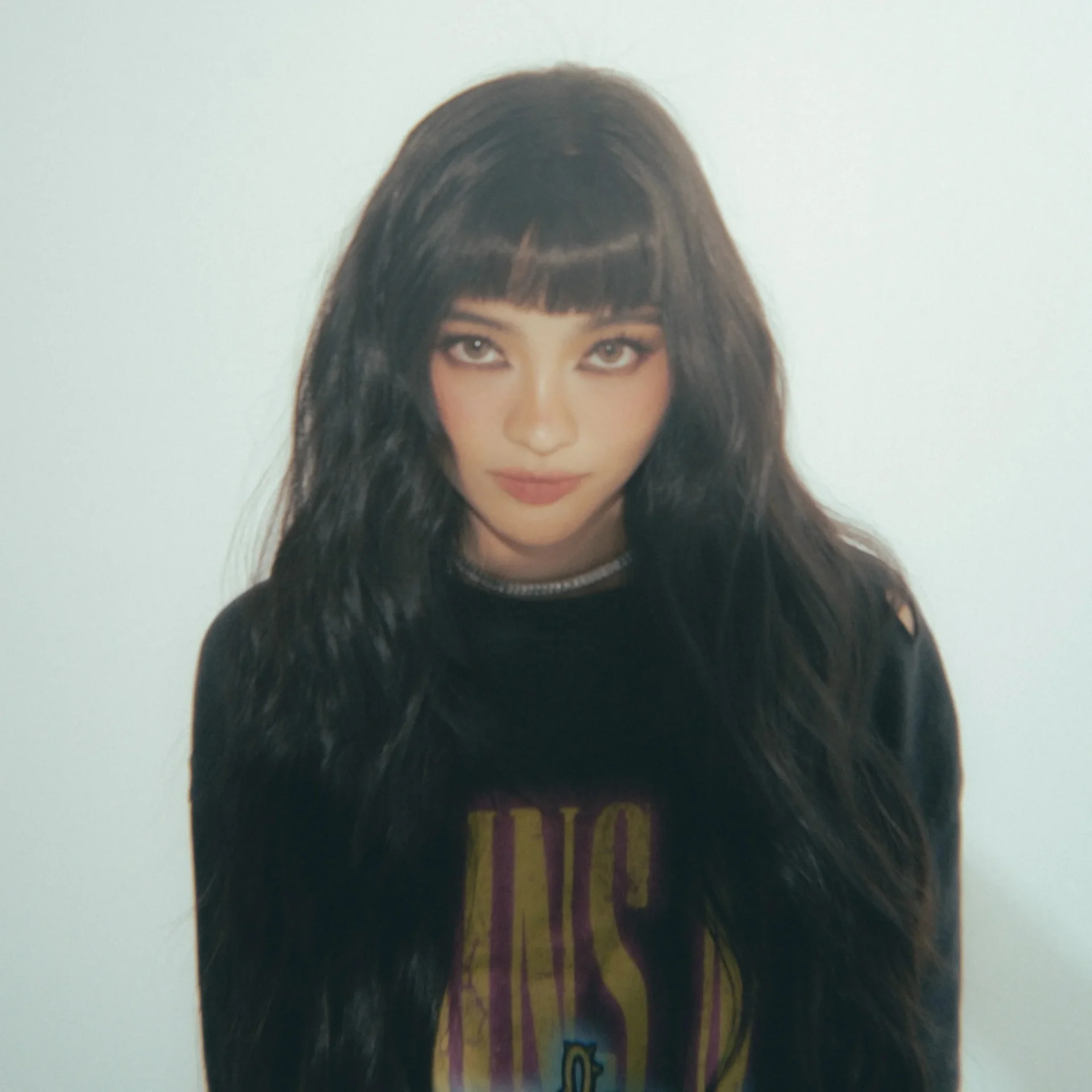




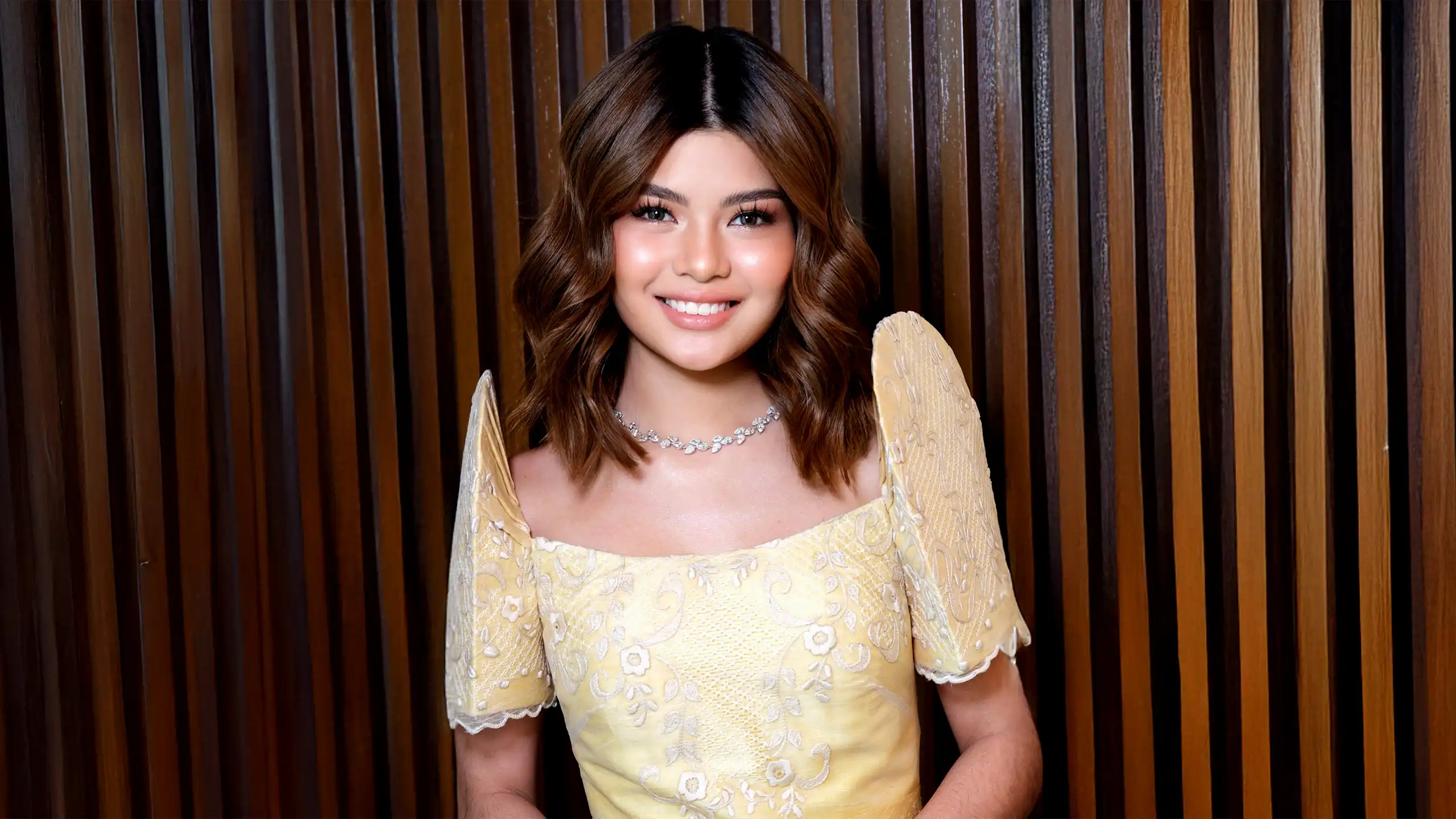
It’s one thing to dress the Philippines’ most dazzling celebrities—and another to dress powerful women carrying the weight of national responsibility. For this year’s SONA, Filipino designer Avel Bacudio dressed not one, not two, but five influential women. Each dress was not only a sartorial homage to the country but also a narrative stitched with the stories, struggles, and soul of Filipino craftsmanship.
RELATED: Heart Evangelista Pulls Off a Barong and Filipiniana at SONA 2025
Women Rooted in Advocacy
“The moment they entered my shop, I knew that they weren’t just there to look pretty,” Bacudio recalled. “They carried a sense of responsibility with them.” Each of the five women shared Bacudio’s passion for elevating Filipino artisans, making the creative process deeply collaborative and meaningful.
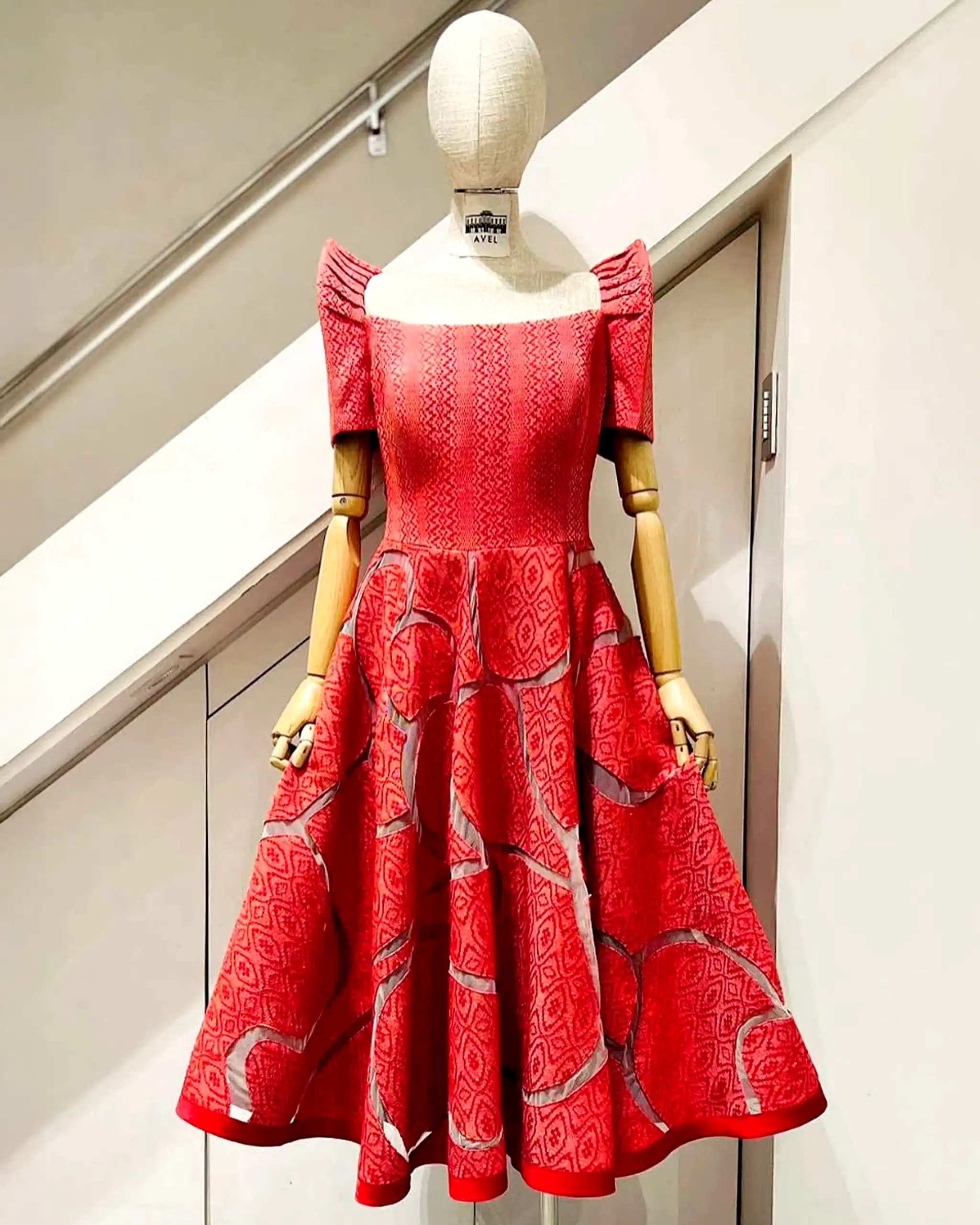
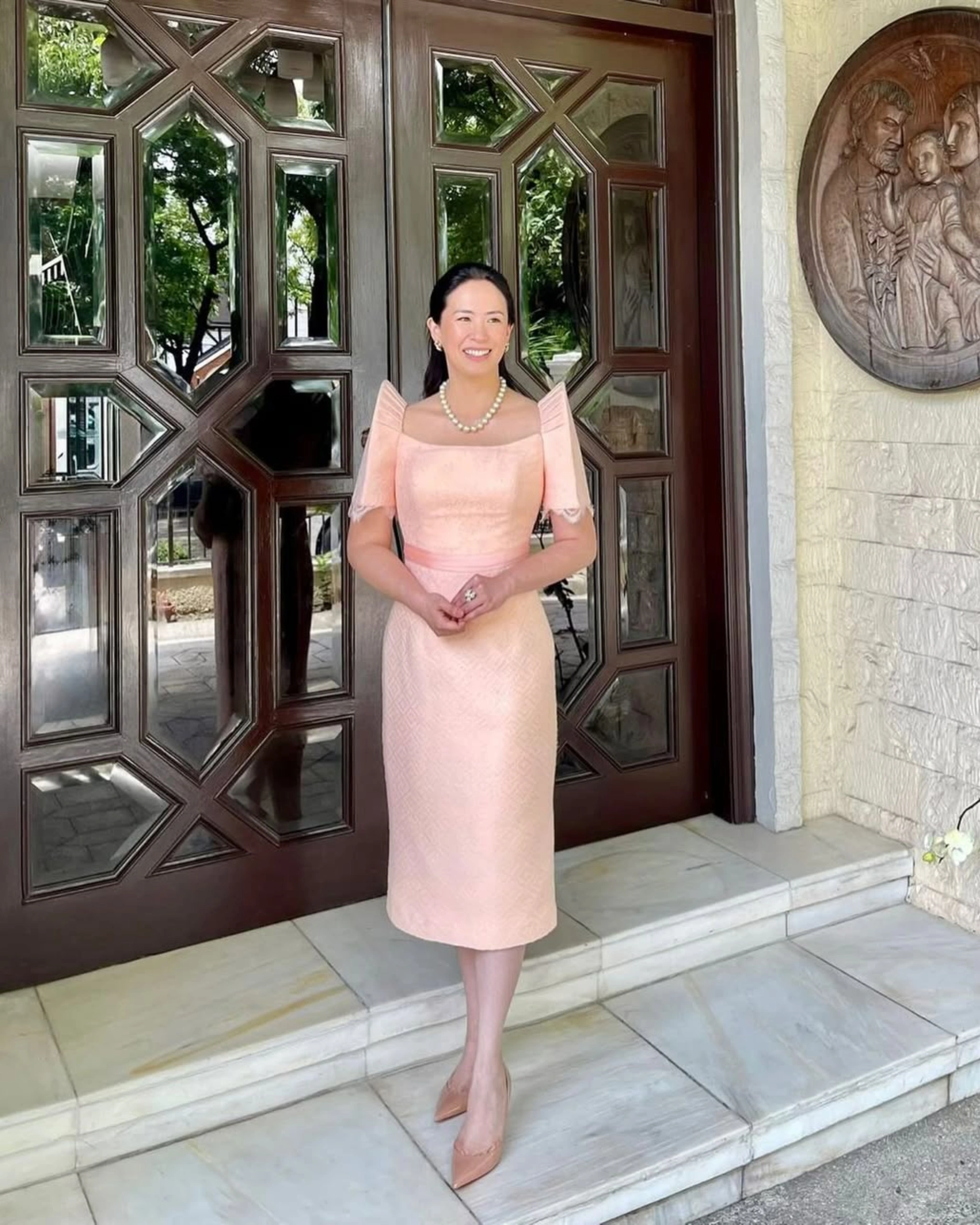
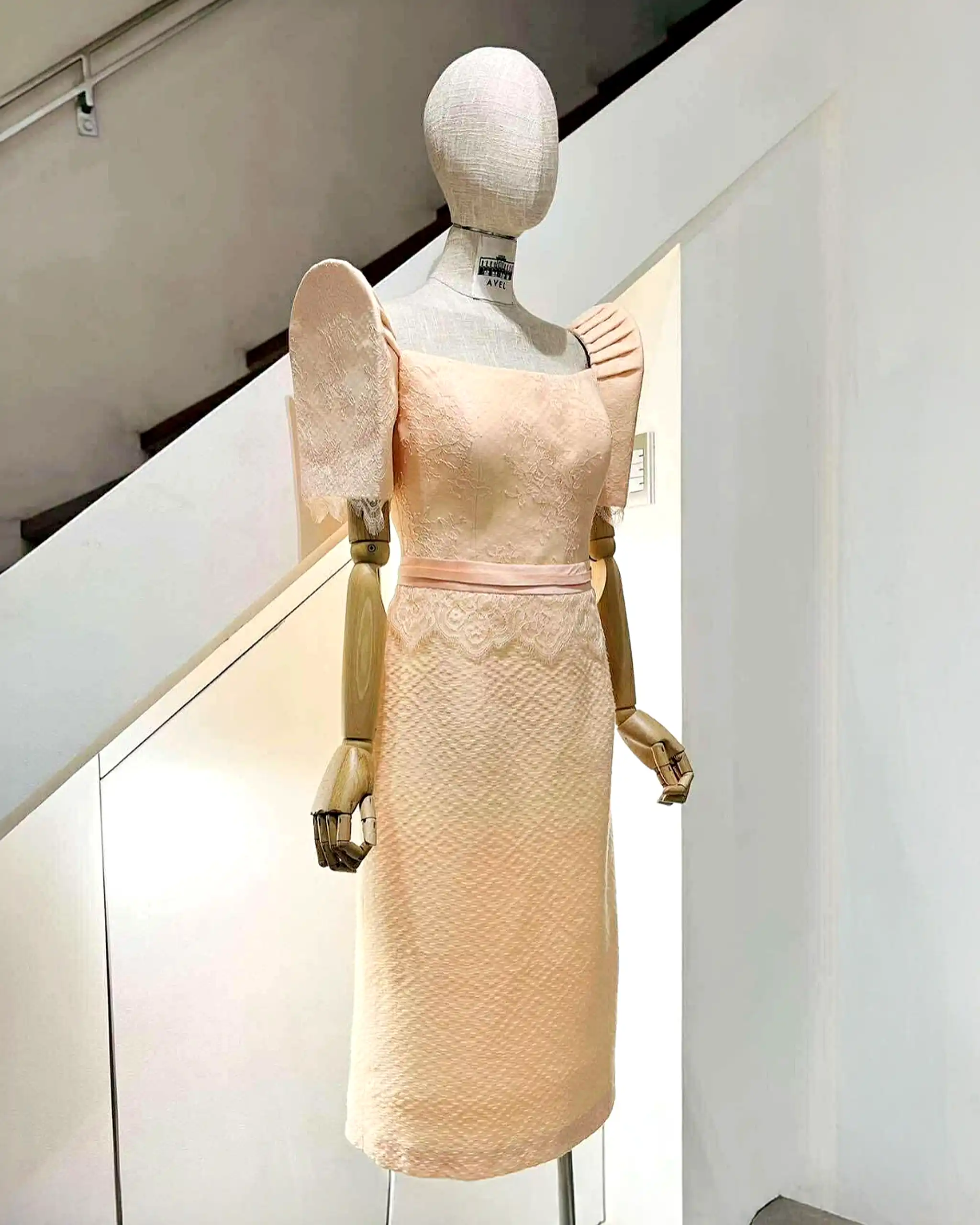
Kathryna Pimentel wore a peach-pink modern FilipinianaFilipinianaThe traditional national dress and style of the Philippines, encompassing garments such as the terno, Maria Clara gown, barong Tagalog, and baro't saya. Celebrated for handwoven fabrics and intricate embroidery,Go to Filipiniana Glossary dress with Spanish lace on the bodice and butterfly sleeves. The dress was crafted from pineapple and banana fibers, woven by the women of La Paz, Abra. Meanwhile, Congresswoman Ching Bernos wore a flowing red dress with traditional butterfly sleeves and a meticulously crafted pinilian bamboo weave, also from La Paz, Abra.
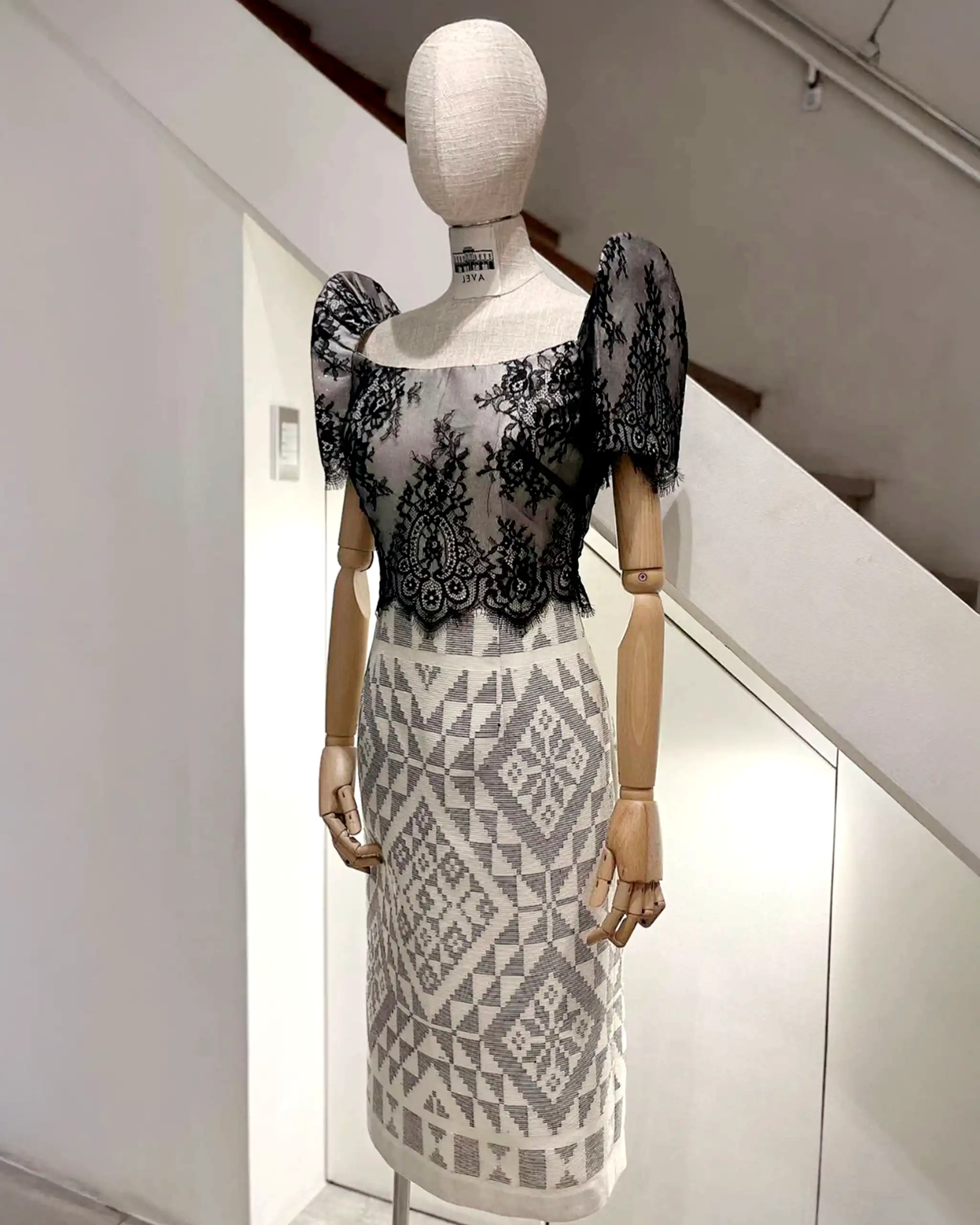
Secretary Amenah Pangandaman exuded beauty and grace in a black-and-white ensembleEnsembleA complete, coordinated outfit in which each garment and accessory is chosen to work together as one look. Stylists build ensembles around a theme, color story, or occasion, and theGo to Ensemble Glossary. The top featured Chantilly French lace and Yakan patterns, while the skirt was woven from cotton water lily by Zamboanga’s Yakan village women.
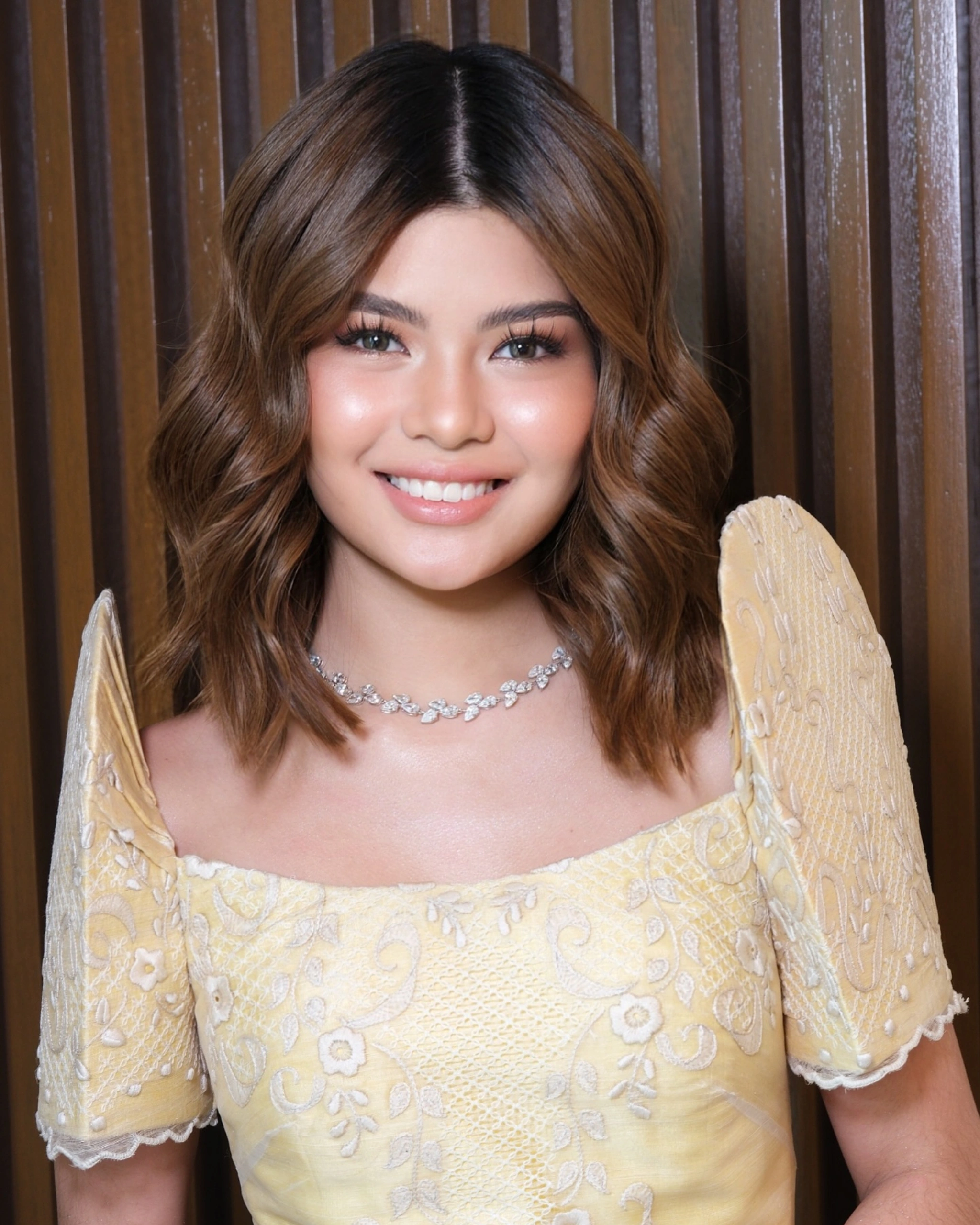
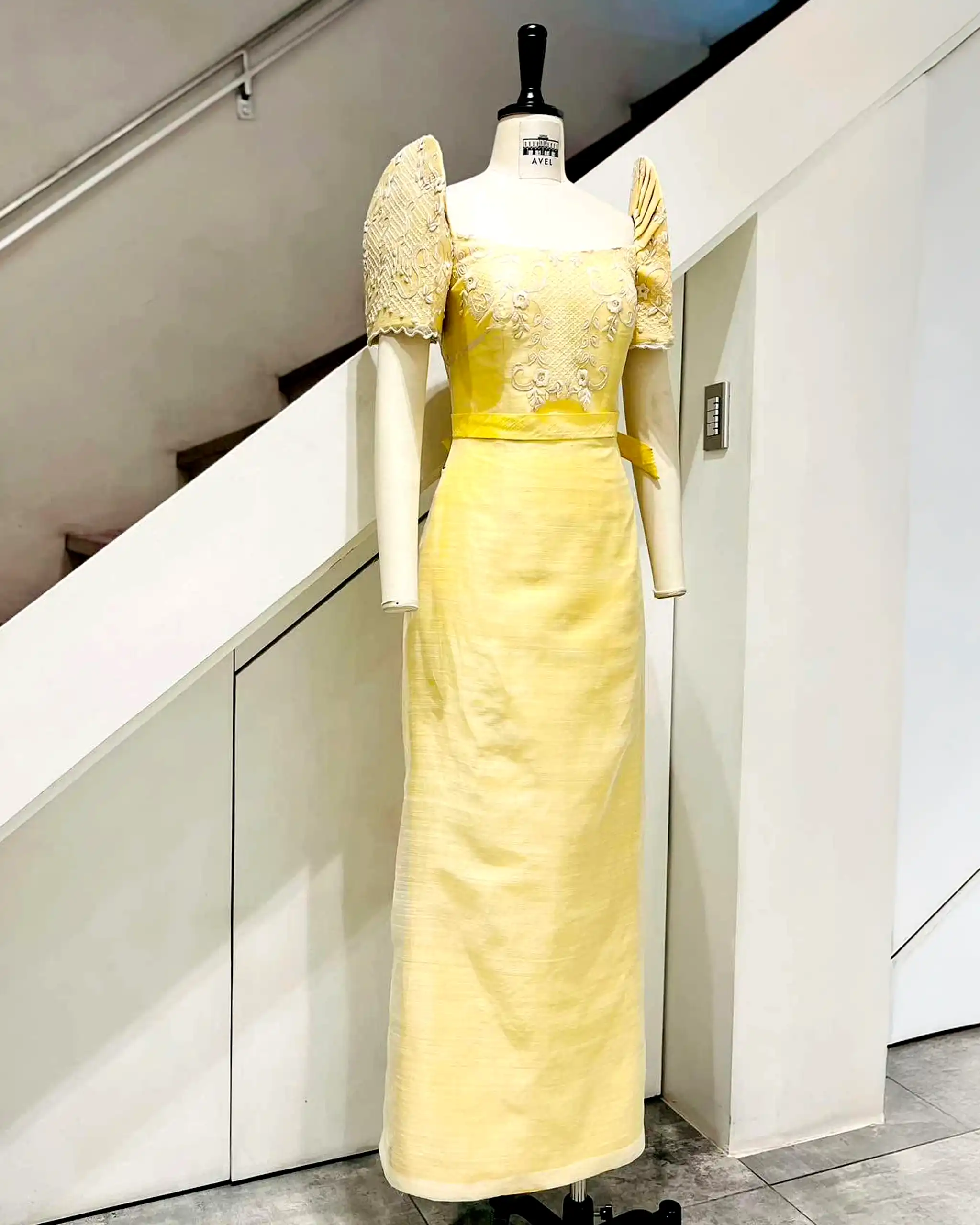
Kaye Beltran, daughter of Congressman Ferdie Beltran and a Magbubukid Partylist member, stunned in a red calado piña gown layered with abaca and Mindanao silk. Amanda Beltran, his granddaughter and fellow Partylist representative, glowed in a vibrant yellow gown made from abaca fabric and adorned with calado piña embroidery.
“Everything I’ve done for my clients, I did it for the weavers,” Bacudio emphasized.
An Ode to Weavers
With the red carpetRed CarpetThe high-profile arrival area at premieres, award ceremonies, and galas, where celebrities pose in carefully chosen fashion for photographers. Red carpet looks generate headlines, define trends, and elevate designers, andGo to Red Carpet Glossary absent from this year’s SONA, Bacudio embraced the moment to strip back the glamour and place his advocacy front and center. “The weaving industry is dying,” he stated. “And it’s about time we put the weavers in the limelight. We have forgotten about them.”
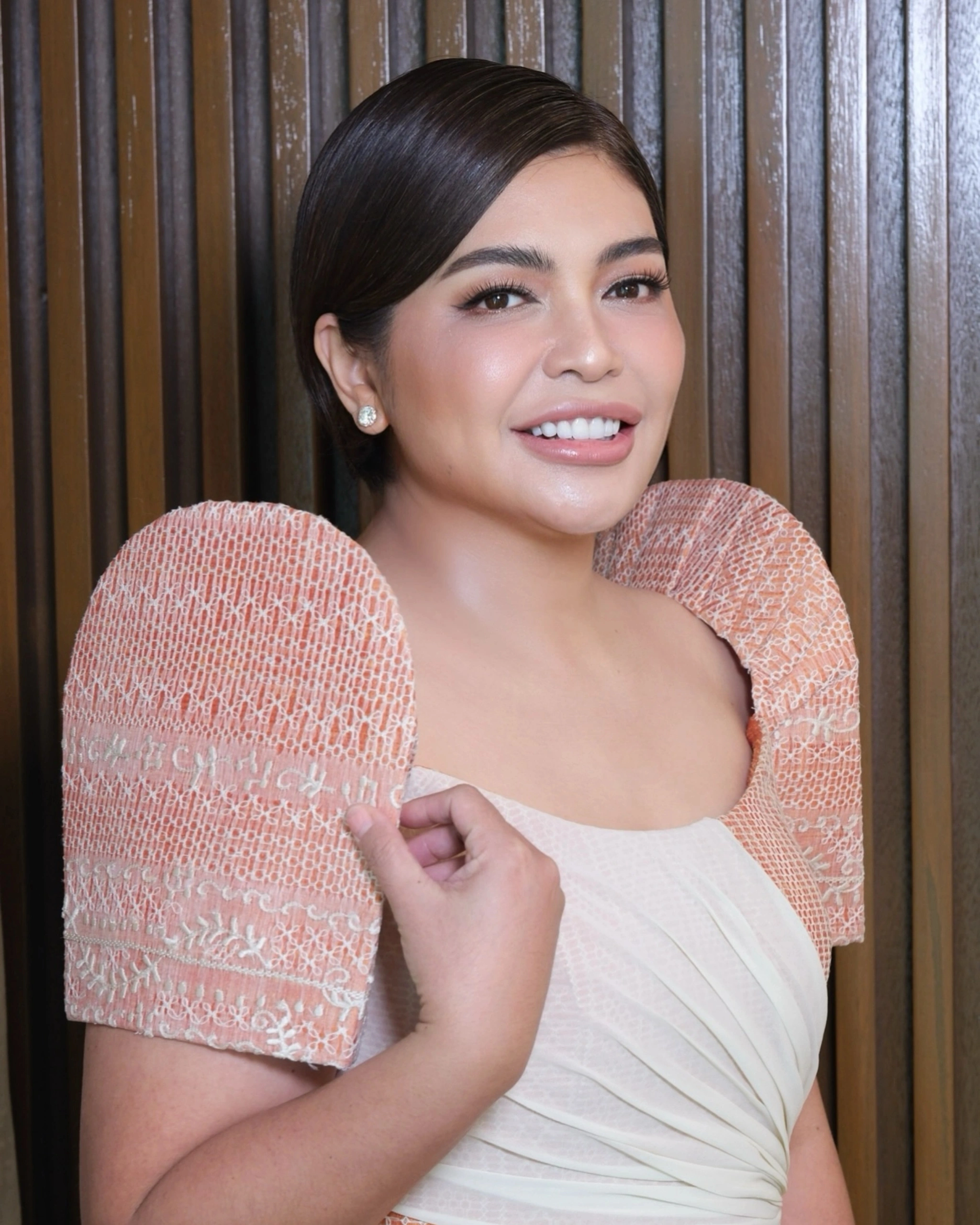
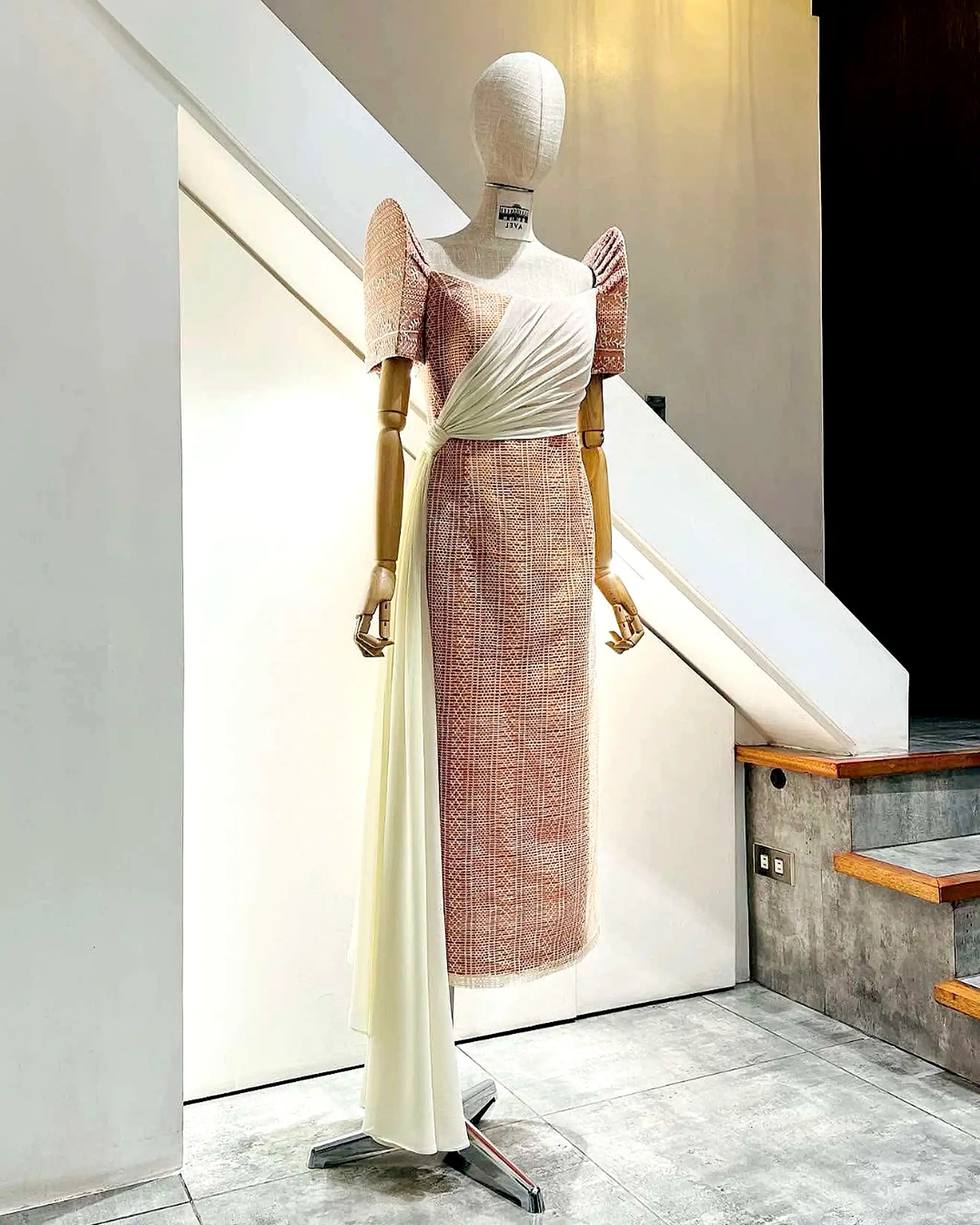
Beyond aesthetics, his work serves as an effort to preserve and uplift a fading cultural heritage. The collection, made by and for the weavers, is a call to action for both the fashion world and future generations, “These women came to me because they knew I was helping the weavers,” he shared. “And they know that my advocacy comes from the heart.”
“When a public figure steps into my shop, they should know their responsibilities—to me and to the weavers.”
– Avel Bacudio
Filipino Fashion on the Global Stage
Bacudio envisions a future where Filipino craftsmanship earns its rightful place on the world stage. From indigenous fabrics to embroidery techniques, he believes local artistry has the strength to compete globally. “How are we going to compete with the world market if we think our fabrics are too flimsy or delicate?” he challenged. “Our materials belong in the fashion capitals of the world.”
“Everywhere you go, if you don’t carry your culture and artistry, you are not Filipino.”
– Avel Bacudio
In a political event often dominated by power, Avel Bacudio turned attention to the people behind the fabric. He reminded us that fashion can both be a celebration and a protest. And that sometimes, the most powerful thing you can wear is your culture.
Featured Image and Photos: MARIAH SANTOS (via Facebook), AVEL BACUDIO