



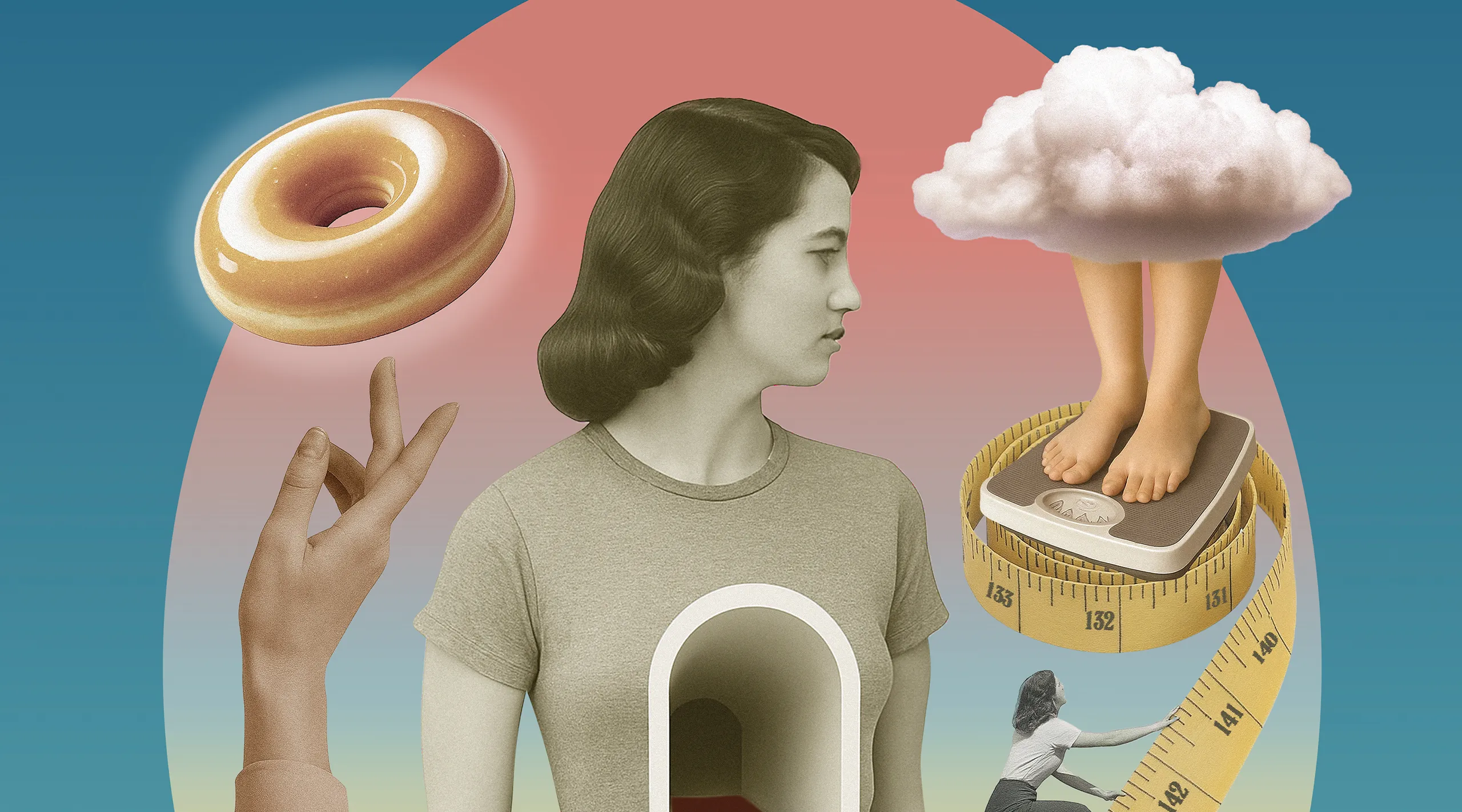
This is an excerpt from July 2025 Beauty Op-Ed
Between my 20s and 30s, my hormones staged a quiet rebellion—that is how I gained 100 pounds. Some moons ago, my endocrinologist told me I qualify for Ozempic, a once-weekly injectable prescription medication for managing type 2 diabetes, with a famous side effect: weight loss. If I didn’t have a fear of needles, as well as cynicism about this drug, I would have said yes right away. My trypanophobia bought me some time, and with it, a lot of contemplation.
RELATED: Mothering as a State of Being
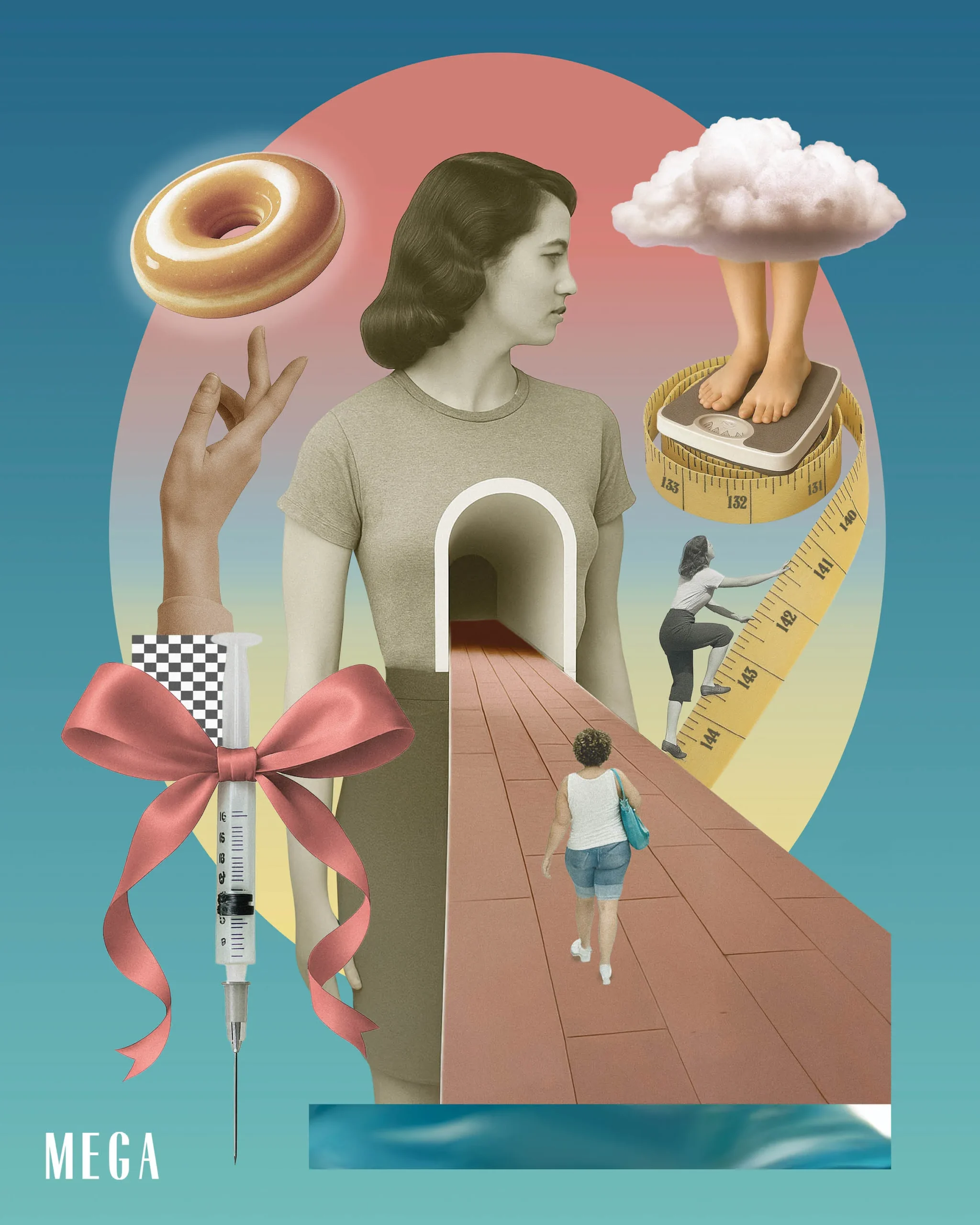
Ozempic, a brand name for semaglutide, works by mimicking a hormone called GLP-1, which helps regulate blood sugar, slows digestion, and reduces appetite. For people with diabetes, it’s a game-changer in managing glucose levels and reducing cardiovascular risks.
For celebrities, influencers, and even tech moguls using it on off-label use, it’s a miracle drug. With its famous side effect of weight loss, it suddenly became more than just a prescription drug—it was a cultural moment.
Suddenly, shortages hit pharmacies. People with diabetes—those for whom Ozempic was literally life-saving—found it harder to access. This created a painful irony: the very people it was designed for were being pushed aside in the name of vanity.
It’s a story of science, society, and self-image.
The Ozempic phenomenon didn’t rise in a vacuum: it found fertile ground in a culture already obsessed with thinness. The idea of “fixing” our bodies through pharmaceuticals feels like the natural evolution of decades of dieting fads. It’s not just medical—it’s deeply personal.
In my lifetime, I’ve been skinny and fat. Society has always preferred the former. Still, I remember being 86 pounds and still thinking my arms were fat: I was in high school and on the after-six diet, and slathering anti-cellulite lotion on my arms and legs every day. I surmise that other teenagers followed similar unhealthy rituals to be skinny.
In my 20s, I fell into clinical depression. Burnt out from work, I began to gain weight—one of the many signs, I later learned, that depression can show up in the body. When you feel dead inside, survival becomes the only goal. As I slowly started to heal, I also began to love myself more. Fortunately or unfortunately, that included not killing myself—pun not intended—to reach a certain weight.
But to others, my nonchalance about my weight somehow meant I had “let myself go”. How ironic, because deep inside, I was, on the contrary, simply embracing myself in the weight I was in. I wasn’t letting myself go, I was loving myself! But that’s not how the rest of the world sees post-depression bodies. Imagine clawing your way out of the darkest place you’ve ever been—where getting out of bed felt like moving mountains, where food had no taste, and sleep brought no rest—only for someone to casually say, “Uy, tumaba ka! [Hey, you got fat!]”
As I aged, I also had a slew of other medical conditions that compounded my weight gain, including PCOS and hypothyroidism. Not only is it a mental challenge to lose weight—it is also a hormonal impossibility.
When my endocrinologist floated Ozempic, what immediately came to mind was: Am I desperate to lose weight? Does saying yes to Ozempic mean betraying all the years I spent learning to love this body?
Read more about Pola’s take on body positivity in the age of Ozempicfin MEGA’s July 2025 issue, now available on Readly, Magzter, Press Reader and Zinio.
Art: SOFIA COPE