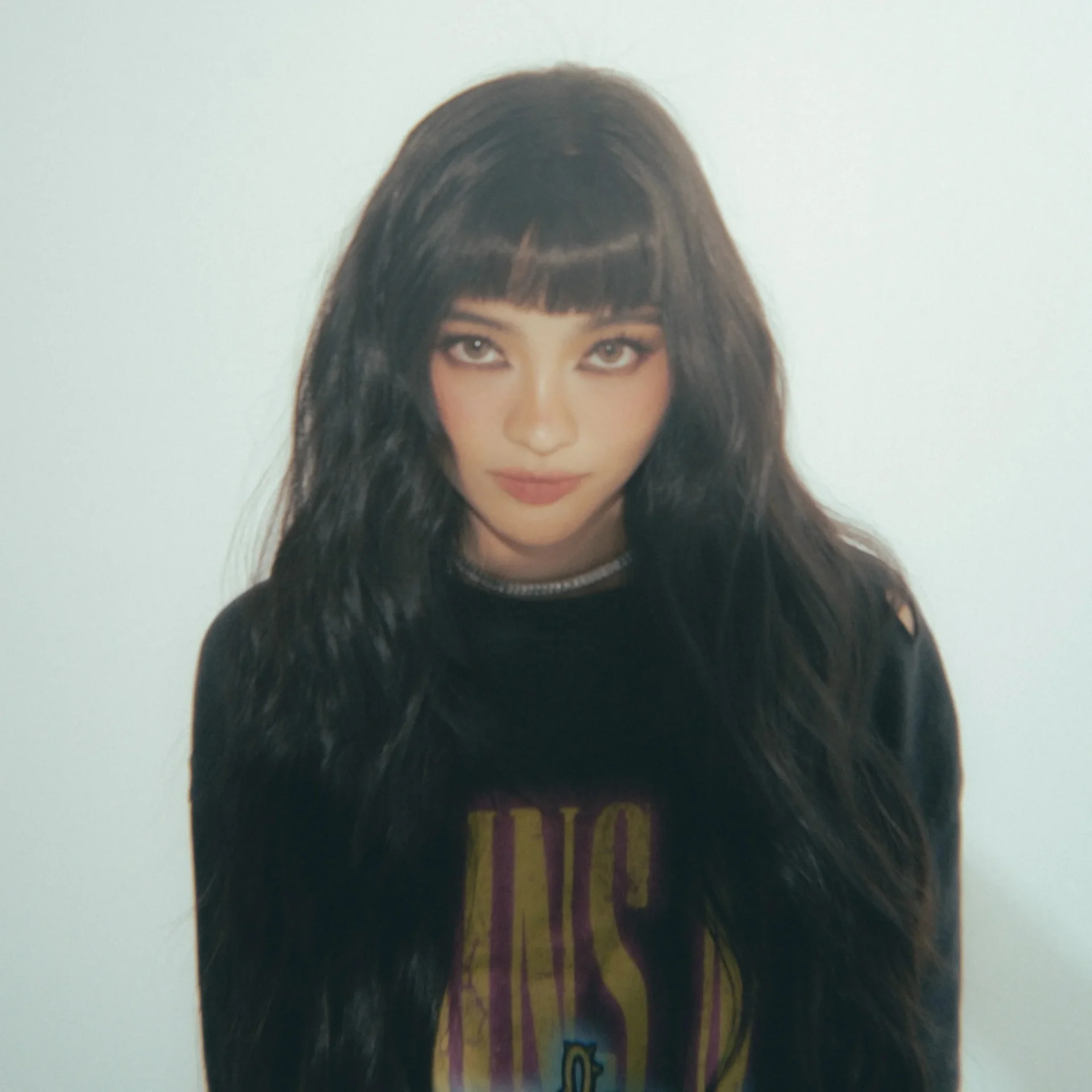




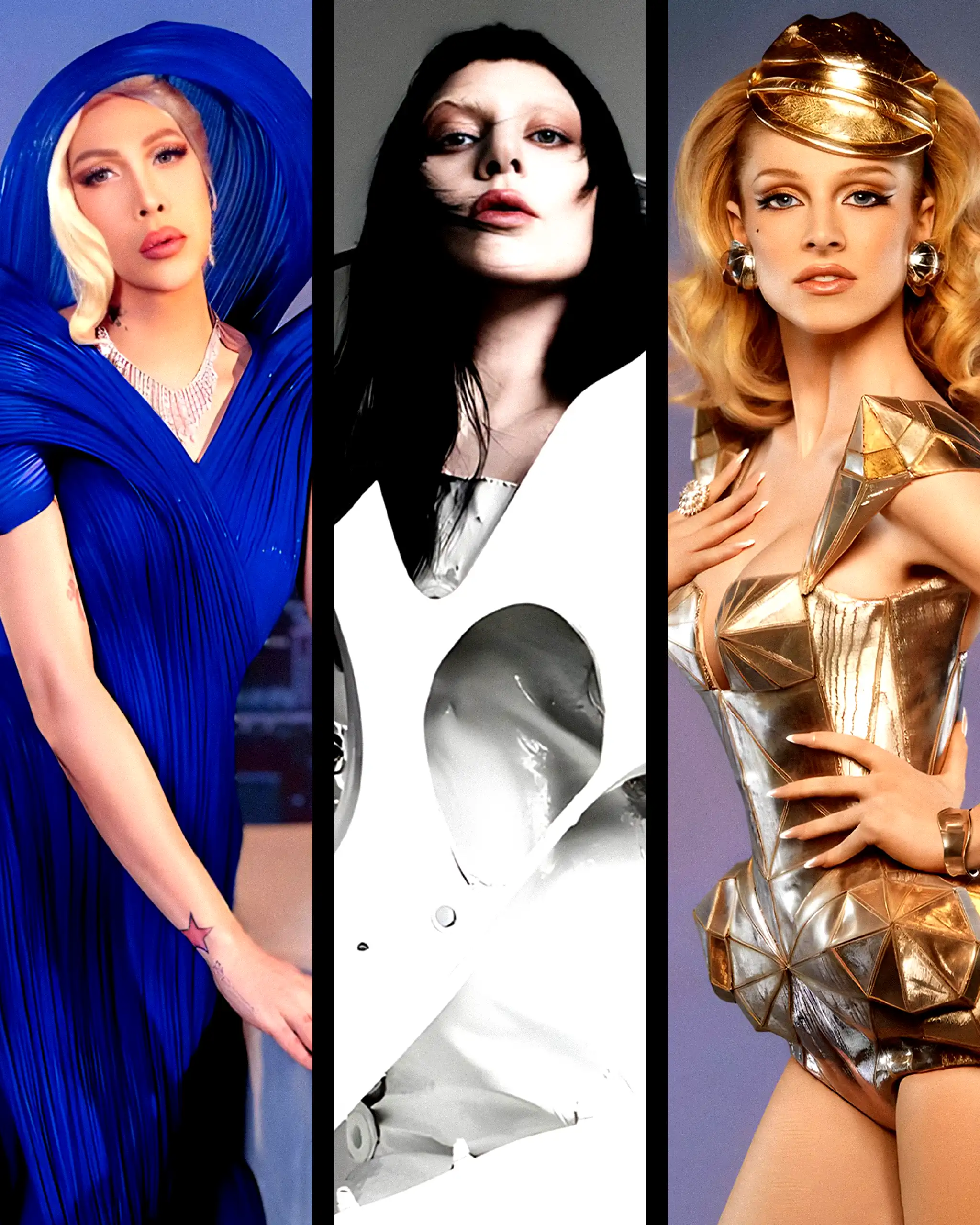
The closet is usually spoken about like it’s only a space of silence and shame. But sometimes, it’s also where we discover ourselves—slowly, privately, and in layers. It pays to spend enough time there. Sure, some of us were hiding, waiting for the right time to come out—but in that space, we were also discovering our personal taste, quietly exploring our queer identities through fashion. The closet is a dressing room, after all—a space not just to try on clothes but versions of ourselves.
RELATED: EXCLUSIVE: How Three Gen Zs Built The Sunny Side Club For the Queer Community
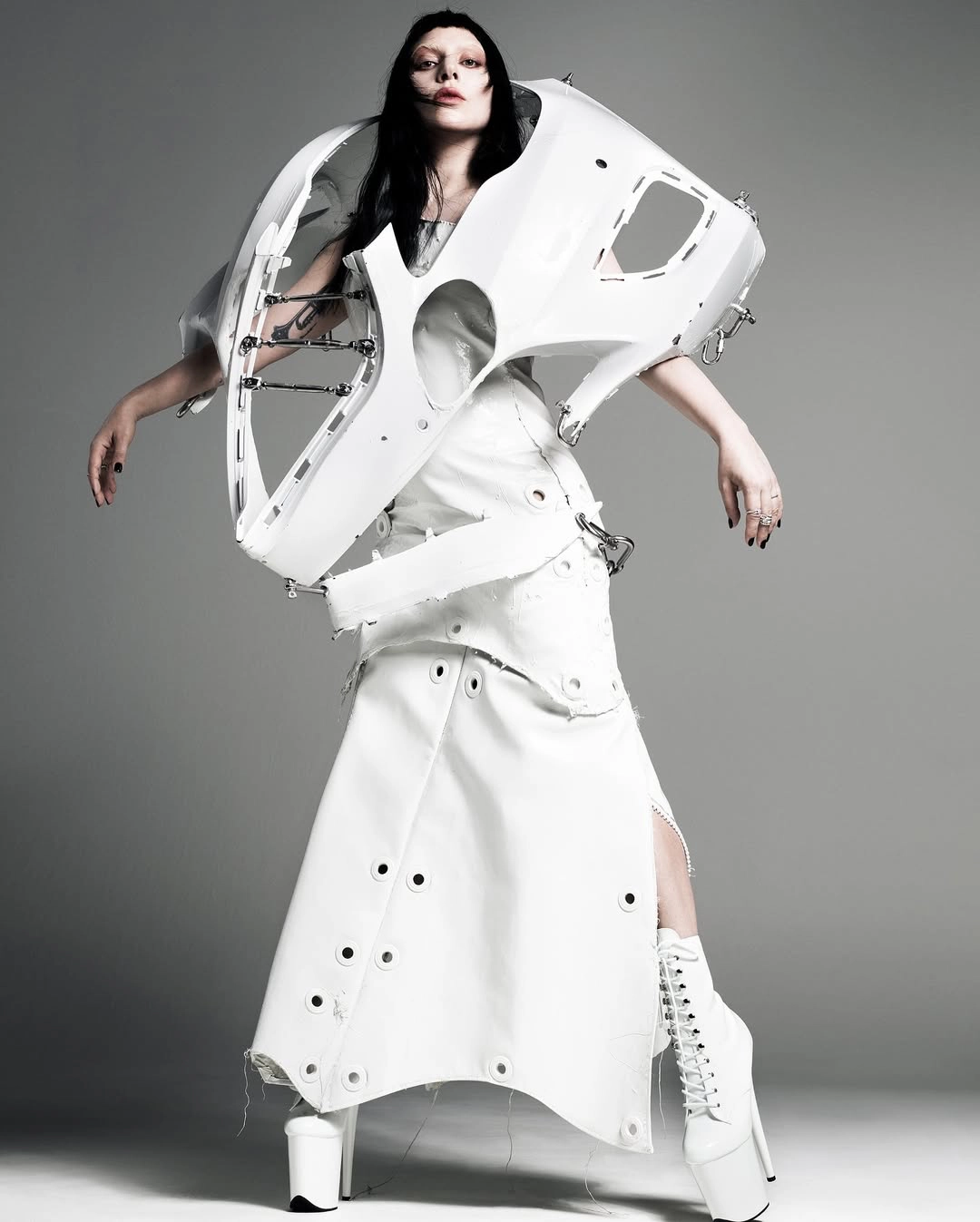
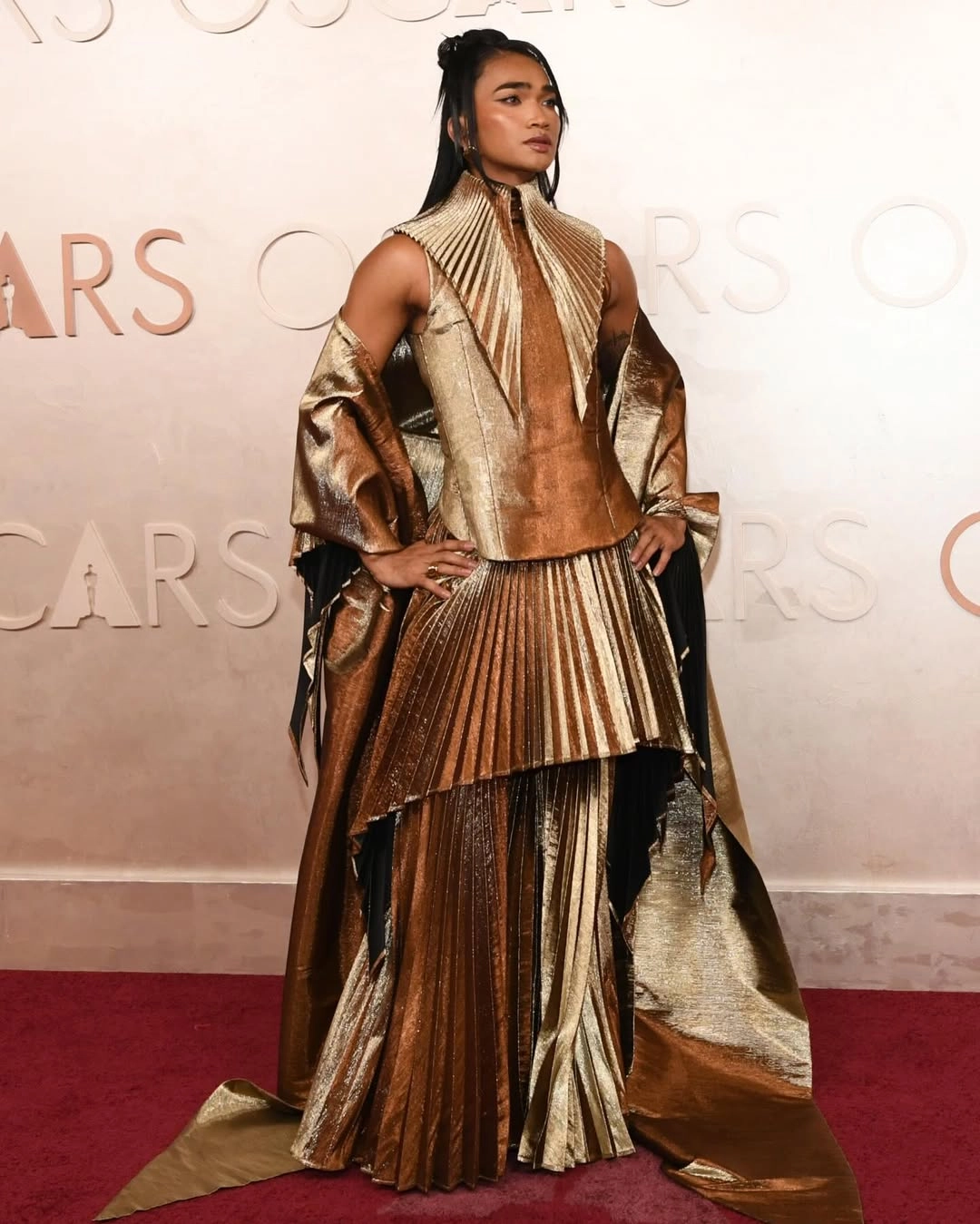
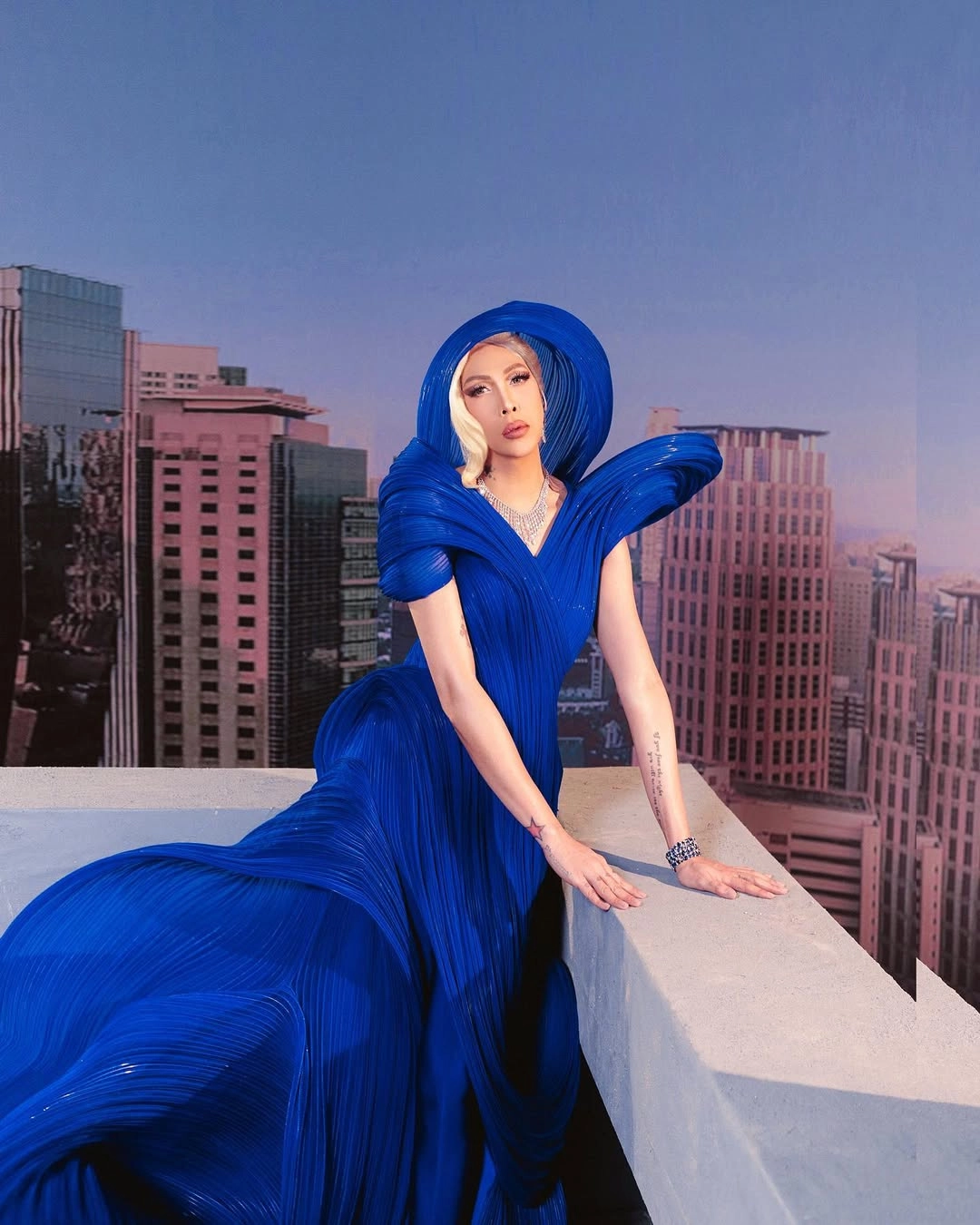
Fashion has always been the medium for expression, and it’s no exception to the queer community. With our urge to disrupt and rebel, we communicate with what we wear: layers upon layers of clashing textures, physics-defying silhouettes, accessories that scream louder than voices, shoes that start conversations. They became forms of silent rebellion and coded identity, understood best by fellow queers.
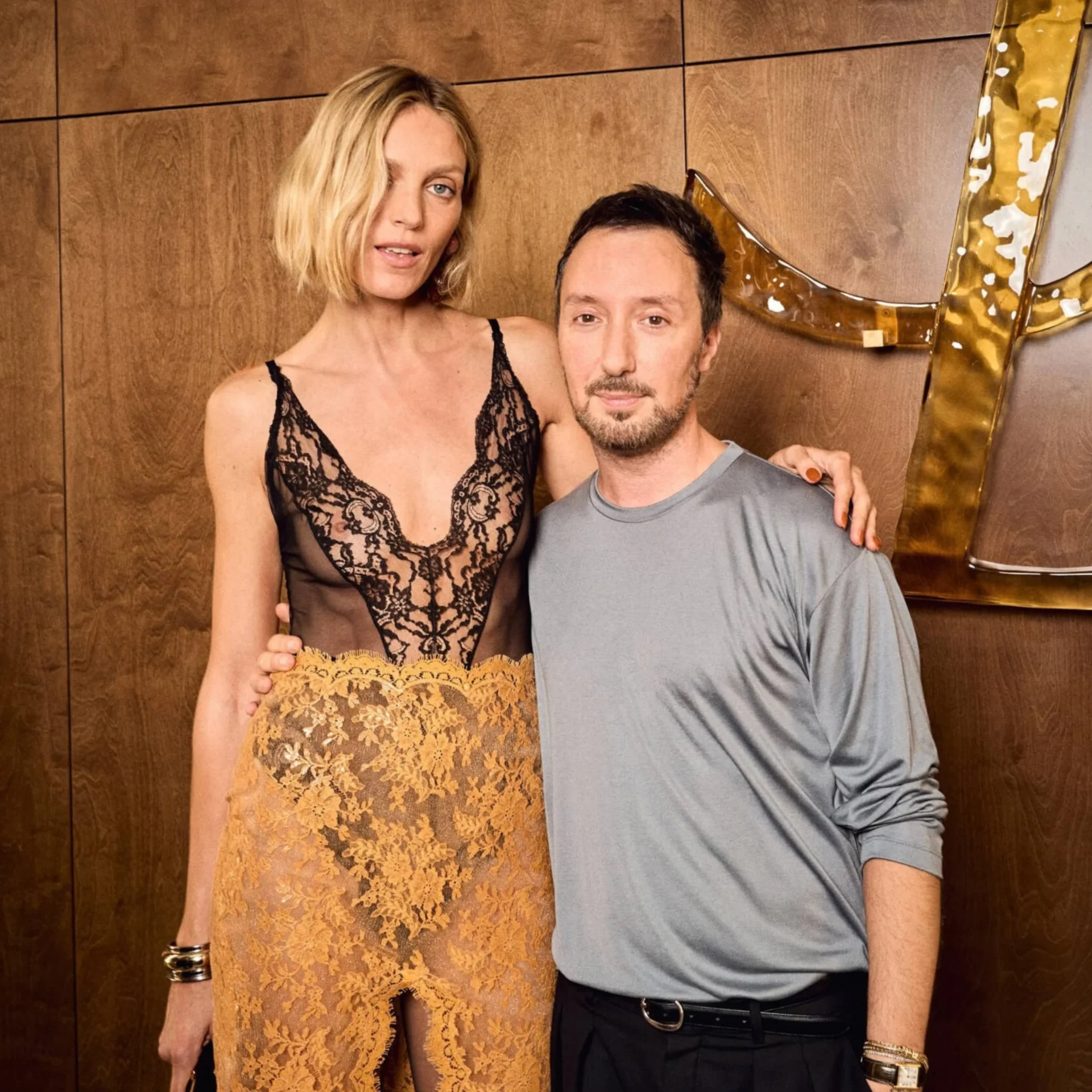
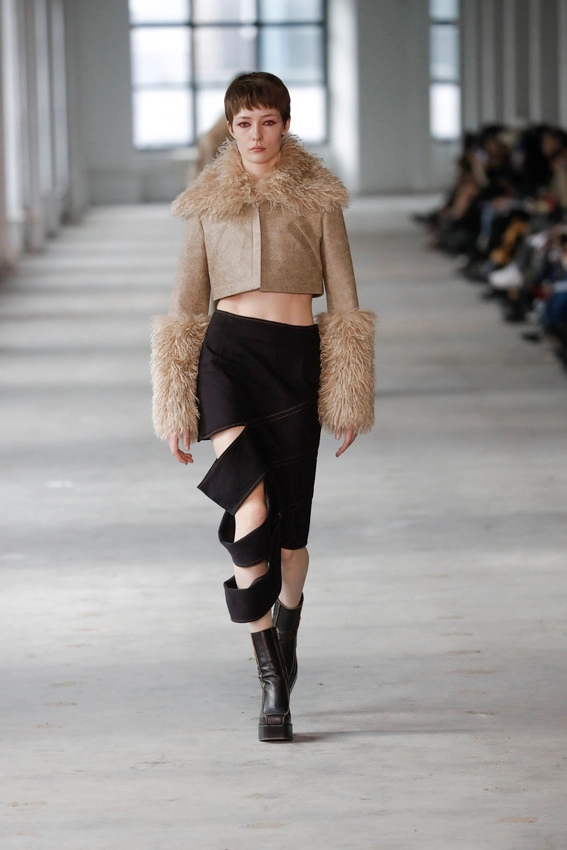
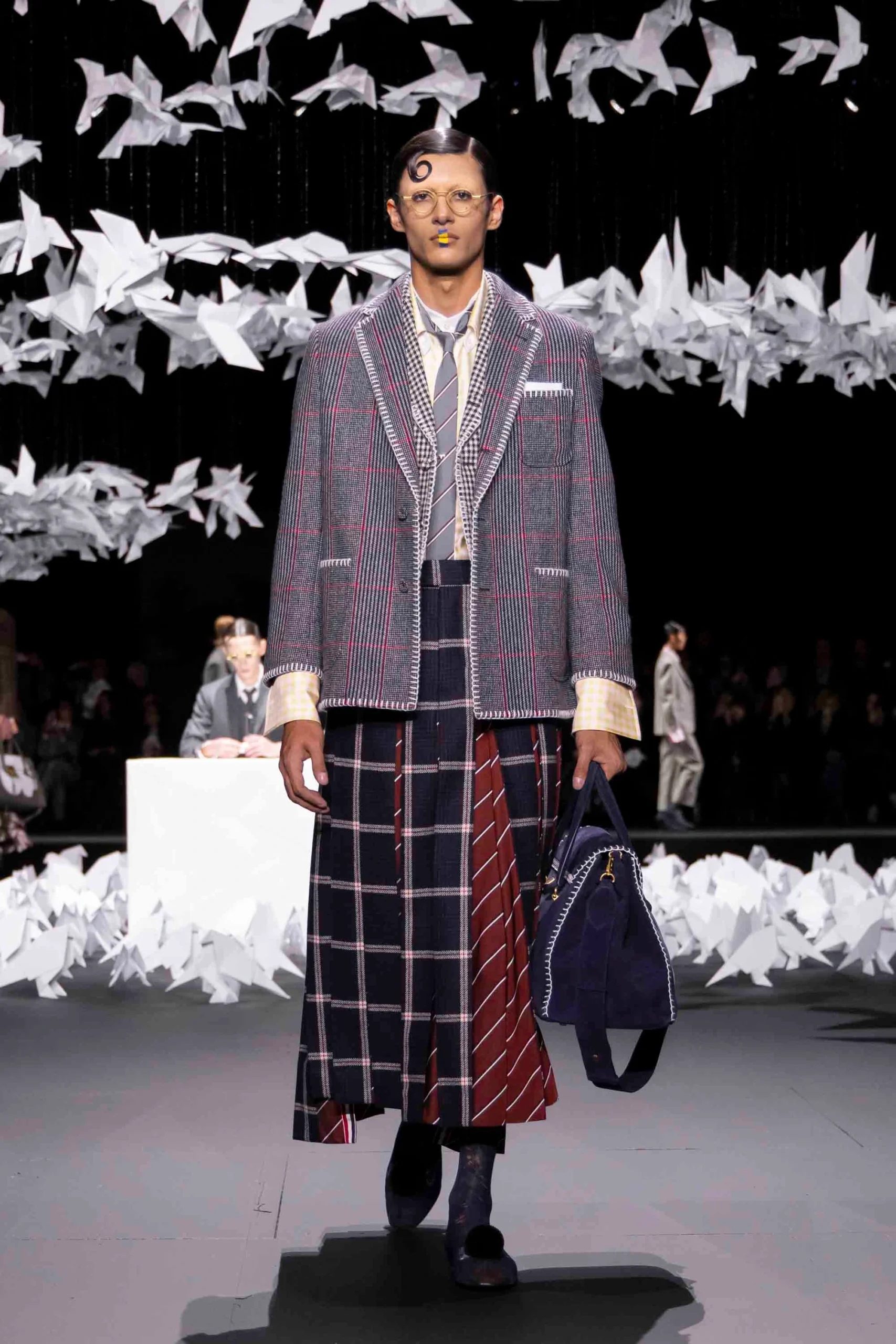
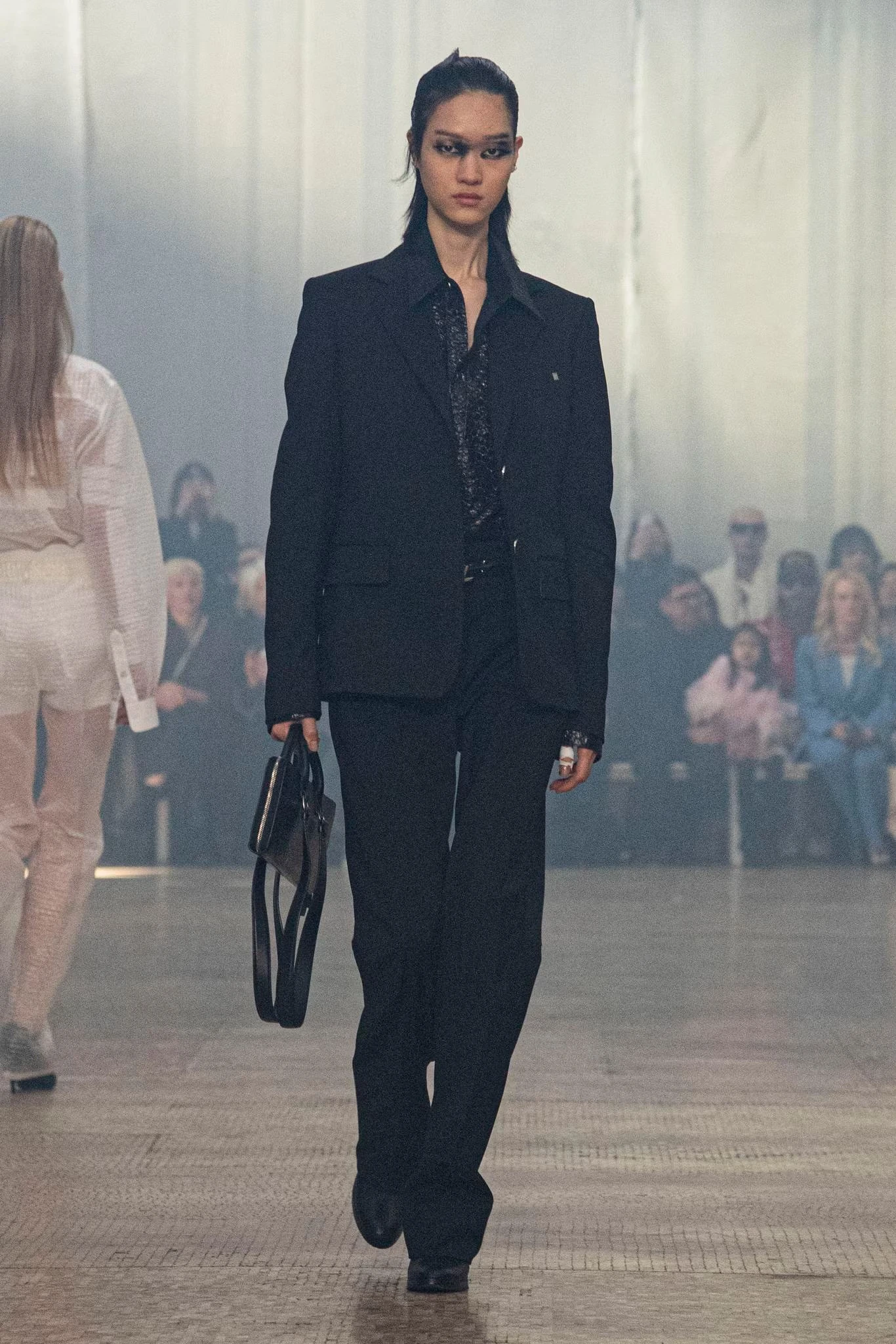
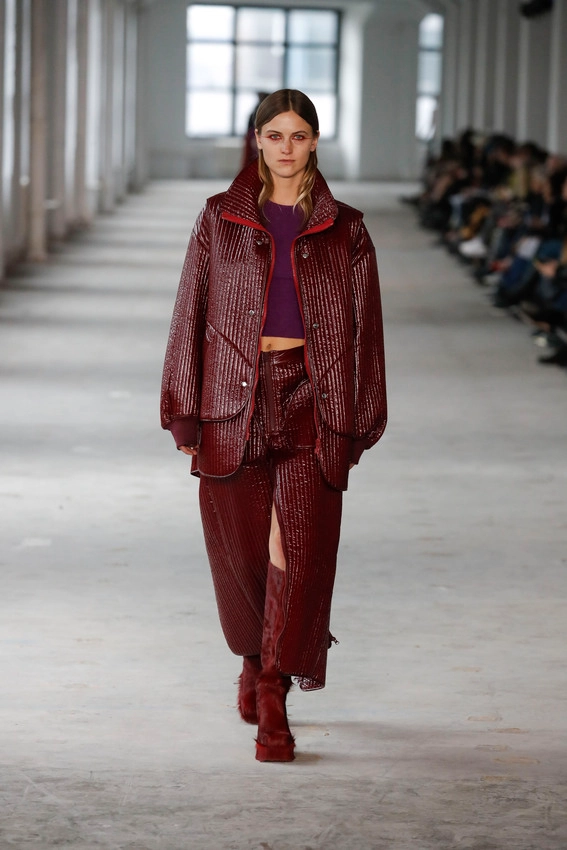
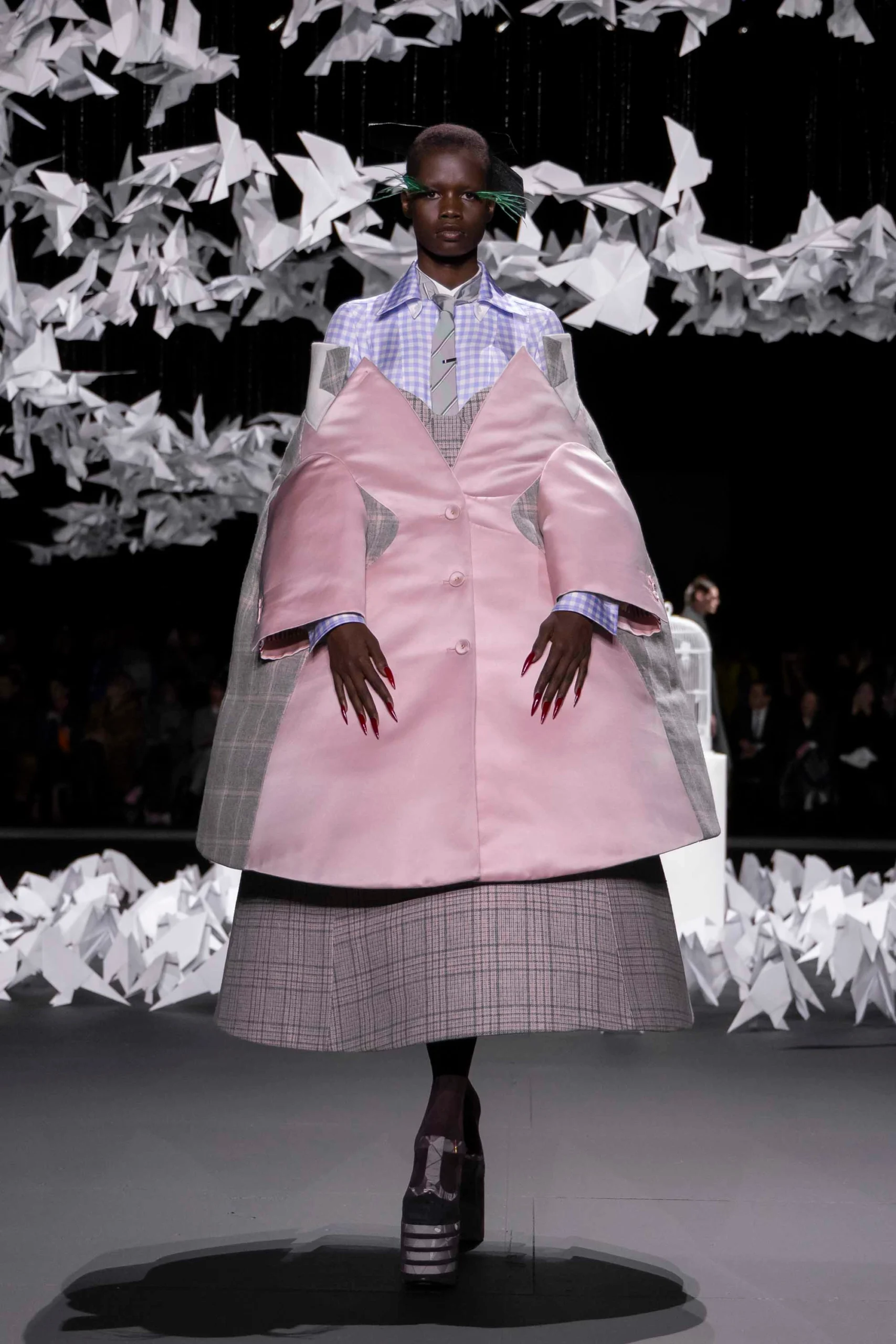
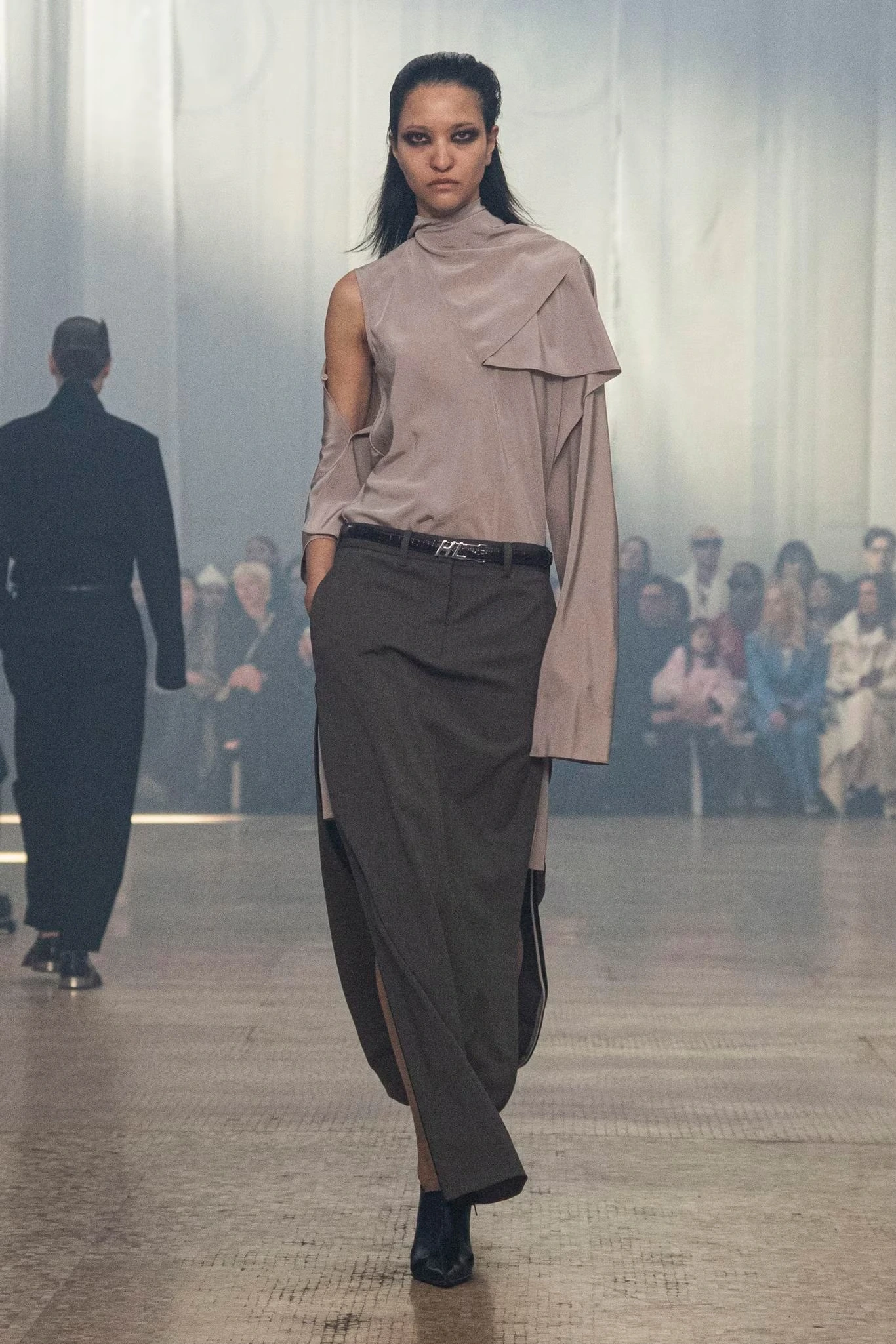
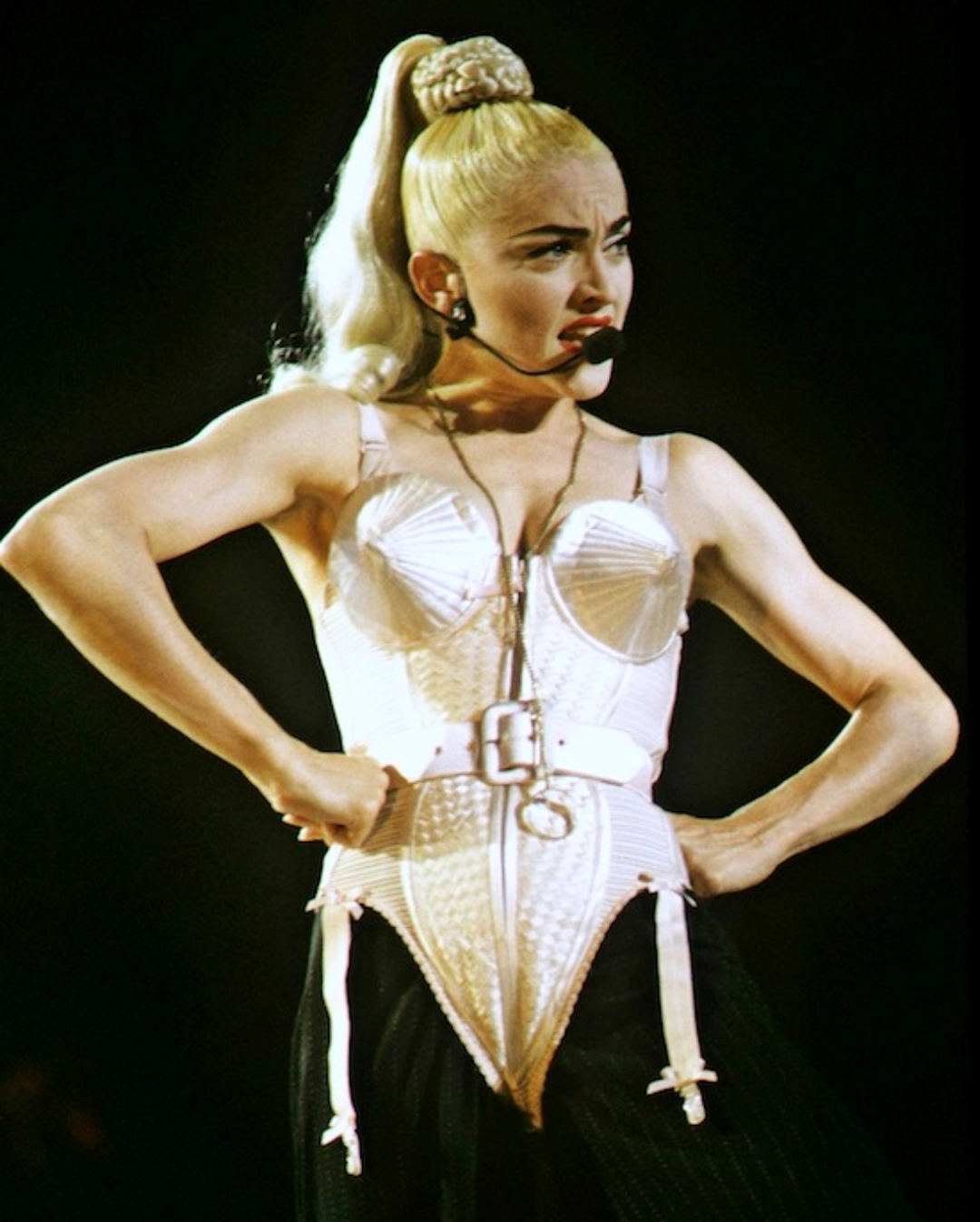
Queer expression has always had a place in the biggest stages, even when they weren’t openly called queer yet. Thierry Mugler, for example, cast drag queens and transwomen alongside supermodels in his runway shows, cementing the French designer as one of the first to champion diversity in his shows. Madonna galvanized queer icon status thanks to Jean Paul Gaultier, who designed her Blond Ambition tour outfits. Today, designers such as Eckhaus Latta, Helmut Lang, and Thom Browne are blurring the lines of menswear and womenswear, opting to show fully unisex collections altogether.
These moments not only shape trends but also affirm the validity of self-expression in all its forms.
Self-Realization—Just Like Style—Is a Lifelong, Non-Linear Process
“How do you identify?” strangers would ask. “Queer,” I’d always answer. It was the only word that felt right, the only one that fit into the puzzle piece of my identity. I learned I was bisexual at 17, and that I didn’t fully identify as a woman at 22—not entirely a woman, but not a man either. Not in a strictly non-binary way, but somewhere in the blurred line—the gradient between the two.
Working at MEGA, fashion is a must, but not in ways I entirely expected. Maybe it’s the queerness in me, or maybe it’s because I had never really been in a space where queer fashion was normalized—but it was in this very office where I first felt like I could dress as queer as I wanted to be. And instead of being questioned, I was praised and celebrated for it.
They say gender and sexuality are fluid, a spectrum, a multi-dimensional space—but no one tells you there’s a timeline. No one said you had to figure it out by a certain age or at a specific stage in your life.
Self-realization is a lifelong, non-linear process. Queerness can surface at any moment: when you get your first crush at 15, fall for a colleague at 25, feel the euphoria of binding your chest at 30, or realize you’d rather raise a child with a woman in your 40s. For me, it came when I yearned for a relationship with women, with queer people, after years of being with men.
There’s no such thing as a right time—only the right feeling.
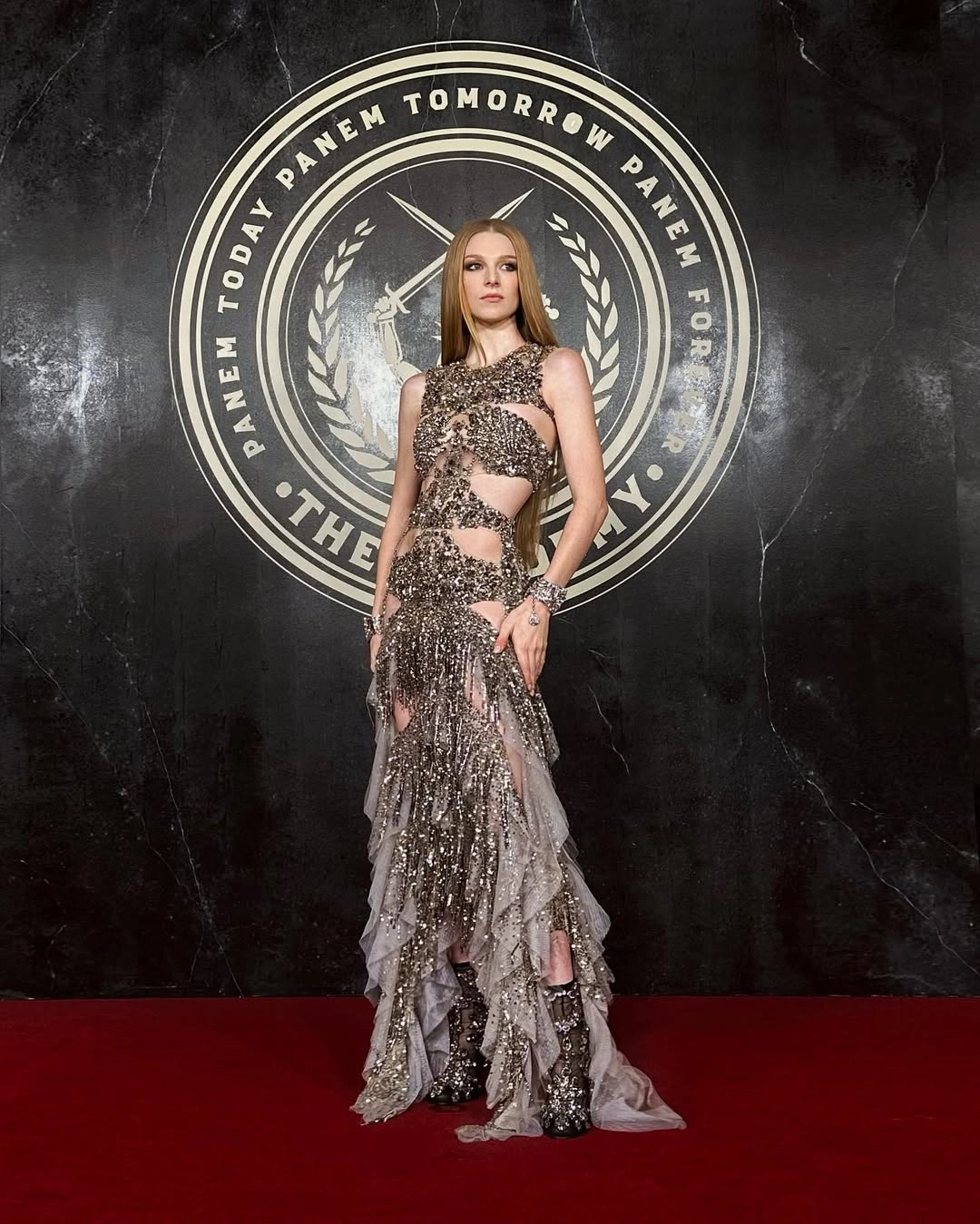
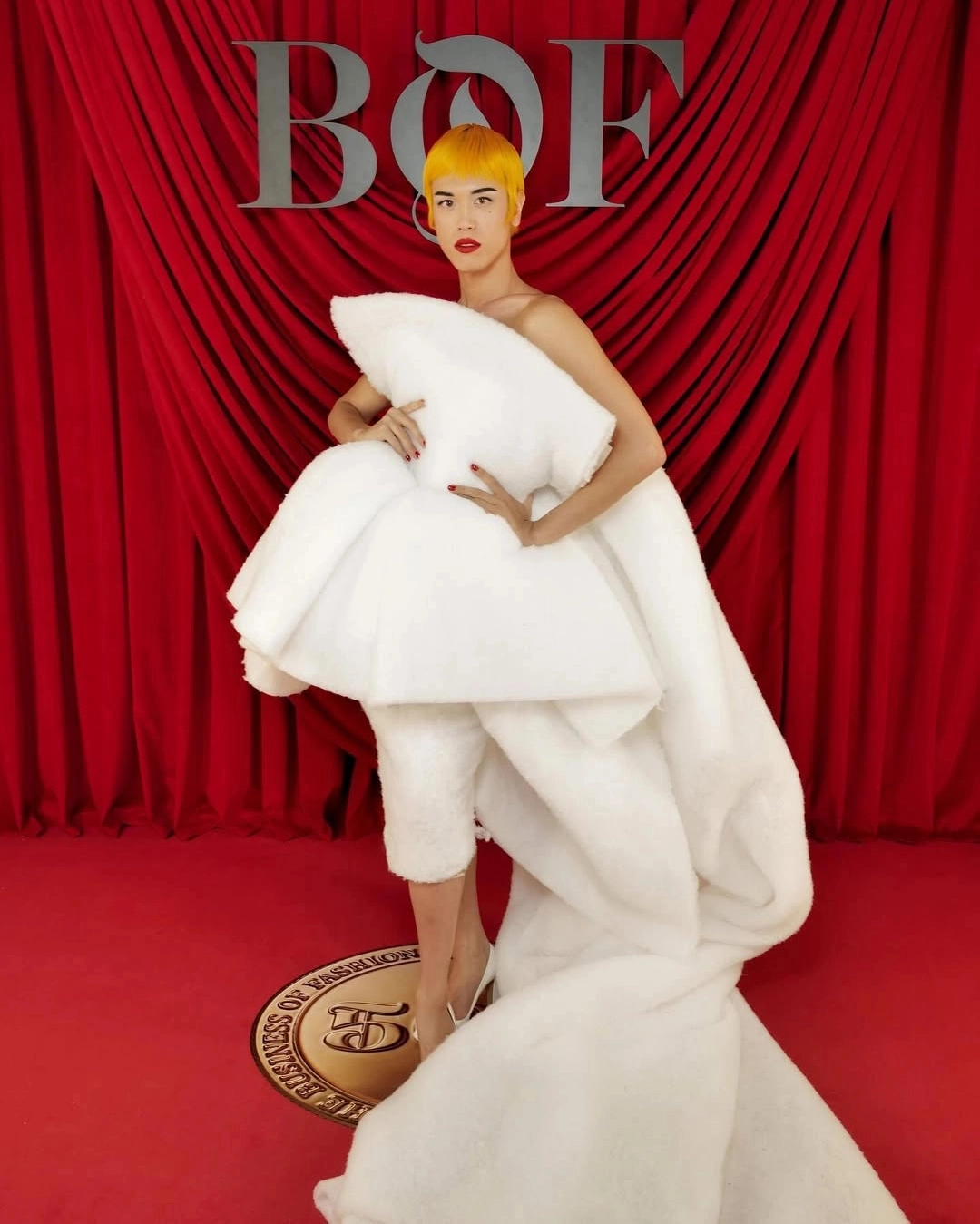
Even before coming out, clothes often hint at who we are becoming—the lesbian’s first flannel shirt, the gay man’s obsession for colors, the transwoman’s first freeing moment in her mother’s dress and pearls. Mine was when I always preferred jeans over skirts and dresses growing up. It felt like armor, and for the first time, I felt like me, protected, understood, even if only by myself.
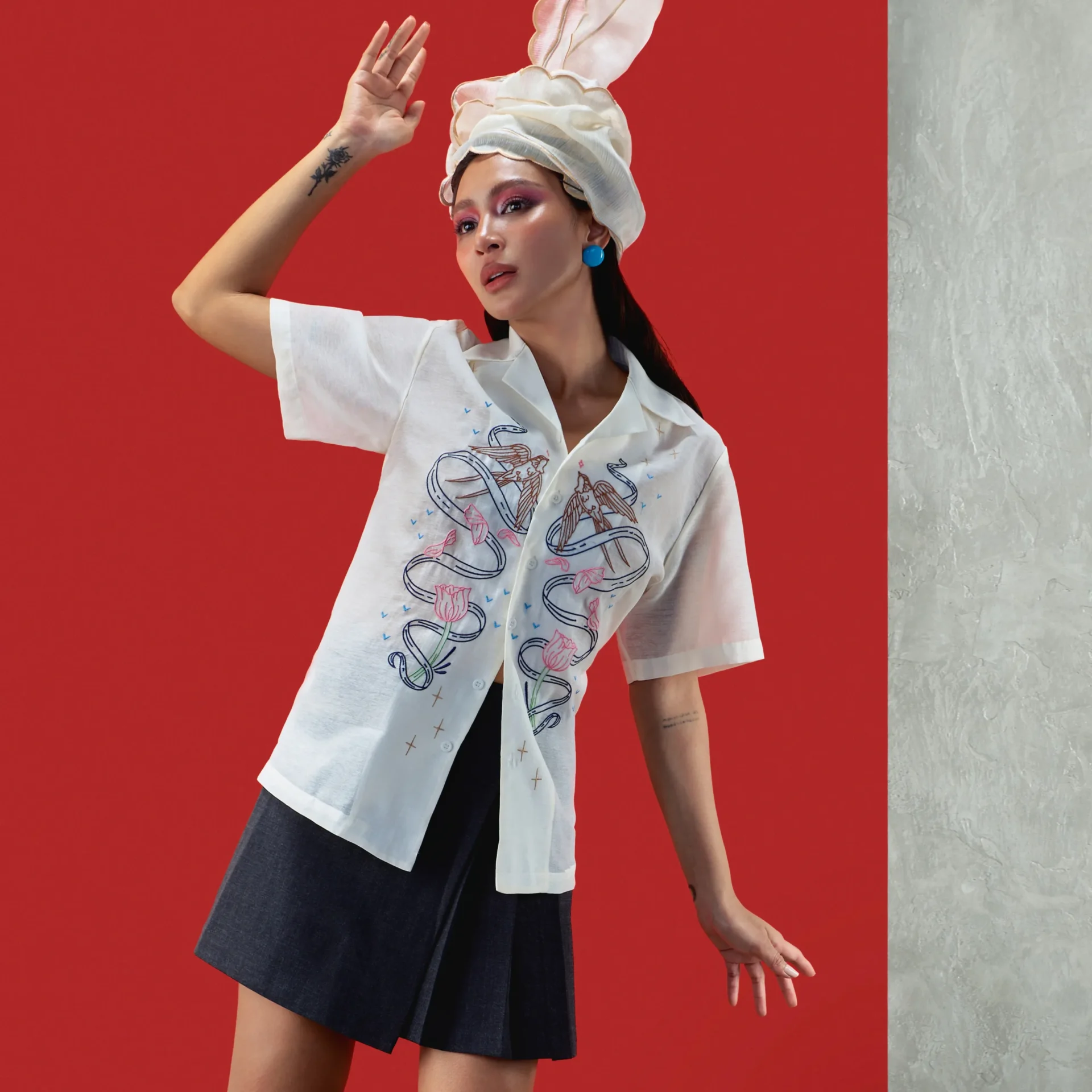
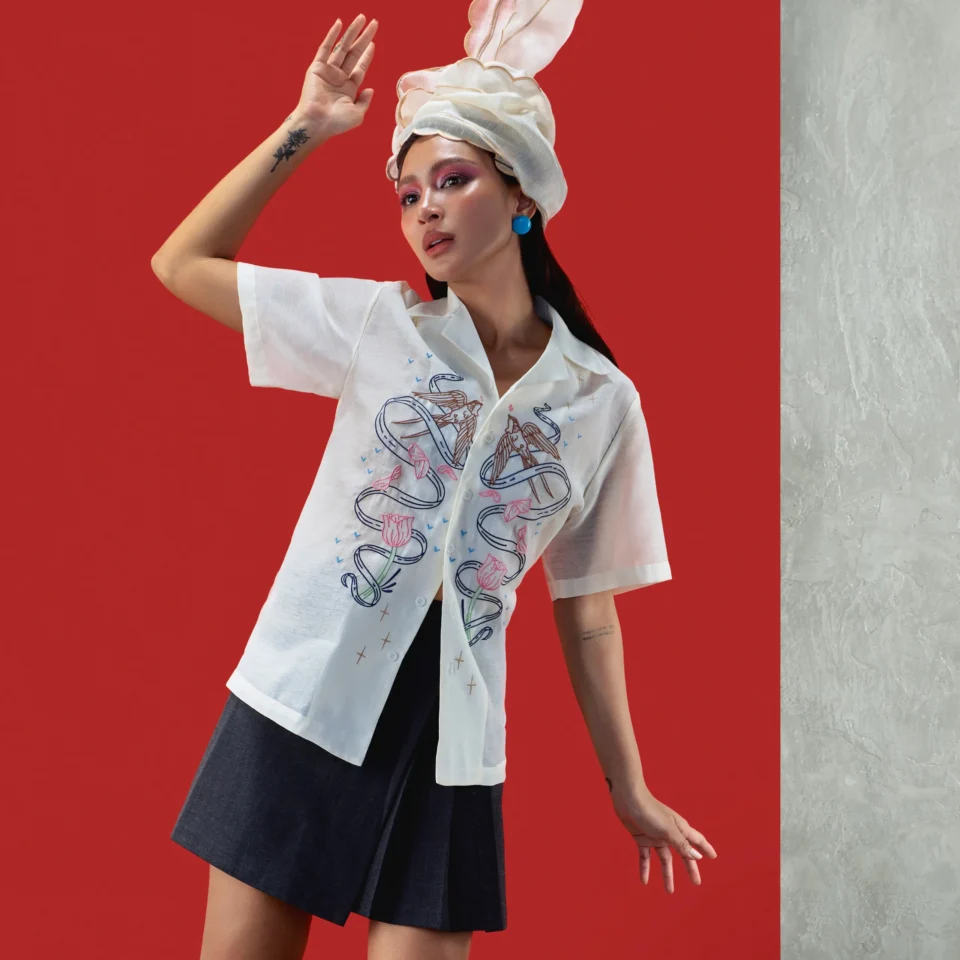
And over time, those loud, experimental outfits gave language to the identity that was quietly brewing inside. My take on queer dressing? I would say leaning towards androgynous, with a hint of femininity, a dash of maximalist, and very much inspired by Asian streetwearStreetwearCasual fashion rooted in skate, hip-hop, and youth culture, defined by graphic tees, hoodies, sneakers, and limited-edition drops. Once an underground movement, streetwear now shapes luxury fashion through collaborations betweenGo to Streetwear Glossary. A mix of social media sensation Bretman Rock, experimental fashion and beauty influencer Pat Cortez, thrift baddie Joshua Cruz, and maximalist queen Benulus. Depending on my mood, I could go from Japanese-inspired, maximalist outfits one day, and go all-black, moto boho baddie the next.
The Closet Opens—And So Does Joy
Some find comfort in the clothes of the opposite sex. Men’s shirts and jackets that conceal curves, women’s dresses that accentuate legs, or brassieres that affirm transwomen’s yearning truths. And many see clothes as they are. Not men’s, not women’s, but neutral, stitched-together material, confusing outsiders about gender and pronouns. Personally, I thrive in the in-between. Once, my friends called me “poganda” —a fusion of pogi (handsome) and maganda (beautiful) in Filipino—and I carried that compliment like a badge of honor.
Coming out is often framed as the most climactic moment in a queer person’s life—but it’s really just the beginning. It’s what comes after that makes the journey beautiful: experimenting with your style, finding your chosen family, unlearning internalized shame, and savoring those small, private moments of euphoria.
Queer joy exists after the big coming out moment: in your first pride march, in the moments where you have chosen your queer family, in your first gender-affirming clothing. True queer joy often manifests in wearing what feels euphoric, not what feels expected. The first time I went to a sapphic party, I felt like I belonged, like I had finally found a community that could completely understand me.
And so I hope that, whenever you feel ready, you take the time to discover yourself, your personal style, and the ways you want to express your truth.
And if you’re still in the closet choosing what to wear, if you’re not ready, you don’t have to rush. Whether you choose to come out later or never at all, there will be a community waiting for you. Lesbians, gays, bisexuals, trans people, queers—they’ll be right outside, arms open, ready to celebrate you when you are. Your moment is yours alone. Your timeline, your coming out, your quiet choices, and every beautiful, defiant step you take after—it’s all sacred.
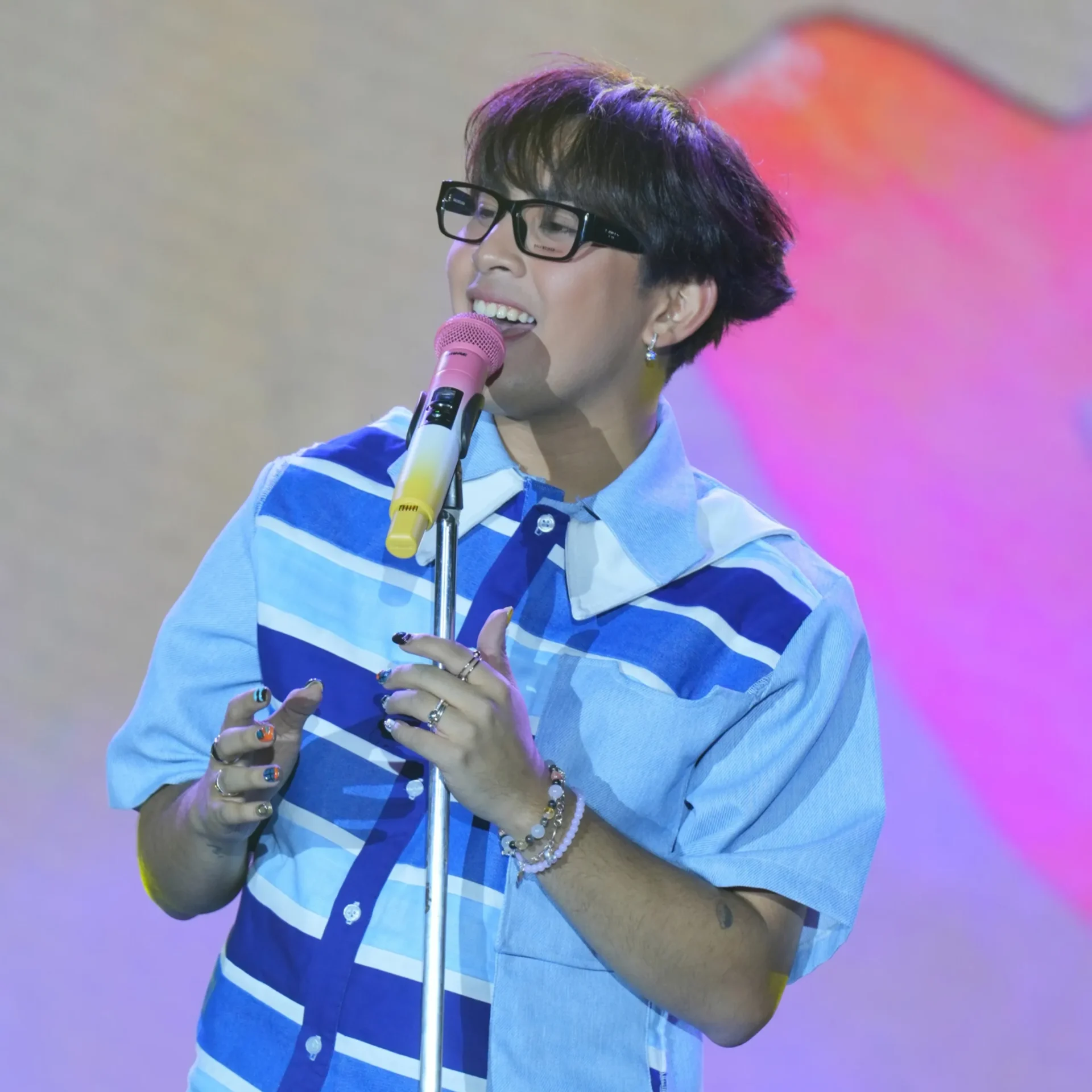
Featured Image and Photos: TODAY IN MADONNA HISTORY, HELMUT LANG, FIRST VIEW, THOM BROWNE (via Website), LADY GAGA, HUNTER SCHAFER, MARINA SUMMERS, VICE GANDA, BRETMAN ROCK, DARA ALLEN (via Instagram)
Recommended Video
Latest Posts
Latest Issue