



Ask anyone with good hair, and oiling is in the routine. It revives dull strands, protects against heat, tames flyaways, and brings the ever-chased fantasy of fast growth. And it works… until it doesn’t, because here’s what most routines don’t tell you: what if the same oil that makes your hair glow is making it go?
RELATED: Undereye Treatments That Solve What Concealer and Eye Creams Can’t
Why We Oil
Hair oiling is one of the oldest tricks in the book. It smoothens frizz, adds shine, softens strands, and helps your scalp feel more balanced. It’s a go-to for anyone dealing with dryness or aiming for hair growth.
It’s also easy. You don’t need a full routine or ten steps. Just warm it up, apply, massage, and you’re good. It’s why it’s stayed in so many people’s routines for years. However…
Not All Hair Oils Are Good
We love to believe that if it feels good, it must be good. That the satisfying post-oil softness is all the proof we need. After all, oils have occlusive powers and small molecules, making them feel like the scalp’s obsession and the ends’ best friend.
But texture can be deceiving.

Lavender oil is often praised for calming the scalp and encouraging hair growth. But what feels soothing at first can later cause irritation and dryness, which leads to hair loss, shortening the growth (anagen) phase, and pushing hair prematurely into the shedding (telogen) phase.
There’s also tea tree oil, which is usually a fix-it-all: antibacterial, antifungal, and great for flaky scalps. But when it’s too strong or not diluted enough, it can dry out the scalp, throwing its natural oil balance off and also leading to hair loss.
Lastly, peppermint oil, which many love for its “tingling” stimulant. The cool, minty buzz makes it feel like something’s working. But for some, that stimulation borders on harsh. It can cause redness, irritation, or exacerbate underlying scalp sensitivity.
The Oils That Work
So, what helps? Look for gentler, scalp-safe oils that are known to support growth and protect strands.
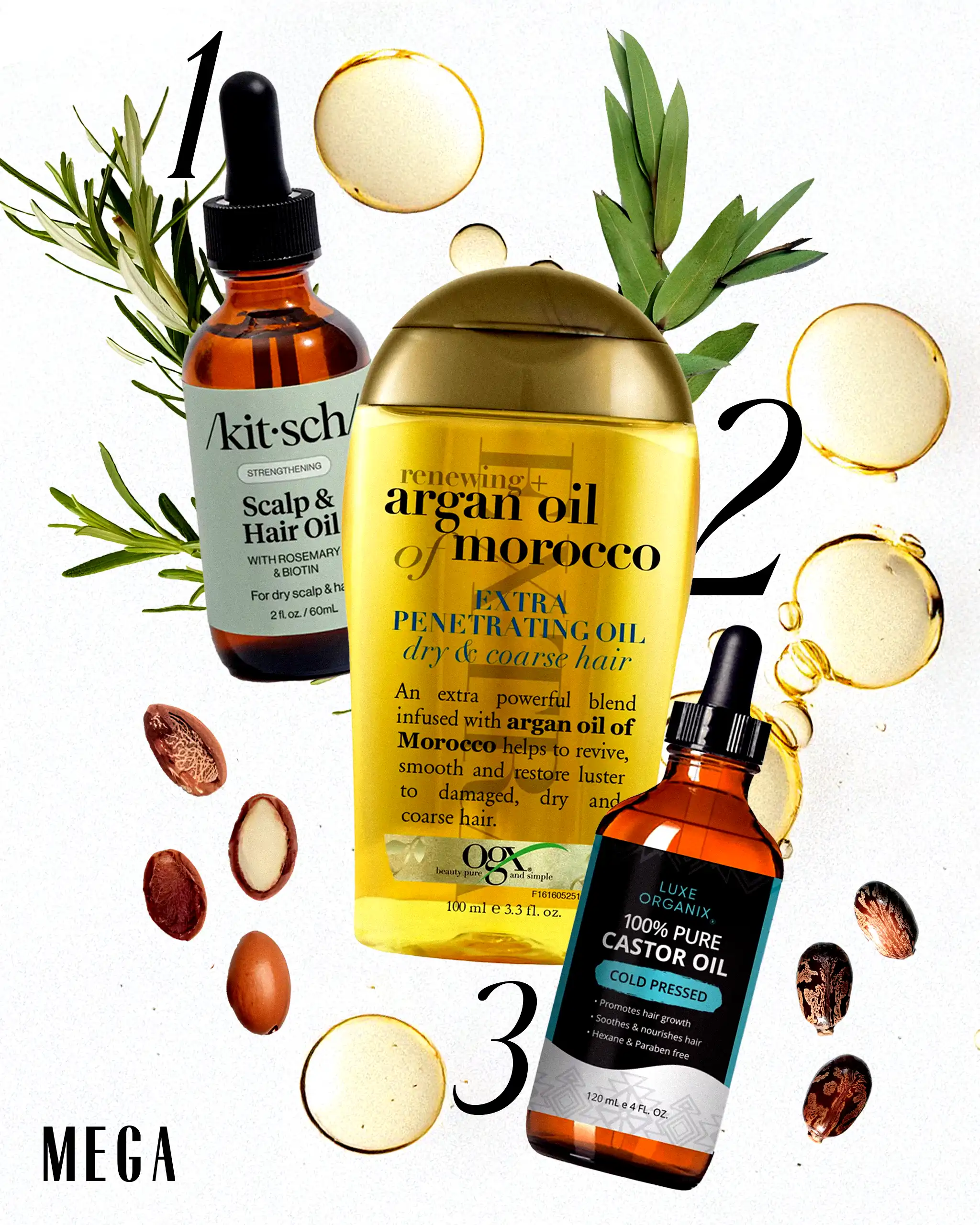
With consistent use, rosemary oil brings promising results. A recent study found it performed as effectively as 2% minoxidil (a popular over-the-counter medicine) in increasing hair count after six months—with fewer side effects.
There’s also castor oil for stronger strands. It’s so trusted, people smear it on lashes and brows religiously. Its fatty acid profile supports scalp hydration, too.
Then comes the liquid gold: argan oil. This helps reduce protein loss during washing and shields strands from heat damage, making it a common ingredient in your heat protectants and styling products.
Soft Isn’t Always Safe
We use hair oil for shine, strength, and strand survival. But texture can lie, and buzzwords like “natural” or “therapeutic” don’t mean harmless. In hair care, “active” can sometimes mean overactive, and too much of it can do the opposite of what you’re hoping for.
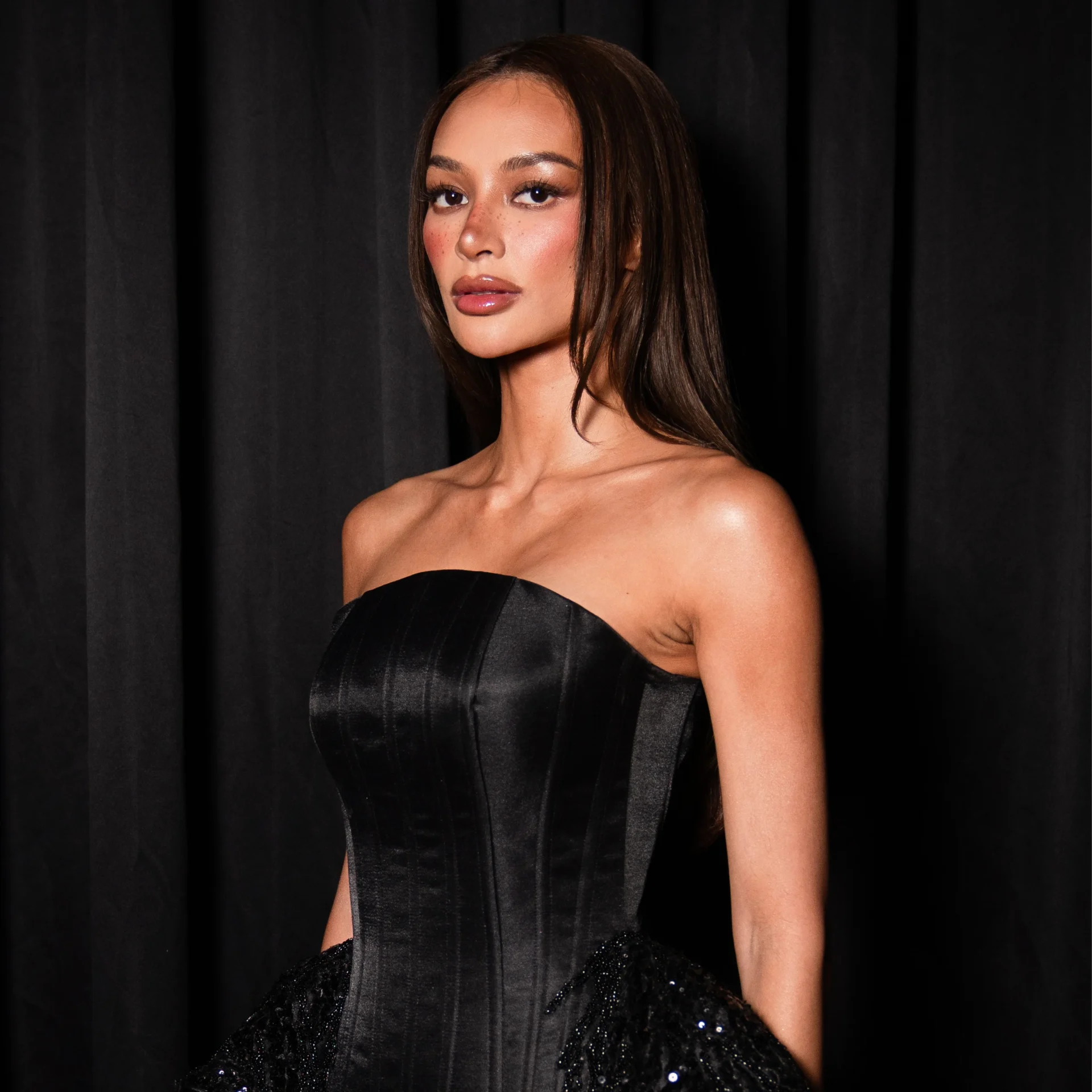
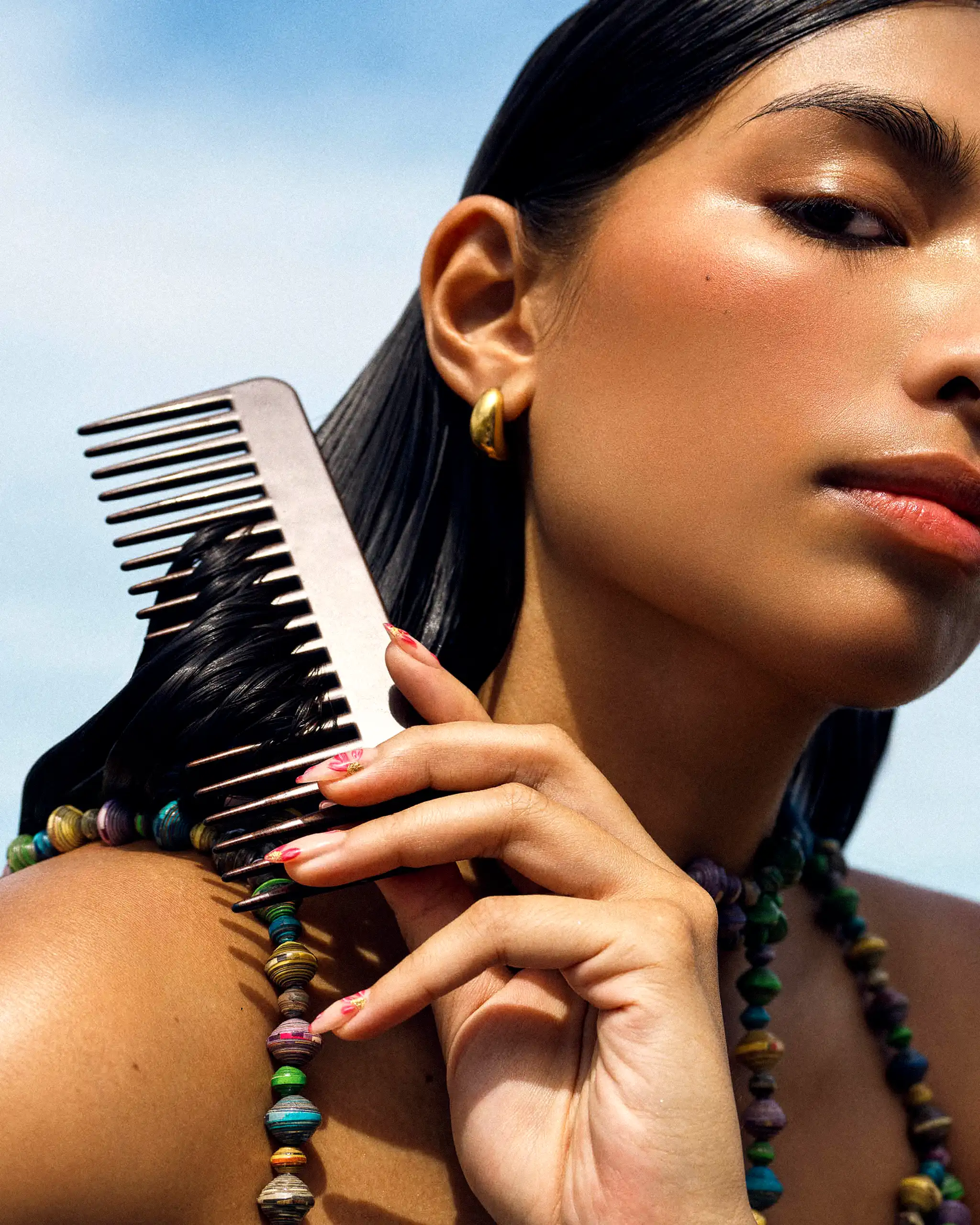
Featured Image: Photographed by JOSH TOLENTINO
Photos: MEGA ARCHIVES
Recommended Video
Latest Posts



Latest Issue