



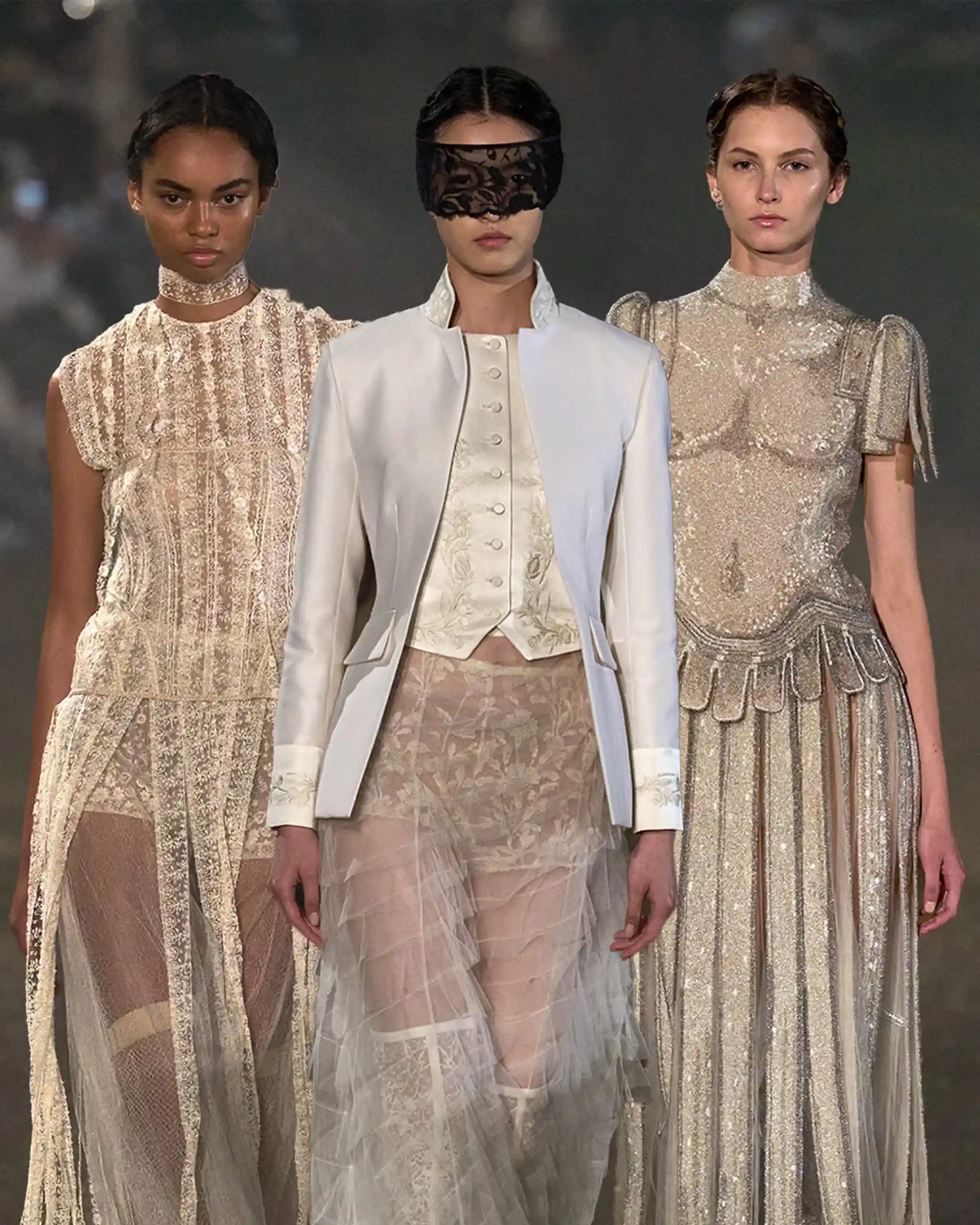
Is Dior ready for its close-up? Against the sprawl of Rome’s Villa Albani Torlonia—and cloaked in a cinematic fog thick enough to blur fact from fiction—the show played like a Fellini dream: indulgent, enigmatic, and slightly haunted. Maria Grazia Chiuri has long favored romance, but this time, it played out like a full-length feature, complete with costume drama, plot twists, and a ghost or two. With satin masks, sheer gowns, and a palette lifted straight out of celluloid—white, black, crimson, and gold—the final collection of Chiuri developed the glamour and the surrealism of Italian cinema.
RELATED: Catch the Dior Cruise 2026 Livestream Here
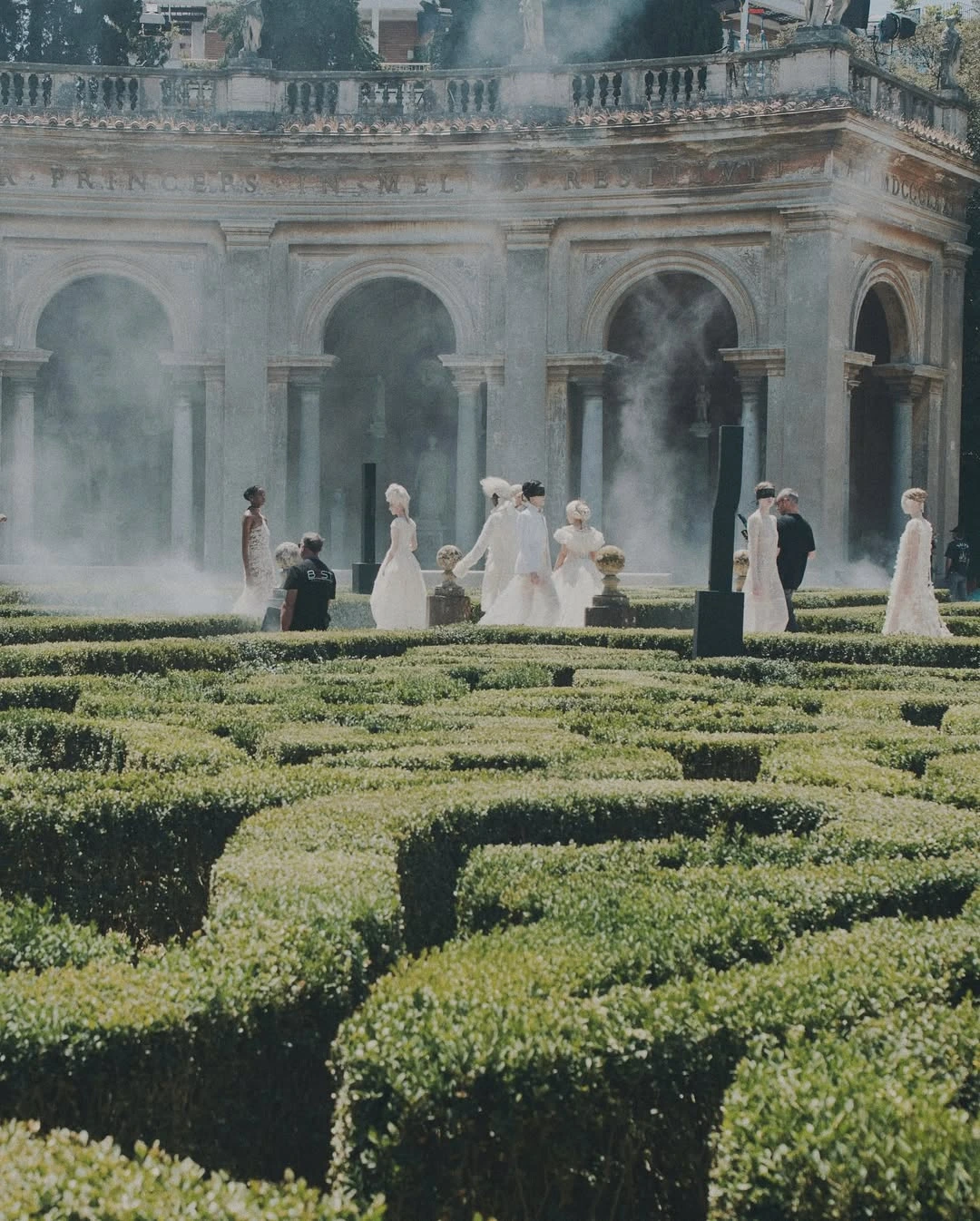
The timing itself was a narrative device. By showing ahead of July’s haute couture season—the Cruise 2026 collection offers both ready-to-wear and couture creations—Chiuri threw the fashion calendar into a bit of bella confusione. The move may have been executive, strategic, or straight from the cutting-room floor—but like the best films, it leaves interpretation up to the viewer.
The black satin masks, however, is a knowing nod to Kim Jones’ final collection for Dior Men, now recontextualized in Chiuri’s hands. Could this be a sign, a plot twist, an endgame flourish for a house under renovation?
In retrospect, this collection stands as a fitting finale for Dior’s first female creative director—a woman who redefined femininity on the runway and remains one of the few leading female voices in the industry.
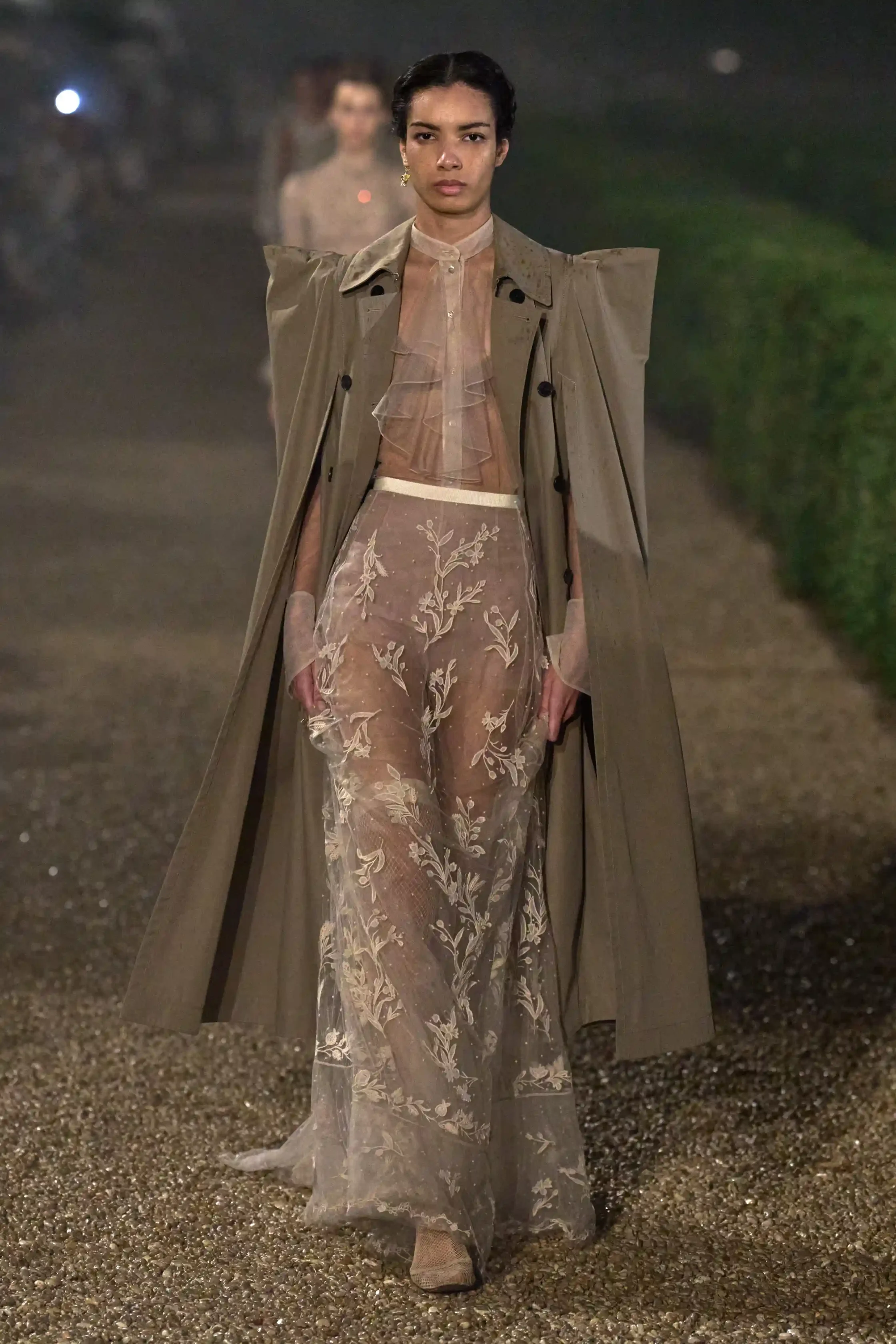
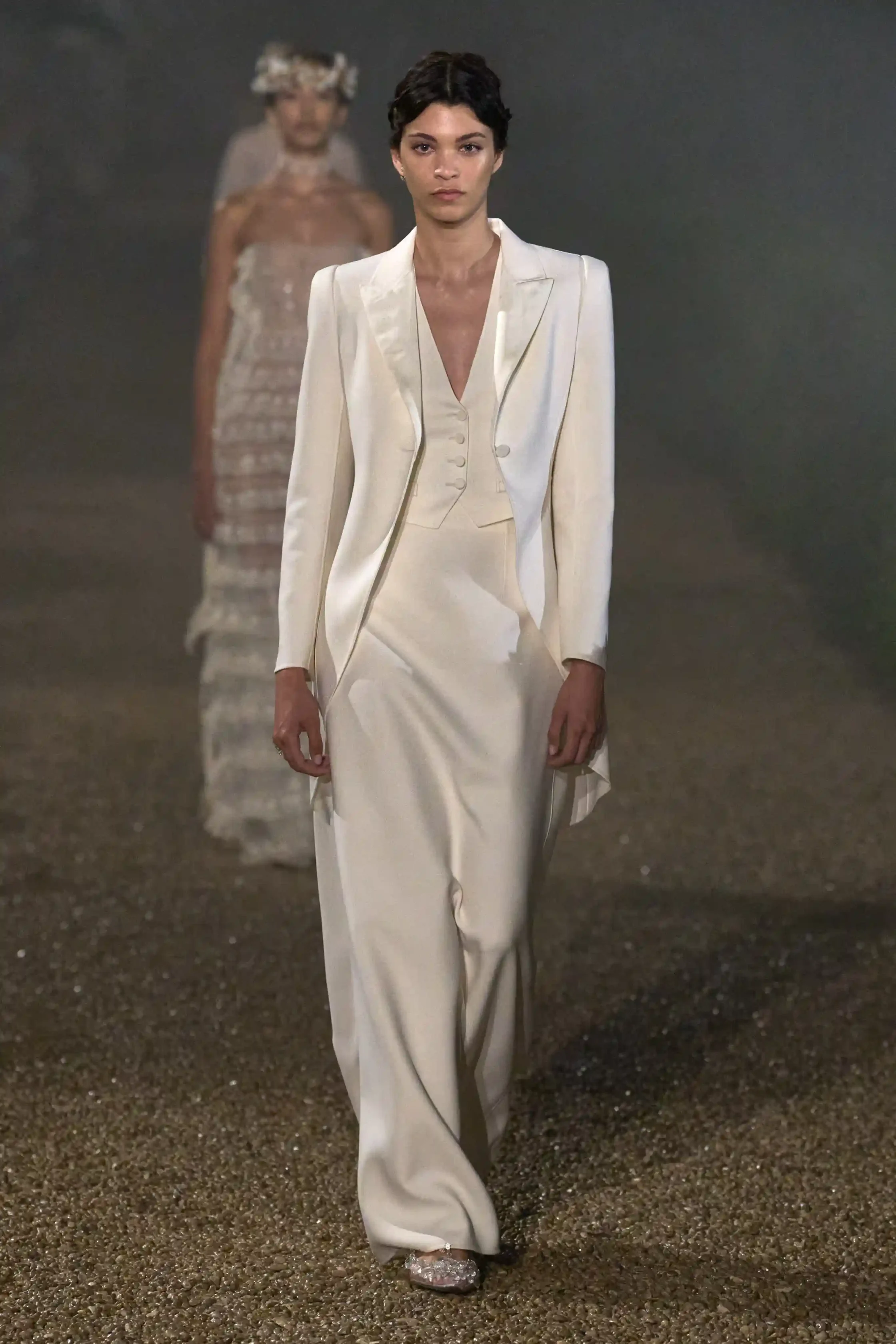
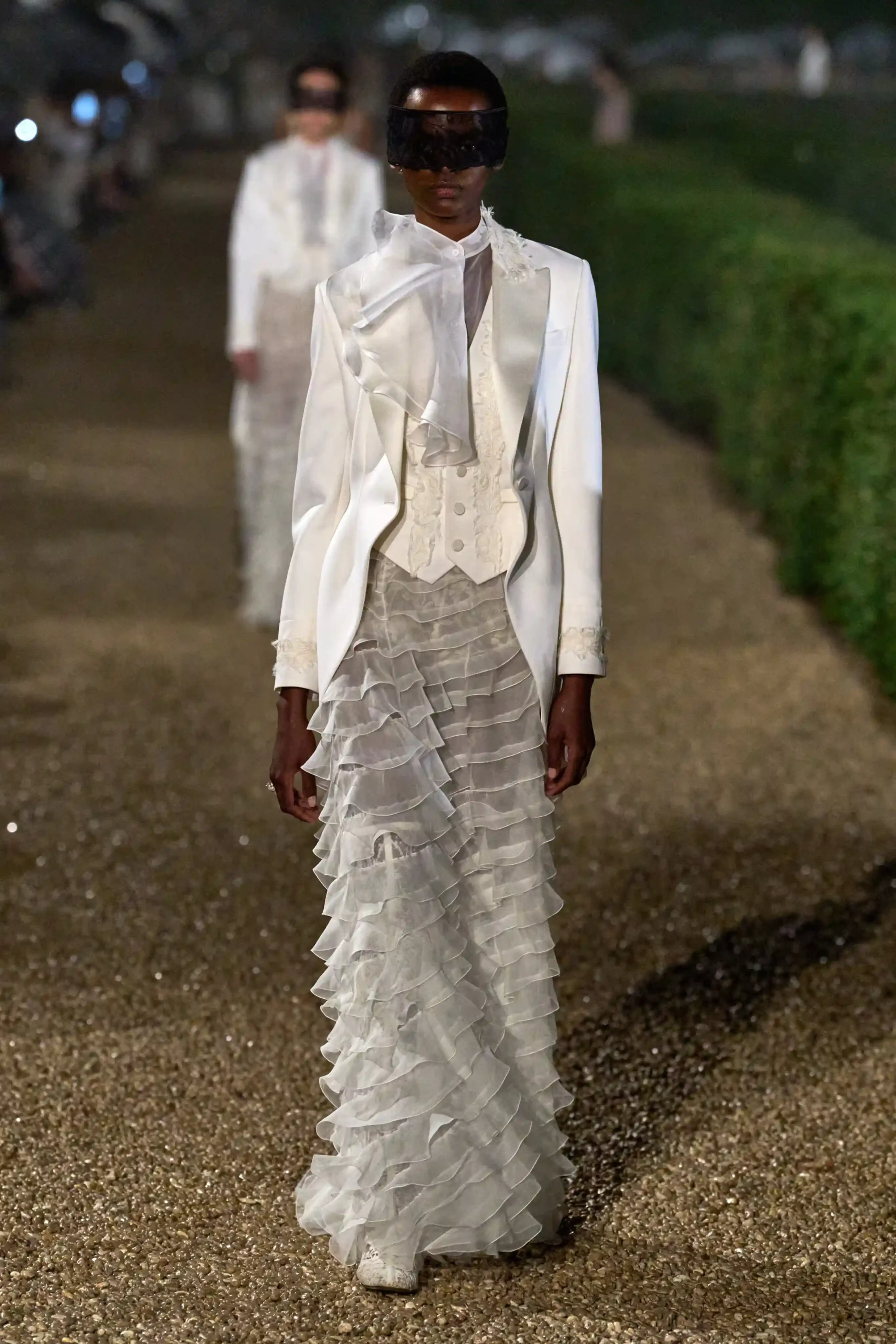
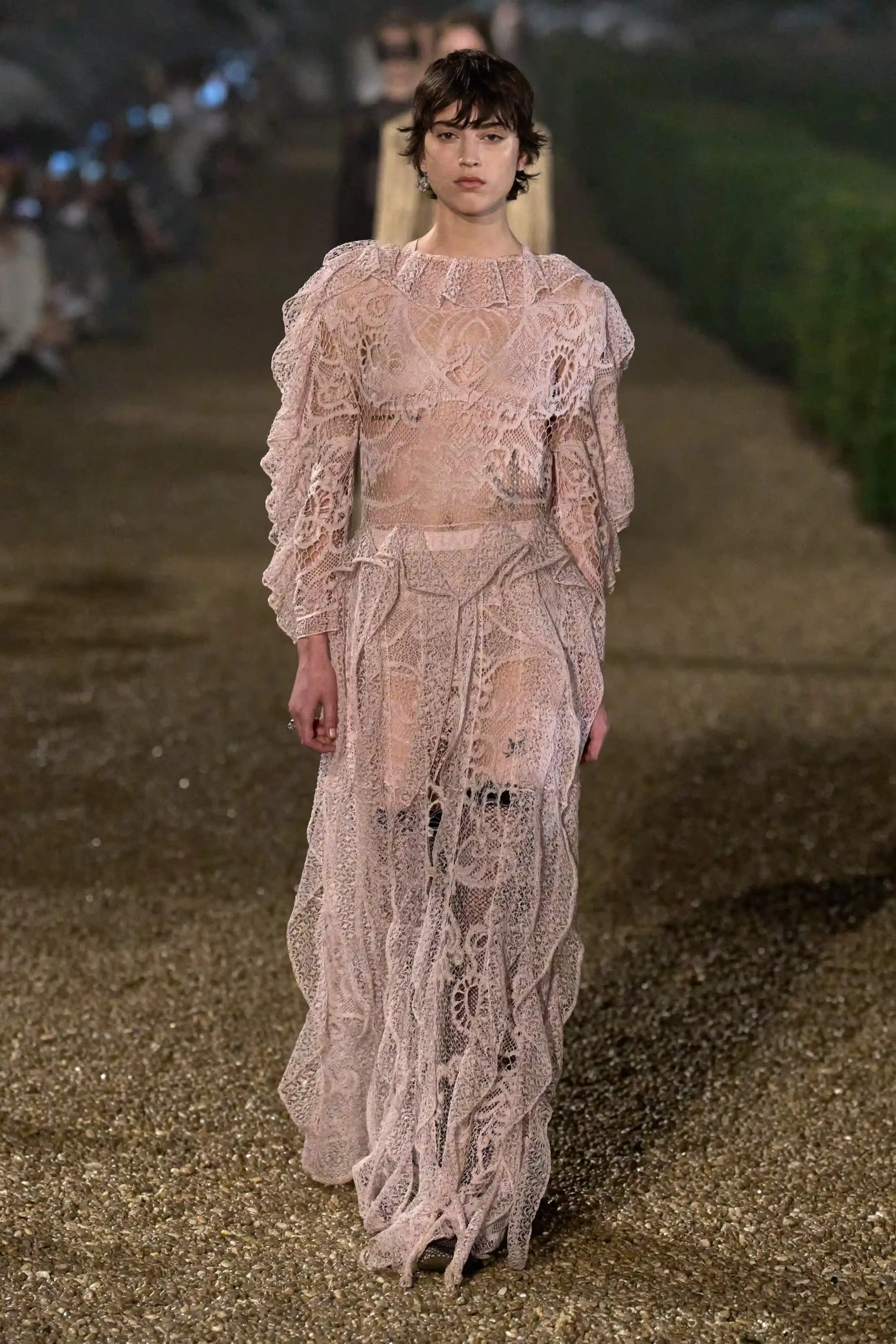
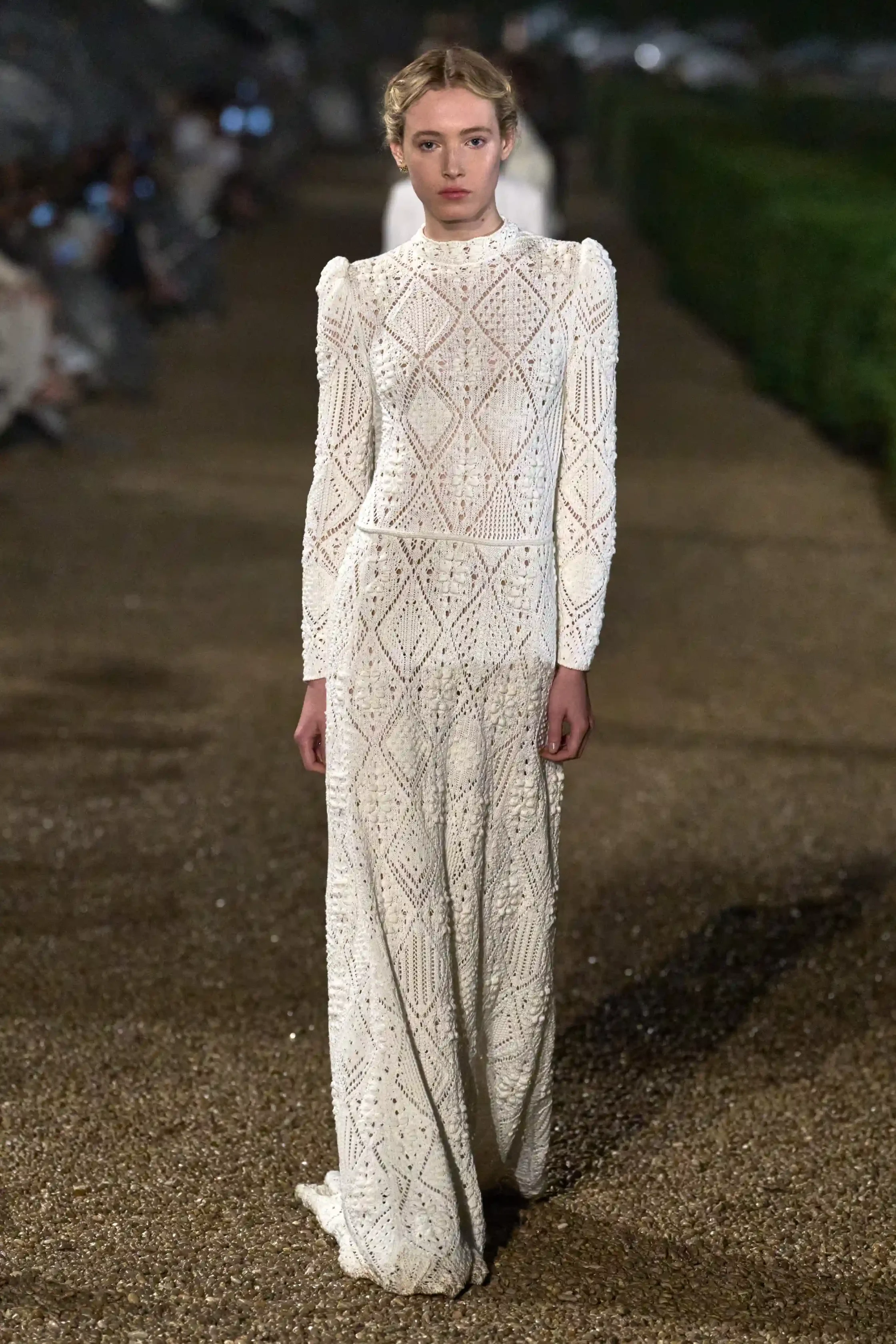
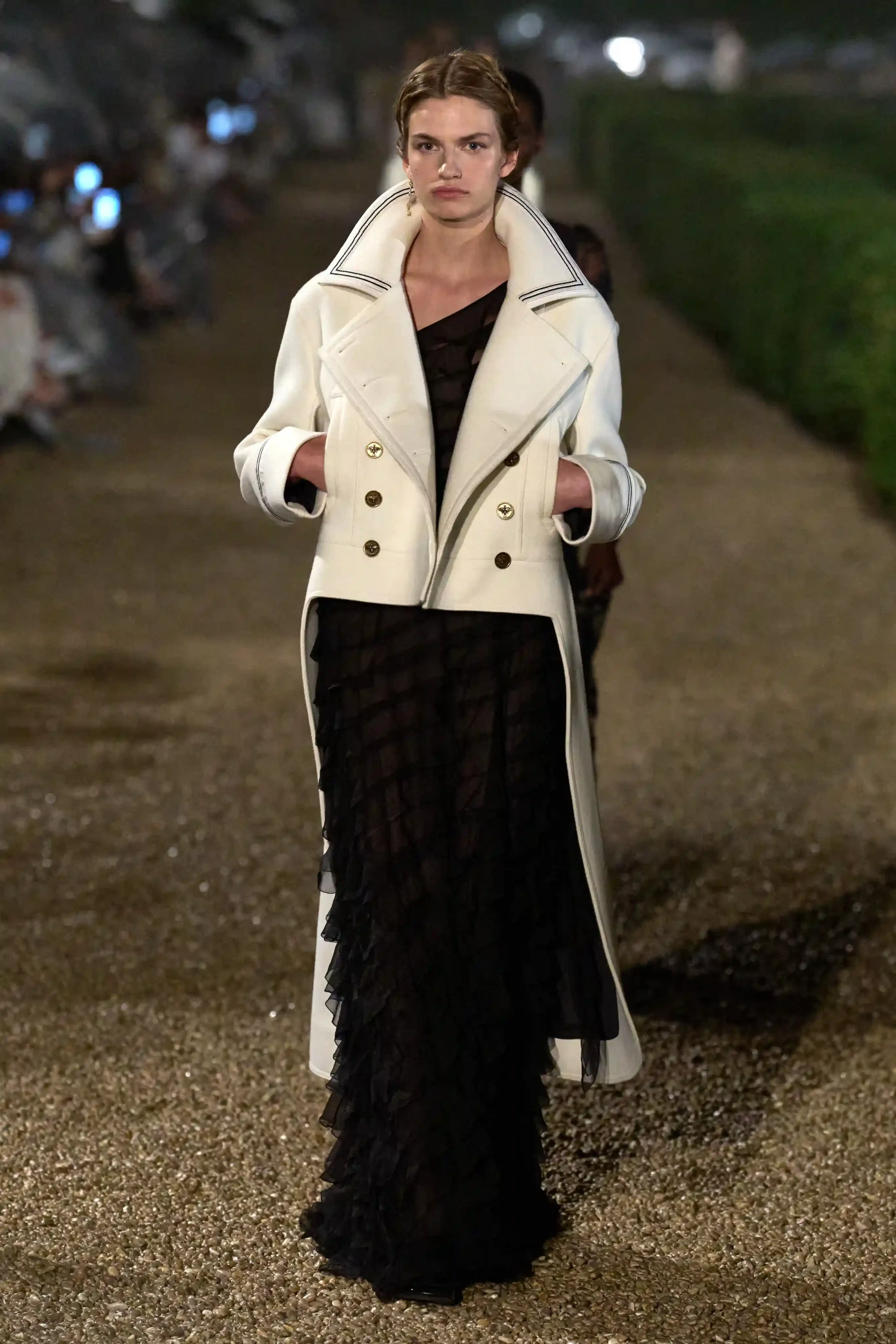
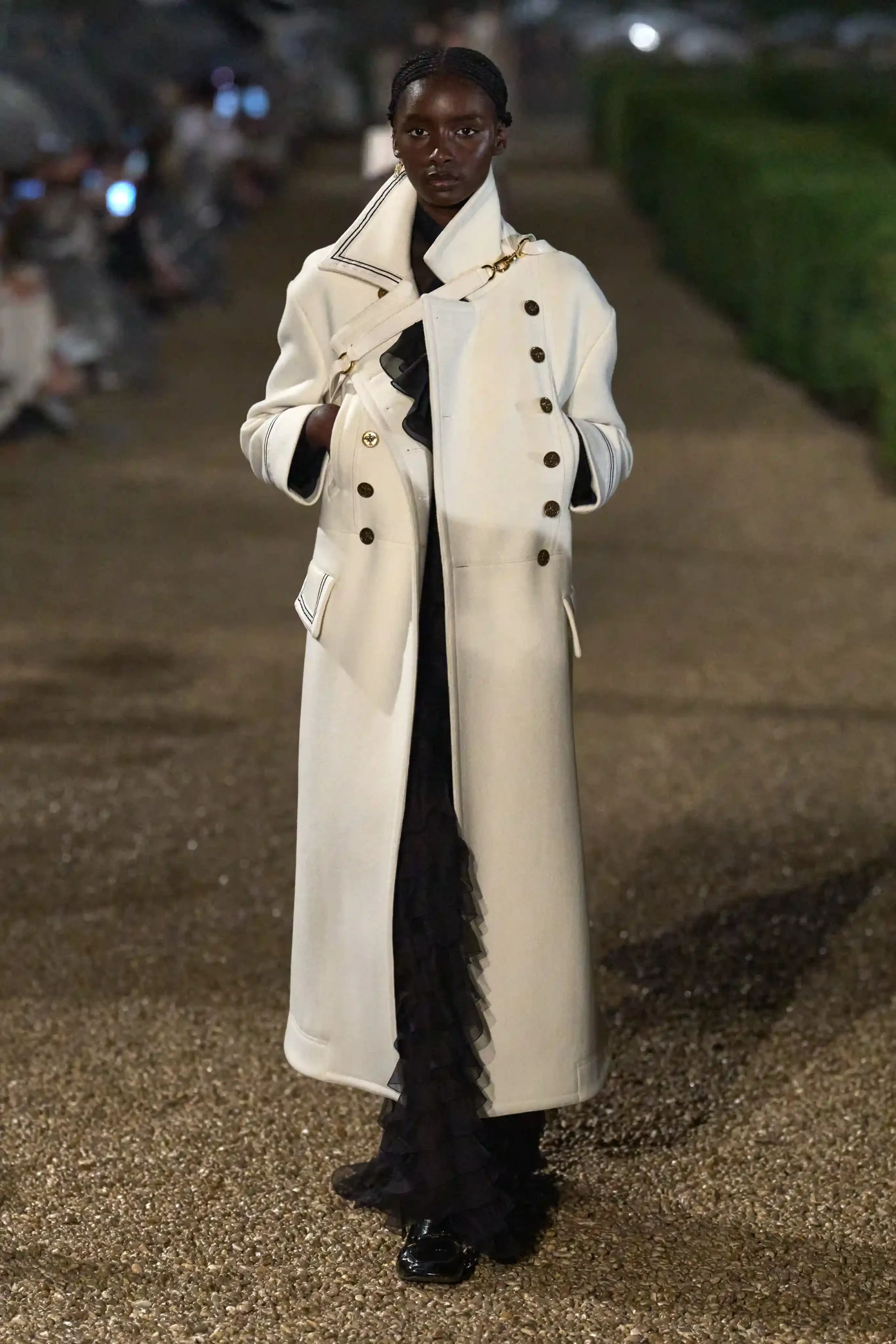
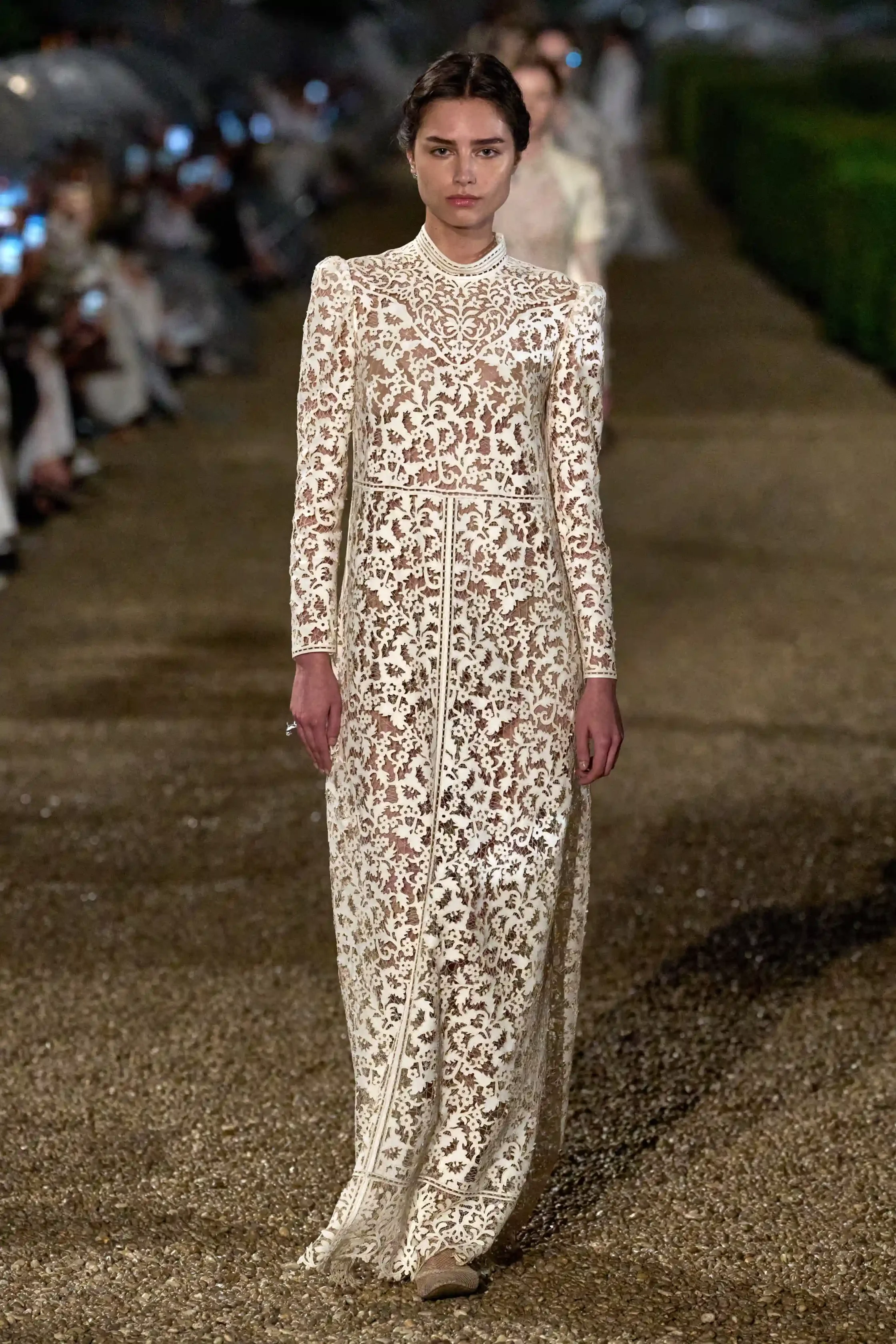
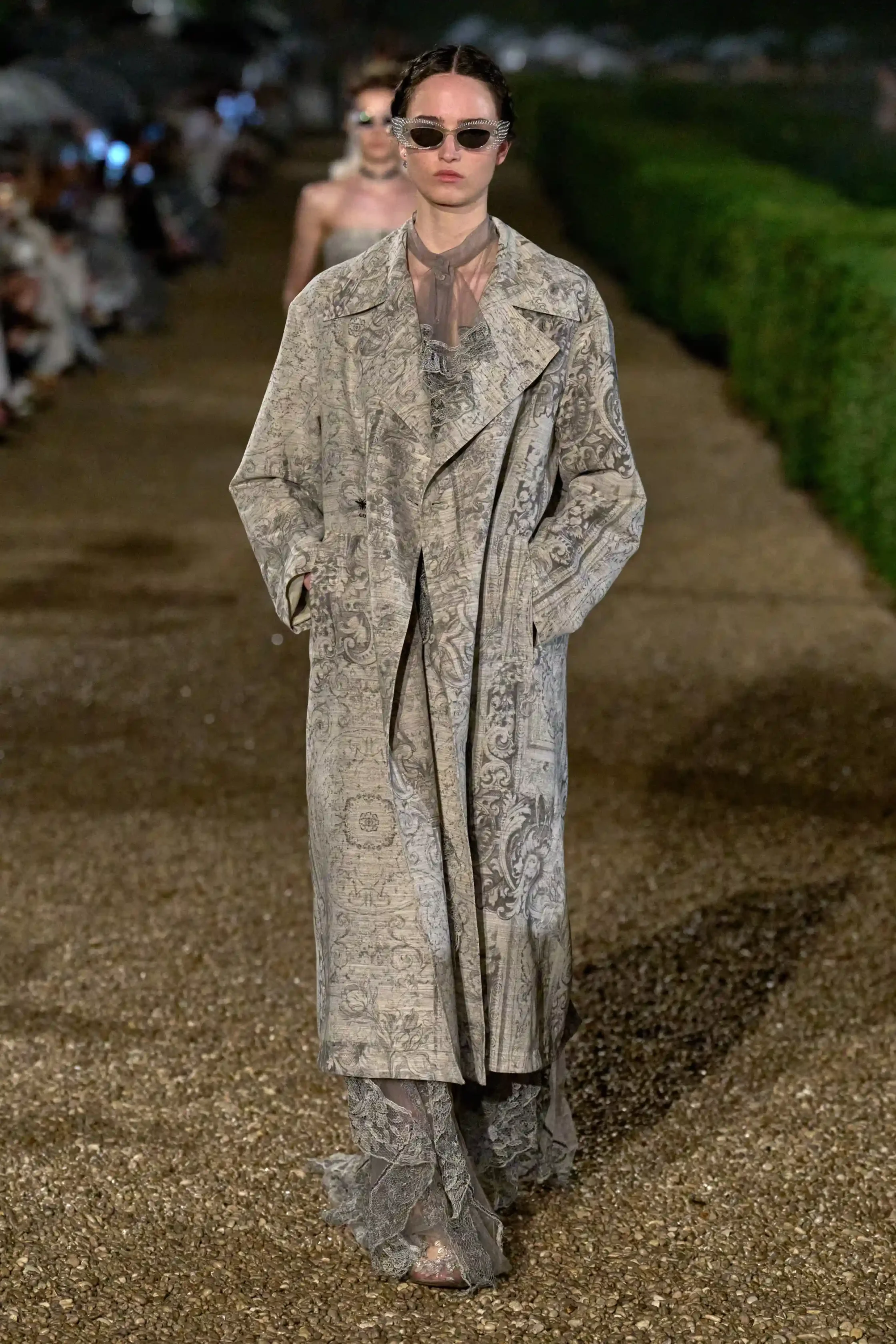
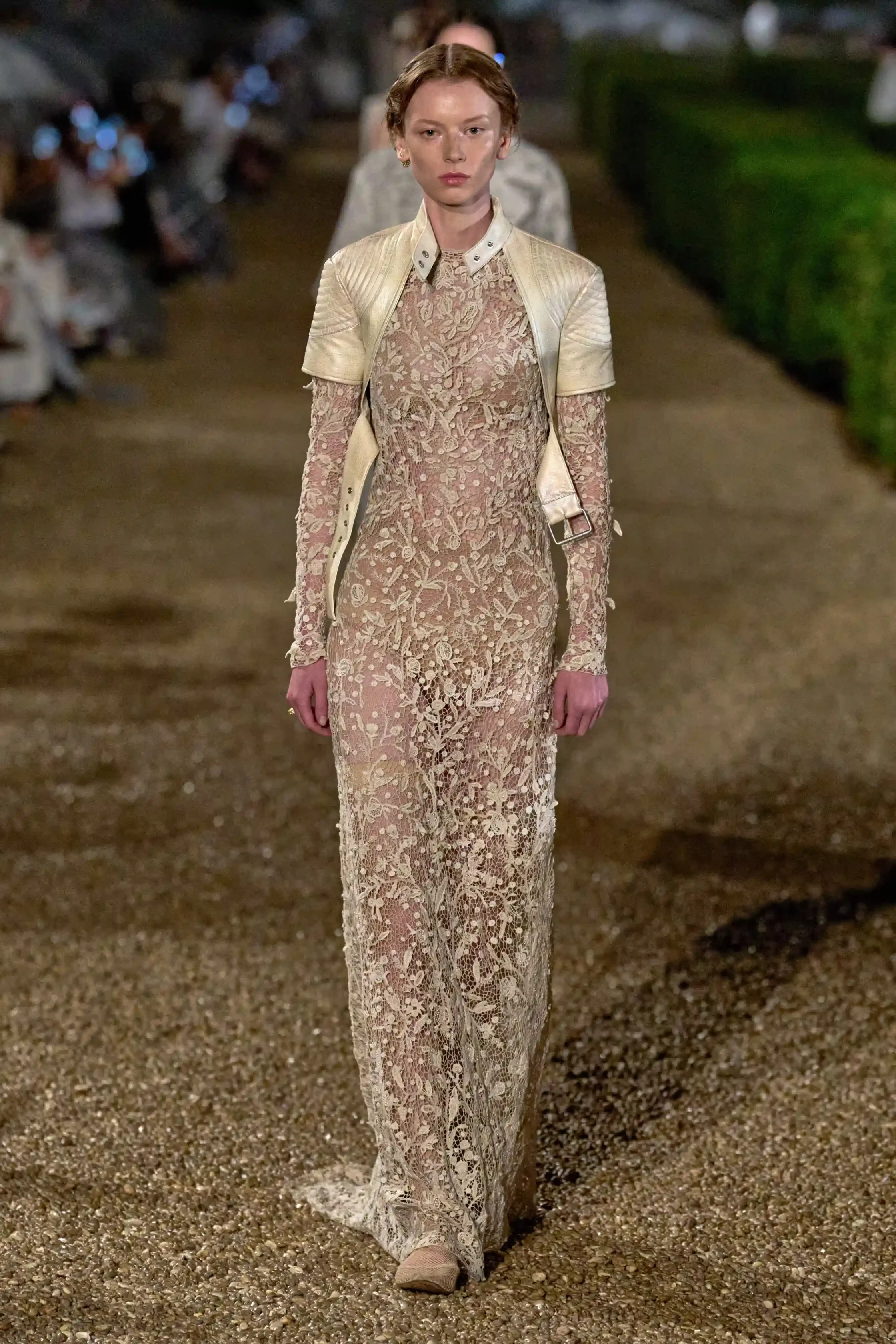
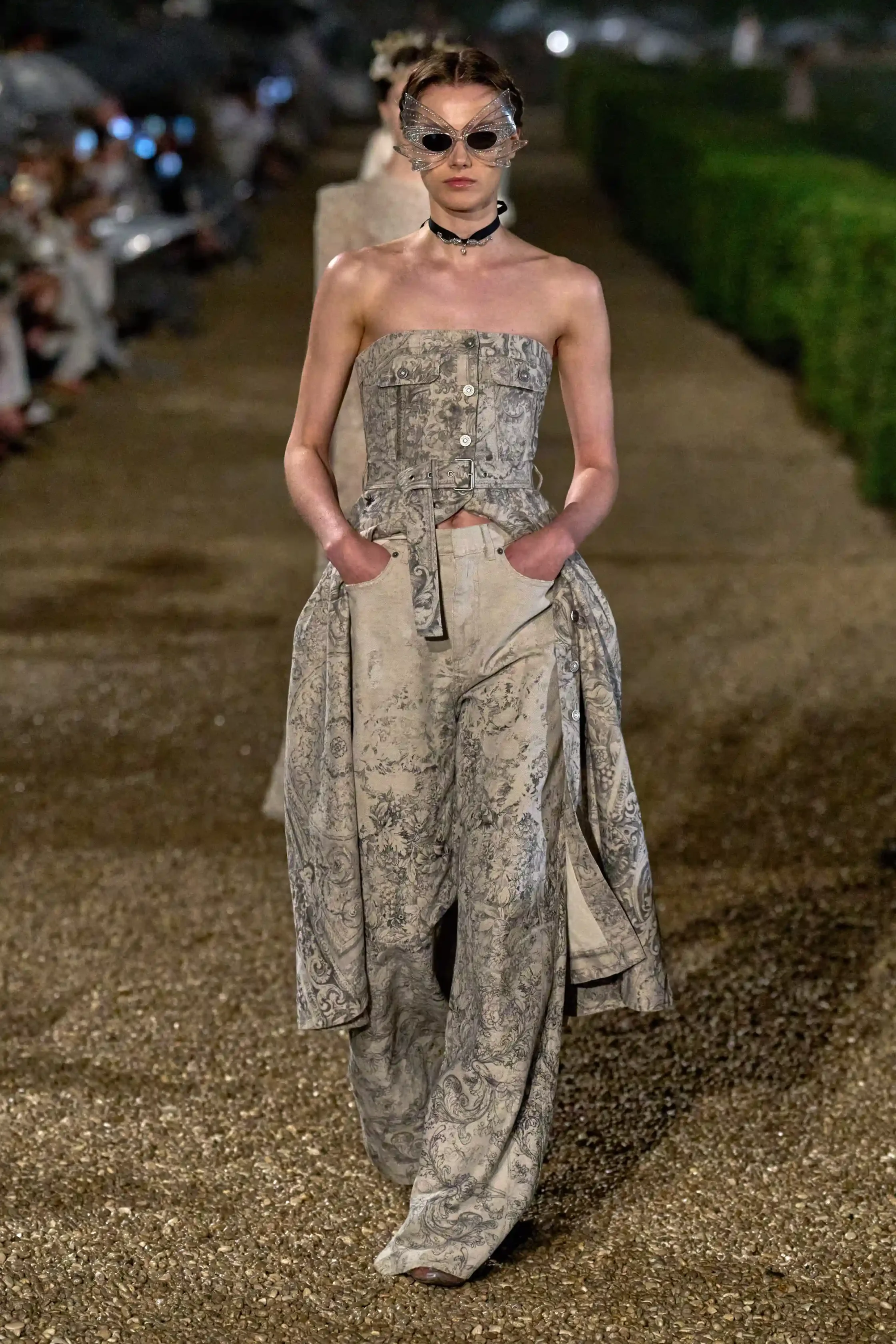
Chiuri, ever the costume historian, riffed on vestiges of ecclesiastical, military, and aristocratic dress. Tailcoats, chasubles, tuxedo jackets, and long skirts played off one another like characters in a masquerade, or perhaps a masquerade playing characters.
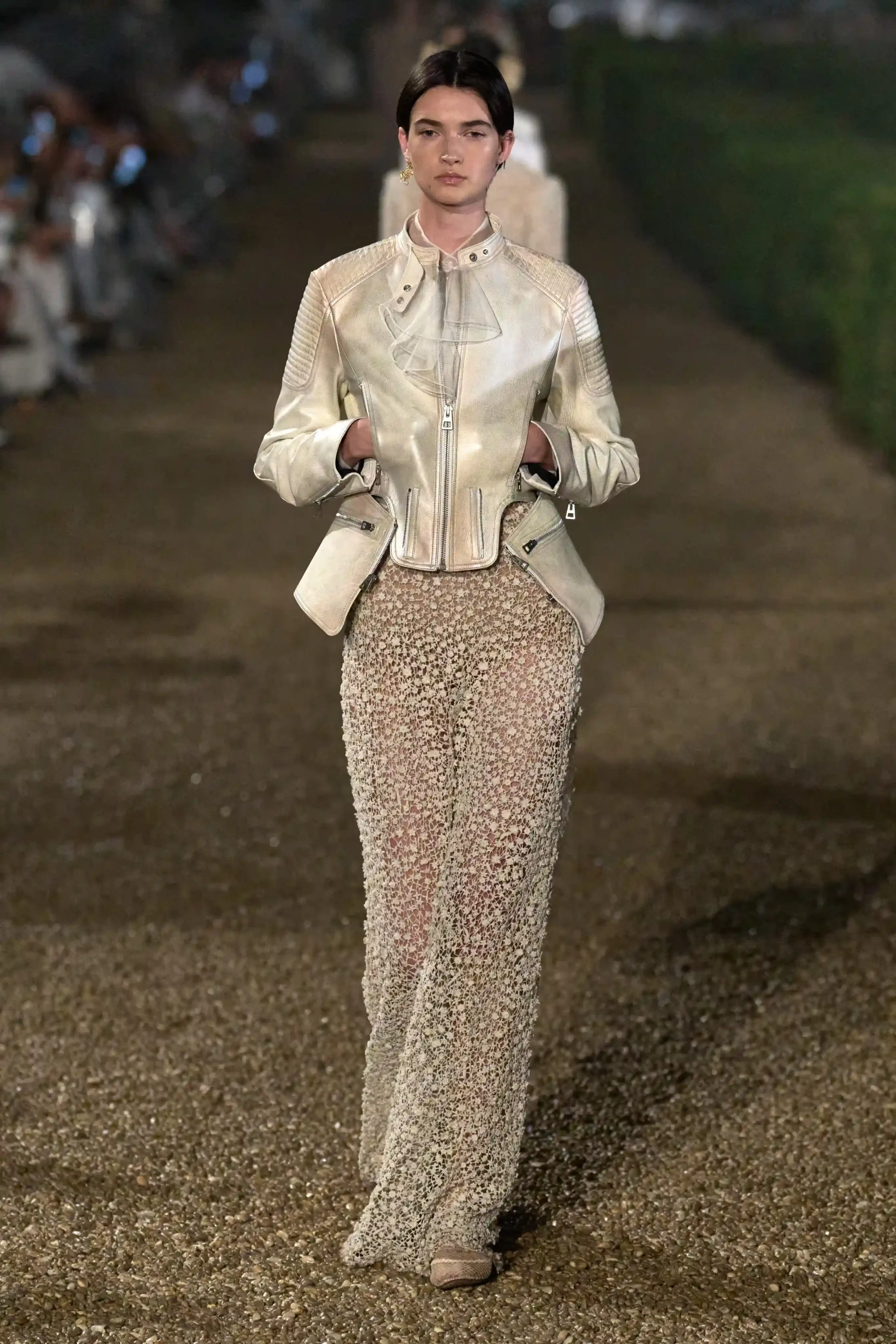
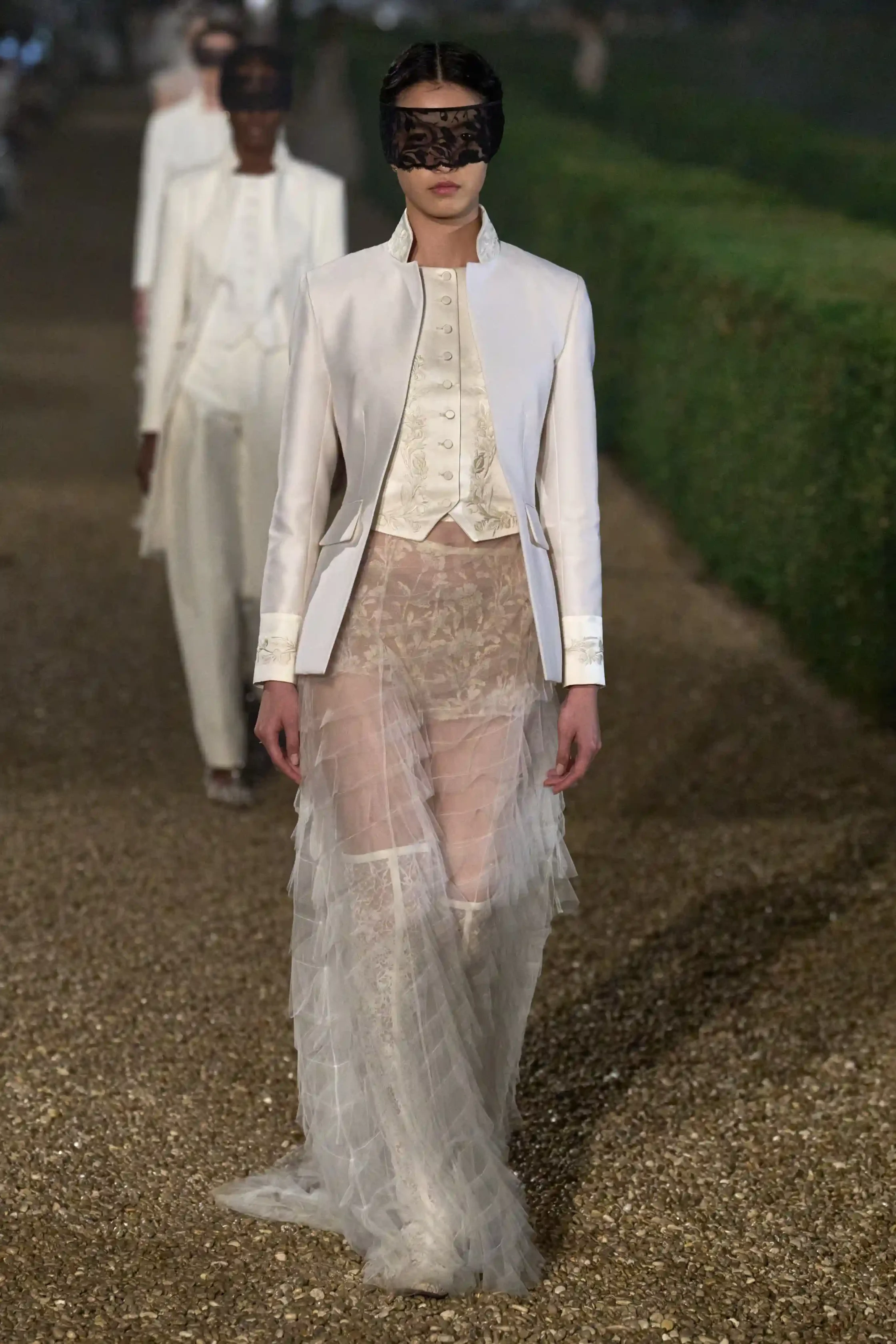
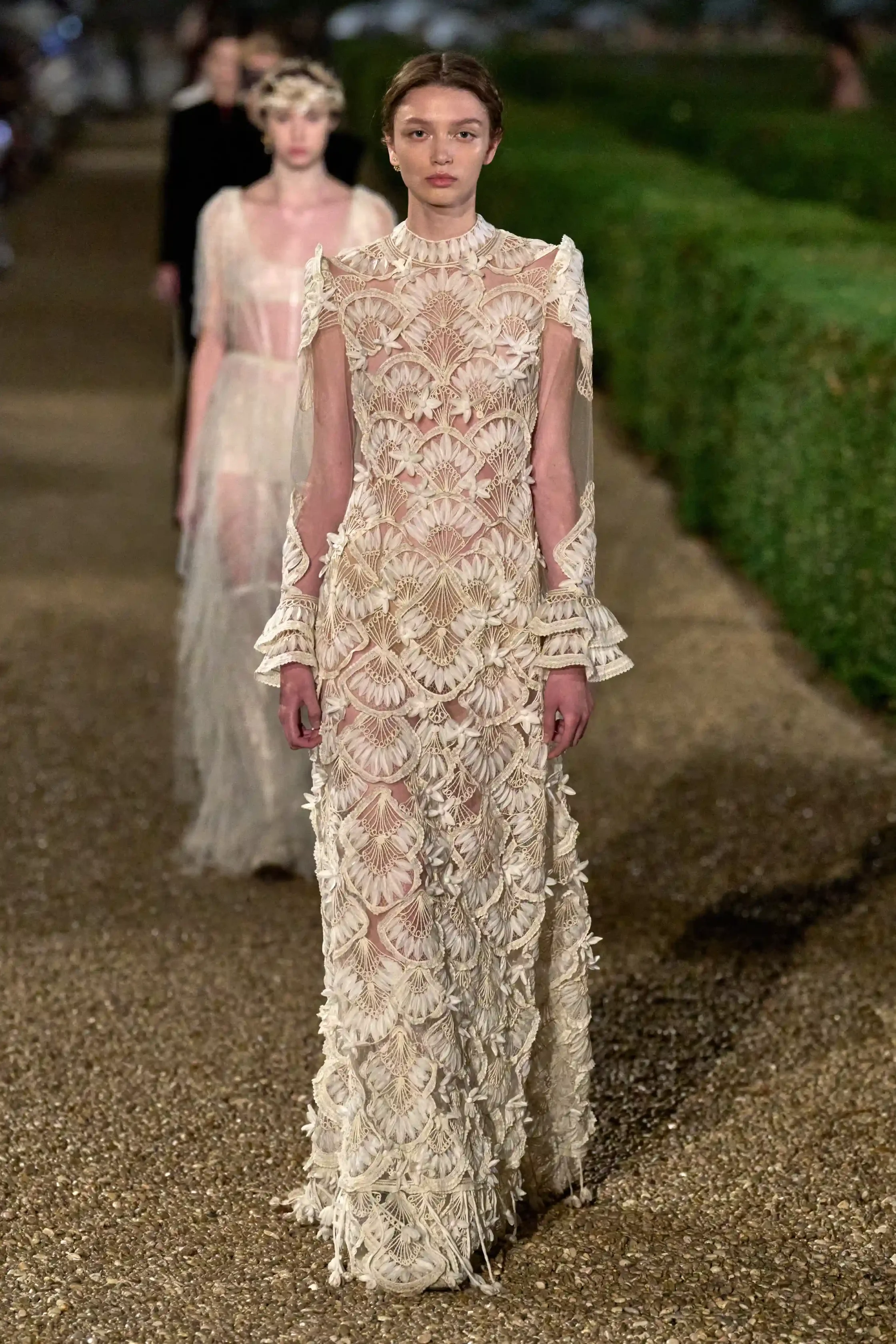
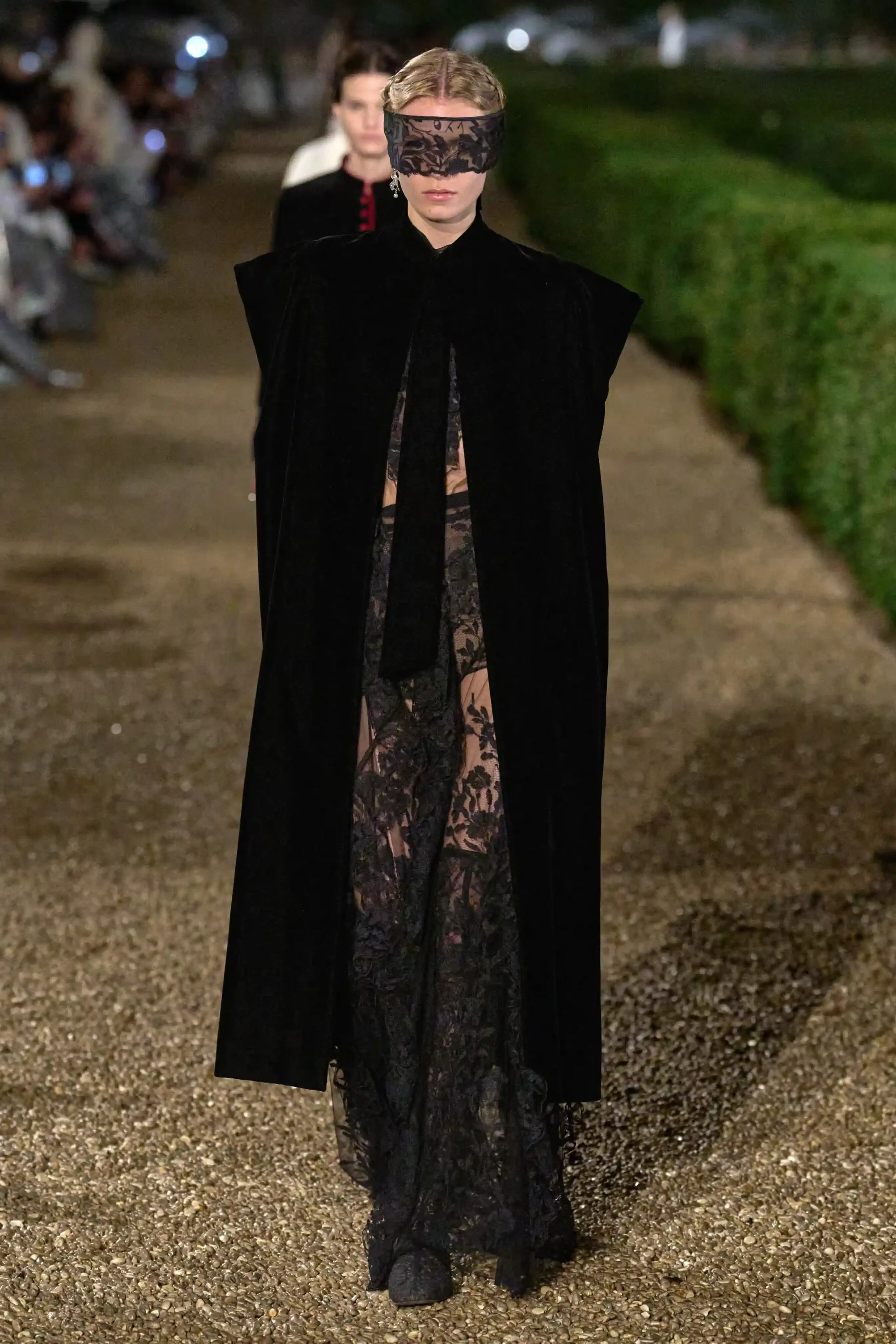
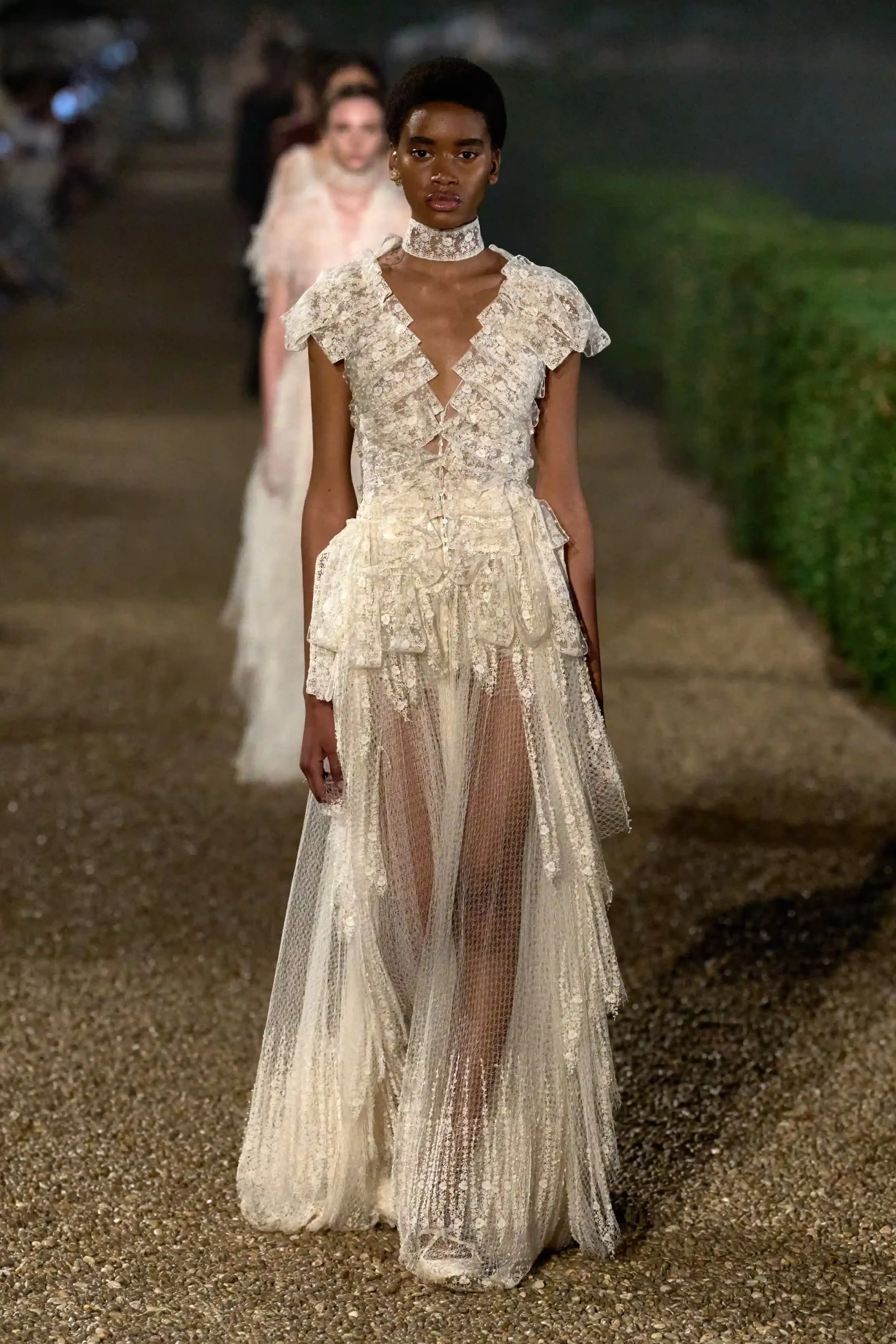
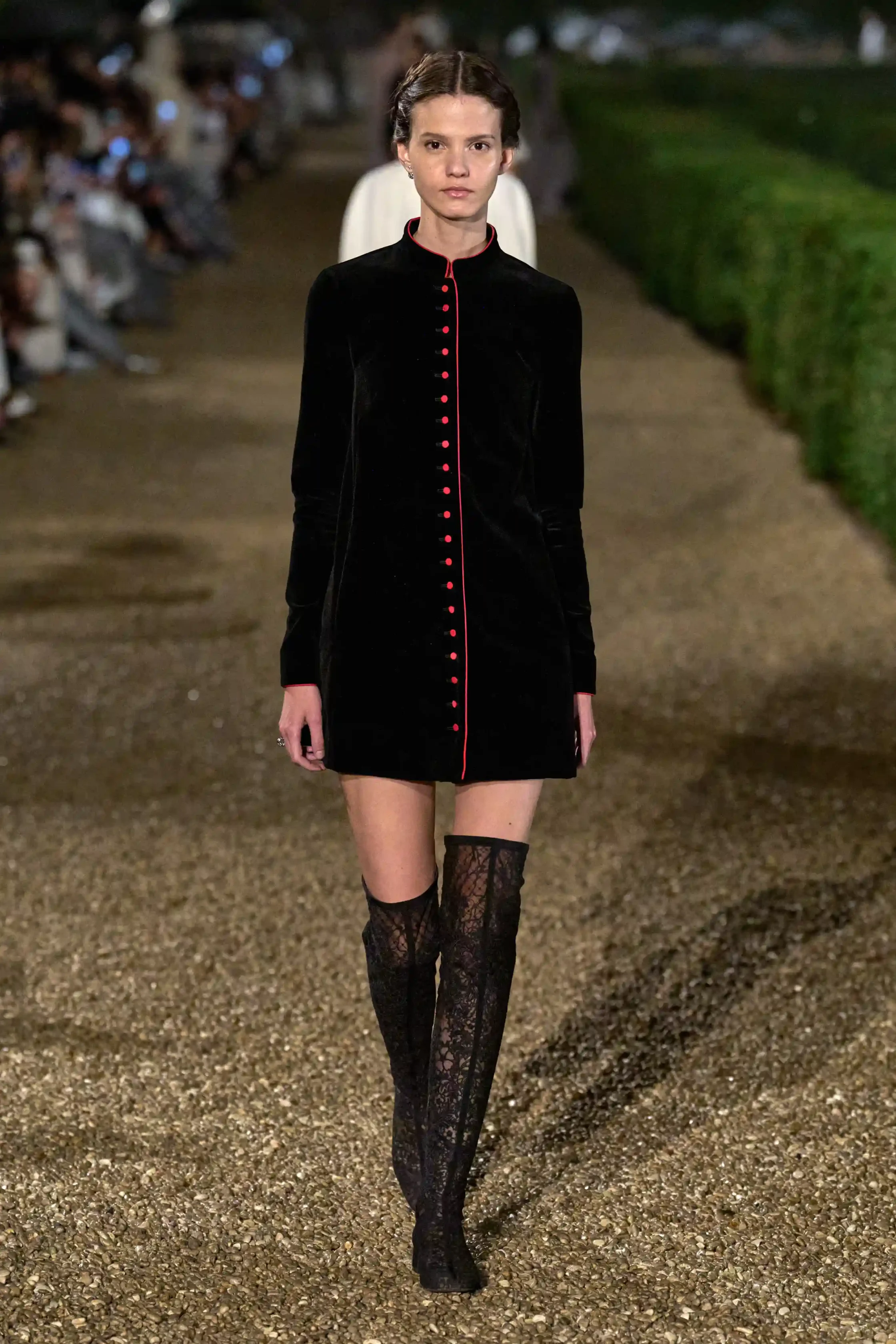
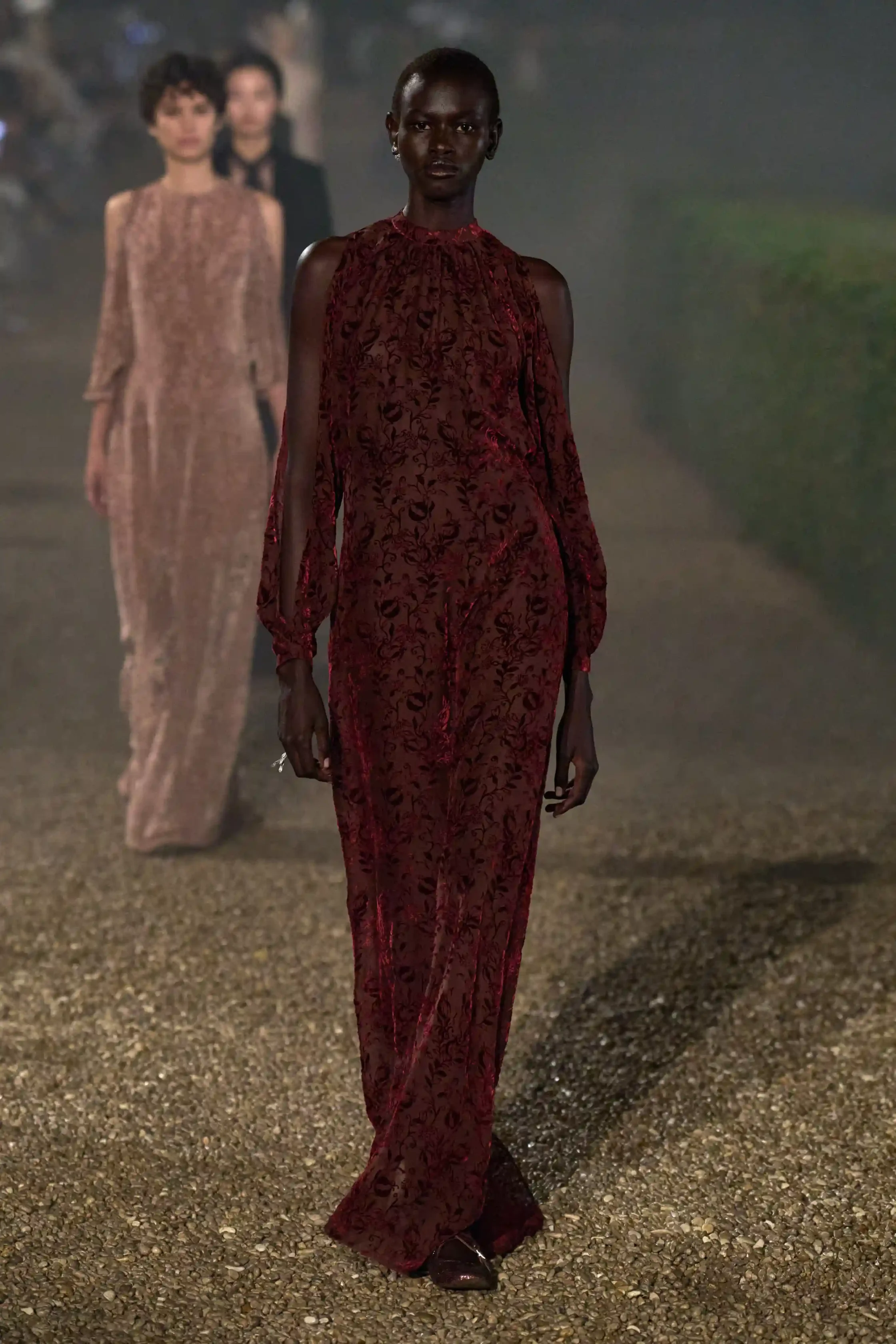
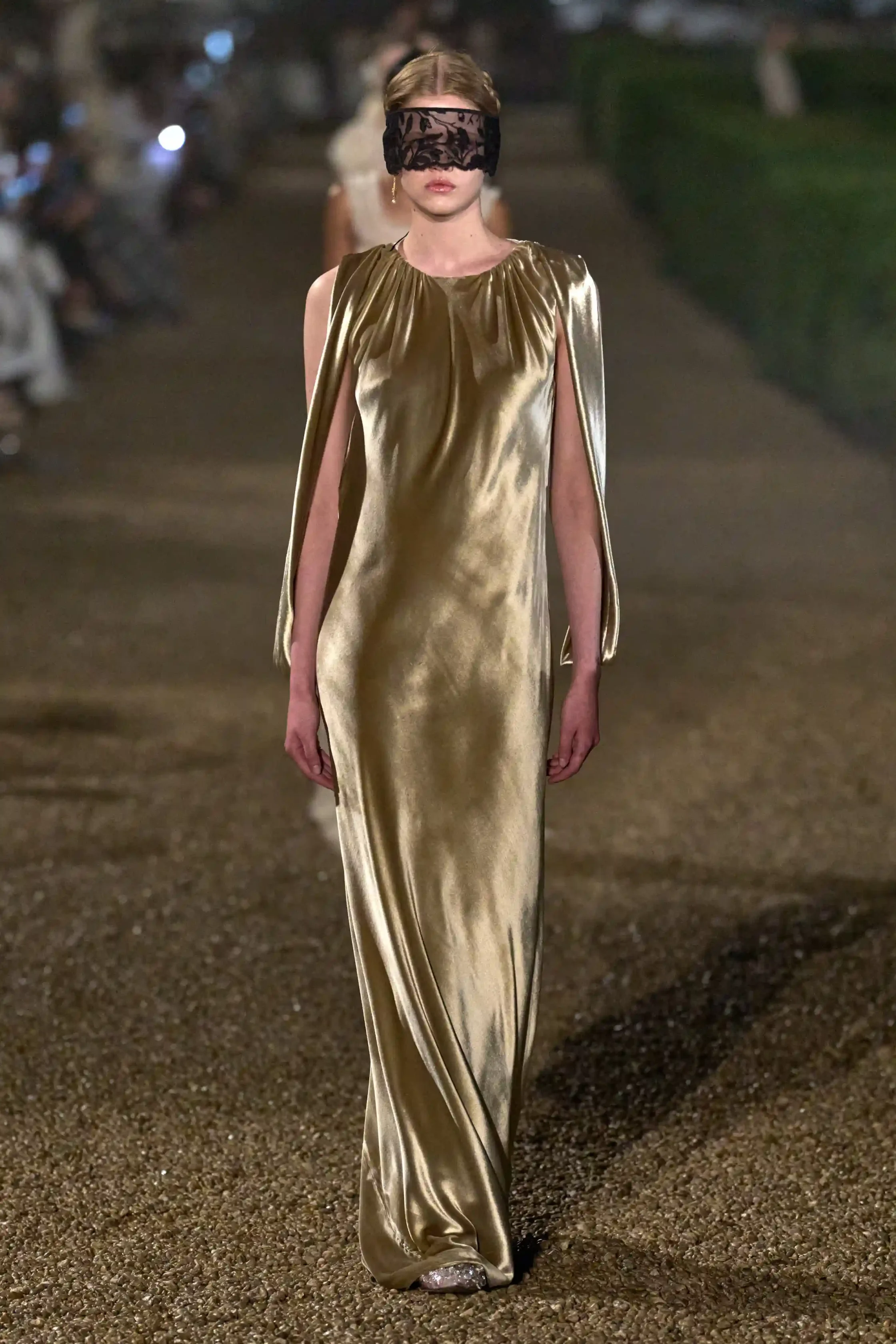
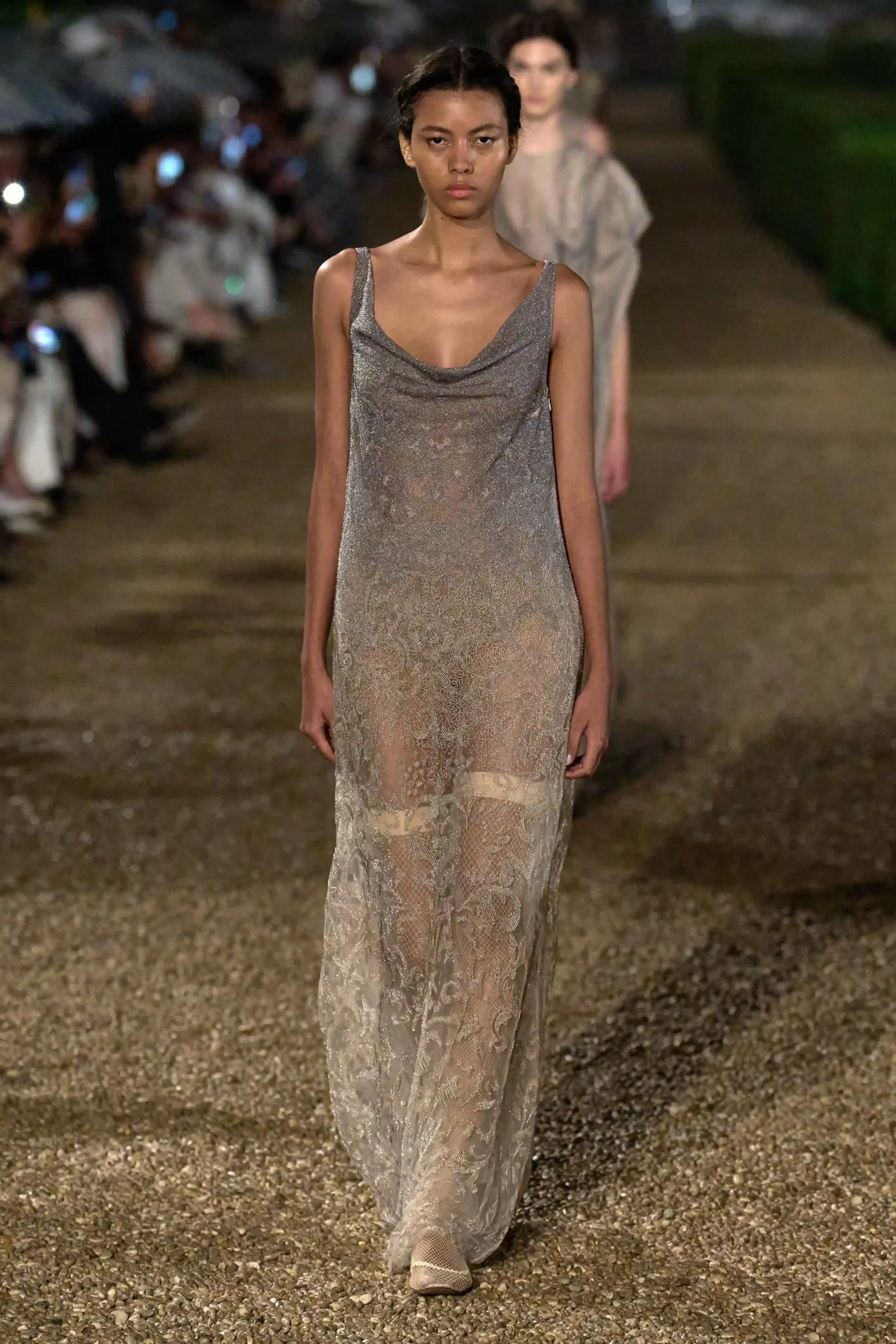
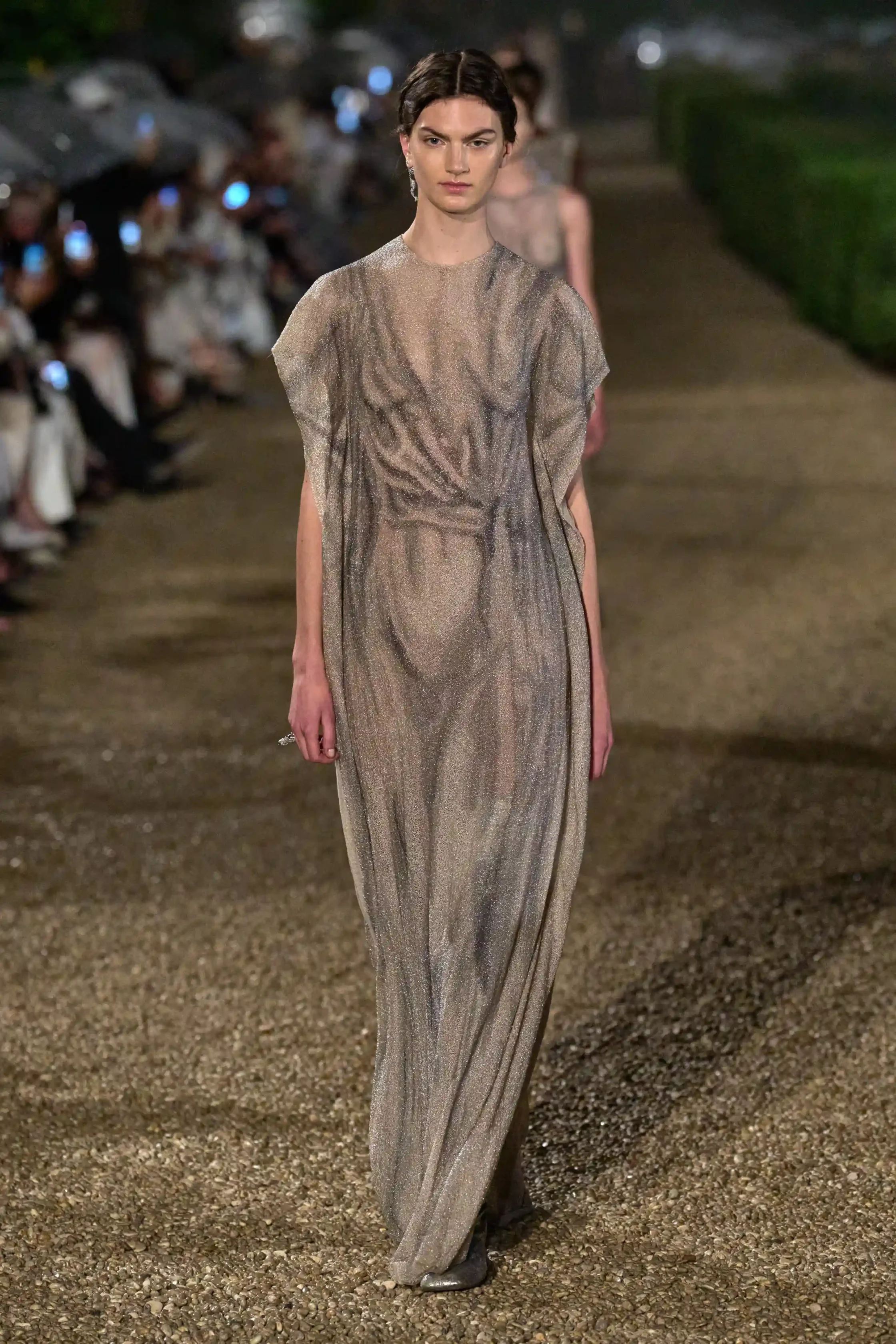
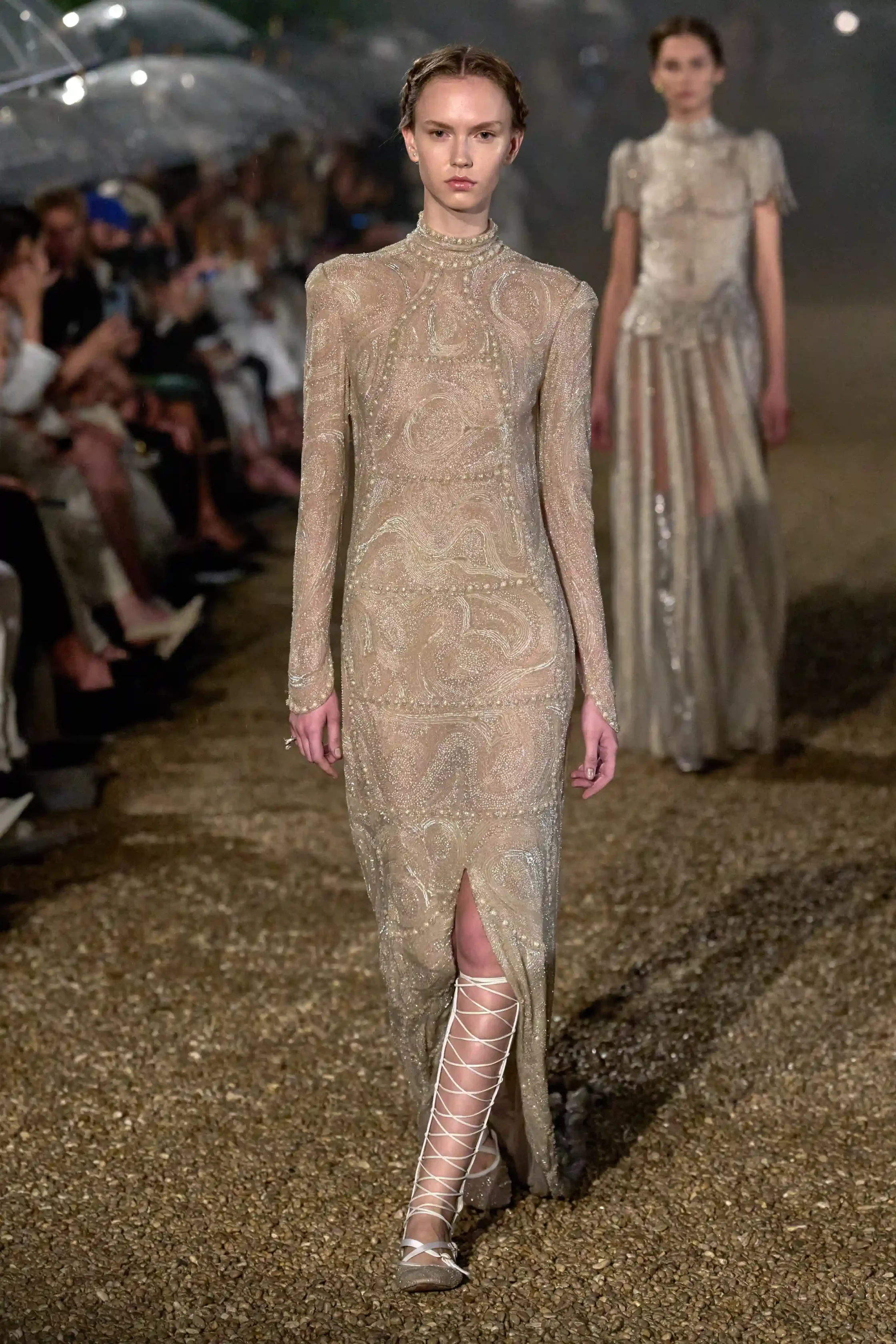
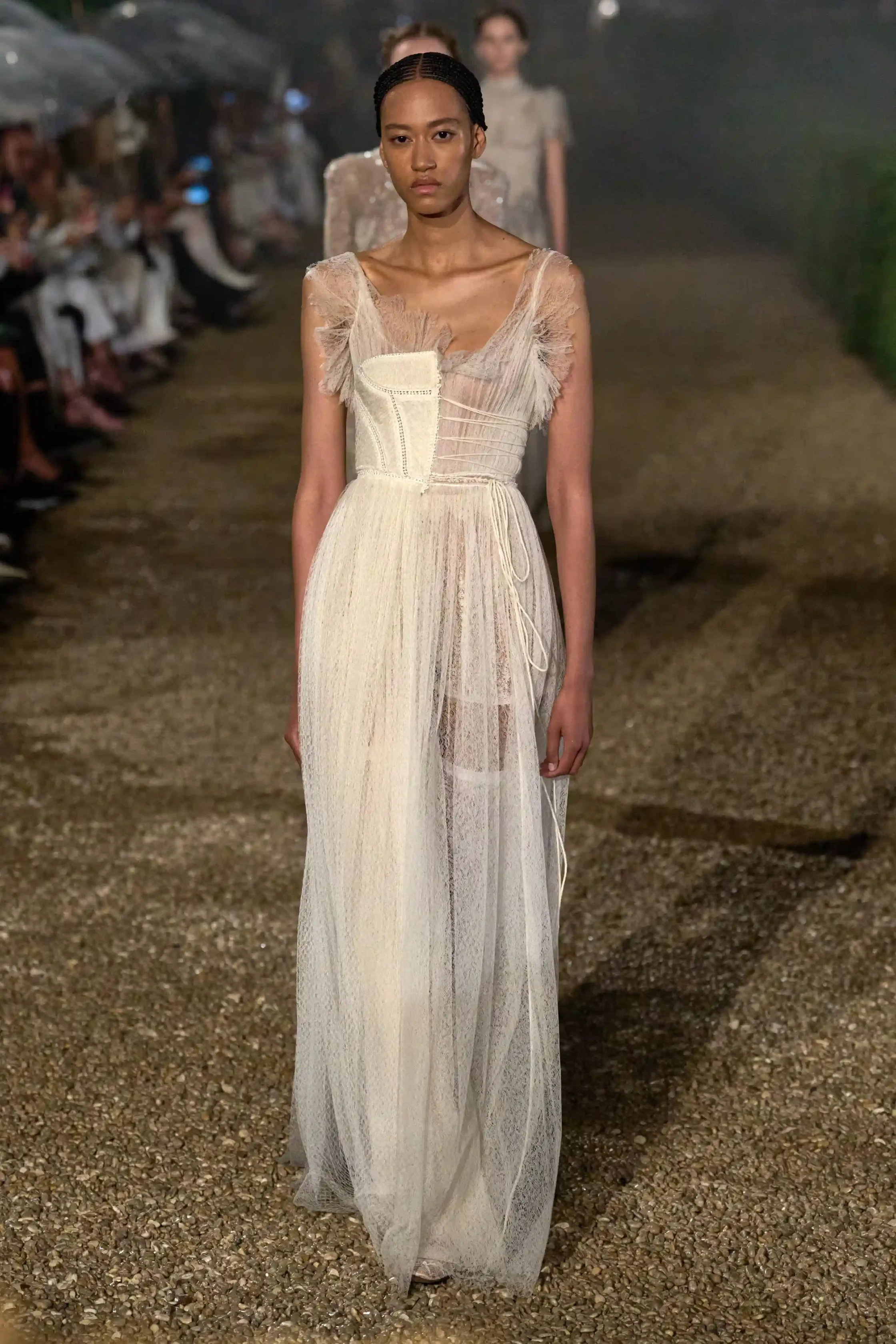
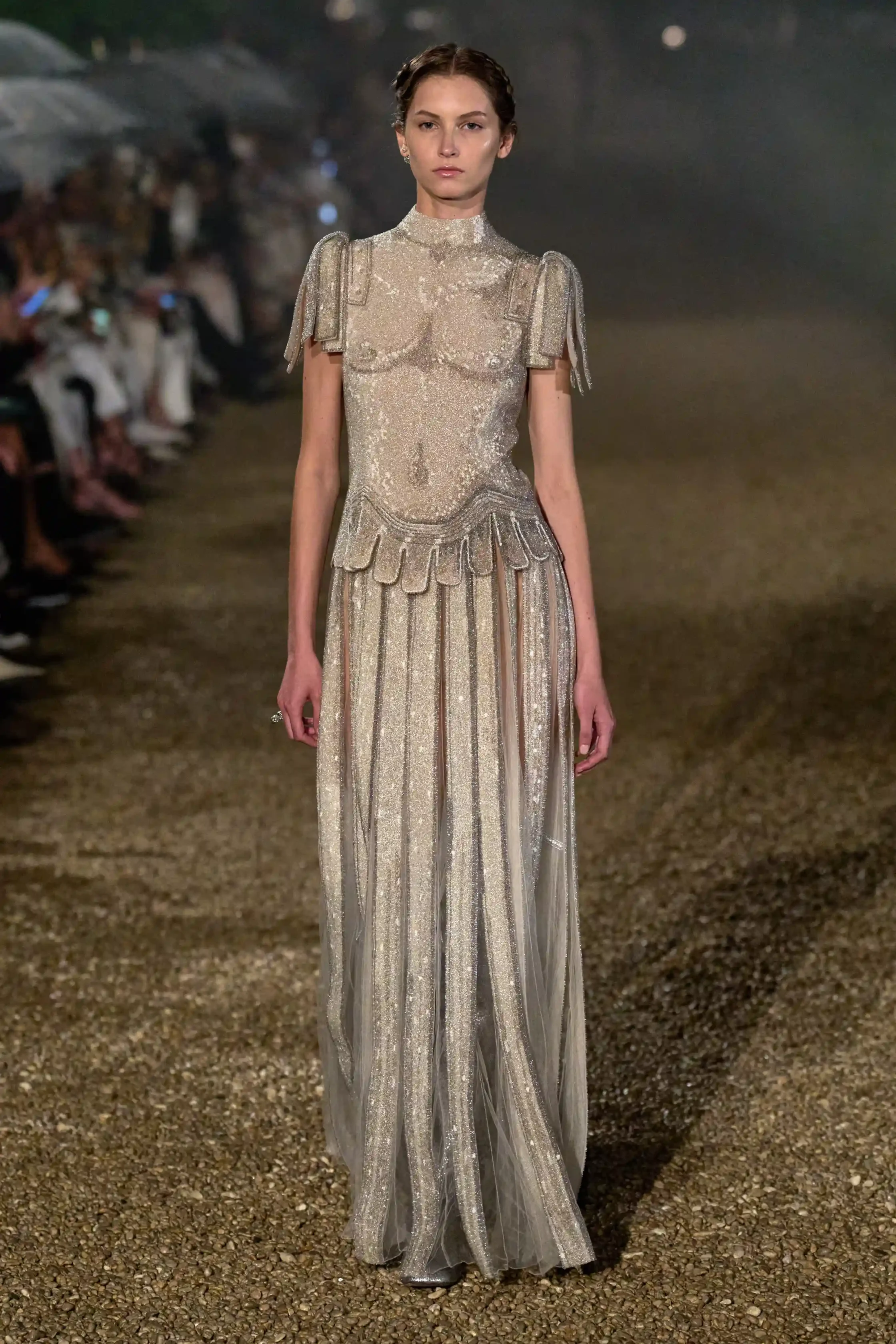
Naked dresses were alive and well in a remake with plenty of fabrications. Nearly every look in white—whether sheer silk or thickly woven crochet—felt like a nod to the Fontana sisters and their starlet muses, especially Anita Ekberg. If Chiuri was evoking La Dolce Vita, it wasn’t the fountain-drenched climax; it was the buildup: private, opulent, and a little haunted. “Cinema has done a lot to promote the image of Rome,” she noted. And here, her own personal Rome materialized like a myth.
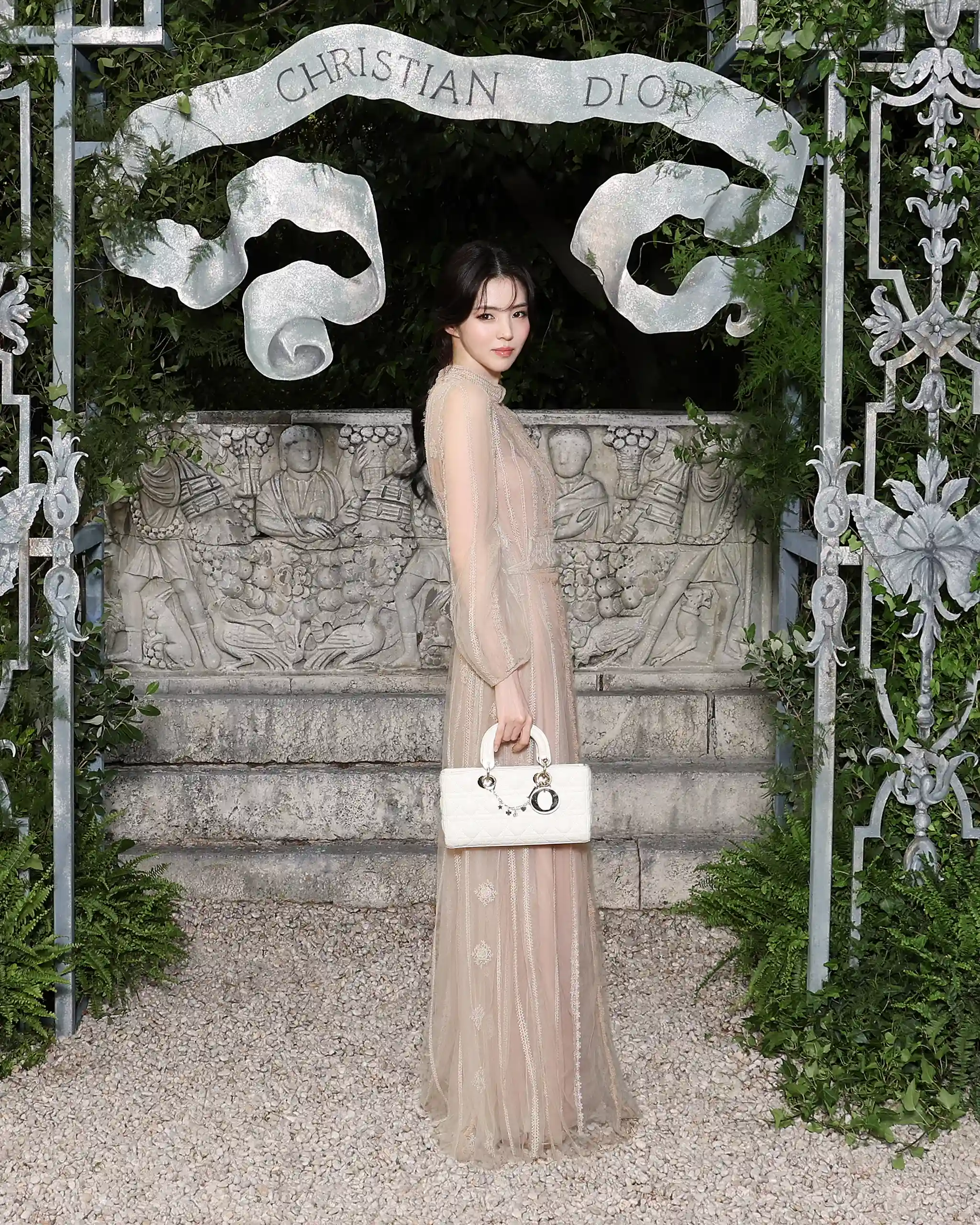
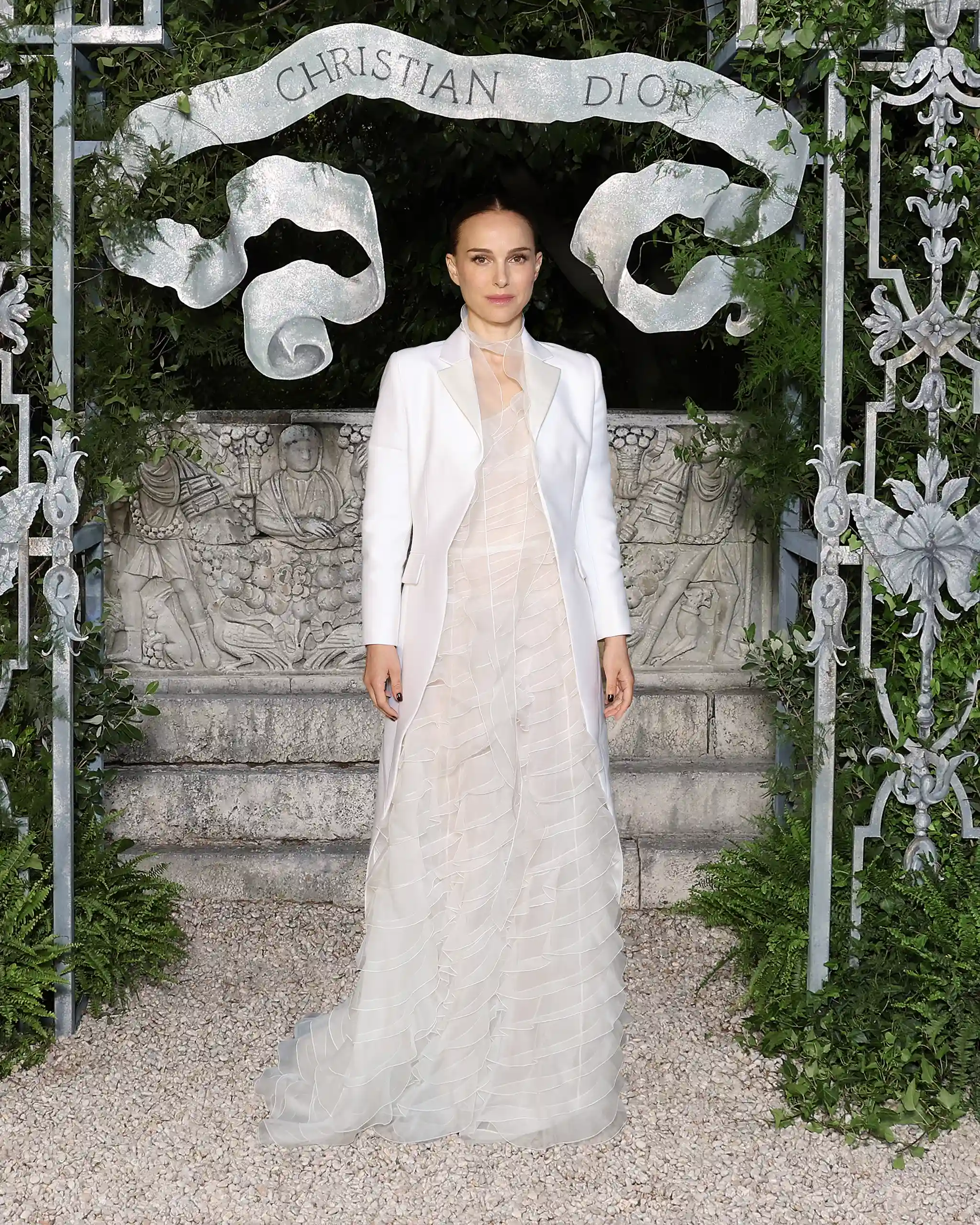
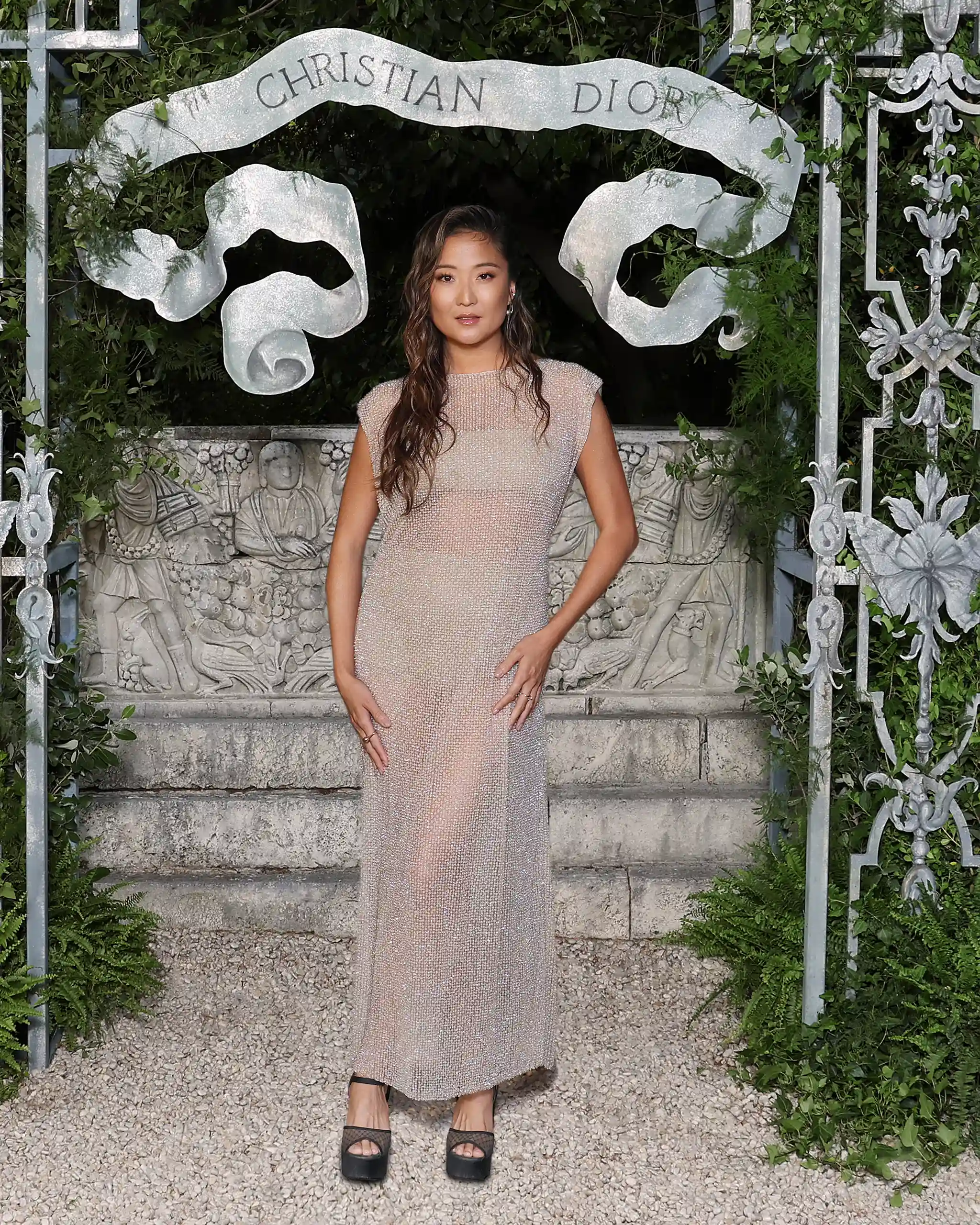
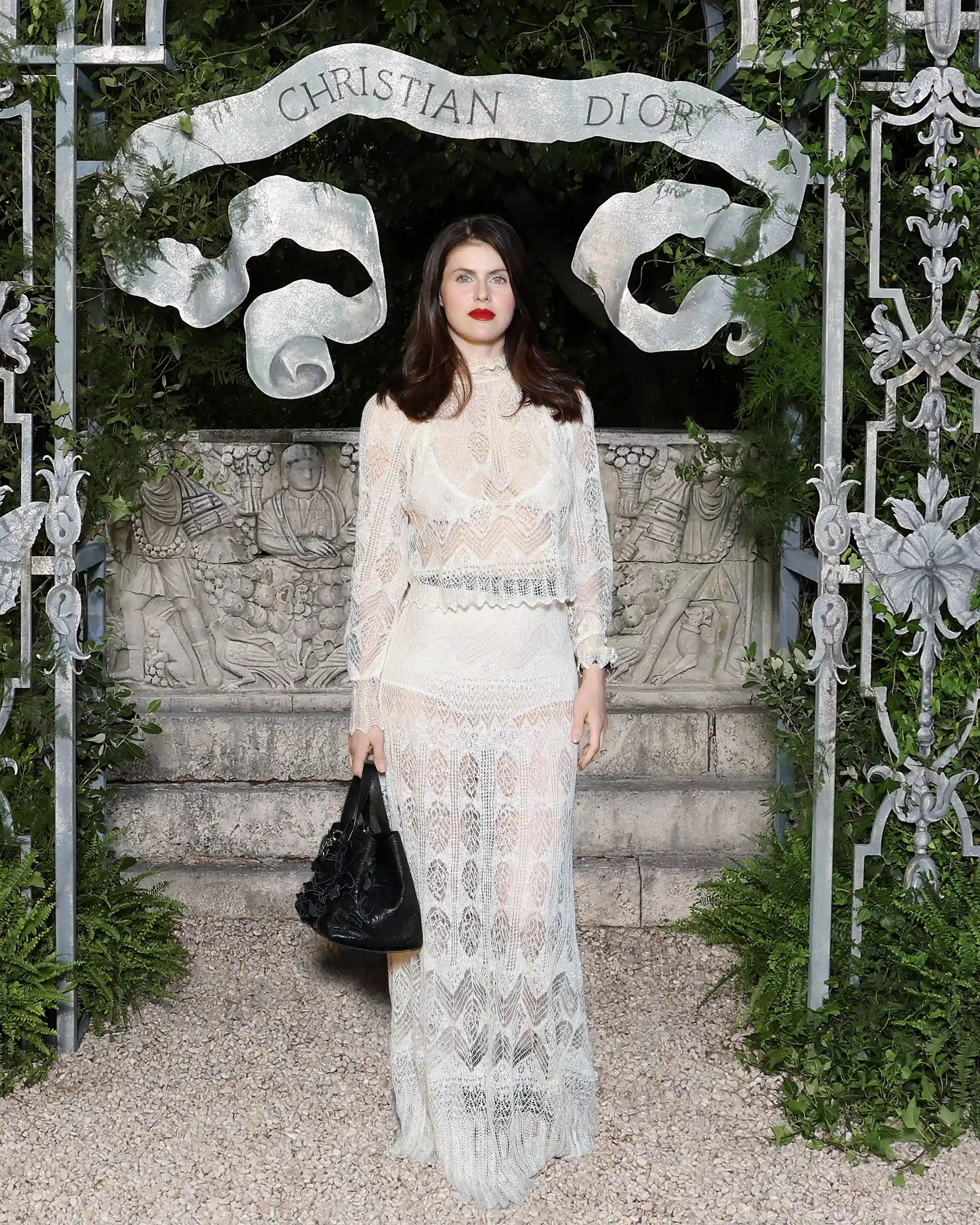
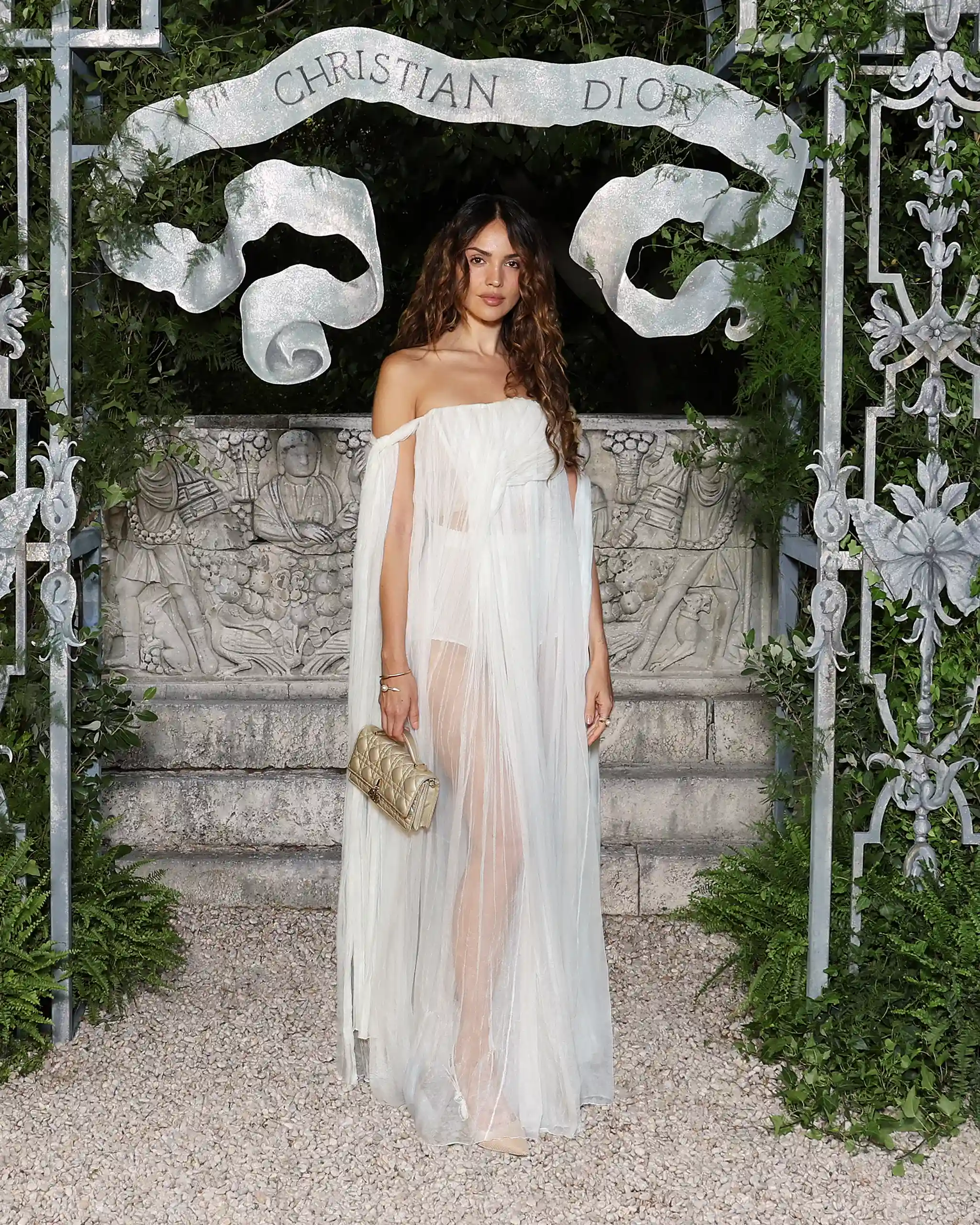
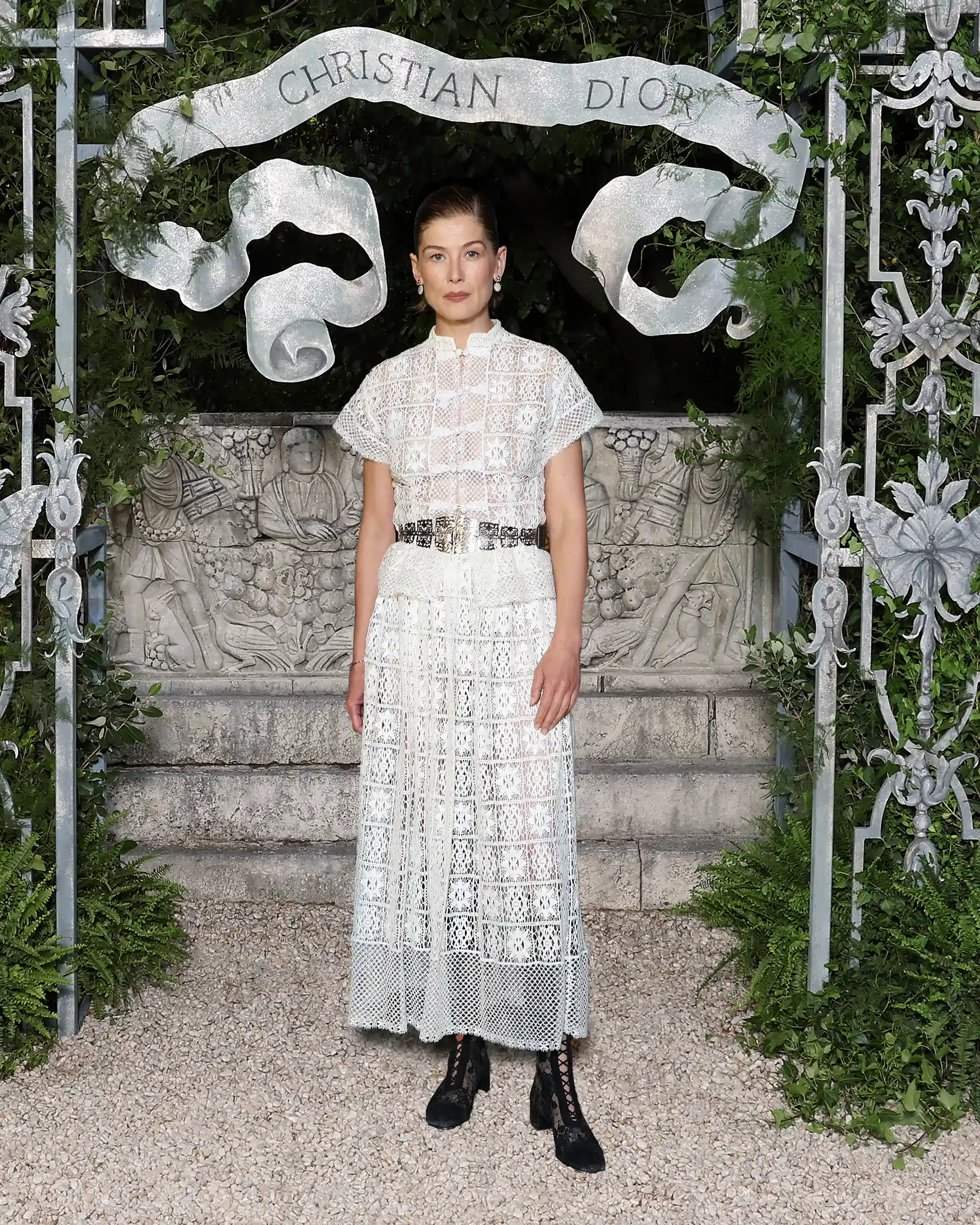
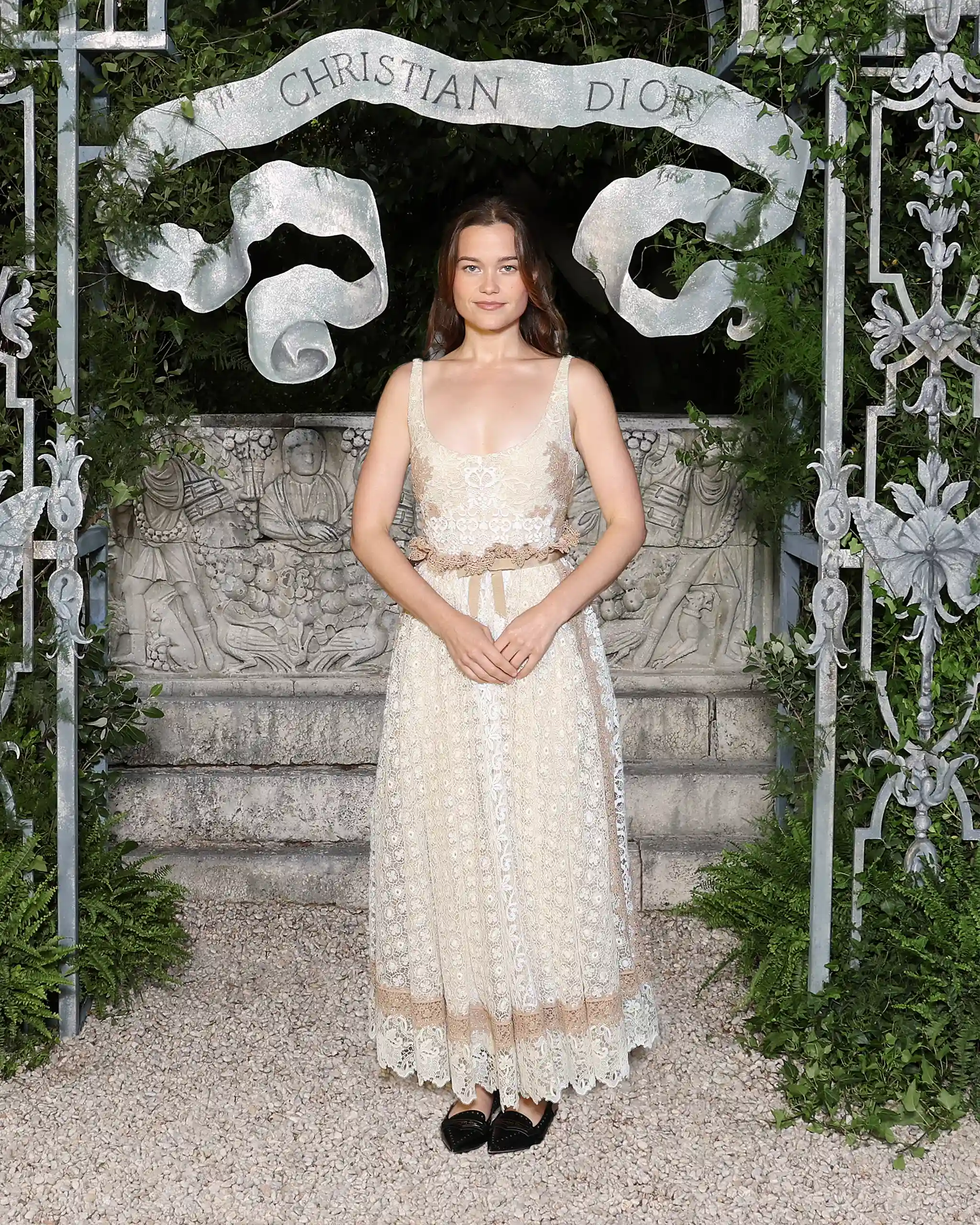
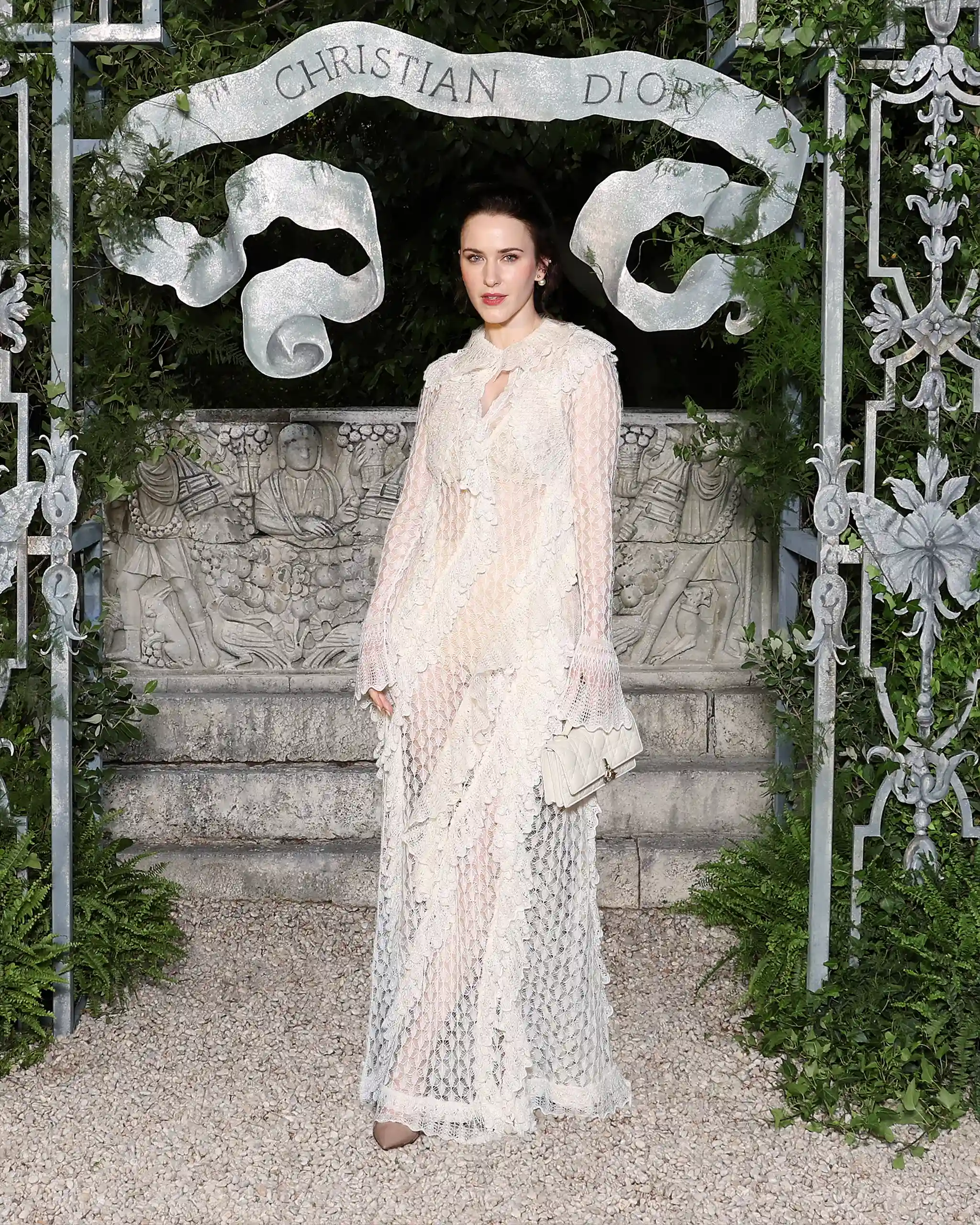
Whether it’s a prelude, an interlude, or a redirection entirely, Chiuri’s latest collection shows how fashion, like film, drifts away from the script. It loops, lingers, and sometimes dissolves into something more ethereal. A jolt of glitter. A sudden mask. A slow fade to white.
Photos courtesy of DIOR
Recommended Video
Latest Posts

Latest Issue