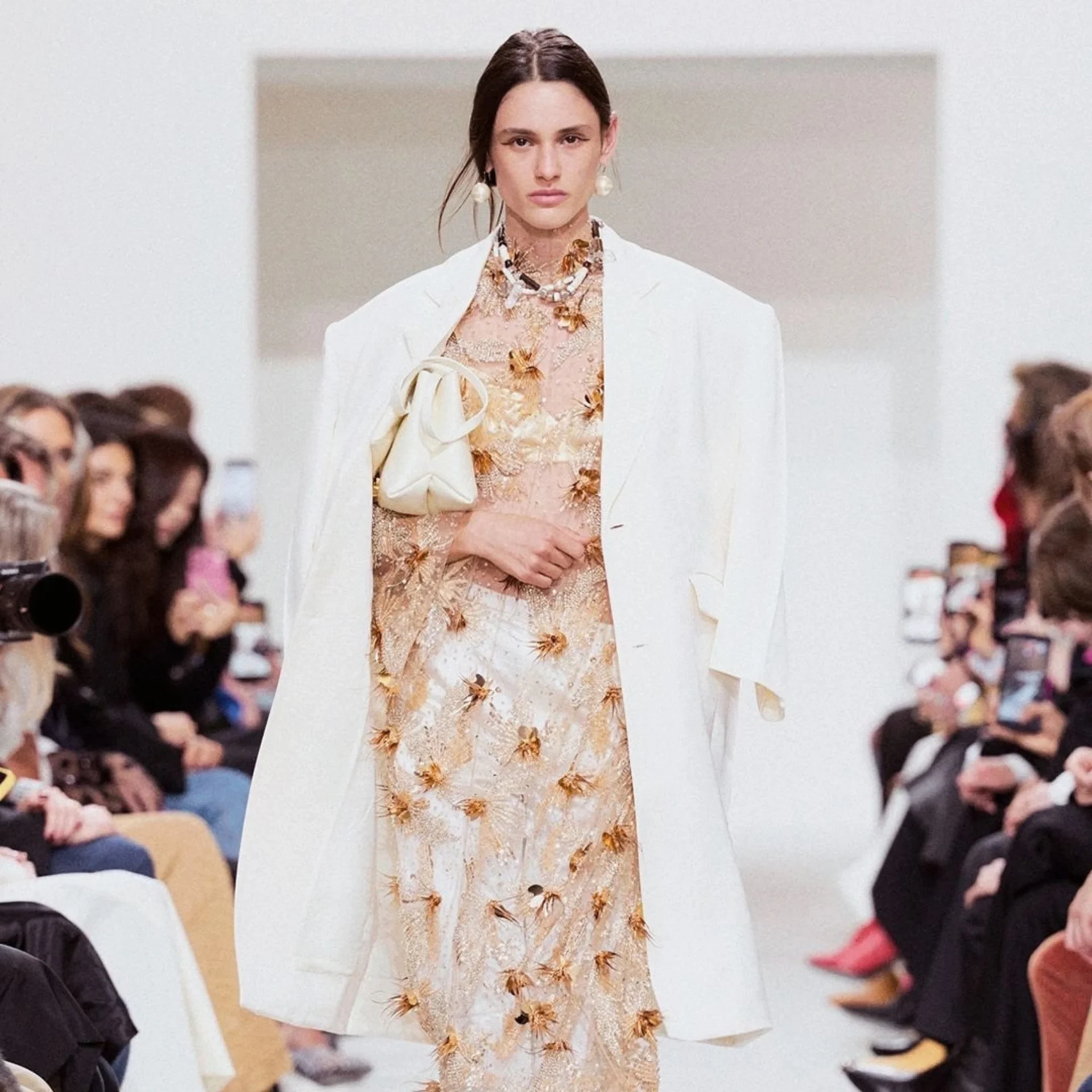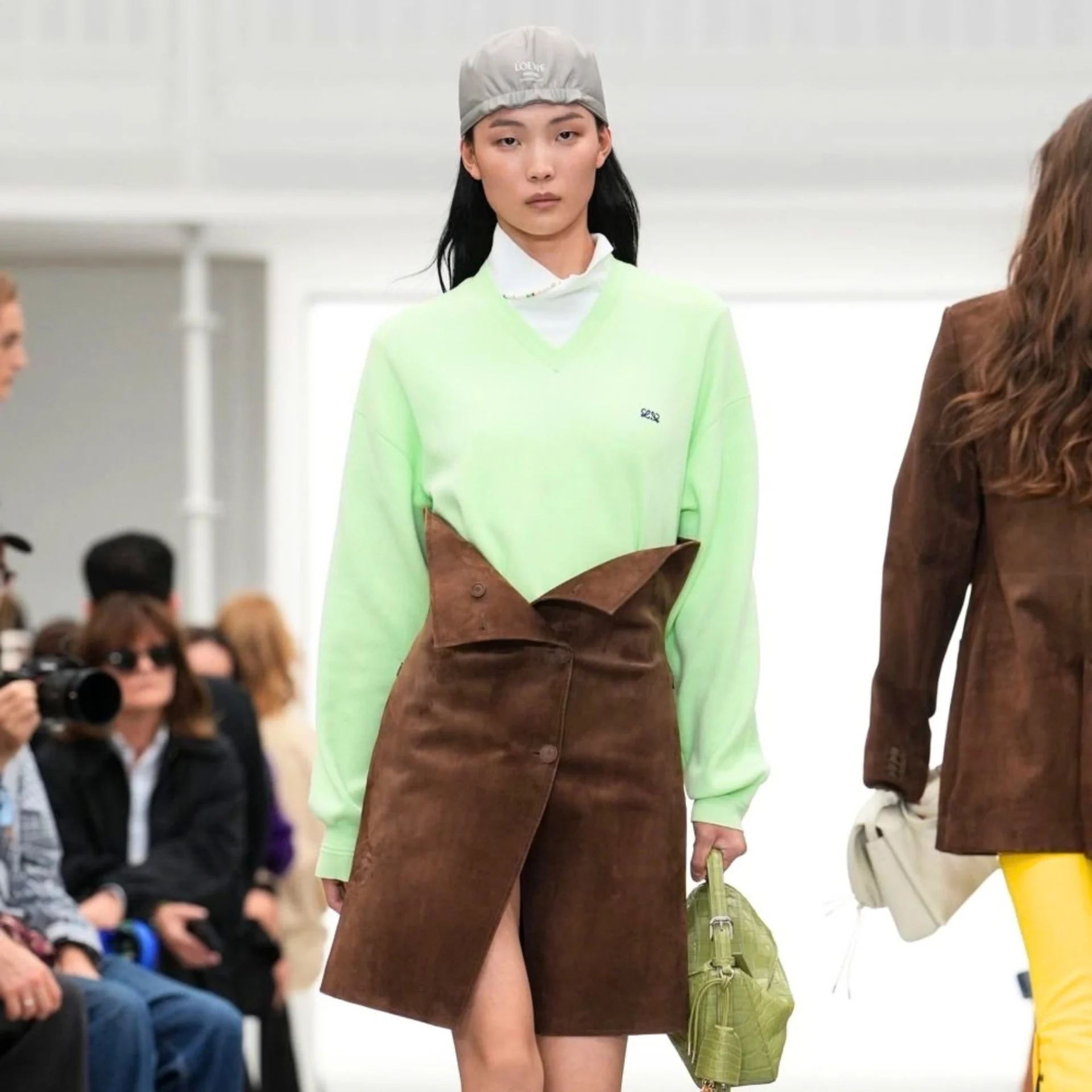




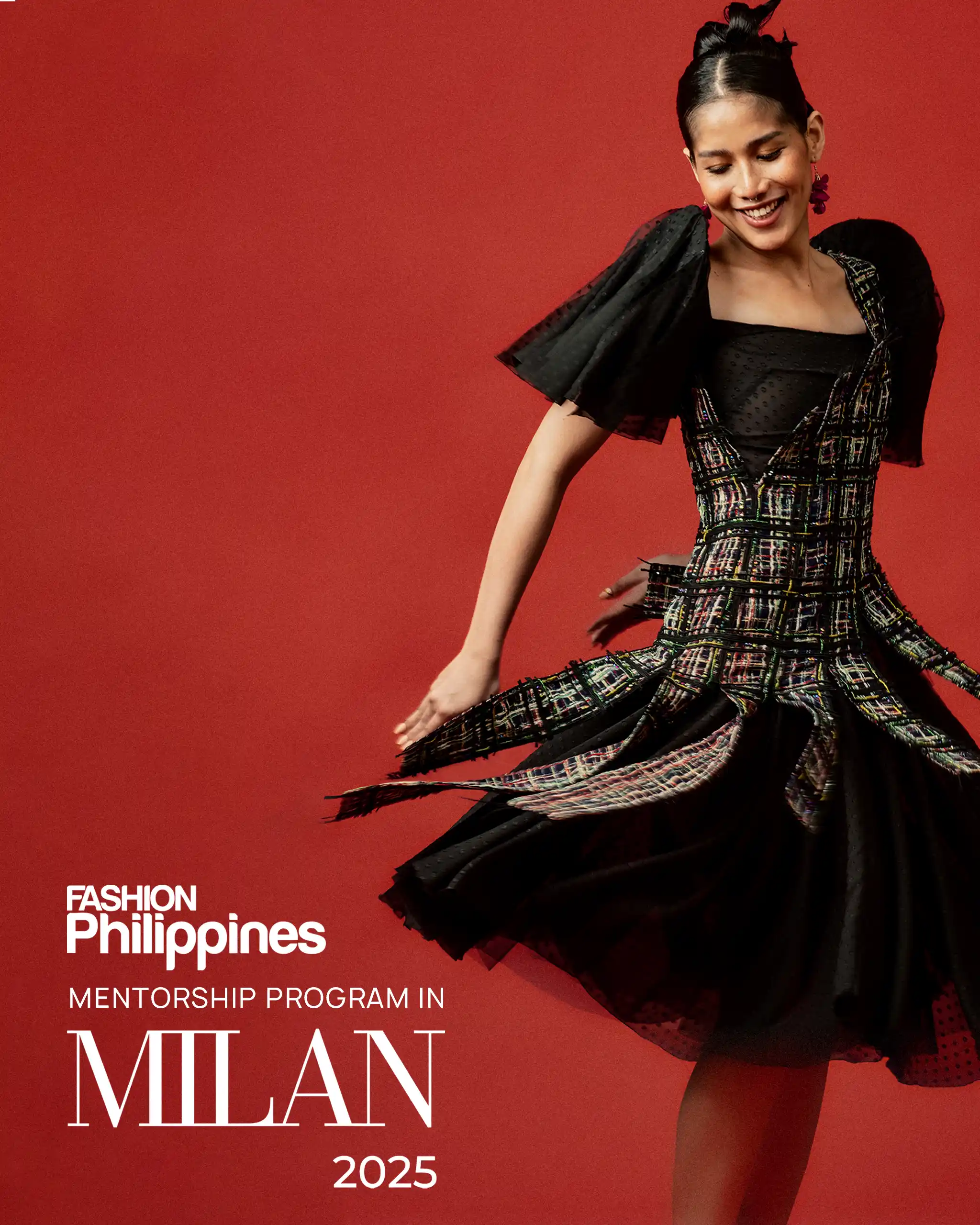
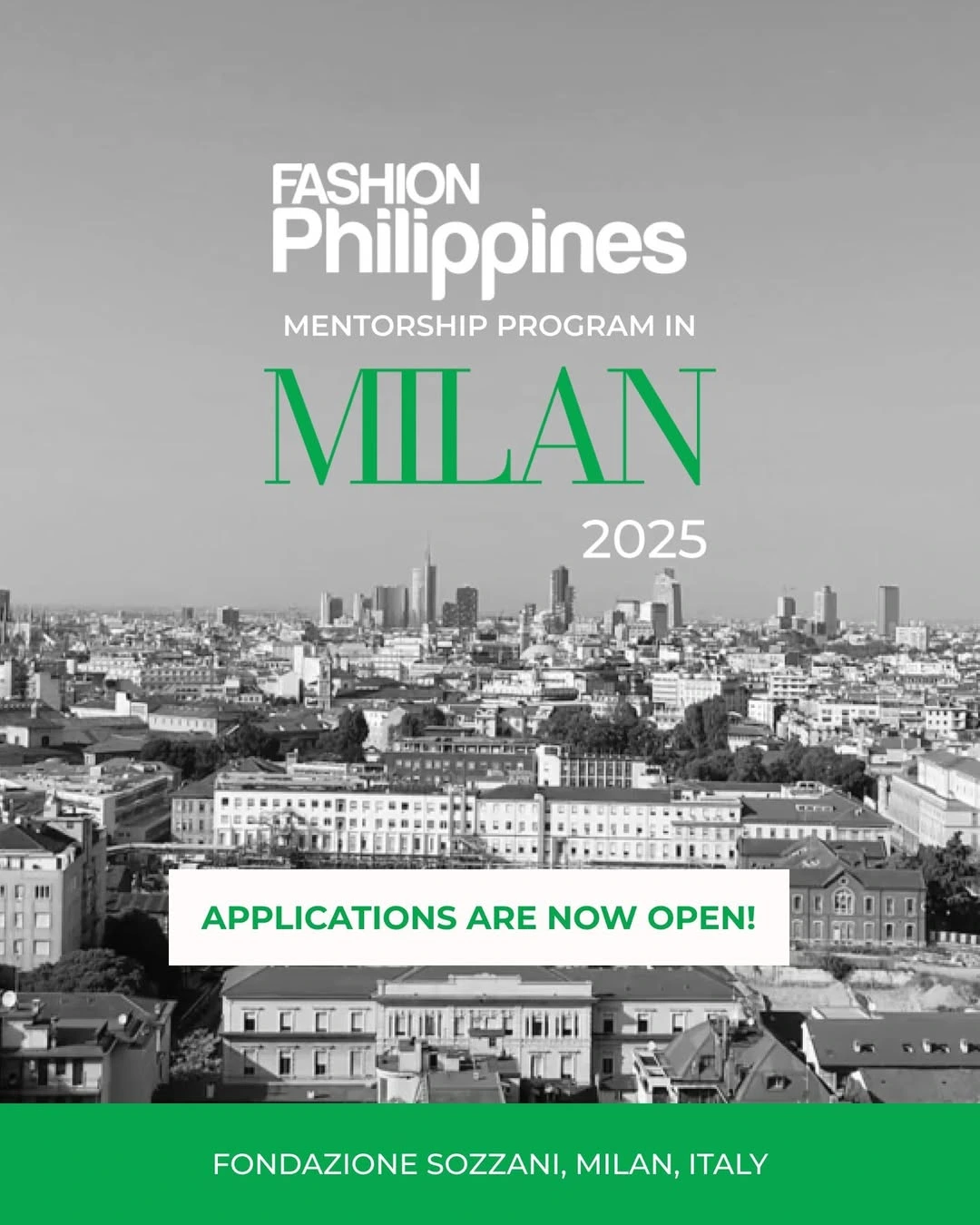
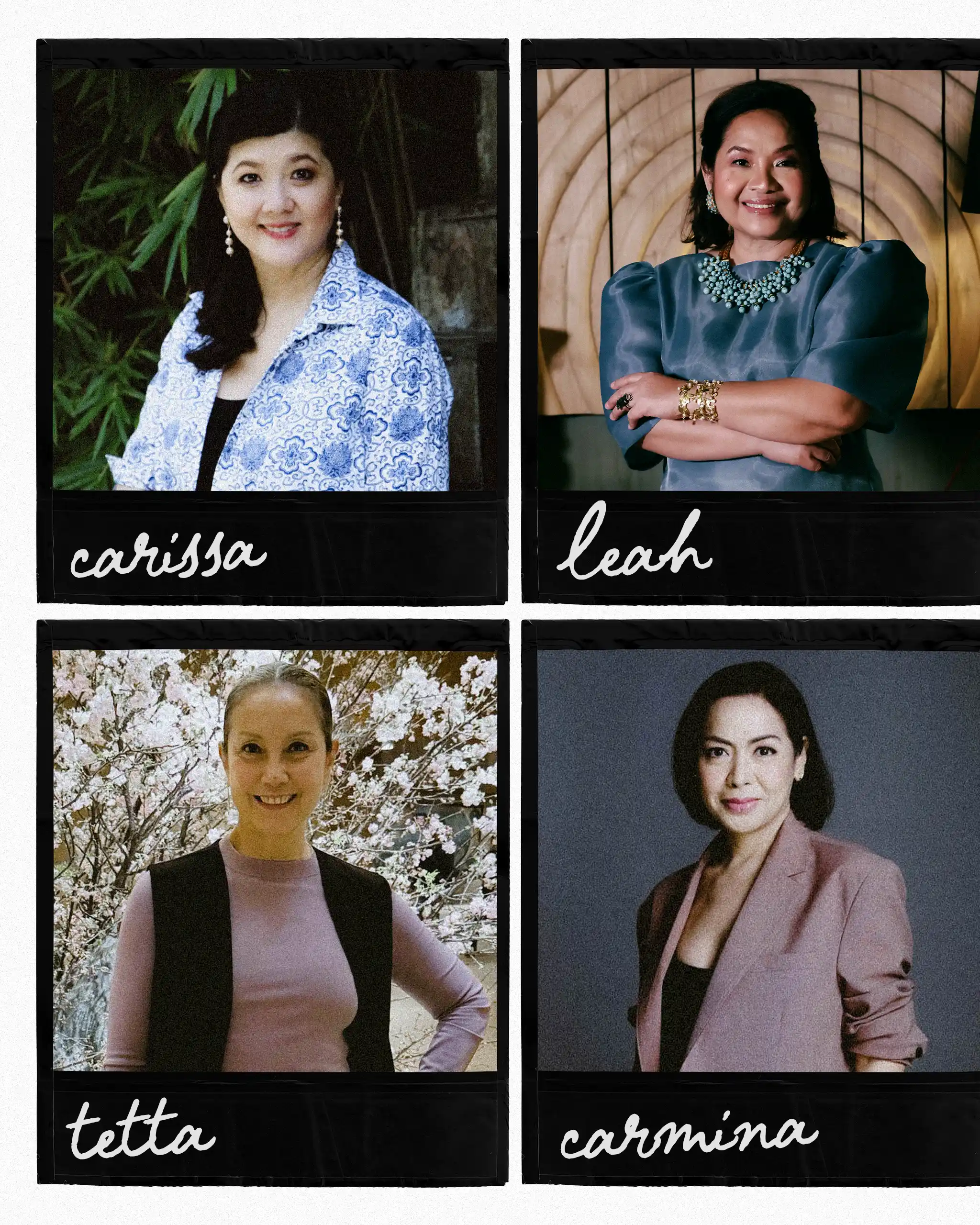
In partnership with Jackie Aquino, Carissa Cruz of the Philippine Fashion Coalition, and Tetta Ortiz-Matera of LIT Consultancy—and with support from the Center for International Trade Expositions and Missions (CITEM) and Philippine Textile Research Institute—the FASHIONPhilippines Milan Mentorship Program 2025 has officially launched.
RELATED: EXCLUSIVE: Dolly de Leon Finds Her Place in Hollywood
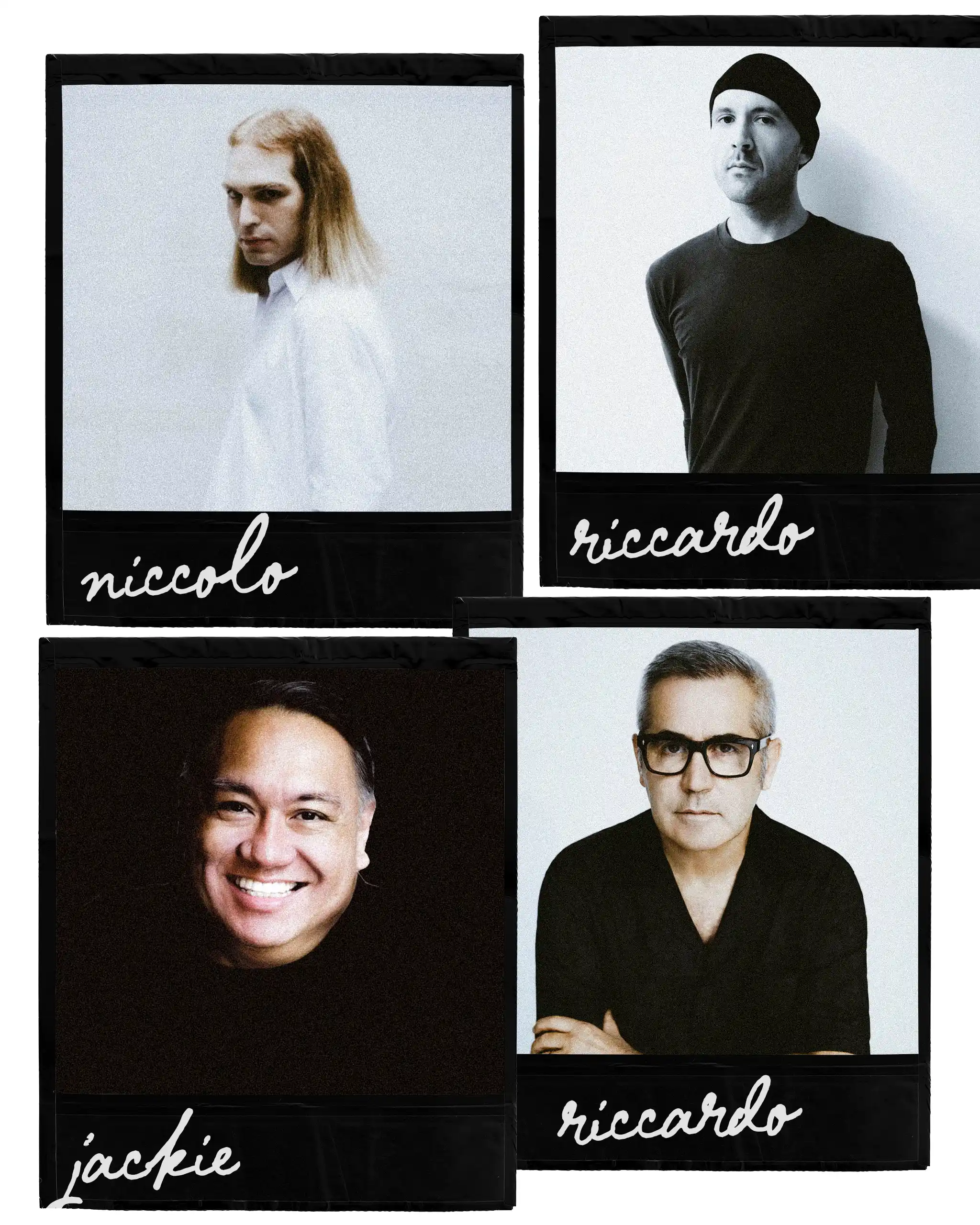
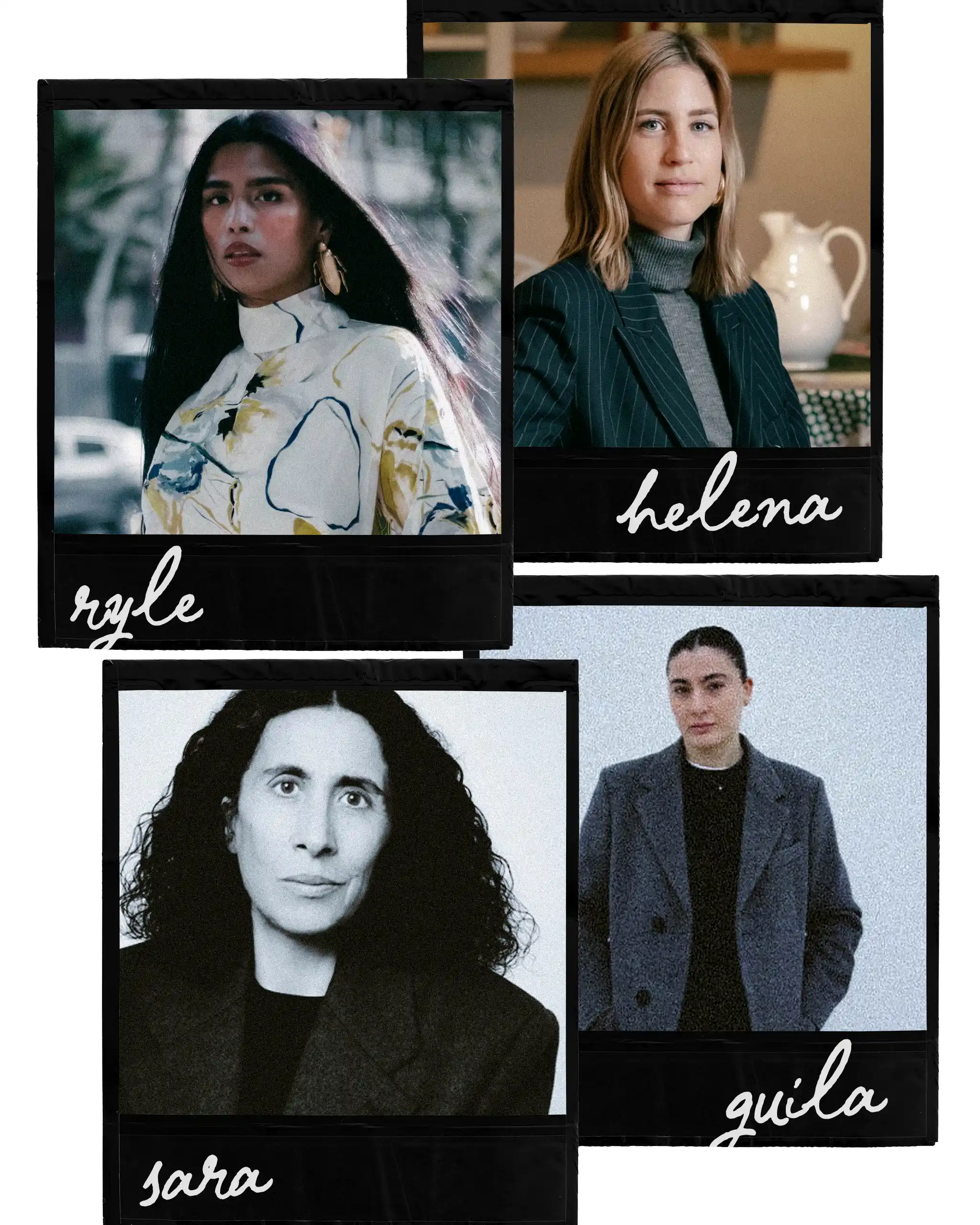
This pioneering initiative champions Filipino design through international mentorship, cultural exchange, and a three-day curated exhibition at the prestigious Fondazione Sozzani in Milan this September. Leading the program are mentors Helena Boissonnas of Le Bon Marché, Giulia Demitri of Gaudenzi Boutique, and digital strategist Ryle Tuvierra.
Filipino design has always stood apart: defined by depth, heritage, and a point of view shaped by time and terrain. Now, through this program, the world is paying attention.
What’s Essential Has Always Been Here
“Sustainability isn’t a trend anymore—it’s the baseline,” said Boissonnas. For Filipino artisans, that baseline is rooted in materials sourced locally, techniques honed over generations, and production embedded within communities rather than corporations. The retail expert & buying consultant notes the behind-the-scenes—packaging, supplier ethics, environmental sensitivity—that sets the new bar for global relevance. Filipino designers, by nature of their process, have already been doing it.
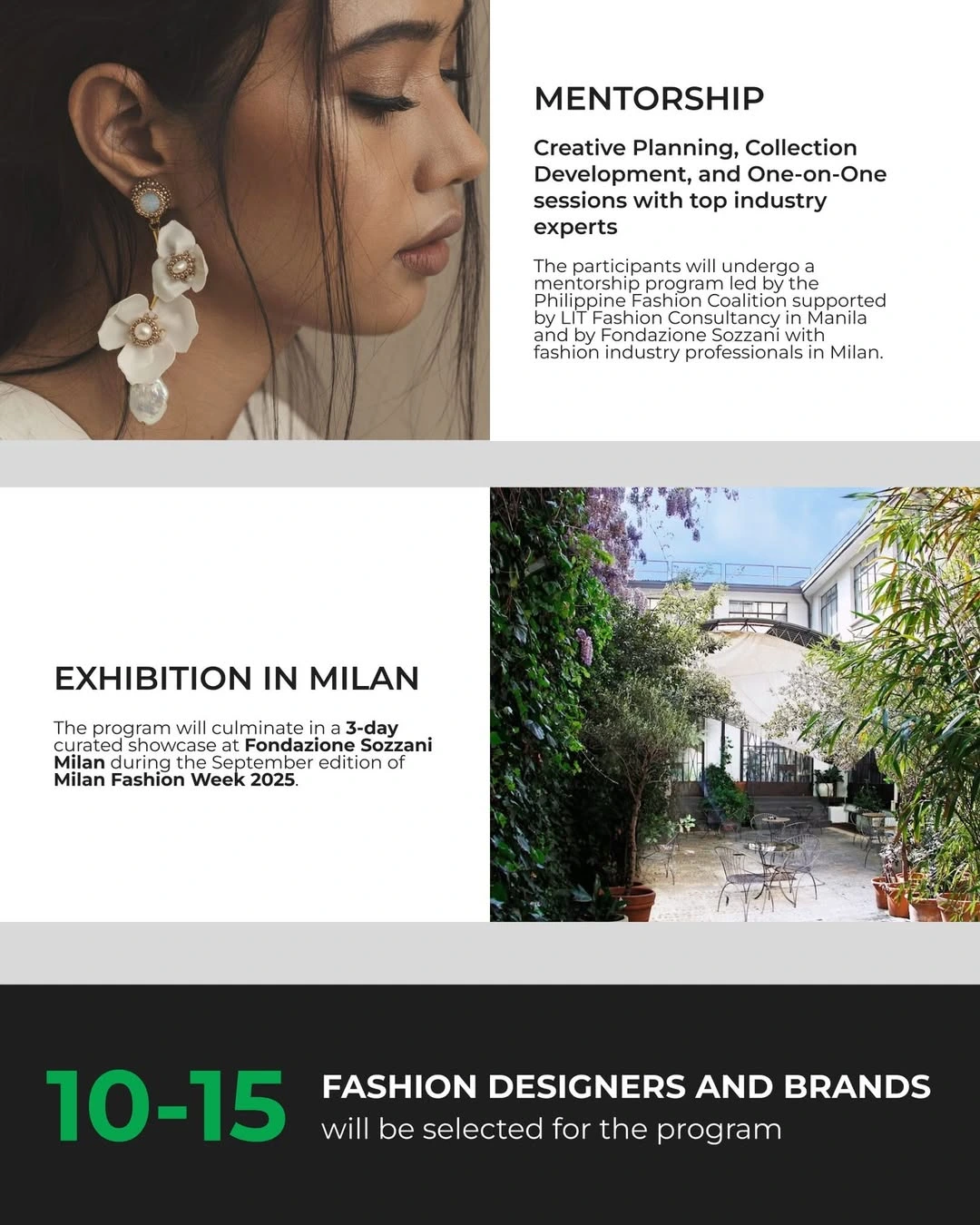
Demitri added that today’s consumer is more curious, more discerning. “People want to know where their pieces come from. After the pandemic, we’ve seen a shift in what luxuryLuxuryrefers to a state of exceptional comfort, elegance, and quality, often characterized by premium craftsmanship, exclusivity, and superior experiences.Go to Luxury Glossary really means.”
The program in question—one that brings Filipino talent face-to-face with European industry leaders—doesn’t just aim to export local brands. It’s designed to equip them with the visibility, tools, and connections needed to repackage themselves as global designers. As Tuvierra pointed out, “It’s one thing to design beautifully. It’s another to know how to screenshot an article properly and tag the right people.” It sounds small, but in the digital age, knowing how to market yourself is half the battle.
The Missing Piece Was Access
While Boissonnas admits she’s rarely encountered Filipino designers at the major fashion weeks, she sees that absence as a missed opportunity, not a lack of merit. “There’s so much I still don’t know about Filipino design. I’m ready for it.”
Giulia echoed the sentiment: “Sometimes, designers have the vision but don’t know where to start—no connections, no idea how to get into trade shows. It’s hard for us to find them.” Which makes this kind of cultural and commercial matchmaking long overdue.
The moment Filipino designers do land on the radar, their impact is hard to ignore. “The artisanal way we do things—it’s different,” said Tuvierra. She name-checked Rhett Eala, Michael Cinco, Jaggy Glorino, and Vania Romoff as proof that there’s no single Filipino aesthetic, but there is a common thread: a reverence for craft.
Culture Is a Selling Point
Demitri highlights that personality and background are strengths Filipino designers should adhere to “Each brand has its own personality. We always look for diversity and new things. That’s a strong point Filipino designers can trust.”
Boissonnas sees craftsmanship as a potential signature, though it depends on execution. “Some crafts can feel very primary, but others get adapted—made more commercial, more modern—while keeping the artisanal roots and history.” She looks forward to seeing how brands will balance tradition with international appeal. “The more they use craftsmanship from the Philippines, the more stories they have to tell—and customers love that.”
Design It, Then Define It
Designers must do more than create—they need to navigate the digital landscape with savvy. Tuvierra, drawing on 13 years of experience working across Europe’s fashion capitals, stresses the importance of mastering basic digital skills: how to present yourself when tagged, how to share press properly, and how to build meaningful connections beyond the work itself.
Her mentorship focuses on helping designers understand the nuances of collaborating with influencers and content creators—an approach distinct from the Philippine market. In Europe, brand partnerships demand careful curation and clear protocols to protect reputations and maximize impact.
“Repackaging themselves as global designers means learning these strategies,” Tuvierra explains. It’s about making your digital presence as deliberate as your craft.
Filipino design stands ready. Recognition follows not as reward, but as response. As the world sharpens its gaze, this close-up marks the first frame of a story long in motion.
How to Apply
Application Requirements
- Must be a member of the Philippine Fashion Coalition.
- Must be a Filipino national with a legitimate & registered business in the Philippines for at least 2 years.
- Products must be produced in the Philippines (with an option for manufacturing support).
- Must have released at least two (2) collections in the past two years and present 15-20 designs during the application.
Apply through this form. Deadline of Applications: June 13, 2025
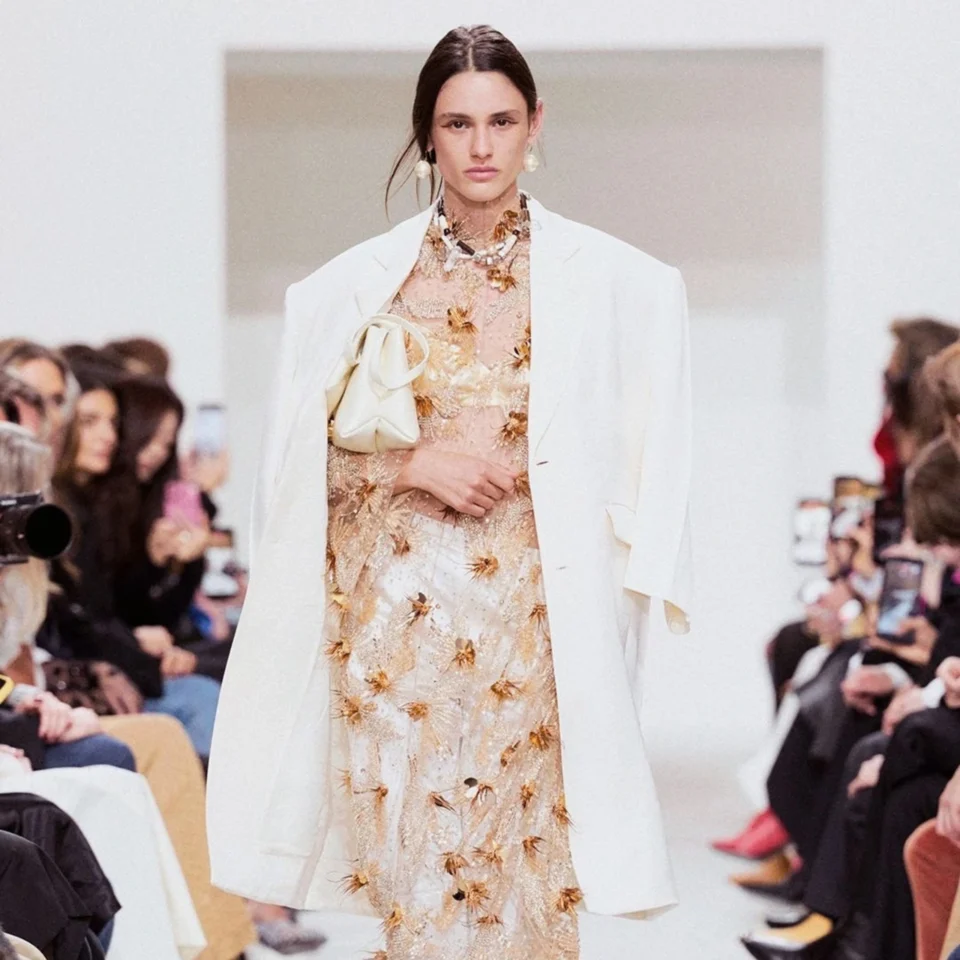
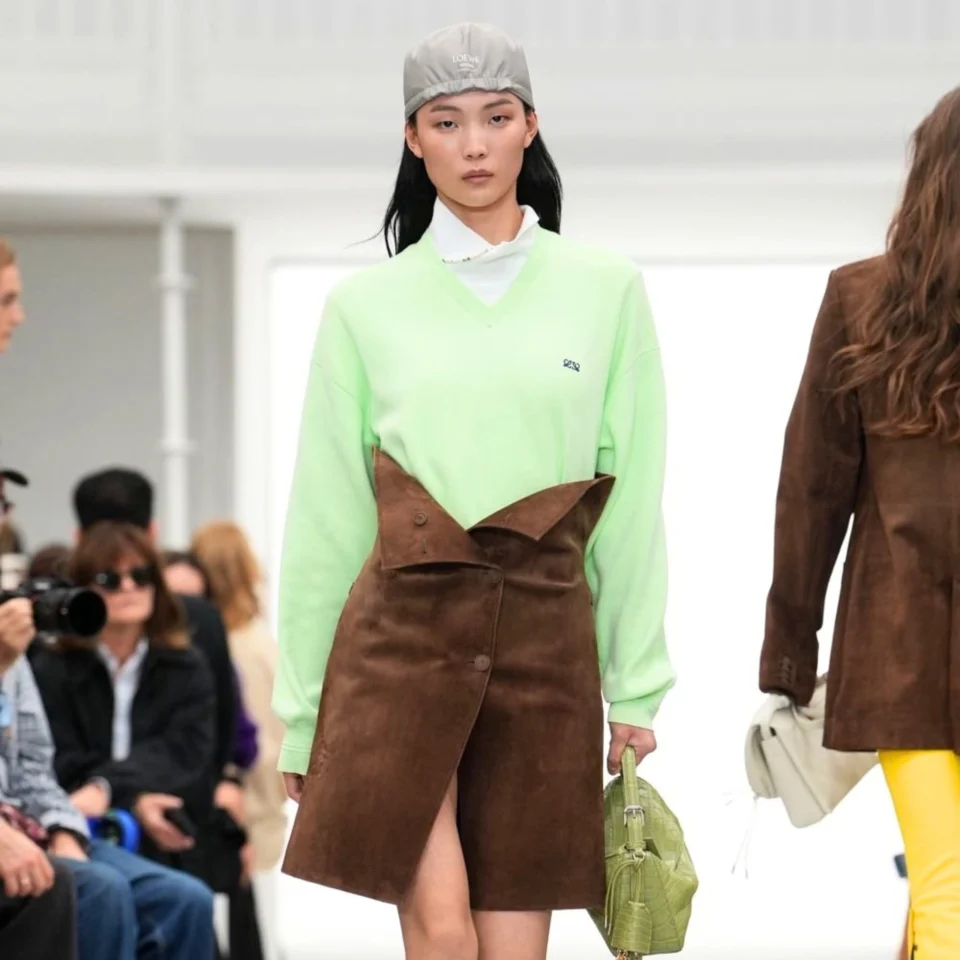
Photos courtesy of FashionPHILIPPINES
Recommended Video
Latest Posts
Latest Issue